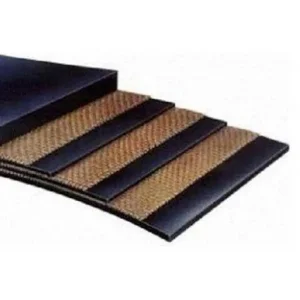
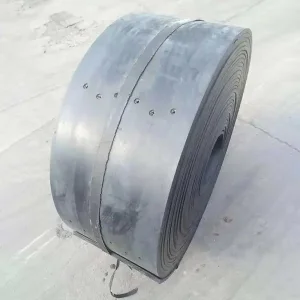
In modern bulk handling operations, processing layout spaces are becoming tighter, and the footprint of factories is increasingly restricted. To maximize throughput per square foot, industrial operators are pivoting towards steep incline conveyor architectures. Standard flat-surface rubber conveyor belts are limited to operational angles under 15 to 18 degrees, depending on the material's specific dynamic angle of repose. Attempting to convey materials beyond these critical angles triggers slippage, backflow, system blockages, and serious conveyor downtime, resulting in significant operational losses.
Consequently, the market for anti-slip conveyor belts—specifically chevron, high-profile patterned, and corrugated sidewall (wavy edge) configurations—has surged globally. The international focus has shifted towards heavy-duty compound formulations that combine slip resistance with structural durability under harsh operating environments. According to recent bulk material handling industrial reports, the compound annual growth rate (CAGR) for high-performance patterned conveyor belts in mining, steel, construction, and deep-sea port terminals exceeds 6.8%. Procurement executives are moving beyond generic pricing metrics, seeking manufacturers that deliver high coefficients of friction (COF), specialized rubber vulcanization techniques, and advanced polymer reinforcements such as Nylon (NN) and Polyester (EP) fabrics or high-tensile steel cord weaves.
Modern conveyor networks consume vast electrical energy. High-quality rubber compounds are now formulated to reduce indentation rolling resistance (IRR) on return idlers, reducing energy expenditures by up to 15% while sustaining maximum anti-slip surface traction.
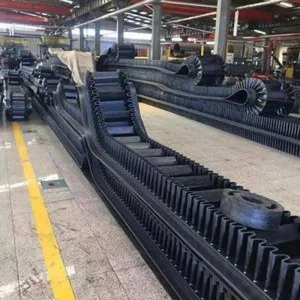
Using wavy-edge (corrugated sidewall) and patterned belts enables incline angles from 30° to 90°, reducing the required horizontal run space of conveyor structures, minimizing infrastructure setup costs, and maximizing storage space efficiency.
The convergence of smart factories and IoT has driven the demand for sensor-embedded steel-cord belts. Inductive loop systems and thermal sensors monitor localized slippage and structural cuts, preventing catastrophic structural failures.
Procuring anti-slip belting systems requires a comprehensive understanding of rubber cover grading, core reinforcement, and safety parameters. Industrial operators evaluate the quality of anti-slip belts using established international standards. The table below represents the core parameters globally recognized in heavy-duty mining, metallurgy, and aggregate processing environments:
| Cover Grade (DIN 22102) | Tensile Strength (Min. MPa) | Elongation at Break (Min. %) | Abrasion Loss (Max. mm³) | Primary Industrial Applications |
|---|---|---|---|---|
| Grade W | 18 MPa | 400% | 90 mm³ | Highly abrasive minerals, quartz, trap rock, coke, glass cullet. |
| Grade X | 25 MPa | 450% | 120 mm³ | Heavy-duty impact, large-sized ores, sharp aggregates, granite boulders. |
| Grade Y | 20 MPa | 400% | 150 mm³ | General bulk handling, coal, cement raw meal, gravel, clay, sand. |
| Grade Z | 15 MPa | 350% | 250 mm³ | Light agricultural conveying, packaging, wood chips, grain silos. |
Beyond wear indexes, the dynamic coefficient of friction between the rubber surface and the conveyed material is critical. To maintain stability, the chevron or pattern profile must match the angle of transport:
By shifting to automated raw material compounding and state-of-the-art continuous curing presses, Chinese factories have achieved precision vulcanization across entire belt lengths. The integration of high-pressure vulcanizing systems guarantees that the patterned chevrons are cured monolithically with the base belt, completely eliminating the risk of pattern delamination common in cold-bonded alternatives.
Furthermore, vertical integration in chemical synthesis parks ensures stable sourcing of crucial rubber additives, high-tensile steel cords, and synthetic fibers. This resilience shields global clients from sudden pricing spikes or raw material delays.
Sourcing directly from optimized manufacturing hubs like Hebei Province allows buyers to lower total cost of ownership (TCO) without sacrificing mechanical specifications. Hebei Boao Rubber Technology benefits from proximity to heavy industrial corridors, which lowers raw material transport costs and enables rapid shipping through Tianjin and Qingdao ports.
Additionally, complete vertical quality controls ensure zero-defect production runs, lowering inspection overhead and minimizing installation delay risks for foreign logistics projects.
Located in the prestigious Rubber Industrial Park of Boye County, Baoding, Hebei Province, Hebei Boao Rubber Technology Co., Ltd. has stood as a pioneer of industrial rubber manufacturing since its foundation in 2004. Spanning an expansive production footprint of over 30 acres, we are committed to delivering the highest caliber of conveyor system solutions globally under our flagship brand, "Jinao".
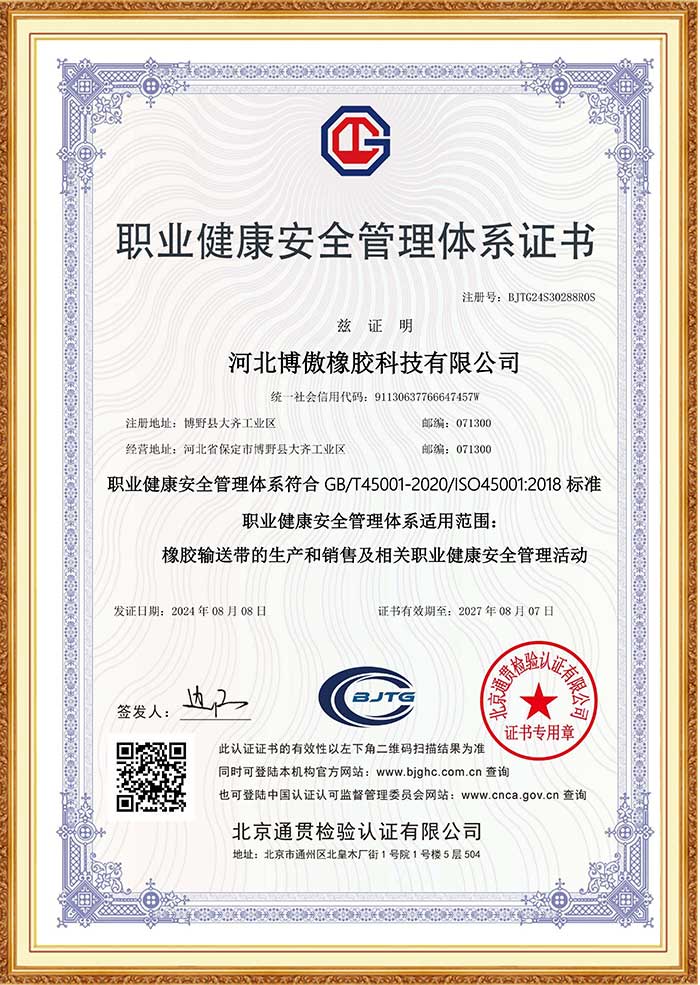
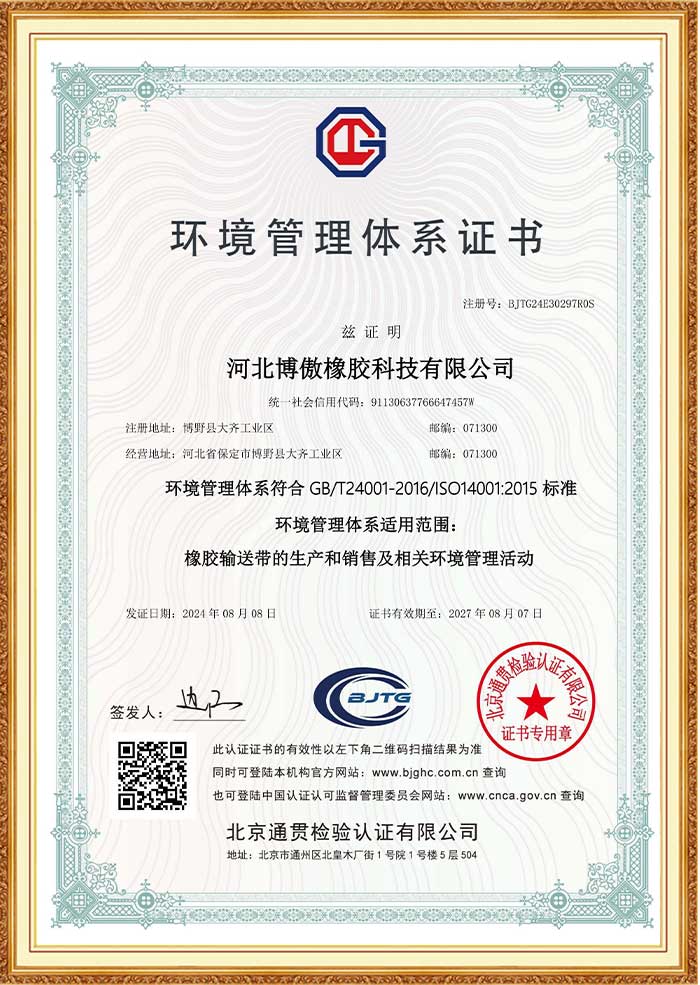
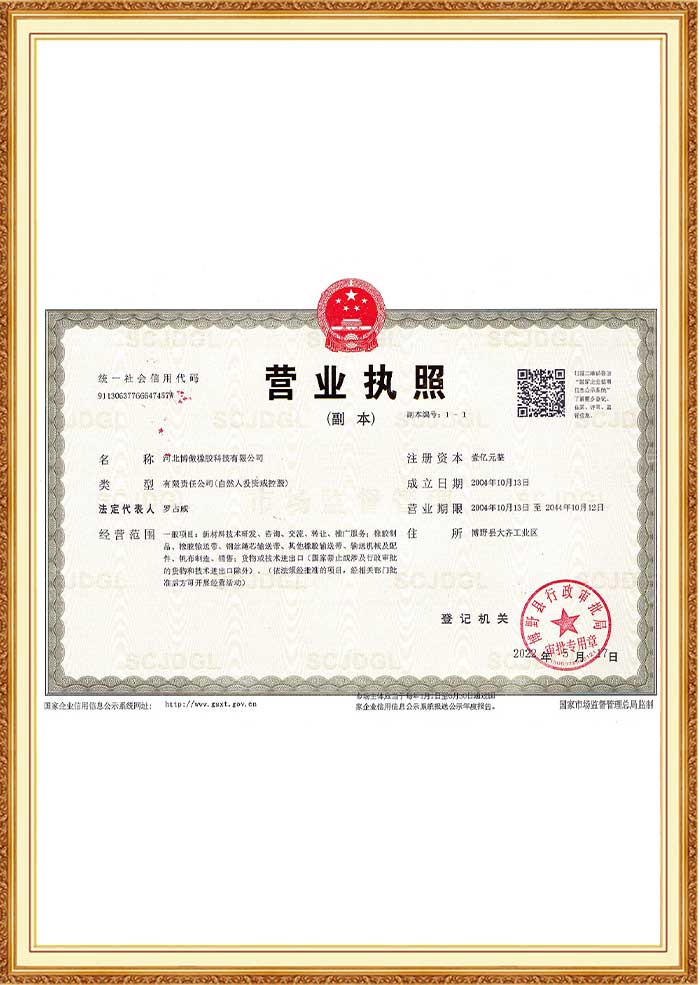
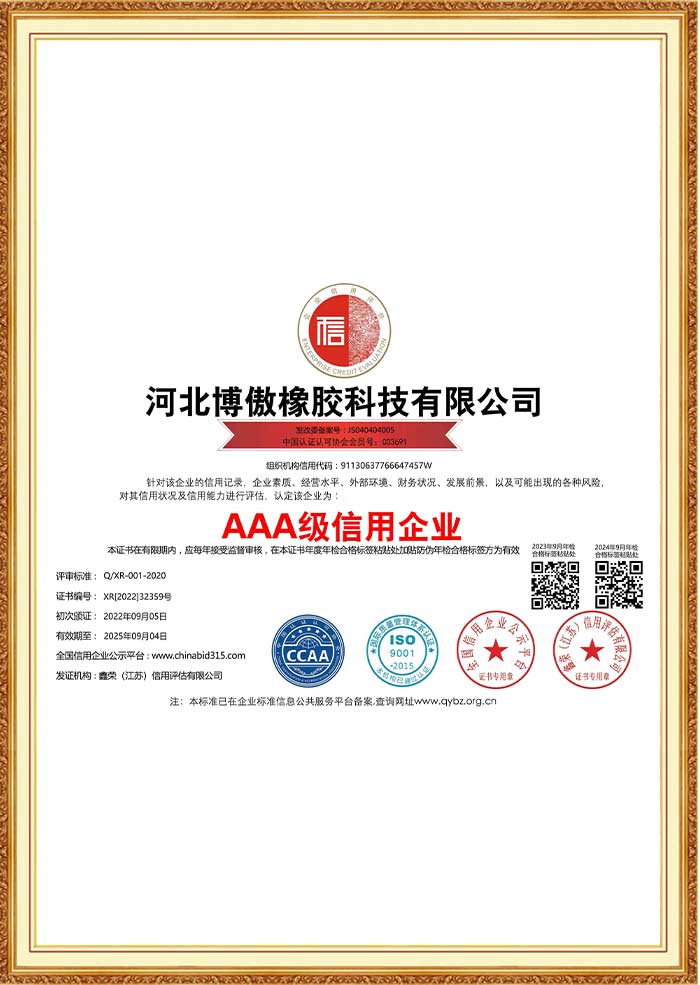
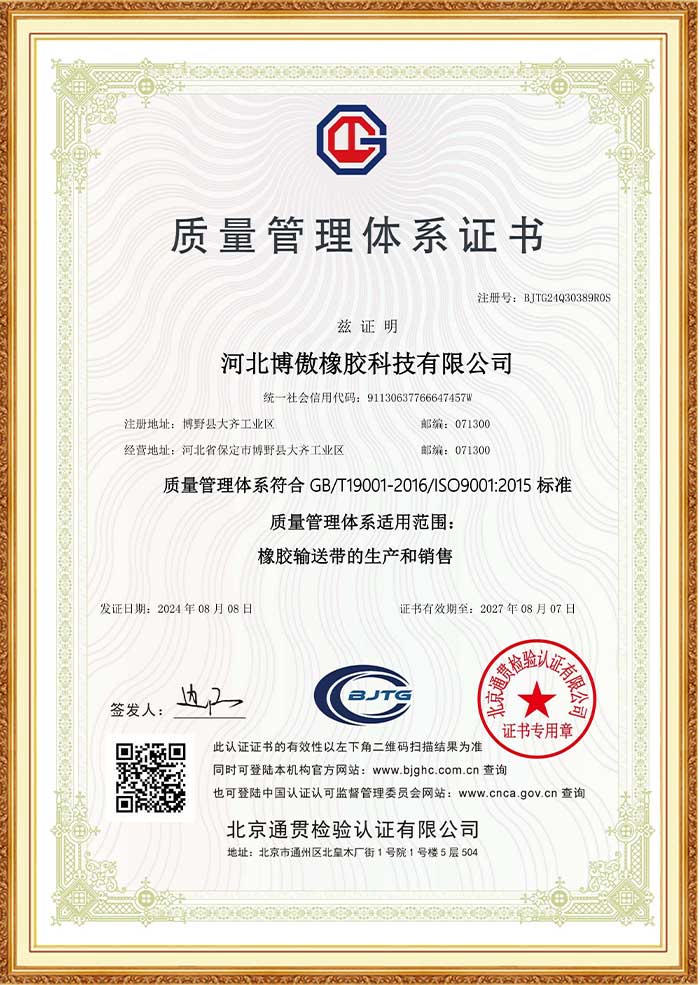
As an ISO 9001 certified manufacturing plant, Boao integrates design, raw material testing, structural engineering, and finished product quality control within a single location. Our facilities house multiple advanced manufacturing lines for rolling, calendering, molding, and high-pressure vulcanization, alongside specialized testing laboratories.
Industrial Engineering
Brand Integrity
In-House Test Labs
We maintain an independent in-house chemical analysis room and physical test laboratory. Each batch of raw polymer, plasticizer, carbon black, and reinforcing cord is verified prior to entry into our internal mixers. Unqualified materials are rejected, and non-conforming finished products are excluded from dispatch.
Our designated Quality Control (QC) supervisors utilize advanced testing gear, including moving die rheometers, electronic tensile testers, and DIN abrasion testers, to verify performance consistency from the initial rubber mastication phase to the final roll packaging.
Boao's engineering systems serve multiple international locations. Our products support high-load applications in steel mills, cement works, thermal power generation, mining complexes, agricultural grain terminals, and major deep-water ports.
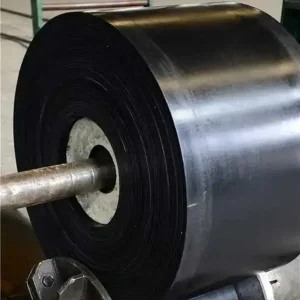
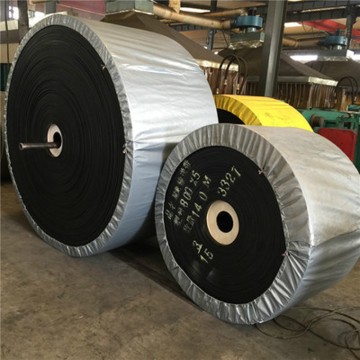
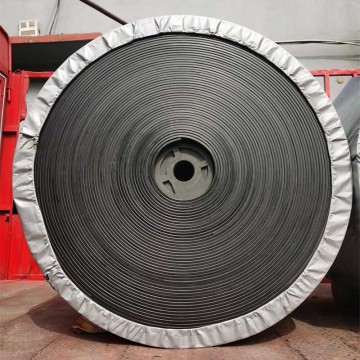
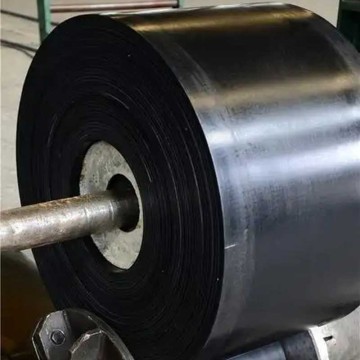
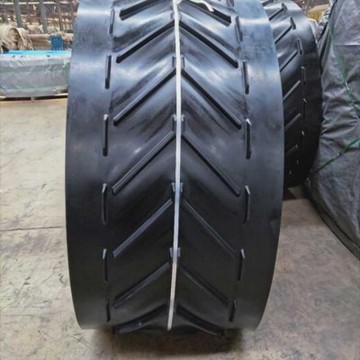
Engineered Multi-Ply & Special Purpose Belting
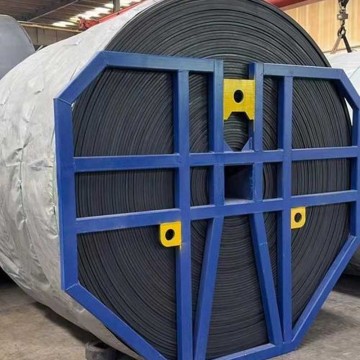
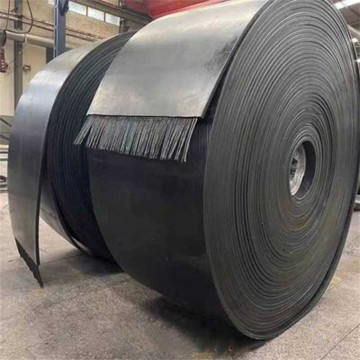
Our conveyor belting configurations are engineered to withstand extreme mechanical loads and environmental stresses:
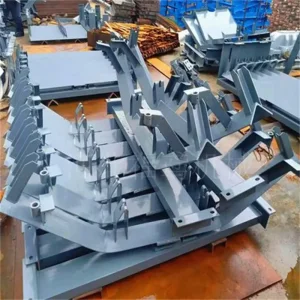
Precision Engineered Structural Components
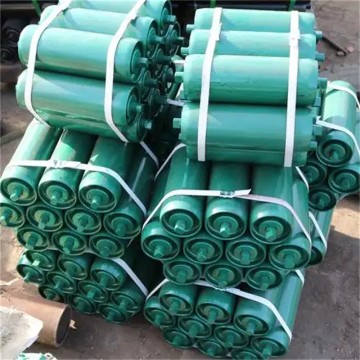
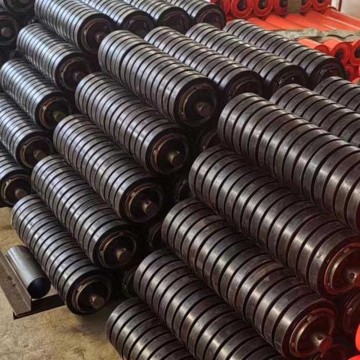
We design and supply structural steel brackets and idler assemblies to support our belt lines:
To maximize operational efficiency and prevent unexpected failures, Boao offers technical support throughout the entire life of the conveyor belt, covering planning, installation, and preventative maintenance:
Providing structured system planning, onsite vulcanized splicing, repair work, structural alignment checkups, and emergency support.
Delivering conveyor belts and splicing kits, keeping safety stocks of critical widths, monitoring wear, and managing belt storage.
Minimizing tracking errors, reducing vibration wear, reducing material spillage, and optimizing conveyor runtime.
Maximizing rubber compound wear life, preventing tracking errors, and reducing total system cost per ton handled.
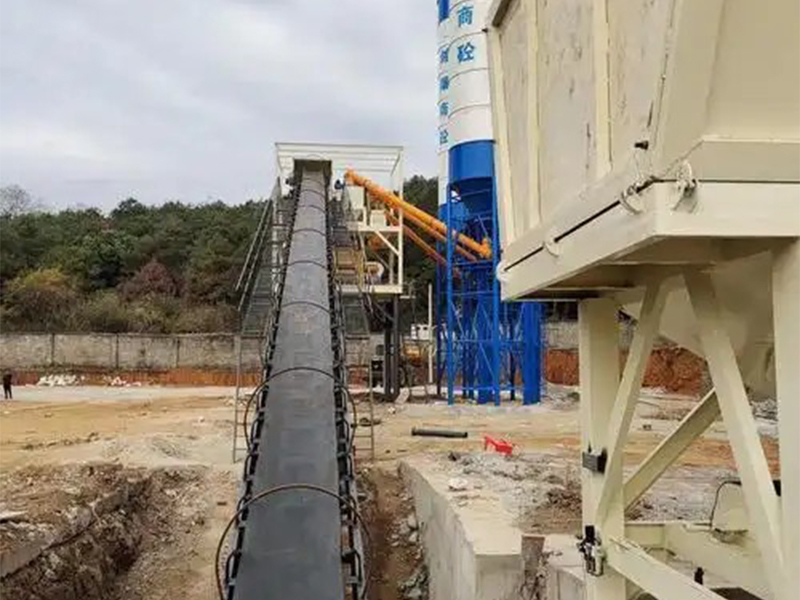
Incline Batching Plant
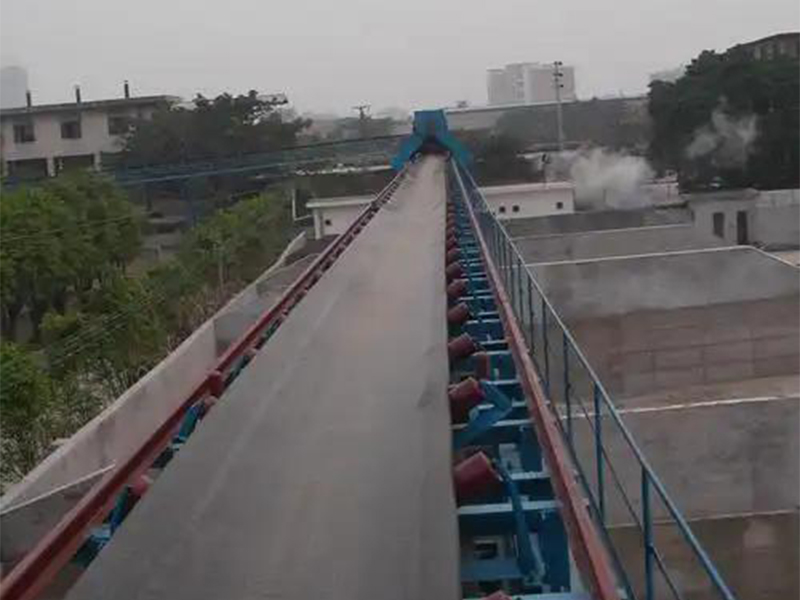
Clinker Conveyor Line
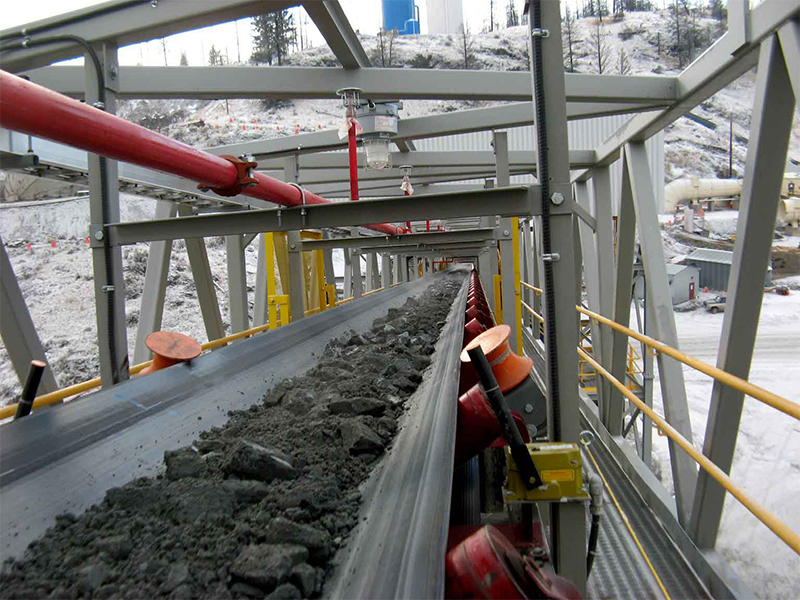
Underground Coal Conveying
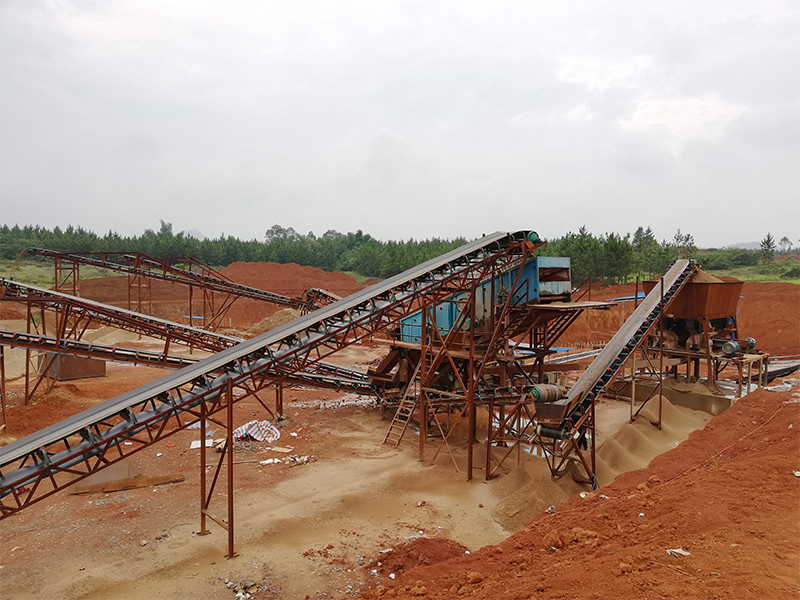
Smelting Feeder Systems
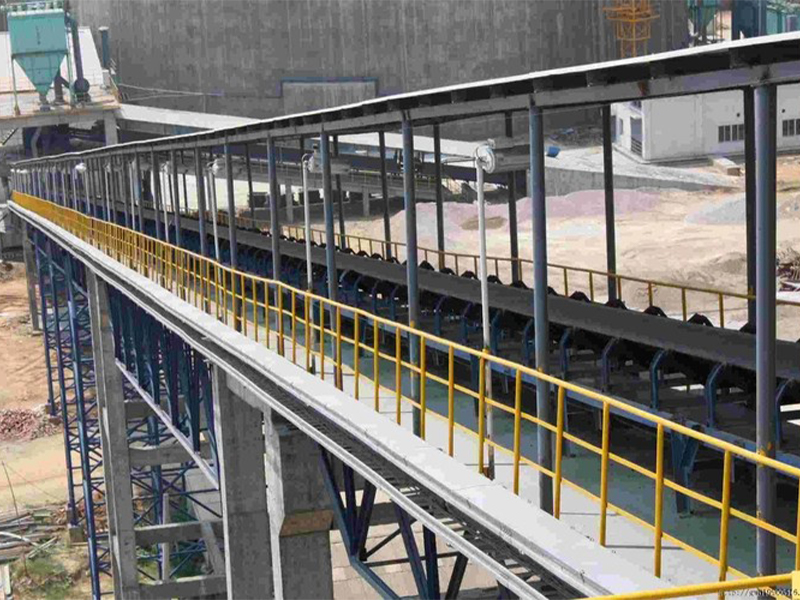
Raw Meal Feed Belts
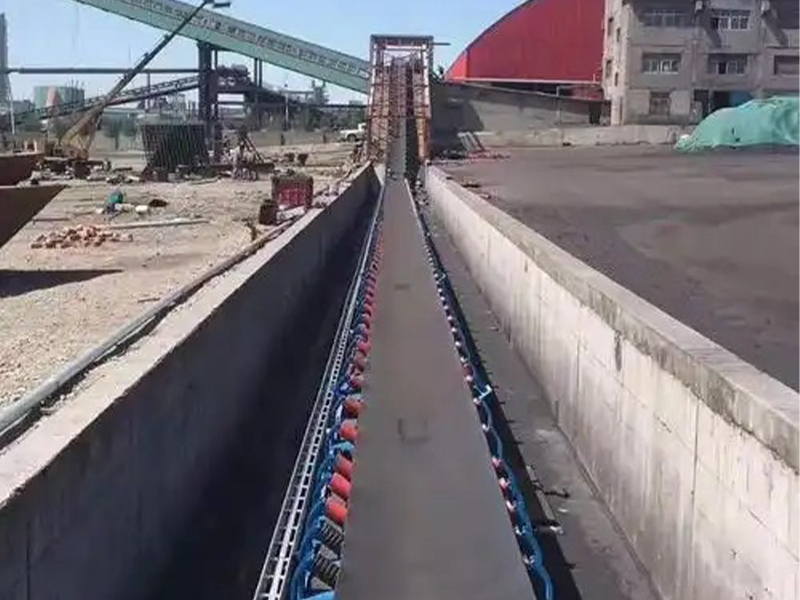
Heavy Coal Washing Line
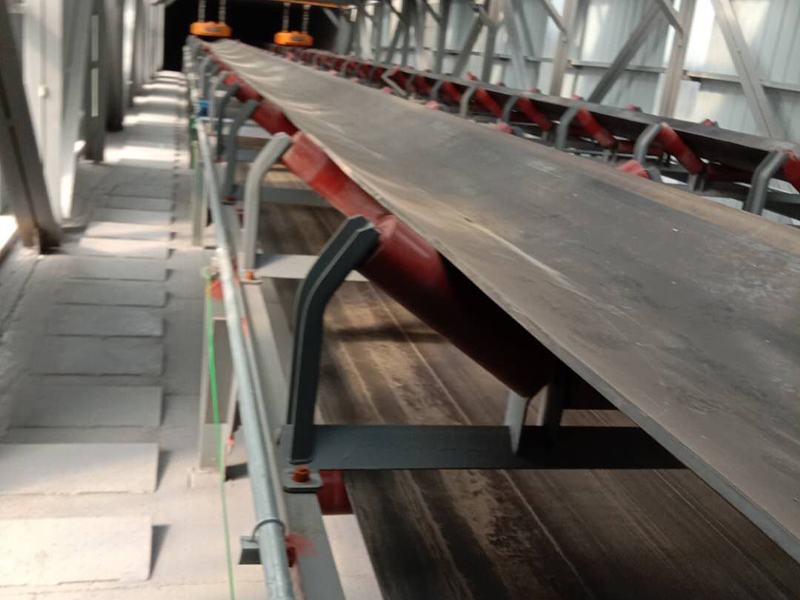
Sinter & Coke Incline Lines
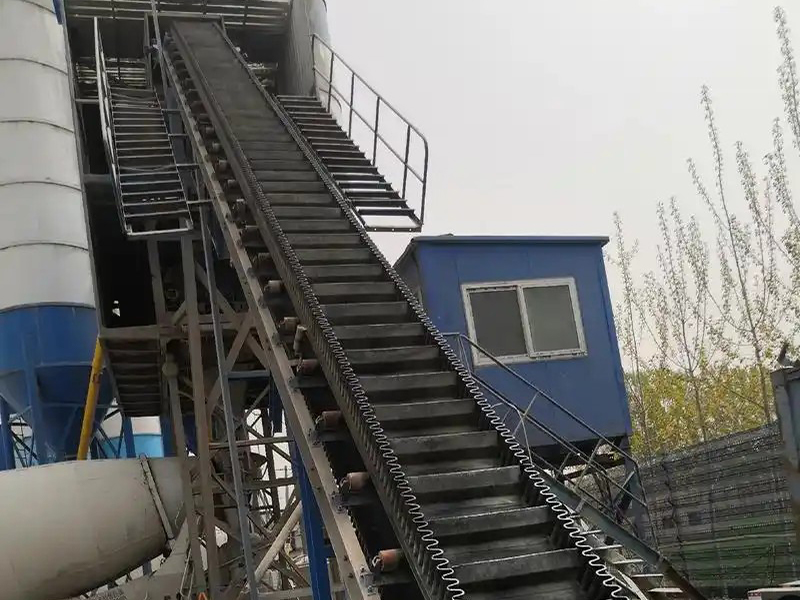
Blast Furnace Feeding Line
The rubber cover thickness (e.g., 4mm top + 2mm bottom or 6mm top + 3mm bottom) provides the primary wear reserve against particle abrasion. For patterned and chevron belts, the profile height is typically excluded from the base cover thickness calculation. Choosing a thicker cover compound increases abrasion resistance, ensuring the structural carcass remains protected even as the anti-slip profiles wear over time.
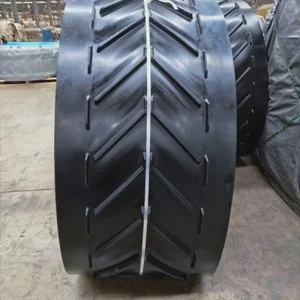
Chevron belts are typically utilized for conveying bulk materials at angles between 20° and 40°. Beyond 40° to 45°, loose materials begin to spill over the cleats. For vertical or steep transport from 45° up to 90°, corrugated sidewall (wavy edge) belts equipped with transverse cleats are recommended to secure the materials and prevent backsliding.
In hot vulcanization moulding, the patterns or chevrons are cured simultaneously with the base belt under high temperature and pressure in the factory press. This forms a single, integrated rubber structure. Cold-bonded patterns are glued onto a cured flat belt afterward, leaving them susceptible to shear stress and delamination when passing over small-diameter pulleys or dealing with scrape cleaners.
Acid-alkali resistant belts employ inert elastomers like Chloroprene (CR) or Ethylene Propylene Diene Monomer (EPDM) mixed with specialized chemical-resistant fillers to prevent structural breakdown. Heat-resistant belts rely heavily on EPDM or specialized EPM polymers compounded with antioxidants to withstand heat aging, preventing cracking and hardening when carrying hot materials like cement clinker or sintering ore up to 200°C.
Our quality control protocol includes physical testing of samples from each batch. We conduct tensile strength testing of the cover rubber and carcass plies, test rubber-to-fabric adhesion levels to verify resistance to delamination, and perform DIN abrasion tests to measure wear rates. All conveyor belts are shipped with corresponding quality certification and laboratory testing reports.
 Boao Rubber