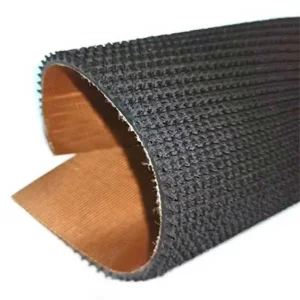
Explore our elite engineering options, systematically optimized for high throughput, severe impact resistance, and continuous industrial runtime.
Mapping the structural landscape of heavy-duty material handling across core global sectors.
In modern bulk material logistics, Drum Conveyor Systems serve as the foundation of continuous operations in key global industries. These complex setups, which rely on driving, tail, and take-up pulleys to move hundreds of thousands of tons of material daily, are critical to sectors such as open-cast mining, iron ore processing, deep-sea shipping ports, and high-capacity thermal power generation facilities.
On a global scale, the demand for high-efficiency drum conveyor systems is increasing due to the need for deeper mining extraction and higher bulk shipping throughput. Facilities now require systems that can operate under extreme stress, resist catastrophic pulley slippage, and withstand harsh environmental conditions. The engineering behind drum lagging, shaft design, and bearing selections has shifted from standard mechanical setups to highly simulated, stress-modeled structures capable of operating 24/7.
Furthermore, the international shift toward automated plant architectures requires drum conveyor configurations that integrate seamlessly with smart diagnostic tools. Dynamic tension monitoring, automated belt tracking sensors, and localized temperature profiling at the pulley bearings are becoming standard components. This integration helps minimize unplanned downtime, which can cost terminal operators thousands of dollars per minute.
How localized manufacturing clusters and raw material integration produce superior reliability and cost-efficiency.
China's leadership in the production of drum conveyor parts and industrial conveyor belts is rooted in mature industrial clusters. Locations like the Boye County Rubber Industrial Park in Hebei Province bring raw material chemical suppliers, steel cord manufacturers, precision CNC machining shops, and specialized vulcanization testing laboratories into close proximity. This geographic concentration streamlines logistics and lowers production overheads.
These industrial hubs allow manufacturers to maintain consistent quality control while scaling production. With direct access to high-grade synthetic rubber compounds, high-tensile steel cord weaves, and high-performance polymers, factories can adapt production lines dynamically. What once required sourcing from multiple international suppliers is now managed under unified quality assurance protocols.
China's manufacturing efficiency is also enhanced by continuous investment in automation. Modern factories feature multi-plate press systems, computerized vulcanization chambers, and automated x-ray inspection lines for steel-wire core belts. These systems ensure that every square meter of output complies with international standards, such as DIN (Germany), RMA (United States), and AS (Australia).
A professional Chinese manufacturer integrating conveyor system product development, research, design, and manufacturing.
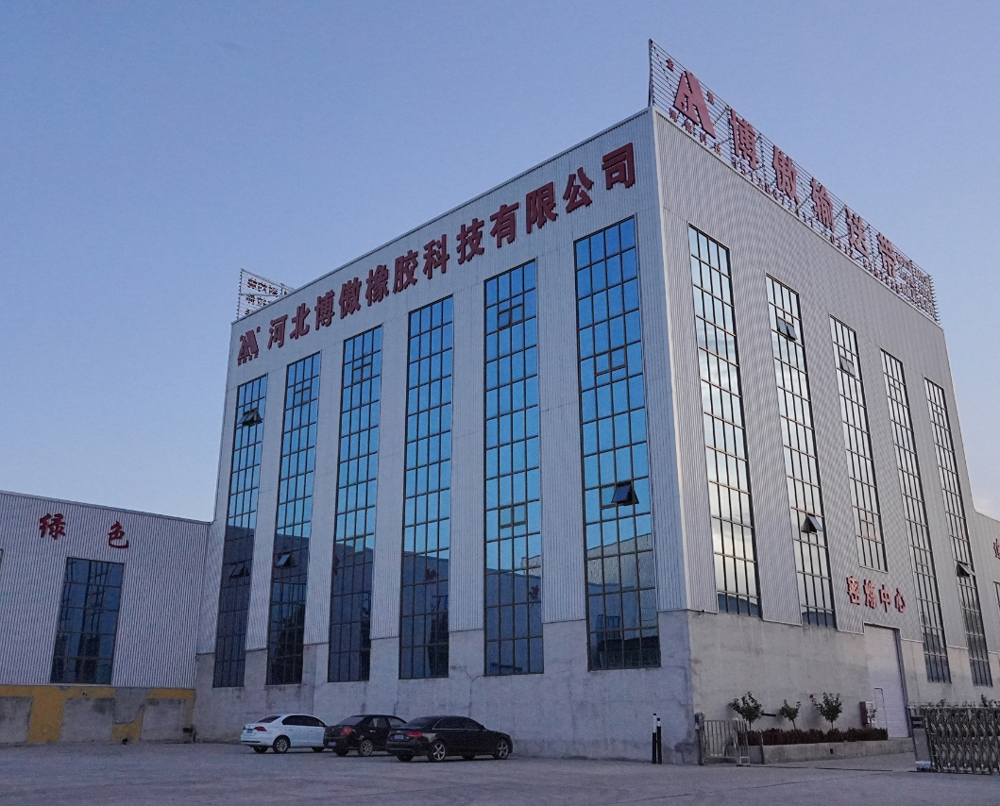
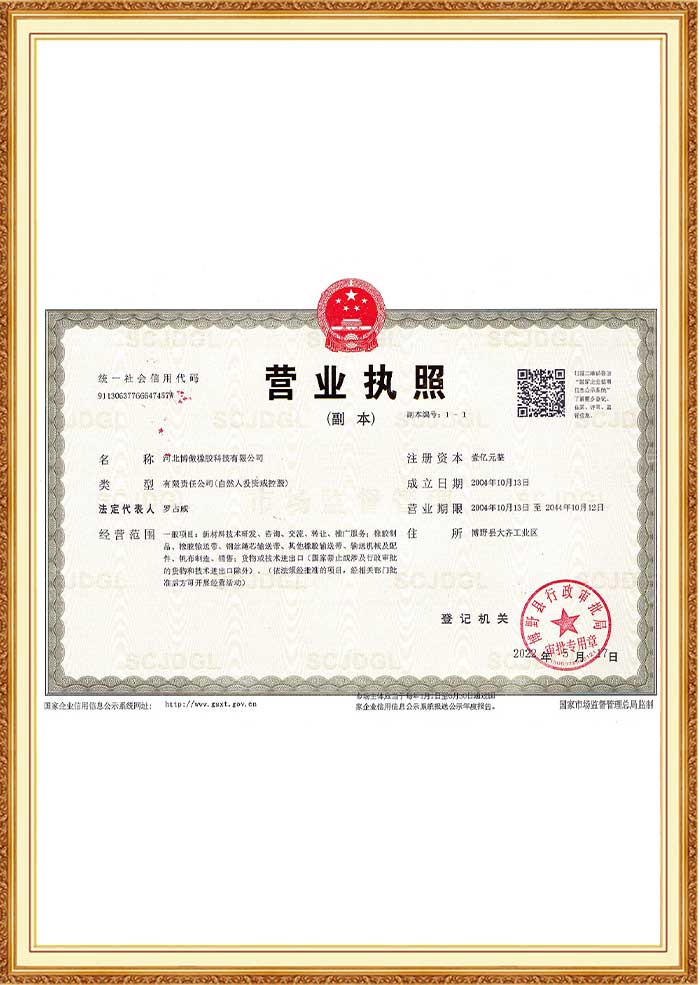
Established in 2004, Hebei Boao Rubber Technology Co., Ltd. is located in the Rubber Industrial Park of Boye County, Baoding, Hebei Province. Over the last two decades, the company has expanded to cover an area of more than 30 acres. Our registered trademark, "Jinao", has become synonymous with heavy-duty durability and engineering precision.
As an ISO-certified manufacturer, we integrate research and development, custom design, precise fabrication, and comprehensive customer support. Our facility is equipped with advanced production lines for rolling, forming, vulcanization, and material testing. We monitor every step of the manufacturing process, from raw polymers to the finished heavy-duty steel wire or patterned rubber belts.
Our facility includes an independent chemical analysis room and a physical testing laboratory. This setup ensures that no raw materials enter production, and no finished products leave our site, without meeting quality standards. By maintaining this level of control, we provide dependable performance for operations in power generation, steel mills, cement plants, and mining sectors.
Comprehensive, standardized configurations designed for various applications, environments, and structural demands.
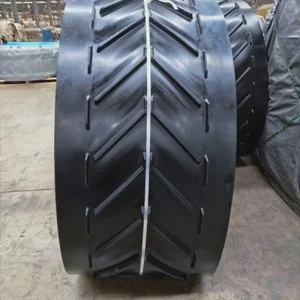
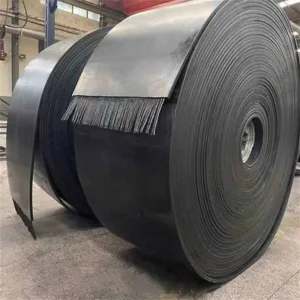
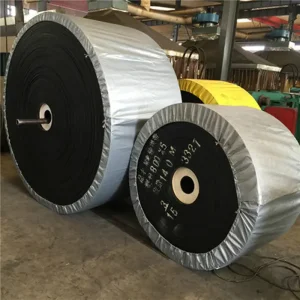
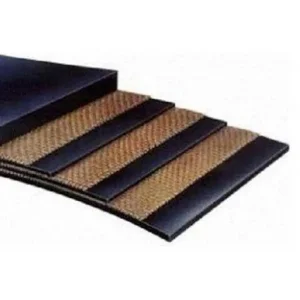
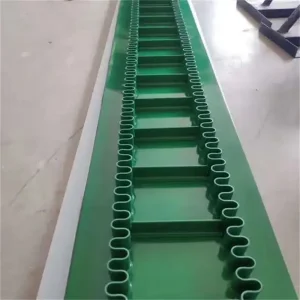
We manufacture a wide range of conveyor belts, including ordinary multi-ply fabric belts (NN, EP, PP core), heat-resistant belts, high-temperature formulations, cold-resistant options for sub-zero climates, oil and chemical-resistant belts, acid-alkali resistant profiles, rubber waterstop belts, patterned belts (herringbone and pit styles), high-inclination corrugated sidewall belts, and steel-wire reinforced configurations.
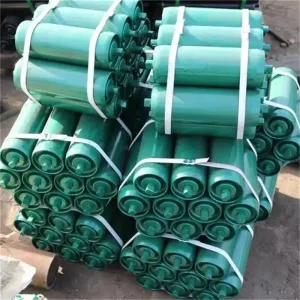
We supply a full selection of rollers and idlers, including ceramic-lagged rollers, impact-absorbing rollers, return idler sets, and skirt boards. Additionally, we manufacture motorized pulleys, rubber-coated drive rollers, high-tension magnetic separation pulleys, troughing brackets, self-aligning brackets, take-up tension frames, and suspension lifting components.
Every product is tested in our physical and chemical laboratories. Dynamic adhesion tests, cover wear resistance, flame retardancy testing, and steel-cord pull-out assessments are conducted to verify performance before shipping.
Engineered options tailored for challenging physical environments and variable operational conditions.
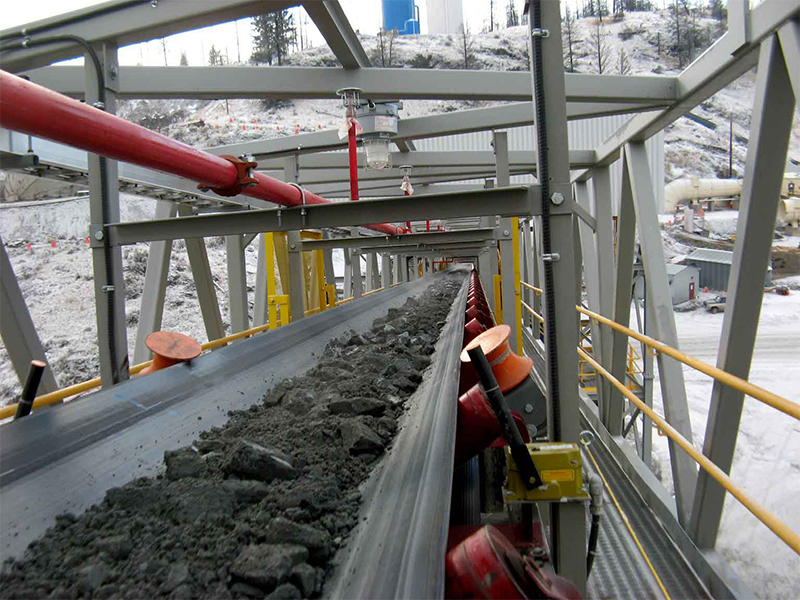
In remote mining sites, conveyor systems must transport abrasive ores over long distances and up steep inclines. These setups require high-tensile steel wire core belts paired with impact idler systems to handle the stress of continuous heavy loading. High-adhesion cover rubber prevents gouging, while ceramic pulley lagging ensures driving traction in wet, muddy conditions.
Steel processing facilities require materials to be moved at temperatures that can exceed 200°C to 300°C. Standard rubber compounds quickly degrade, crack, and delaminate under these conditions. Our heat-resistant EPDM rubber conveyor belts maintain their structural integrity and flexibility under extreme thermal stress, preventing premature failures.
Exposure to acidic compounds, alkaline salts, and industrial oils can degrade standard rubber conveyor belts, leading to swelling, cracking, and eventual belt failure. For these environments, we formulate nitrile and neoprene rubber blends that resist chemical corrosion, protecting the belt's fabric core from environmental damage.
End-to-end maintenance and support designed to maximize equipment life cycles and operational uptime.
We provide comprehensive lifecycle support, including planned replacement schedules, cold/hot splicing repairs, routine safety inspections, preventive maintenance, and emergency response services for industrial conveyor belts.
Our team assists with managing safety stock inventories to prevent production delays. We also support on-site splicing, rubber surface repairs, alignment adjustments, and direct inspection audits to help maintain system performance.
We focus on improving overall belt conveyor operational efficiency, reducing premature cover wear, and extending pulley lifespan. This helps lower total operating costs and improves safety outcomes for our customers.
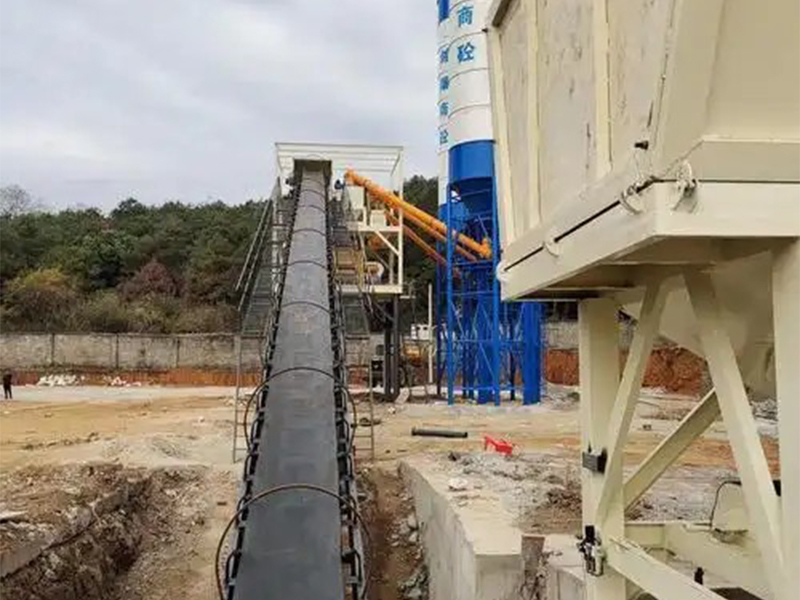
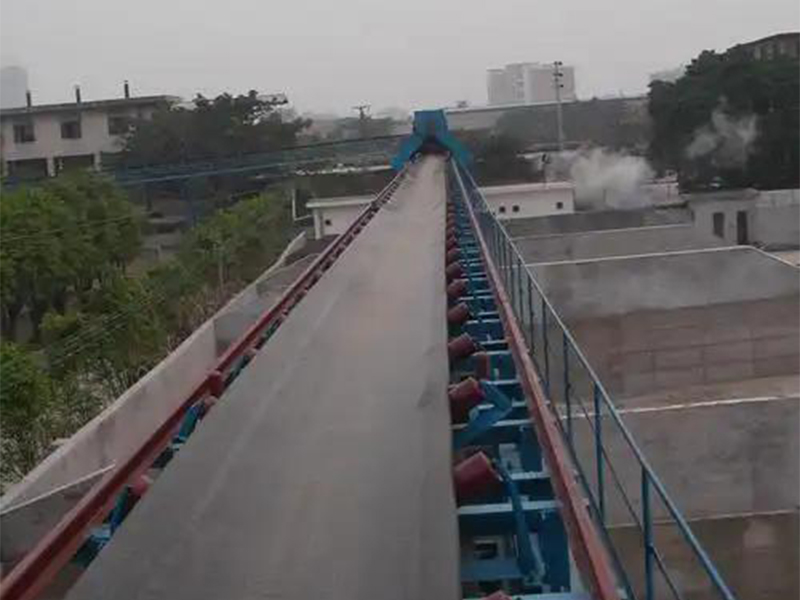
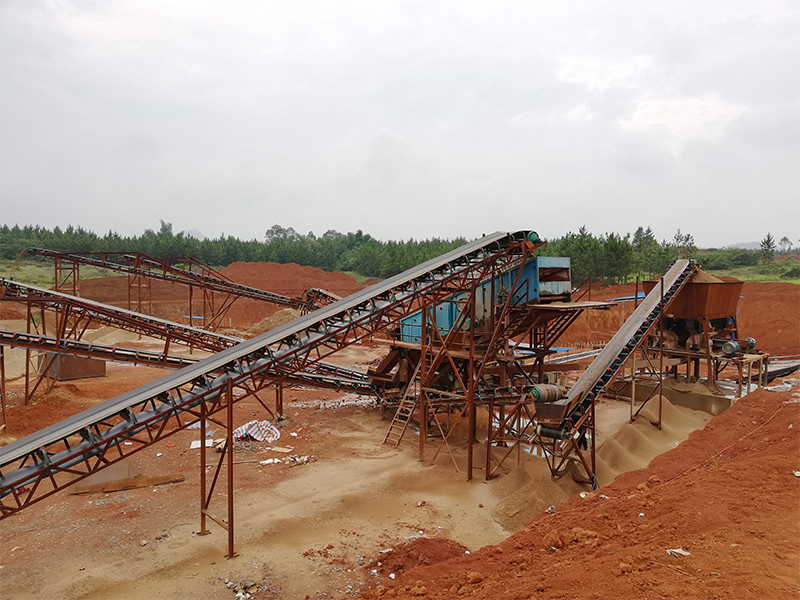
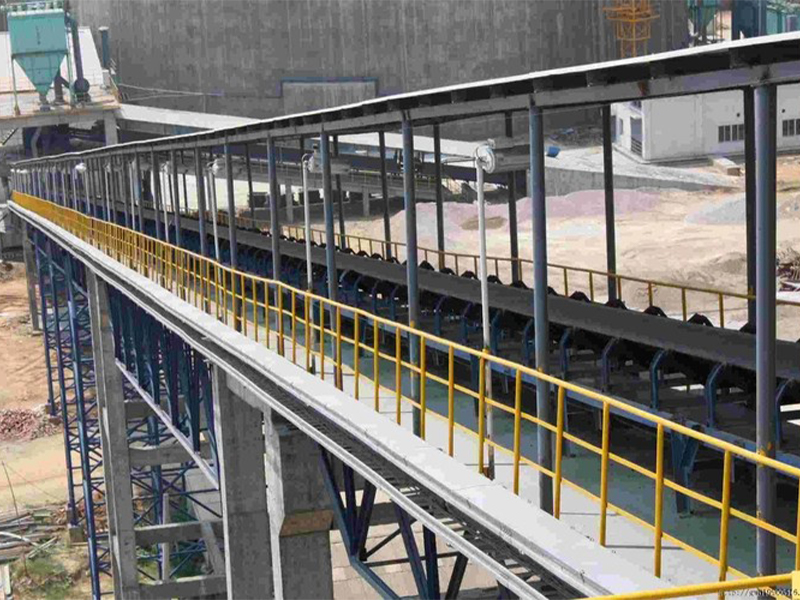
Real-world applications across major mining, steel, and cement groups.
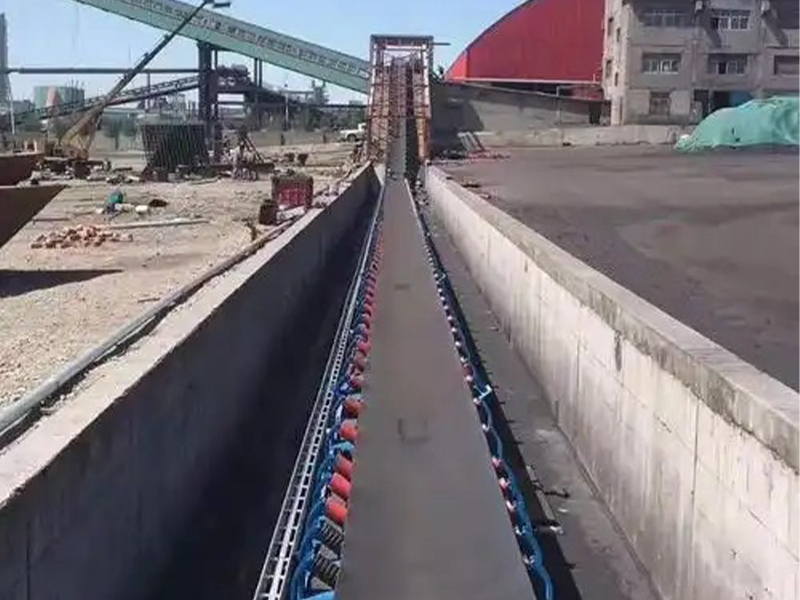
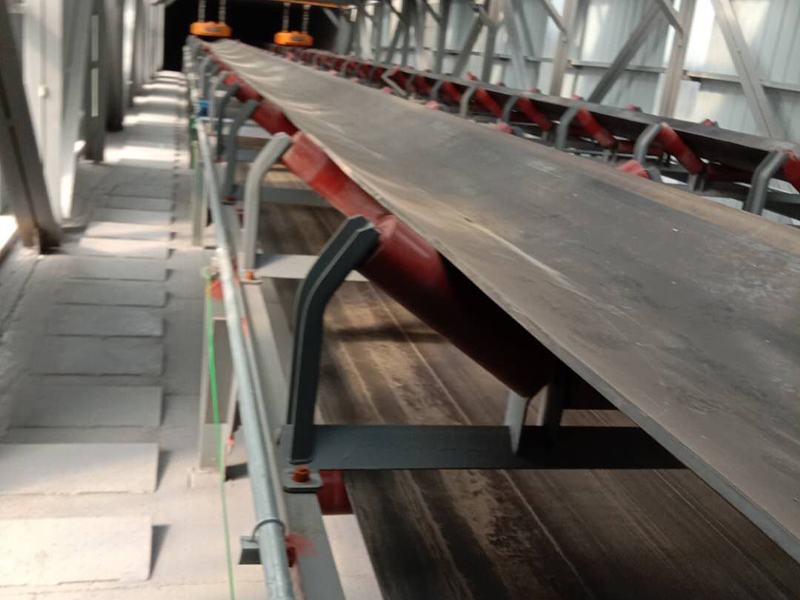
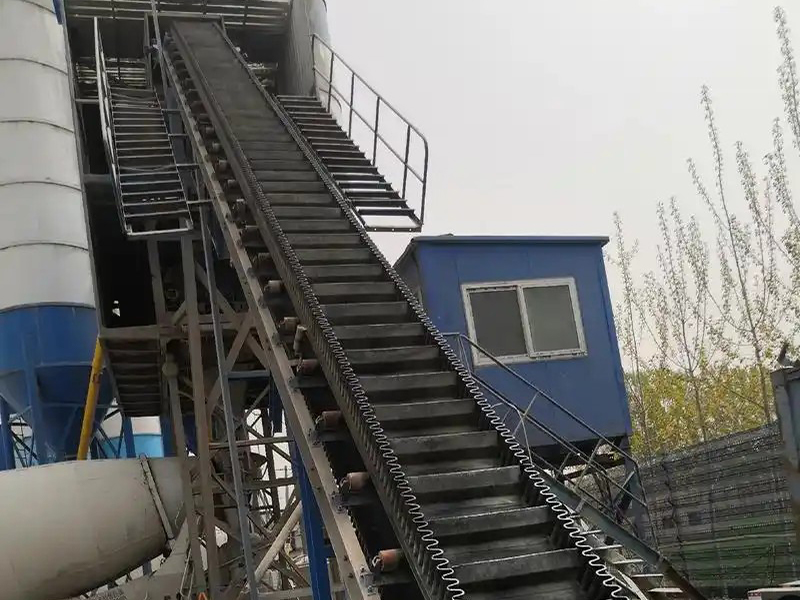
How we verify quality, ensure performance safety, and comply with international material regulations.
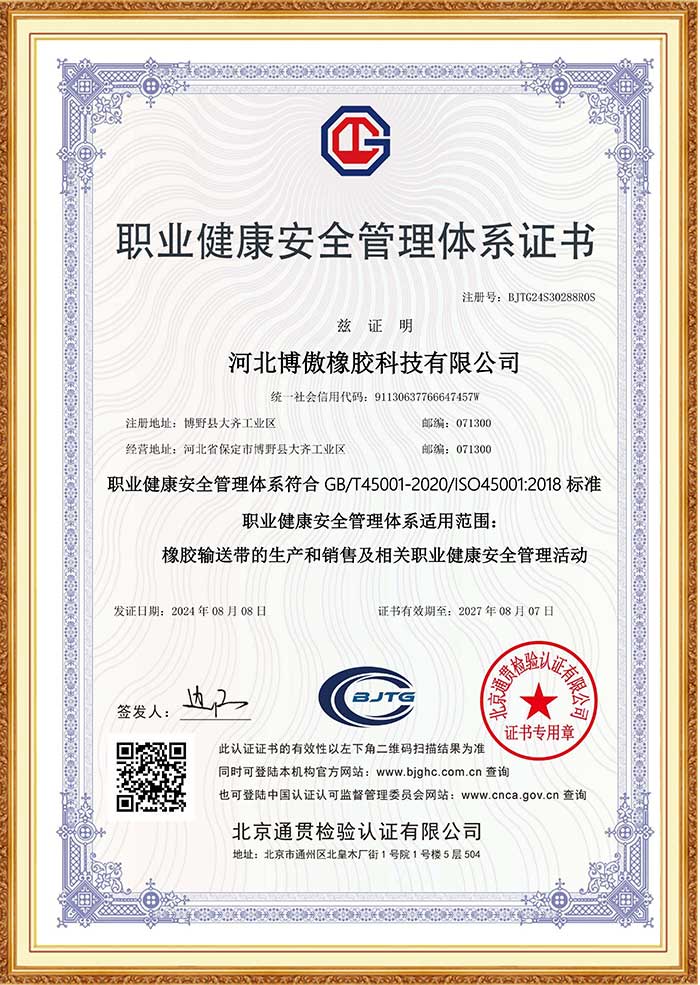
For procurement managers and system engineers sourcing bulk handling equipment internationally, quality verification is essential. Ensuring that conveyor components can handle intended operational loads requires clear manufacturing transparency and testing protocols.
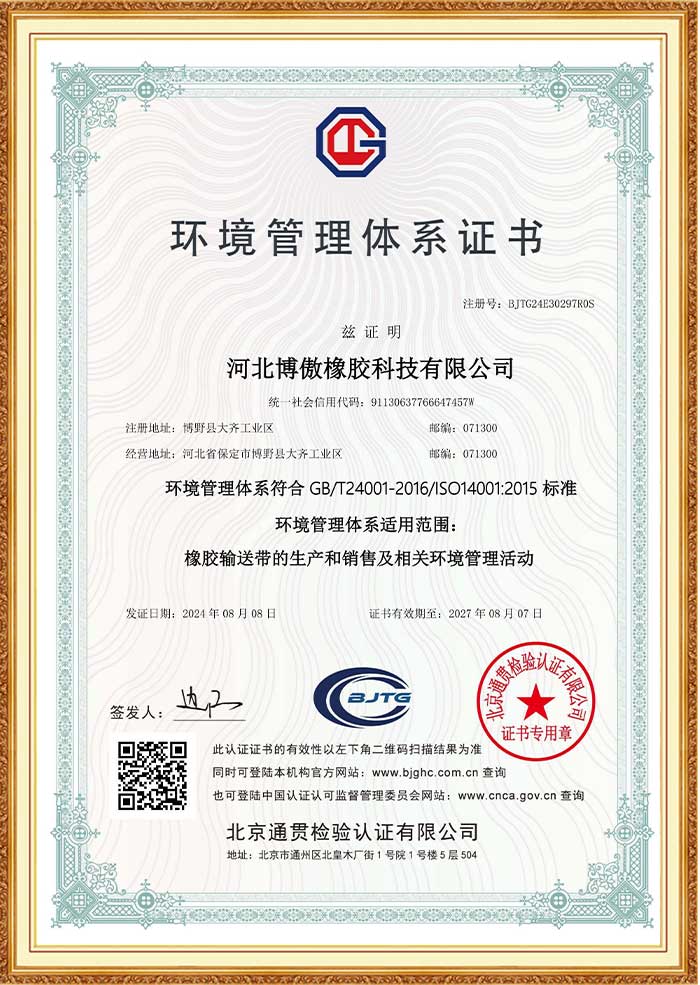
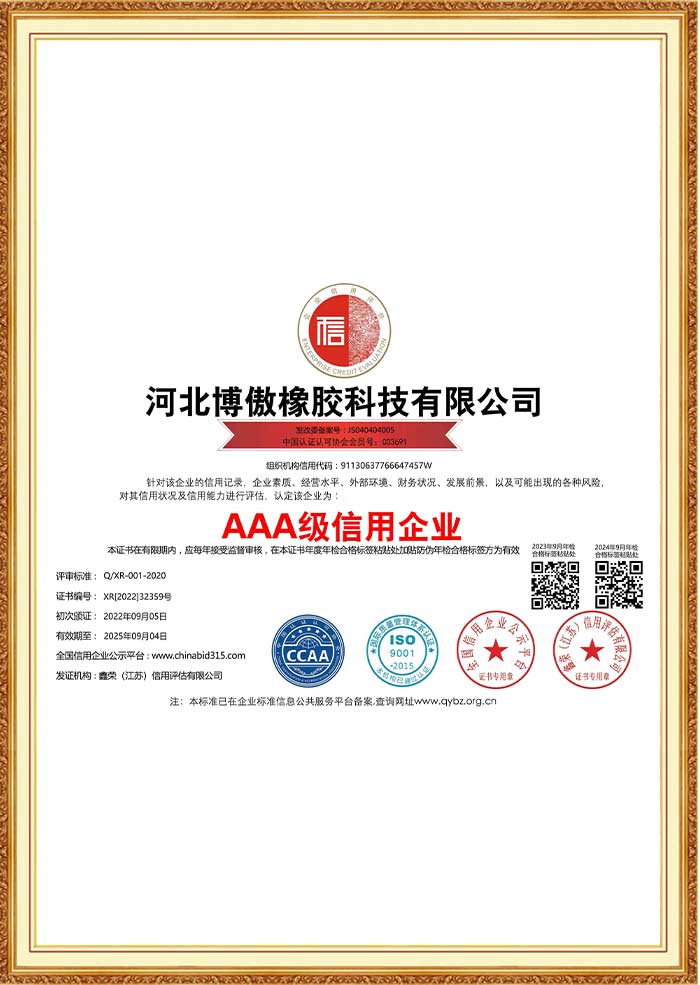
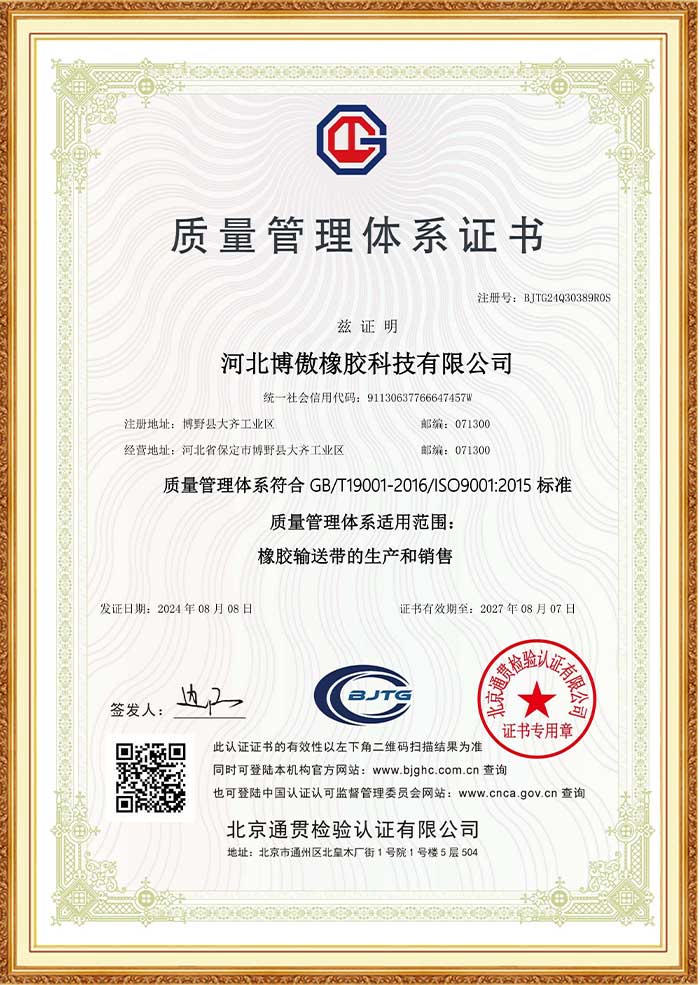
At Hebei Boao Rubber Technology, we maintain a complete compliance catalog. Our testing process covers rubber compound tensile limits, fabric layer adhesion values, steel wire pull-out ratings, and wear indexes. These metrics are verified by internal laboratories and certified by third-party inspection bodies.
Industry directions focused on energy conservation, system longevity, and smart automation.
As energy costs rise, reducing power consumption is a key focus. Advanced LRR rubber compounds minimize energy lost to friction as the belt passes over idlers, helping operators reduce power requirements on long-distance systems.
Modern conveyor setups are increasingly using real-time sensor integration. Embedded RFID chips, temperature sensors in pulley bearings, and continuous optical alignment systems allow operations to monitor wear patterns and address potential issues before they cause downtime.
Eco-friendly manufacturing standards are driving the development of recyclable rubber compounds and cleaner production methods. Our facilities focus on minimizing emissions and reducing waste throughout the vulcanization process.
Expert technical answers regarding design, configuration, maintenance, and sourcing for bulk handling systems.
Select from our specialized configurations designed to meet specific engineering challenges and operating environments.
 Boao Rubber