Explore our industrial-grade, heavy-duty EP conveyor belts, designed for high-stress material handling.
Strategic analysis of heavy-duty bulk handling logistics in the smart manufacturing era.
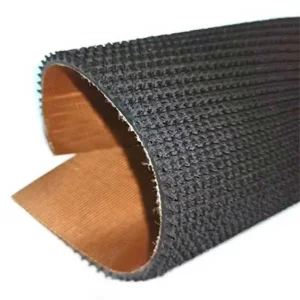
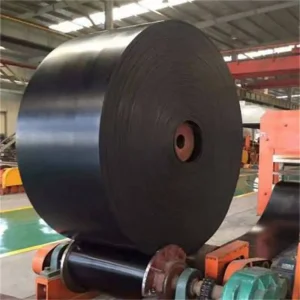
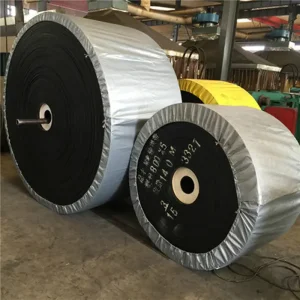
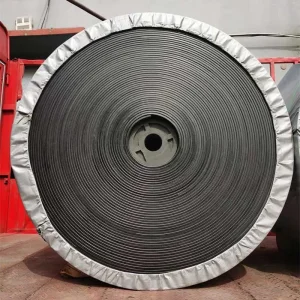
In modern dry bulk logistics, Polyester (EP) conveyor belts represent the industry benchmark for long-distance, high-tension system configurations. Composed of polyester fabric in warp (longitudinal tensioning member) and nylon in weft (transverse direction), these belts deliver a combination of high tensile strength, minimal mechanical elongation, and outstanding impact absorption, making them superior to traditional cotton-canvas and standard synthetic options.
Historically, bulk material handling was limited by the structural limitations of early organic-based conveyor fabrics. The transition from cotton fabrics to modern synthetic polymers represents one of the most critical inflection points in material handling. In the modern industrial landscape, heavy-duty rubber conveyor belts serve as the primary circulation systems for ports, mining networks, iron and steel foundries, and chemical processing facilities. As global economies accelerate operations to meet resource demand, the continuous transport of abrasive ores, hot clinker, aggregates, and coal requires specialized material designs.
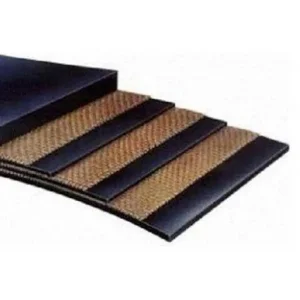
Polyester-reinforced (EP) conveyor belts feature a unique composite structural backbone. The polyester fibers running along the length of the belt (the warp direction) provide exceptionally high tensile strength while maintaining a very low elongation rate under full load. This means conveyor systems experience minimal stretch during startup and operation, eliminating the need for frequent take-up adjustments and reducing system downtime. Transversely, the nylon fibers (the weft direction) provide excellent elasticity and troughability, enabling the belt to form a deep trough to hold high-volume materials securely without fracturing the rubber matrix.
The manufacturing ecosystem for heavy-duty industrial conveyor belts has shifted significantly toward specialized industrial clusters in China, with companies like Hebei Boao Rubber Technology Co., Ltd. at the forefront. This geographic concentration of technology, raw material supply lines, and manufacturing expertise allows Chinese manufacturers to offer customized, high-performance conveyor belting at global scale.
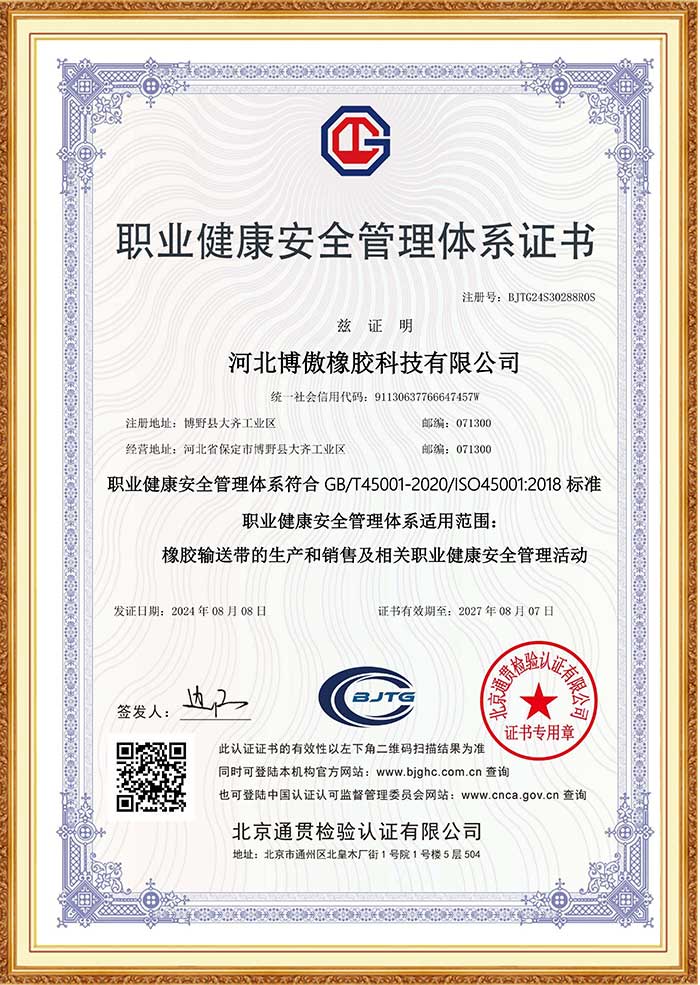
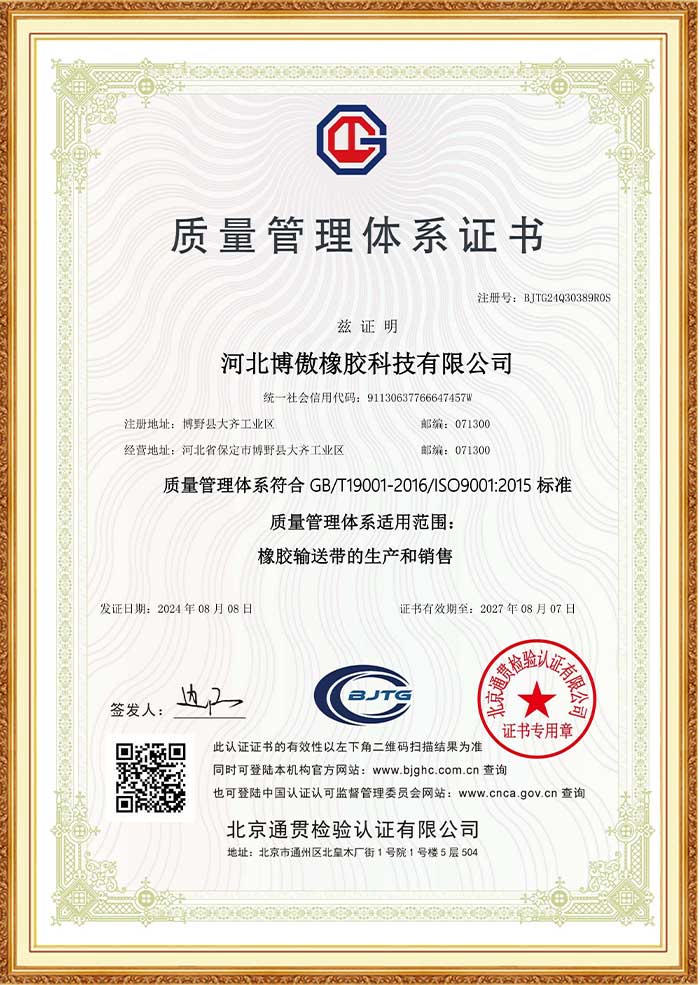
Chinese manufacturers are not merely exporting physical assets; they are providing complete engineering solutions. By integrating raw material sourcing, heavy-duty compound blending, precision fabric weaving, and large-scale vulcanization within unified processing facilities, Chinese manufacturers drastically compress lead times. Furthermore, strict adherence to international quality management system certifications ensures these products meet standard specifications worldwide, including DIN (Deutsches Institut für Normung), AS (Australian Standards), ISO (International Organization for Standardization), and RMA (Rubber Manufacturers Association) standards.
Hebei Boao Rubber Technology Co., Ltd. - Empowering global industry for over two decades.
 22+
Years of Manufacturing Experience
22+
Years of Manufacturing Experience
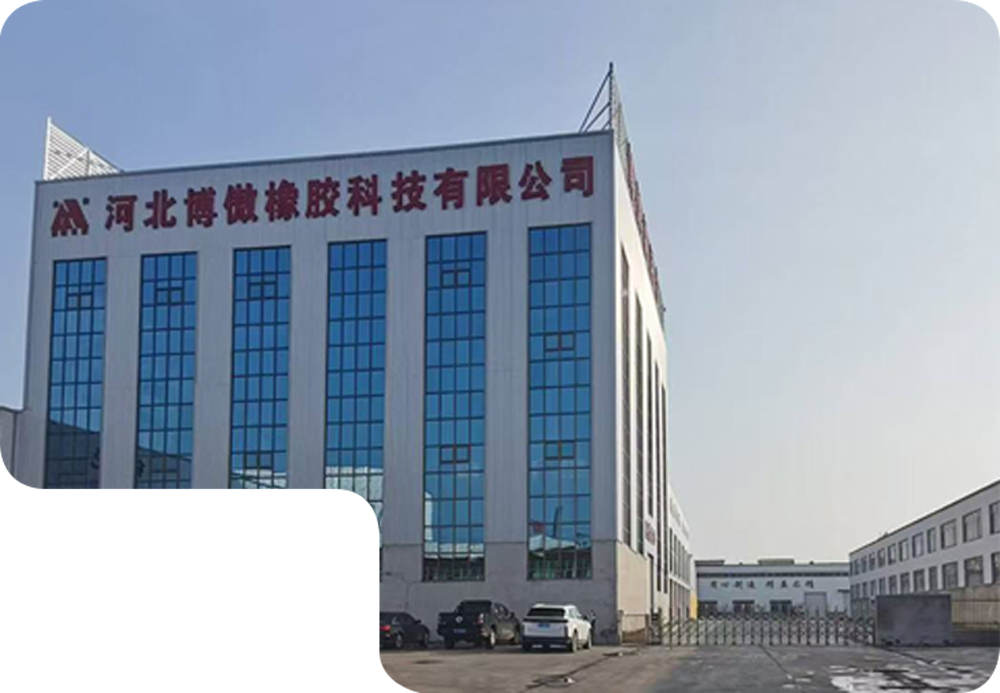
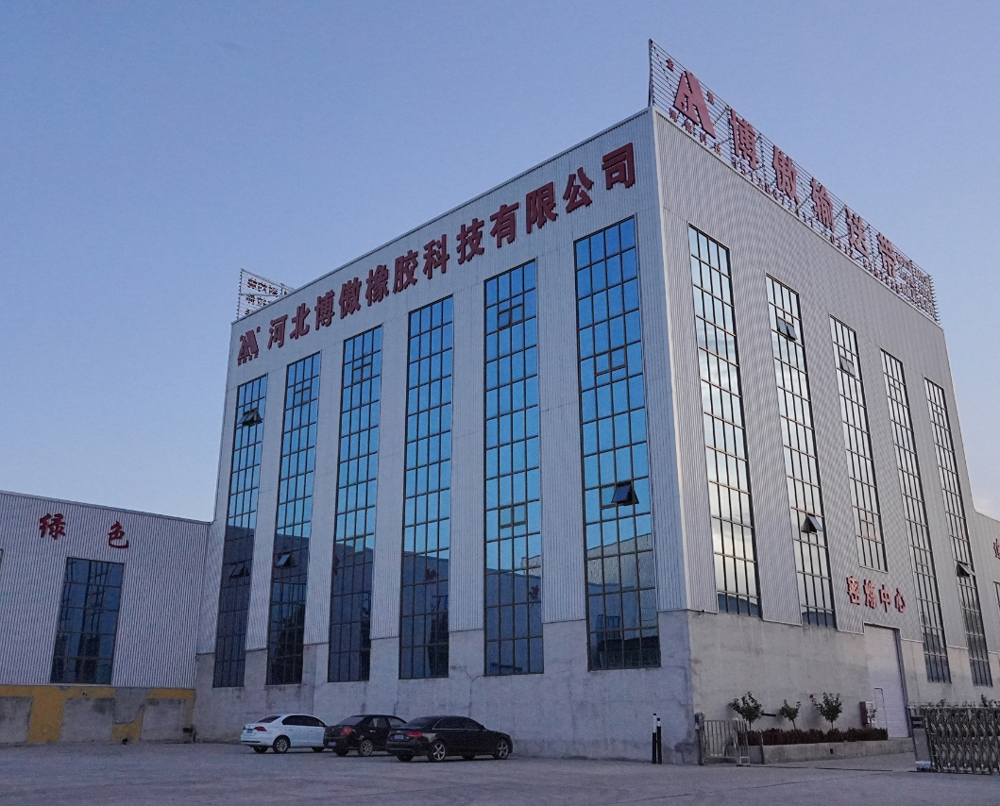
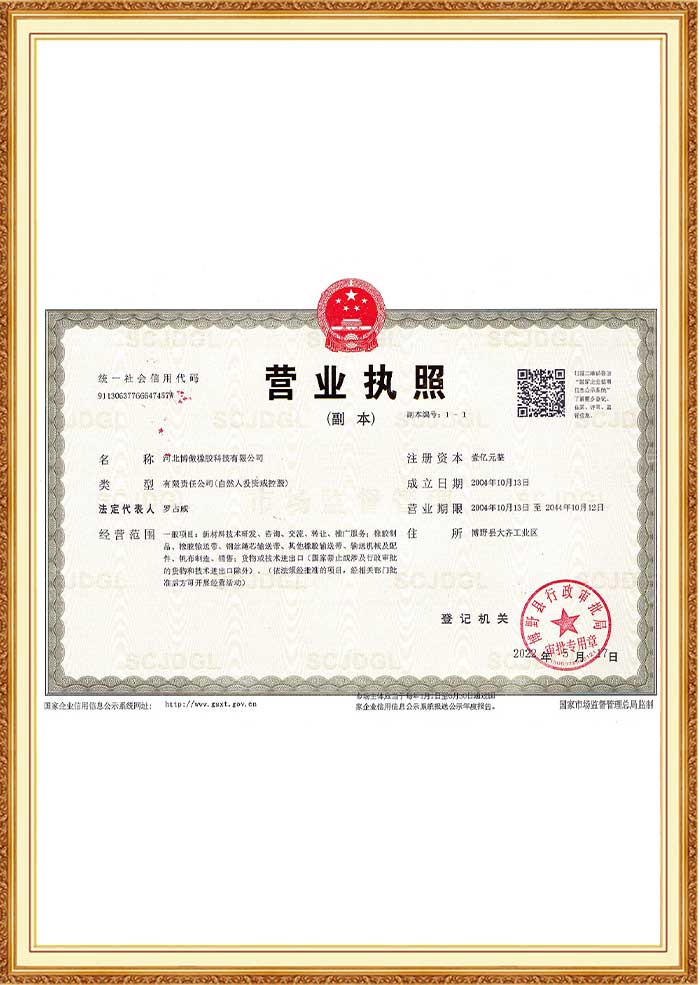
Located in the Rubber Industrial Park of Boye County, Baoding, Hebei Province, Hebei Boao Rubber Technology Co., Ltd. was founded in 2004. For 22 years, our facility has focused on the engineering, development, design, and manufacture of high-durability conveyor belts and mechanical accessories. Under our flagship "Jinao" brand, we offer a comprehensive product catalog that covers the entire spectrum of bulk material handling needs.
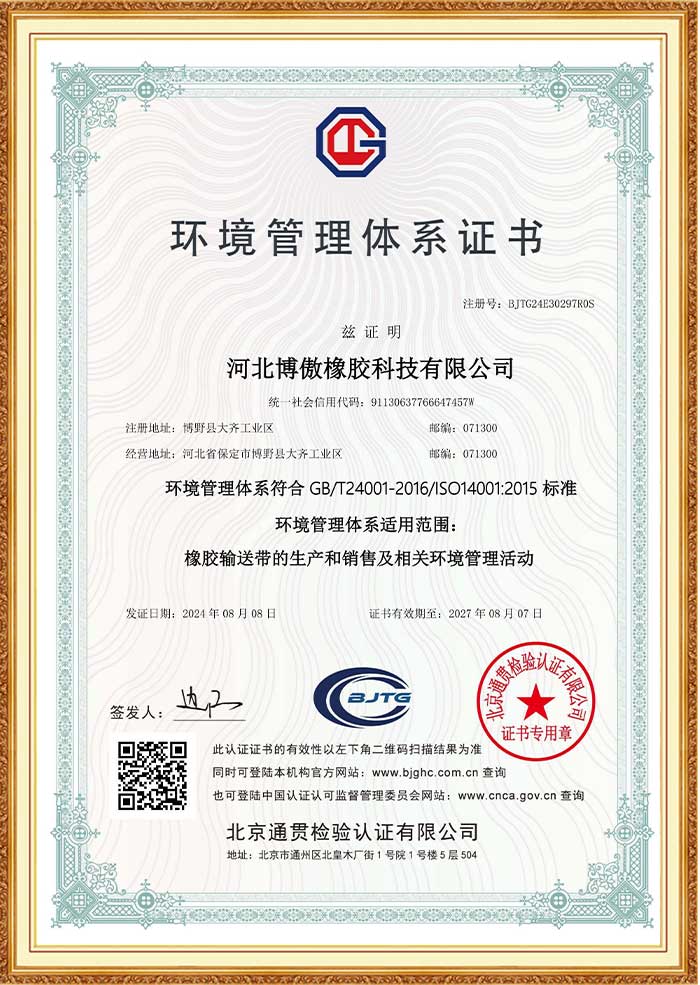
Our infrastructure includes advanced production lines for calendering, forming, vulcanization, and material testing. Our testing process is comprehensive: from raw materials to finished products, every batch is subjected to rigorous quality checks. With an independent chemical analysis room and a physical laboratory, we verify compound properties, adhesion limits, abrasion resistance, and elongation characteristics under load before any product leaves the site.
Uncompromising quality assurance, advanced physical labs, and full-cycle technical service plans.
Our facility operates an independent chemical analysis laboratory and physical testing facility. We monitor every stage of production from raw material formulation to final vulcanization. We enforce a strict quality policy: substandard raw materials are rejected at intake, and finished products that do not meet performance criteria are not approved for release.
With digital control systems and automated mixing chambers, our factory ensures consistent polymer composition across large production runs. Specialized testing instruments monitor wear rates, tensile limits, tear resistance, and heat aging properties, ensuring each belt performs reliably in demanding operating environments.
Backed by dedicated technical teams and a comprehensive support network, our conveyor products are exported to industrial regions worldwide. We supply material handling solutions to steelworks, metallurgical facilities, coal processing plants, power stations, fertilizer complexes, ports, and grain terminals.
Analyzing key advancements in elastomer engineering and long-distance bulk material handling.
The core structural reinforcement of an EP conveyor belt is its carcass, which determines the belt's tensile strength, impact resistance, and elongation characteristics. EP stands for Ethylene Polyester (or Polyester-Polyamide) fabric. Polyester fibers are selected for the warp direction because they exhibit an extremely high modulus of elasticity and minimal elongation under load. When subjected to the high tensions of long-distance conveyor systems, the belt undergoes minimal stretching, which reduces tensioning stroke requirements and simplifies drive station dynamics.
Polyamide (Nylon) fibers are used in the weft direction. Nylon offers high elastic recovery, flex life, and excellent impact absorption. This allows the belt to bend easily around drive pulleys and transition smoothly from flat to troughed profiles without developing stress fractures in the rubber. The combination of these two synthetic polymers provides a lightweight carcass with high load-carrying capacity, outstanding fatigue life, and superior resistance to chemical rot and microbial degradation.
Modern material handling focuses increasingly on energy efficiency and sustainability. When operating long-distance conveyor lines, a major factor in power consumption is the indentation rolling resistance (IRR) between the conveyor belt and the idlers. As the belt passes over each roller, the weight of the material causes the bottom rubber cover to deform, which absorbs energy.
To address this, Boao is developing low rolling resistance (LRR) rubber compounds. By using specialized elastomers and carbon black formulations, we have reduced the indentation rolling resistance of our belts. This allows mine operators and port terminals to reduce system energy consumption by up to 15%, lowering overall operational costs and environmental impact. In addition, our manufacturing lines use eco-friendly curing technologies to minimize volatile organic compound (VOC) emissions during production.
Our vulcanization process uses computerized multi-platen hydraulic presses that apply precise heat and pressure across the entire belt surface. This precise temperature control ensures even cross-linking of the rubber molecules, resulting in uniform mechanical properties and long-lasting ply-to-ply adhesion.
Selecting the correct conveyor belt requires matching the tensile strength and rubber grade to the specific material and application. The table below outlines standard configurations for industrial EP belts:
| Specification Parameter | EP 100 - EP 200 Series | EP 250 - EP 400 Series | Steel Cord / Heavy-Duty Series |
|---|---|---|---|
| Fabric Core Type | Polyester Warp, Polyamide Weft | Reinforced High-Modulus EP | Anti-Tear Steel Wire Core |
| Tensile Strength (N/mm) | 200 – 800 N/mm | 1000 – 2400 N/mm | Up to 5400 N/mm |
| Elongation at Reference Load | ≤ 1.5% | ≤ 1.2% | ≤ 0.25% |
| Cover Rubber Grades | DIN-Z, DIN-Y (Light Abrasion) | DIN-X, DIN-W (High Wear) | Custom Compounds (Heat, Cold, Acid) |
| Primary Applications | Aggregates, Sand, Light Coal | Iron Ore, Heavy Minerals, Hard Rock | Overland Systems, High-Lift Mining |
How Hebei Boao's Jinao brand products perform in demanding environments.
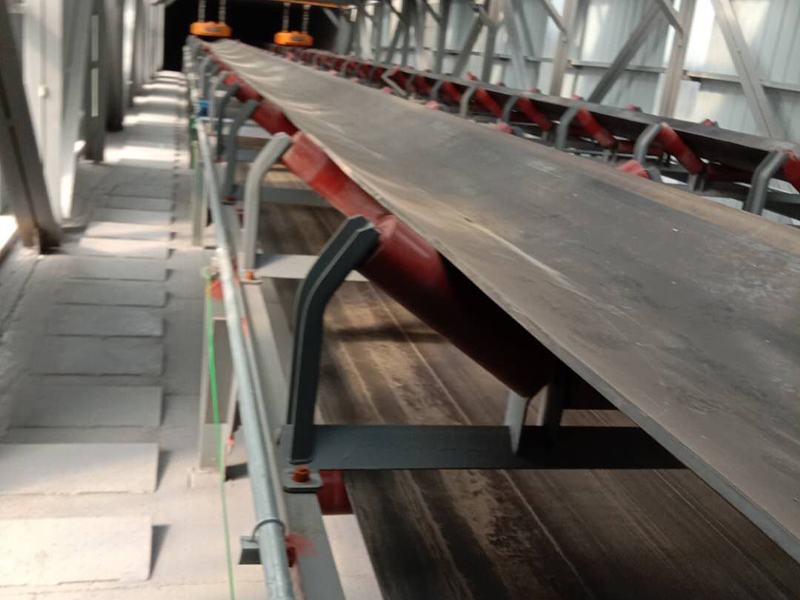
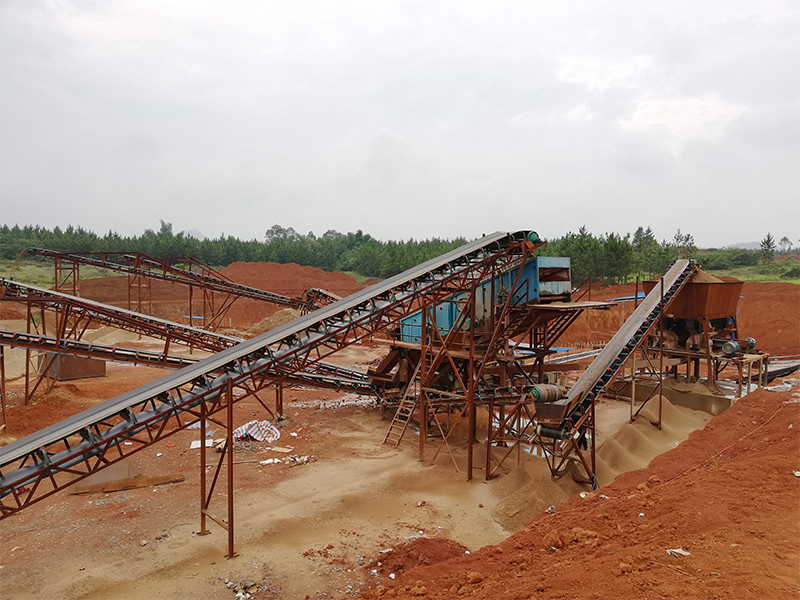
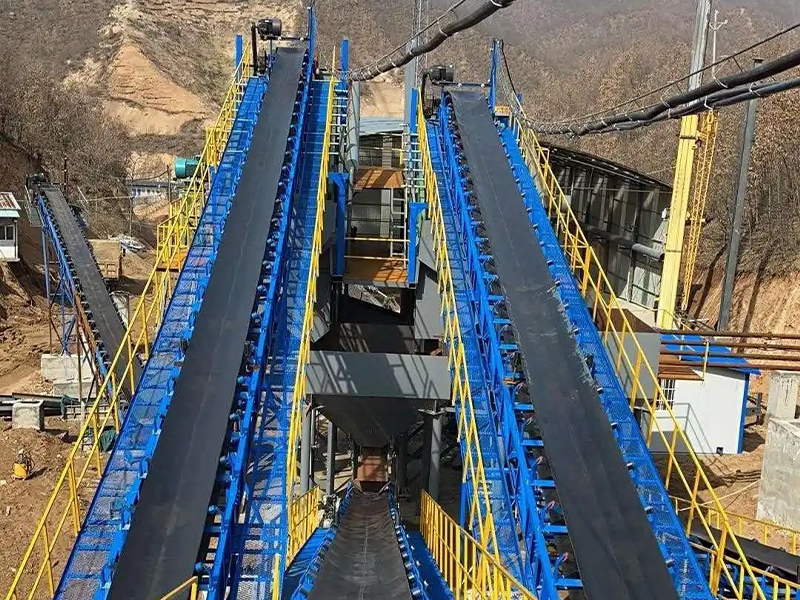
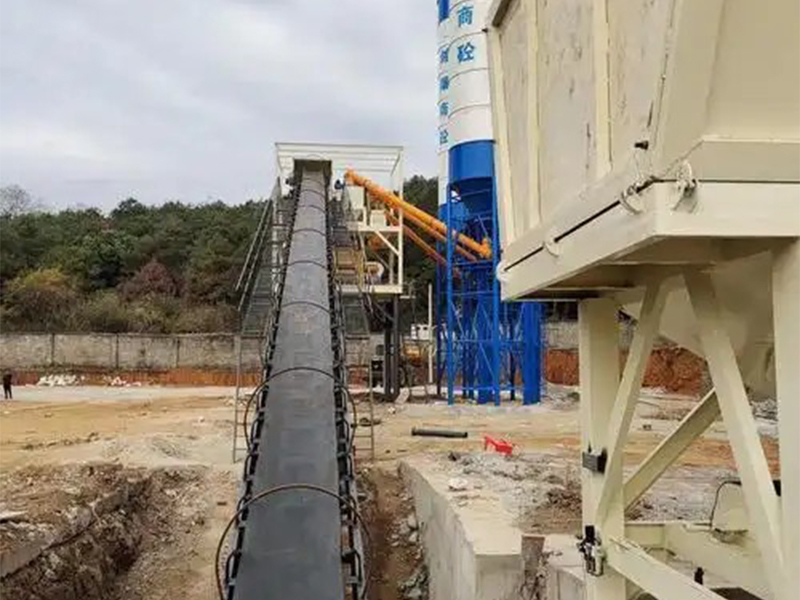
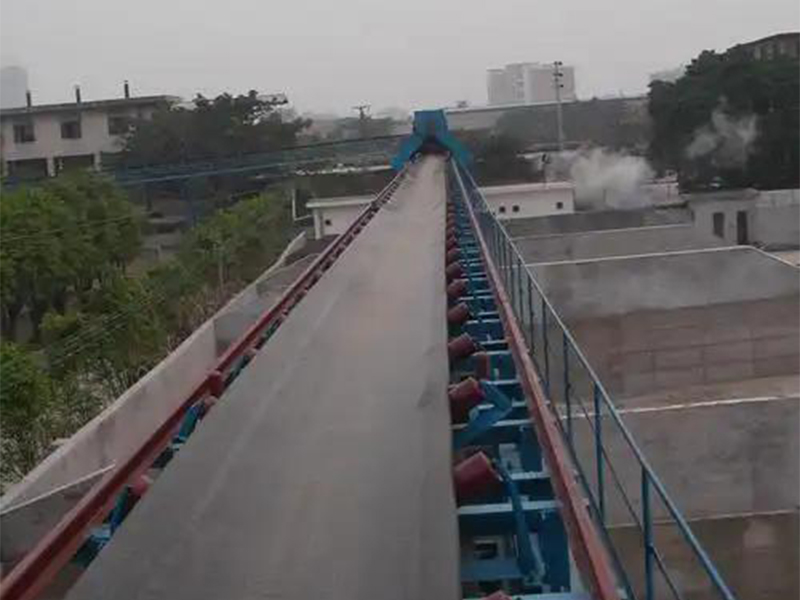
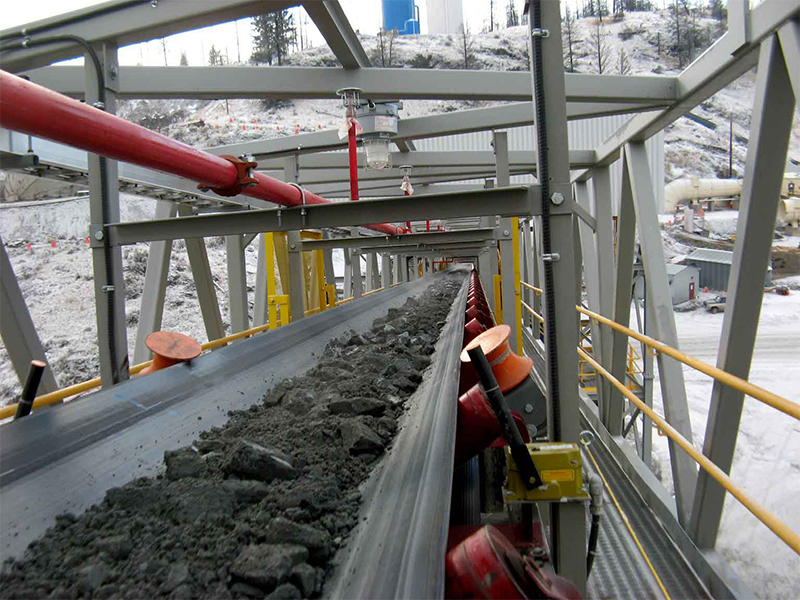
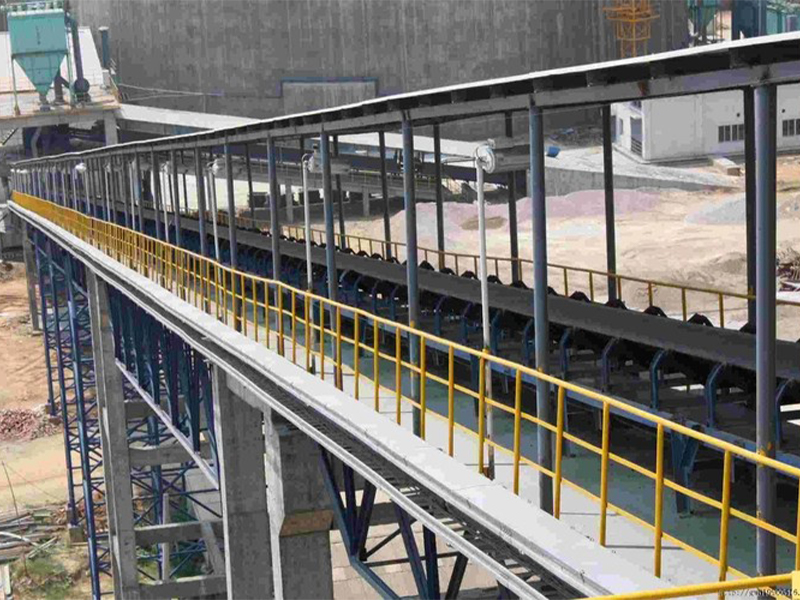
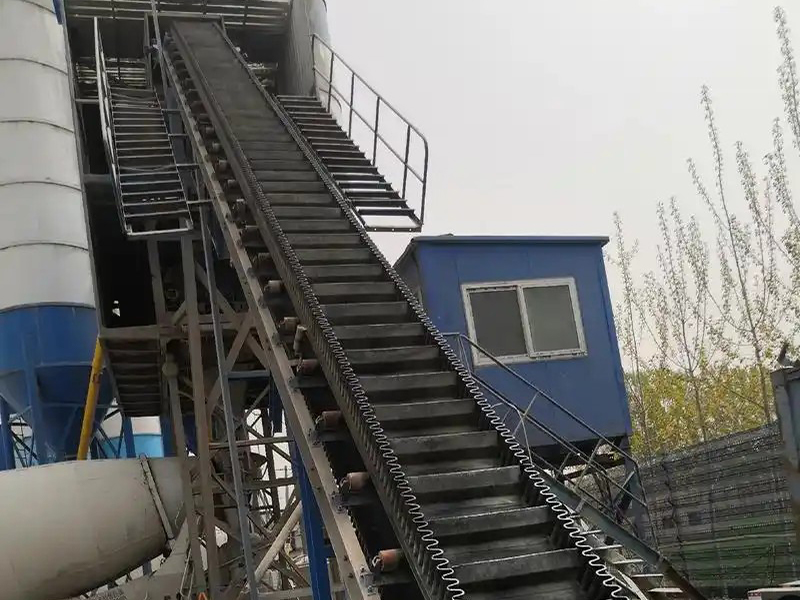
Conveyor belts must meet distinct performance requirements in different industrial settings. For instance, at **Conch Cement** and **Jidong Cement**, handling hot cement clinker requires specialized heat-resistant belts capable of withstanding continuous temperatures up to 200°C (with peaks up to 400°C). Our heat-resistant EP belts use EPDM (ethylene propylene diene monomer) rubber covers, which resist cracking and thermal degradation under high temperatures.
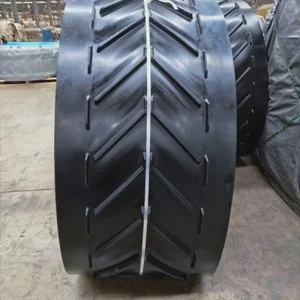
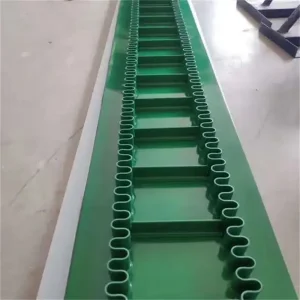
In heavy mining applications like those of **Zijin Mining** and the **Datong Coal Group**, belts must handle high-volume transport of sharp, heavy materials. This requires exceptional impact resistance and cover rubber with high abrasion resistance (low DIN volume loss). For long-distance underground and overland haulage, steel wire rope core belts and high-tension EP belts are used to handle the heavy tension requirements. At **China Railway Group Mixing Plants**, patterned conveyor belts with textured profiles like chevron, magic carpet, and concave/convex shapes allow materials to be transported up steep inclines without slide-back.
Complete lifecycle management to extend belt life and optimize system uptime.
We provide full-service engineering support, including conveyor belt installation, splicing, inspection, and maintenance. We assist with safety stock management to ensure backup belts are available for quick replacement, helping to minimize production interruptions.
Our service teams help optimize conveyor system efficiency and reduce overall belt consumption. By conducting regular system audits, correcting belt tracking issues, and monitoring wear patterns, we help extend the operational life of your conveyor belts.
Our technicians support on-site splicing using hot vulcanization and cold-bonding methods. We also provide pulley lagging, conveyor alignment, and impact zone upgrades to help extend belt life and improve material handling stability.
Technical answers to common engineering, installation, and procurement questions.
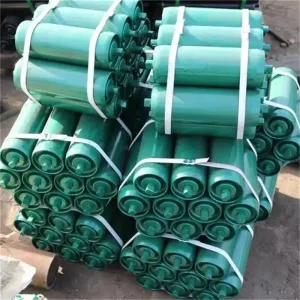
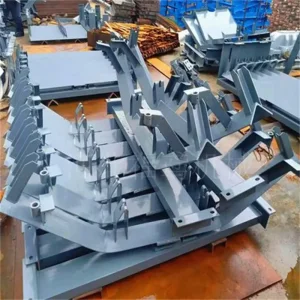
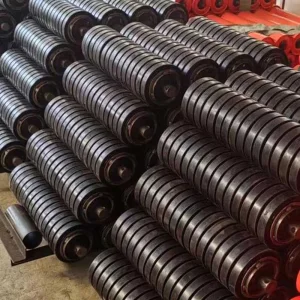
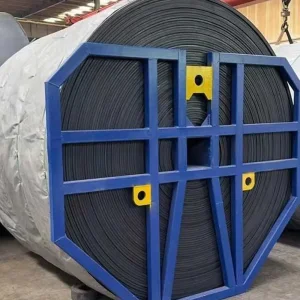
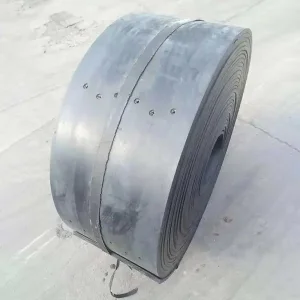
Explore our structural accessories and heavy-duty steel cord belts designed for industrial-grade systems.
 Boao Rubber