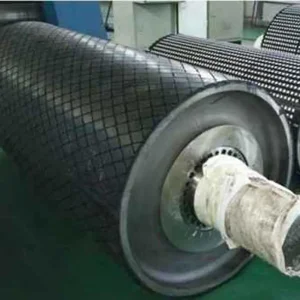
Explore our premium factory-engineered ordinary conveyor belts and heavy-duty components, fabricated under strict ISO audits.
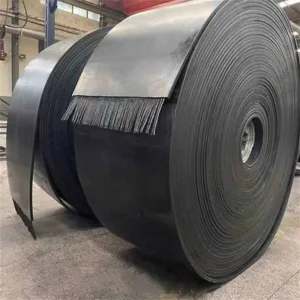
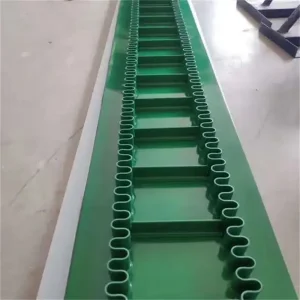
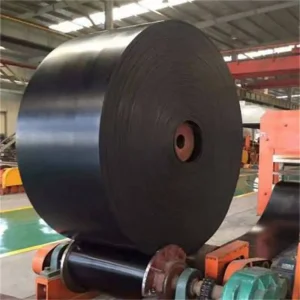
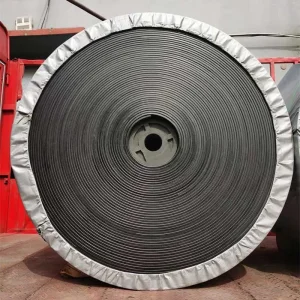
Strategically situated in the prestigious Rubber Industrial Park of Boye County, Baoding City, Hebei Province, Hebei Boao Rubber Technology Co., Ltd. has established itself as an authoritative leader in the rubber compounding and industrial belt manufacturing industry. Spanning across a state-of-the-art facility of over 30 acres, we host multiple modern production lines dedicated to rolling, shaping, vulcanization, and advanced structural quality control.
Our flagship "Jinao" brand represents two decades of manufacturing precision. By merging chemical science with robust mechanical engineering, we supply industrial projects worldwide with premium multi-ply fabric conveyor belts (NN, EP, PP), extreme-tension steel wire cord belts, and specialized rollers. Every product meets or exceeds strict international standard parameters, ensuring reliable operation under high friction, abrasive stress, and varied weather patterns.

An in-depth review of fabric reinforcements, cover elastomers, and structural selection parameters for heavy industrial material handling.
In modern bulk logistics, the performance of the conveyor system depends largely on the durability and tension capacity of the rubber belt. A conveyor belt is not just a strip of vulcanized rubber; it is a complex, layered composite structure engineered to handle tensile stress, absorb physical impact, resist heat deformation, and withstand environmental exposure.
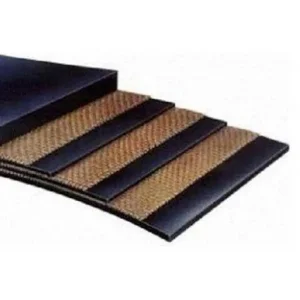
The core carcass is the primary structural layer of an ordinary fabric conveyor belt, providing the tensile strength and flexibility required to move heavy loads over long distances. While steel cord belts are preferred for high-tension systems, fabric-reinforced belts remain the primary option for short-to-medium-length operations because of their versatility and cost-efficiency. The two main synthetic fiber materials used are:
The outer rubber cover protects the fabric carcass from physical wear, abrasion, and environmental elements. The elastomer formula is adjusted according to the physical properties of the materials being moved. At Hebei Boao, we formulate covers to comply with international standards such as **DIN 22102, ISO 10247, and AS 1332**:
| Cover Grade (DIN 22102) | Tensile Strength (Min. MPa) | Elongation at Break (Min. %) | Abrasion Loss (Max. mm³) | Typical Materials Handled |
|---|---|---|---|---|
| Grade W | 18 | 400 | 90 | Highly abrasive materials (quartz, granite, slag, sinter, glass cullet) |
| Grade X | 25 | 450 | 120 | Heavy-duty mining ores, sharp metallic scraps, hard rocks, aggregate mixes |
| Grade Y | 20 | 400 | 150 | General bulk handling: coal, limestone, sand, cement clinker, grain |
| Grade Z | 15 | 350 | 250 | Low-abrasion materials, light agricultural crops, packaging boxes |
Understanding these performance profiles is crucial for procurement teams to optimize the lifetime cost of their systems. A belt with poor abrasion resistance will experience premature thickness loss, reducing its resistance to cutting and gouging, which can lead to carcass exposure and ultimate structural failure.
Our conveyor belts are engineered to perform in specific operating environments, helping to reduce downtime and improve efficiency in heavy industries worldwide.
Sinter, coke, and iron ore transport requires belts with high abrasion and heat resistance. Our specialized heat-resistant belts are formulated to withstand temperatures up to 200°C (with peak surges to 250°C), preventing surface cracks and delamination in steel mills.
Primary crushers and overland conveyors handle heavy, sharp rocks. Our anti-tear steel cord and high-tensile NN belts are designed with impact-absorbing covers that cushion the impact of falling materials and prevent longitudinal slitting.
Limestone dust and gypsum cause high mechanical wear on return rollers and belts. Our general-purpose EP belts feature dust-resistant compound covers and high-strength fabric reinforcements, maintaining flexibility even under fine particle buildup.
Large ports run continuous, high-volume shipping lines that require high belt speeds. Our low-rolling-resistance (LRR) compound covers reduce power consumption in drive motors, offering significant energy savings on long-distance conveyors.
Agricultural processing plants require flame-retardant and oil-resistant belts to manage static electricity and organic oils. Our anti-static and oil-resistant EP and PVC-PU belts help prevent dust explosions in grain storage bins.
Standard rubber belts stiffen and crack in freezing conditions. Our cold-resistant rubber conveyor belts operate at temperatures down to -50°C, maintaining their flexibility and driving traction for mining and shipping in sub-zero regions.
Our factory is located in the **Boye County Rubber Industrial District**, China's largest cluster of rubber product manufacturing. This location offers significant operational advantages:
Our quality assurance program is designed to prevent defective products from entering or leaving our facility. Each batch of raw rubber undergoes chemical testing to verify its polymer ratio, viscosity, and curing profile.
During manufacturing, we monitor vulcanization pressure, temperature, and duration. Finished rolls are tested for **tensile strength, elongation, carcass-to-cover adhesion, and abrasion resistance** in our testing lab to ensure they meet your performance specifications before delivery.
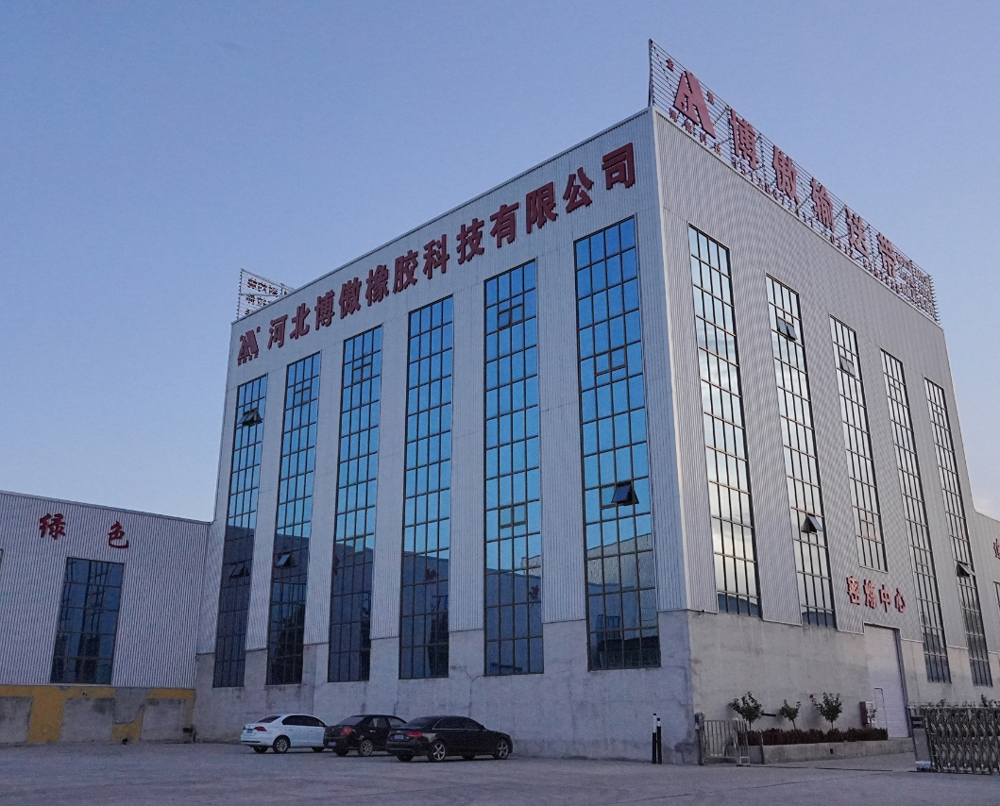
Our products are used in heavy industrial plants, mines, and shipping hubs, providing reliable material transport for global operations.
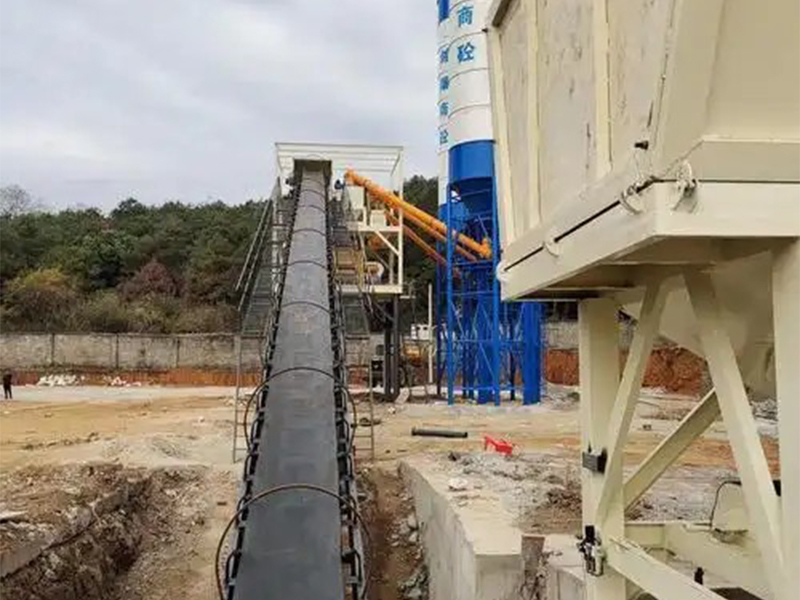
China Railway Group Mixing Plant
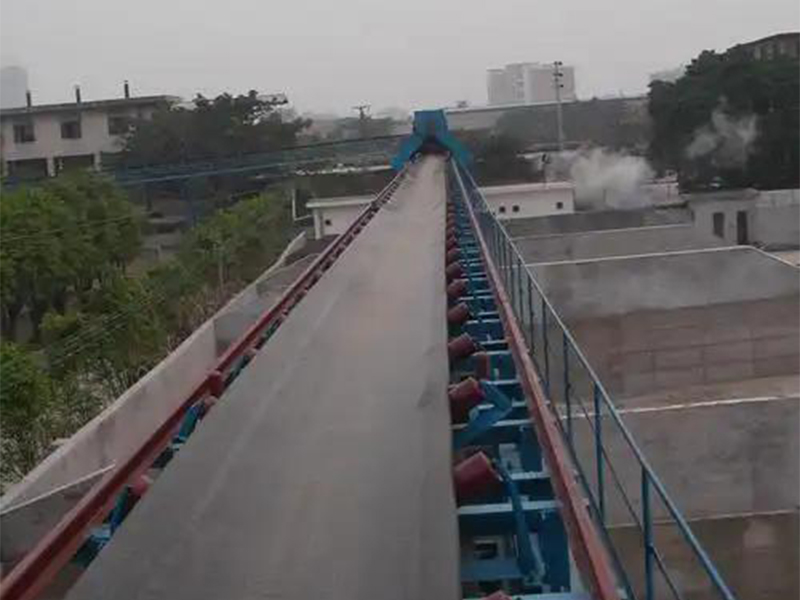
Conch Cement
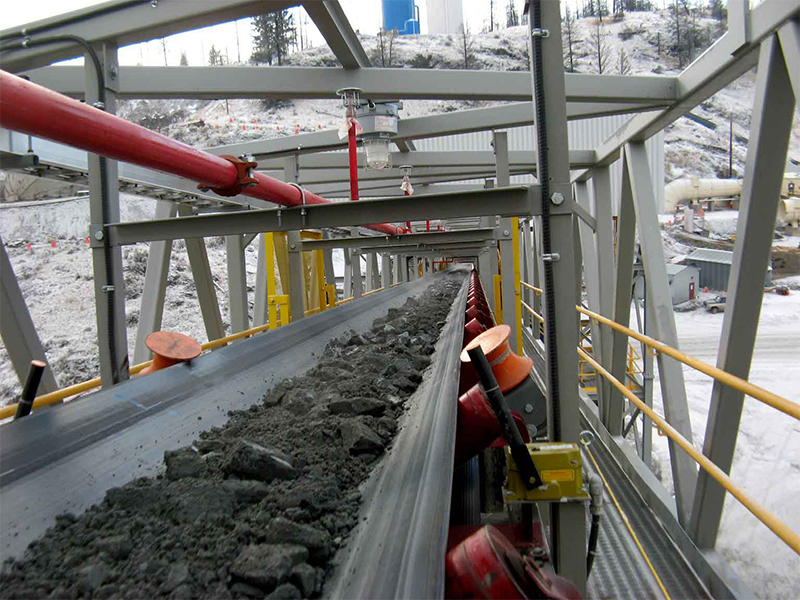
Datong Coal Group
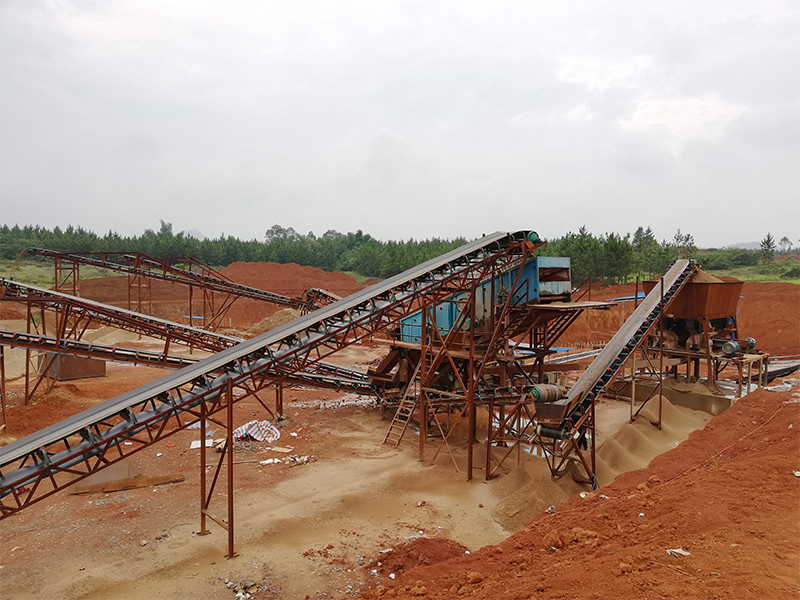
Tsingshan Group
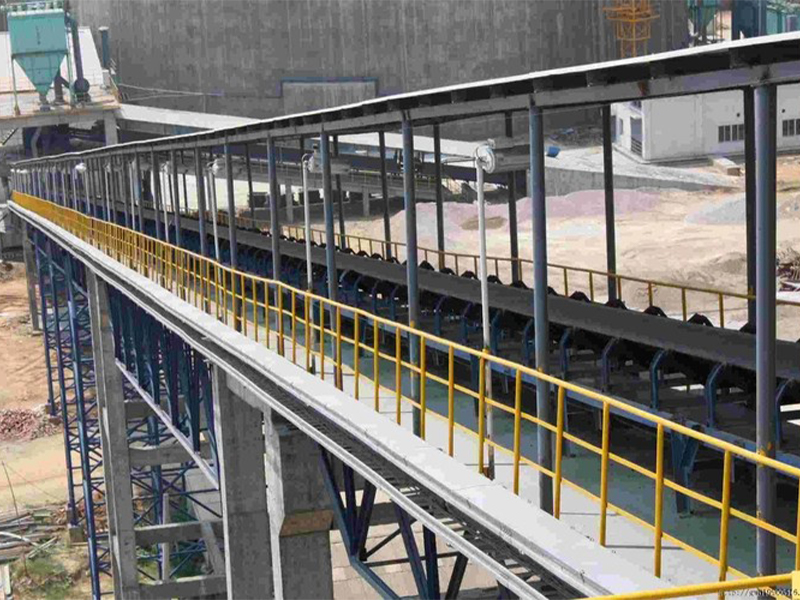
Jidong Cement Group
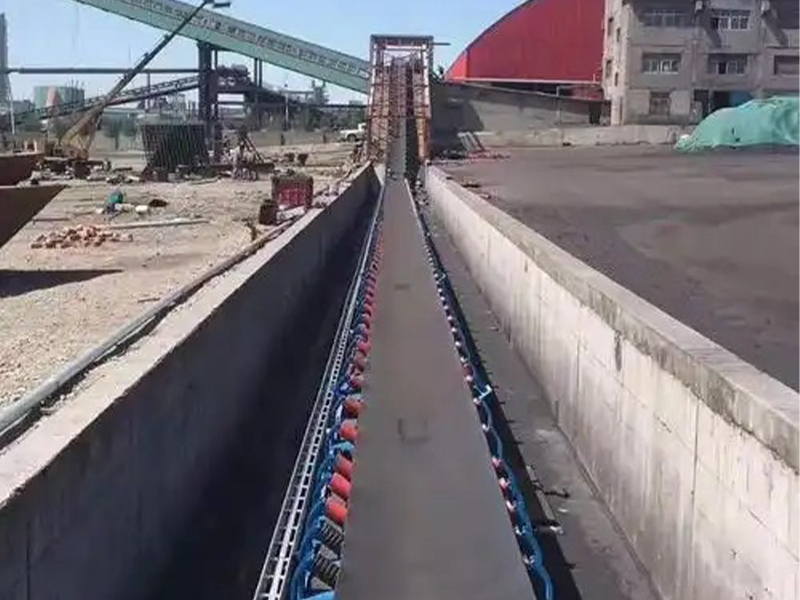
Jinmei Group Coal Conveying Line
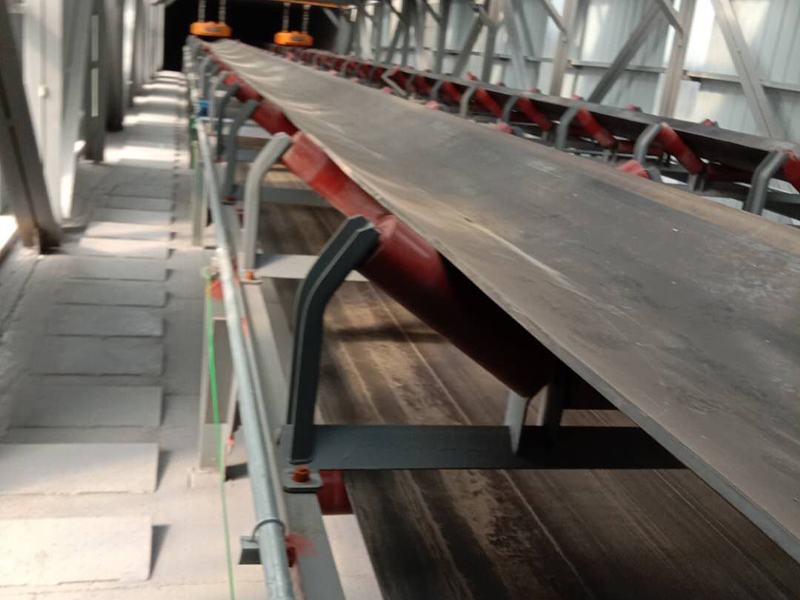
Taihang Steel
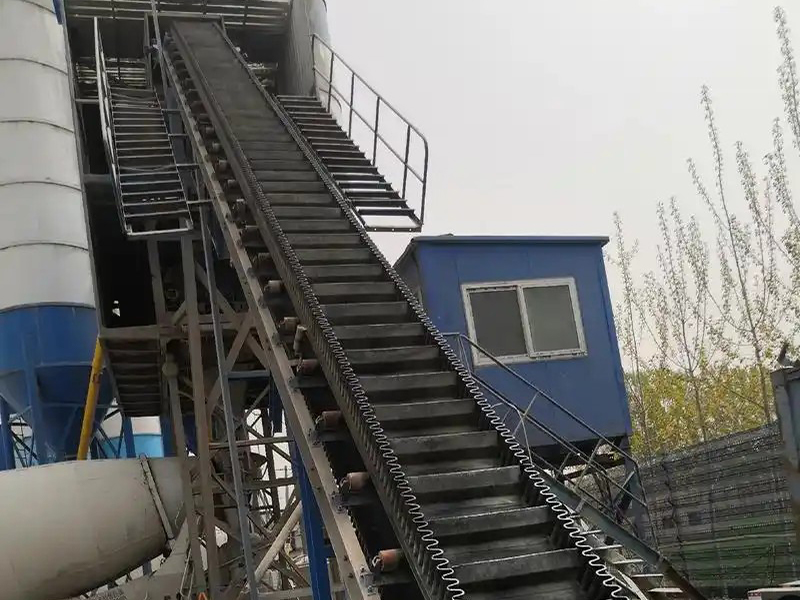
Puyang Steel Group
Our service agreements help simplify supply chain management for our clients. We offer complete support for our products, including planned inspections, emergency repair materials, and tailored stock management programs.
By establishing appropriate safety stock levels for your operations, we help minimize lead times for replacement belts. Our engineering team can assist with selecting belt specifications, cover grades, and splicing methods to help optimize the service life of your conveyor systems.
Support for planned replacements, belt splicing, surface inspections, and emergency repair materials.
Safe buffer stock planning at our factory to help reduce lead times for critical replacement parts.
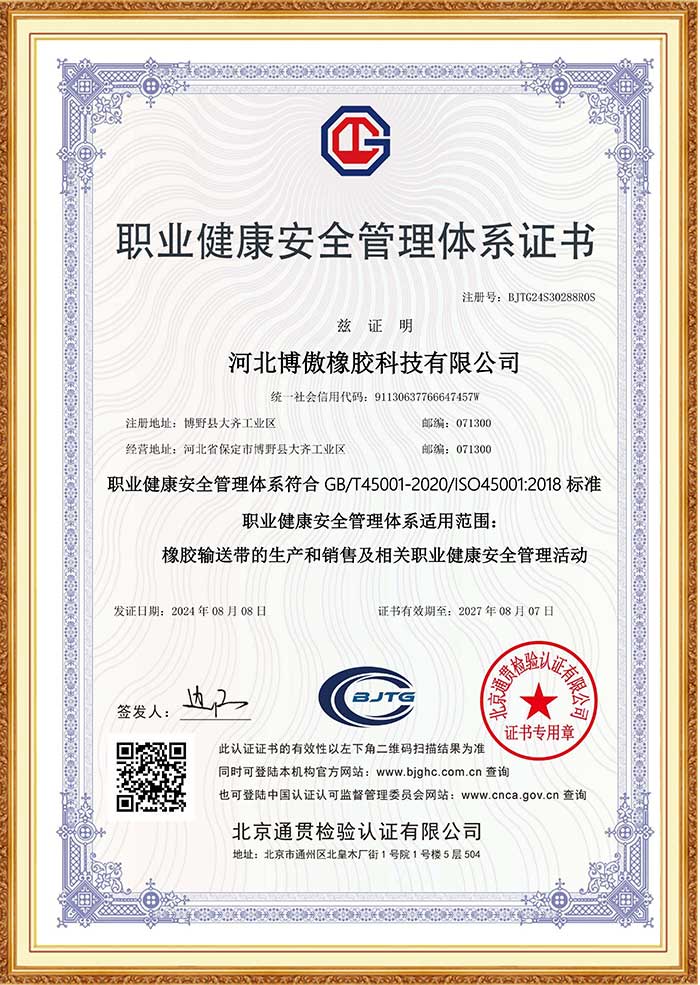
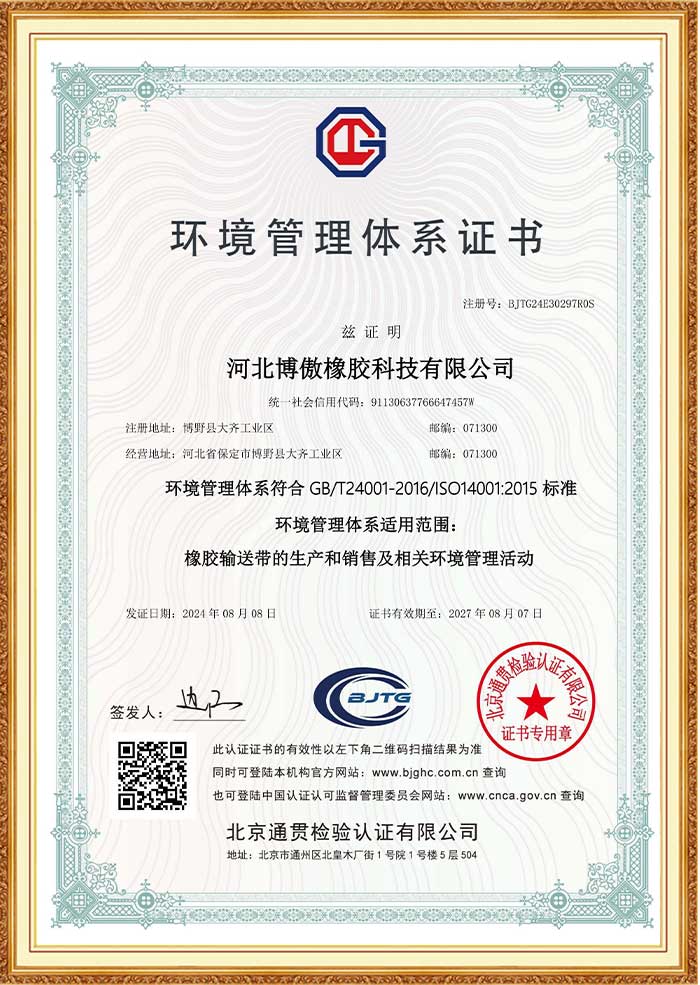
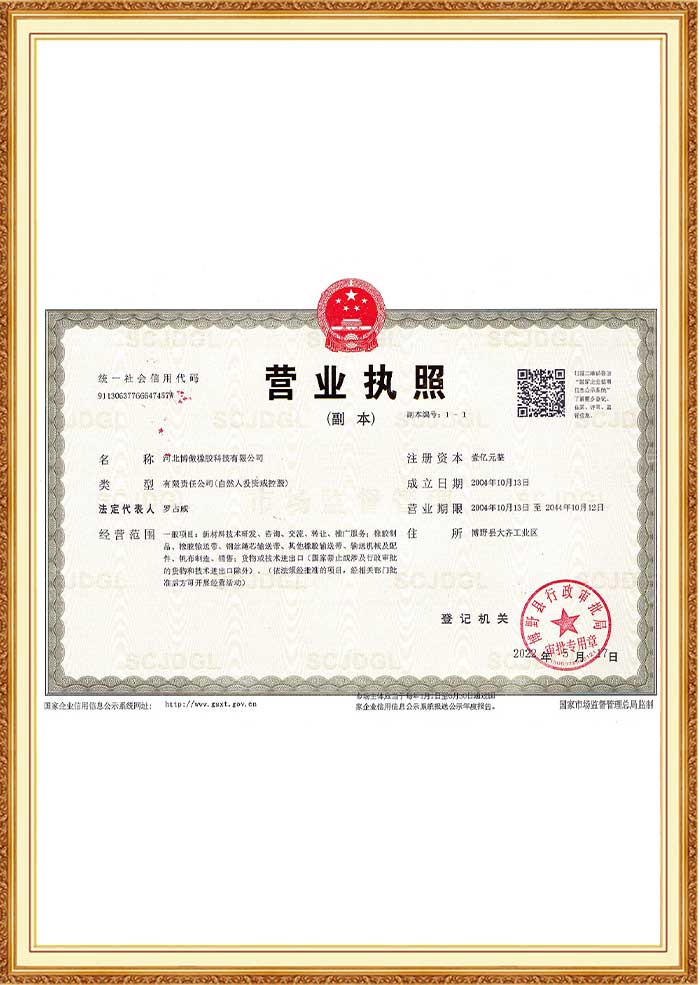
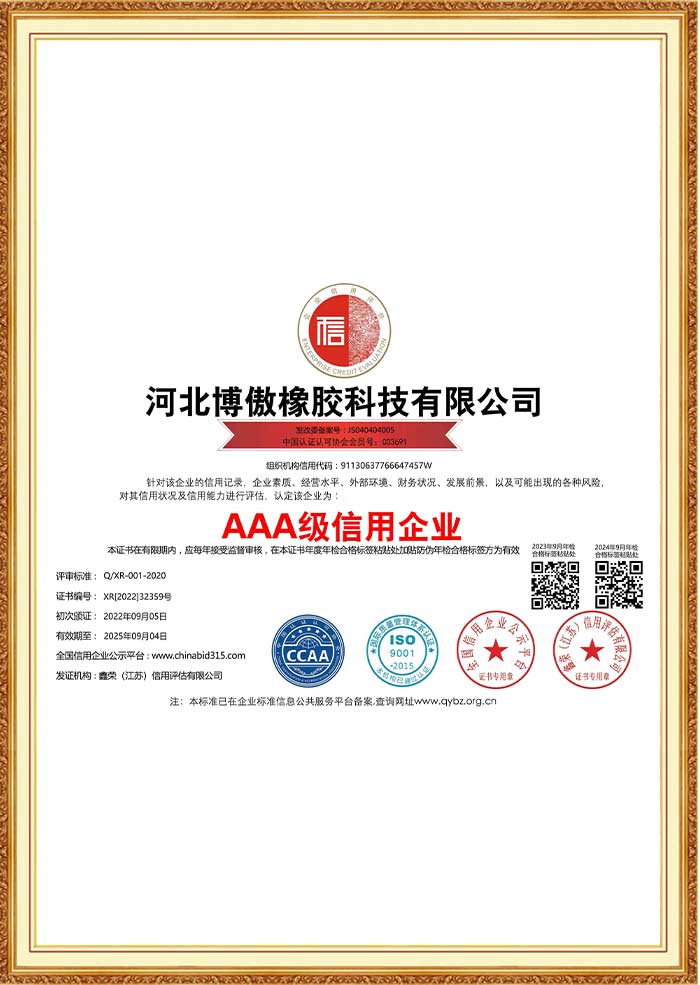
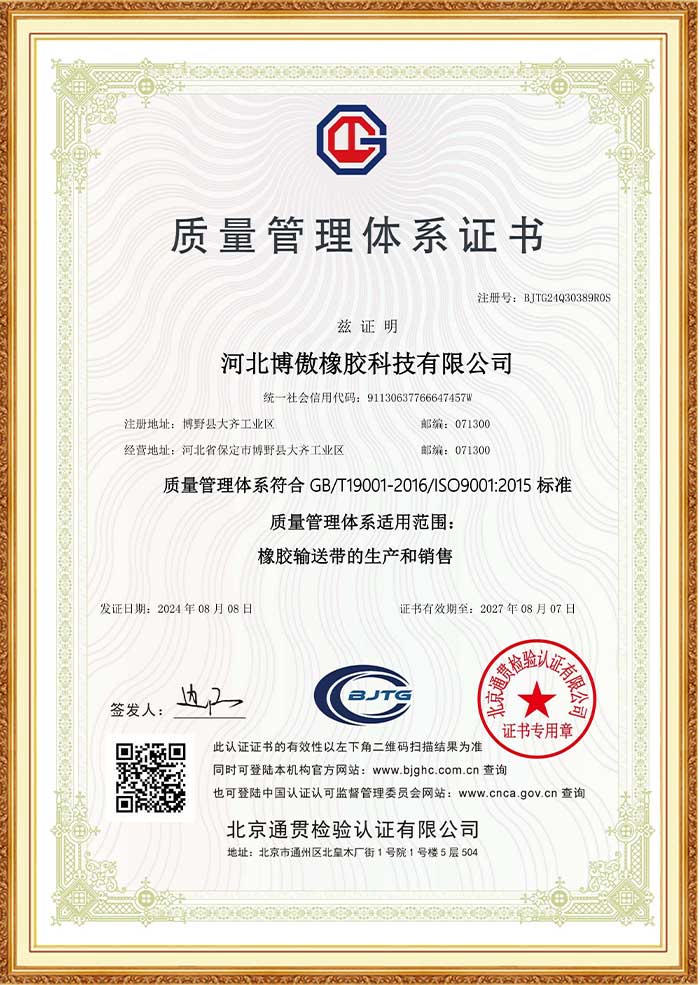
Our factory processes and quality control systems are audited and certified to meet international standards for industrial safety and performance.
Find answers to common questions about fabric specifications, cover selections, lead times, and factory-level options.
EP (Polyester warp/Nylon weft) belts exhibit low elongation under tension, high resistance to moisture, and excellent dimensional stability. NN (Nylon/Nylon) belts offer higher elasticity, providing superior impact resistance and flexibility. EP belts are generally preferred for long-distance conveyors to minimize take-up travel, while NN belts are well-suited for high-impact loading points.
For sharp, highly abrasive materials like quartz, slag, or metal scraps, Grade W or Grade X covers are recommended for their high resistance to cutting and wear. For general-purpose bulk handling of coal, sand, or agricultural products, Grade Y covers provide a balanced combination of tensile strength and abrasion resistance.
Standard custom belt orders typically start at 100 meters per specification. We can fabricate both cut edges (suitable for clean indoor applications) and molded edges (recommended for harsh outdoor and wet environments to protect the inner fabric carcass from moisture ingress).
Yes, we manufacture heat-resistant conveyor belts using specialized EPDM and rubber-polymer compounds. These belts are classified into T1 (up to 125°C), T2 (up to 150°C), and T3 (up to 200°C) service levels to prevent cracking and carcass degradation at elevated temperatures.
Every production run is tested in our laboratory. We perform test procedures for cover tensile strength (MPa), elongation at break (%), abrasion loss (mm³), and adhesion strength between plies. We also offer certified mill test reports (MTR) with every shipment.
We offer full export handling, including export-grade wood roll cores, waterproof packaging, port trucking, and customs documentation. Our proximity to major shipping terminals allows us to manage FOB, CIF, and DDP shipments to global destinations.
Get in touch with our engineering team for detailed technical recommendations, pricing, and factory-level options for your conveyor project.
Submit Technical InquiryBrowse our selection of specialized rubber belts and supporting mechanical components engineered to help optimize conveying systems.
 Boao Rubber