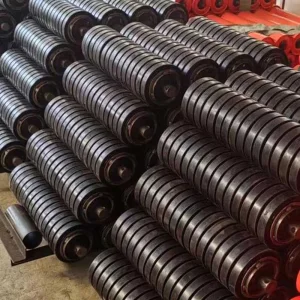
China Precision Idler Rollers Supplier & Factories

Providing Industry-Leading Technical Solutions and Bulk Material Conveying Equipment with Uncompromised Structural Reliability

22+

Years of Manufacturing

30+

Acres Factory Area

ISO

Certified Quality System

JINAO

Famous Brand Mark

Company Profile & Engineering Integrity

Hebei Boao Rubber Technology Co., Ltd. is strategically located in the heart of Boye County Rubber Industrial Park, Baoding, Hebei Province, China. Established in 2004, our production plant spans an impressive area of over 30 acres. Our registered proprietary brand, "Jinao", represents standard excellence and engineering reliability in the modern bulk materials handling sector.

As a leading Chinese enterprise, Boao integrates design, research, technological development, raw material compounding, manufacturing, and comprehensive global service operations. Equipped with state-of-the-art production lines for continuous rubber compounding, precision steel tubing machining, electrostatic powder coating, and final assembly testing, our products conform to strict domestic and international quality guidelines. The company successfully established and operates under the ISO9001 International Quality Management System to guarantee that every conveyor belt, roller bracket, and precision idler roller meets standard operational metrics.
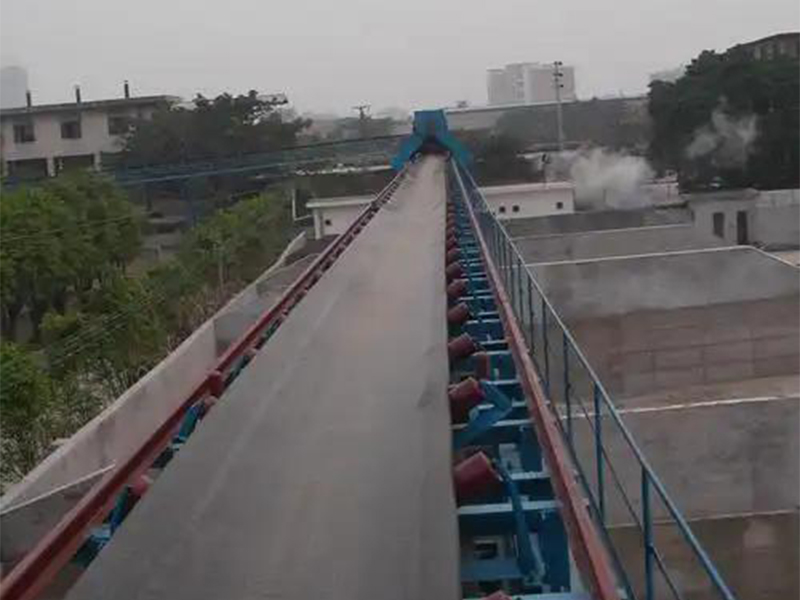
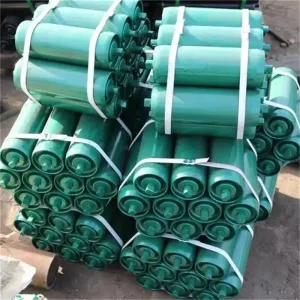
Boao Factory Facility 1
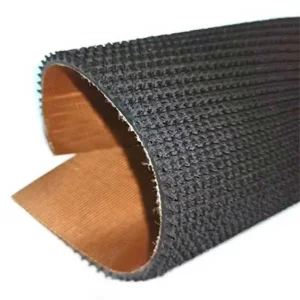
Boao Factory Facility 2
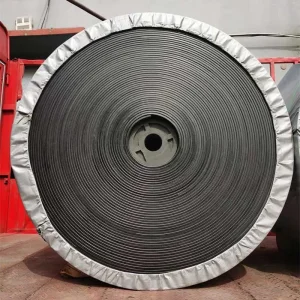
Boao Production Equipment
Boao Quality Control Area

The Critical Function of Precision Idler Rollers in Industrial Material Conveyance

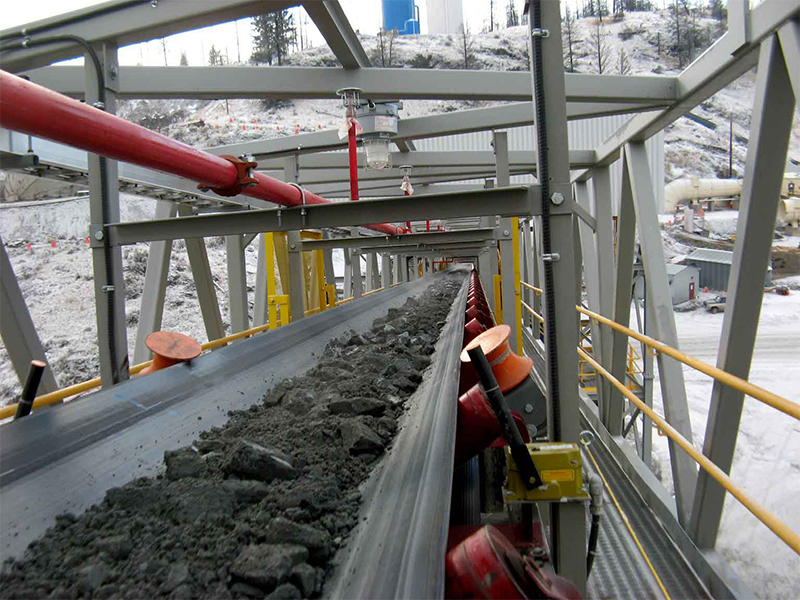
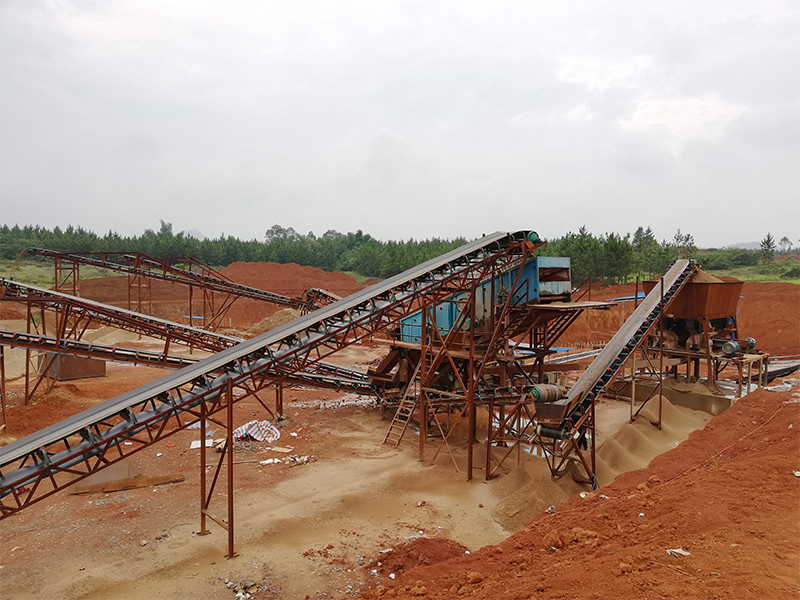
Conveyor systems form the continuous operational baseline of major industrial undertakings, including mining, heavy metallurgy, chemical refining, and coastal port operations. The efficiency of these heavy-duty systems rests on the design precision of the conveyor idlers. Precision idler rollers serve to support the conveyor belt under full mechanical load, reduce coefficient friction forces, preserve belt structural integrity, and prevent belt mistracking. Neglecting idler roundness tolerances or bearing seal performance results in higher energy consumption, rapid belt wear, and increased operational downtime.

Information Gain Insight: Modern conveyor calculations focus heavily on the relationship between Total Indicator Runout (TIR) of the idler tube and the power losses of the conveyor drive system. Lowering TIR from 0.8mm to less than 0.3mm reduces belt resistance significantly, translating directly to up to a 12% reduction in system energy expenditure on long-distance overland conveyors.

Why Choose Boao "Jinao" Brand Components?

Advanced Quality Assurance

We feature an independent chemical analysis lab and dedicated physical testing facilities. This setup ensures real-time inspections from incoming steel and rubber batches up to final product shipment, enforcing a strict zero-defect policy.

Precise Engineering Control

Our facility employs computerized machining centers, precision boring machines, and automated dynamic balancing platforms to guarantee that radial runout and axial displacement fall well within standard tolerances.

National & Global Footprint

Backed by strong domestic distribution and an international technical service network, Jinao components are used by prominent steel plants, mining groups, and ports across China and globally.

Detailed Product Capabilities & Supporting Equipment

To meet the diverse demands of international process plants, Hebei Boao Rubber Technology offers two comprehensive lines of conveyor products:

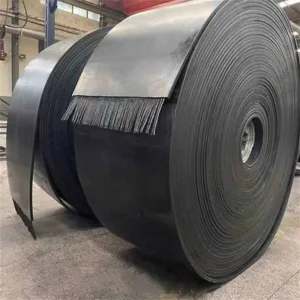
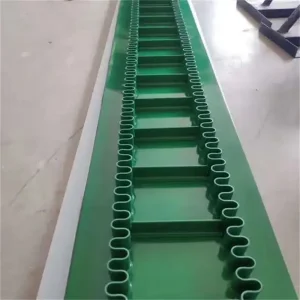
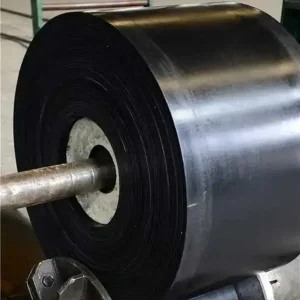
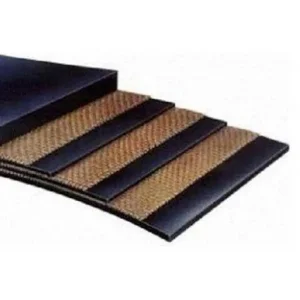
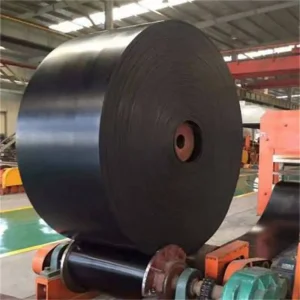
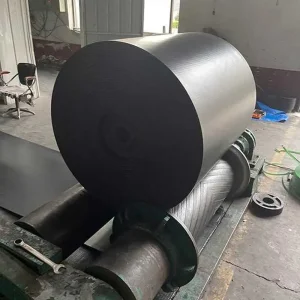
  • Boao Jinao Brand Conveyor Belt Series: Includes Multi-ply fabric belts (NN, EP, PP), heat-resistant belts, high-inclination corrugated sidewall belts, oil and chemical-resistant belts, steel cord reinforced conveyor belts, and customized patterned (herringbone, profile) belts.
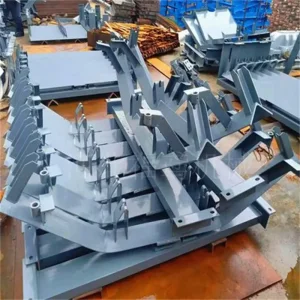
  • Boao Jinao Brand Supporting Components: Premium roller series accessories (ceramic lagged, impact absorbing, steel troughing rollers), self-aligning training idlers, specialized return brackets, tension systems, heavy-duty drive pulleys, and impact beds.

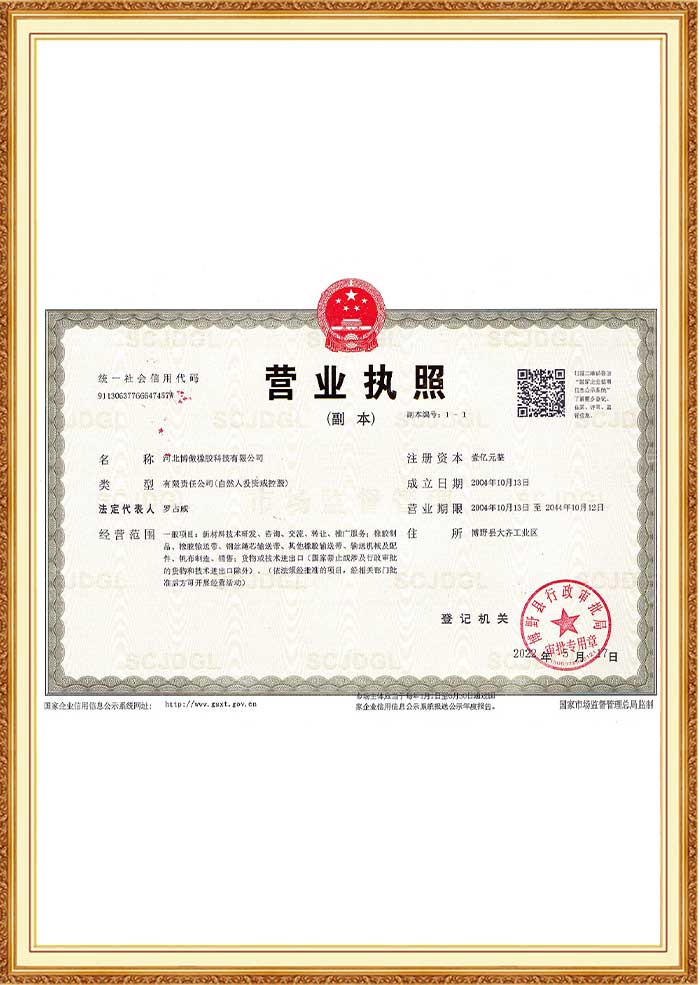
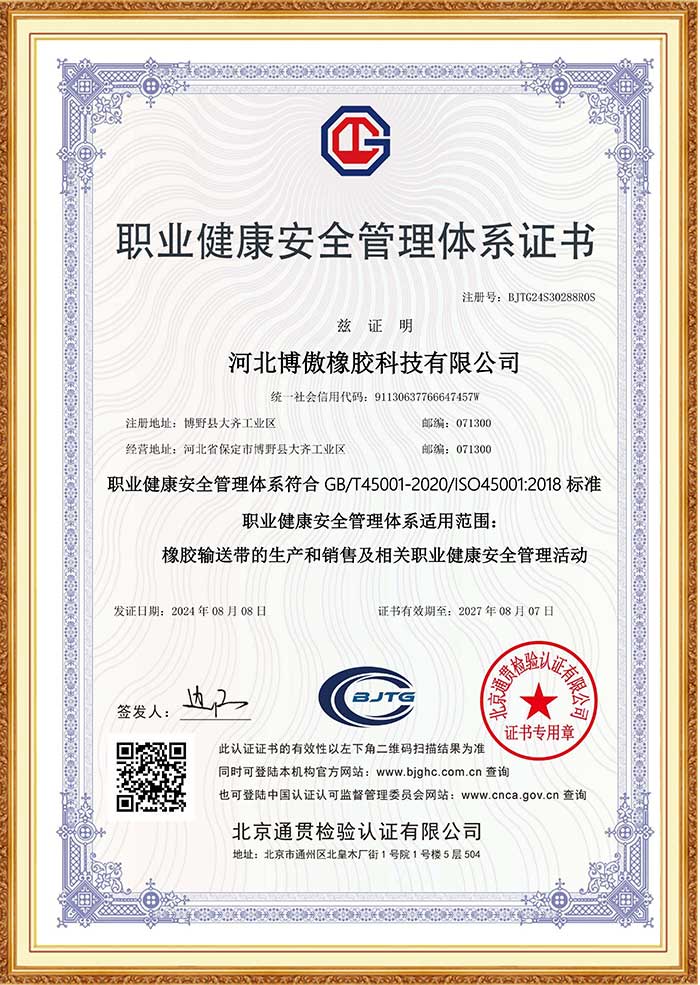
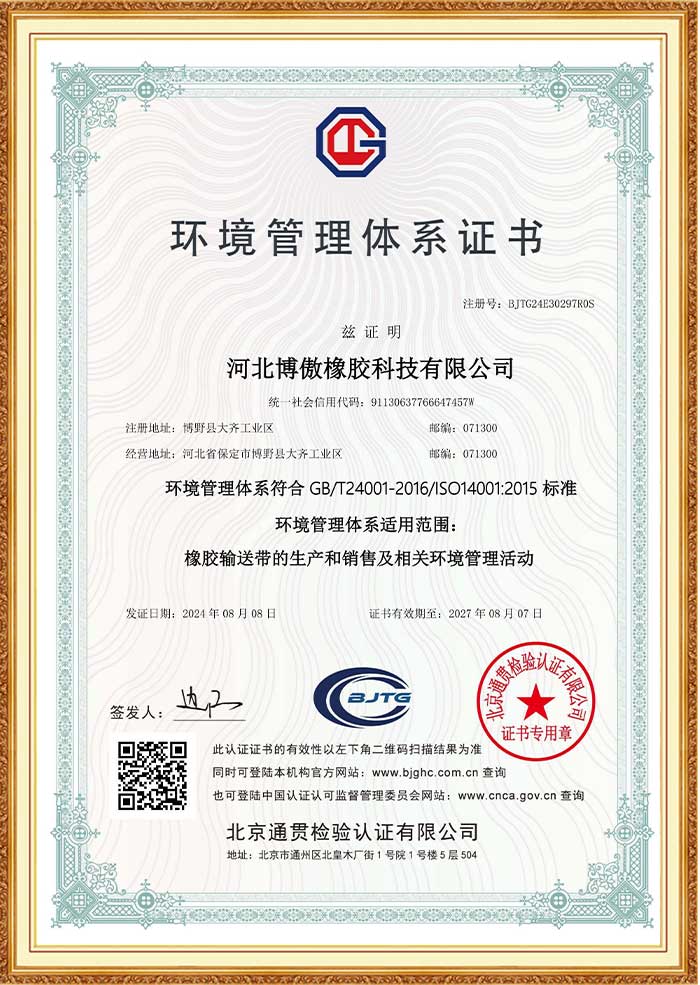
Standardized Manufacturing and Quality Certificates

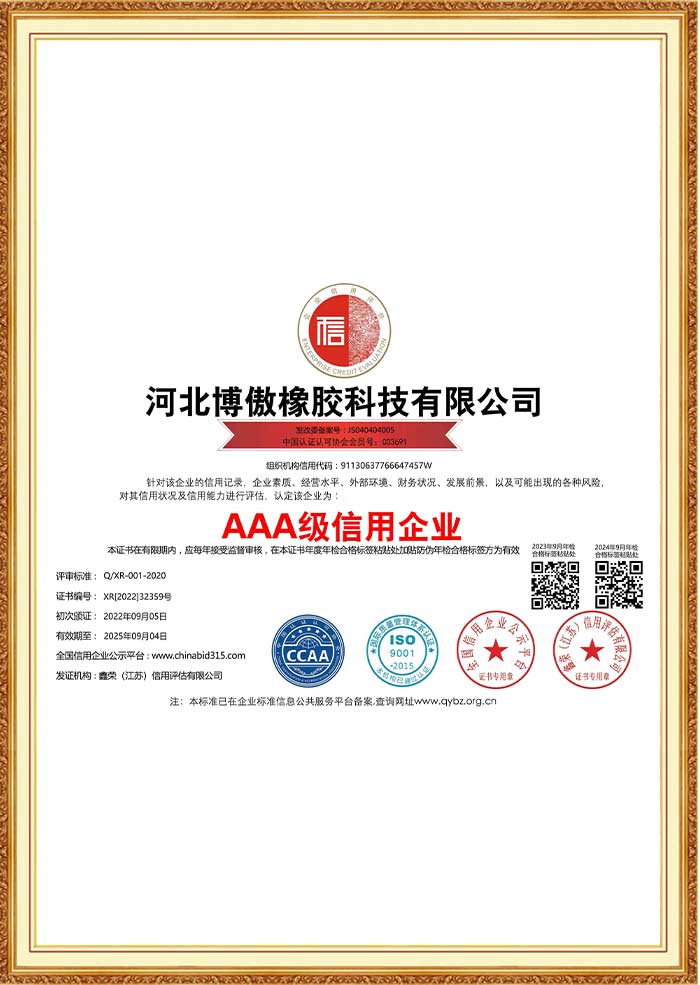
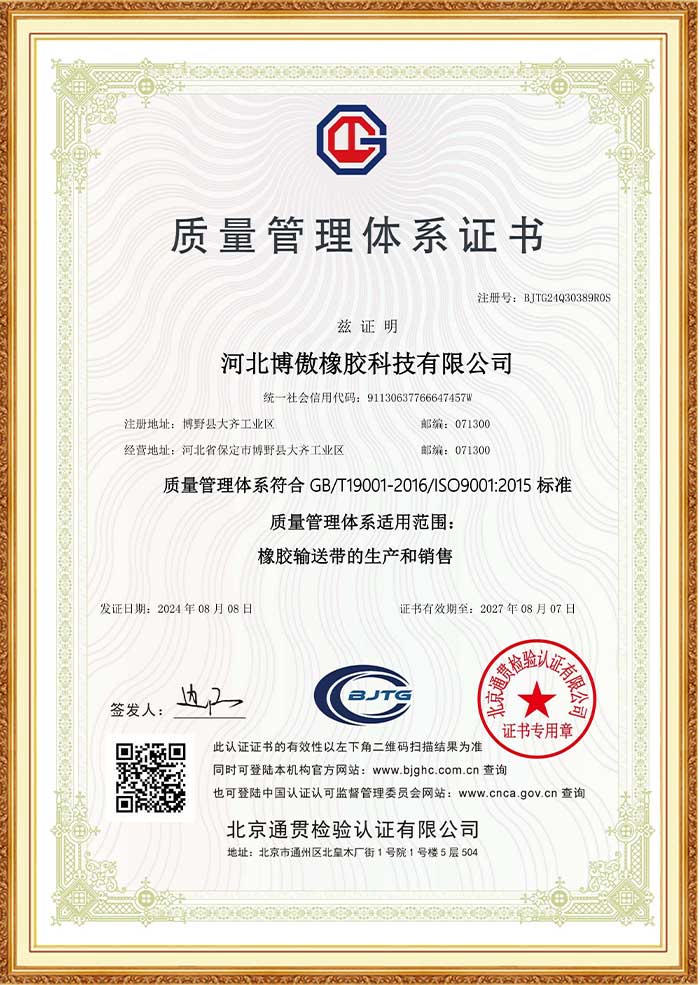
Product reliability is backed by our strict adherence to production standards. Our structural components undergo meticulous testing, including bearing resistance runs, dust-proof tests, water ingress prevention trials, and axial load capacity verifications.
Quality Certificate 1
Quality Certificate 2
Quality Certificate 3
Quality Certificate 4
Quality Certificate 5

Localized Applications and Global Footprint

Analyzing how precision engineered idler rollers deliver long-term efficiency in demanding industrial installations.

Deep Mining Operations

Underground extraction involves tight spaces, high humidity, and explosive gas environments. Our anti-seizure, flame-retardant idler designs paired with low-abrasion bearings prevent friction overheating. This reduces the risk of belt fires and maintains performance on long-distance coal conveyances, such as those used by the Datong Coal Group.

Coastal & Marine Port Logistics

Marine environments expose components to high humidity and salty, corrosive air. To counter this, our idler rollers feature multi-stage labyrinth seals (IP67 protection level) and corrosion-resistant powder coatings. These technologies keep ocean spray and salt crystals out of the bearing cavities, preventing early seizing.

High-Temperature Steel Plants

In coke-handling and sinter transfer lines, heat is the primary failure mode. High-temperature metallurgical conveyors, like those at Taihang Steel and Puyang Steel Group, rely on our custom heat-resistant compound idler groups and specialized greases that do not break down under extreme thermal conditions.

Dusty Cement Production

Fine particulate dust at cement mills can bypass standard seals, contaminating lubricants and seizing bearings. We supply factories like Conch Cement and Jidong Cement Group with specialized dust-proof idler packages that seal out fine clinker dust, extending the runtime of their material handling systems.
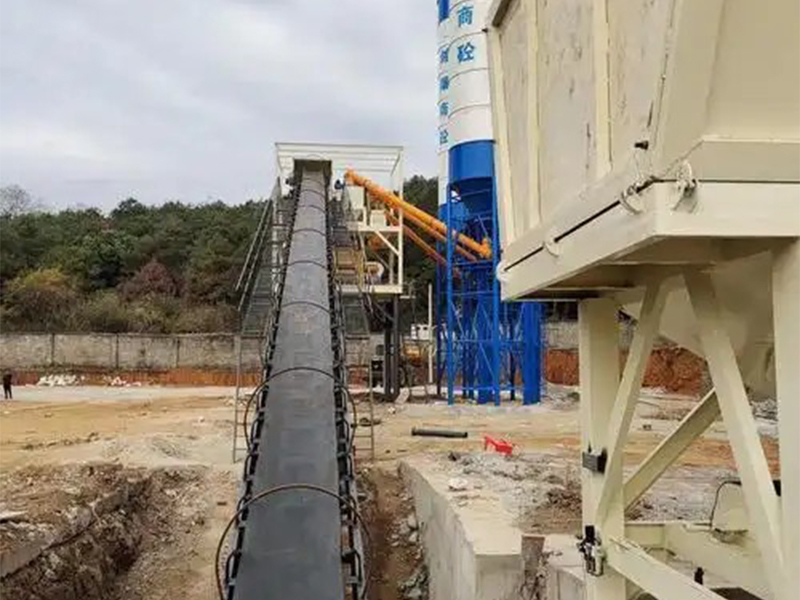
Industrial Partners & Field Deployments

China Railway Mixing Plant

China Railway Group Plant

Conch Cement

Conch Cement Line

Datong Coal Group

Datong Coal Mining

Tsingshan Group

Tsingshan Group Site

China Factory Supply Chain Resilience & Structural Efficiency

The global industrial economy demands not just high engineering specifications, but also supply chain stability. As a manufacturer located in China's rubber and steel processing hubs, Hebei Boao Rubber Technology offers distinct logistics, raw material, and production advantages.

Through deep integration with local steel manufacturers and synthetic rubber producers, we maintain robust raw material reserves. This shields our clients from volatile commodity market price swings. Coupled with our in-house testing labs, we can rapidly adjust configurations and scale production without compromising the structural integrity of our conveyor components.

Engineering Roadmap: The Next Generation of Conveyor Components

Our research and development program focuses on three main technological pillars:

  • Low Rolling Resistance (LRR) Rubber Formulations: We design viscoelastic rubber covers for conveyor belts that minimize indentation losses as the belt rolls over the idlers. This technology can reduce overall conveyor power requirements by up to 15% on long overland runs.
  • Composite Polymer and Lightweight Polyurethane Idlers: In corrosive or high-moisture settings, our lightweight polymer rollers resist chemical degradation, shed materials easily, and lower rotating mass. This reduces energy consumption during starting and operation.
  • Smart IoT Integration: Our engineering pipeline includes smart idler rollers equipped with temperature, vibration, and rotation sensors. These sensors transmit status updates via wireless networks, enabling operators to predict bearing failures and schedule preventative maintenance before downtime occurs.
E-E-A-T Technical Focus: Standard conveyor calculations rely on values defined by CEMA (Conveyor Equipment Manufacturers Association) or DIN 22101. Our custom Jinao idler rollers are balanced to ISO 1940 Quality Grade G16. This balancing standard limits high-frequency vibrations at high operating speeds, extending both roller shell and bearing life.

Industrial Maintenance & Technical Service Programs

Comprehensive service plans to optimize your material handling systems and minimize operational downtime.

System Assessment

We perform onsite alignment checks, measure rotational resistance, and evaluate dynamic loading across the conveyor system. This assessment identifies root causes of premature wear or belt tracking issues.

Preventative Support

We help establish optimal maintenance and lubrication schedules, specify appropriate dust/water seal configurations, and maintain safety stock levels to minimize downtime during unexpected failures.

Component Integration

Our engineers calculate spacing, select optimal transition angles, and design customized impact or self-aligning idler configurations to ensure smooth, efficient belt operation.

Technical Questions & Engineering Solutions (FAQ)

Expert insights on conveyor idler selection, failure prevention, and system maintenance.

1. What causes conveyor idler rollers to seize, and how do we prevent it?
Idler seizure is typically caused by bearing contamination or lubrication breakdown. Dust, moisture, and chemical agents bypass poor seals, degrading the grease and leading to metal-on-metal wear. We prevent this by employing deep-groove C3 clearance ball bearings coupled with a multi-stage labyrinth seal system. This design physically blocks particulate and moisture ingress, maintaining an IP67 rating for wet and dusty environments.
2. How does Total Indicator Runout (TIR) impact conveyor power consumption?
Total Indicator Runout measures how much the roller tube deviates from a perfect cylinder during rotation. High TIR creates rotational imbalances, generating periodic vibration waves that increase dynamic load and energy consumption. By keeping our TIR below 0.3mm through precision machining, we minimize these energy losses and reduce the structural wear on conveyor belt covers.
3. What are the advantages of impact idlers over standard steel rollers?
Impact idlers feature thick, shock-absorbing rubber rings mounted along the steel tube, positioned directly under transfer chutes. Standard steel rollers cannot absorb the kinetic energy of heavy, sharp materials falling from height, which leads to bearing failure or torn belts. Impact idlers cushion the impact, protecting the belt carcass and distributing forces across the support frame.
4. Why is static and dynamic balancing critical for high-speed conveyor systems?
When conveyors operate at speeds exceeding 3.5 m/s, minor weight imbalances in the idler roller generate significant centrifugal forces. This causes vibration, structural fatigue, and noise. Balancing rollers to ISO 1940 standard G16 ensures stable rotation, minimizes noise pollution, and extends bearing life by reducing radial loading forces.
5. How do environment temperatures affect bearing grease selection?
Standard greases can thin out at high temperatures, leaking out of the bearing cavity, or thicken in cold environments, increasing startup resistance. We use lithium-complex synthetic lubricants formulated for specific temperature ranges: low-viscosity greases for cold operations (down to -40°C) and high-viscosity, thermally stable greases for metallurgical applications (up to 120°C).
6. Can custom-designed conveyor brackets prevent belt mistracking?
Yes. Standard fixed brackets hold rollers perpendicular to the frame, but cannot adjust for uneven loads. Custom self-aligning brackets feature pivot mechanisms that automatically adjust the idler group's angle in response to belt drift. This corrective friction guides the belt back to the center line, preventing edge damage and structural spills.

Enhance Conveyor System Reliability

Connect with our technical engineers to design a custom idler and belt package that meets your project requirements and operational conditions.

Consult Our Engineers