Engineered to work seamlessly with advanced industrial vulcanizing machines. Direct factory procurement with certified durability.
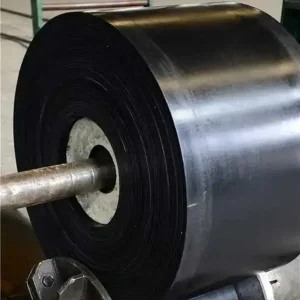
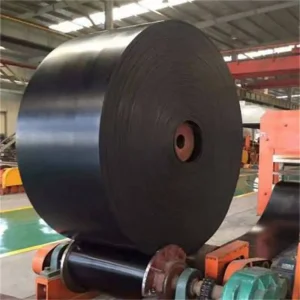
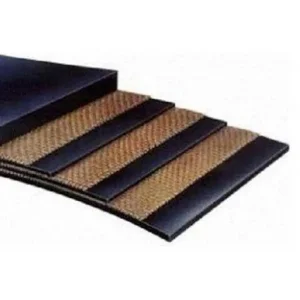
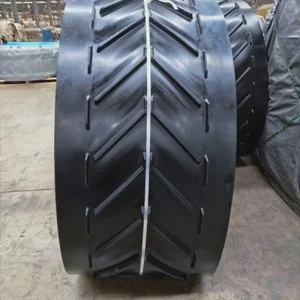
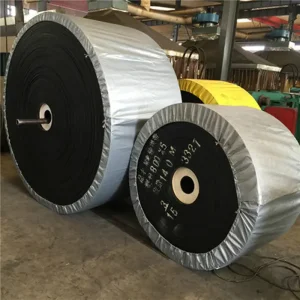
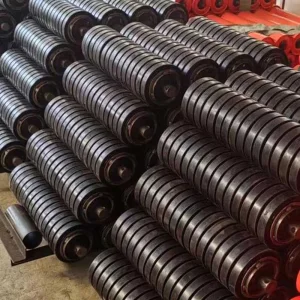
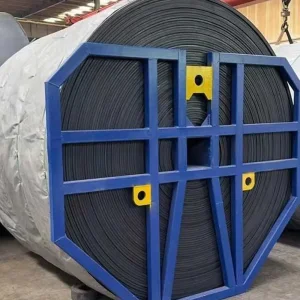
In heavy-duty bulk material transport systems, conveyor belt integrity is paramount. Splicing joints represent the most vulnerable points of any conveyor loop. High-efficiency Rubber Belt Vulcanizing Machines are the cornerstone technology that guarantees joint splicing efficiency, restoring up to 90% of the belt's original tensile strength. Without uniform pressure and precise thermal control during the curing process, vulcanized splices suffer from bubbling, delamination, and premature failure, costing mining operations millions in downtime.
As leading Chinese manufacturers of conveyor belt solutions, Hebei Boao Rubber Technology Co., Ltd. integrates decades of material engineering to offer a comprehensive portfolio of belt vulcanizing and repair technologies. From lightweight, portable vulcanizers designed for underground coal mines to high-pressure frame vulcanizers for steel cord belts, our engineering team ensures your conveyor networks run uninterrupted under the harshest operational conditions.
Enterprise procurement teams in North America, South America, Australia, and South Africa are transitioning away from local sourcing to optimized global supply models. The primary driver is the significant technological leap made by Chinese heavy machinery factories. Key procurement factors include:
Advanced heating platens embedded with silicone ribbon heating elements guarantee a temperature variance of less than ±3°C across the splice zone, critical for heavy EP and Steel Cord belts.
Utilizing uniform water/oil pressure bags instead of traditional mechanical clamps allows the pressure to reach up to 2.0 MPa (290 PSI), driving out micro-voids during rubber curing.
Explosion-proof control boxes and flame-retardant electrical systems are mandatory for coal mining and chemical manufacturing configurations, preventing gas ignition in deep shafts.
Different industrial environments demand specialized vulcanization protocols. The mechanical stresses on a conveyor belt in a cement processing plant differ dramatically from those at a deep-sea port handling abrasive iron ore.
Deep-pit mining utilizes steel wire rope core conveyor belts to transport heavy materials vertically and horizontally over several kilometers. Splicing these belts requires high-tonnage vulcanizing machines with specialized step-down pressure configurations to prevent core slippage. Our "Jinao" brand conveyor accessories and belts are thoroughly optimized to withstand these intense hot-splicing processes.
For chemical and metallurgical facilities processing hot sinter or acidic chemical compounds, vulcanizers must apply uniform heat to specialized EPDM and chloroprene rubber belts. The heat-resistant properties of the belt must not degrade during the splicing process. Our chemical analysis laboratories ensure that every vulcanizing machine is calibrated to the precise curing curves of our heat-resistant and chemical-resistant belts.
At maritime loading terminals, speed is critical. High-capacity belt installations need rapid-cooling vulcanizing systems. Modern water-cooling channels built into our aluminum-alloy heating plates reduce cooling times from 80°C down to ambient temperature in under 15 minutes, cutting splice downtime in half and maximizing vessel turnaround rates.
Located in the prestigious Rubber Industrial Park of Boye County, Baoding, Hebei Province, Hebei Boao Rubber Technology Co., Ltd. (founded in 2004) has established itself as an elite Chinese manufacturer. Over a 30-acre facility, the company engineers premium conveyor belt systems and structural components under the registered trademark "Jinao".
By integrating rolling, forming, vulcanization, and advanced chemical/physics testing labs under one roof, we guarantee that every batch of conveyor belts meets stringent international safety and performance criteria. Our specialized testing laboratories monitor raw materials, vulcanization indicators, and final product load limits, establishing complete traceability for global buyers.

The vulcanization sector is undergoing rapid transformation driven by automation, material sciences, and digital twins. Key trends shaping the future of industrial splicing include:
Modern vulcanizing machines are discarding analog controllers in favor of advanced microcontrollers and touchscreens. These smart controllers log the temperature, pressure, and curing time in real-time, outputting clean CSV logs via USB or wireless connections. This digital twin record allows maintenance directors to verify splice quality and maintain compliance records for safety audits.
Traditionally, heavy steel frames made manual placement of vulcanizers difficult and dangerous. The implementation of high-tensile aircraft-grade aluminum alloys has cut frame weight by up to 35% without compromising deflection resistance, dramatically improving safety and handling in constrained underground tunnels.
Energy efficiency is now a major metric in heavy industries. New heating element designs focus on zoning control, heating only the exact width of the belt joint to reduce power draw by up to 25%. Combined with recyclable fluid mediums in the pressure bags, modern vulcanization fits neatly into green mine initiatives.
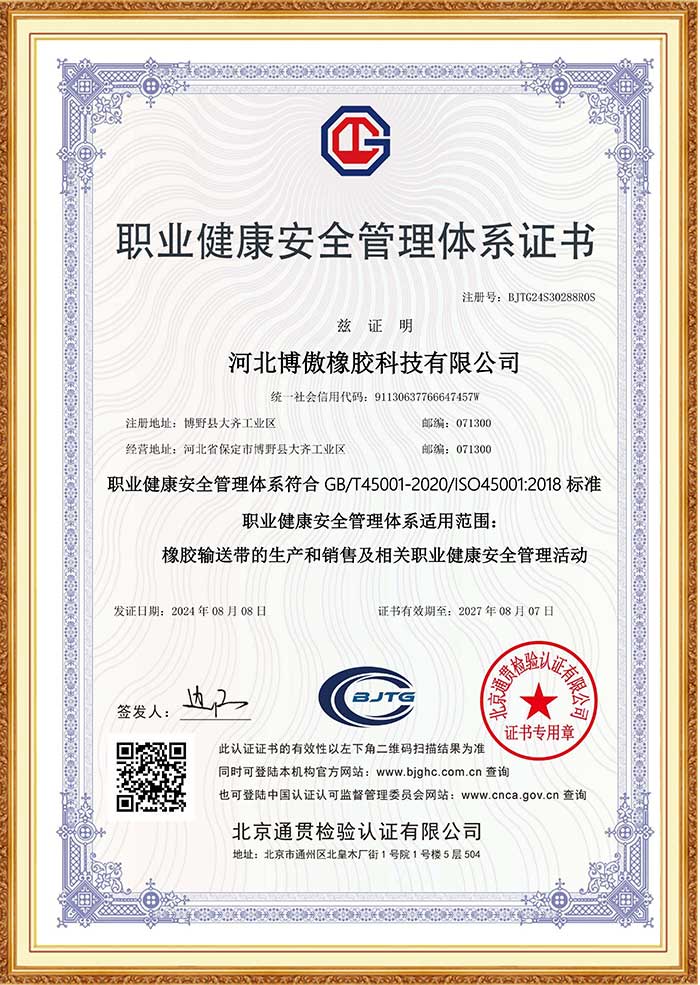
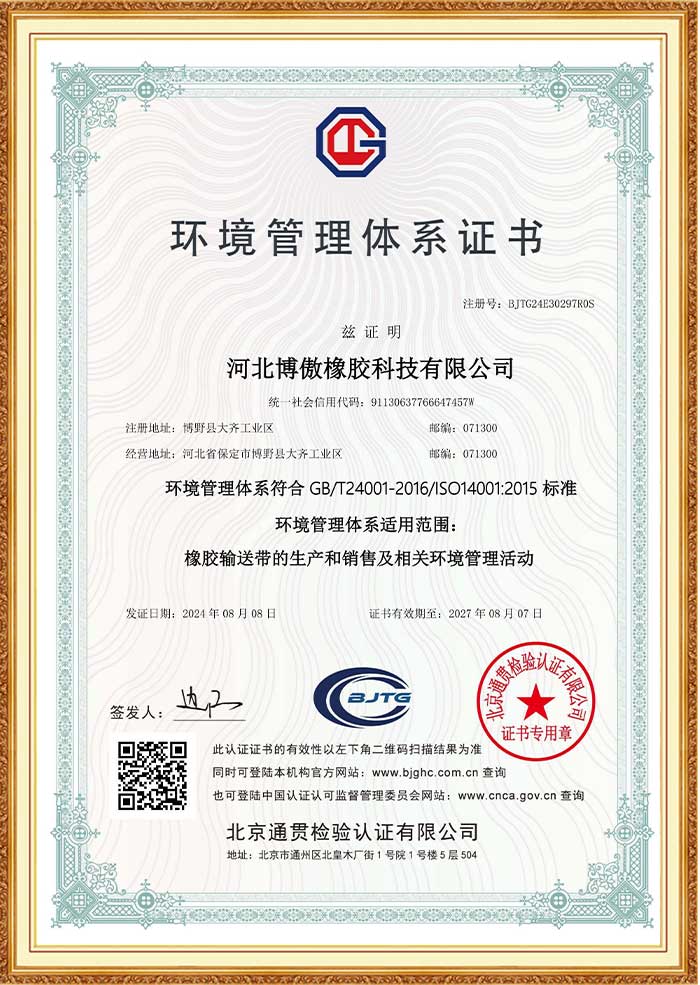
Verified compliance and proven performance across the world's most demanding bulk material logistics networks.
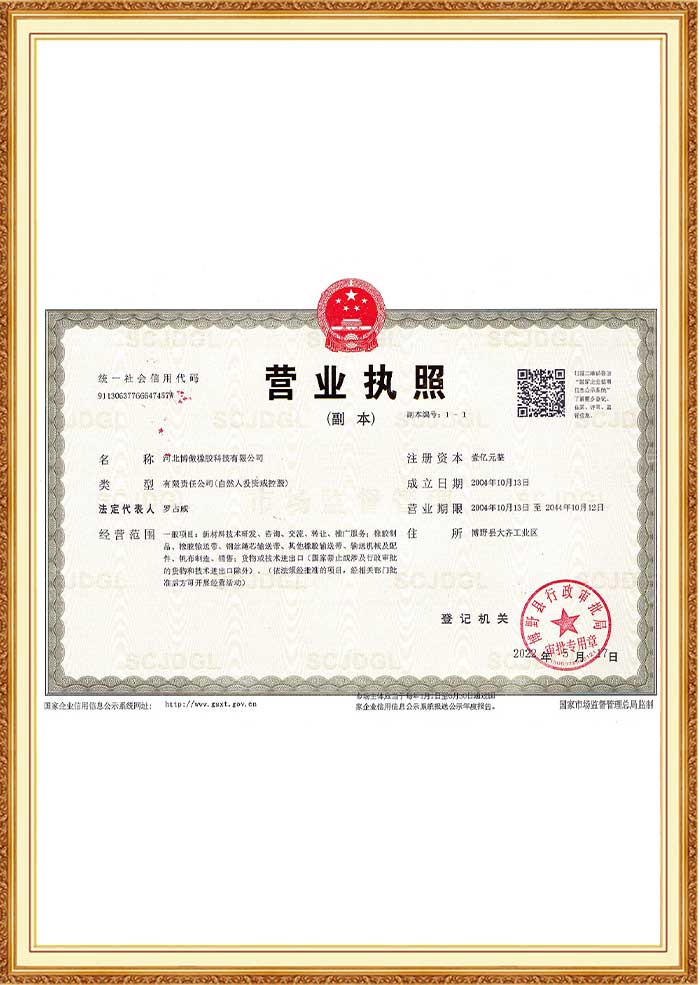
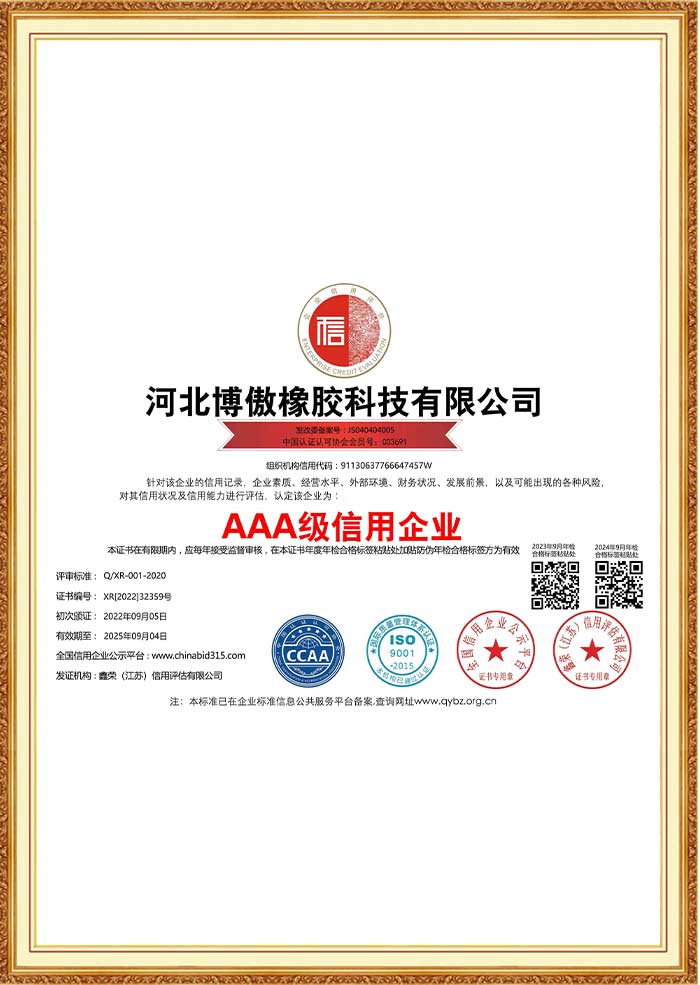
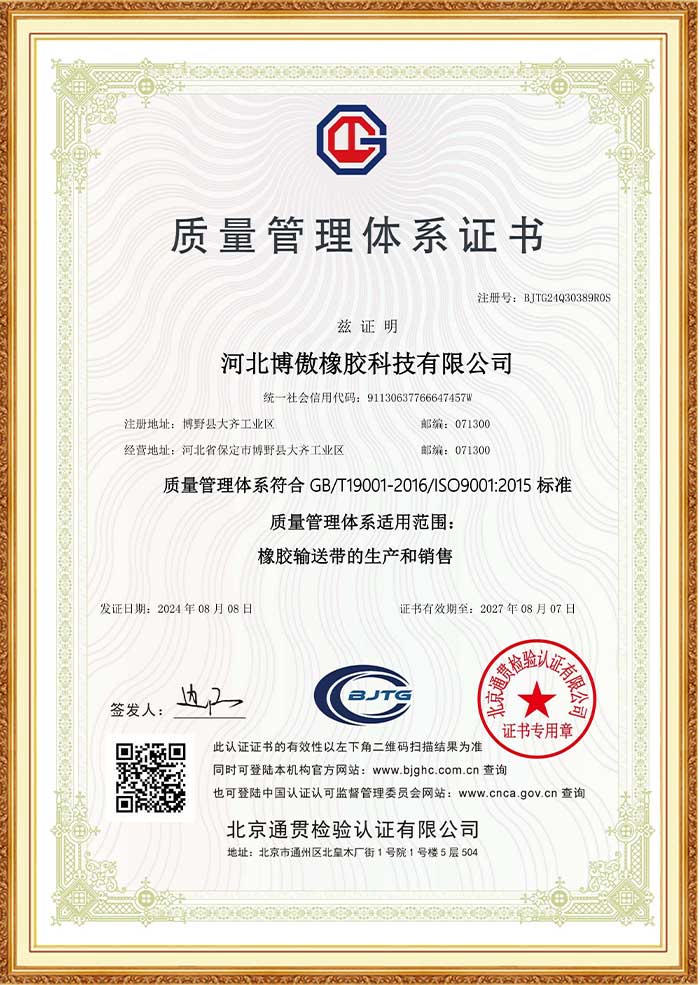
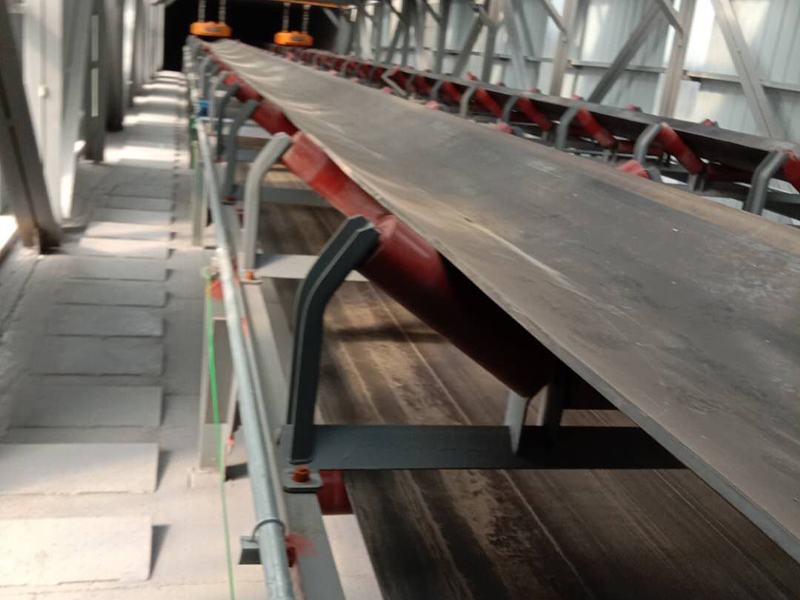
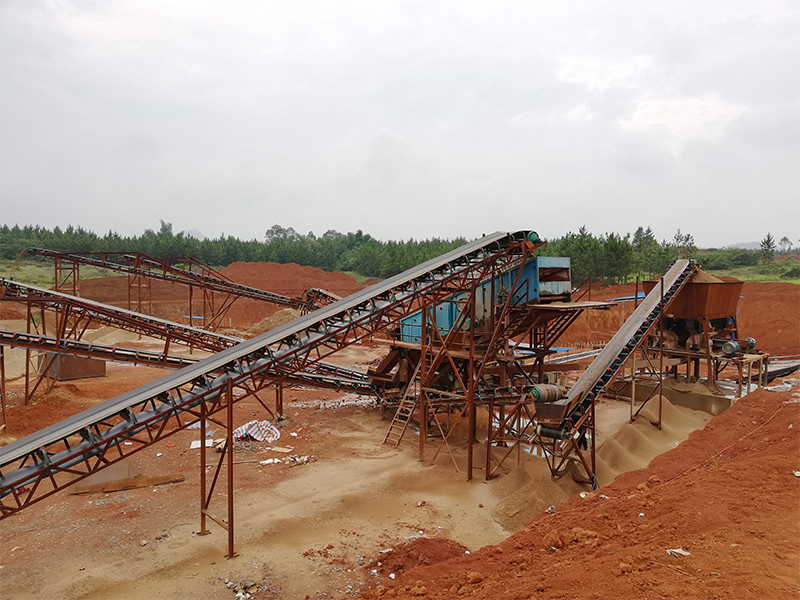
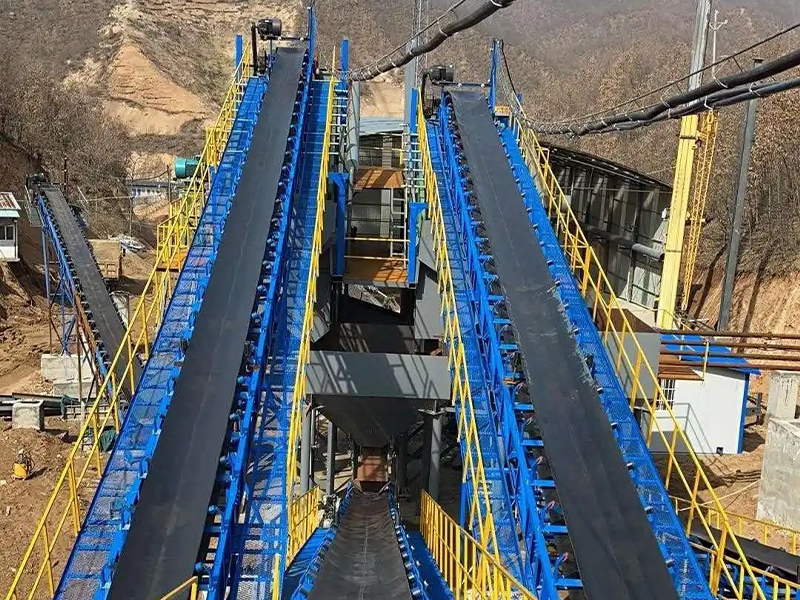
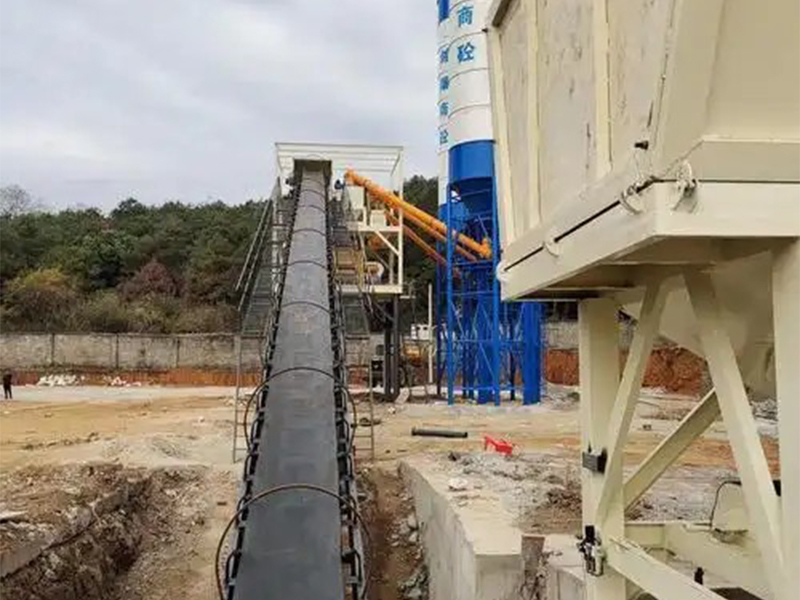
Sourcing machinery from China is not just about receiving a physical crate; it requires robust technical support and field compliance structures. Hebei Boao Rubber Technology guarantees full-cycle technical backup including custom-designed drawings for hot-bonding splices, targeted technician training, and localized spares stocking programs.
Our service protocol eliminates the typical challenges associated with complex conveyor line startups. We coordinate maintenance intervals, supply all curing materials and vulcanizing compounds, and configure emergency response workflows. Whether your operations require continuous inventory management or planned splice replacements, our engineers ensure optimal system uptime.
Our technical service teams are trained to execute precise and efficient hot-splicing operations. By optimizing every stage of the process—from belt end preparation and alignment to pressure profiling and cooling cycles—we consistently achieve durable, high-integrity joints that maximize the operating life of your conveyor system.
Expert technical answers to critical questions in conveyor belt vulcanization and splicing engineering.
High-performance mechanical components designed to work alongside professional vulcanizing installations.
 Boao Rubber