Engineered for steep inclines, dust minimization, and harsh environments. Explore our top primary configurations adapted for rigorous UK industrial standards.
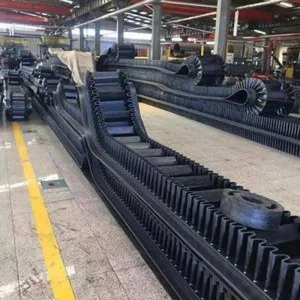
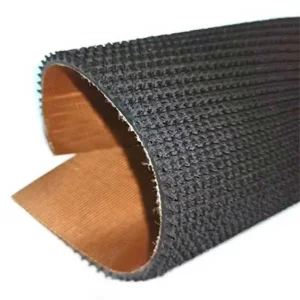
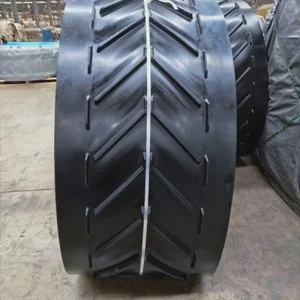
The industrial landscape of the United Kingdom is undergoing a massive transformation. With the closure of traditional coal facilities, the emergence of advanced biomass power plants (such as the Drax facility in Yorkshire), and the expansion of deep-sea port terminals (including Immingham, Liverpool, and Tilbury), the physical transit systems of bulk material handling have never faced higher performance thresholds. Conveyor belts must operate with near-zero downtime, high dust confinement, and excellent lateral stability.
In high-incline applications, such as tunnel boring operations (e.g., London Tideway and HS2 projects), conventional flat belts cannot manage vertical inclines without massive material fallback. Wavy edge (sidewall) and cleated conveyor belts represent the most efficient design response, offering vertical transit profiles up to 90 degrees while maintaining high throughput speeds within tight footprint requirements. Edge conveyor belts prevent material spillage, cut cleaning costs, and reduce structural wear on idlers.
Additionally, the UK aggregate recycling industry relies heavily on durable belting systems that can resist the extreme impact forces of crushed granite, recycled concrete, and scrap metals. Standard rubber formulations fail quickly when exposed to sharp glass cullet or dynamic rebar impact. By utilising specialized compounds reinforced with high-modulus synthetic carcasses, our belting solutions deliver the structural resilience demanded by operators across England, Scotland, and Wales.
Under the UK’s transition to net-zero and high-performance recycling, clean, zero-spillage bulk material transit is a compliance priority. Conventional materials handling systems lose up to 3% of raw volume to spillage and airborne dust—a significant cost leak and a major regulatory risk under British COSHH guidelines.
Operating a bulk-handling system in the United Kingdom requires strict adherence to various regulatory frameworks. From the Health and Safety Executive (HSE) codes to European harmonised standards and the newly recognized UKCA (UK Conformity Assessed) marking, product safety, anti-static safety, and fire-retardency are of paramount importance. Our conveyor belts are designed to satisfy these international benchmarks:
Our high-load steel cord belts comply fully with BS EN ISO 15236. This standard governs rubber belt design, ensuring extreme tensile limits, minimum elongation at full load, and resistance to cord pull-out.
For explosive grain terminals and enclosed coal silos, electrostatic charges pose high explosion risks. Our belts undergo testing according to ISO 284, guaranteeing low surface electrical resistance.
Meeting ISO 340 limits means our belts self-extinguish within a few seconds when exposed to an open flame. This is essential for safety inside underground mines and high-density material processing plants.
By partnering with a major Chinese rubber industrial leader located in the Boye County Industrial Hub, Hebei, UK bulk materials handling companies leverage our massive production economy, cutting-edge rubber testing laboratories, and secure raw material supply lines. Our direct factory business model eliminates intermediate trading layers, providing savings that can be reinvested into site operations.
Unlike regional regional distributors who operate with limited inventory, our 30-acre state-of-the-art facility runs continuous production lines. We configure edge-reinforced and high-angle wavy-edge systems to exact client drawings. Our vertically integrated capability spans customized polymer compounding, fabric weave processing, high-pressure hot vulcanization, and thorough laboratory testing, ensuring complete batch consistency.
Global logistics are managed through major shipping corridors. With our proximity to Tianjin Port, we coordinate dispatch cycles to primary UK entry points like Liverpool, Southampton, and Felixstowe. We handle full customs documentation, export compliance certificates, and transit containment, ensuring smooth delivery to your site.
Every single production batch of Jinao brand belting must pass a series of physical testing validations before receiving export clearance:
Located within the Rubber Industrial Park of Boye County, Baoding, Hebei Province, Hebei Boao Rubber Technology Co., Ltd. has stood as a pioneer in heavy-duty conveyor belt design and industrial accessory manufacturing since our founding in 2004. Our manufacturing zone spans over 30 acres, hosting highly automated compounding lines, heavy multi-roll calendar machines, and massive vulcanization presses.
Through our flagship industrial brand "Jinao", we focus on conveyor belt system design, custom polymer research, and system accessory logistics. We hold complete international quality management system certifications, operating under strict QA/QC loops. From checking incoming raw materials to final pre-shipment tension testing, we maintain high precision at every production stage.
Our production lines integrate fabric weaving, calendering, automated build cycles, high-temperature vulcanizing, and testing. This end-to-end control allows us to serve complex engineering projects worldwide. Hebei Boao continues to deliver reliable bulk handling solutions to steel works, cement plants, chemical facilities, and logistics centers across the United Kingdom.
Our plant operates advanced calendering, continuous vulcanization, and raw material chemical analysis laboratories, producing belts designed for extreme operational environments.
Our laboratory setup and testing methods guarantee that every belt leaving our facility meets strict performance parameters.
We operate an independent chemical analysis and physics testing facility. We monitor each manufacturing stage, checking raw polymer formulations, tensile cord performance, and vulcanization quality. Unqualified materials are rejected from our plant, and finished products undergo testing to verify standard compliance.
Our experienced QA inspectors use advanced testing equipment, including electronic vulcanizing testing machines, rubber abrasion testers, and digital tensile strength measuring units. This systematic evaluation verifies the durability and performance of our conveyor belts.
Supported by a comprehensive technical and logistics network, our products serve diverse global regions. In the UK, Jinao brand belts are used in industries including steel works, quarry operations, cement plants, waste recycling plants, and bulk cargo terminals.
Modern heavy-duty rubber belts serve as the primary transit link in high-volume industrial installations. From deep underground mining operations to coastal ports handling millions of tons of cargo annually, rubber belts enable the continuous movement of bulk materials. This development represents decades of advancement in polymer formulation, carcass reinforcement technology, and manufacturing processes.
Early transport belts faced challenges with frequent carcass failure, cover delamination, and rapid wear. Modern formulations address these limitations by blending high-grade natural rubber with custom synthetic polymers. These compounds are reinforced with high-modulus polyester (EP) or nylon (NN) fabrics, or high-tensile steel cord lines, creating systems that handle extreme working tensions and impacts while minimizing longitudinal stretch.
Our Jinao brand belts incorporate these material advances. By tailoring rubber cover compounds to match specific operational conditions, we extend belt service life, reduce maintenance requirements, and lower the total cost of ownership for our UK industrial partners.
Our complete range of rubber conveyor belts, engineered with specialized properties to handle diverse bulk handling requirements.
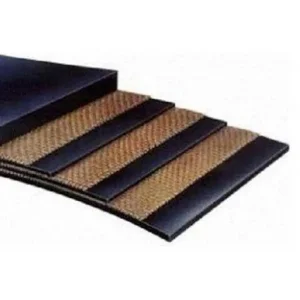
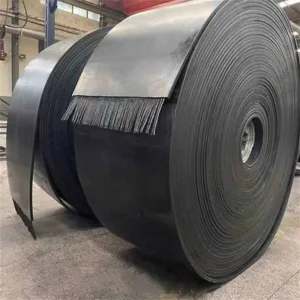
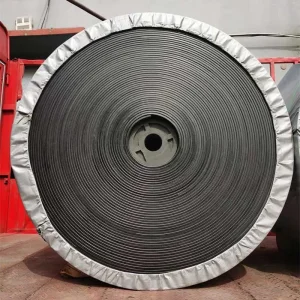
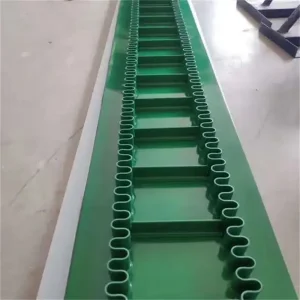
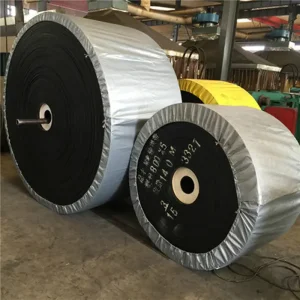
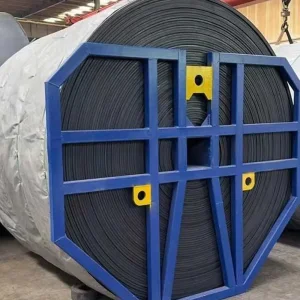
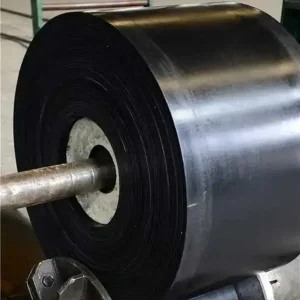
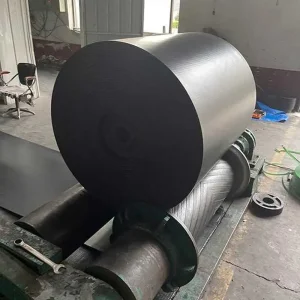
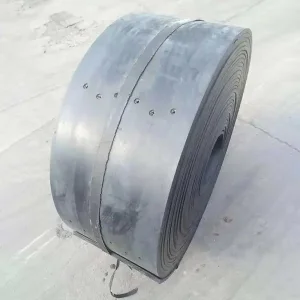
Jinao Brand belts support key operations in mining, steel works, cement plants, and construction projects worldwide.
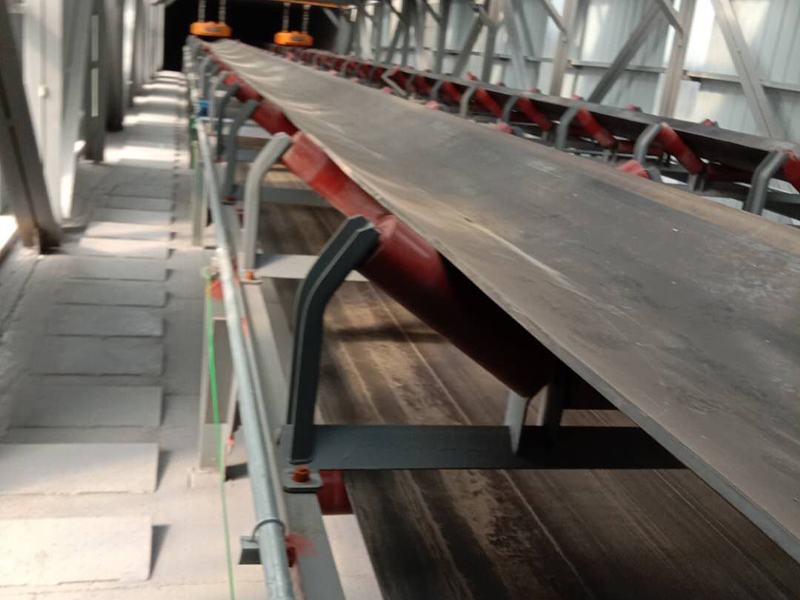
Taihang Steel Heavy Transport Line
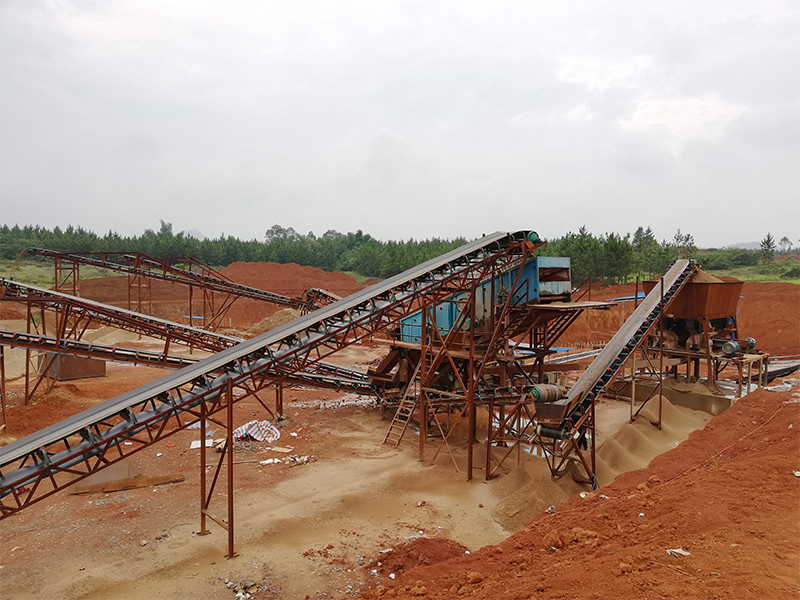
Tsingshan Group Materials Transit
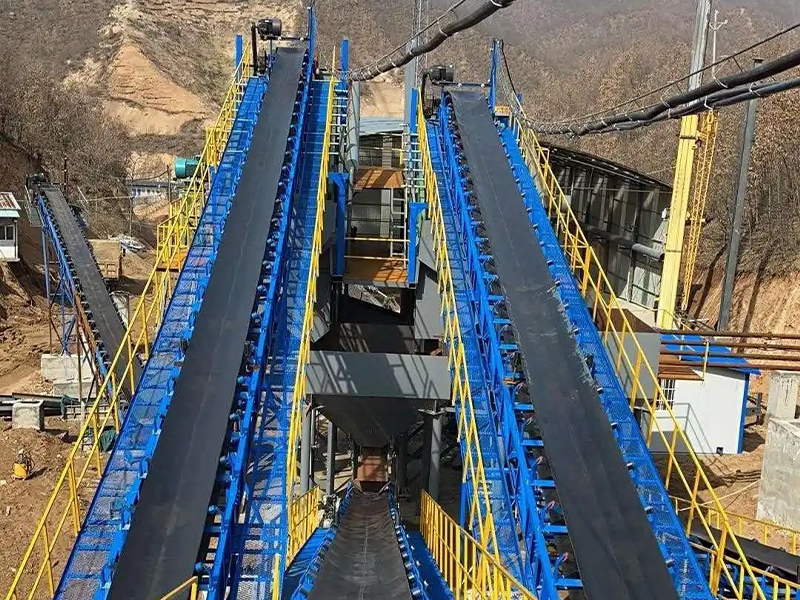
Zijin Mining Vertical Shaft Project
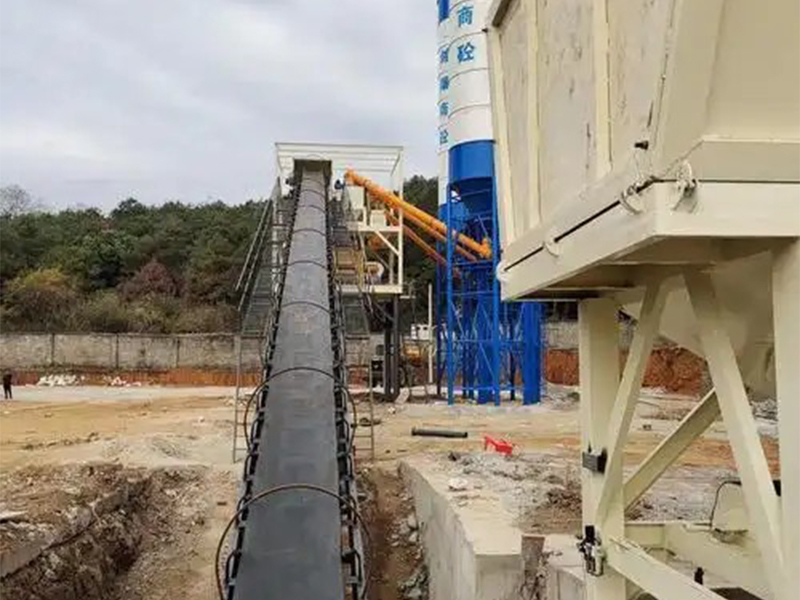
China Railway Mixing Plant Feed Conveyor
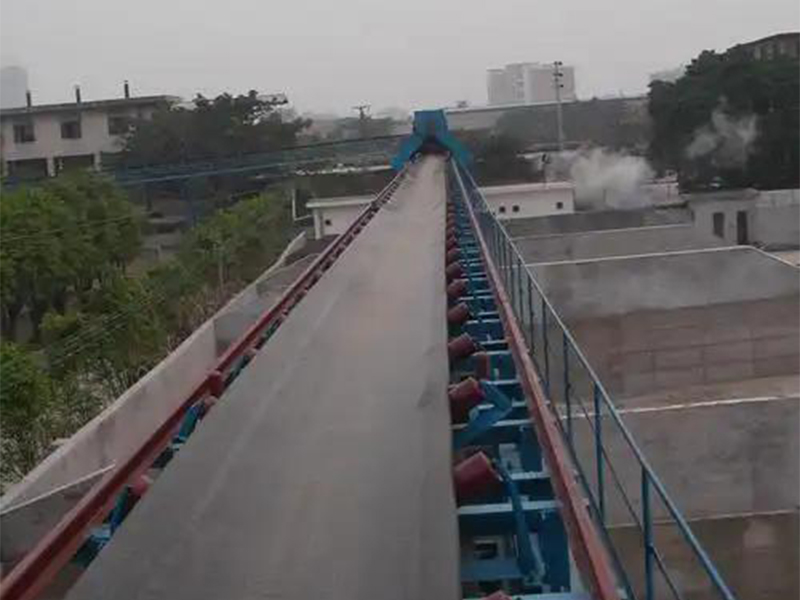
Conch Cement Limestone Conveyor System
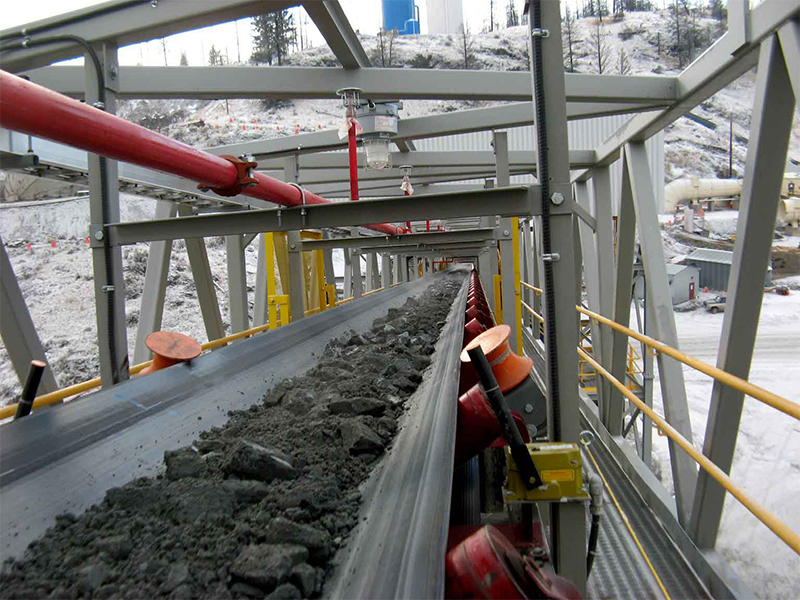
Datong Coal Group Underground System
Expert advice on belt engineering, compound selection, and splicing techniques for industrial operators.
Get in touch with our engineering team for custom drawings, compound recommendations, and competitive factory-direct pricing for your UK operations.
 Boao Rubber