Engineered to handle high elevations with minimal horizontal space requirements, perfect for urban material transport, port stackers, and underground mines.
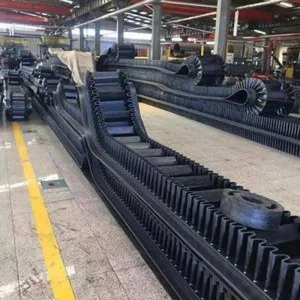
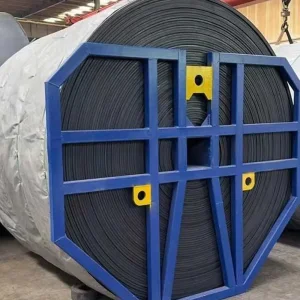
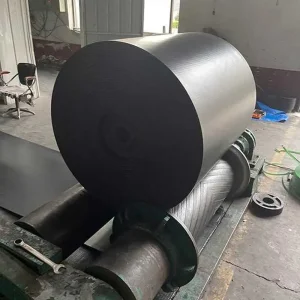
Thailand’s booming heavy industries, particularly across the Eastern Economic Corridor (EEC) covering Chonburi, Rayong, and Chachoengsao, are experiencing a massive push towards automated bulk material handling. As raw materials like cement clinker, coal, silica sand, gypsum, and agricultural goods are processed in tight spaces, traditional horizontal conveyors are no longer sufficient. Vertical, high-inclination corrugated edge conveyor belts offer an essential path to optimizing spatial footprints.
However, Thailand’s tropical climate introduces distinct engineering challenges. With relative humidity regularly exceeding 80% and temperatures peaking above 40°C in industrial corridors, rubber conveyor belts face accelerated aging, oxidation, and hydrolysis. Moisture penetration can cause belt plies to separate and steel cords to corrode, while microbial growth can damage the fabric core of low-quality belts.
Our Jinao brand conveyor belts are formulated specifically with advanced anti-humidity, UV-stabilized, and anti-fungal rubber covers. Whether deployed in Mae Moh's coal-fired thermal power plants, Rayong's petrochemical complexes, or Saraburi's cement kilns, our products maintain superior adhesion and tensile strength under constant thermal and environmental stress.
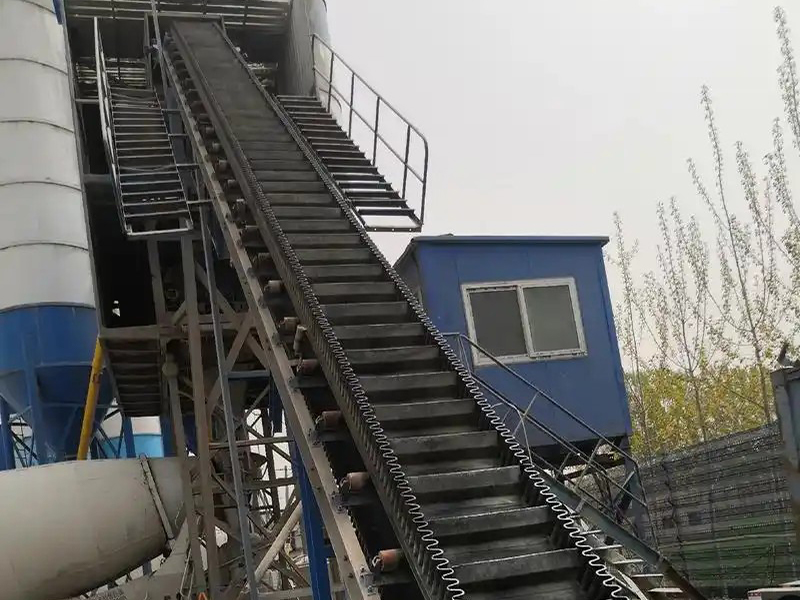
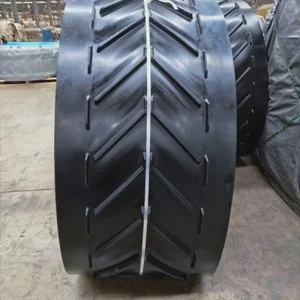
In global bulk handling operations, there is an accelerating transition toward high-angle transport. Traditional trough conveyors are limited to maximum inclination angles of 15 to 18 degrees, depending on the material's angle of repose. When high lifts are required, horizontal conveying routes must be extended, requiring substantial investment in infrastructure and land. Corrugated sidewall and edge conveyor belts overcome these limitations, enabling transport at angles up to 90 degrees.
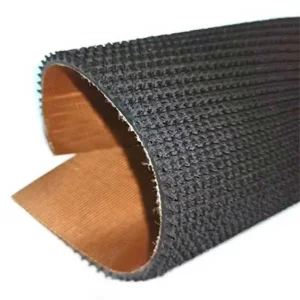
To secure this performance, modern conveyor belt manufacturing leverages advances in polymer chemistry and structural reinforcing. Jinao belts integrate cross-stabilized polyester (EP) or nylon (NN) fabric plies within the base belt. This design provides high longitudinal flexibility for wrapping around drive pulleys, while maintaining the transverse rigidity needed to resist bowing or sagging between return idlers.
Additionally, modern factories are adopting hot vulcanization over cold chemical bonding for attaching the sidewalls and cleats to the base belt. While cold bonding is faster, it is prone to shear failure and delamination under high temperatures and humid conditions. Jinao's specialized hot vulcanization process integrates the base belt, corrugated sidewall, and rubber cleats into a single cohesive structure, preventing joint separation under heavy loads.
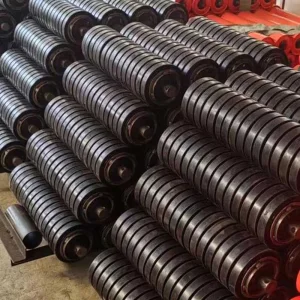
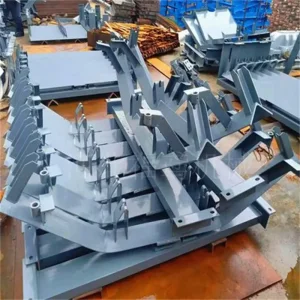
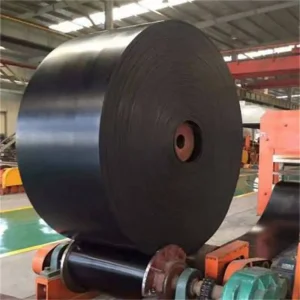
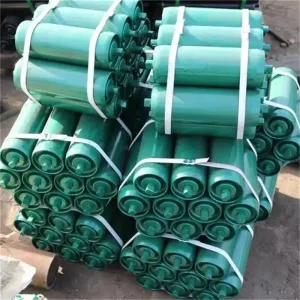
A comprehensive selection of heavy-duty components designed to keep conveyor lines running efficiently and minimize downtime.
In major cement processing clusters, transporting hot clinker and limestone to vertical silos requires heat-resistant conveyor belts. Under high-heat conditions, standard rubber compounds dry, crack, and lose elasticity. Jinao heat-resistant edge belts can handle materials up to 220°C, ensuring reliable operation in cement manufacturing facilities.
Bulk loading terminals require high-speed, high-capacity transport systems to handle coal, sugar, and tapioca. Wavy edge belts with customized cleats prevent material backsliding at steep inclines. This design allows ports to build shorter, steeper conveyor ramps, maximizing yard space for bulk cargo storage.
Agricultural processing plants handling grain, cassava starch, and animal feed require food-grade, oil-resistant conveyor belts. Standard rubber compounds can absorb oils and swell, leading to belt mistracking. Our oil-resistant edge belts prevent absorption, maintaining tracking alignment and conveyor performance.
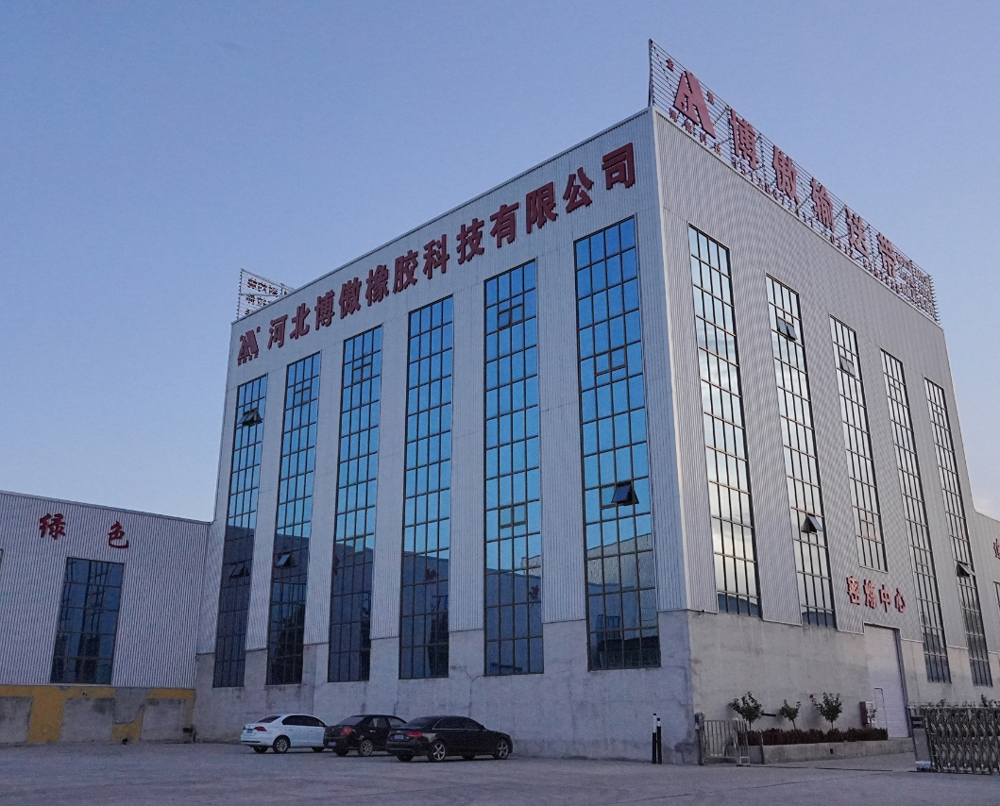
Established in 2004 in Boye County, Hebei Province, Hebei Boao Rubber Technology Co., Ltd. (brand "Jinao") is a professional manufacturer integrating design, research, fabrication, and technical support for industrial conveyor systems.
Our 30-acre facility operates advanced production lines for rubber milling, fabric calendering, shaping, vulcanization, and quality testing. Our internal chemistry and physics laboratory analyzes raw materials and monitors every stage of production, ensuring all products meet international quality and performance standards before shipment.
Jinao advanced vulcanizing press machinery and polymer research labs.
High-inclination edge belts operate under high dynamic stress, requiring precise installation, tracking, and regular maintenance. Poor splicing or incorrect idler spacing can cause belt mistracking and premature edge wear.
We offer comprehensive technical service plans designed to extend belt service life and minimize unscheduled downtime for industrial conveyor systems.
We collaborate with engineering procurement teams across Thailand to implement predictive maintenance workflows, helping to control operating costs.
"Improve operational efficiency, minimize material spillage, and maximize belt service life."
Our industrial conveyor systems are deployed in heavy industries globally, supporting operations in mining, steel production, and power generation.
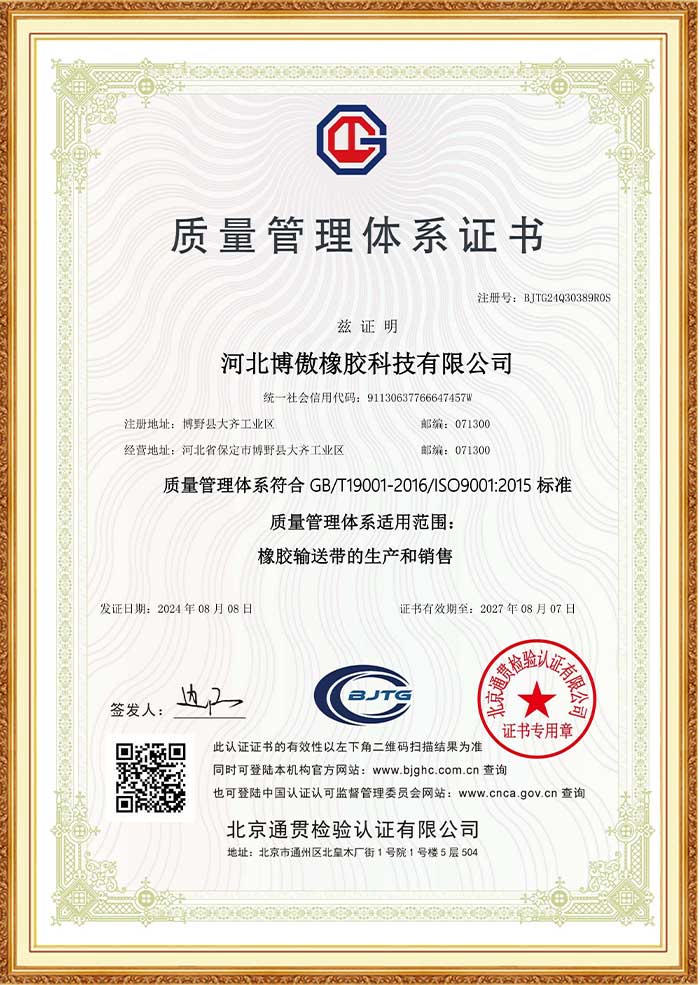
To maintain consistent performance, Jinao conveyor products are certified to meet major international standards.
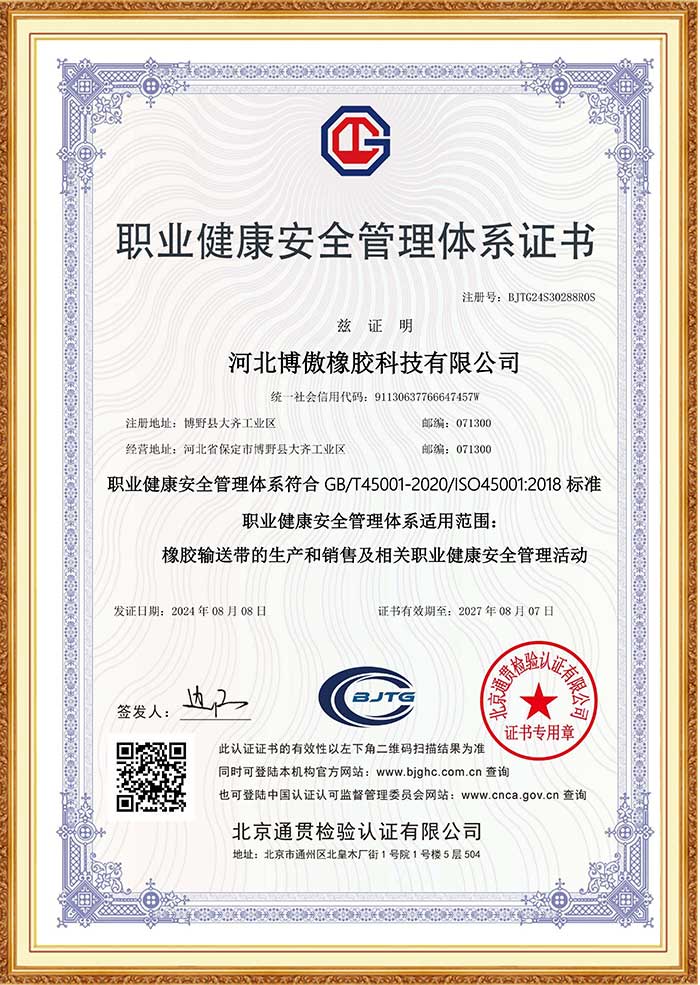
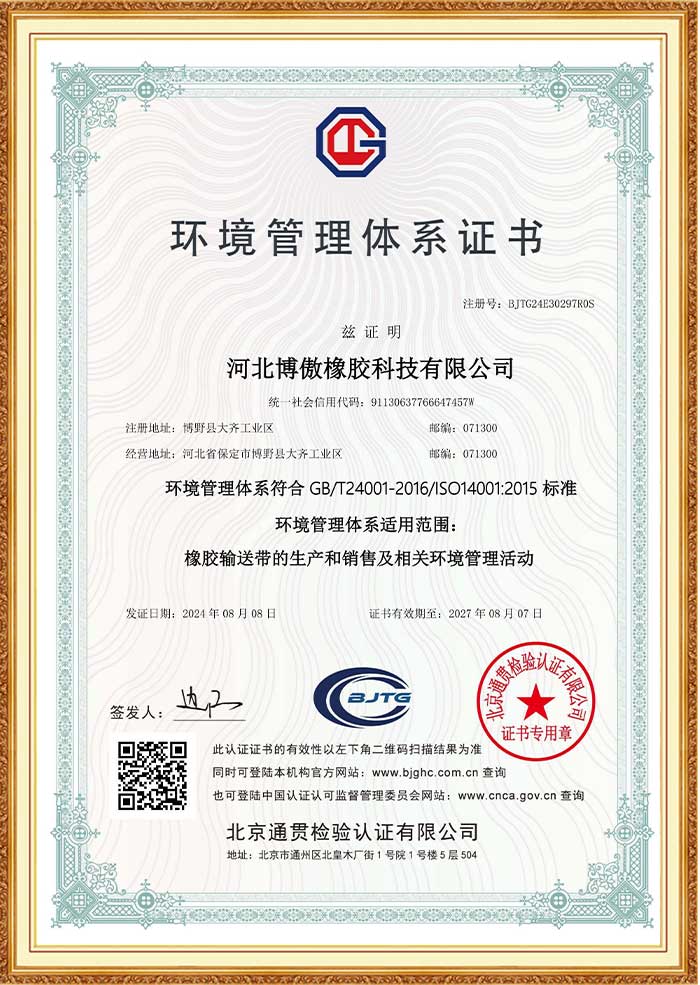
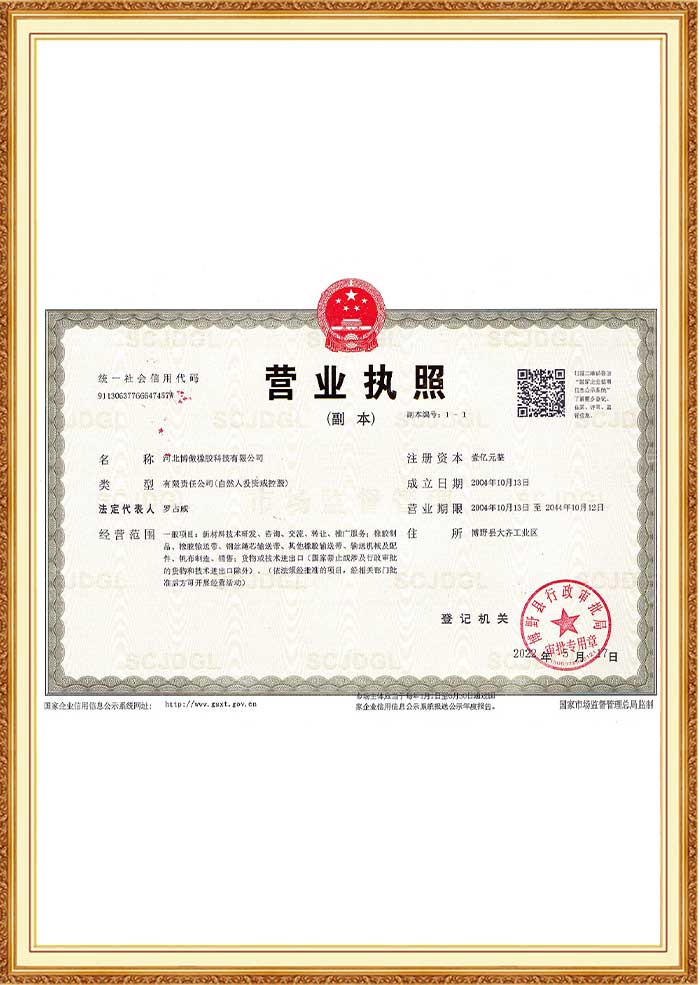
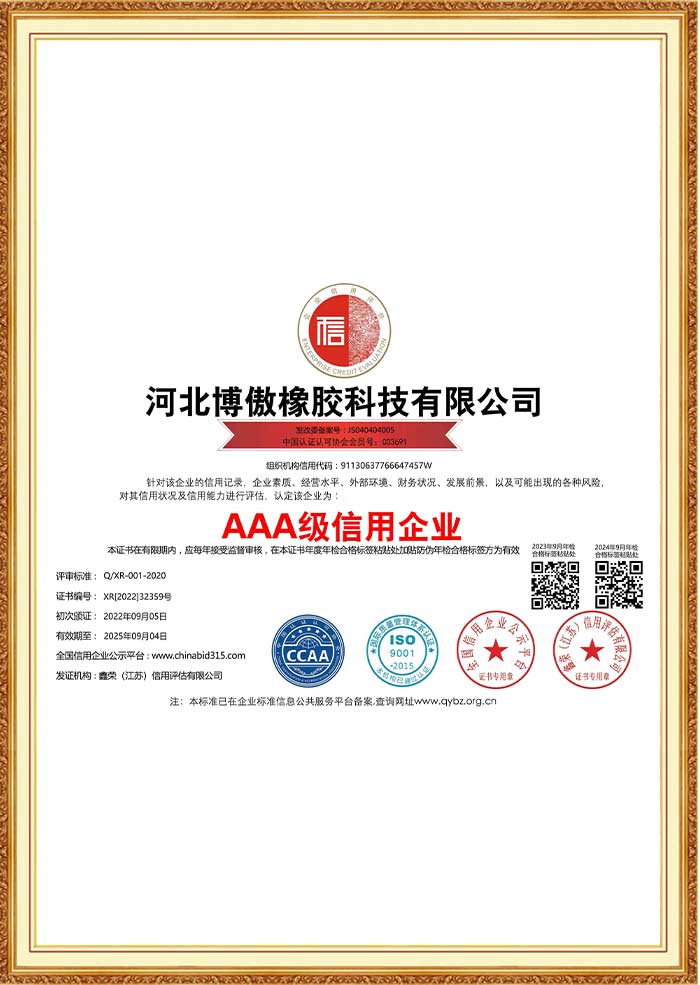
Our core product range engineered for heavy-duty material transport, offering reliable performance under tough operating conditions.
Expert answers to common engineering questions regarding high-inclination and corrugated edge conveyor belts.
 Boao Rubber