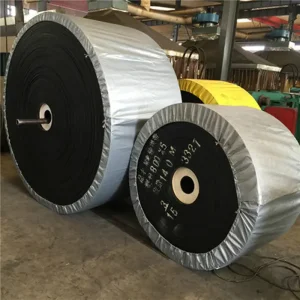
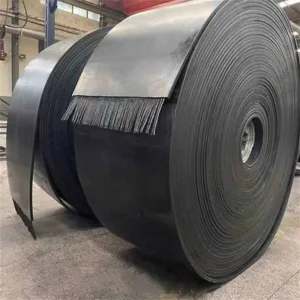
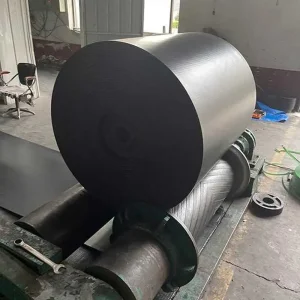
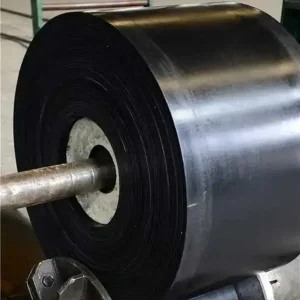
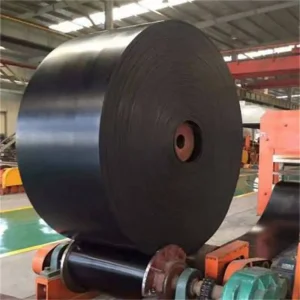
Engineered for bulk material transport, high-angle cargo logistics, and demanding marine environments in Puget Sound.
The Seattle-Tacoma-Bellevue metropolitan area is not only a hub for software and cloud computing; it is a critical industrial gate handling millions of tons of dry bulk cargo, grain, timber, minerals, and aggregate annually. From the bustling operations of the Northwest Seaport Alliance (NWSA) to massive civil infrastructure projects across King County, the physical economy of the Pacific Northwest (PNW) depends heavily on continuous, high-efficiency material handling systems.
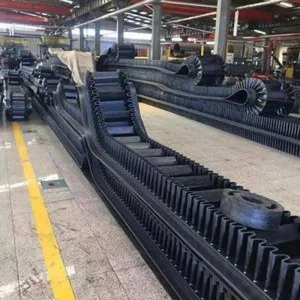
In dense urban and marine ports, land is at a premium. Industrial terminals do not have the horizontal luxury to design low-incline conveyor runs that cover vast distances. The solution lies in steep-angle conveying technology, specifically wavy edge conveyor belts (sidewall conveyor belts). These specialized systems allow materials to be transported at steep inclines of 30° to 90°, drastically reducing the space footprint of conveyors, optimizing port terminals, and keeping energy consumption minimal.
For local purchasing managers in Seattle, sourcing high-grade rubber conveyor belts that comply with state environmental rules while resisting maritime moisture, sub-zero Cascade winter weather, and heavy abrasion is paramount to avoiding downtime.
Request Local Market Case Studies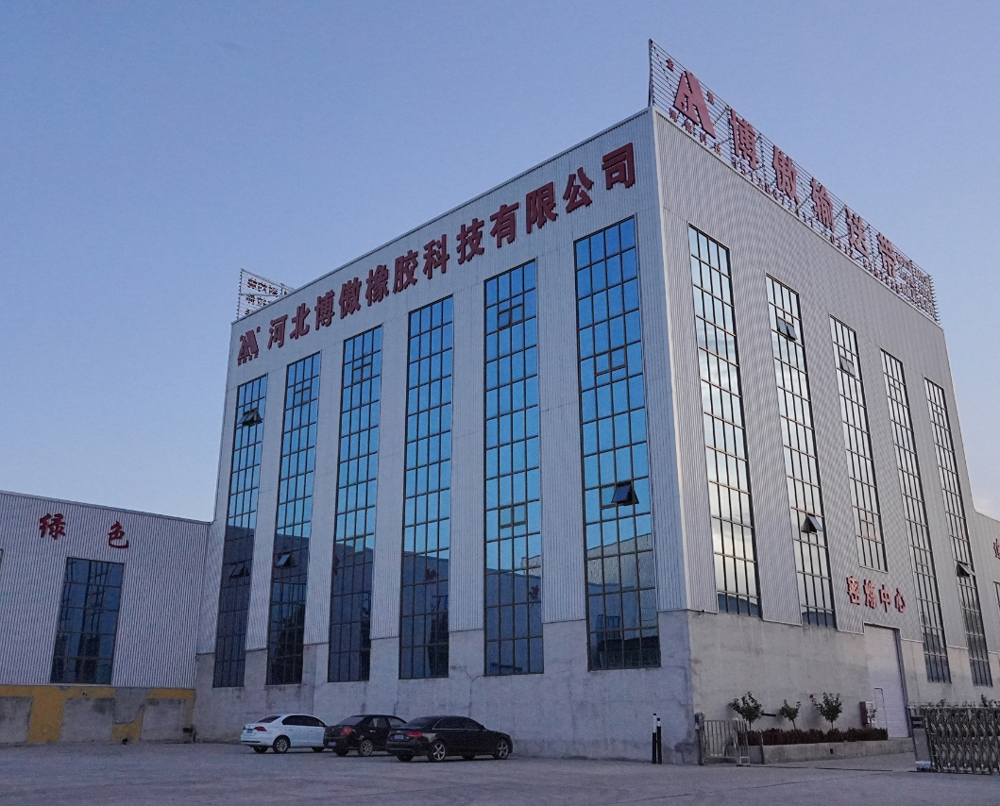
Combining world-class manufacturing capacity with advanced chemical diagnostics to supply Jinao® brand products internationally.
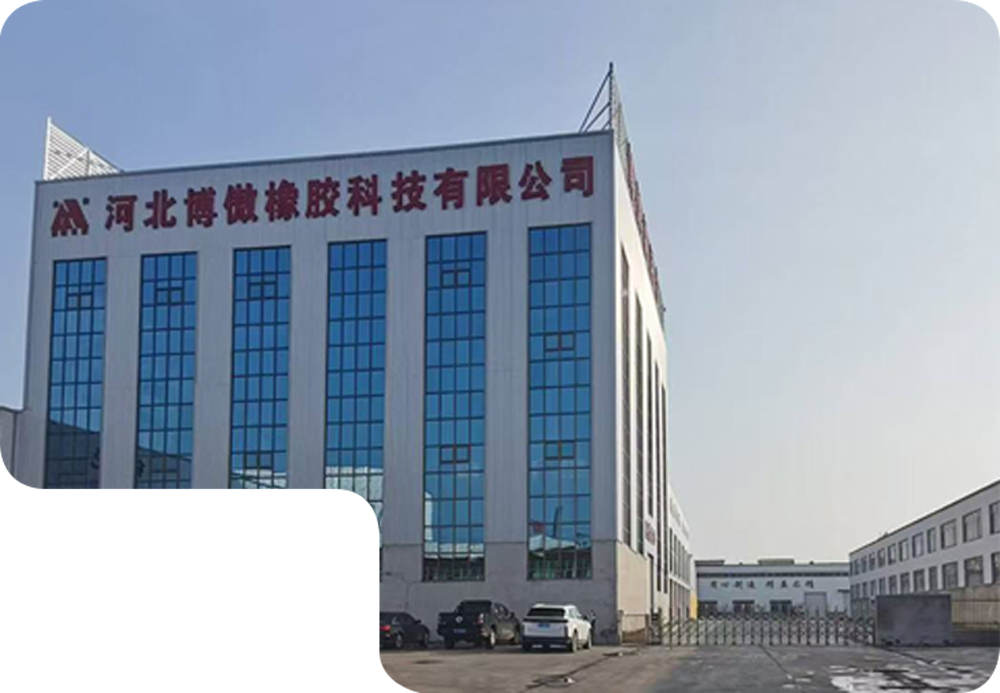
Founded in 2004, Hebei Boao Rubber Technology Co., Ltd. (branded as Jinao) operates out of the Boye County Rubber Industrial Park, Baoding, Hebei, China. As a fully integrated manufacturer, we control every step of the value chain. Our physical laboratories and independent chemical analysis chambers monitor every roll of rubber compound, fabric carcass, and steel reinforcement from raw input to finalized product, ensuring zero defects enter active logistics systems.
Balancing compliance, durability, and commercial feasibility for enterprise operations.
Washington State enforcement protocols demand minimal environmental runoffs. Our closed-pocket corrugated sidewall systems stop material spillage and airborne particulate dust at deep-water terminals in Elliott Bay, matching strict local EPA regulations.
Trans-Cascade aggregate transport lines suffer severe cold stresses. Our specially vulcanized, cold-resistant rubber formulas preserve structural elasticity and resist cracking in conditions down to -50°C, guaranteeing system uptime.
With direct factory oversight and advanced logistics pathways from Hebei to the Port of Seattle, we secure raw material tracing, rigorous quality certificate pipelines, and safe sea freight transit cycles to minimize supply risk.
Analyzing the chemistry and reinforcement techniques used in modern high-performance rubber systems.
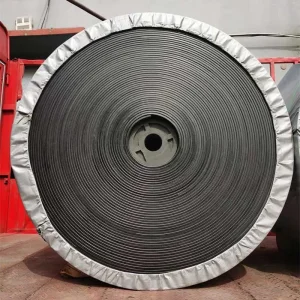
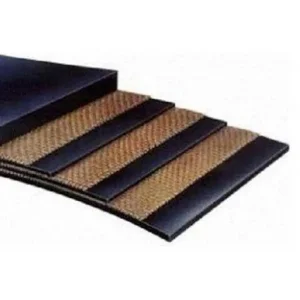
Choosing the right core reinforcement determines the long-term elongation characteristics and tensile integrity of your conveyor system. At Boao, we manufacture high-capacity carcasses designed for varying mechanical demands:
By integrating these cores with chemical additives such as specialized anti-oxidants and custom vulcanizing agents, our engineering team ensures that the rubber compounds retain maximum durability when operating under exposure to UV light, moisture, and extreme marine salinity.
Hebei Boao Rubber Technology Co., Ltd. does not just supply rubber belts. We deliver completely integrated conveyor system solutions. Our Jinao® catalog spans rubber compounds designed for diverse operations, coupled with matched structural rollers, pulleys, and idlers.
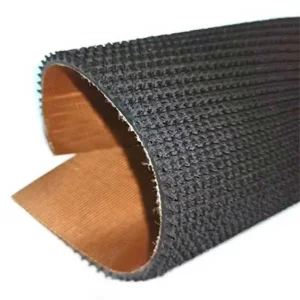
Ordinary (NN, EP, PP), heat-resistant, high-temperature resistant, cold-resistant, oil/alkali resistant, acid/alkali resistant, rubber waterstop, patterned (herringbone, pit), high-inclination wavy edge conveyor belts, and custom edge-reinforced varieties.
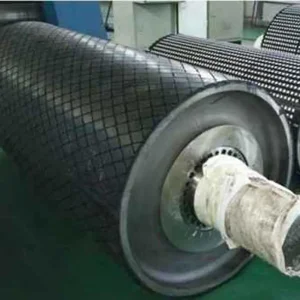
Roller series, ceramic pulleys, buffer idlers, impact roller groups, corrugated sidewalls, electric drums, rubber coated drive rollers, strong magnetic separation drums, self-aligning brackets, and tensioning devices.
A comprehensive maintenance framework designed to mitigate operational risks and extend compound lifespan.
Planned replacement scheduling, structural hot splicing, on-site diagnostics, thickness testing, and emergency belt repair services.
Guaranteed backup stock storage, daily wear inspection guidelines, rubber skin patching, and precision pulley alignment audits.
Engineered to increase mechanical running hours, minimize energy drag, reduce belt drift, and optimize overall throughput efficiency.
Step-by-step structural maintenance protocols targeting safety, environmental spill containment, and maximum lifespan retrieval.
Ensuring complete line integrity with original certified equipment parts and premium-grade compound configurations.
Demonstrated operational success stories across steel, cement, mining, and aggregate sectors.
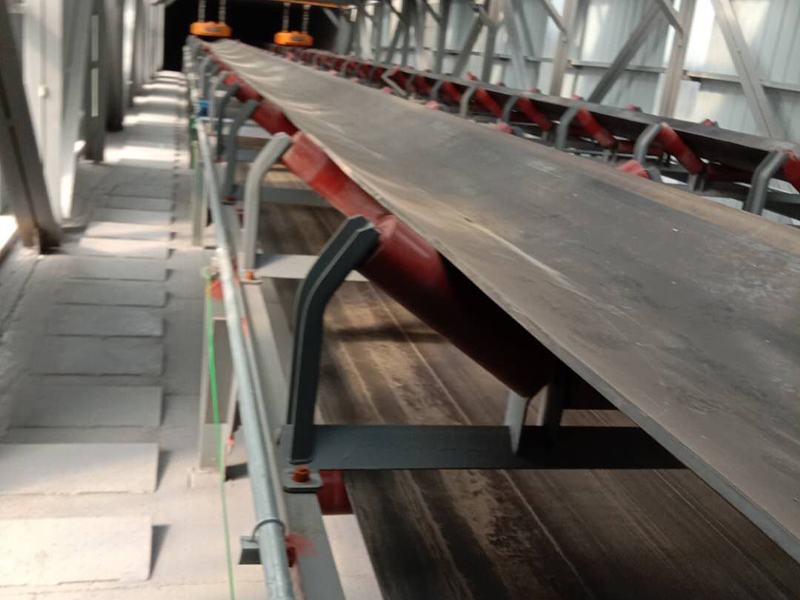
Upgrading coke and raw iron ore delivery paths to steep-angle wavy edge systems, leading to a 35% reduction in material waste and eliminating spillage into the nearby waterway.
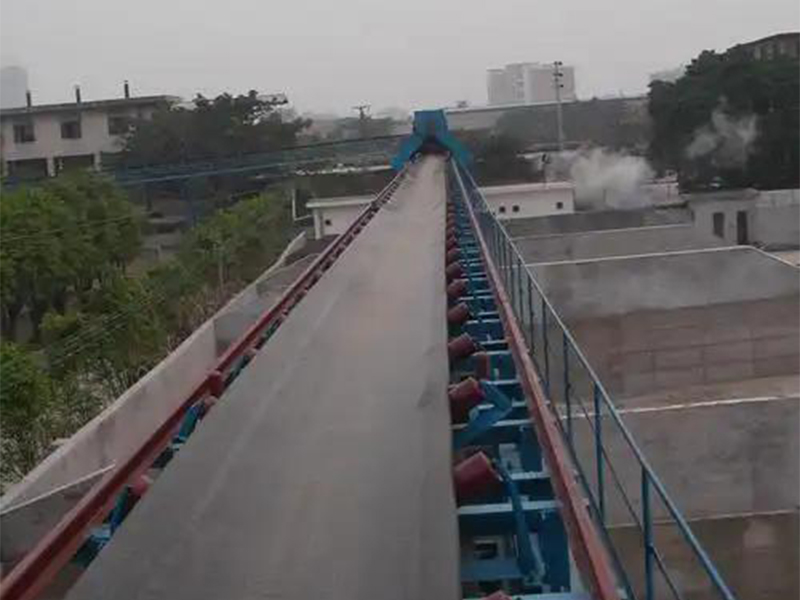
Transitioning to high-temperature vulcanized Jinao® belts, ensuring safe limestone raw feeding at continuous operating heats of up to 180°C without mechanical delamination.
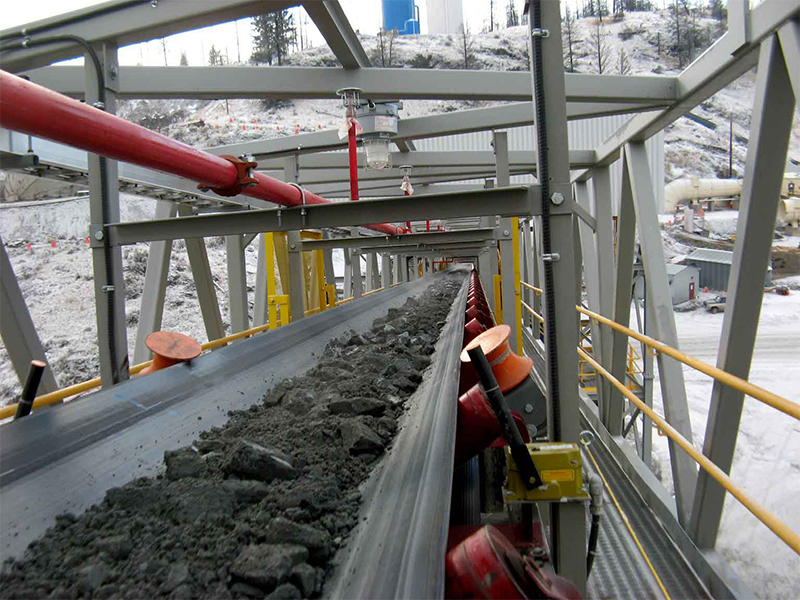
Implementing high-strength nylon (NN) rubber belts to manage high-impact raw mineral transfers. Replaced older polyester systems, lengthening operation times by 1.8x.
Factory-direct rubber products matching international ISO, DIN, and RMA tolerances.
Get technical answers about choosing, installing, and optimizing edge-reinforced conveyor lines.
Do you need custom quotes, material thickness testing, or help designing a high-angle system layout? Our engineering desk is ready to assist your operations.
Send Inquiry Now Boao Rubber