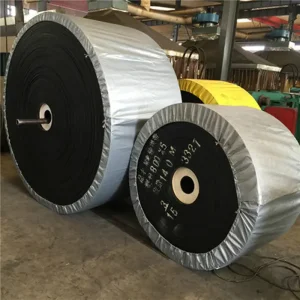
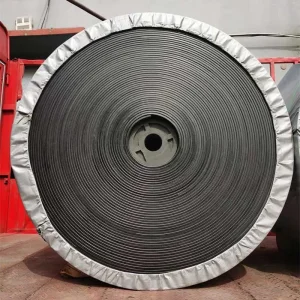
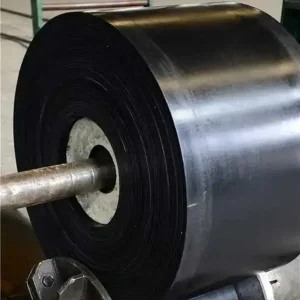
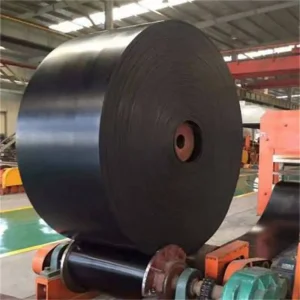
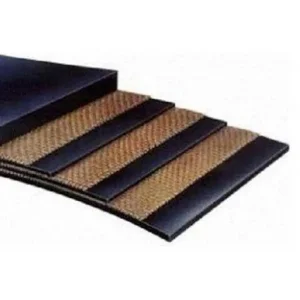
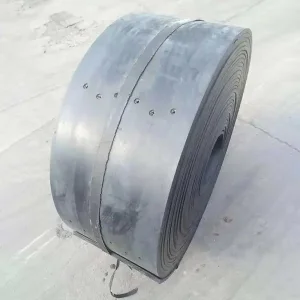
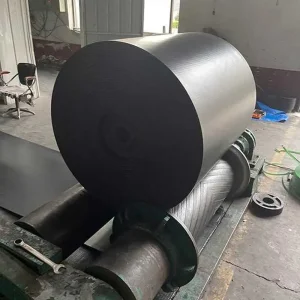
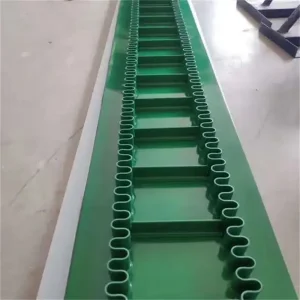
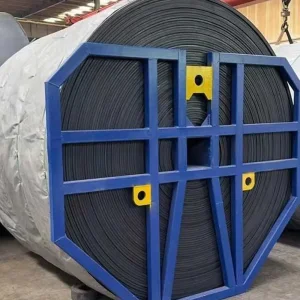
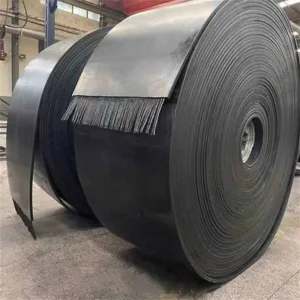
Engineered multi-ply rubber configurations optimized for high impact, thermal thresholds, and extreme abrasion resistance.
Years of Vulcanizing Expertise
Acres Factory Area
ISO9001 Quality Assured
International Standard Certified
The state of New York, stretching from the bustling maritime corridors of the Port of New York and New Jersey to the aggregate quarries and cement hubs of Albany and upstate regions, maintains a complex industrial ecosystem that demands robust bulk material handling solutions. Layered conveyor belts play an indispensable role in maintaining the logistical and manufacturing throughput of these locations. In the dense metropolitan hubs, recycling plants, waste management complexes, and infrastructure works rely heavily on high-tensile multi-ply belts to transport heavy debris, asphalt, concrete, and industrial waste. For instance, massive solid waste management facilities in Long Island and Queens require durable, abrasion-resistant belts that can run continuously without tearing, ensuring that urban material flows remain uninterrupted.
Further upstate, New York’s mining and aggregate industries require a vastly different set of conveyor belt specifications. Upstate quarries producing limestone, gravel, sandstone, and salt depend on heavy-duty layered rubber conveyor belts designed to withstand high impact, gouging, and extreme weather variations. The local climate presents a unique engineering challenge: belts must operate reliably in sub-zero winter temperatures along the Great Lakes and St. Lawrence seaway, yet handle high ambient temperatures and humidity in the summer. Standard rubber compounds degrade rapidly under these conditions. Consequently, engineering procurement managers in the region actively source specialized layered belts (using EP or Nylon fabrics) that combine cold-crack resistance with high wear-tolerance, maximizing runtime and mitigating premature splicing failures.
“Operational continuity in New York's harsh seasonal changes requires conveyor belts with specialized elastomers. Delamination is not an option when regional infrastructure development depends on continuous aggregate output.”
Furthermore, New York’s strict environmental laws and occupational safety regulations (regulated by state agencies alongside OSHA and MSHA) dictate the mechanical parameters of material handling machinery. Conveyor systems operating in underground salt mines near the Finger Lakes or inside enclosed urban sorting centers must comply with stringent flame-retardancy and low-emission regulations. This has created a growing market demand for flame-retardant multi-ply rubber belts that prevent friction-induced fire hazards. By aligning manufacturing standards with local compliance requirements, we provide New York industrial clients with high-performance transport systems that meet both operational load requirements and safety codes.
Globally, the conveyor belt industry is undergoing a transition driven by industrial automation, resource extraction in remote locations, and the optimization of logistics terminals. Multi-ply layered conveyor belts constitute the workhorse of global bulk handling, representing over 60% of the worldwide rubber belt market. From coal and mineral processing plants in Australia and South America to heavy metallurgical works and port terminals in Asia and Europe, the demand for high-reliability belts is scaling rapidly. As mining operations reach deeper and processing plants increase hourly volume, standard-duty conveyor belts no longer suffice. Industrial operators demand products with high fatigue life, low elongation (crimp control), and superior ply adhesion properties to avoid costly unscheduled downtime.
From a manufacturing standpoint, achieving consistent quality on a global scale requires rigorous control over polymer chemistry and fabric weaving technology. The core strength of a layered conveyor belt is derived from its inner fabric plies—typically EP (Polyester-Nylon) or NN (Nylon-Nylon) carcass configurations. Polyester fibers in the warp direction provide low longitudinal stretch, while nylon fibers in the weft direction ensure excellent flexibility and high resistance to impact. The rubber covers, composed of premium natural rubber blends, styrene-butadiene rubber (SBR), or ethylene propylene diene monomer (EPDM), protect this inner carcass from physical abrasion, chemical attack, and thermal degradation. Global manufacturers must control the entire vulcanization and compounding process to meet various international standards, including DIN 22102, AS 1332, and ISO 10247.
Supply chain reliability has also become a critical purchasing factor for procurement professionals. A disruption in conveyor belt availability can halt entire power stations, steel mills, or shipping ports, incurring losses of hundreds of thousands of dollars per hour. Consequently, strategic manufacturers are establishing regional distribution networks and direct-to-customer technical service workflows. By bridging the gap between state-of-the-art Chinese manufacturing facilities and local distribution points in key territories like New York, Boao Rubber ensures that high-quality, custom-engineered rubber conveyor belts are readily available to maintain global bulk logistical integrity.
The lifetime of a layered conveyor belt depends on the quality of its components and the precision of its assembly. Each ply in the carcass must be bonded to the next using specialized skim rubber layers that act as shock absorbers, preventing interlayer shear and delamination during operation over high-frequency drive pulleys. The cover rubber is compounded using advanced reinforcing agents (like carbon black) and anti-aging additives to counter UV radiation, ozone degradation, and mechanical abrasion. When conveying sharp, high-density aggregates like quartz or granite, the top cover must possess high tensile strength (typically above 20 MPa) and low volume loss under standard DIN abrasion tests (less than 120 mm³).
Advanced RFL (Resorcinol Formaldehyde Latex) dipping formulations treat the synthetic fabric, yielding superior adhesion values (exceeding 4.5 N/mm between plies) to prevent mechanical delamination under tight pulley bends.
Excellent transverse flexibility allows the belt to seat deep into 35-degree and 45-degree idler sets, ensuring stable, center-line tracking and maximizing volumetric material carrying capacity.
High-grade natural and synthetic rubber blends deliver superior elongation at break (minimum 450%), allowing the belt to absorb energy from vertical material impacts at loading chutes.
For operations dealing with high thermal loads, such as hot cement clinker, sinter ore, or fertilizer processing, we compound the cover rubber with specialized ethylene-propylene (EPDM) polymers. These compounds are engineered to withstand continuous operating temperatures up to 200°C (and peak spikes of 400°C), resisting structural cracking and hardening. Conversely, for cold-storage environments or arctic operations, we adapt the glass transition temperature ($T_g$) of the elastomer using plasticizers and selected synthetic rubbers. This prevents the belt from becoming brittle and cracking under tension when starting up in sub-zero winter temperatures.
The industrial landscape is moving toward intelligent, sensor-driven systems, and conveyor infrastructure is following suit. The technical roadmap for next-generation conveyor systems focuses on integrating IoT diagnostic technologies directly into the belt structure. Future multi-ply and steel-cord belts will feature embedded RFID tags and loop sensors that communicate in real-time with remote monitoring stations. These sensors track carcass temperature, splice stretch, and tracking deviations, predicting mechanical failures before a catastrophic rip or split occurs. This predictive maintenance methodology reduces unscheduled shutdowns, saving operators significant capital.
Additionally, material science is prioritizing sustainability. Future rubber compounds will utilize bio-based plasticizers, recycled rubber crumb, and sustainably sourced carbon blacks without compromising tensile strength or abrasion resistance. These innovations lower the carbon footprint of conveyor belt manufacturing, helping heavy industries meet ESG (Environmental, Social, and Governance) targets. By investing in cleaner curing processes and durable raw materials, Boao Rubber is aligning its product lines with the transition to a circular economy, providing heavy-duty transport solutions that deliver reliability and long service lives.
Located in the Rubber Industrial Park of Boye County, Baoding, Hebei Province, Hebei Boao Rubber Technology Co., Ltd. was founded in 2004 and covers an area of over 30 acres. Our premium products are marketed under the registered "Jinao" brand.
We are a professional manufacturer in China that integrates product development, research, design, manufacturing, and business services for conveyor belts and conveyor machinery accessories. We have passed the international quality management system certification. The company operates multiple advanced production lines for rolling, forming, vulcanization, and rubber testing (from raw materials to finished products), ensuring high quality control at every stage of production.
Today, Hebei Boao Rubber Technology Co., Ltd. is positioned as a modern, domestic production-oriented enterprise with advanced equipment, diversified products, and an international market footprint, ready to serve industrial operations worldwide with high-performance transport solutions.
Get Quote & Technical Support


Built on scientific testing, rigorous quality control, and a robust national and international service footprint.
We maintain an independent chemical analysis room and physical testing laboratory, allowing us to inspect every stage from raw material sourcing to final vulcanization. Non-conforming materials are barred from production, and sub-standard finished belts never leave our facility.
Our dedicated quality control inspectors use sophisticated testing equipment (such as electronic tensile testers, DIN abrasion testers, and rheometers) to run stress and aging tests on every production batch, ensuring consistent quality and performance.
Backed by strong engineering support and a comprehensive after-sales system, our products are exported to industrial corridors nationwide and globally. They are widely used in steel mills, metallurgy, coal mines, cement plants, power generation, fertilizer production, ports, and cargo yards.
In order to earn complete trust in the reliability of "Boao" products, we maintain comprehensive quality management certifications.
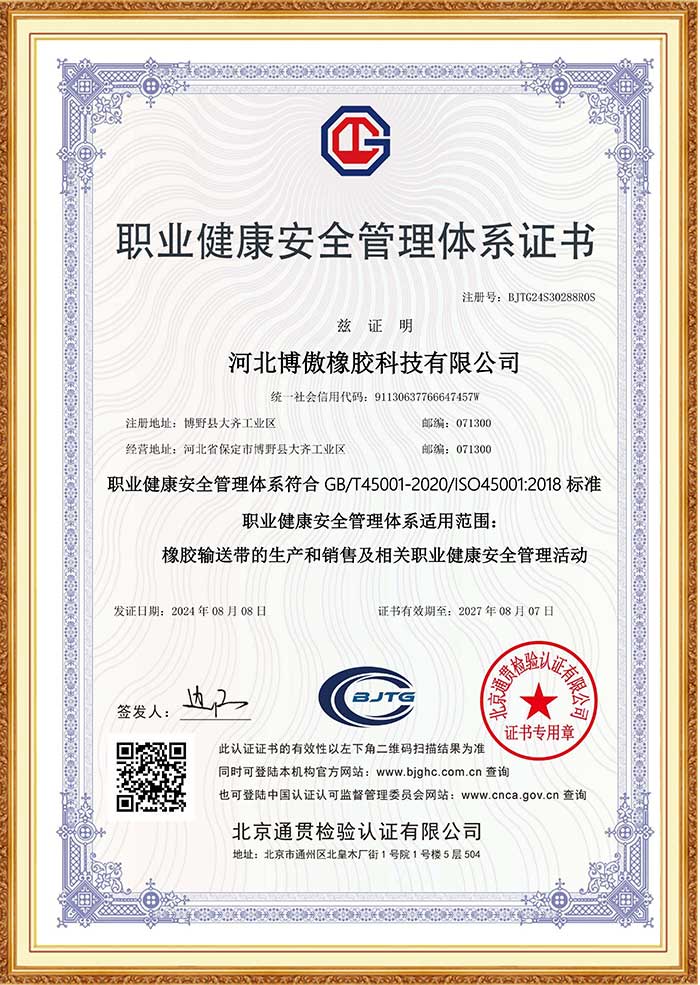
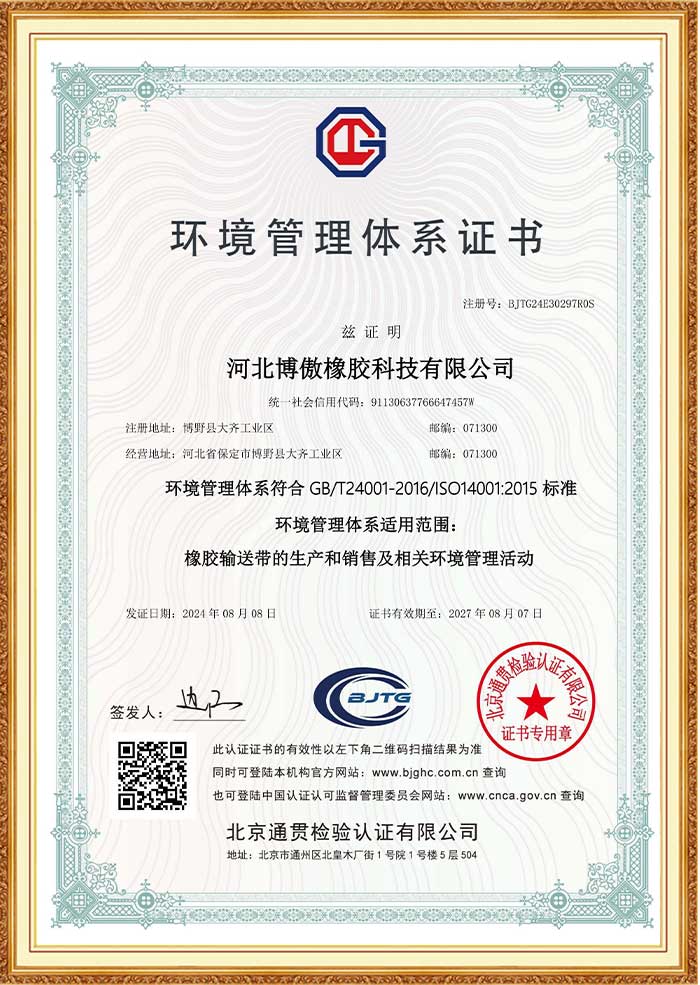
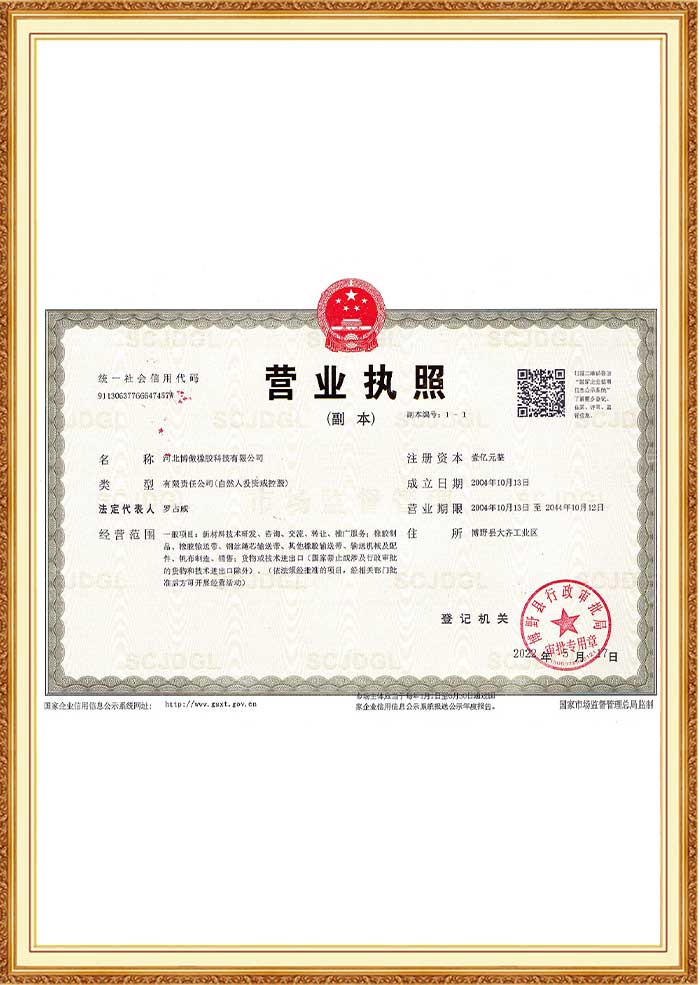
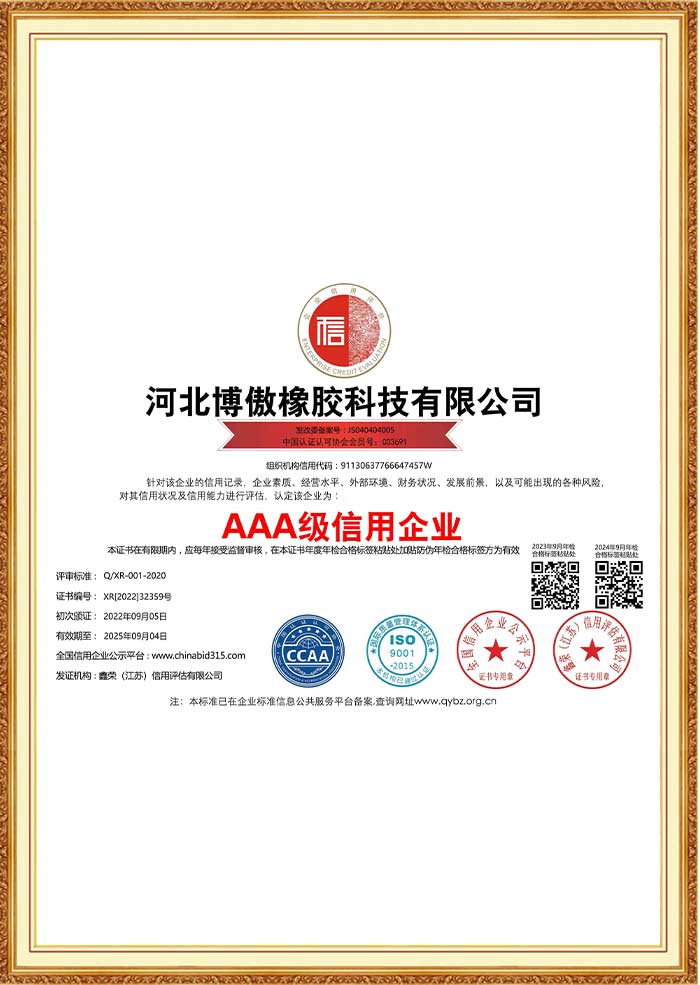
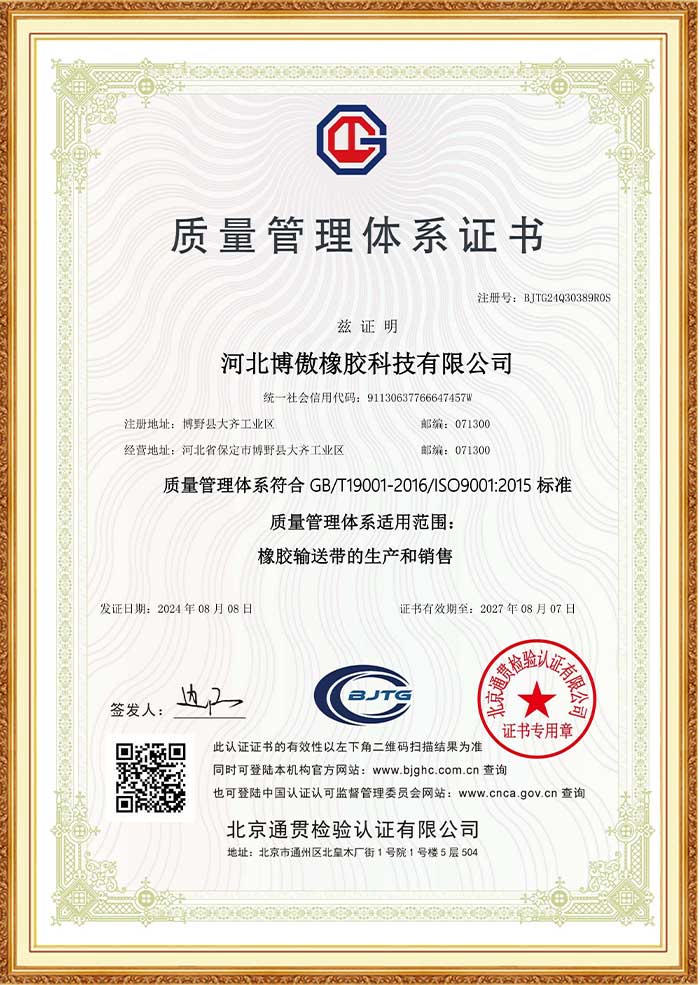
Demonstrated performance in heavy material handling facilities and infrastructure logistics worldwide.
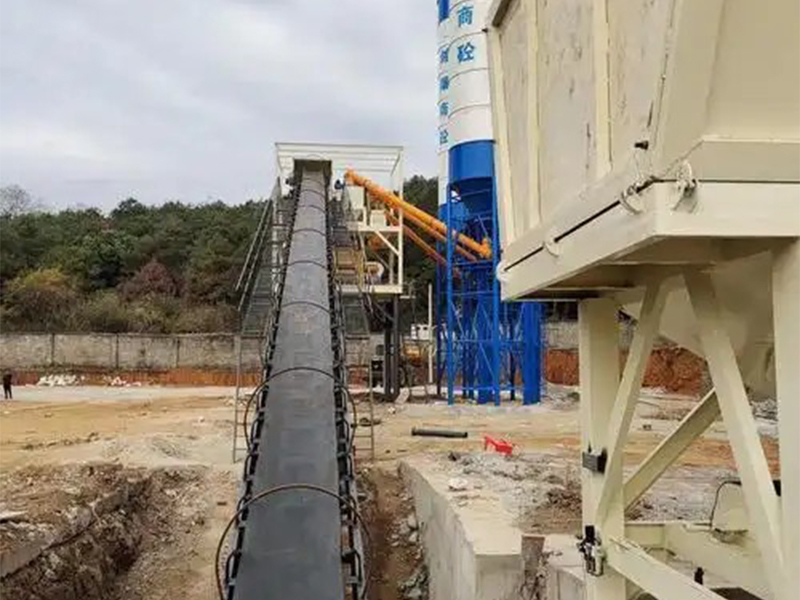
Providing high-abrasion resistance chevron belts for conveying aggregates under tight angles in metropolitan spaces.
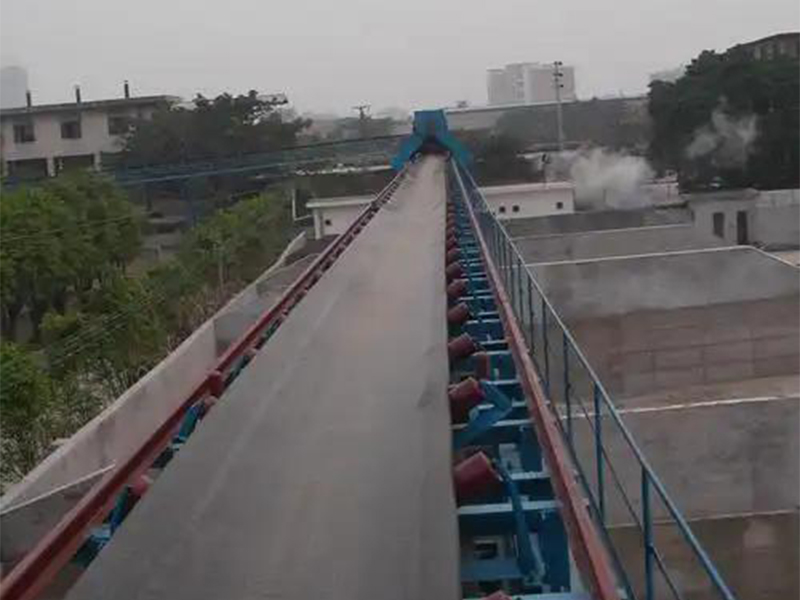
Equipped with Jinao high-temperature resistant rubber belts handling clinker output up to 200°C continuously.
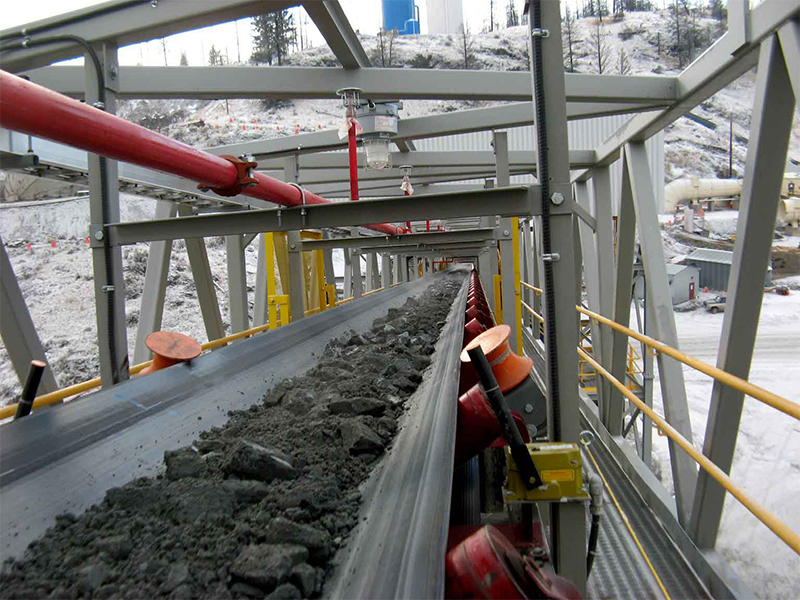
Deploying specialized chemical-resistant and low-temperature elastic belts for continuous salt transport.
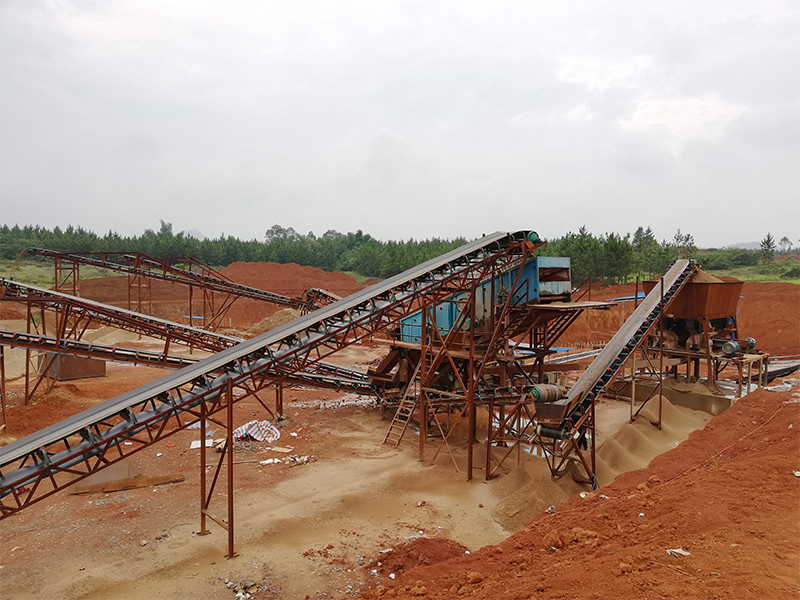
Highly impact-resistant multi-ply EP belts handling heavy basalt and granite processing runs.
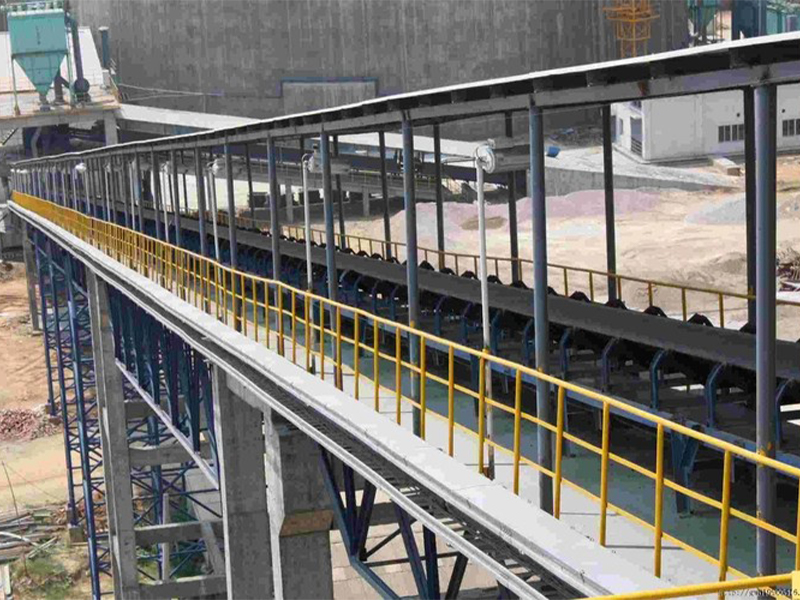
Heavy-duty heat-resistant belts operating on primary raw material feeding loops.
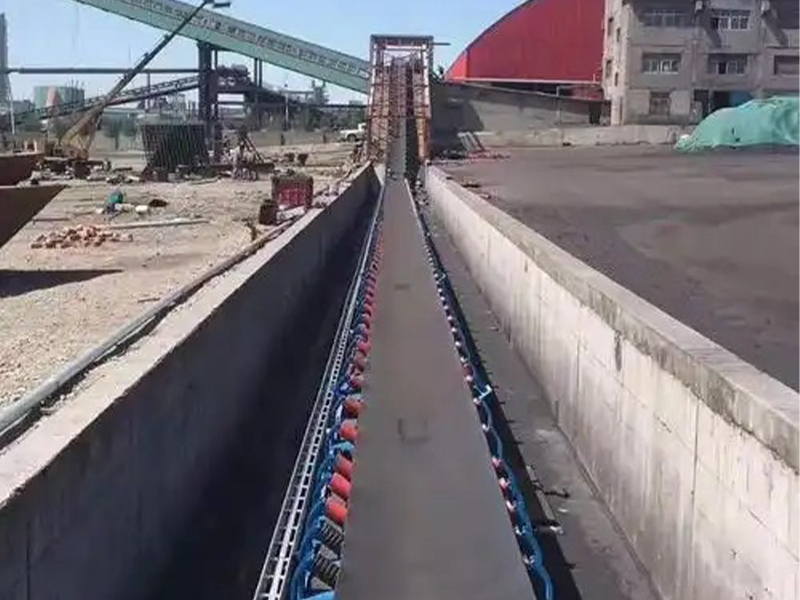
Flame-retardant multi-ply conveyor belts installed across underground raw coal transport lines.
Skip the hassle of sourcing from multiple suppliers – our factory provides comprehensive material handling support.
Scheduled replacements, vulcanized splicing, belt inspections, general wear maintenance, and emergency splicing repair solutions.
Conveyor belt supply, safety stock guarantees to match operational schedules, inventory storage, hot/cold splicing bonding, cover repairs, and preventative field maintenance.
Increase conveyor runtime, reduce belt wear and energy consumption, and optimize overall belt life for a win-win partnership.
Ensure safe, reliable, and cost-efficient operation, prolong belt service life, and prevent tracking errors or edge damage.
Select from our complete range of general-purpose, specialized chemical, and heavy-duty steel wire reinforced belts.
Answers to technical questions frequently asked by materials engineers, system designers, and procurement professionals.
EP (Polyester-Nylon) fabrics consist of polyester warp threads running longitudinally and nylon weft threads running transversely. This yields a belt with low elongation at operational tensions, allowing for shorter take-up strokes. NN (Nylon-Nylon) fabrics utilize nylon fibers in both directions, offering high elasticity, excellent flex life, and superior impact resistance. Generally, EP belts are preferred for long-distance and indoor systems, while NN belts are suited for heavy-duty quarrying or mining applications where high material impact is common.
Cover delamination occurs when the thermal load exceeds the aging threshold of the rubber compound, weakening the bond between the top cover and the inner carcass. To prevent this, hot material systems should use a belt constructed with specialized heat-resistant cover rubber (like EPDM) and an extra heat-insulating barrier ply. Proper system design, including cooling sprays and minimizing the hot material residence time on the belt, also extends belt service life.
Standard natural and SBR rubbers swell, crack, and lose tensile strength when exposed to acidic or alkaline materials (like fertilizers or salts). We compound specialized chemical-resistant belts using polymers such as Chloroprene or Nitrile-Butadiene Rubber (NBR). These compounds resist chemical absorption, keeping the physical integrity of the conveyor belt intact during transport.
In sub-zero winter temperatures, standard rubber cover compounds reach their glass transition temperature, making them rigid and brittle. This can cause cracking during startup, accelerated wear, and structural splits. For cold regions like upstate New York, we recommend conveyor belts formulated with specialized low-temperature elastomers. These compounds maintain flexibility down to -40°C, ensuring the belt tracks correctly and resists cracking over pulleys.
The primary factor is the required operational tension. Multi-ply fabric belts typically handle ratings up to 3150 N/mm. For applications requiring higher tensile strengths over long distances with minimal elongation, steel wire rope core belts are recommended. Other factors like pulley configuration, vertical lift, and aggregate lump size also influence this selection.
Get in touch with Boao Rubber's technical application engineering team. We provide customized belt configurations, layout calculations, and bulk procurement support.
Send Inquiry Now Boao Rubber