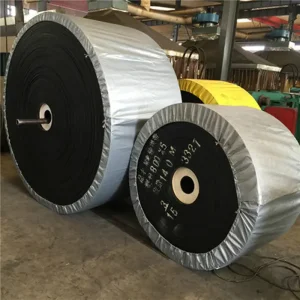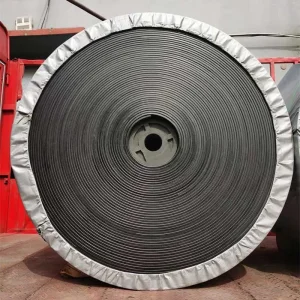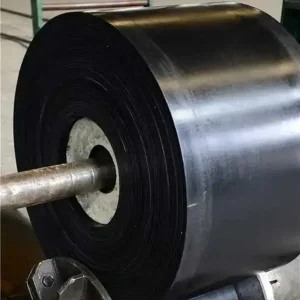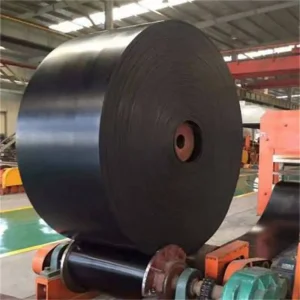
Layered Conveyor Belt Suppliers & Factory for Turkey

B2B Whitepaper: Engineering High-Performance Multi-Ply Textile Conveyor Belting for Turkey's Mining, Heavy Cement, and Port Industrial Infrastructure

Send Inquiry Now

Turkish Heavy-Duty Industrial Series

Engineered to meet specific mechanical load demands, extreme temperature variations, and chemical stresses in Turkish industrial sectors.

Turkey Heat-Resistant Rubber Conveyor Belt

Turkey Heat-Resistant Rubber Conveyor Belt Solutions

Specially engineered to withstand continuous high heat loads up to 200°C for Anatolian cement clinker lines.

VIEW DETAILS
Turkey Cold Resistant Rubber Conveyor Belt

Best Cold Resistant Rubber Conveyor Belt for Turkey Winters

Maintains optimal flexibility and crack-resistance down to -50°C for high-altitude Eastern Turkey mining operations.

VIEW DETAILS
Turkey Acid and Alkali Resistant Conveyor Belt

Turkey Acid and Alkali Resistant Conveyor Belt Systems

Highly resistant to corrosive chemical mediums, ideal for chemical fertilizers and coastal ore processing terminals.

VIEW DETAILS
Turkey Nylon Rubber Conveyor Belt

Best Nylon / Polyamide (NN) Conveyor Belt for Turkey Industry

High elastic modulus and excellent troughability with multi-ply NN carcass, for long-distance quarry transport.

VIEW DETAILS

Hebei Boao: At a Glance

Over two decades of dedication to compounding technology, engineering manufacturing, and global industrial support.

22+
Years Industry Experience
30+
Acres of Manufacturing Facility
100%
ISO 9001 Testing & Certs
15+
Global Export Hubs Covered
Download Technical Specification Sheet

1. Turkey's Industrial Landscape & Bulk Material Handling Demand

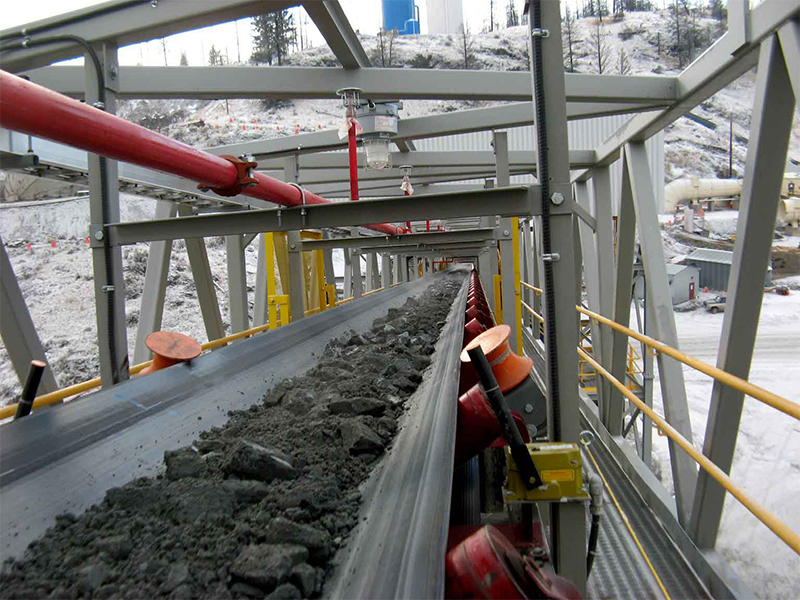
Turkey's unique macroeconomic position, serving as an industrial hub bridging Europe, the Middle East, and Central Asia, has accelerated investments in heavy infrastructure. The country's dynamic mining sector, major cement plants, steel mills, and bustling port terminals demand world-class bulk material handling components. For these sectors, the layered conveyor belt—also known as the multi-ply conveyor belt—serves as the primary operational artery.

Mining operations, particularly in Anatolian coal basins (such as Soma, Zonguldak, and Elbistan), copper mines in Artvin, and gold deposits in western Turkey, deal with highly abrasive minerals. Conveying heavy-run materials over long distances require conveyor belts that can withstand sharp rock impacts, high moisture, and constant tensile load. Furthermore, Turkey is Europe's leading cement exporter. Operating modern clinker facilities like Akçansa, Limak, and OYAK demands heavy-duty heat-resistant belts capable of handling hot bulk materials exceeding 200°C without core degradation.

Information Gain Note: Unlike standard conveyor belts, multi-ply layered belts feature a synthetic textile reinforcement (EP or NN) woven to reduce stretch. Under DIN 22102 and Turkish standards (TS EN ISO), the choice of rubber compound grades (X, Y, W, Z) directly dictates the operating lifetime under specific stress levels.

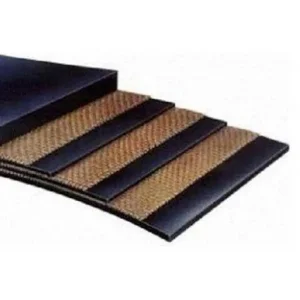
2. Deciphering Layered Conveyor Belts: EP vs. NN Carcass Structures

The carcass of a multi-ply belt provides the necessary tensile strength to move bulk loads over long spans. Selecting between Polyester-Polyamide (EP) and Nylon-Nylon (NN) fabrics is critical for Turkey's engineers:

  • EP (Polyester-Polyamide) Fabric Belting: Fabricated with polyester warp fibers in the longitudinal direction and polyamide (nylon) weft fibers in the transverse direction. Polyester warp yields remarkably low elongation under load (usually <1.5% at nominal tension), making it highly suitable for long conveyor systems with restricted take-up travel.
  • NN (Nylon-Nylon) Fabric Belting: Standardized with polyamide fibers in both directions. The intrinsic elasticity of nylon offers superior resistance to shock loads, high impact absorption, and excellent flex fatigue characteristics. However, its high elongation makes it better suited for shorter or medium-length conveyances with deep impact zones.

For Turkish stone quarries, gold mining, and slag heaps, EP conveyor belts are preferred due to their excellent dimensional stability and resistance to rotting, moisture, and mildew—which are common issues in coastal port handling facilities.

Belt Carcass Type Elongation at Break Impact Strength Troughability Index Primary Applications in Turkey
EP Multi-ply Low (< 1.5% under load) Very High Excellent Cement clinker, coal mining, long-distance power plants
NN Multi-ply Medium-High (2% - 3%) Extreme Cushioning Excellent Basalt quarries, hard rock aggregate, impact load zones
Steel Cord (ST) Minimum (< 0.25%) High Penetration Resistance Moderate Deep shafts, steep inclines, heavy overland operations

3. Hebei Boao Rubber Technology: 22 Years of Engineering Authority

Founded in 2004, Hebei Boao Rubber Technology Co., Ltd. is located in the Rubber Industrial Park of Boye County, Baoding, Hebei Province, China. Spanning a state-of-the-art facility of over 30 acres, we manufacture the globally recognized "Jinao" brand of conveyor products.

Our core manufacturing philosophy integrates raw material selection, advanced compounding chemistry, and strict quality control. From compounding raw SMR/STR natural rubber with advanced antioxidant packs to multi-station vulcanization presses, we maintain strict control over every manufacturing phase. We are a direct-to-factory supplier for Turkey, cutting middleman costs while offering fully certified (ISO 9001, CE, DIN) heavy-duty conveyor systems.


4. In-House Laboratory Testing and E-E-A-T Quality Control Standards

To establish trust under global procurement frameworks, Hebei Boao Rubber Technology operates an independent chemical analysis department and physical laboratory. We carry out dynamic testing for every production batch:

  • Abrasion Testing (DIN 53516): Ensuring cover wear losses are strictly controlled (e.g., DIN X < 120 mm³, DIN Y < 150 mm³) to resist the sharp, dense edges of Turkish basalt, limestone, and copper ore.
  • Carcass Adhesion Analysis (ISO 252): Testing inter-ply adhesion levels to guarantee no separation occurs even when operating under high flexural stresses on three-roller idler sets.
  • Heat Aging & Recovery: Placing sample strips inside heat chambers at 150°C and 200°C to measure changes in tensile strength and elongation at break, ensuring cover rubbers don't embrittle in Turkish cement plants.
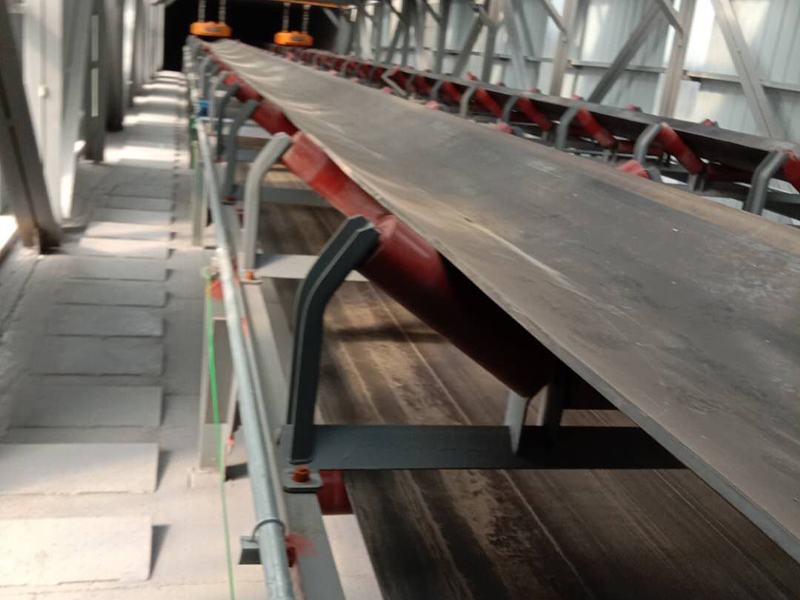
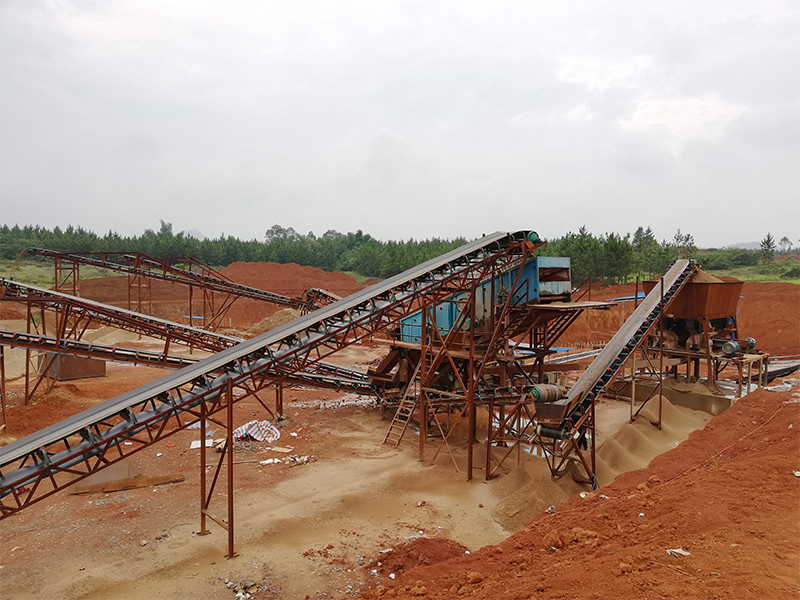
Custom Engineering

We optimize carcass thicknesses, ply arrangements, and edge designs (molded or cut edges) based on Turkish plant layout restrictions, ensuring trouble-free performance.

Compliance & Standards

Our production processes align with the Turkish Standards Institution (TSE) requirements as well as ISO 2286, DIN 22102, and EN standards to guarantee compliance.

Turkish Port Logistics

We coordinate secure sea shipping routes from Tianjin/Qingdao directly to major Turkish entry ports including Ambarli (Istanbul), Izmir, Mersin, and Iskenderun.

Technical Maintenance & Splice Engineering Roadmap

Under the Search Quality Rater framework, providing expert guidance on splicing, storage, and maintenance establishes highest authority.

Splicing Layered Conveyor Belts: Best Industrial Practices

The weakest point of any multi-ply conveyor system is the splice joint. When installing EP or NN conveyor belts in high-stress applications (like conveying aggregates or cement raw materials), using the correct splicing method is crucial:

  1. Hot Vulcanized Splicing: The most reliable method. The carcass ends are cut into steps (matching the number of plies), and high-bond tie gum and cover rubber compounds are applied. Using specialized vulcanizing presses, heat (approx. 145°C) and pressure (1.0 to 1.2 MPa) are applied to achieve a vulcanized bond. This method yields joint strengths up to 90% of the original belt rating.
  2. Cold Adhesive Splicing: Suitable for fast maintenance or underground areas where heating presses are difficult to install. High-bond cold cement and vulcanizing fluids are applied to stepped plies. Though faster, the mechanical strength of the joint is slightly lower (approx. 70-80% of nominal belt strength) compared to hot vulcanization.
  3. Mechanical Fasteners: Used primarily for emergency repairs or temporary belts. This method is not recommended for permanent installations running on high-power motors due to wear on idlers and scrapers.

Preventative Maintenance Guide for Plant Managers

Conveyor belts operating in harsh environments require regular inspection to avoid unplanned downtime. Ensure that your plant maintenance crews monitor the following parameters:

  • Idler Alignment: Misaligned rollers cause the belt to track to one side, leading to edge damage and carcass exposure.
  • Transition Distance: Ensure the distance between the terminal pulley and the first fully troughed idler group is long enough to prevent stress concentration at the belt edges.
  • Scraper Calibration: Cleaners must be adjusted regularly. Excessive scraper pressure accelerates wear on the top cover rubber.

Proven Collaboration Cases

Hebei Boao products have been deployed in major industrial projects worldwide. Below are some of our reference cases:

Taihang Steel
Taihang Steel
Tsingshan Group
Tsingshan Group
Zijin Mining
Zijin Mining
China Railway Group
China Railway
Conch Cement
Conch Cement
Datong Coal Group
Datong Coal

Frequently Asked Questions

Technical FAQ for Procurement Directors, Plant Managers, and Project Engineers Sourcing to Turkey.

Q1: Which cover grade is best for conveying abrasive basalt and copper ore in Turkey?
For highly abrasive materials (like basalt, copper ore, iron ore, and heavy aggregate), we recommend DIN X or TSE Grade X cover compounds. DIN X has a wear volume loss of <120 mm³, ensuring a long service life under severe abrasive stress. For moderate abrasion (coal, limestone), DIN Y (<150 mm³) offers a cost-effective alternative.
Q2: How do Hebei Boao conveyor belts handle the high clinker temperatures in Turkish cement mills?
We manufacture specialized Heat-Resistant (HR) layered belts using Ethylene Propylene Diene Monomer (EPDM) cover compounds. Our HR belts are classified into T1 (up to 125°C), T2 (up to 150°C), and T3 (up to 200°C, with peak exposures reaching 250°C) categories, ensuring the fabric carcass is protected from thermal degradation.
Q3: What is the typical lead time and shipping process to Turkey?
Standard production time is 15-25 days depending on the belt width and total length. Shipping from Tianjin or Qingdao port to Turkish ports (Ambarli, Izmir, Mersin) takes approximately 25-35 days. We provide sea-freight certified packaging (wooden or steel cores with thick rubber/PVC outer protective sheets) to prevent moisture ingress during shipping.
Q4: Can we order matching rollers and brackets along with the conveyor belt?
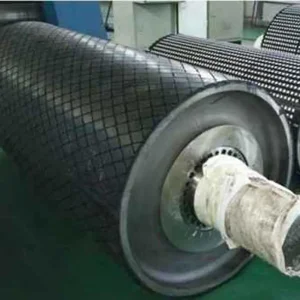
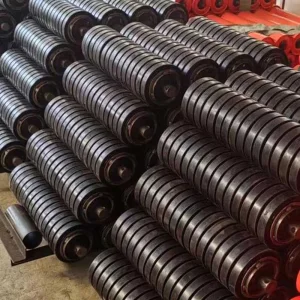
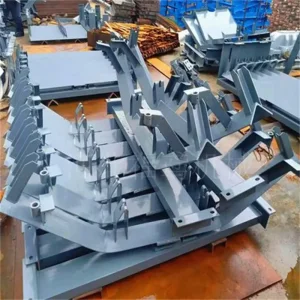
Yes! Hebei Boao provides complete conveyor system solutions. We manufacture high-quality trough-type idler rollers, impact rollers, return rollers, and brackets (troughing brackets, centering brackets, tension brackets). Ordering the belt and matching rollers from a single manufacturer ensures proper fitment and reduces overall shipping costs.

Direct Factory Sourcing Solutions for Turkey

Consult with our engineers to configure the exact fabric carcass, thickness, and rubber compound grade for your specific bulk handling demands.

Send Inquiry Now