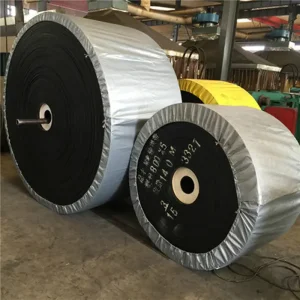
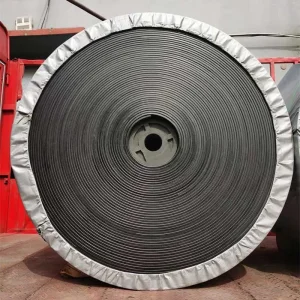
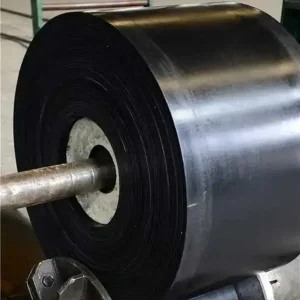
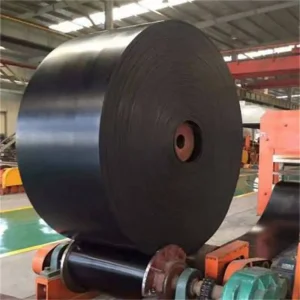
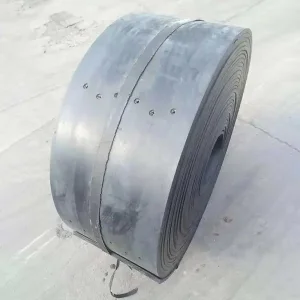
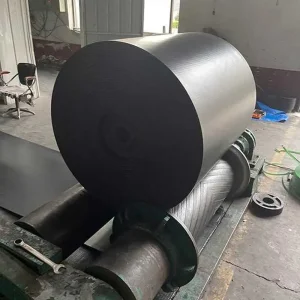
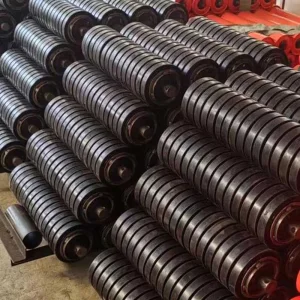
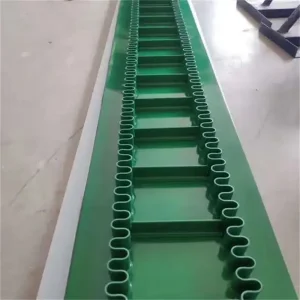
Optimized conveyor bands engineered to withstand intense friction, heavy impacts, and extreme local conditions across Chicago bulk ports.
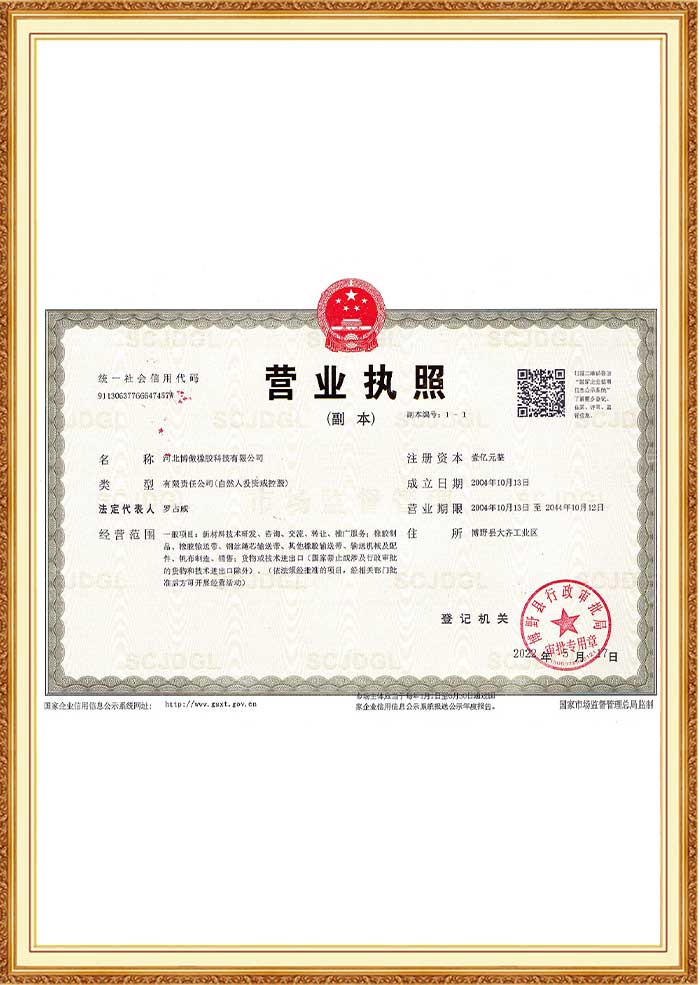
Established in 2004 and spanning over 30 acres of advanced industrial manufacturing zones, Hebei Boao Rubber Technology Co., Ltd. is a premiere engineering force located in Boye County, Baoding, China. Promoted under our world-renowned brand "Jinao", we deliver industry-defining conveyor belting and dynamic machinery accessories to handling companies globally, including customized layouts serving the logistics, aggregates, and steel sectors in Chicago, Illinois.
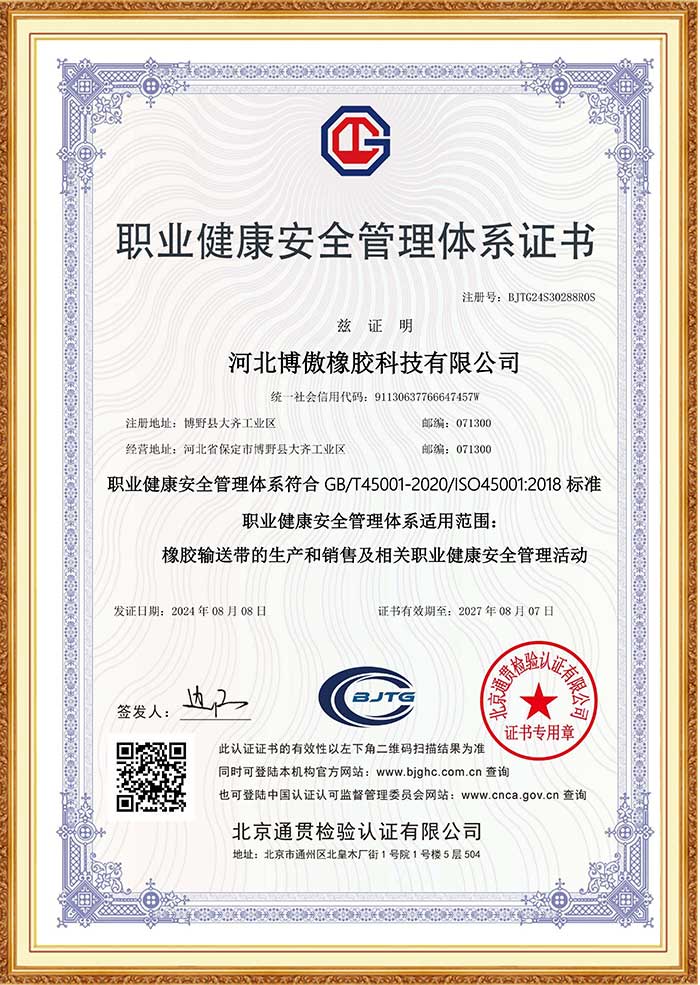
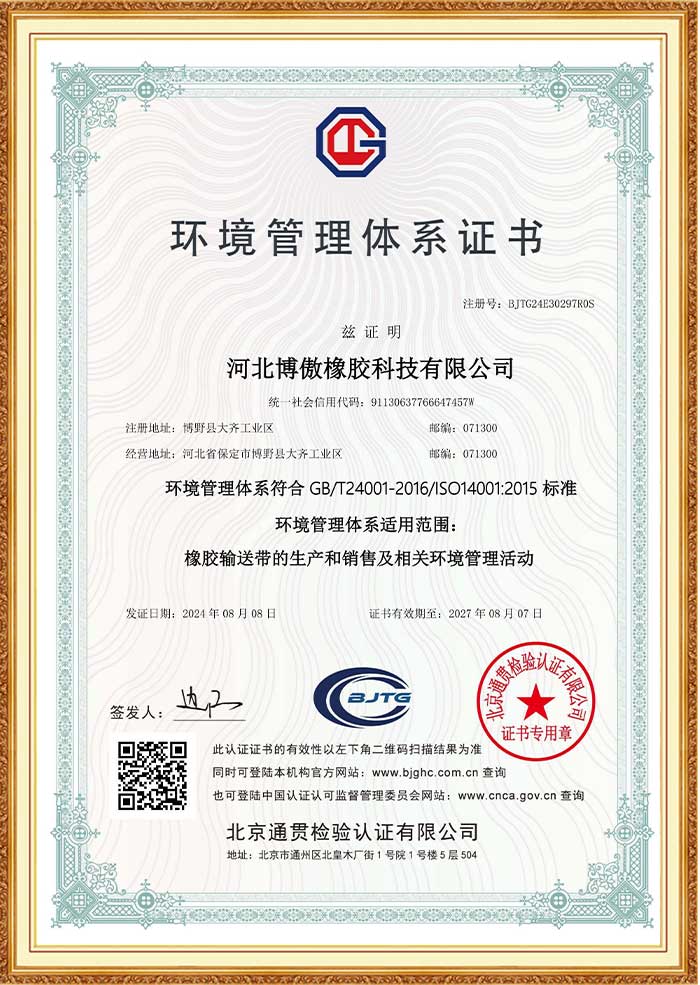
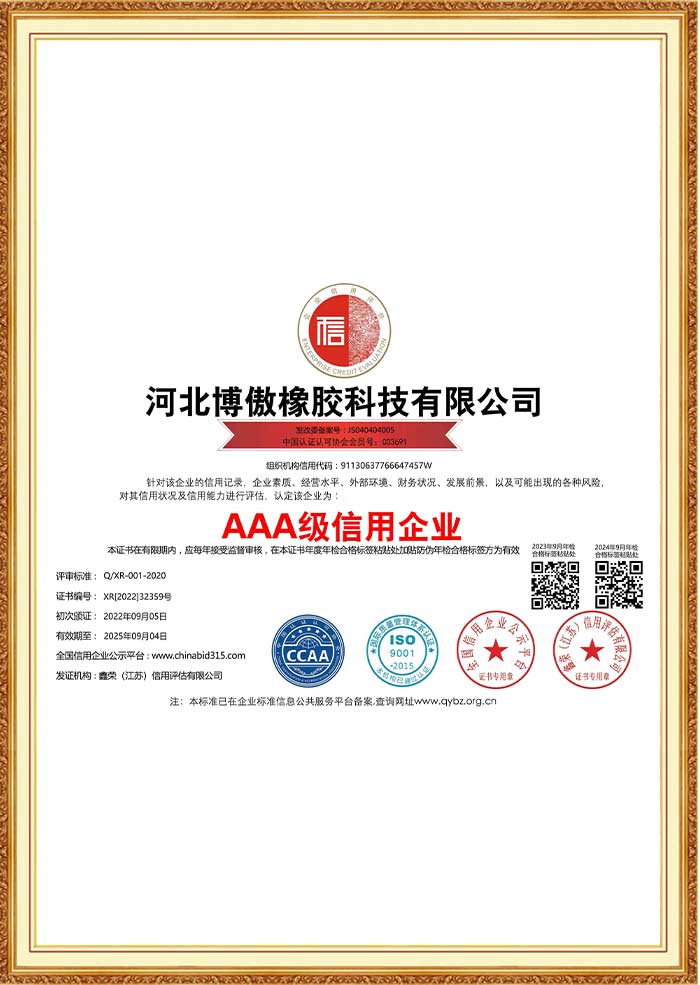
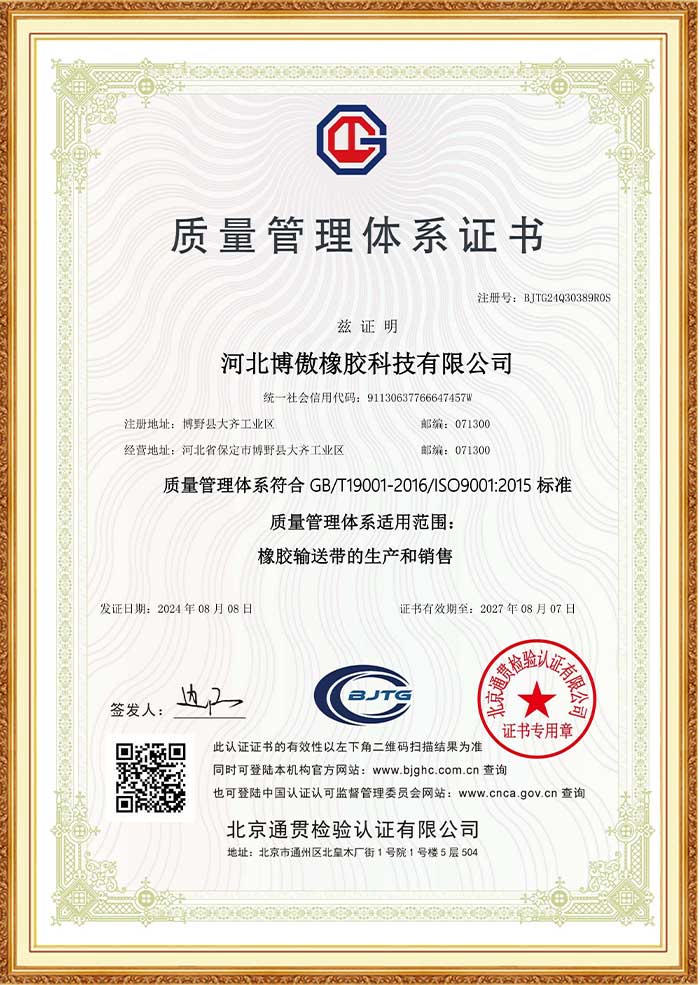
We operate fully integrated production, research, testing, and distribution systems conforming strictly to ISO quality parameters. From initial raw polymer testing to final vulcanization and stretch trials, our multi-ply conveyor belts undergo rigorous stress-testing to guarantee they surpass global criteria. We stand proud of our legacy, matching robust engineering protocols with client-focused supply dynamics.



A technical whitepaper analyzing local Chicago logistics challenges, global procurement structures, and next-generation multi-ply elastomer technologies.
As the primary multimodal logistics powerhouse of North America, the Chicago metropolitan area (along with the broader Great Lakes industrial zone) handles massive volumes of raw aggregates, metallurgical coal, petcoke, grains, and construction compounds. Major transport hubs like the Illinois Waterway, Calumet River terminals, and extensive rail networks operated by Class I railroads require high-reliability conveying mechanisms capable of continuous cycle times.
Midwestern industrial environments present distinct operational stresses. Conveyor machinery must operate under extreme thermal fluctuations, from scorching summer heat over 95°F (35°C) to negative winter temperatures dropping below -20°F (-29°C). Under these conditions, general rubber belts become brittle, leading to micro-cracking, loss of ply adhesion, and high risk of catastrophic shear failures. Furthermore, chemical compounds such as de-icing salts, road chemical runoffs, and sulfurous metallurgical byproducts demand rubber formulations engineered for chemical inertness.
For Chicago steel mills, limestone quarry operators, and grain elevator managers, choosing a conveyor belt vendor with customized chemical and physical property specs is not just about keeping operations running; it is a critical strategy for lowering the total cost of ownership (TCO) and avoiding expensive unplanned downtime.
Heavy material handling companies are shifting away from traditional localized procurement towards global direct-to-factory supply models. This strategy is driven by the need for cost optimization, design flexibility, and consistent manufacturing standards. By sourcing directly from ISO-certified production complexes like Hebei Boao Rubber Technology, procurement teams in North America can secure custom multi-ply specifications at factory prices.
| Belting Parameter | Common US Standard (RMA / ASTM) | DIN Equivalent Standards | Boao Factory Custom Options |
|---|---|---|---|
| Fabric Layer Type | EP (Polyester-Nylon) / NN (Nylon-Nylon) | DIN 22102 (P/N Series) | Custom Ply Counts (2-ply to 6-ply) |
| Tensile Strengths | 110 to 1200 PIW (Pounds per Inch Width) | 200 N/mm to 3150 N/mm | Optimized for high-impact terminal discharge |
| Cover Wear Resistance | Grade I (Heavy Wear), Grade II (General) | DIN-X (Extreme), DIN-Y (Standard) | DIN-W, X, Y customizable for abrasion |
| Thermal Endurance | Class 1 (<200°F) to Class 3 (<400°F) | T120, T150, T200 (Celsius ratings) | EPDM based high-temp formulations |
Global supply chain logistics require reliable supply guarantees. Our factory manages this through strategic buffer inventories, rapid ocean shipping lane utilization via major international container ports, and customized logistics pipelines. These pipelines deliver direct to Chicago industrial centers, including Gary, Joliet, Rockford, and the Port of Chicago.
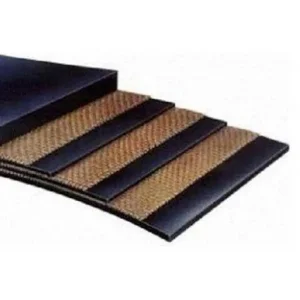
The layered or multi-ply conveyor belt is designed to distribute mechanical stress across several internal layers of fabric reinforcement (known as plies) separated by elastomeric layers. The outer rubber cover shields the inner carcass from impact, moisture penetration, and chemical breakdown.
At Boao, we use high-grade synthetic fibers. Polyester (EP) carcasses feature a polyester warp (longitudinal) and polyamide weft (transverse). This design offers low elongation under high tension, excellent resistance to moisture rot, and superior troughing properties. For setups requiring higher elasticity and shock absorption, Nylon (NN) carcasses provide excellent flex life and impact resistance, making them ideal for heavy loading zones.
Our outer covers are formulated with specific synthetic and natural rubber compounds:
The global material handling industry is undergoing a digital and ecological transition. Tomorrow's conveyor belts will do more than just move bulk goods; they will serve as active data nodes in smart factories and ports.
IoT Wear Diagnostics: We are researching the integration of micro-embedded RFID sensors and steel loop coils within the rubber layers. These sensors work with optical scanners to monitor cover wear in real-time, measure splice stretching, and trigger automatic shutdowns if a vertical tear occurs. This level of smart monitoring is particularly valuable for complex, high-throughput belt lines where sudden failures can cost thousands of dollars per minute.
Ecological Sustainability: Modern procurement policies increasingly prioritize low-carbon footprints. Our engineering team is developing eco-friendly rubber compounds that integrate recycled elastomers and bio-derived plasticizers without sacrificing tensile strength. Furthermore, our energy-efficient manufacturing processes significantly reduce steam consumption during vulcanization, aligning our products with the strict ESG standards of modern global enterprises.
Engineered performance backed by strict testing, global quality standards, and deep technical support.
We run independent chemical and physical testing labs to analyze every batch of raw rubber. Materials that fail our internal metrics are rejected immediately, ensuring zero-defect output.
Our quality control team uses precision vulcanizing testing apparatus and high-magnification cross-sectional scanners to verify uniform ply bonding and adhesion strength.
Our transport belts support major industrial hubs across the globe. We provide door-to-door delivery, custom clearing support, and technical setup guidance for North American operations.
How we support massive operations worldwide, ensuring maximum conveyor runtime and lower operational risk.
We provide full technical support, covering planned replacements, scheduled wear checks, splice vulcanization, and emergency field repairs.
From initial multi-ply sizing to maintaining safety stock levels, our engineers help optimize your conveyor inventory and daily warehouse operations.
We focus on improving belt conveyor runtimes, reducing energy draw from friction, and maximizing overall operational efficiency.
We provide detailed splicing and repair plans for cold chemical bonding or hot vulcanized jointing, matching the high tension of multi-ply systems.
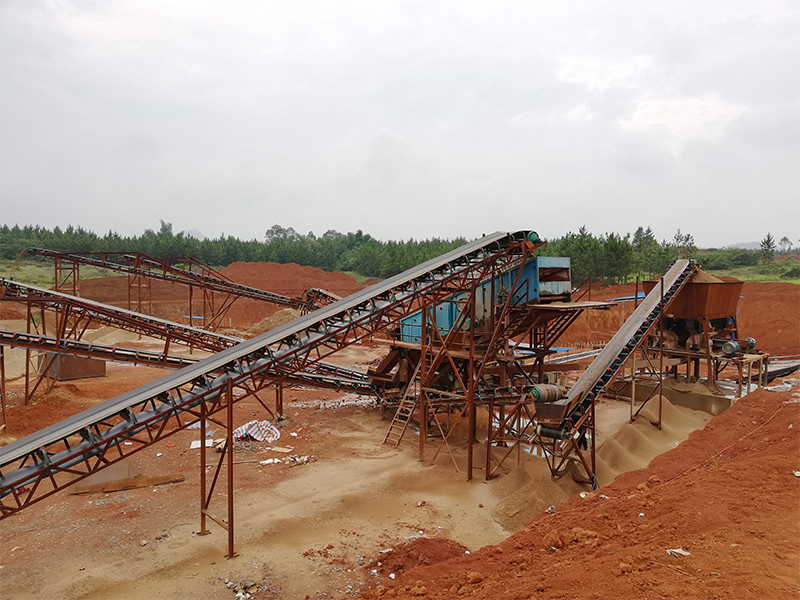
Detailed answers to common engineering, compound science, and procurement questions.
Browse our full range of heavy-duty multi-ply, specialized rubber, and conveyor accessories.
Looking for custom specifications or local engineering support in the Chicago area?
Send Inquiry Now Boao Rubber