Engineered for high-capacity bulk transport, extreme inclines, and maritime weather resilience.
The Port of Hamburg (Hafen Hamburg) stands as the second largest container port in Europe and represents the vital heart of Northern Germany's maritime logistics. Crucially, the port handles millions of metric tons of dry bulk cargo annually, including iron ore, coal, potash, salt, agricultural grains, and construction aggregates. Facilities like Hansaport—Germany’s largest terminal for dry bulk materials—and various specialized berths across the Elbe River demand extremely high-capacity conveying systems.
In these highly dynamic maritime and industrial zones, spatial footprints are often constrained. Logistics operators and terminal engineers must route conveyor systems vertically or along steep-angled inclines to bridge the gap between dockside ships, storage silos, processing plants, and rail-car loaders. Standard flat conveyor belts reach their physical limits when conveying materials at angles exceeding 15 to 18 degrees, leading to material back-slip, product spillage, and severe operational hazards.
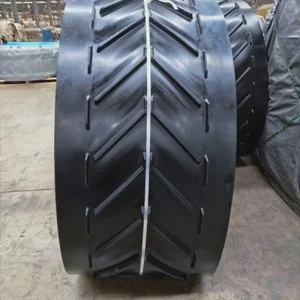
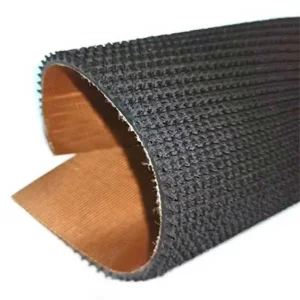
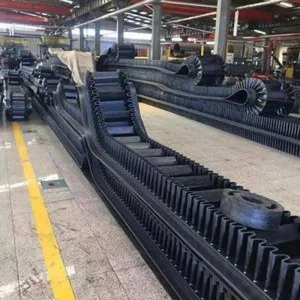
This is where **patterned rubber conveyor belts (chevron or textured profile belts)** become indispensable. By integrating raised profile structures directly into the top cover rubber, these belts safely increase the conveying angle up to 40 degrees, maximizing land use efficiency, reducing conveyor structural lengths, and ensuring stable material movement. With the Hamburg harbor climate subjecting systems to humid, salty marine conditions and varying temperature zones, localized procurement strategies place high priorities on rubber durability, salt corrosion resistance, and compound reliability.
Modern conveyor systems are no longer treated as simple mechanical belts; they are highly engineered components critical to the decarbonization and automation of global supply chains. Several fundamental trends shape the development of patterned conveyor belts globally:
By addressing these parameters, contemporary manufacturers ensure that material handling systems operate cleanly, safely, and cost-effectively, maintaining structural reliability over extended operational life cycles.
When procurement teams in Hamburg, Rotterdam, or Antwerp select conveyor belt suppliers, they look beyond the initial purchase price. The evaluation is centered on **Total Cost of Ownership (TCO)**, which factors in installation costs, maintenance intervals, wear rates, and potential downtime.
Additionally, compliance with European environmental standards is non-negotiable. Imported rubber products must meet the strict requirements of **REACH (Registration, Evaluation, Authorisation and Restriction of Chemicals)**, ensuring that harmful plasticizers, heavy metals, or carcinogenic processing oils are completely absent from the vulcanized rubber. Physical specifications must comply with **DIN 22102** standards, ensuring that abrasion loss, tensile strength, and elongation limits meet German industrial expectations.
| Profile Type | Applicable Incline Angle | Common Materials Conveyed | Typical Profile Heights (mm) |
|---|---|---|---|
| Open V / Closed V Chevron | 20° to 30° | Sand, Gravel, Coal, Fine Powders | 16, 25, 32 |
| U-Shape Profile | 25° to 35° | Wet Clay, Grain, Wet Fertilizers | 15, 25 |
| Multi-Chevron / Herringbone | 30° to 40° | Bulk Agricultural Products, Chips, Ores | 15, 32 |
| Wavy Edge / Sidewall (High Angle) | 40° to 90° | Crushed Stone, Slag, Vertical Pit Ores | Up to 120 (with Cleats) |
As a leading Chinese conveyor belt manufacturer, **Hebei Boao Rubber Technology Co., Ltd.** (utilizing our signature **"Jinao"** brand) has spearheaded the transition to Industry 4.0 principles. Established in 2004, and drawing on over 22 years of compound research and production line optimization, our 30-acre facility in Baoding, Hebei, has evolved into a premier global supply source.
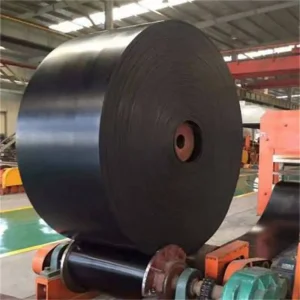
Our factory features advanced rolling, forming, and vulcanization equipment. Quality assurance begins in our independent raw material laboratory. We conduct chemical analysis on all incoming natural rubber, synthetic polymers (SBR, NBR, EPDM), and reinforcing textiles. Our physics laboratory carries out rigorous tensile, tear, abrasion, and flame-retardancy testing. Our commitment to strict quality control ensures that only fully qualified products leave our loading docks.
By leveraging automation and supply chain integration, Boao Rubber delivers excellent price-to-performance value, robust quality consistency, and rapid production turnaround. Our global logistics network ensures that heavy-duty patterned rubber conveyor belts can be shipped directly to Europe, arriving at the Port of Hamburg ready for seamless installation.
Serving major infrastructure, metallurgy, and bulk handling groups worldwide.
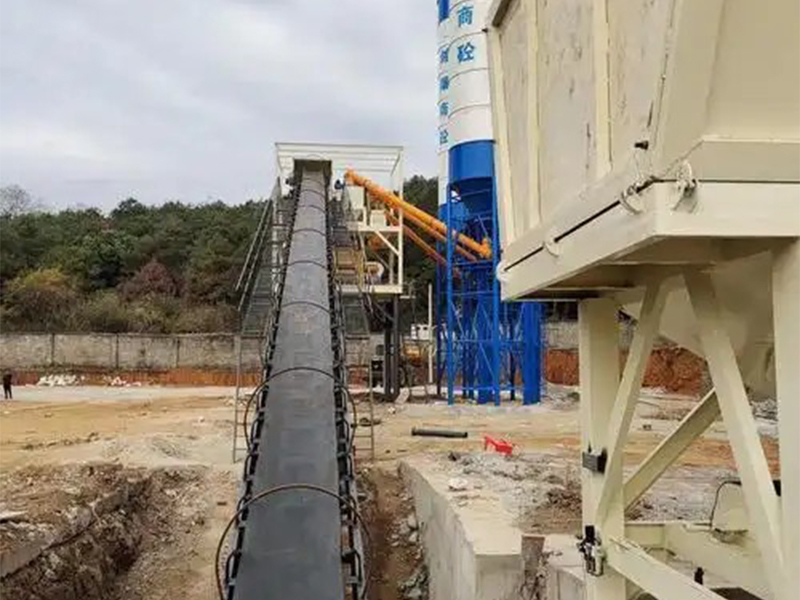
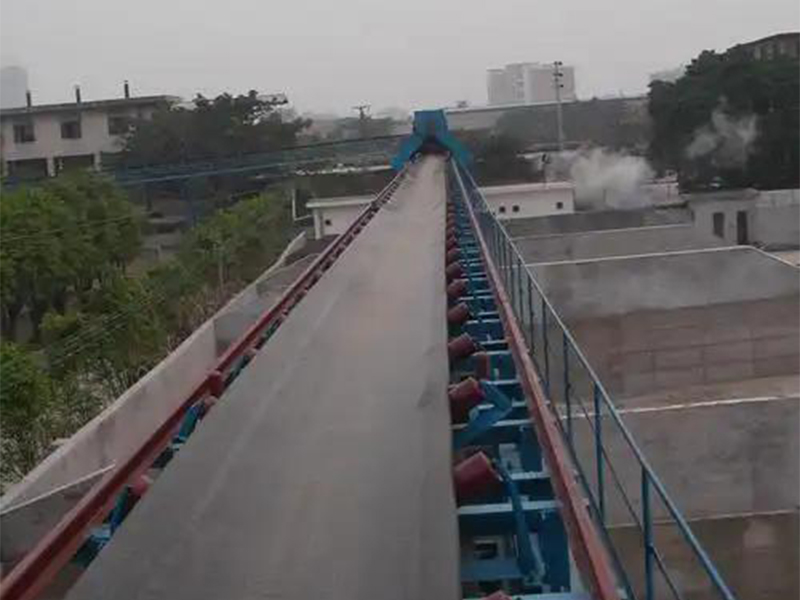
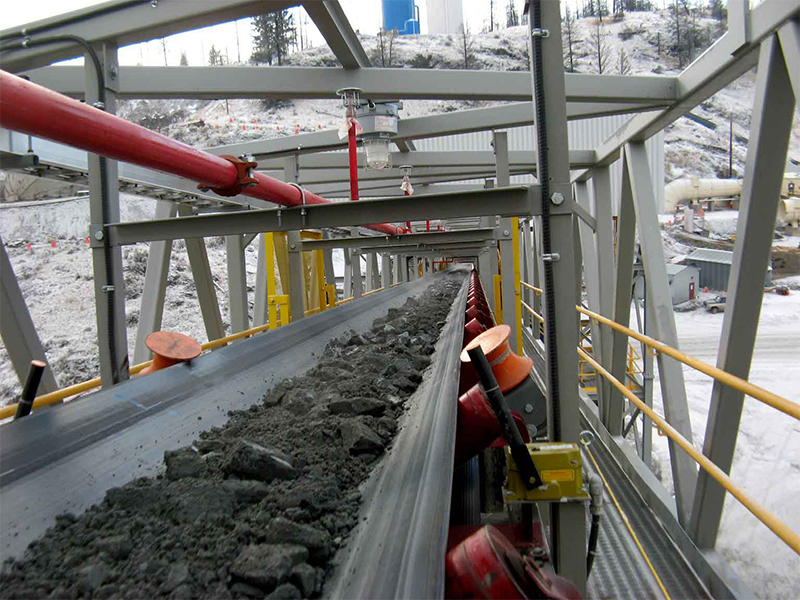
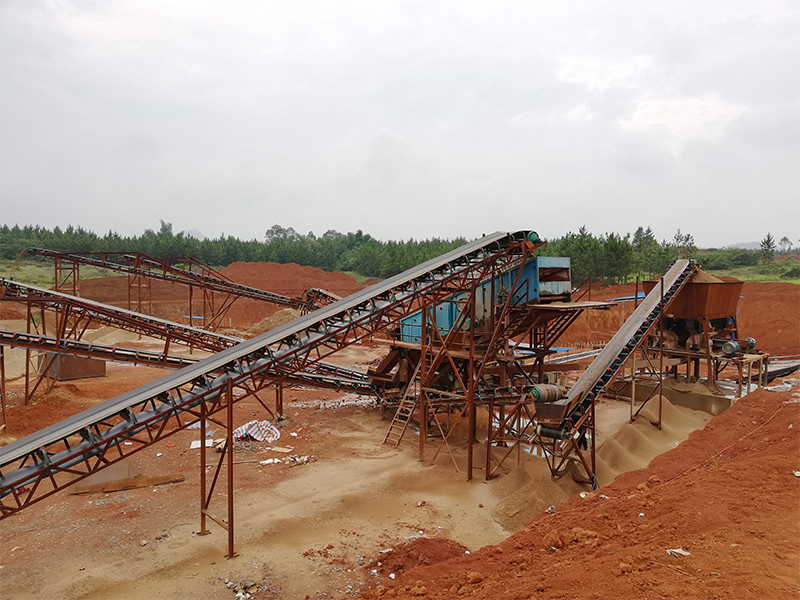
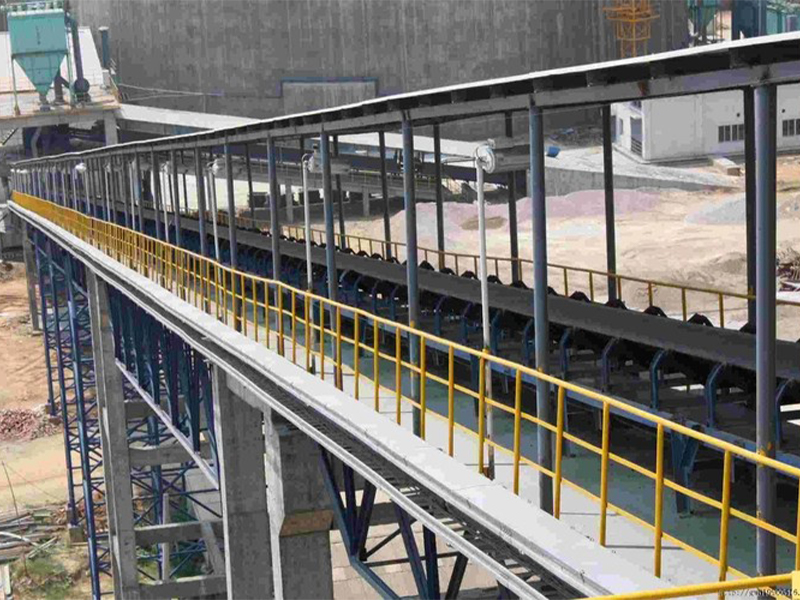
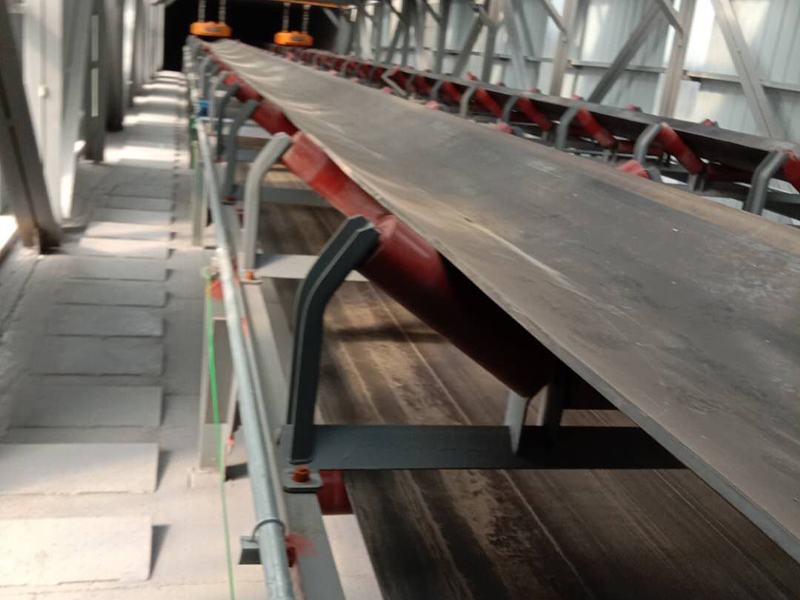
Patterned rubber conveyor belts must be customized to meet the specific requirements of their working environment. In Hamburg, we address three primary scenarios:
Dry bulk terminals require rapid transshipment from ship hulls to inland stockyards. High-incline belt conveyors equipped with deep chevron patterns allow terminal operators to transport dense ores (bulk density up to 3.0 t/m³) up steep paths without slippage. Using cut-resistant cover rubber protects the belt core from damage by sharp rocks or scrap metal.
Grain logistics demands clean, dust-controlled handling. Our anti-static and oil-resistant patterned rubber belts prevent the buildup of explosive grain dust charges (in compliance with ATEX zones) and protect the belt carcass from degradation caused by agricultural lipids and vegetable oils.
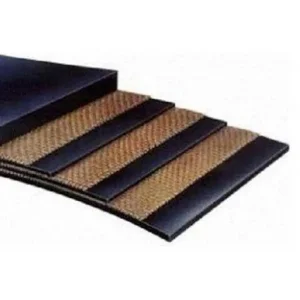
Salt and chemical fertilizers stored near maritime waterways are highly corrosive. By combining chemical-resistant synthetic polymers with high-grade multi-ply EP carcasses, Boao’s belts withstand salt-mist and high humidity, preventing premature carcass delamination and pattern wear.
In-depth answers to critical engineering, configuration, and compliance questions.
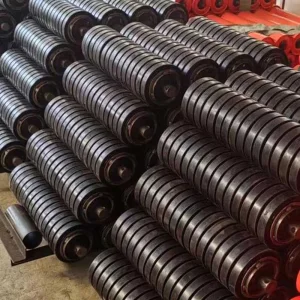
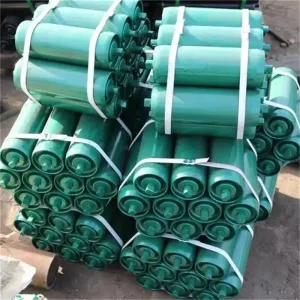
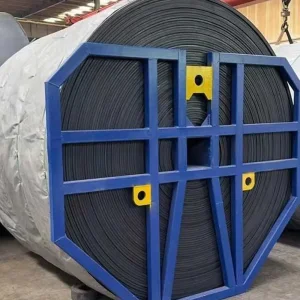
Explore our wider range of high-durability belts, steel reinforced lines, and support rollers.
 Boao Rubber