Engineered for high incline operations, heavy load capacities, and reliable performance under high humidity and rainfall.
Strategic analysis of local geographic, industrial, and climate conditions driving the demand for specialized patterned conveyor belts.
Costa Rica presents a unique set of challenges for material handling systems. The country’s dominant economic drivers—ranging from heavy agriculture (being one of the world's leading exporters of pineapples, bananas, and high-altitude Arabica coffee) to volcanic quarry mining, cement production, and maritime logistics at Puerto Limón and Puerto Caldera—demand conveyor components that can withstand extreme environmental elements. The combination of intense tropical precipitation (often exceeding 3,000 mm annually) and high humidity accelerates belt slippage, rot, and mechanical wear.
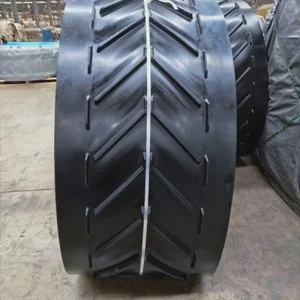
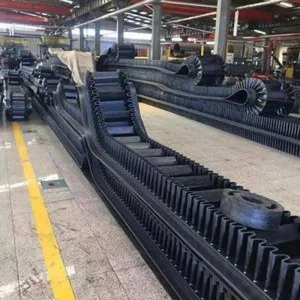
For these reasons, standard flat conveyor belts frequently fail to transport materials efficiently up steep inclines. Patterned conveyor belts (also known as chevron conveyor belts) featuring V-cleats, U-cleats, or human-shaped profiles are critical. They prevent back-sliding of wet, organic, or granular materials, maintaining high throughput in processing plants. A reliable local supply chain combined with durable Chinese manufacturing partners is essential to sustain uninterrupted production.
Furthermore, the Costa Rican government's strict environmental regulations and emphasis on sustainable industrial operations require conveyor systems that minimize material wastage and optimize energy efficiency. By utilizing optimized patterned rubber conveyor belts, companies reduce power consumption at drive pulleys and prevent product degradation during transition points.
Our engineered solutions for the Costa Rican market focus specifically on providing high-grip chevron compounds, chemical-resistant rubber covers for acidic fruit juices, and robust steel cord reinforcement to endure the abrasive impact of basalt and volcanic gravel quarries in provinces like Alajuela and Cartago.
Leveraging 22 years of advanced polymer engineering to supply the highest quality rubber products to Central America.
Founded in 2004, Hebei Boao Rubber Technology Co., Ltd. (operating under the globally recognized "Jinao" brand) is a premier manufacturer integrating development, custom design, production, and international logistics for heavy-duty conveyor systems. Spanning over 30 acres in the Boye County Rubber Industrial Park, Baoding, Hebei, our state-of-the-art facilities feature multiple advanced production lines for continuous calendering, automated forming, high-pressure vulcanization, and rigorous laboratory testing.
Every batch of raw rubber compound and synthetic fabric (EP/NN) undergoes tensile strength, elongation at break, and DIN abrasion testing before processing.
We manufacture custom cleat heights (from 5mm to 32mm) and patterns (Chevron, Herringbone, Pit, Crescent) optimized for Costa Rica's steep agricultural inclines.
Our company conforms strictly to ISO9001 quality management systems, DIN 22102, AS 1332, and RMA standards to guarantee maximum lifespan and durability.
Understanding the internal structure and chemical compounding required for Central America's challenging operations.
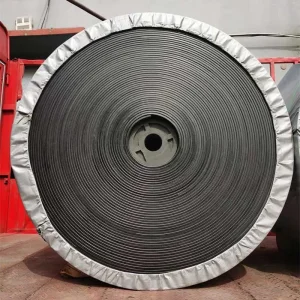
The performance of a patterned conveyor belt is defined by its core carcass and the quality of the rubber cover. Under the tropical conditions of Costa Rica, simple rubber blends will degrade rapidly due to UV exposure, ozone attack, and microbial growth from wet agricultural residues. Below is the technical breakdown of the Jinao brand patterned conveyor belts supplied to the Costa Rican market:
| Technical Parameter | EP Canvas (Polyester/Nylon) | NN Canvas (Nylon/Nylon) | Steel Wire Rope Core |
|---|---|---|---|
| Tensile Strength (N/mm) | 100 - 400 N/mm per ply | 150 - 500 N/mm per ply | Up to 5400 N/mm |
| Elongation at Break (%) | ≤ 1.5% (Low Elongation) | ≤ 2.5% (High Elasticity) | ≤ 0.25% (Extreme Low Stretch) |
| Abrasion Resistance (DIN 22102) | ≤ 90 mm³ to 120 mm³ | ≤ 100 mm³ to 130 mm³ | ≤ 80 mm³ (Super High Grade) |
| Ideal Costa Rica Applications | Coffee beans, packaged bananas | Quarry aggregate, sand & gravel | Overland port terminals, cement factories |
By implementing a vulcanized molded process, where the patterns are integrated directly with the top cover rubber during curing (rather than glued post-production), our belts eliminate the risk of cleat separation. This is particularly vital in the wet sugar cane mills and palm oil extraction plants across Costa Rica, where mechanical stresses combined with organic acids can dissolve adhesives used by inferior manufacturers.
We do not just ship products; we provide complete technical support to minimize downtime and maximize belt lifespan.
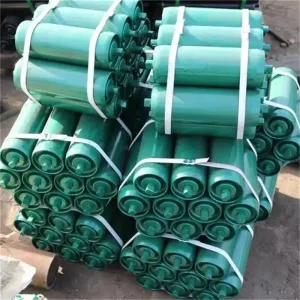
To prevent emergency shutdowns, we work with Costa Rican procurement managers to establish calculated safety stocks of conveyor belts and matching replacement idlers.
We provide full documentation and hot/cold vulcanizing splicing materials, ensuring local engineering crews can join belts with maximum tensile efficiency.
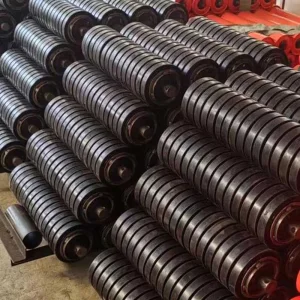
By assessing conveyor structure, impact zones, and pulleys, our engineers help you choose matching rubber buffer impact rollers to reduce carcass wear by up to 40%.
Our heavy-duty belts and matching rollers are deployed worldwide, trusted by major infrastructure, cement, and mining conglomerates.
Costa Rica Railway Infrastructure Project
Central Valley Cement Plants
Guanacaste Silica Mining
Puerto Caldera Terminal Logistics
Limón Agro-Industrial Bulk Terminals
San Jose Mining & Concrete Plant
Our dynamic engineering portfolio covers extensive supplies to heavy operations including China Railway Group Mixing Plants, Conch Cement, Datong Coal Group, and Tsingshan Group. These global case studies prove that our industrial-grade belts and idlers withstand the most demanding material-handling loads on Earth.
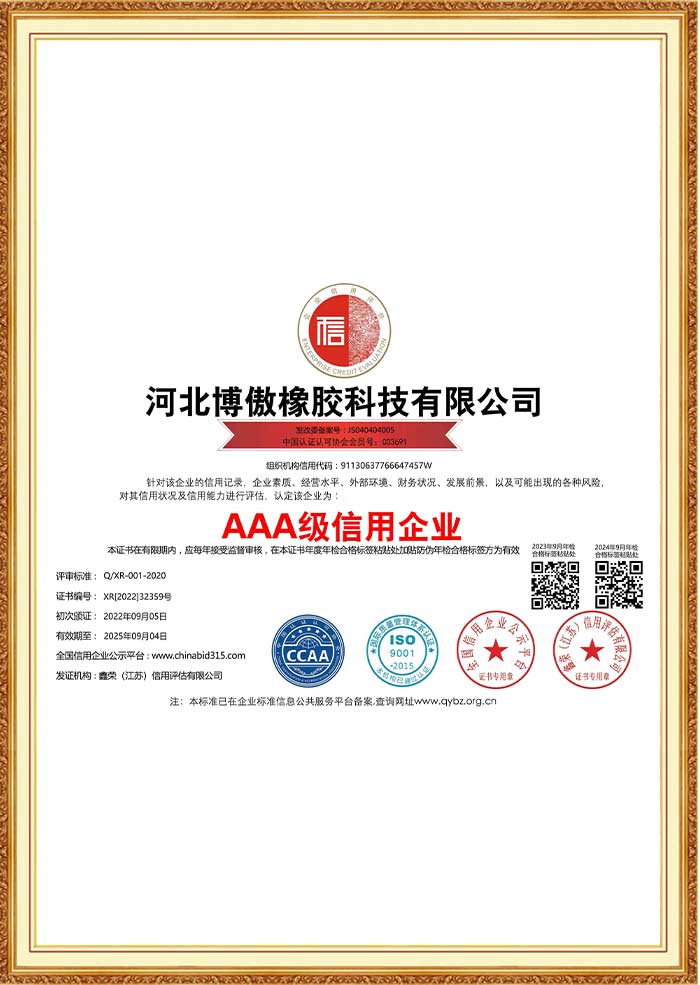
Demonstrating our commitment to rigorous quality control through verified certifications.
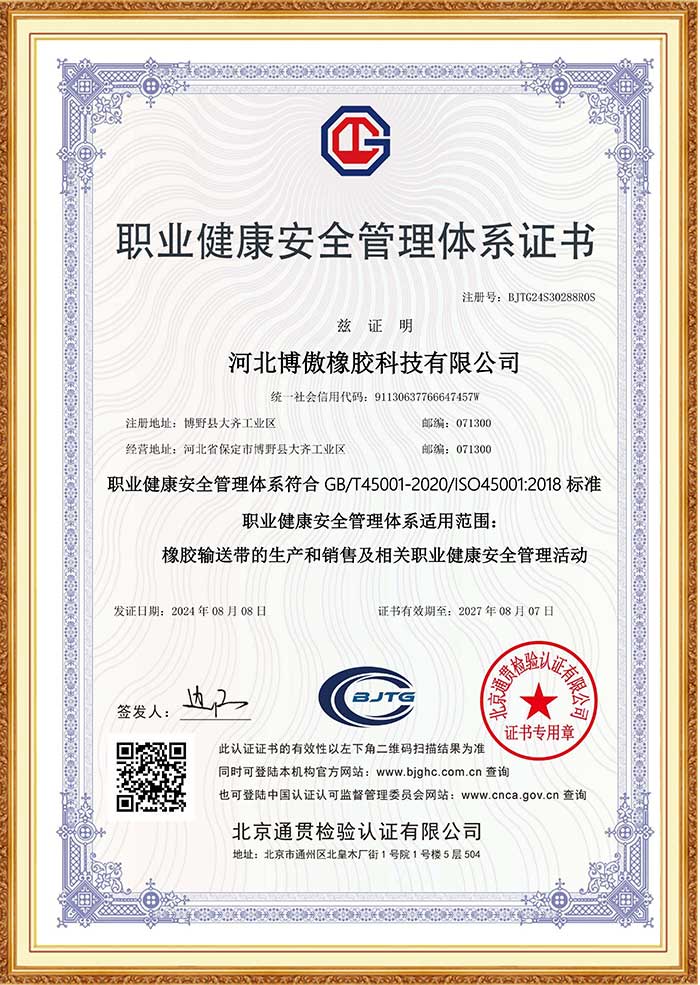
ISO9001 Certification
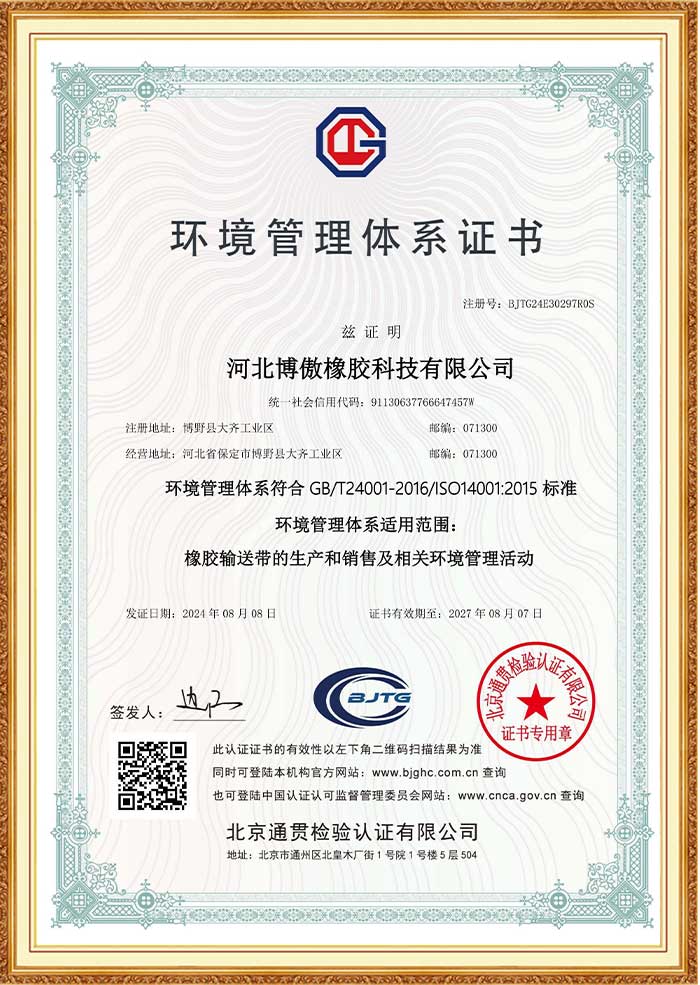
Environmental Quality standard
OHSAS 18001 Health Safety
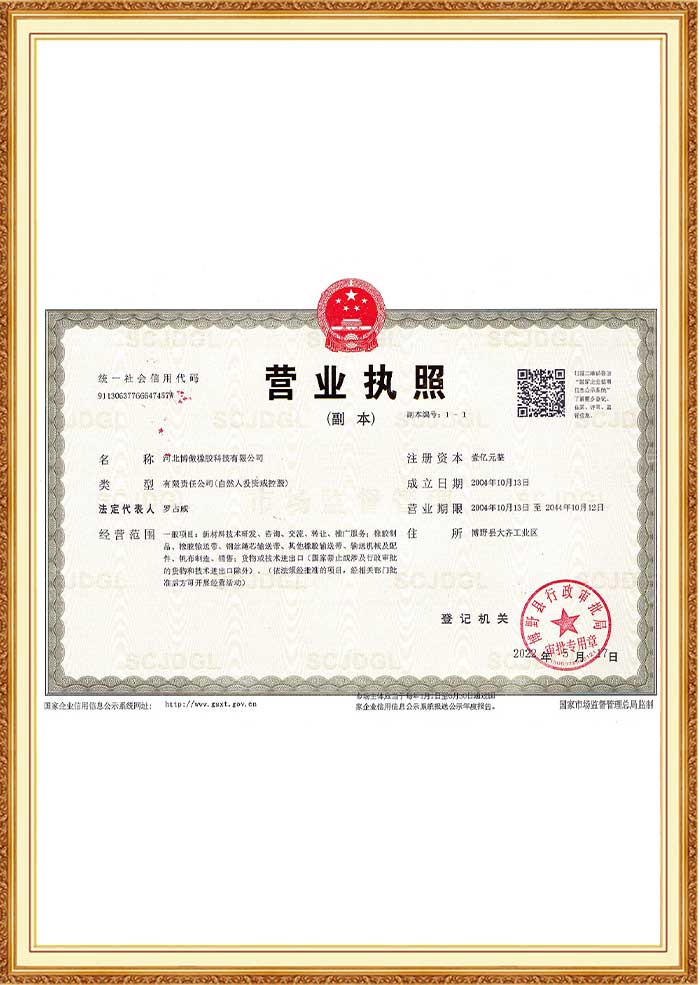
Hebei Quality Inspection standard
Complete selection of core conveyor belts, flame retardant components, anti-tear steel structures, and heavy duty industrial rollers.
Expert answers addressing import logistics, custom patterns, and rubber compounding specifications.
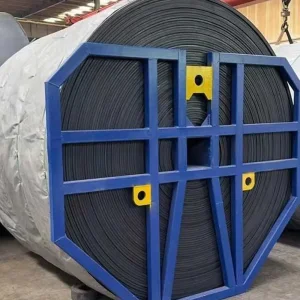
Typically, shipping from Tianjin or Shanghai Port to Puerto Limón (Atlantic coast) or Puerto Caldera (Pacific coast) takes between 25 to 35 days. We coordinate all export documentation, custom wrapping, and steel crate packaging to prevent maritime humidity from affecting the unvulcanized edges of the belts during transit.
For high-moisture agricultural processing and wet quarry sands, a medium chevron pattern (15mm profile height) is recommended. For steep inclines over 22 degrees handling heavy aggregate, high profile V-cleats (25mm to 32mm) are necessary to completely eliminate material back-slide.
Yes. For pineapple and sugar cane processing in Costa Rica, we design specialized oil and chemical-resistant cover rubbers. The rubber is compounded with synthetic polymers that resist swelling and deterioration from organic acids, maintaining carcass integrity.
EP fabric offers a significantly lower warp elongation (less stretch) compared to NN fabric. This makes EP belts highly suitable for long-distance conveyors where tension take-up travel is limited, whereas NN fabric is preferred for systems requiring high elasticity, impact resistance, and flexibility over smaller pulley diameters.
Our compounding process incorporates specialized carbon blacks and anti-ozonant chemicals. These compounds absorb and dissipate UV radiation, preventing surface cracking and premature dry rot, extending the service life of outdoor conveyor installations.
We test tensile strength of the compound and carcass fabric, DIN cover wear resistance (abrasion loss), adhesion levels between rubber layers and carcass plies, ozone aging factors, and cold bend cracking points, issuing a full quality report with every batch.
 Boao Rubber