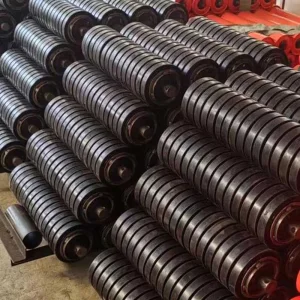
Engineered to optimize bulk transport efficiency under intense climatic and mechanical stresses, direct from our certified manufacturing facility.
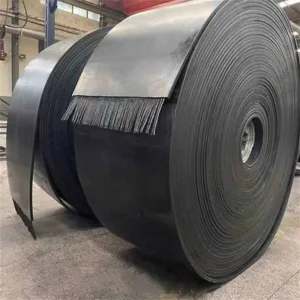
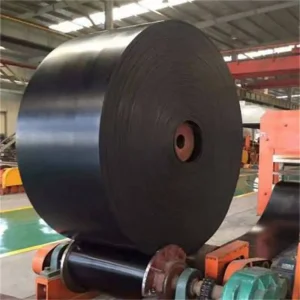
Brazil stands as one of the world's most dynamic hubs for commodity production, exports, and heavy industrial output. From the vast agricultural expanses of Mato Grosso to the high-yield iron ore complexes of Carajás in Pará, the movement of massive amounts of bulk material demands highly specialized transport systems. Conveyor systems, particularly Patterned Rubber Conveyor Belts, serve as the operational circulatory system of this vast machinery. Standard flat conveyor belts frequently fail when handling steep inclines, resulting in material fallback, increased dust pollution, and severe throughput inefficiencies.
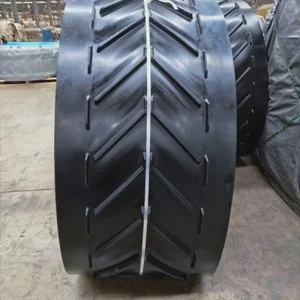
Our heavy-duty patterned rubber conveyor belts (widely known as Chevron belts) are specifically engineered to eliminate fallback when conveying wet, granular, or powdery materials at angles ranging from 15° to 45°. This capability is indispensable for maximizing space and energy efficiency at Brazilian port terminals, high-capacity mines, and grain processing facilities.
Operational realities in Brazil differ considerably from those in North America or Europe. The humid, tropical climate of northern Brazil, coupled with the abrasive nature of regional minerals and agricultural soils, accelerates wear and tear on inferior conveying materials. To achieve long operational lifespans, conveyor belts must feature advanced compound chemistry that resists ozone cracking, high ambient temperatures, and aggressive structural abrasion.
Brazilian iron ore is highly abrasive. Belts handling run-of-mine materials require high-tensile steel cord structures and custom chevron patterns to prevent rock slide-back on steep slopes. High anti-tear performance prevents slicing from sharp basalt and iron ore rocks.
As a global agricultural giant, Brazil requires vast grain elevators and port terminals. Patterned belts prevent seed damage and slide-back at high-throughput transshipment hubs. Oil-resistant rubber formulations (MOR/OR) are vital to withstand the chemical degradation caused by vegetable oils.
Terminals at the Port of Santos and Port of Paranaguá must handle continuous ship-loading configurations. Wavy edge and high-angle cleated belts are heavily relied upon to elevate bulk shipments efficiently within tight spatial constraints.
Founded in 2004, Hebei Boao Rubber Technology Co., Ltd. is located in the Boye County Rubber Industrial Park, Baoding, Hebei Province, China. Over the past 22 years, we have grown into a leading manufacturer integrating product development, engineering design, raw material testing, and advanced vulcanization processes. Under our signature "Jinao" brand, we manufacture premium rubber conveyor belts and mechanical accessories engineered to meet strict international standards.
Our infrastructure features multiple state-of-the-art production lines for calender rolling, shaping, high-pressure vulcanization, and continuous testing. Every step of our manufacturing workflow—from the formulation of the raw rubber compound to the tension testing of the finished textile and steel cord carcasses—is subjected to rigorous inspection in our independent chemical and physics laboratories.
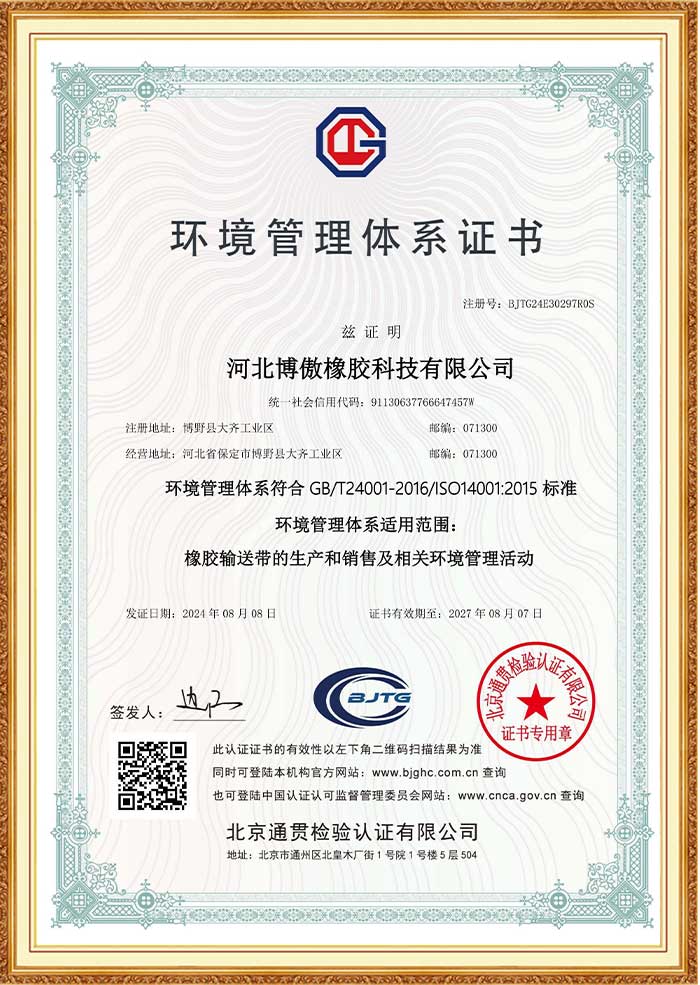
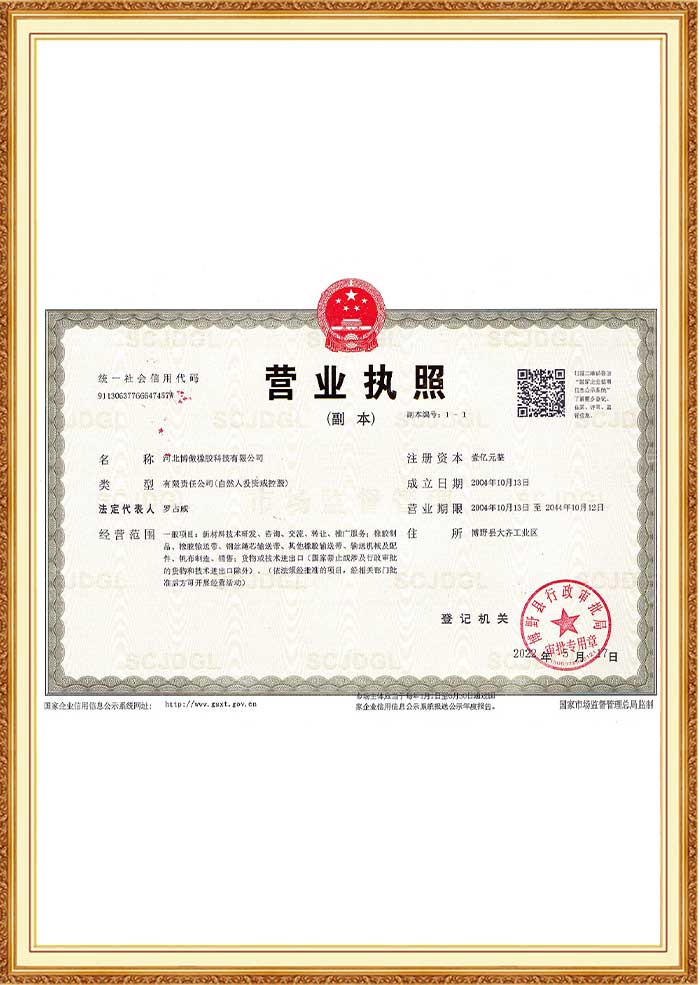
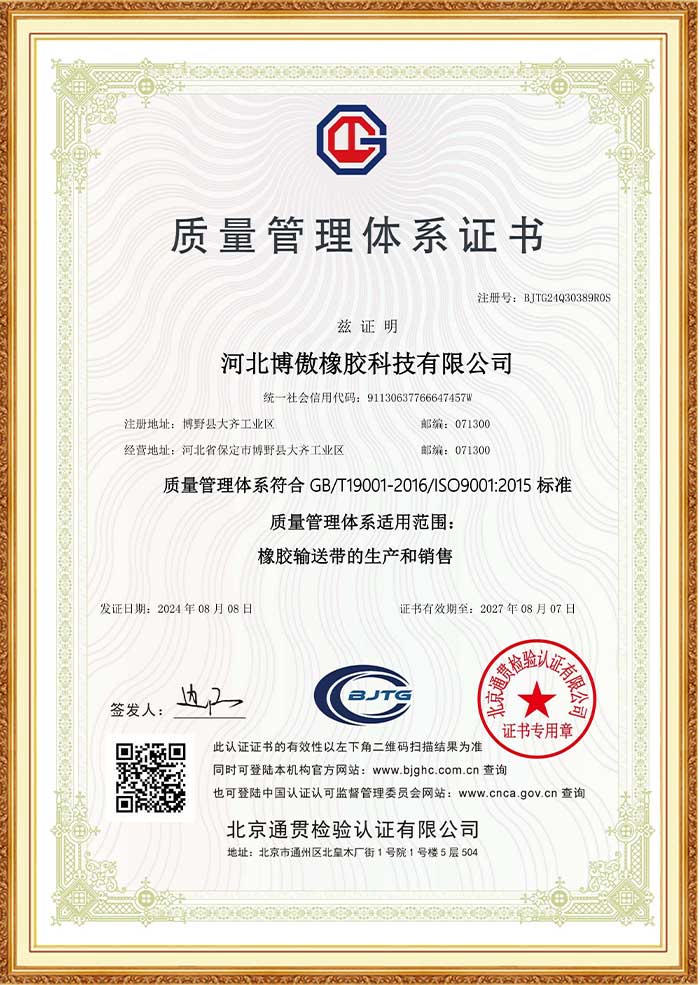
A successful incline conveying system requires precise matching of the belt's pattern profile to the properties of the material being transported. Jinao's patterned belt lineup includes several distinct profile designs engineered for optimal slip resistance and long service life:
Designed with v-shaped profiles that open at the center or edges to facilitate natural drainage while capturing bulk solids. Ideal for conveying fine grains, crushed coal, wet sand, and ores up to angles of 30°.
Combines corrugated sidewalls with robust horizontal cleats, allowing materials to be lifted vertically at angles up to 90°. Excellent for heavy material transport in tight-footprint cement plants and mineral processing facilities.
Our polyester (EP) and nylon (NN) multi-ply carcasses deliver outstanding dimensional stability, high tensile strength, and excellent impact resistance. These structural properties ensure minimal belt stretch and consistent alignment over long transport distances.
Available in Low (5mm-10mm), Medium (10mm-20mm), and High (20mm-32mm) profile designs. This selection allows conveyor engineers to match the belt's carrying capacity directly to the material's angle of repose and particle sizes.
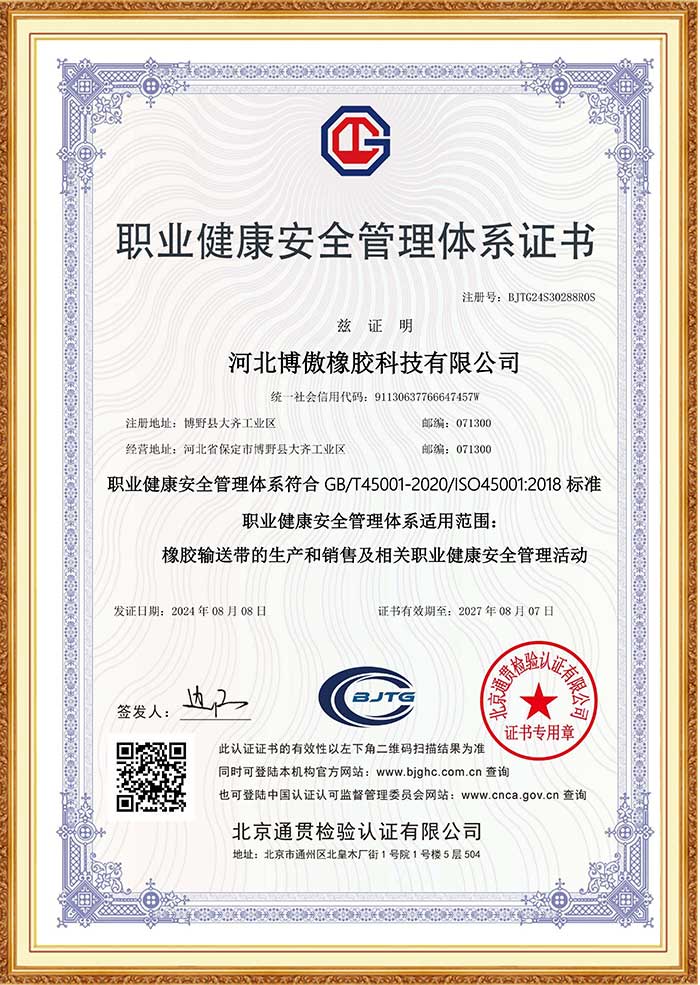
Importing equipment into Brazil requires adherence to complex domestic regulations and rigorous technical standards. Products must align with national safety protocols to prevent costly operational stoppages and maintain regulatory compliance:
How our heavy-duty belting systems optimize performance under challenging operating conditions.
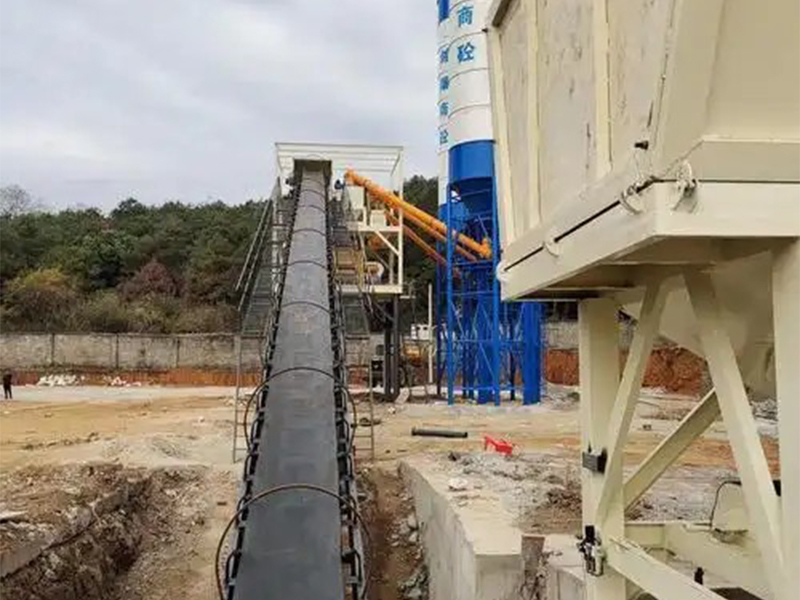
Supplied high-tensile steel wire rope core conveyor belts for a major iron ore transport system. High anti-tear properties and impact-absorbing rubber buffers successfully reduced operating downtime by 40%.
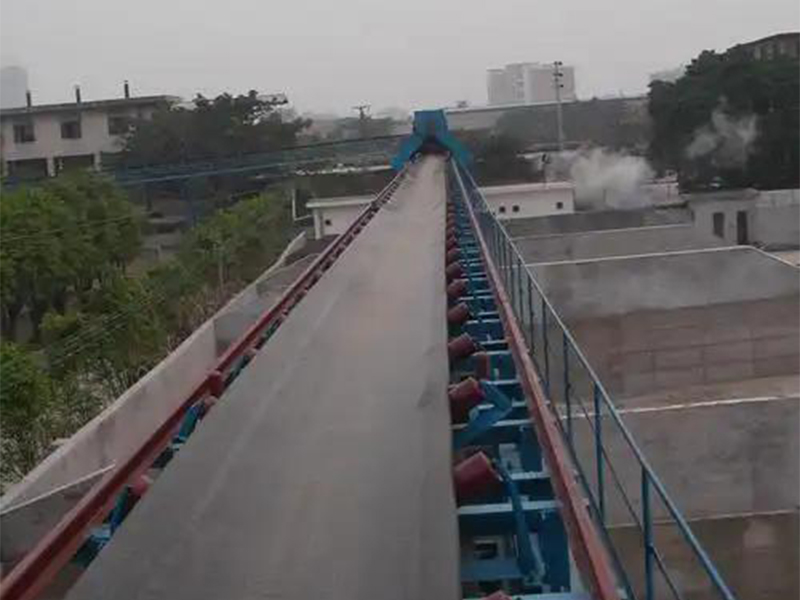
Installed oil-resistant chevron patterned rubber belts designed for high-capacity soybean transport. The new configuration eliminated grain slide-back on 22° inclines during peak export seasons.
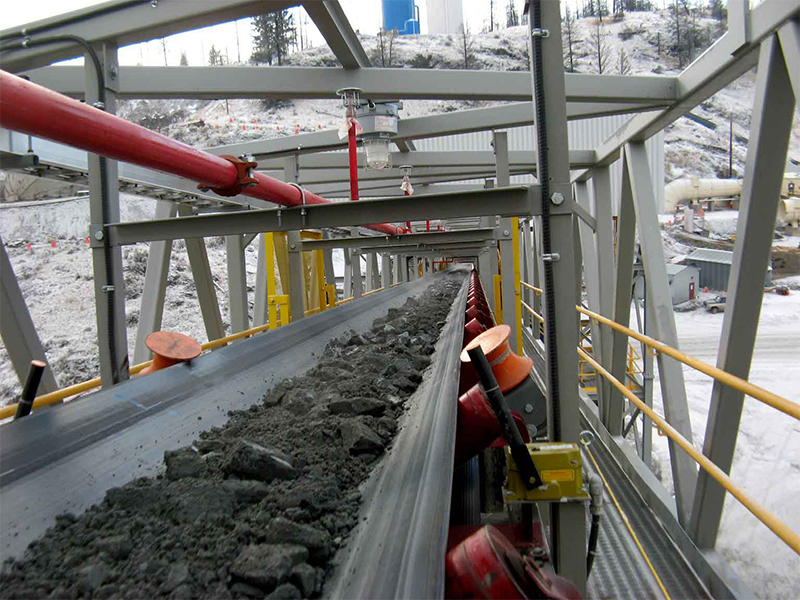
Provided heat-resistant EPDM rubber belts capable of handling hot clinker up to 200°C, significantly extending the system's operational lifespan compared to standard rubber compounds.
Sourcing large-scale conveyor systems from overseas requires reliable, end-to-end service support. Jinao provides a comprehensive service blueprint to ensure hassle-free procurement, rapid installation, and reliable ongoing operations:
Key technical and purchasing insights for industrial operations in Brazil.
Explore our full line of high-performance conveyor belts and mechanical accessories engineered for maximum durability.
 Boao Rubber