Explore our core engineering catalog designed to meet rigorous standards across South African processing plants, ports, and industrial logistics networks.
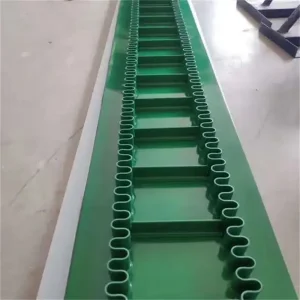
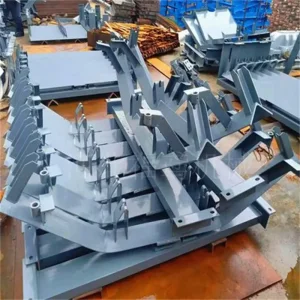
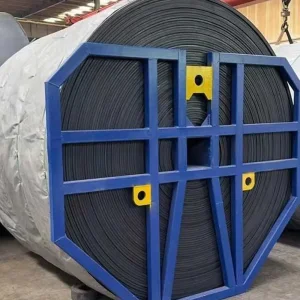
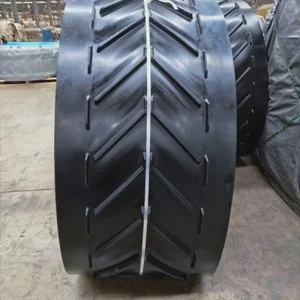
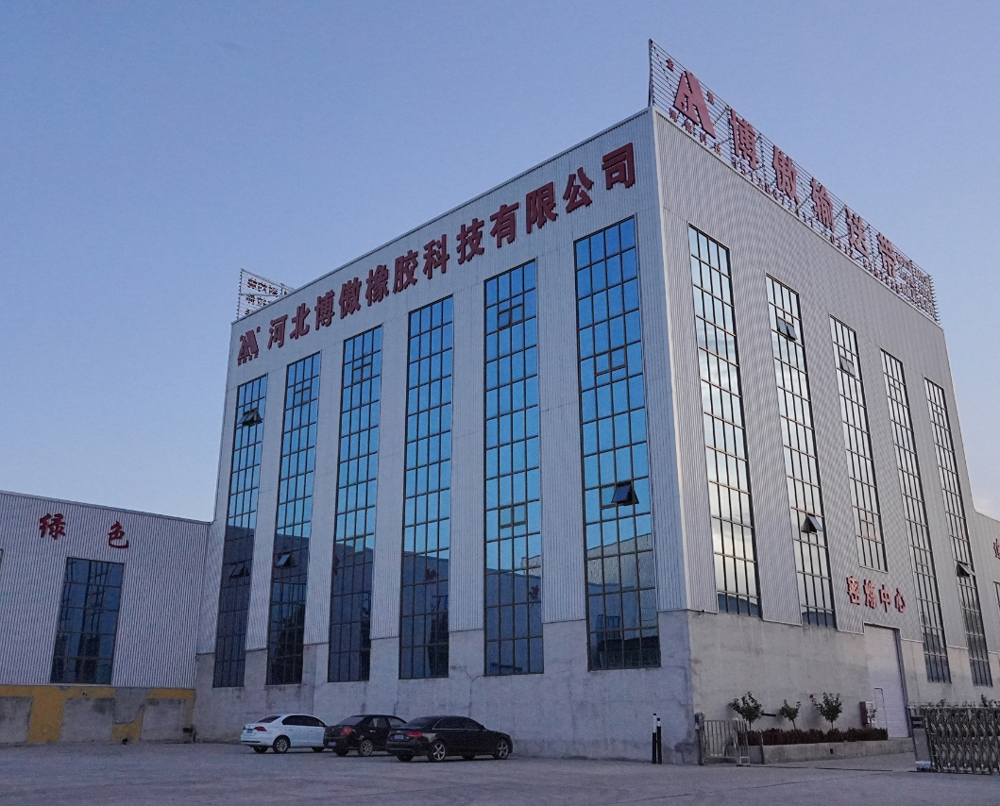
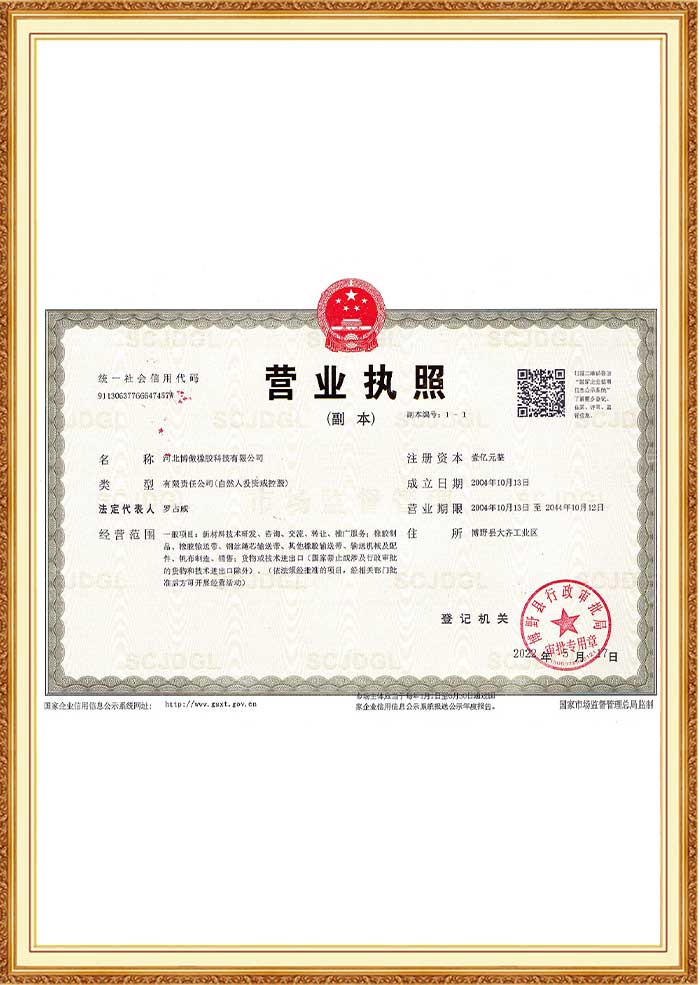
Established in 2004 and operating within the specialized Boye County Industrial Zone (Hebei Province, China), Hebei Boao Rubber Technology Co., Ltd. (operating the premier brand "Jinao") is a pioneer in material science engineering. Our facilities leverage vertical integration, combining continuous R&D, complex formulation synthesis, high-precision vulcanization, and systematic physical/chemical testing metrics under one unified roof.
We manage modern compounding machinery, multi-ply fabric assembly stations, and high-pressure calendering infrastructure. This ensures that every PVC-PU lightweight belt, heavy-duty fabric belt (NN/EP/PP), and component accessory conforms to international directives, offering our partners in South Africa robust supply solutions capable of mitigating local uptime challenges.
Deep Technical Insights on PVC-PU Conveyor Belts in South African Processing Systems
South Africa represents the industrial heartland and logistically significant gateway of Southern Africa. Major economic zones ranging from the manufacturing clusters of Gauteng to the heavy shipping infrastructure of Durban, Richards Bay, and Coega demand highly specialized conveying systems. Modern production dynamics have seen a rapid transition from basic mechanical transfer to precise automation, especially across the agricultural processing, pharmaceutical, and high-throughput packaging sectors.
In agricultural centers like the Western Cape (citrus and grape packaging) and Limpopo (avocado and nut export processing), hygiene standards are strictly enforced. Standard heavy rubber belts are unsuitable due to the threat of fat contamination, chemical decay, and physical marking. Therefore, the implementation of food-safe polyurethane (PU) and polyvinyl chloride (PVC) lightweight belts has become critical for maintaining international compliance (such as FDA and EU food grade regulations) required to access export markets.
Selecting the correct polymeric cover material is crucial for operational longevity and system reliability. Although PVC and PU belts appear similar, their performance parameters are distinct:
Our manufacturing model incorporates digital tracking, real-time quality logging, and robotic compound mixing. The Boye County facility operates with automated precision:
On-site raw material validation, polymer density verification, tensile strength tests, and heat aging simulations before vulcanization.
Thickness deviations are limited to ±0.05mm using continuous laser sensor arrays during the extrusion process.
Strategic logistics coordination with major ocean lines serving the China-to-Durban maritime route, reducing standard lead times.
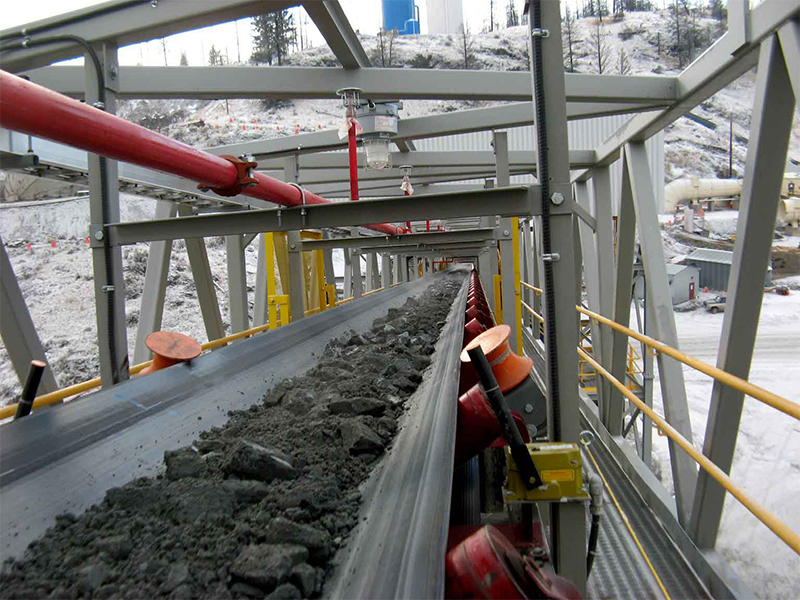
Mining Operations (Gauteng, Mpumalanga): While light-duty belts serve packaging halls, our anti-tear steel cord belts handle heavy ores at mine shafts, and our flame-retardant rubber belts reduce combustion risks in enclosed underground workings.
Food and Beverage Processing: High-risk areas demand antimicrobial PU belts with sealed edges. Edges are sealed using thermo-fusion to prevent moisture or biological build-up in the tension plies.
Airport & Distribution Center Sortation: Noise reduction is critical in high-speed sorting. Our belts utilize specialized quiet fabrics on the pulley side, dropping decibel levels to ensure a safer working environment.
Our integrated production pipeline guarantees material consistency and dimensional accuracy.
Integrated Testing Protocol: We ensure that every batch of conveyor belts undergoes strict physical evaluation. This includes test runs under load to ensure dimensional stability and tracking testing to eliminate lateral movement issues.
Tailored Technical Services: We work alongside your engineering teams to develop replacement and repair plans, maintain safety stocks, and optimize belt life cycles, protecting your operations from unscheduled downtime.
Our products comply with international and regional quality management frameworks.
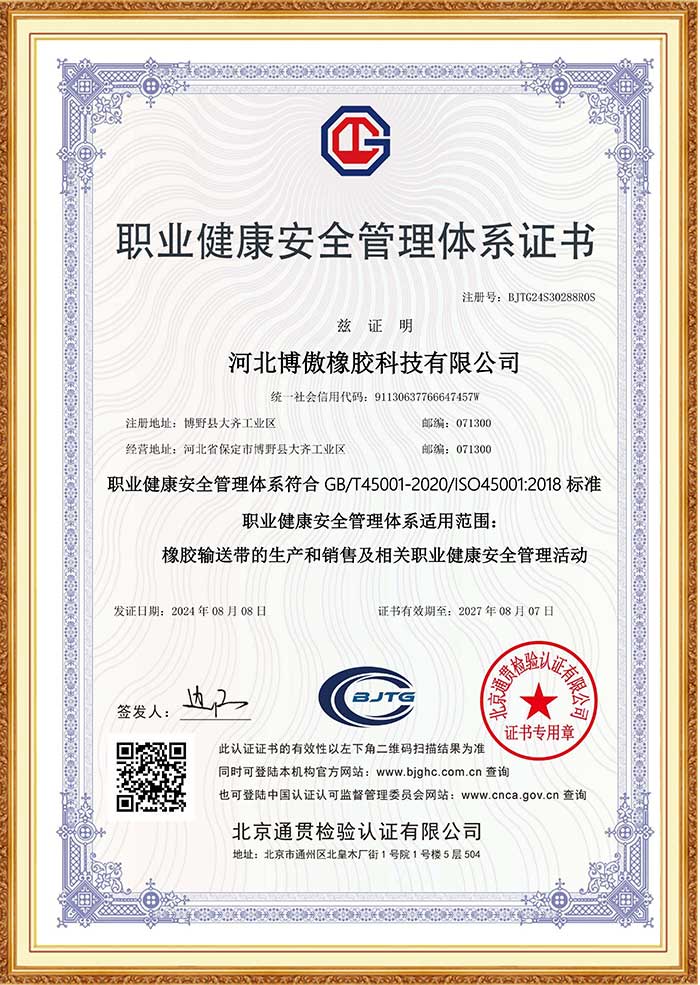
ISO9001 Quality Certified
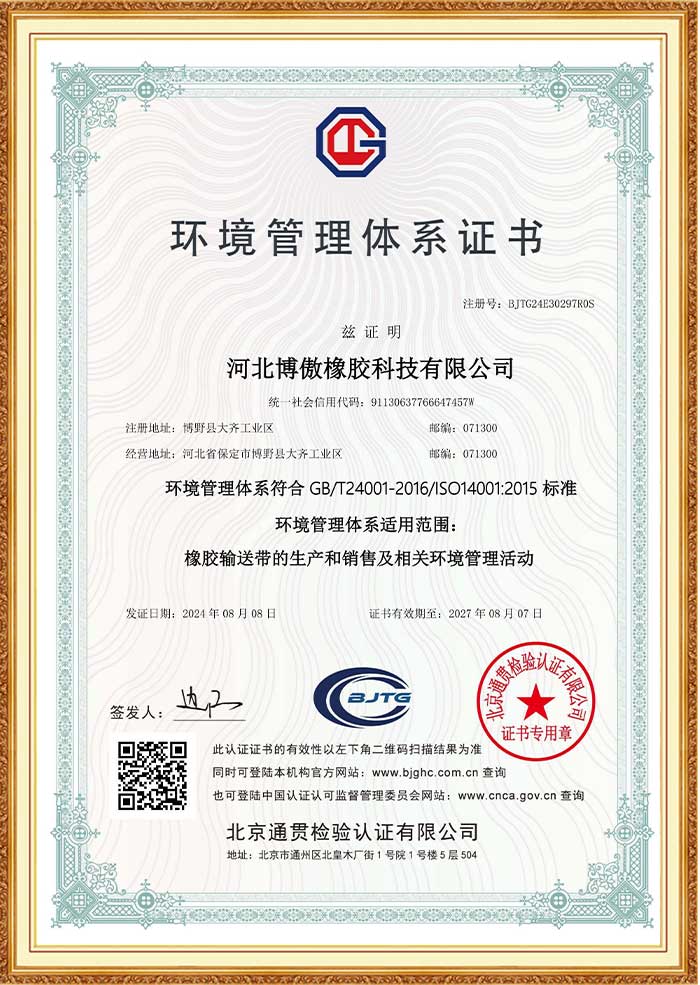
Standard Quality Verified
Safety Compliance
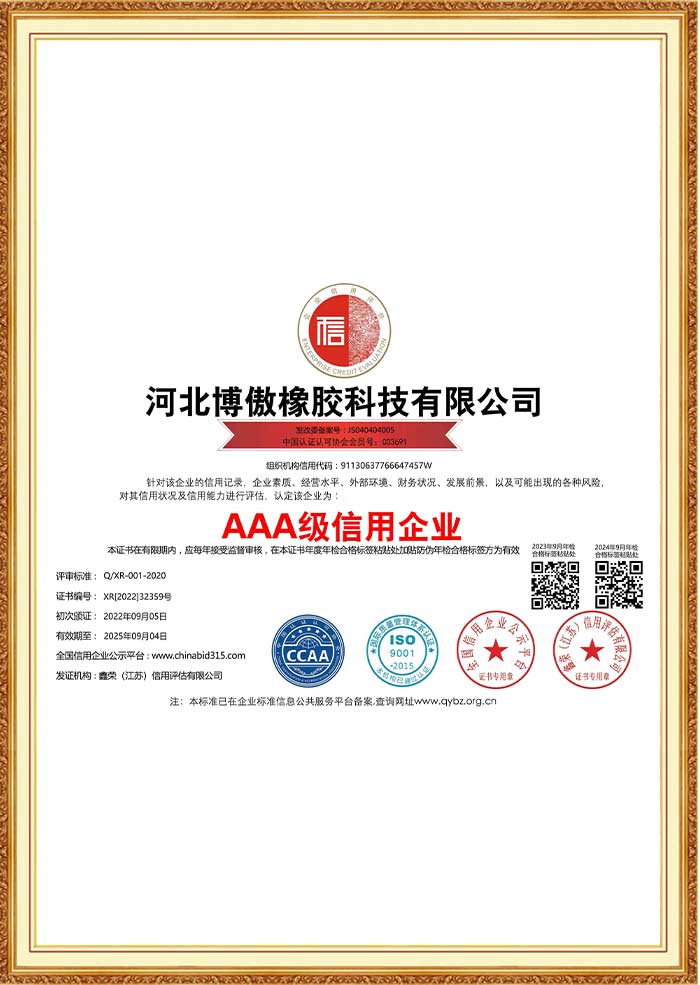
Export Standard Approved
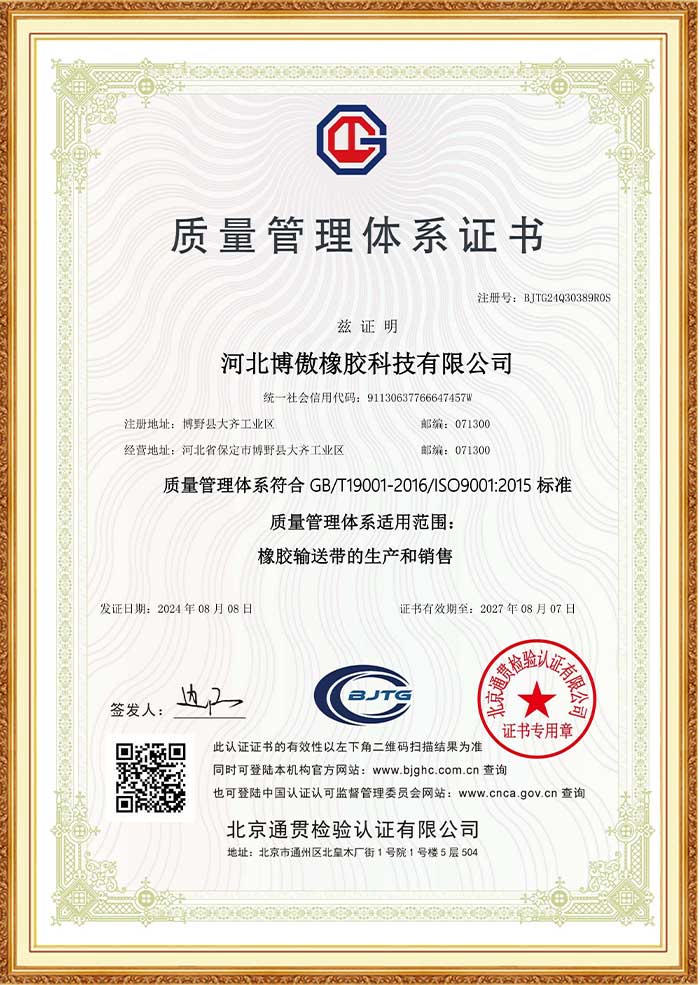
Production Inspected
Proven reliability with major industrial groups and infrastructure projects worldwide.
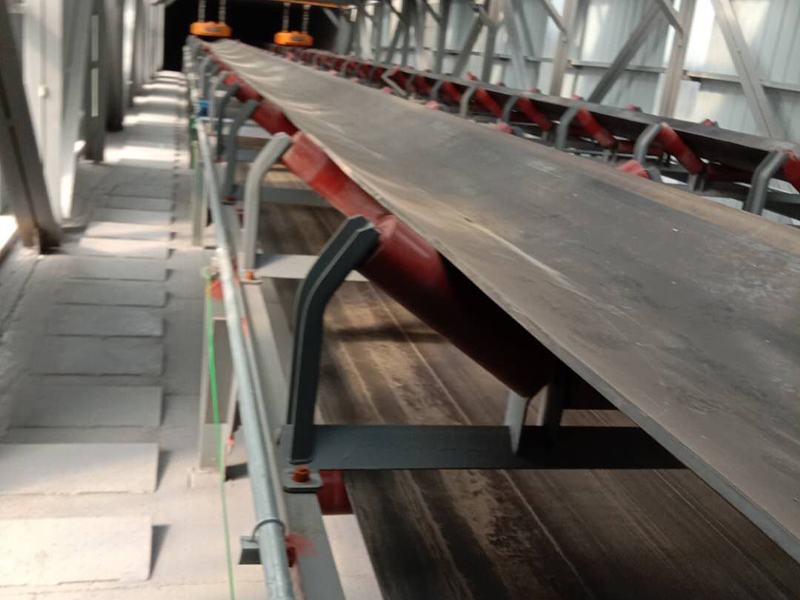
Taihang Steel
Tsingshan Group
Zijin Mining
China Railway Group
Conch Cement
Datong Coal Group
Our engineering support team answers common questions regarding application, design, and longevity.
High ambient UV levels in South Africa can degrade unstable polymers. We add ultraviolet stabilizers to our compounds to prevent early cracking, while monofilament fabric reinforcement prevents belt warping during temperature swings.
Food-grade belts must conform to FDA CFR 21 (US) and EU 10/2011 regulations. Our PU and PVC formulations ensure no chemical migration occurs during direct food contact, preventing contamination in fruit packing, meat processing, and dairy operations.
Rapid contact with rollers can generate static charges, which pose risks in electronics packaging or grain handling. We weave conductive carbon threads into the fabric backing of our anti-static belts to safely ground static charges, conforming to ISO 284 requirements.
We provide reliable supply lines via direct shipping routes from Tianjin or Qingdao ports to Durban, Cape Town, and Port Elizabeth. Standard custom manufacturing runs take 15 to 25 days, followed by sea transit with tracking updates.
Yes, our PVC compounds are highly resistant to mild acids, alkaline detergents, and chlorine treatments, making them ideal for the washdown cycles common in beverage plants.
Select from our range of lightweight polymeric belts, structural idler rollers, and heavy-duty steel wire reinforced systems.
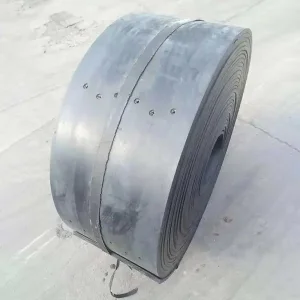
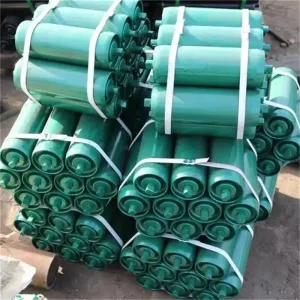
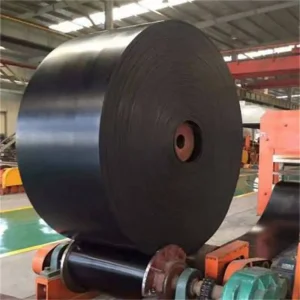
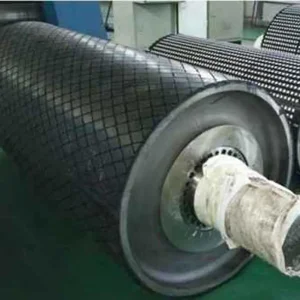
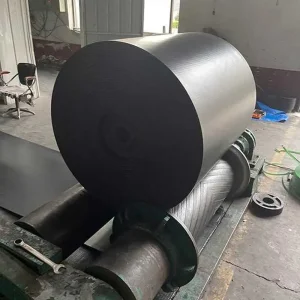
Whether processing bulk agriculture, operating manufacturing lines, or sorting packages, our engineers can design and deliver custom PVC, PU, and rubber conveyor belts tailored to your requirements.
Send Inquiry Now Boao Rubber