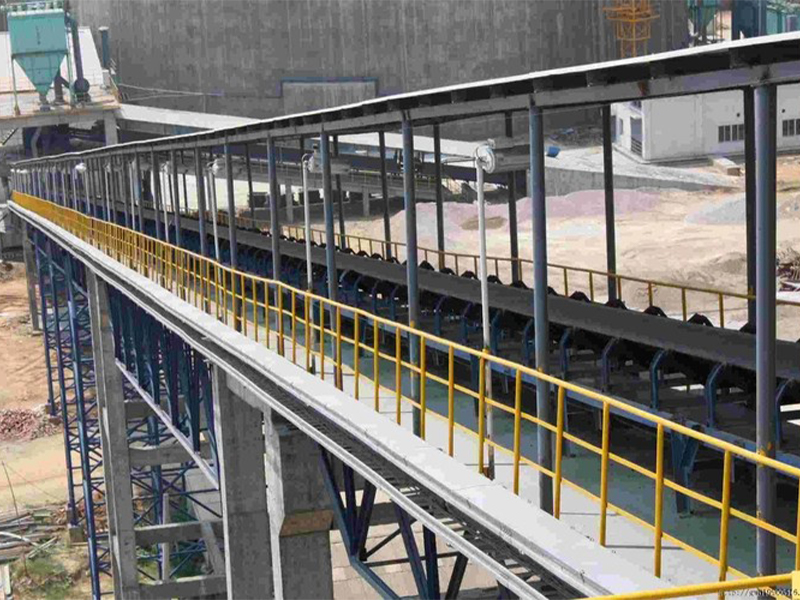
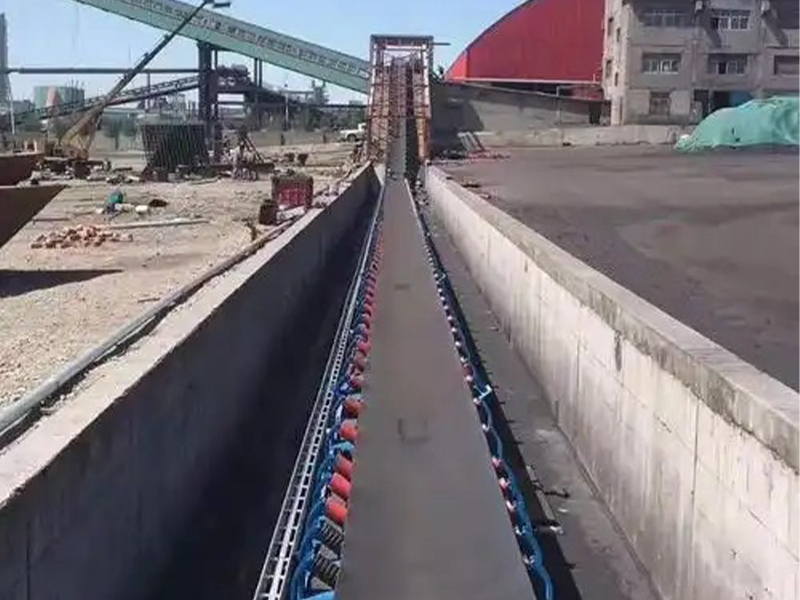
In the era of Industry 4.0, Japan’s manufacturing and logistical landscape is undergoing a significant transformation. With the rapid expansion of automated sorting systems, high-speed food processing facilities, and clean-room semiconductor production across Japan's main industrial corridors—spanning Tokyo, Nagoya, Osaka, and Fukuoka—the demand for advanced polymer materials has escalated. Traditional heavy-duty rubber belts are increasingly being replaced by specialized, lightweight thermoplastic options. Lightweight PVC (Polyvinyl Chloride) and PU (Polyurethane) conveyor belts stand at the forefront of this industrial shift.
Lightweight conveyor belts are engineered to offer low energy consumption, minimized noise pollution, exceptional tensile strength, and unmatched chemical resistance. In Japan, where environmental regulations are stringent and labor shortages drive extreme factory automation, selecting the right belting supplier is no longer just a purchasing decision—it is a critical engineering partnership. Global suppliers must deliver products that conform strictly to Japanese Industrial Standards (JIS) and local food sanitation laws while offering structural characteristics capable of running 24/7 in smart distribution hubs operated by companies like Yamato Transport, Sagawa Express, and leading electronics assembly units.
Japanese factories operate on the principles of Monozukuri (craftsmanship and continuous improvement) and Kaizen. This means every component in a conveyor system must meet precise toleration margins. In food processing plants, particularly in regions like Hokkaido and Shizuoka, food safety compliance is non-negotiable. Conveyor belts must prevent microbial growth, resist harsh washdown chemicals, and maintain structural integrity under extreme temperature variations.
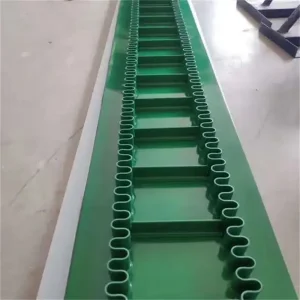
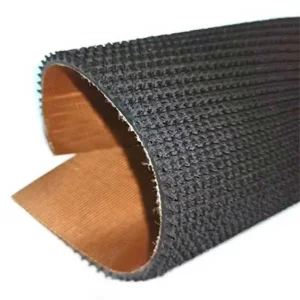
Furthermore, the rise of multi-tier e-commerce sorting hubs requires conveyor belts that feature a low friction coefficient on the bottom side to minimize power draw on the electric motors. Polyurethane (PU) belts, with their superior resistance to vegetable fats, animal oils, and mechanical abrasion, have become the standard for raw food contact and high-accuracy component transport. Meanwhile, Polyvinyl Chloride (PVC) belts remain the material of choice for parcel handling, bulk packaging, and inclined logistics pathways due to their cost-effectiveness and versatile surface textures.
Hebei Boao Rubber Technology Co., Ltd. is located in the Rubber Industrial Park of Boye County, Baoding, Hebei Province. Founded in 2004, the company covers a manufacturing footprint of over 30 acres. Our registered product brand, "Jinao", represents premium industrial reliability, integrating product development, laboratory research, structural design, custom manufacturing, and global logistical services.
We operate multiple advanced production lines for rubber rolling, specialized fabric forming, precision vulcanization, and material testing. Our independent chemical analysis facilities and physics laboratory perform meticulous tests on all raw inputs. This guarantees that only products meeting international benchmarks leave our plant, securing the long-term operational health of our global client systems.
Integrating advanced polymer extrusion, precision multi-ply fabric weaving, and state-of-the-art laboratory certification under one roof.
Our lightweight PVC and PU product lines are engineered to resolve specific challenges across modern assembly and distribution networks.
| Industry Application | Primary Belting Material | Critical Performance Parameter | Standard Surface Profile |
|---|---|---|---|
| Food Processing & Bakery | FDA Polyurethane (PU) | Hydrolysis, fat, and oil resistance; Zero edge fraying | Smooth gloss, Matte finish, Micro-ribbed |
| E-commerce Sorting Centers | Low-Noise PVC | Low friction bottom fabric, Flame retardant (ISO 340) | Diamond profile, Longitudinal groove |
| Semiconductor & Electronics | Anti-Static PU/PVC | Surface resistivity (10^6 to 10^8 Ω/sq) to prevent ESD | Smooth, anti-static carbon fibers integrated |
| Incline Airport Luggage Handling | Heavy-Duty Textured PVC | High grip coefficient, wear-resistant formulation | Supergrip, rough top, checkerboard pattern |
Offers exceptional flexibility even at low temperatures (-30°C to +110°C). Resistant to mechanical abrasion and chemical cleanings, making it the supreme choice for the Japanese food processing sector where sterilization cycles are frequent.
Highly customizable with various top cover thicknesses and fabric reinforcement layers. Outfitted with chemical-resistant plasticizers, it provides stability under ambient plant settings, typical for regional packaging lines and printing shops.
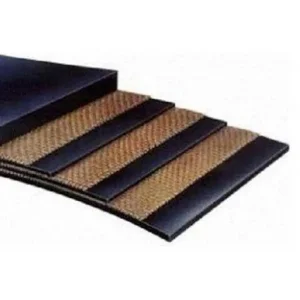
Using rigid Monofilament Polyester in the weft and flexible Multifilament in the warp. This ensures minimal tracking adjustments, low elongation under design load, and silent operation on slider beds.
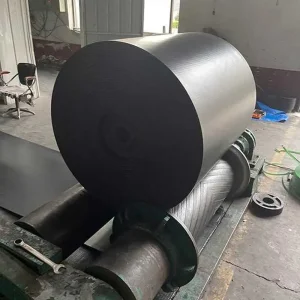
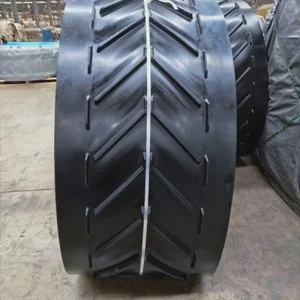
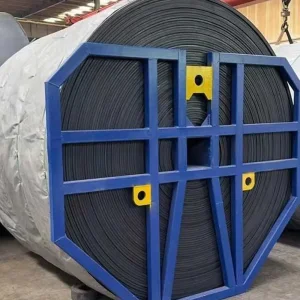
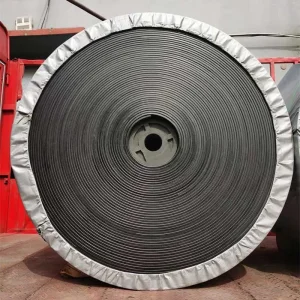
When procurement officers in Tokyo or Osaka evaluate lightweight conveyor belt manufacturers, they look beyond simple pricing. They run complex supplier matrices to ensure supply chain resilience, consistency of polymer thickness, batch-to-batch tracking, and quality control systems.
At Boao, we support these rigorous requirements through a multi-tier manufacturing standard. Our chemistry labs verify that the plasticizers used in our PVC formulations are non-migrating, preventing contamination in delicate clean-room environments. In parallel, our physical testing facilities verify the adhesion strength between the fabric ply and the polymer cover, preventing delamination—one of the most common causes of conveyor belt failure.
The next generation of conveyor belting is driven by sustainability and intelligence. Boao is actively researching bio-based polyurethanes derived from vegetable oils to minimize dependency on fossil resources. In addition, we are integrating conductive carbon grid fibers within the monofilament layer to offer permanent, wear-independent anti-static properties. This is a critical development for high-yield semiconductor assembly processes where electro-static discharges can destroy sensitive silicon wafers.
Operating in the Japanese market requires local compliance. This includes conforming to food contact safety norms such as the Ministry of Health, Labour and Welfare (MHLW) Notification No. 370. To support our distributors and OEM clients in Japan, we provide comprehensive technical data sheets, raw material certificates, and testing reports.
Whether you need custom profiling, tracking guides (V-guides) welded to the bottom side of the belt, or mechanical fastener prep, Boao offers complete manufacturing customization to match Japanese conveyor frames (such as those by Okura, Kyowa, or Sanki).
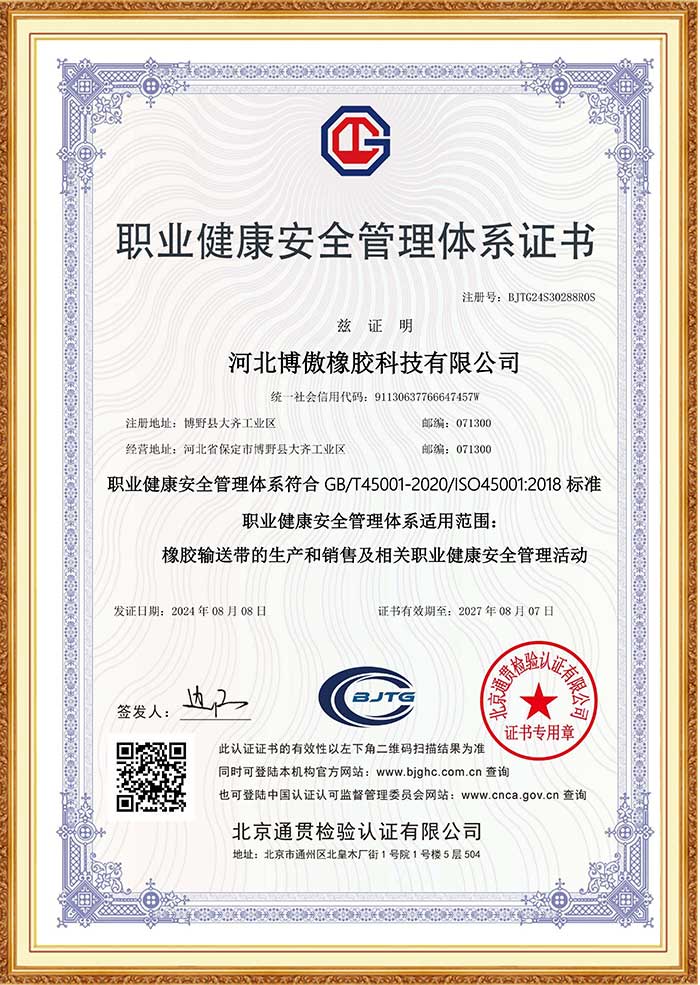
Boao maintains robust quality control systems certified to international manufacturing standards, ensuring consistency across every square meter of belting.
 ISO9001 Quality System
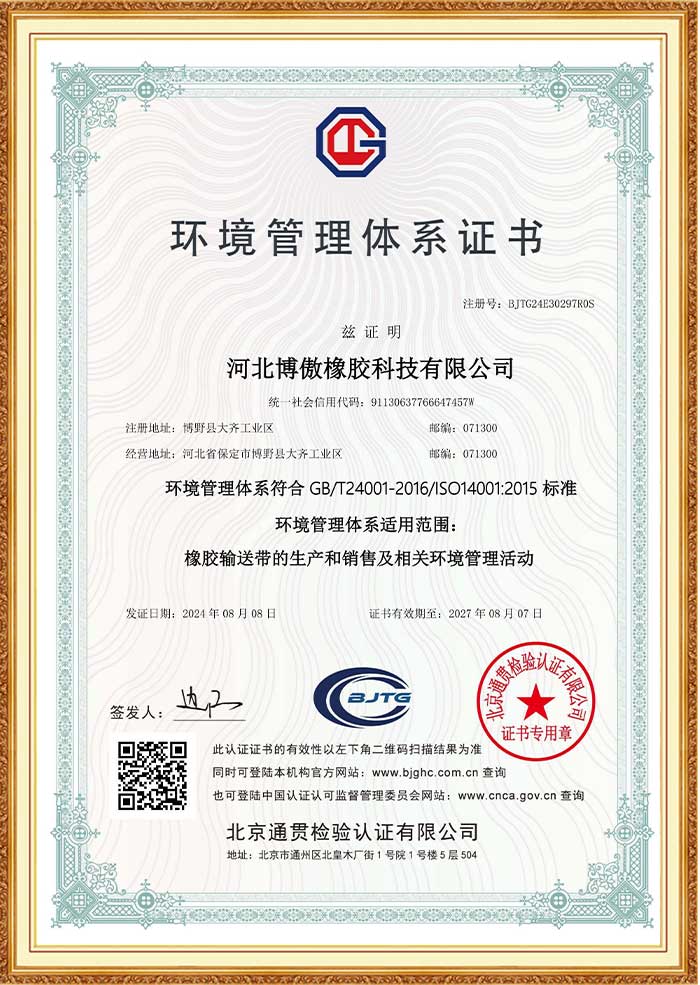 ISO14001 Environment
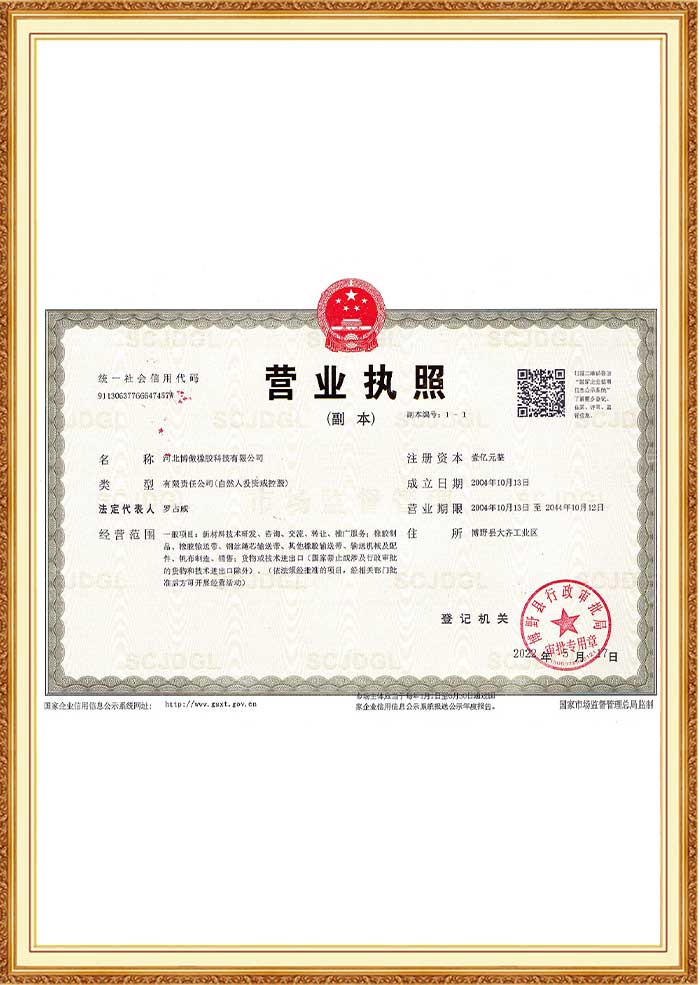 OHSAS 18001 Health & Safety
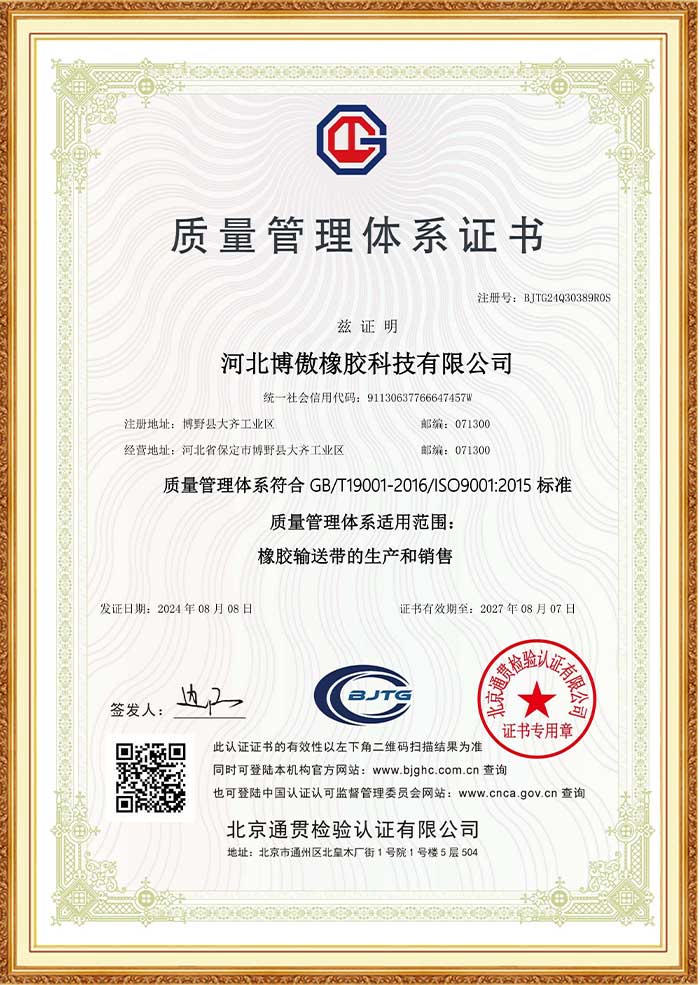 Strict Raw Material Testing
Providing stable material handling products to major industrial operators and engineering systems in Japan and worldwide.
Get clear, technical answers regarding polymer configurations, local compliance, and custom ordering procedures.
 Boao Rubber