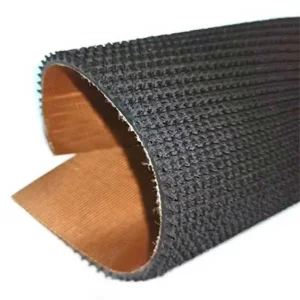
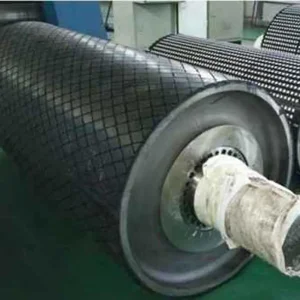
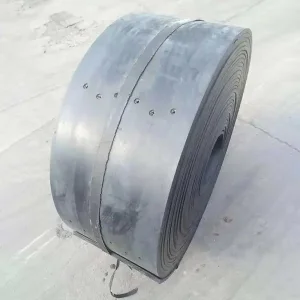
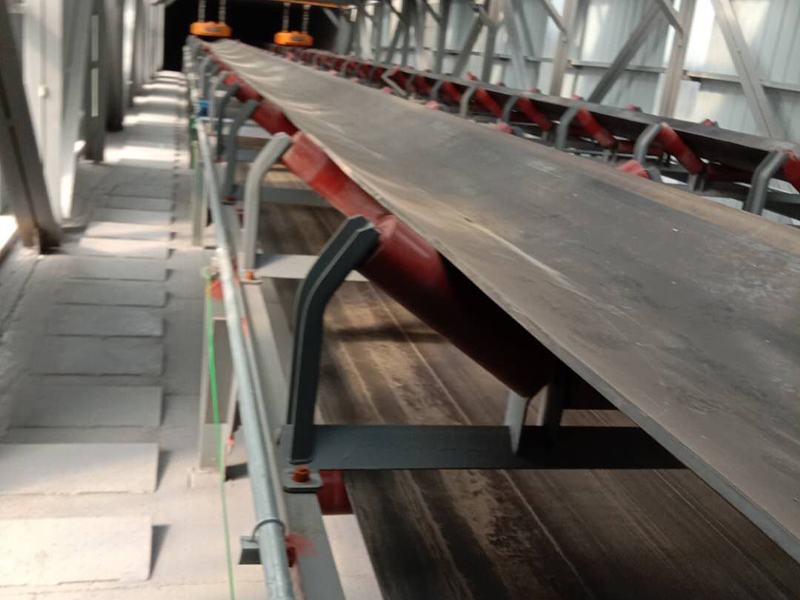
High-performance belts manufactured in accordance with strict international standards for heavy-duty commercial applications.
In modern high-tonnage industrial facilities, the movement of bulk material is not merely a logistical necessity; it is a critical process parameter that directly impacts plant output and profitability. Across global heavy industries—including open-pit mining operations, port loading terminals, metallurgical complexes, and fossil fuel power plants—conveyor belt systems serve as the industrial circulatory system. Within this landscape, the demand for Apache-equivalent rubber conveyor belts has grown exponentially as engineering firms and plant managers prioritize minimizing unplanned downtime.
Industrial conveyor belts operate under diverse, hostile environments. For instance, in deep-level copper and iron ore mines, belts must withstand high-energy impacts from raw rocks dropped from height. In cement processing plants and steel mills, belts carry raw clinker and sintered iron ore at temperatures exceeding 200°C. In fertilizer chemical production plants, chemical exposure requires chemical-resistant compounds. These demanding scenarios make standard rubber belts obsolete, necessitating advanced polymer science and engineered textile reinforcement configurations.
Global markets are moving away from cheap, low-grade rubber due to high lifecycle replacement costs. The industry standard has shifted toward specialized synthetic polymers (EPDM, NBR, Chloroprene) that offer prolonged resistance to oxidation, mechanical shearing, and heat aging.
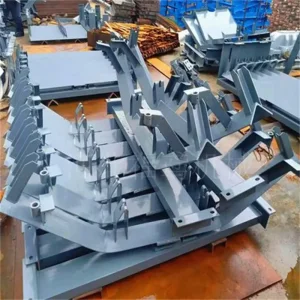
Total Cost of Ownership (TCO) models now govern procurement choices. Upfront material costs are balanced against belt longevity, vulcanized splice integrity, and the maintenance intervals of support structures like idlers and brackets.
Energy-efficient conveyor belts with low-rolling-resistance cover compounds are reducing the power draw of multi-kilometer overland conveyor systems, helping operators meet strict environmental compliance goals.
Designing performance-optimized conveyor belts requires deep control over compounding biochemistry and physical structural dynamics.
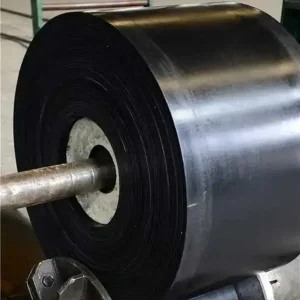
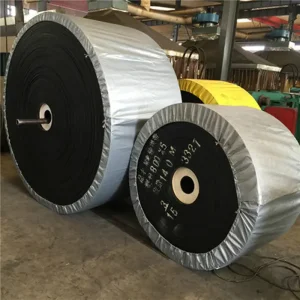
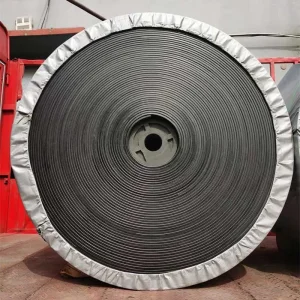
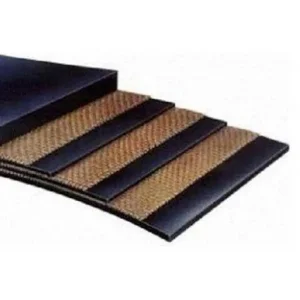
The core of a high-tensile rubber belt consists of two main elements: the carcass, which provides the structural tensile load capability, and the rubber covers, which protect the carcass from wear, chemicals, temperature extremes, and environmental degradation.
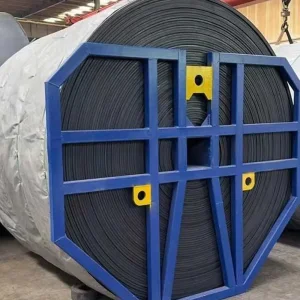
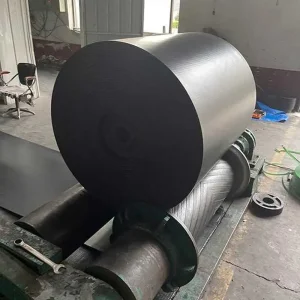
Modern conveyor belts typically utilize either a multi-ply synthetic fabric carcass or a single plane of high-tensile steel wire ropes:
We configure the cover rubber compound according to the exact search intent of specific material handling tasks:
Our Heat-Resistant (HR) belts utilize specialized Ethylene Propylene Diene Monomer (EPDM) rubbers. Unlike standard SBR compounds, which harden and crack under high temperatures, EPDM maintains its flexible structure even when exposed to bulk materials at temperatures up to 200°C (with peak surges to 400°C). This polymer design resists thermal cross-linking, preventing cover brittle failures.
Conveying materials containing acids, bases, or oils causes rubber swell and ply separation. Our Acid and Alkali resistant belts are formulated with specialized elastomeric blends that present low chemical permeability. This blocks chemical penetration into the EP carcass, ensuring long-term adhesion and preventing premature structural delamination.
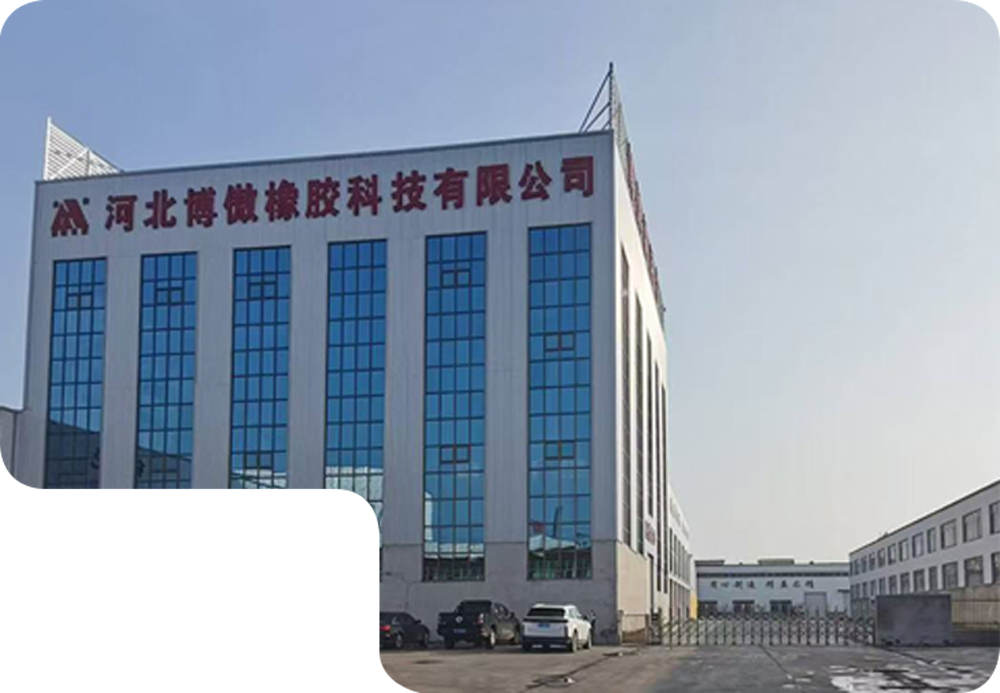
Hebei Boao Rubber Technology Co., Ltd. is located in the Rubber Industrial Park of Boye County, Baoding, Hebei Province, China. Established in 2004, the enterprise has grown over 22 years to span a modern manufacturing facility covering over 30 acres.
Under our brand name "Jinao", we operate as a professional manufacturer in China that integrates raw materials chemistry, design engineering, advanced vulcanization manufacturing, and full-cycle technical support services. Our facilities house modern automated equipment lines for raw elastomer mixing, fabric calendering, high-pressure vulcanization molding, and final product testing.
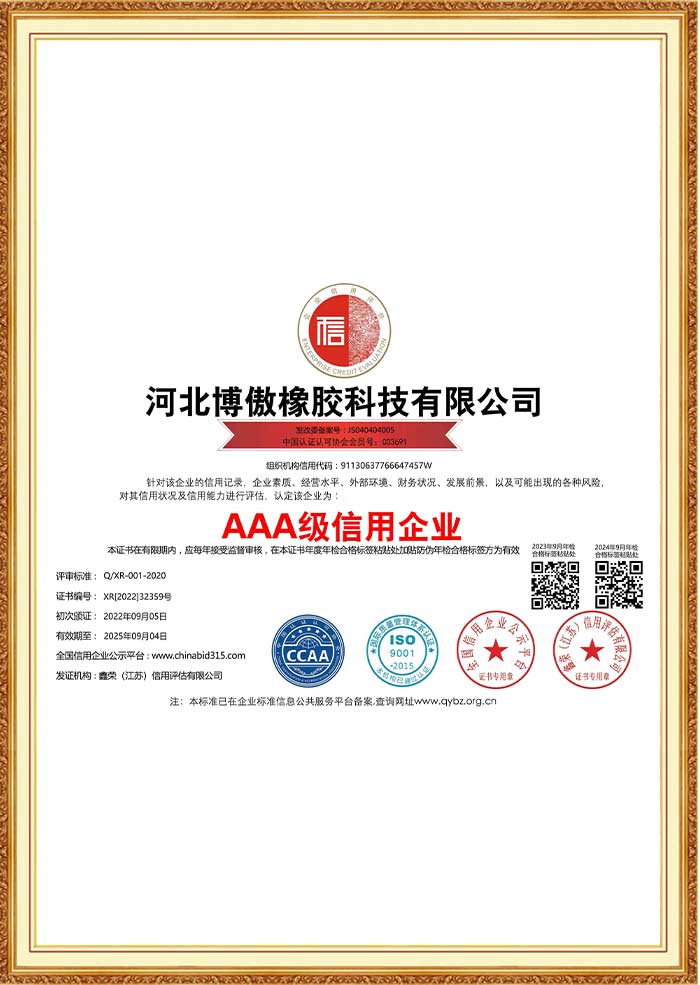
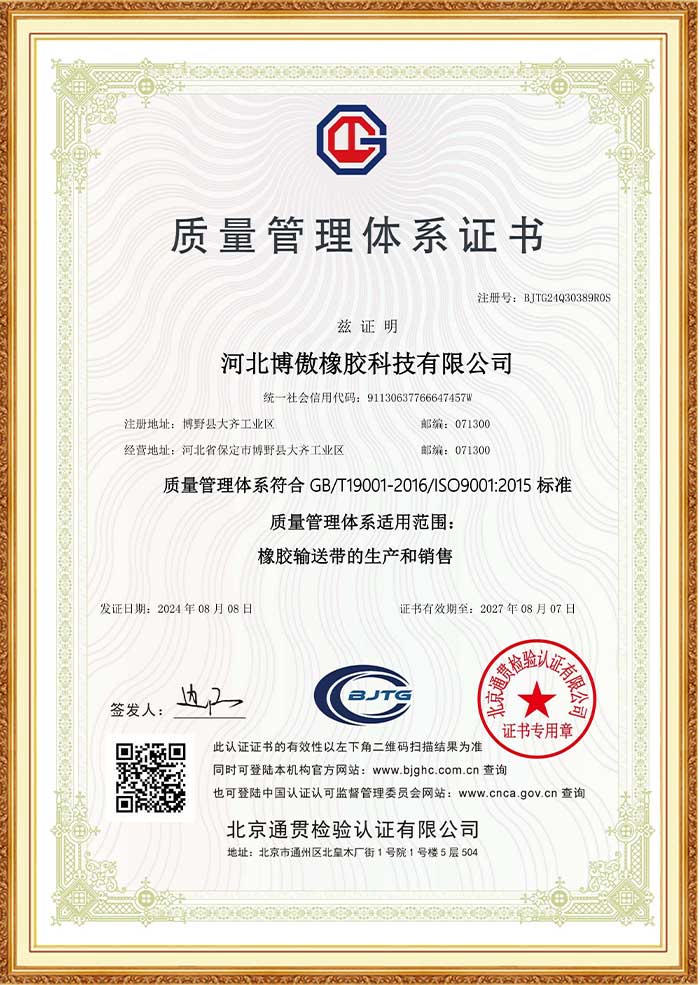
Having passed international quality management systems at our inception, Hebei Boao is dedicated to ensuring that no raw materials enter the plant unchecked, and no conveyor product leaves our loading docks without passing laboratory inspection.
How Jinao Brand products perform under real-world industrial strains across regional economies.
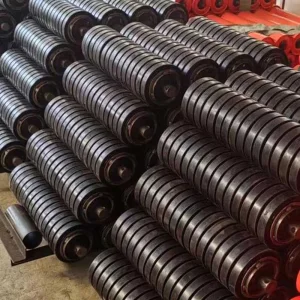
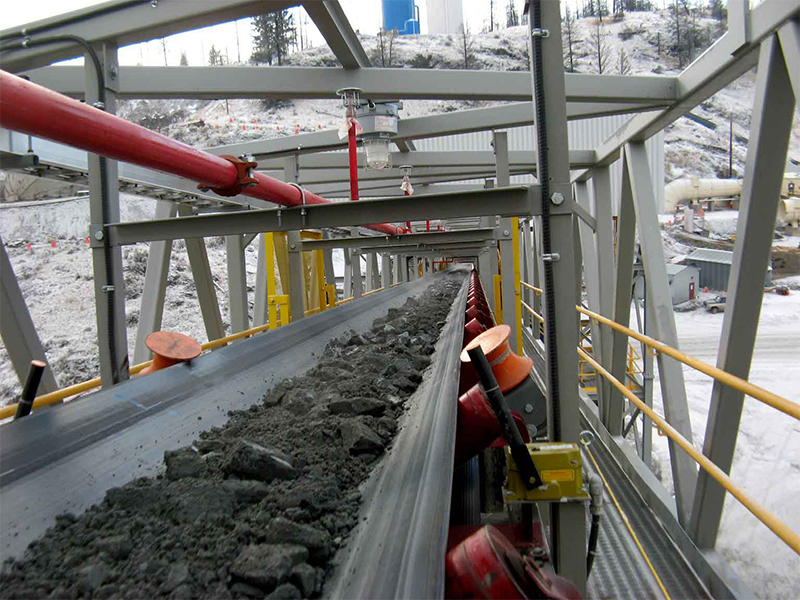
Operating in environments like the Datong Coal Group and Zijin Mining complexes, our heavy-duty steel wire rope belts and impact-resistant rubber buffer rollers absorb high-velocity impacts from falling rocks. This prevents tearing and ensures continuous system operation.
At Taihang Steel and Puyang Steel Group, conveyor systems handle glowing sinter and coke. Standard rubber belts would degrade quickly here. Our custom EPDM formulations withstand high temperatures without softening, ensuring long service life.
For Conch Cement and Jidong Cement Group, conveying abrasive cement dust and clinker demands highly abrasion-resistant rubber covers. Our DIN Grade W/X cover designs minimize rubber erosion, reducing maintenance and replacement costs.
In addition to advanced material design, the structural efficiency of our Boye County factory provides significant advantages. By leveraging local supply chains for rubber and synthetic fibers, Hebei Boao maintains steady production schedules. This local integration shields international buyers from global supply disruptions, keeping lead times short and pricing stable.
Our centralized manufacturing also enables rigorous quality control. Raw ingredients undergo inspection before processing, and finished products undergo tensile, abrasion, and temperature-tolerance tests in our physics laboratory before shipping.
Ensuring performance and durability through rigorous quality control and professional support.
Our facility houses an independent chemical analysis lab and a physics laboratory. This allows us to monitor raw materials, test tensile strength, evaluate abrasion resistance, and measure heat resistance. Non-compliant materials are rejected before processing, ensuring consistent quality.
We support our products with a comprehensive service program, which includes lifecycle assessment, planned maintenance, emergency splice repairs, and inventory management. This systematic support helps customers optimize belt performance and minimize downtime.
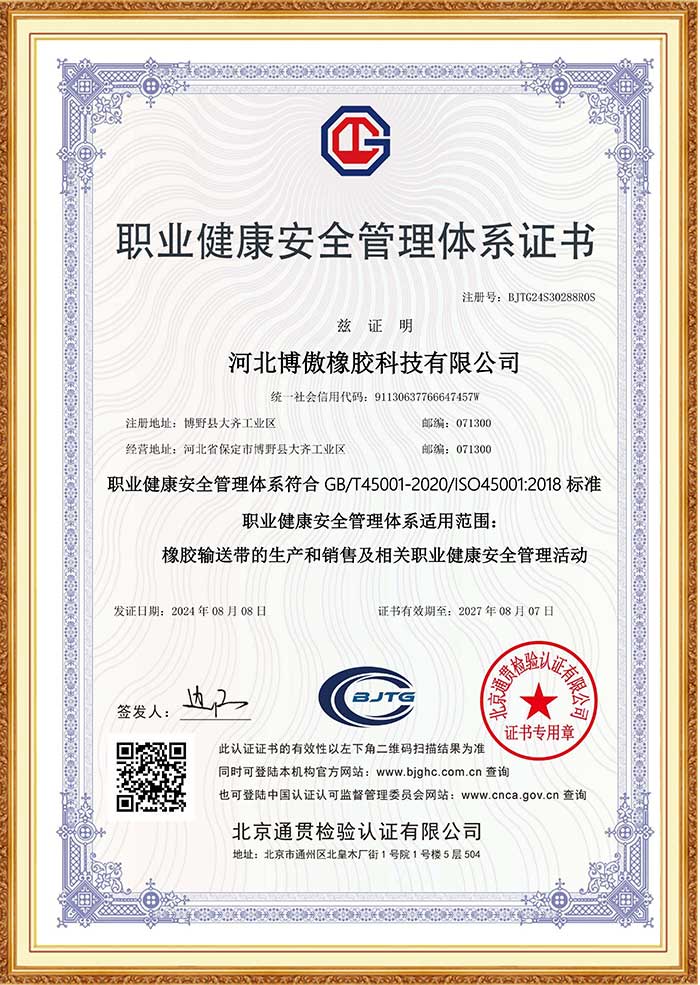
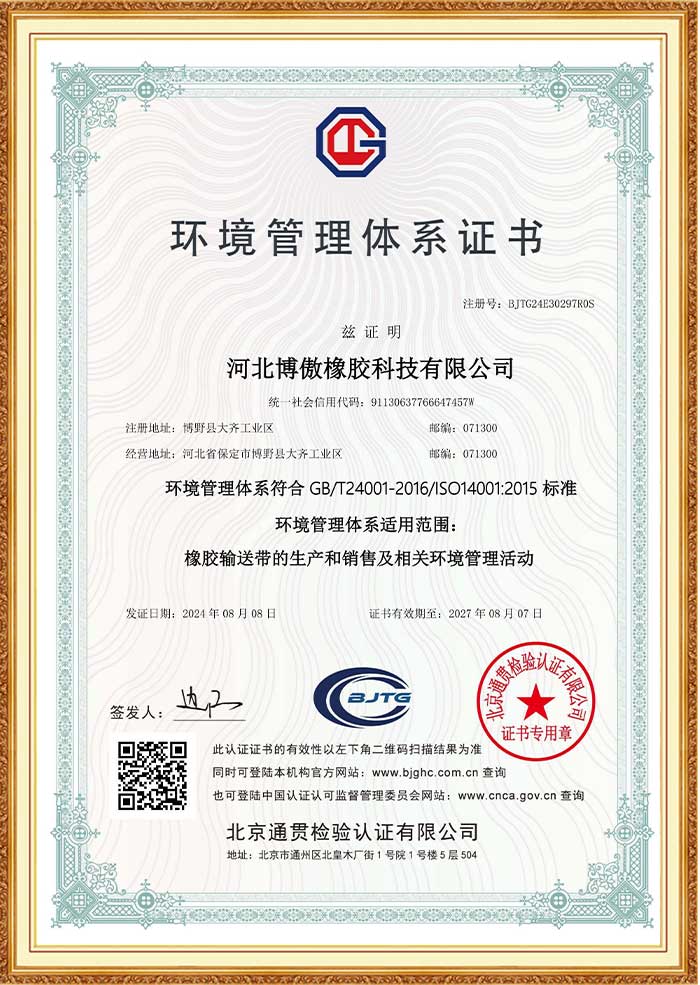
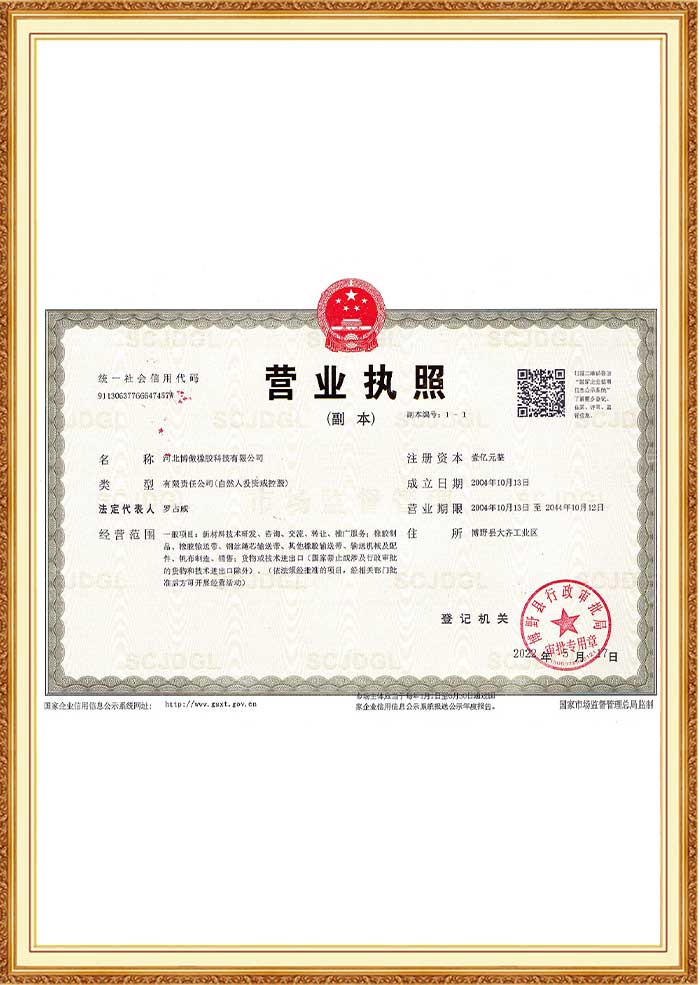
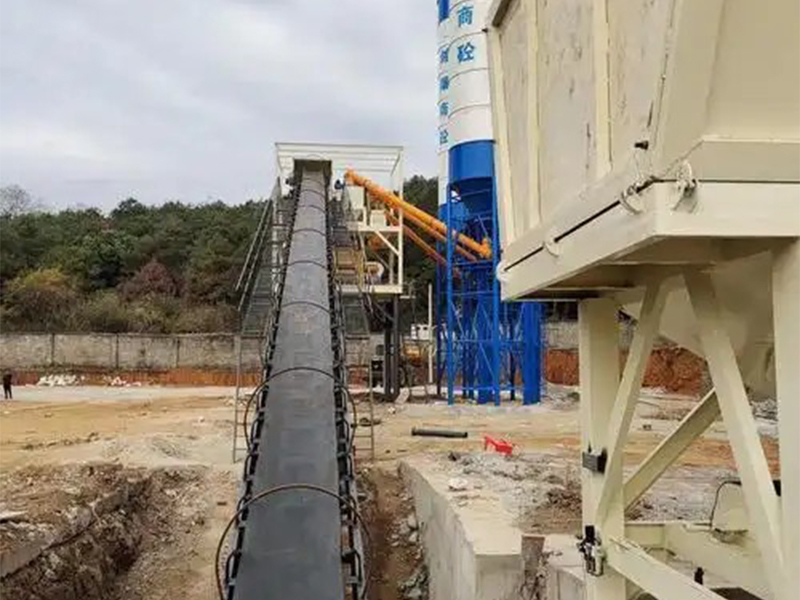
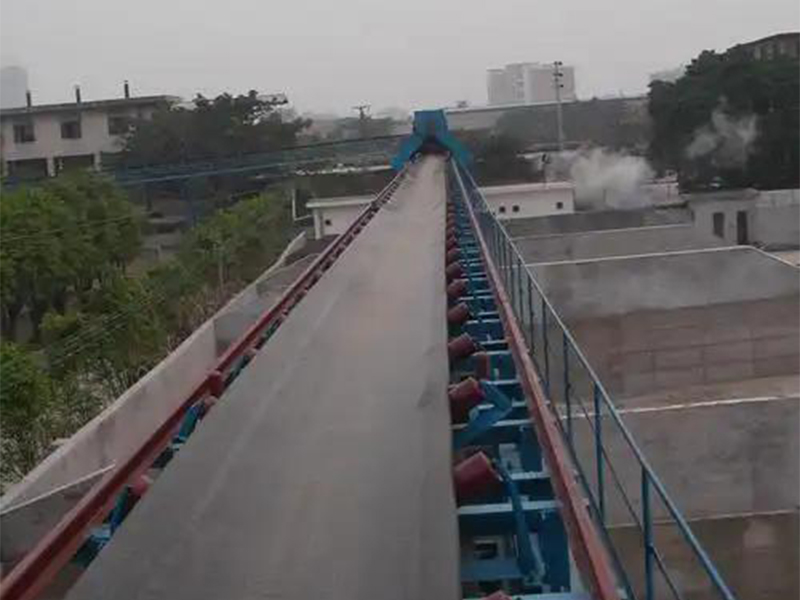
Jinao Brand conveyor systems are deployed by major industrial enterprises across coal mining, power generation, cement production, and metallurgy.
China Railway Group
Conch Cement
Datong Coal Group
Tsingshan Group
Jidong Cement Group
Jinmei Group
Taihang Steel
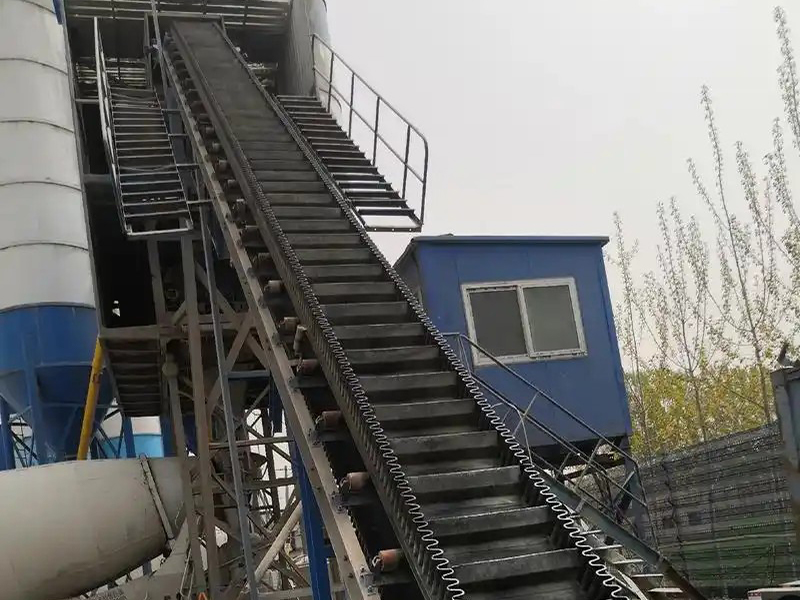
Puyang Steel Group
Providing actionable data and design specifications to help you optimize conveyor component selection.
Selection depends on the abrasiveness and cut risk of the handled material. DIN Grade X provides high resistance to severe cutting, gouging, and heavy impact from large materials. DIN Grade Y is a standard choice for general bulk material handling (such as coal and crushed ores) where wear is primarily abrasive. DIN Grade W is designed for highly abrasive materials (like slag or sand) to resist micro-grooving, while DIN Grade Z is suited for lighter materials under moderate wear conditions.
Standard rubber compounds degrade when exposed to heat because the sulfur cross-links harden and become brittle. We address this by using peroxide-vulcanized EPDM (Ethylene Propylene Diene Monomer) compounds. These carbon-to-carbon bonds withstand higher thermal energy, allowing our heat-resistant belts to handle continuous bulk materials at 200°C while resisting cracking.
Steel cord belts are typically preferred for long overland runs because of their low elongation (0.1% to 0.2%), which reduces take-up travel requirements. They also offer high tensile strength (up to ST5400) and excellent troughability. For shorter or medium distances, multi-ply EP belts are often preferred due to their lighter weight, lower cost, ease of splicing, and high resistance to impact and chemical corrosion.
We use specialized polymers with low chemical reactivity and swelling properties. This prevents acidic or alkaline fluids (such as phosphoric acid or chemical slurries) from penetrating the rubber cover and weakening the EP carcass adhesive bond, preventing premature cover peeling.
We maintain a multi-step quality control system. Raw elastomers, fabric plies, and compounding chemicals undergo chemical analysis upon receipt. During production, electronic systems monitor compound mixing temperatures. Finally, vulcanized products are tested for tensile strength, elongation at break, and adhesion in our laboratory to ensure compliance before shipment.
Discover our full line of material handling components, engineered for demanding industrial environments.
 Boao Rubber