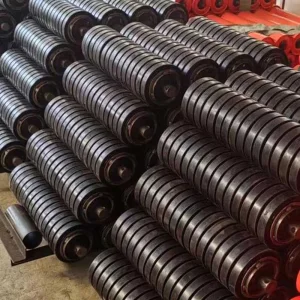
Engineered for extreme tensile load, thermal variance, and abrasive environments. Sourced directly from certified factories.
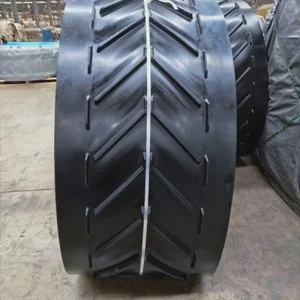
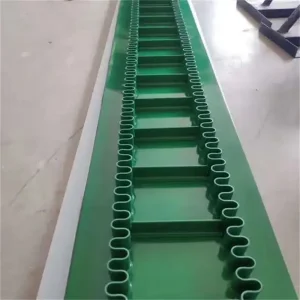
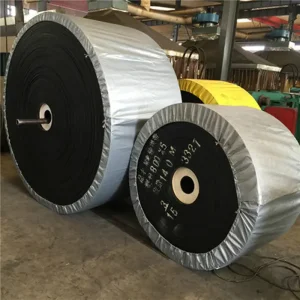
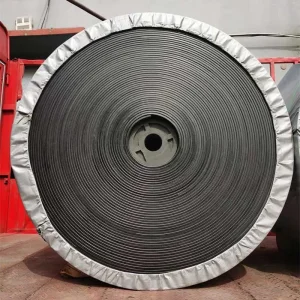
Within bulk material transport logistics, the carrying idler belt conveyor system serves as the foundational load-supporting architecture. Positioned along the carrying run of the conveyor belt, these specialized roller configurations maintain structural tension, limit belt sagging between support frames, and minimize rolling resistance.
Without properly engineered carrying idlers, high-tension rubber belts are vulnerable to accelerated wear, misalignment, and excessive power draw. Modern material handling environments demand systems optimized according to the standard bulk densities and kinetic dynamics of specific operations, which is why sourcing high-performance idlers is critical to mitigating operational down-time.
Carrying idler sets are typically configured in 3-roll troughing arrangements (ranging from 20° to 45°). A 35° trough angle is the industry benchmark for optimizing bulk volumetric capacity while minimizing localized shear stress along the belt's transition zones.
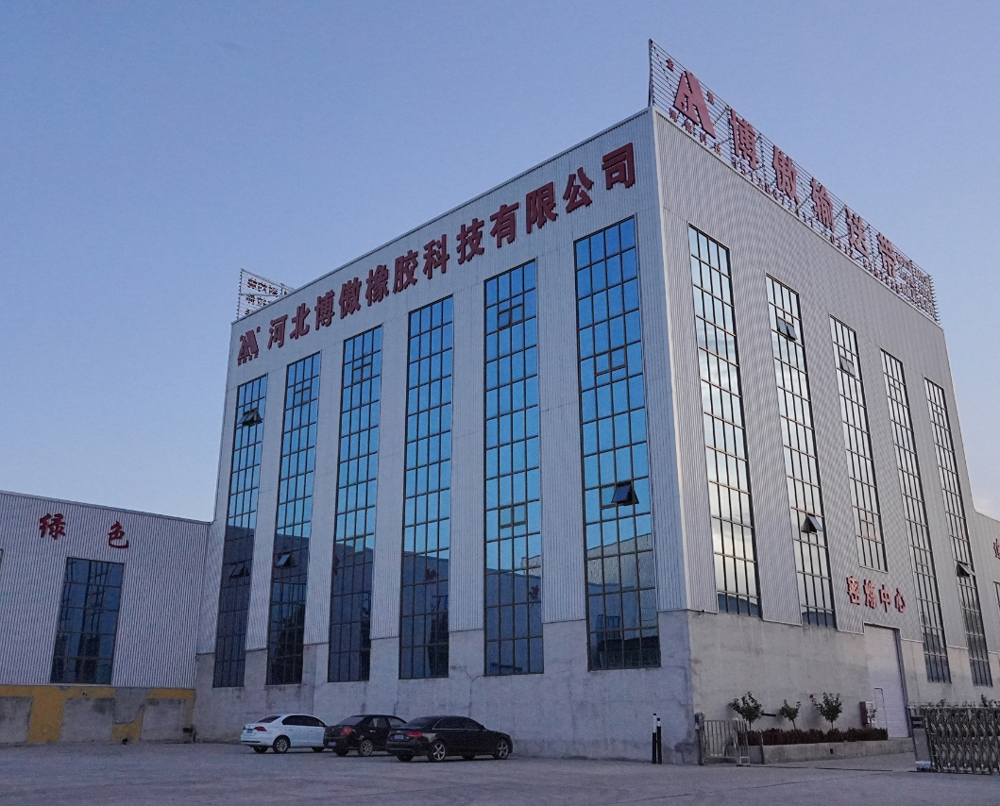
A Legacy of Quality & Structural Trust Since 2004
Located in the heart of the Rubber Industrial Park of Boye County, Baoding, Hebei Province, Hebei Boao Rubber Technology Co., Ltd. has established itself as an authoritative manufacturer integrating advanced product design, material formulation research, customized conveyor belt vulcanization, and mechanical accessory design.
Under our core brand "Jinao", we engineer a diverse array of industrial conveyor systems and high-resiliency components. Our manufacturing processes utilize state-of-the-art automated rolling mills, high-precision vulcanization presses, and computerized rubber testing equipment to ensure every batch exceeds global industrial performance metrics.
The global heavy-material handling sector relies on robust logistical pipelines. Choosing a dedicated Chinese manufacturer like Hebei Boao Rubber Technology offers distinct operational and cost benefits:
Boye County's industrial cluster houses local supply lines for premium natural rubber, high-tensile steel cables, and performance chemicals. This localization shortens lead times and maintains stable batch characteristics.
Operating custom vulcanization units, high-temperature molding ovens, and CNC lathe assemblies ensures that our mechanical rollers maintain precise concentricity tolerances, lowering vibration during system operation.
Our raw elastomers and steel structural components undergo rigorous testing inside independent chemical and physical laboratories, ensuring no suboptimal materials reach production stages.
A carrying idler does not work in isolation; it operates in a delicate tribological and mechanical relationship with the conveyor belt. When material is loaded onto the belt, the carrying idler must absorb the vertical kinetic energy and translate the linear motion smoothly. Selecting the proper combination of idler spacing, roller diameter, and rubber belt elasticity is essential for structural longevity.
Different industrial processes require distinct rubber formulations and core reinforcements to manage structural loads:
Carrying idler performance depends heavily on structural integrity, bearing selection, and dust sealing:
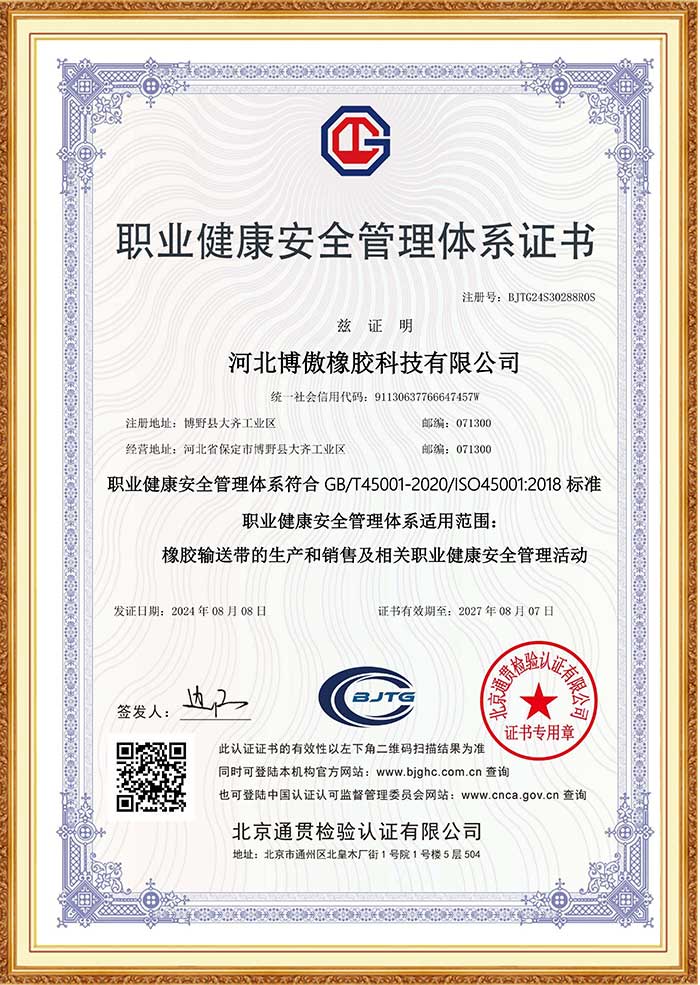
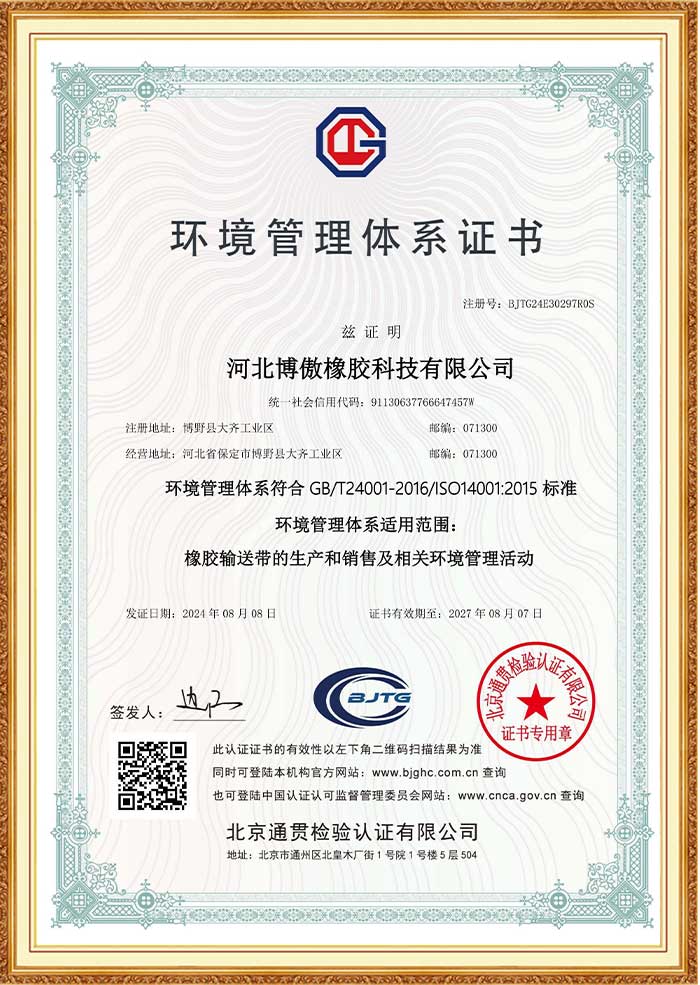
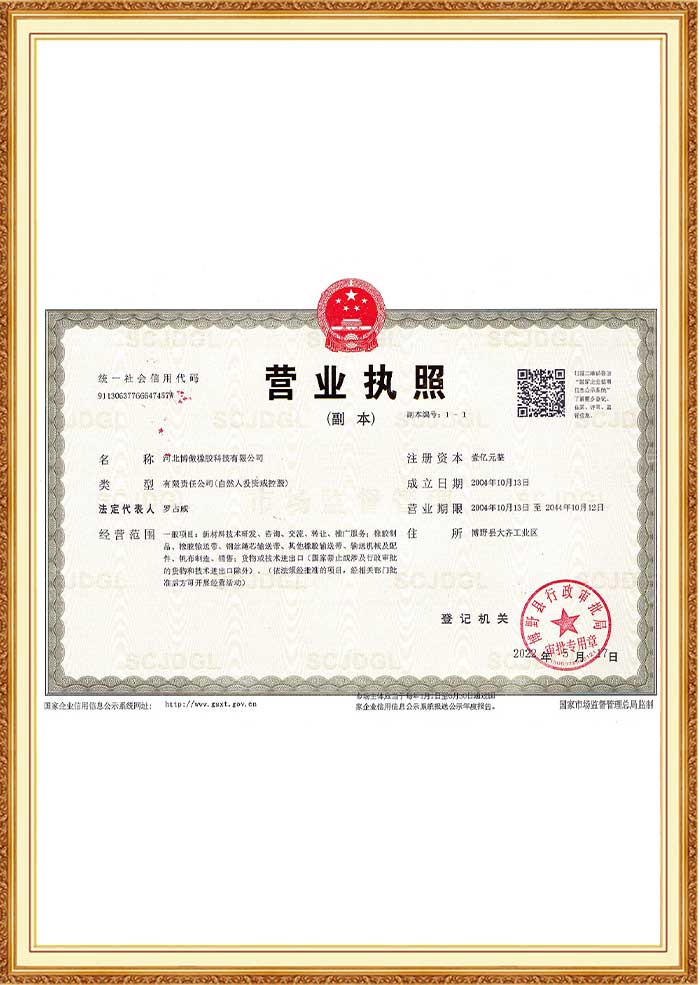
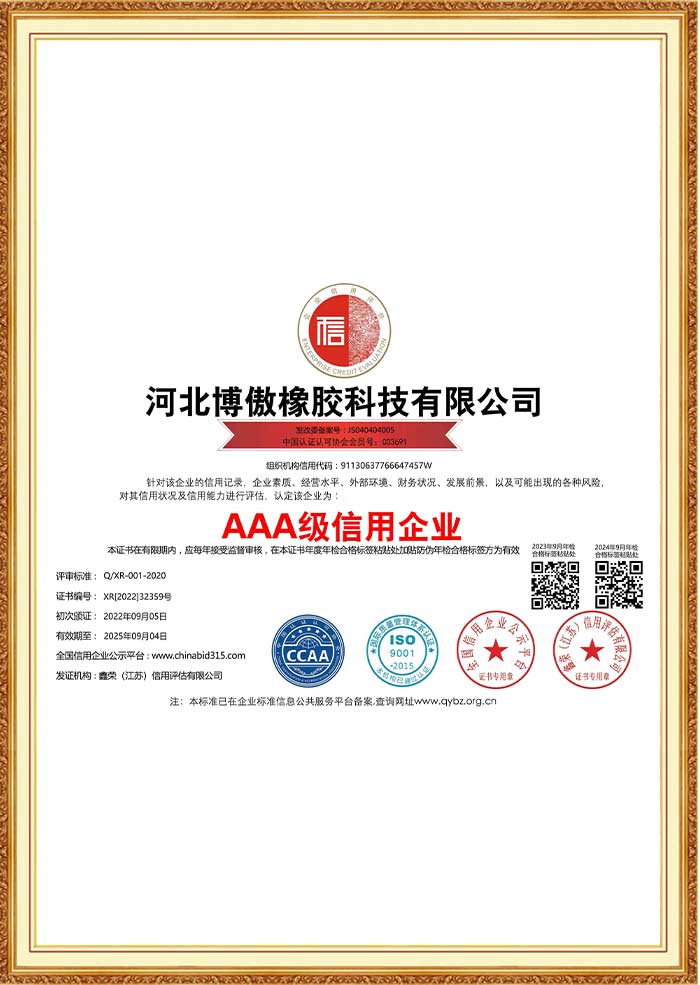
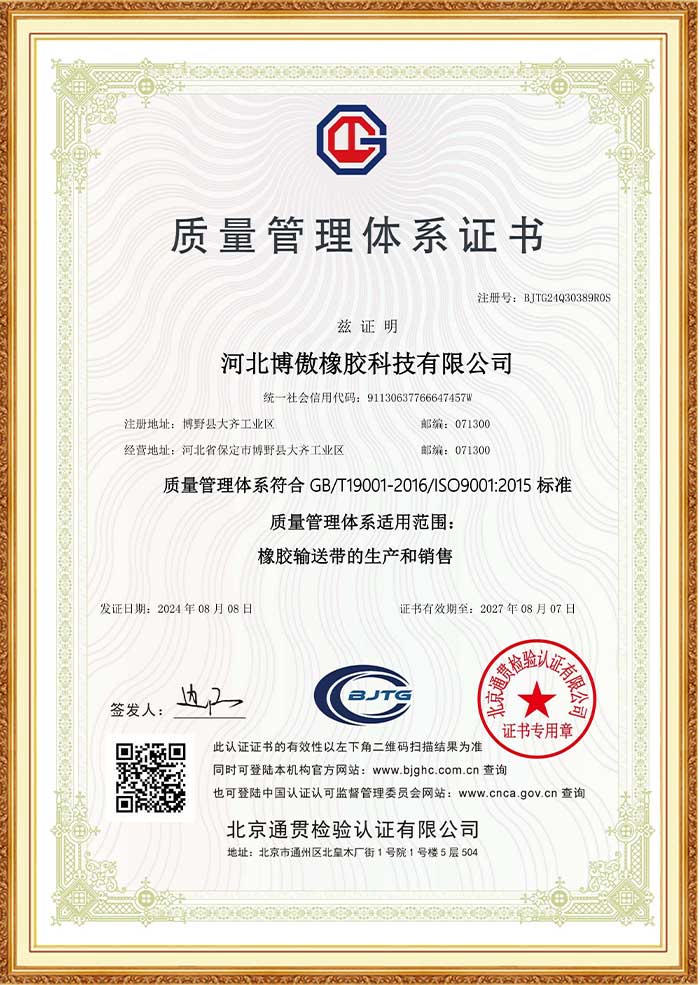
Verified compliance for mining, steel fabrication, and marine port applications.
Proven performance under real-world operating loads with global enterprises.
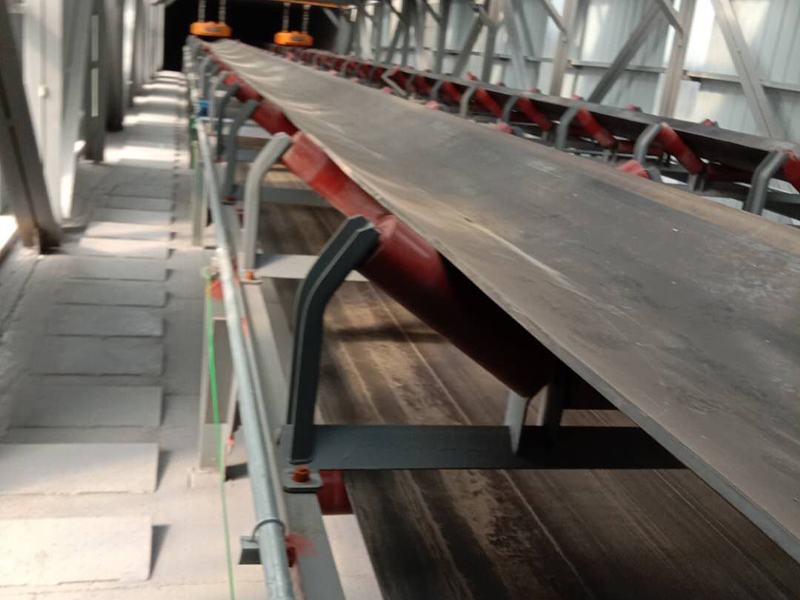
High-temperature sinter transport lines equipped with Jinao heat-resistant belts and heavy-duty troughing idlers.
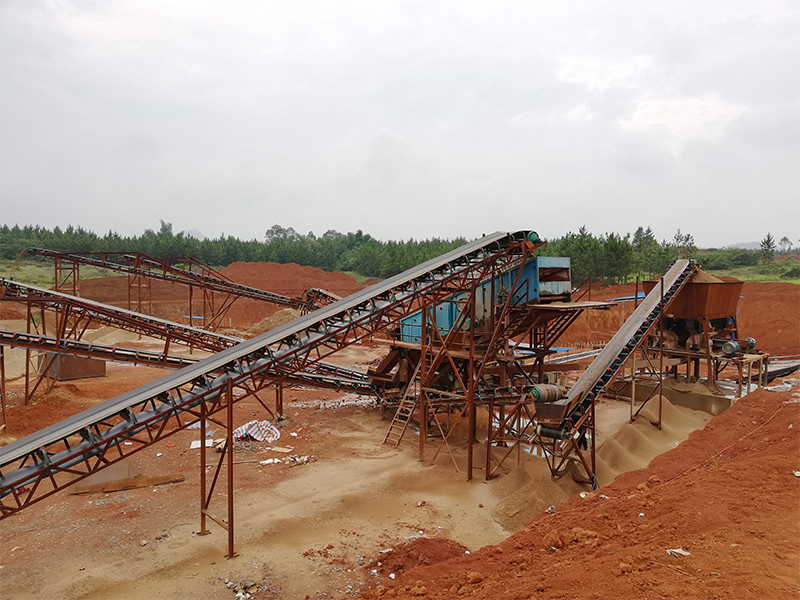
Nickel ore processing lines requiring acid and alkali-resistant rubber belts paired with anti-corrosive carrying idlers.
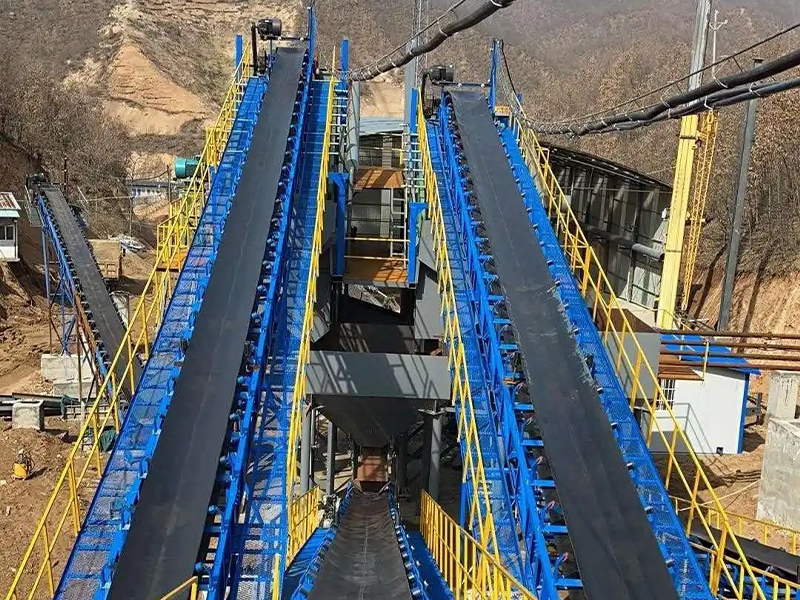
Supplying deep-underground steel wire rope core conveyor systems for high-tonnage ore extraction operations.
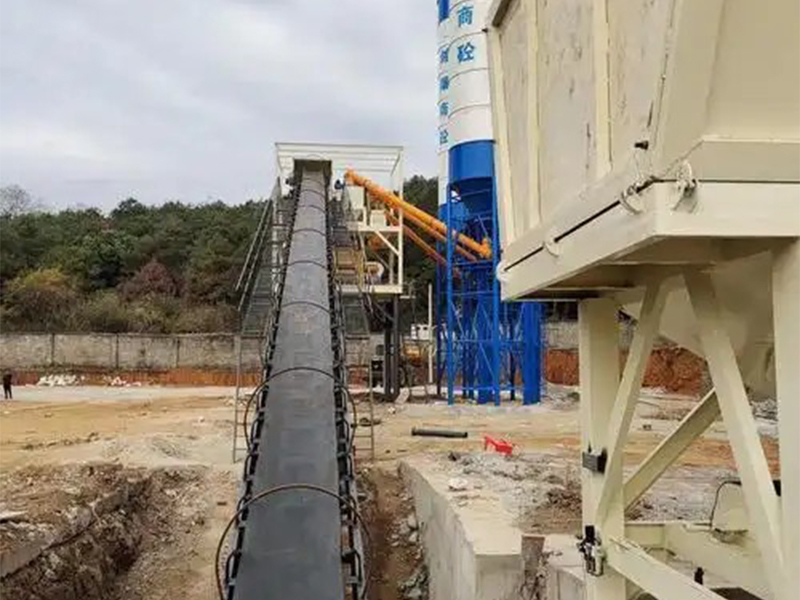
Continuous concrete mixing plants utilizing high-inclination corrugated sidewall belts to optimize vertical space.
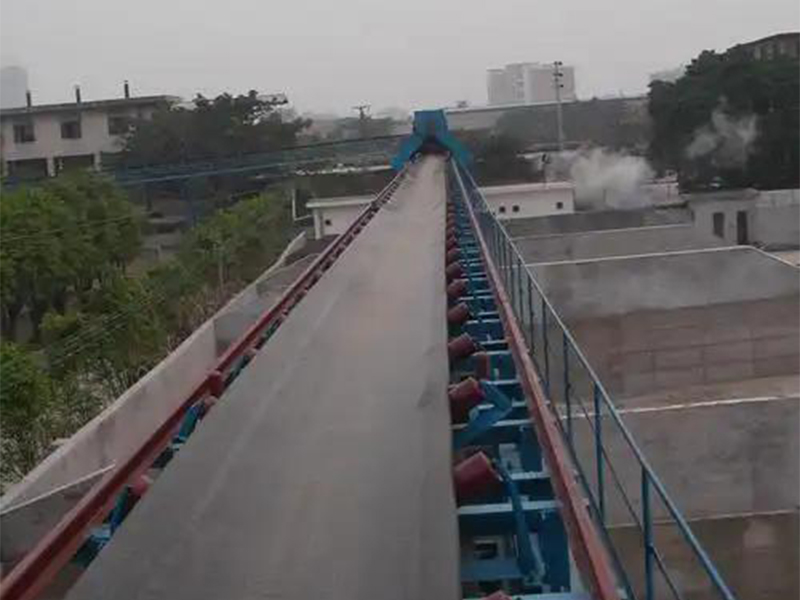
Clinker transport handling using abrasion-resistant rubber compounds and long-lasting carrying rollers.
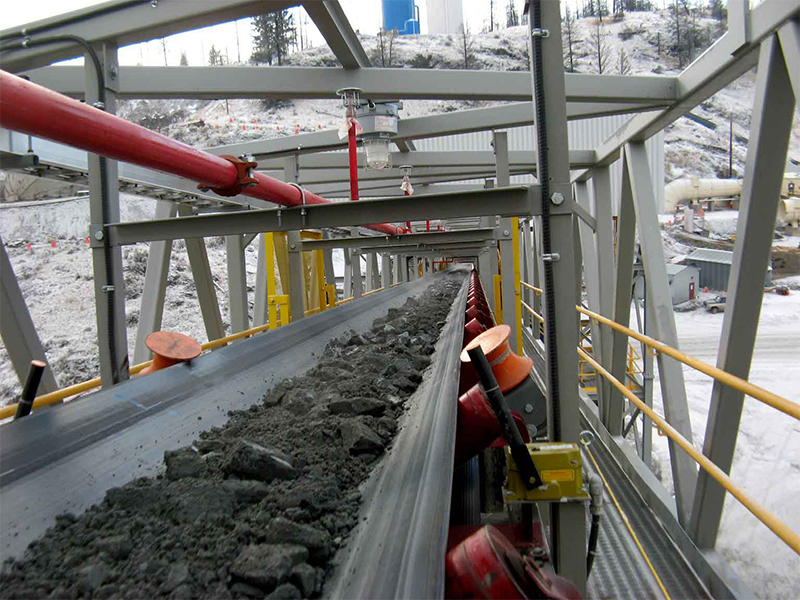
Flame-retardant underground coal transport belts paired with custom return and impact idlers.
Modern bulk logistics operations cannot afford unplanned system downtime. That is why Hebei Boao Rubber Technology offers complete field engineering, preventative maintenance support, and custom component retrofits.
Planned scheduled replacement, hot/cold splice vulcanization repair, mechanical inspections, structural roller tracking, and emergency repair of high-tension belts.
Supply of custom conveyor belts and vulcanization materials, safety stock management, on-site splice preparation, roller alignment, and 24/7 emergency dispatch.
Targeted optimization of operational efficiency, reduction of rubber belt wear, minimal friction coefficients, and low energy consumption across system life cycles.
Extending the standard service life of heavy rubber belts by 30-50% through regular tracking checks, correct idler spacing, and preventative maintenance.
Sourcing large industrial components internationally requires strict compliance with domestic and international safety standards. Our manufacturing lines are built around major regulatory systems, including:
Additionally, we work with local logistics partners to manage import tariffs, clear customs smoothly, and provide on-site technical support through local field technicians in North America, Europe, and Australia.
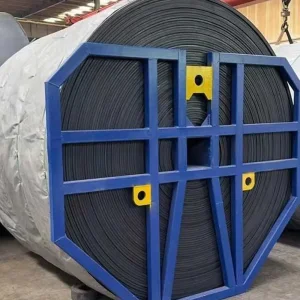
We work with international logistics firms to offer customized packing, anti-humidity container loading, and specialized flat-rack shipping for heavy-duty steel wire rope cores and oversized conveyor rolls.
The material handling sector is adopting smart technologies to improve system reliability. We are actively developing next-generation solutions to meet these requirements:
Developing carrying idlers with embedded temperature and vibration sensors to detect bearing wear before a roller failure can damage the belt.
By optimizing internal viscoelastic properties, our energy-efficient rubber back covers reduce indentation rolling resistance as the belt passes over carrying idlers, saving energy on long conveyor flights.
Using sustainable processing oils and recycled reinforcing polymers to lower the carbon footprint of our rubber conveyor belts without sacrificing abrasion resistance or tensile strength.
Expert technical answers regarding carrying idler selection, belt maintenance, and import protocols.
Connect with Boao's technical engineers to design a conveying solution optimized for your specific material load and operating conditions.
Request Free Technical ConsultationEngineered for long-distance transport, impact zones, and steep inclines.
 Boao Rubber