Engineered for high tensile strength, supreme abrasion resistance, and seamless joint integration. Match with our advanced hot vulcanizing solutions.
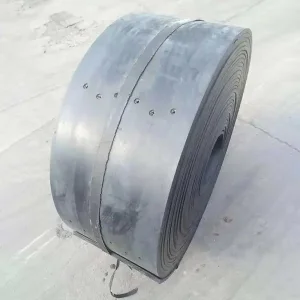
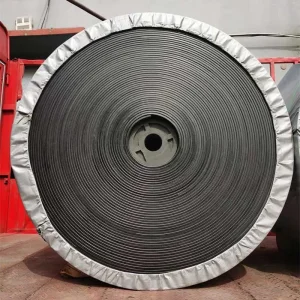
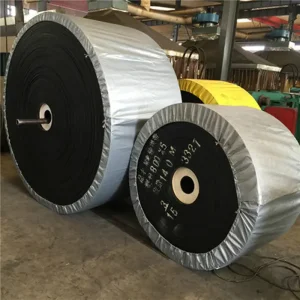
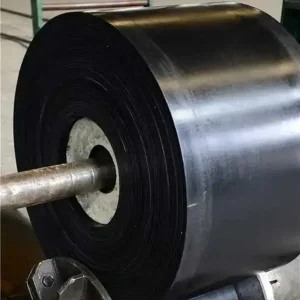
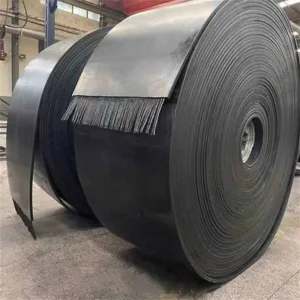
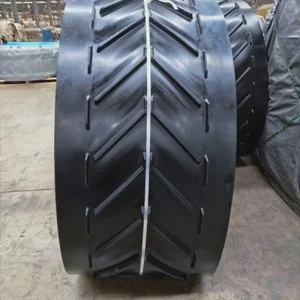
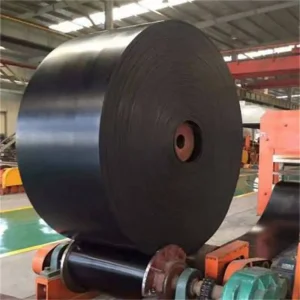
In heavy-duty material transport, conveyor belt joints represent both the weakest link and the most critical point of maintenance in the entire logistics network. When a conveyor belt breaks or splits, operations halt immediately, generating massive down-time costs. This is where conveyor belt hot vulcanizing machines become indispensable. Unlike mechanical fasteners or cold chemical bonding agents, hot vulcanization creates a physical joint that restores up to 90% of the belt's original tensile strength. By utilizing heat, pressure, and raw rubber interface sheets, the vulcanization process cross-links the polymers of the two belt ends at a molecular level, effectively turning them back into a single, continuous piece of reinforced rubber.
The thermodynamic science behind this involves raising the temperature of the splice zone to between 140°C and 145°C under uniform pressure, typically ranging from 1.0 to 2.0 MPa depending on the belt core material (fabric plies versus steel cord). This temperature triggers the sulfur atoms within the vulcanizing compound to link with the polymer chains of the uncured rubber sheets and the rubber cover of the belt. The pressure ensures the complete absence of air pockets, which would otherwise form weak points and lead to inter-ply separation during high-tension operations. Selecting the best conveyor belt hot vulcanizing machine manufacturer is a crucial decision for industrial operators, ensuring that heating plates deliver uniform heat distribution and the mechanical frame can support high, uniform pressure across the entire joint width.
Modern industrial plants demand higher efficiency, faster splice times, and lightweight, portable equipment. Key advancements in conveyor belt hot vulcanizing machine technology include:
1. Intelligent Microprocessor Control Panels: Legacy control systems required operators to manually regulate heat. Modern vulcanizers feature digital programmable logic controller (PLC) boxes that execute automatic heating, dwelling, and water-cooling cycles. This prevents localized overheating, which can degrade the rubber compound and weaken the splice.
2. Precision Aluminum Alloy Frames: The transition from cast-iron components to aircraft-grade aluminum extrusions has drastically reduced the weight of portable vulcanizing presses. This lightweight design allows for rapid setup in difficult field environments, such as high-altitude mining galleries, without requiring heavy cranes or extensive rigging.
3. Flexible Heating Elements & Fast Cooling Systems: Instead of heavy, slow-to-react heating bars, modern machines utilize silicone rubber heating elements with integrated cooling channels. Applying water cooling directly through the heating plates post-vulculanization drops the joint temperature rapidly to below 60°C, cutting the overall splicing duration in half.
Large-scale mining companies, logistics conglomerates, and processing plants look beyond the initial purchase price of hot vulcanizing equipment and conveyor belts. Their procurement departments evaluate total cost of ownership (TCO), supplier engineering capability, and manufacturing certifications. Enterprise buyers look for manufacturers that can supply both the conveyor belts and the vulcanization machinery to ensure chemical compatibility. When a steel wire rope conveyor belt is jointed, the vulcanizing press must match the belt's pitch and thickness, and the raw splicing materials (tie gum, cover rubber, and vulcanizing solution) must be chemical-grade matched to the belt compound.
In globalized supply chains, procurement teams require partners that offer a technical service guarantee. This includes on-site training for maintenance crews, comprehensive manual packages, and readily available wear parts. Finding a reliable supplier that can provide all-in-one packaging solutions—from ordinary layered EP/NN conveyor belts to complex steel cord belts and the precise thermal splicing machinery required to join them—drastically simplifies vendor management and ensures optimal system performance.
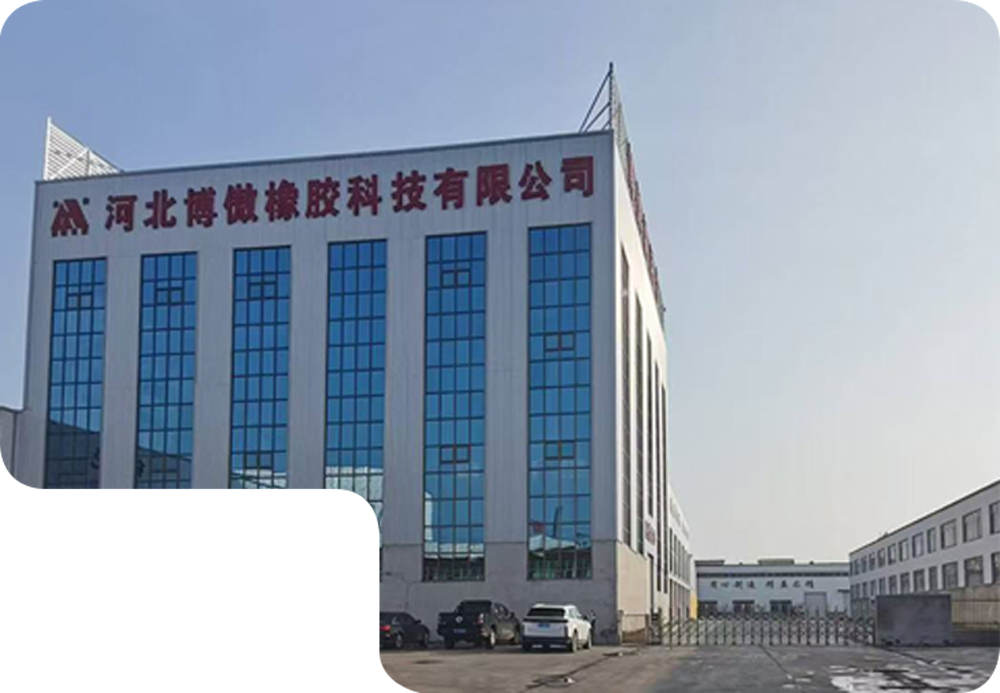
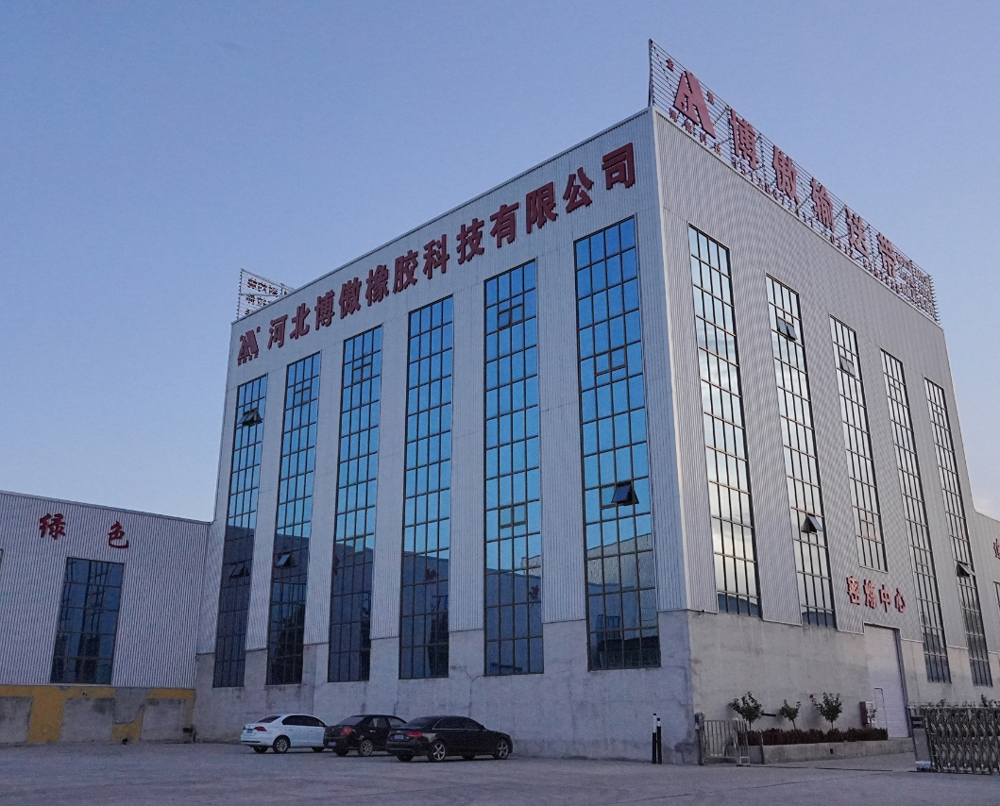
Located in the renowned Rubber Industrial Park of Boye County, Baoding, Hebei Province, Hebei Boao Rubber Technology Co., Ltd. was established in 2004 and covers an area of over 30 acres. Our registered brand, "Jinao", represents our commitment to excellence. As a leading manufacturer in China, we integrate product development, research, structural design, manufacturing, and technical business services for high-durability conveyor belts and mechanical accessories.
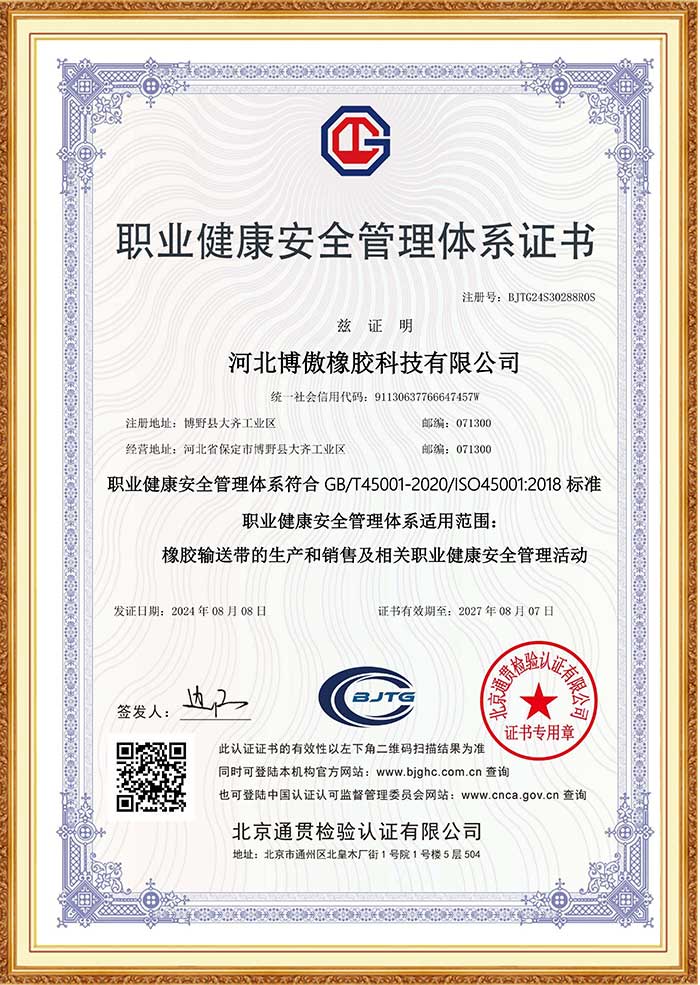
We have successfully passed the international quality management system certification, demonstrating our robust operational standards. The factory is equipped with multiple advanced production lines for rolling, forming, vulcanizing, and testing rubber, allowing us to maintain strict control over our output from raw material selection to the finalized, ready-to-ship product.
Unmatched testing capabilities, strict quality assurance protocols, and a comprehensive nationwide distribution infrastructure.
We feature an independent chemical analysis room and physical laboratory, enabling continuous monitoring at every stage of the production process—from raw materials to final shipping. Unqualified products never exit our gates.
Our dedicated quality control inspectors utilize advanced testing methodologies alongside state-of-the-art laboratory equipment to guarantee that all Jinao products adhere to international safety standards.
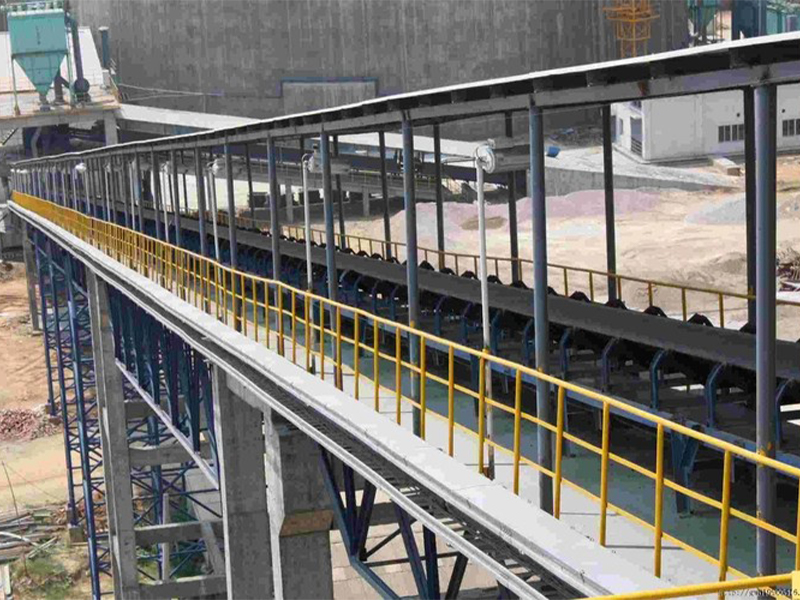
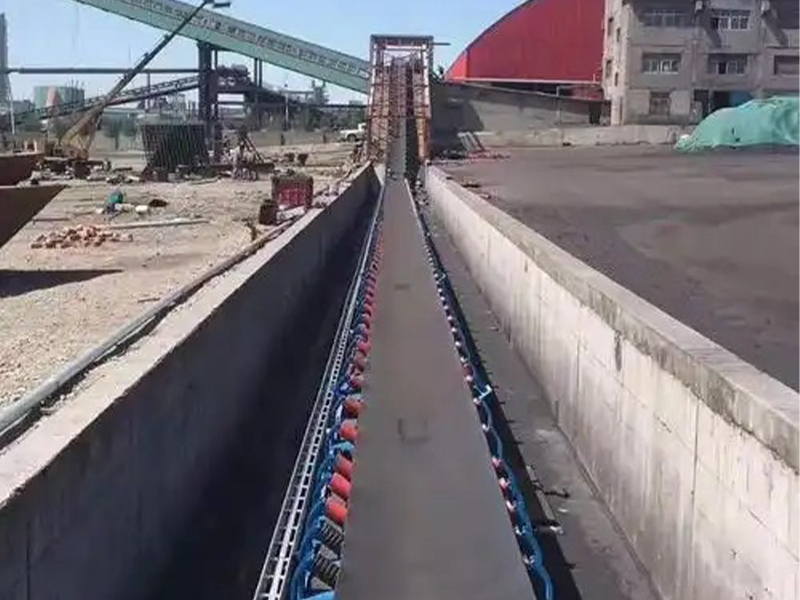
Combining technological innovation with robust after-sales support, our products are widely exported. We serve critical operations in metallurgy, coal mining, cement factories, grain reserves, power generation, and port logistics.
At Hebei Boao Rubber Technology, we continuously innovate our designs. Our focus is on modernizing equipment, diversifying our product catalog, and solidifying our presence in international markets. Under the brand "Jinao", we deliver robust solutions that withstand the harshest environments, whether dealing with sub-zero mining operations or high-temperature sinter plants.
We work closely with field maintenance and splicing teams, feeding real-world operational challenges back into our research and development loop. This direct collaboration ensures our conveyor belts are highly optimized for seamless jointing, whether using hot vulcanizing equipment or cold repair materials.
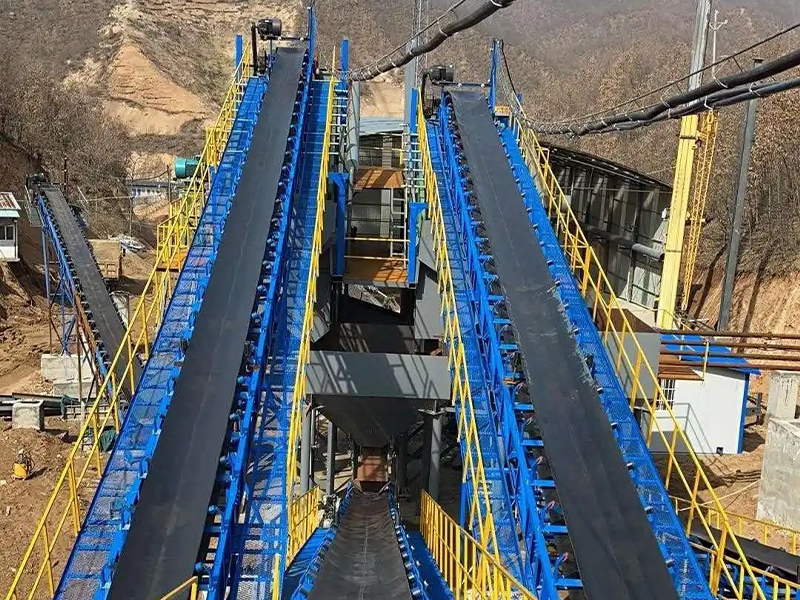
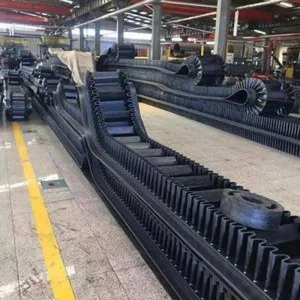
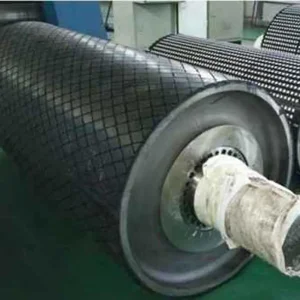
An extensive range of heavy-duty conveyor belts and support structures engineered to maximize system throughput.
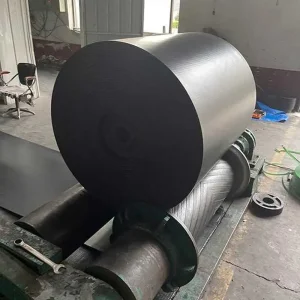
High-quality rubber compositions tailored for standard and extreme working environments:
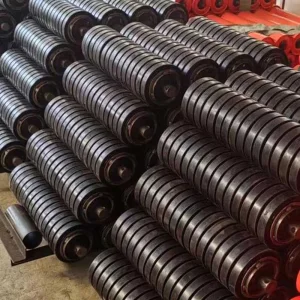
Premium hardware designed to reduce belt friction, correct misalignment, and absorb heavy loading impact:
Our certifications guarantee compliance with global quality and environmental standards.
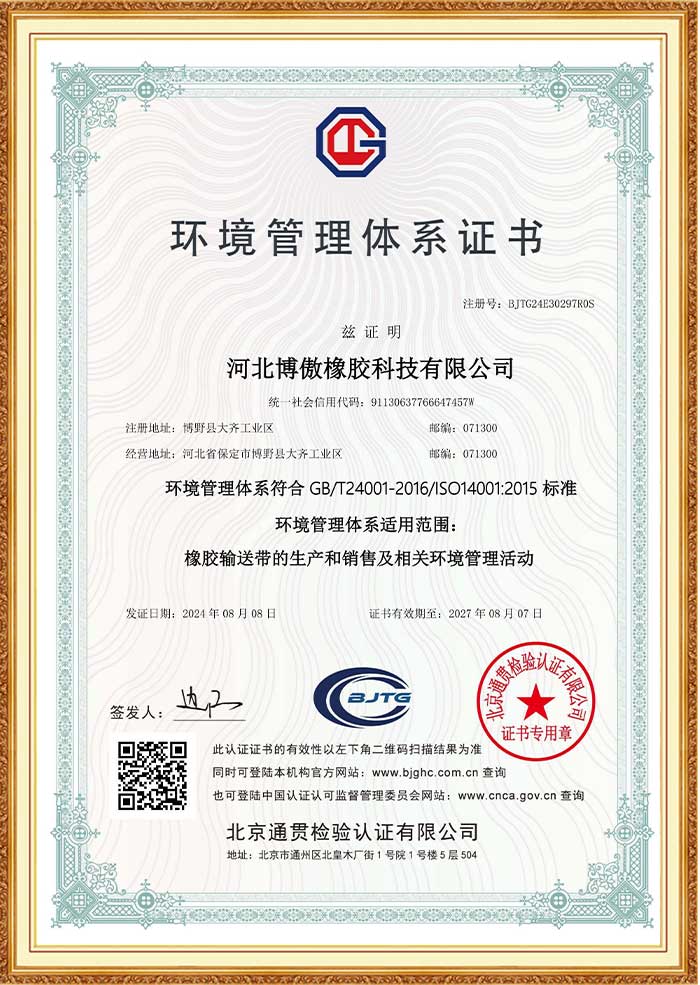
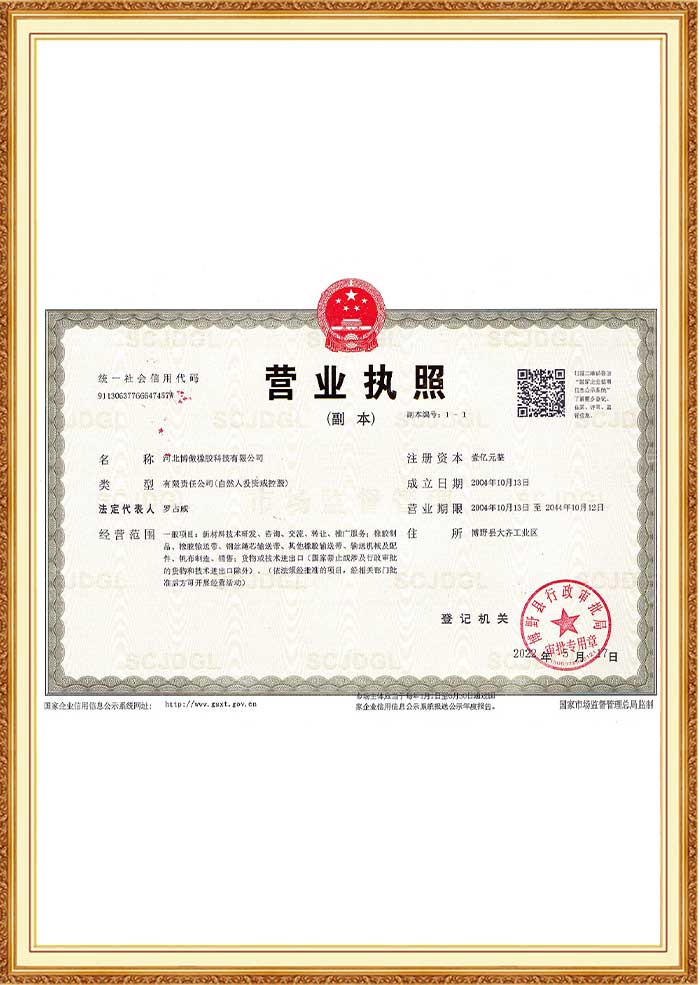
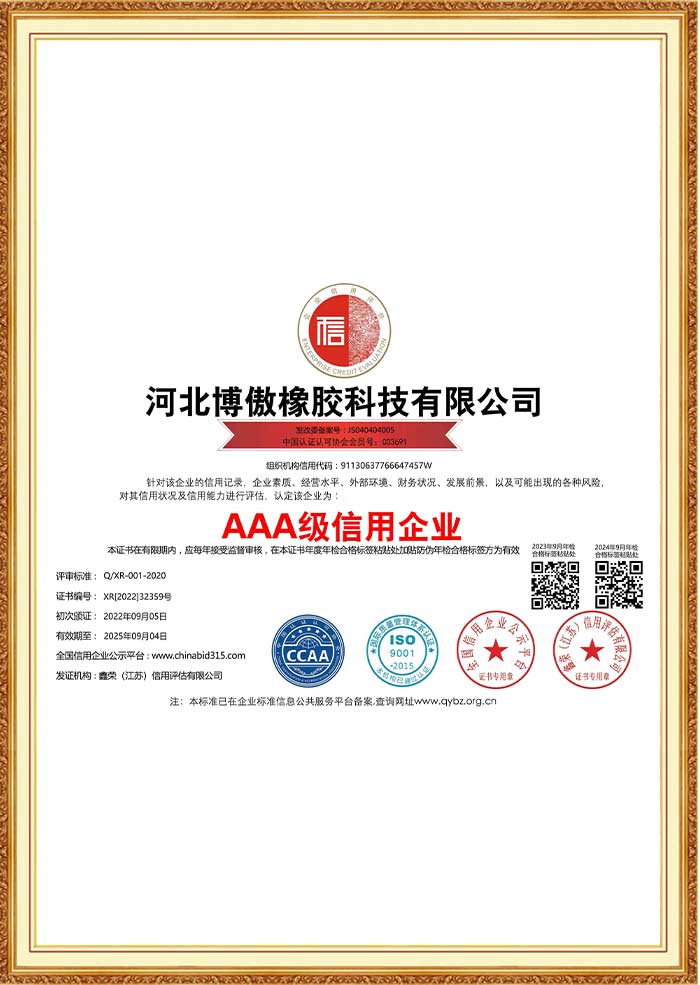
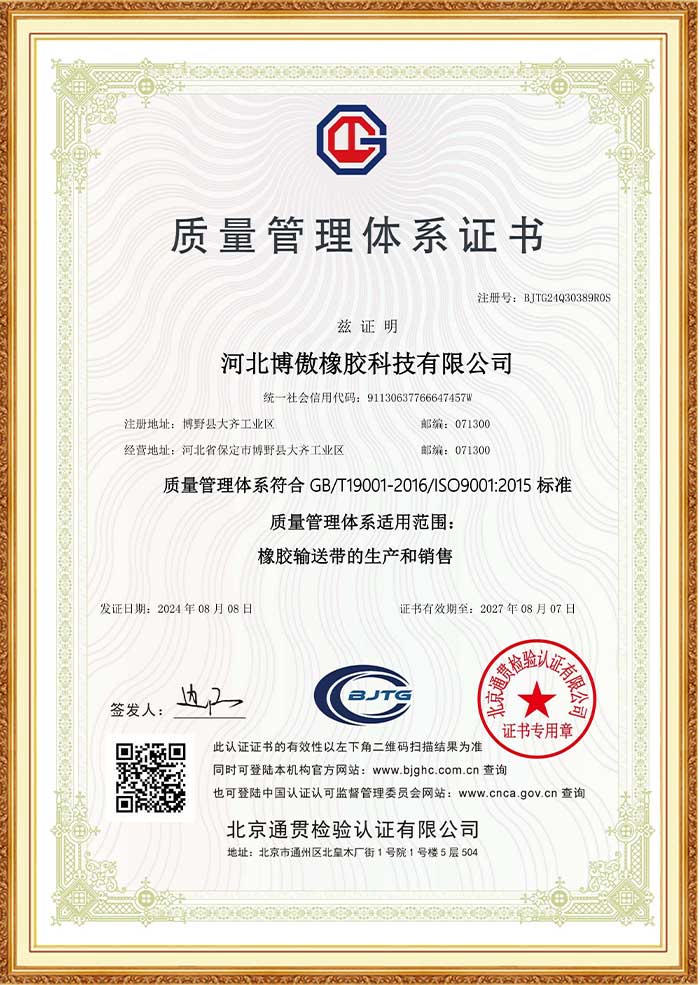
Skip the hassle of sourcing from multiple suppliers – our factory provides all-in-one packaging solutions and services.
Planned replacements, thermal vulcanization splicing, belt cover repair, routine structural inspections, and rapid-response emergency splicing services.
Comprehensive delivery of high-tensile rubber belts and vulcanization materials. We establish safety stock levels to meet unexpected maintenance demands, support storage, and offer rubber surface repair.
We aim to maximize operational uptime, extend your overall conveyor belt lifespan, minimize friction losses, and foster a mutually beneficial partnership.
We supply detailed step-by-step splicing manuals, calculate accurate hot curing times, and monitor joint wear to extend your equipment's operating cycles.
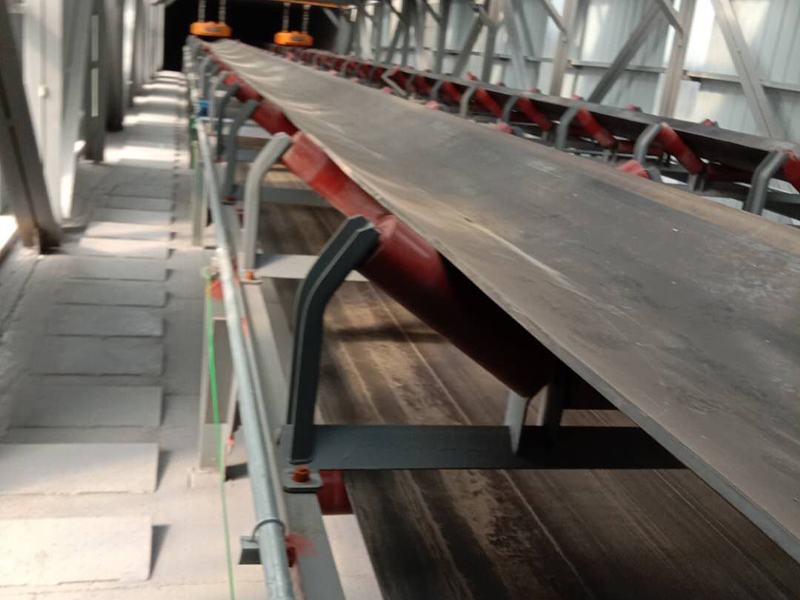
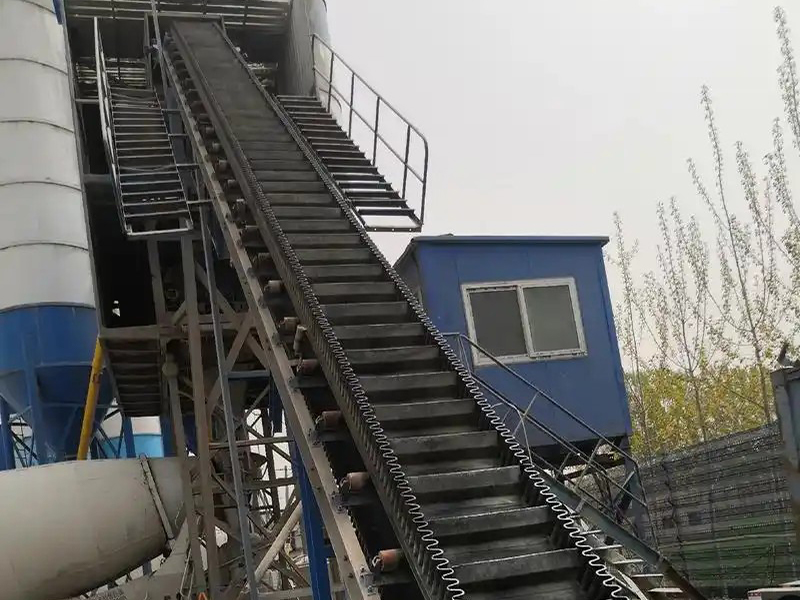
Industry leaders trust Boao's high-durability conveyor systems to keep their operations moving.
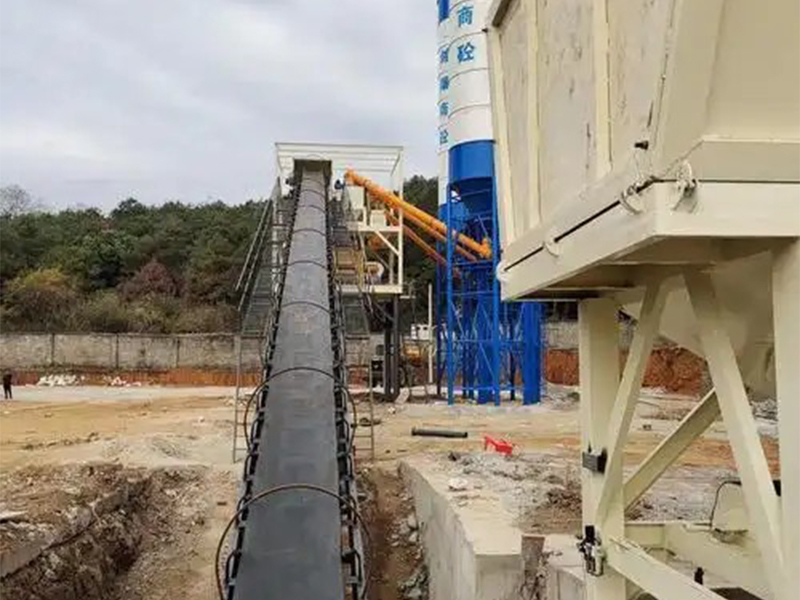
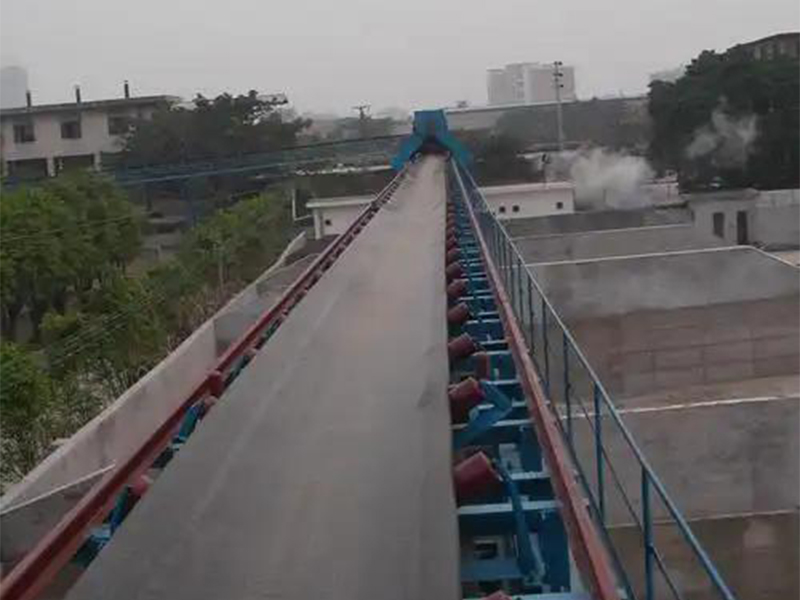
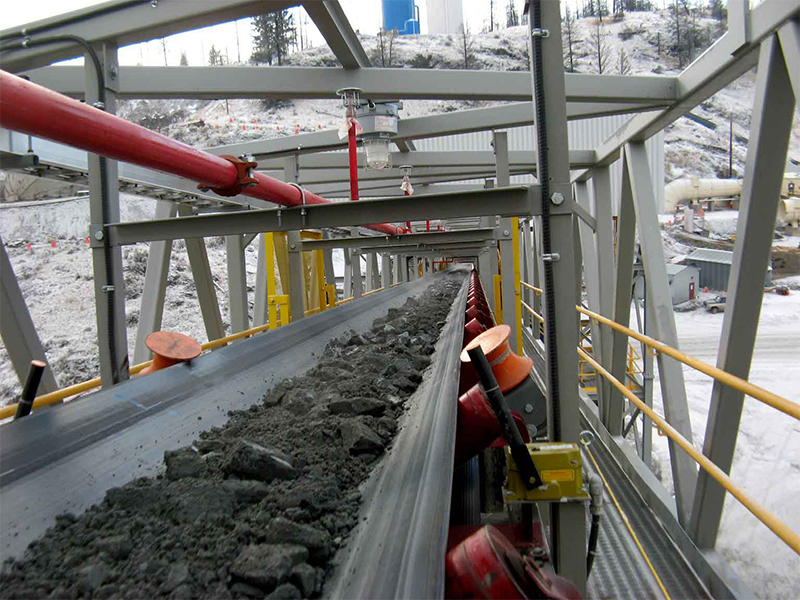
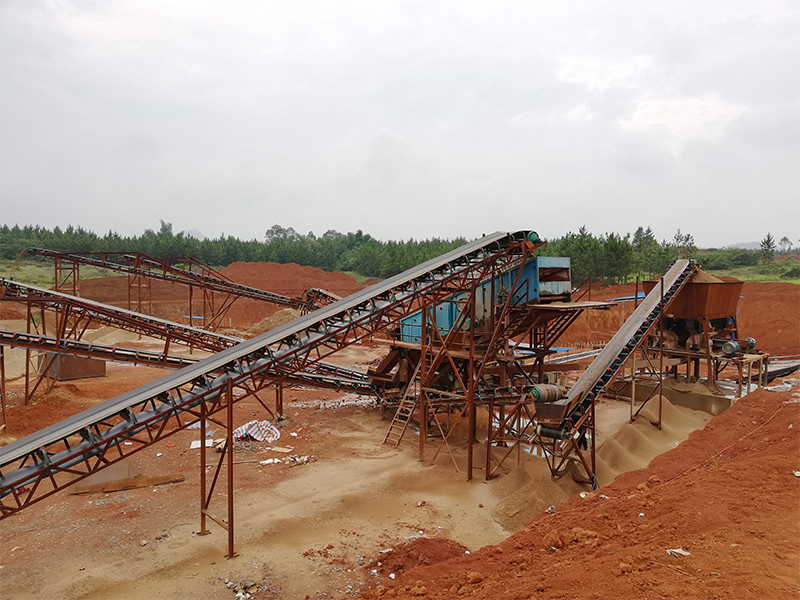
Industry-specific technical insights regarding thermal jointing, safety protocols, and vulcanization parameter planning.
Maximize conveyor system uptime with our matching premium hardware and specialized belt covers.
We are committed to providing you with the highest quality products and excellent services. If you have any questions or need assistance with our products, please feel free to contact us and we will be happy to help.
Inquiry Now Boao Rubber