Explore our leading selection of high-durability conveyor belts designed for extreme heat resistance, vertical transport, and anti-abrasion performance.
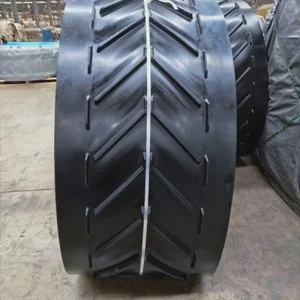
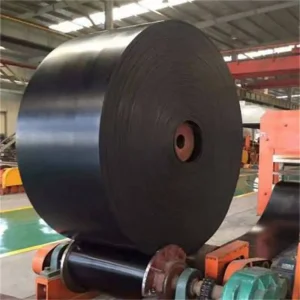
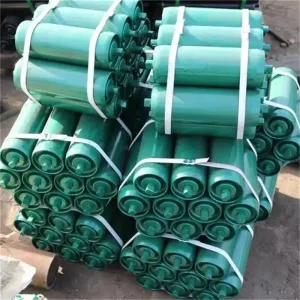
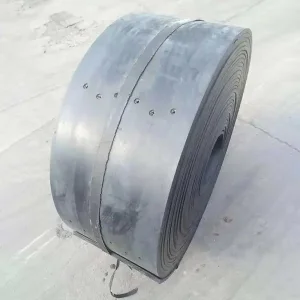
In modern high-output operations, safety and resilience in bulk material transportation are paramount. Rubber conveyor belts form the absolute backbone of materials handling globally. However, moving dry coal, grain, chemicals, or metallurgic slags introduces severe fire risks. Under continuous operational stresses, a single friction-triggered spark or static buildup can ignite highly combustible dust. The result is often catastrophic failure, production outages, and significant threat to human lives. Choosing the best fire-retardant conveyor belts is not merely a compliance task; it is a critical process safeguard.
"For underground mining, grain elevators, and high-temp slag handling, selecting fire-retardant conveyor belts that comply with international safety classifications (such as MSHA, DIN 22109, ISO 340, and EN 12882) is a mandatory requirement to guarantee operational continuity and life safety."
As a leading Chinese innovator, Hebei Boao Rubber Technology Co., Ltd. (producing the acclaimed "Jinao" brand) has engineered specialized flame-resistant and static-conductive compounding recipes. With over 22 years of continuous material research and state-of-the-art vulcanization facilities, Boao ensures that every conveyor belt minimizes fire propagation while preserving optimal tensile strength, impact absorption, and wear life.
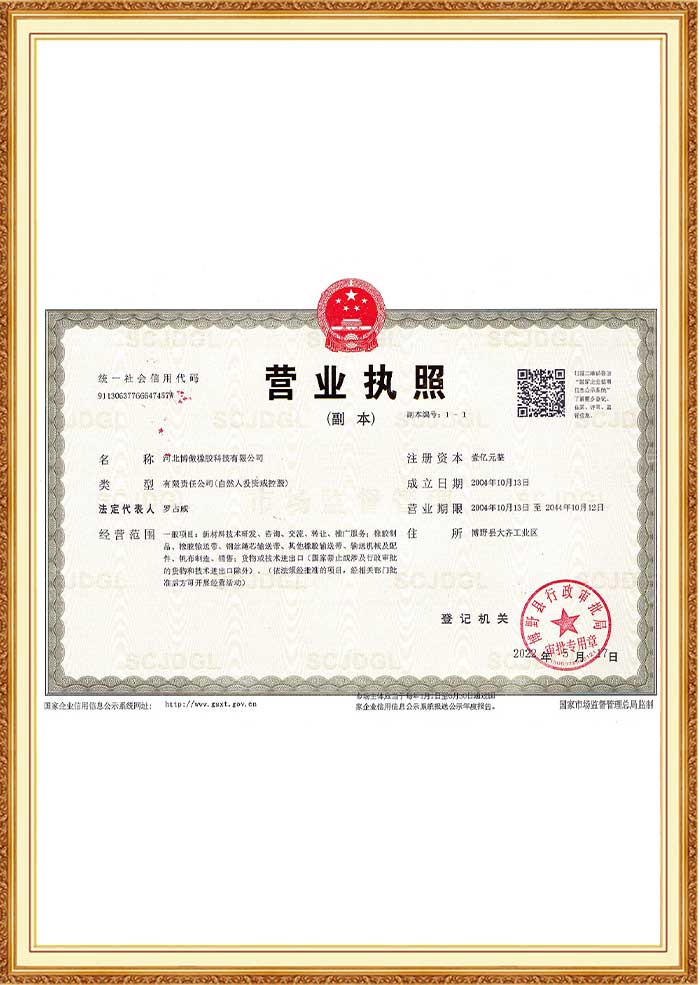
Located in the Rubber Industrial Park of Boye County, Baoding, Hebei Province, our company was founded in 2004 and covers an area of over 30 acres. Under our signature brand "Jinao", we are a professional manufacturer in China integrating product development, research, structural design, manufacturing, and comprehensive global technical services for conveyor belts and conveyor system machinery accessories.
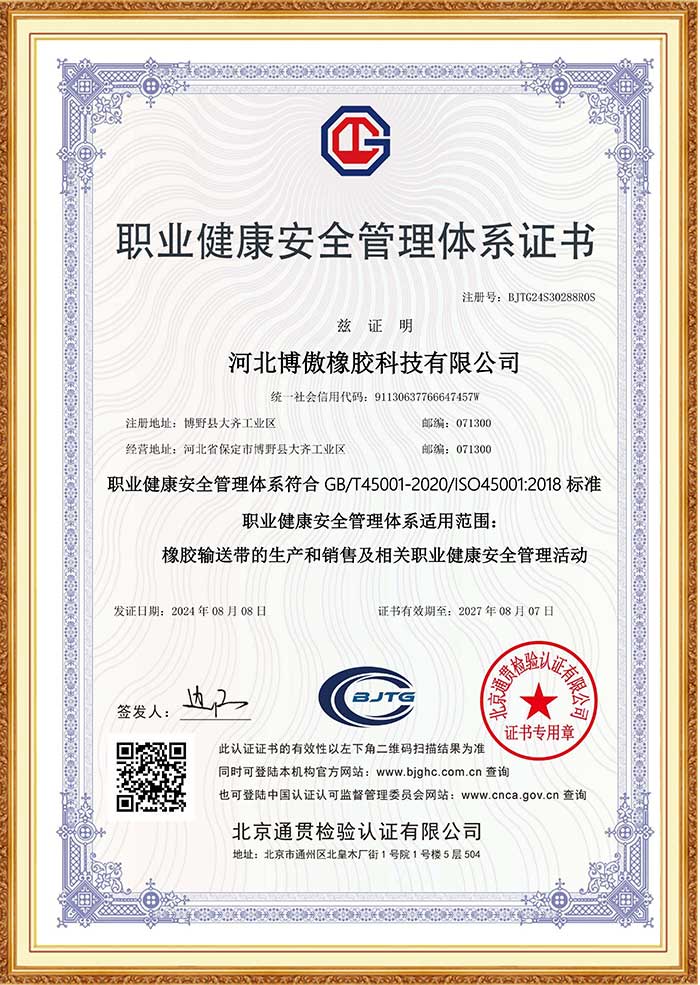
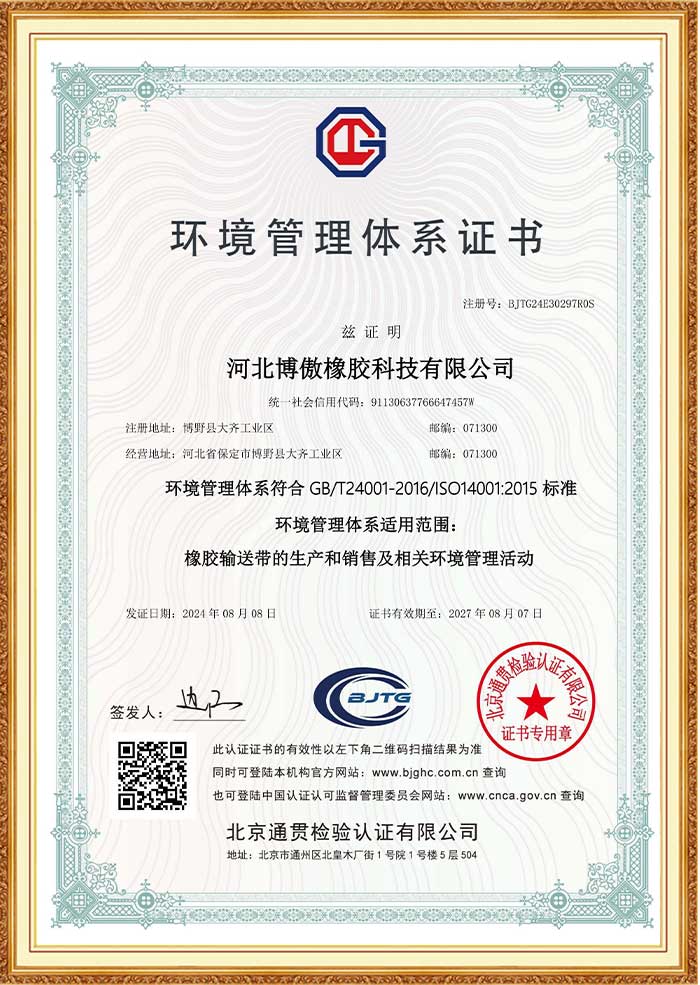
Equipped with multiple advanced production lines for rubber rolling, forming, vulcanization, and continuous quality inspection, our testing labs monitor every stage of production from raw polymer compounding to final dispatch testing. We have successfully passed the international quality management system certification, guaranteeing structural reliability in heavy-duty applications.

Operational requirements differ significantly from underground mines to open-air ports. We deliver customized configurations for demanding process environments.
Designed for enclosed, high-methane shafts. Utilizes specialized chloroprene rubber (CR) and polyvinyl chloride/nitrile blends (PVG/PVC) to offer self-extinguishing covers, preventing spark propagation and underground fire outbreaks.
Handles red-hot sinter, clinker, and coke. Our belts integrate high-temperature resistant compounds with robust flame retardants, managing sustained temperatures up to 250°C and peak spikes up to 400°C without core degradation.
Optimized for long-distance, high-capacity terminals loading grain, sulfur, or iron ore. Combines heavy impact-resistant EP/NN/Steel Cord cores with anti-static and flame-retardant outer covers to comply with international seaport regulations.
As material sciences advance, Hebei Boao Rubber Technology actively integrates smart systems and environmental compliance into our production workflows.
The standard methodology for manufacturing fire-resistant rubber belts has historically relied on halogen-based additives. While effective at dampening flames, these compounds release thick, acidic smoke under high temperatures, which represents a severe risk in confined spaces such as underground mine shafts.
| Tech Generation | Chemical Formulations | Key Performance Pros | Primary Target Applications |
|---|---|---|---|
| Gen I: Halogenated Systems | Chlorinated Paraffins, Antimony Trioxide (Sb2O3) | Economical cost, excellent flame inhibition | Open-air power stations, general bulk material conveyors |
| Gen II: Low-Smoke Zero-Halogen (LSZH) | Aluminum Trihydroxide (ATH), Magnesium Hydroxide (MDH) | Extremely low smoke density, non-corrosive emissions | Underground coal tunnels, deep shafts, grain silos |
| Gen III: Nanocomposite Hybrids | Graphene oxides, modified organophosphorus compounds | Superior tensile retention, advanced thermal barriers | High-load, heavy-duty industrial conveyor systems |
Our research facility is currently pioneering the integration of **organic-inorganic hybrid flame retardants**. By combining sub-micron aluminum hydroxide with proprietary high-dispersion agents, we achieve fire suppression while maintaining the natural mechanical properties of the vulcanized rubber. This results in belts that resist chunking, cracking, and premature wear in tough operating conditions.
Furthermore, our future technical roadmap includes **integrated smart sensor integration**. By embedding micro-sensors directly within the belt layers, operators can monitor internal temperature and belt fatigue in real-time, preventing potential fires before they initiate.
Operating from Boye County's industrial zone, we utilize automation and logistics integration to ensure stable global deliveries.
Our raw material mixing and compounding operations are automated to ensure consistency in every production batch. Computerized dosing systems measure carbon black, synthetic rubber polymers, and flame-retardant chemicals precisely. This limits variation in mechanical properties and provides predictable service life for all belts produced.
Before shipment, our testing labs evaluate samples for tensile strength, elongation at break, ozone resistance, and flame propagation. By checking products from initial compound to vulcanization, we guarantee they meet international standards before dispatch.
Supply Chain Advantage: Our facility is located near major transportation channels and bulk ports (such as Tianjin Port). This helps us secure steady raw materials and maintain reliable shipping timelines for our international customers, minimizing project delays.
Our commitment to safety is backed by verified ISO certifications and performance testing.
Quality control is built directly into our operations. We maintain a chemistry lab and physics testing room to monitor both incoming ingredients and final products. We enforce a zero-tolerance policy: raw materials that do not meet specification are rejected, and finished belts must pass our safety tests before leaving the factory.
Our belts are tested for flame propagation, electrical resistance, and abrasion. These checks verify that our flame-retardant and anti-static lines perform as expected in hazardous industrial environments.
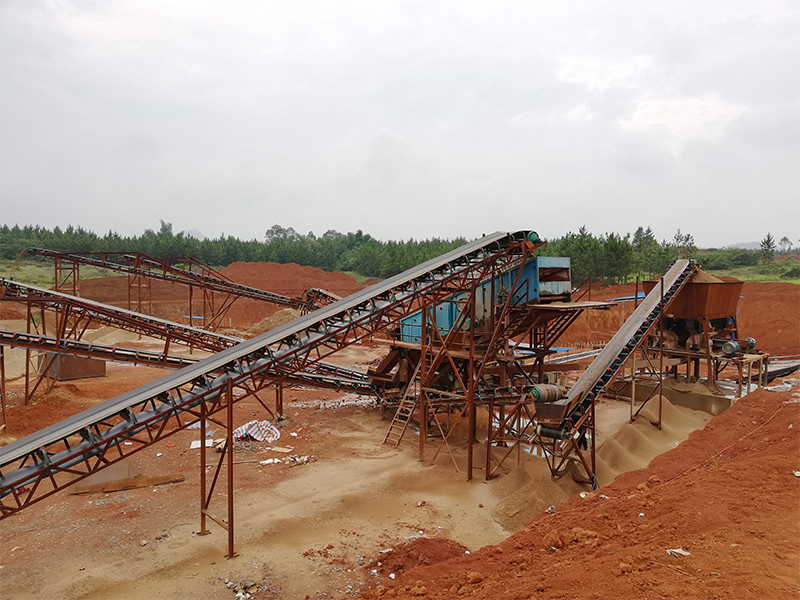
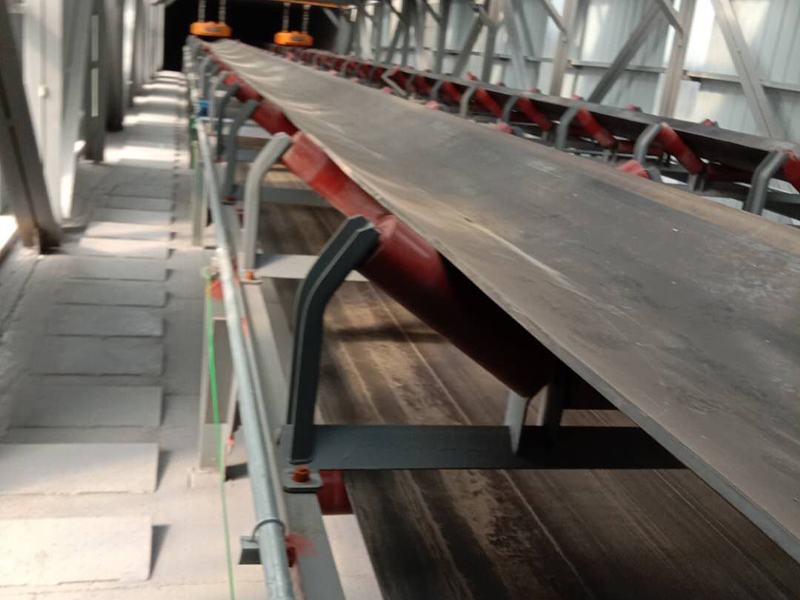
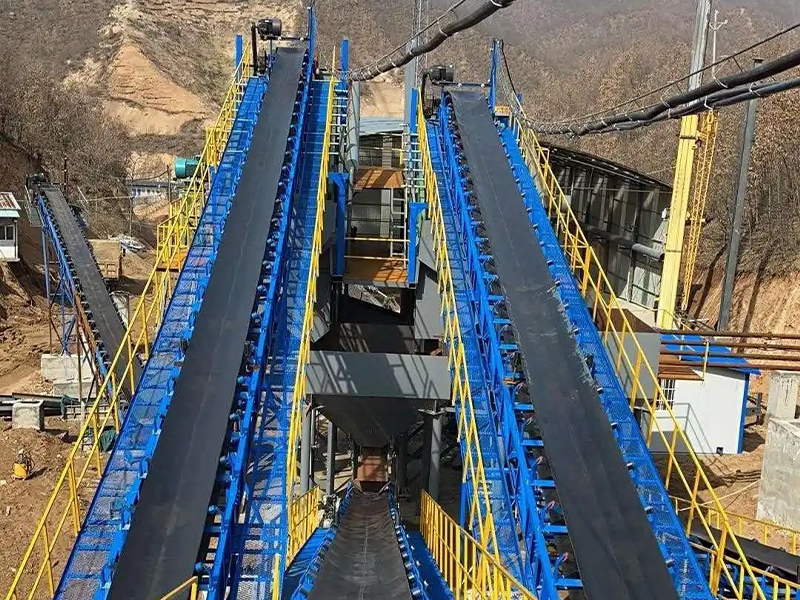
Our belts support major material handling lines in coal, steel, cement, and mixing plant applications.
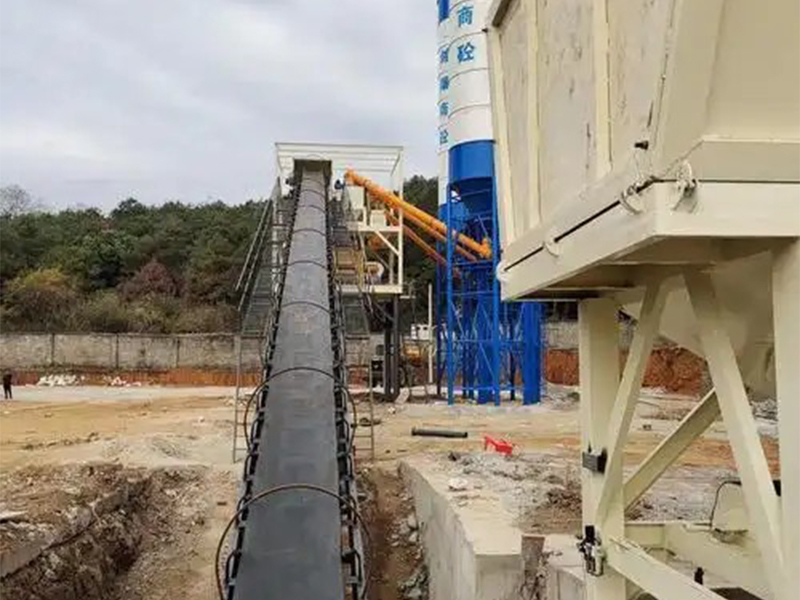
Heavy aggregate transport requiring durable compound structural integrity.
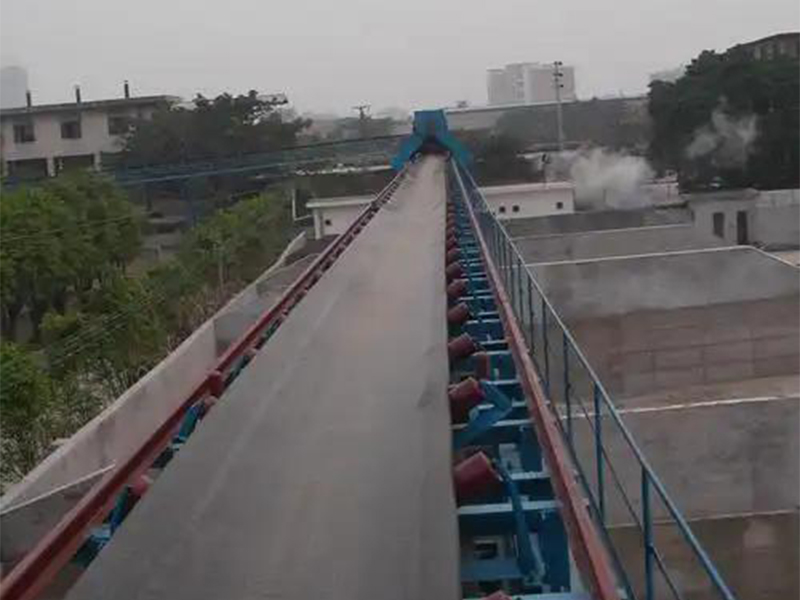
High-abrasion clinker handling with reliable heat resistant design.
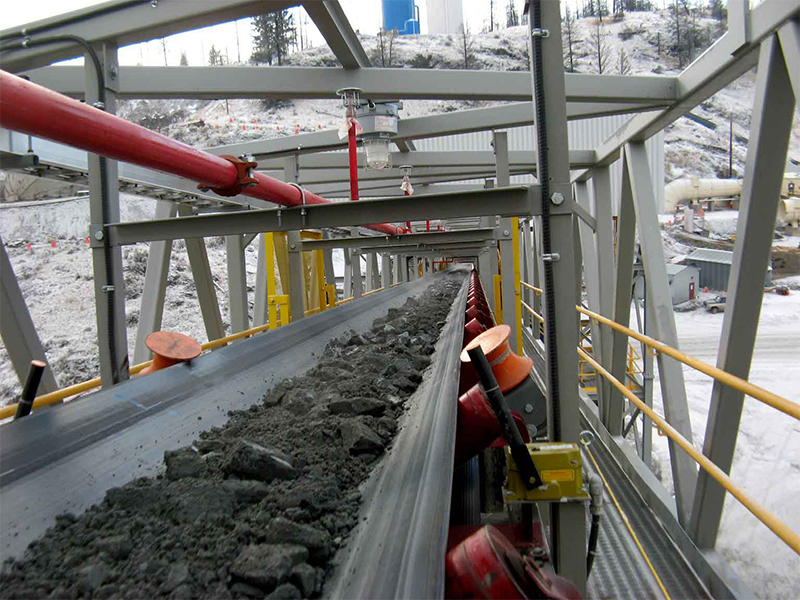
Underground coal hauling utilizing flame-retardant compound technology.
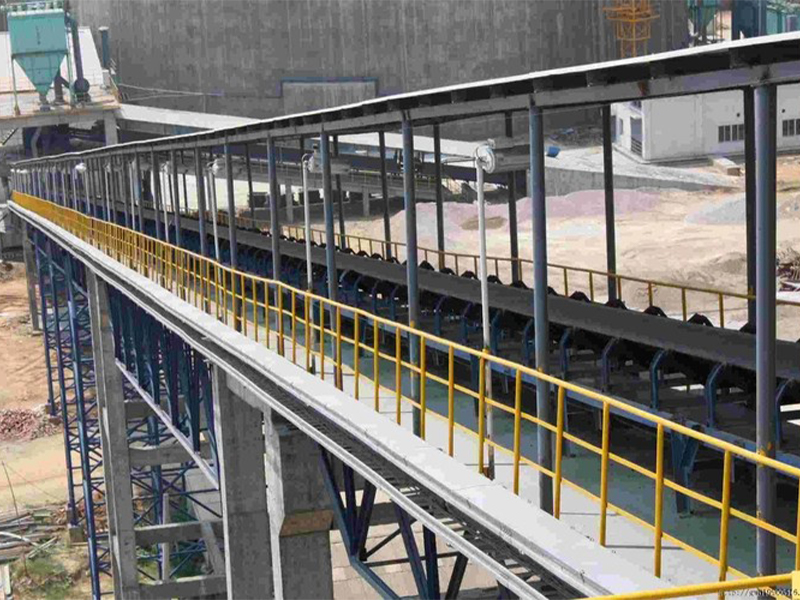
We offer support programs to assist customers with selection, installation, and preventative maintenance of our conveyor systems.
Our field services cover planned replacements, belt repairs, regular safety inspections, and on-site emergency maintenance. We work with engineering leads to monitor belt wear patterns and advise on operation adjustments.
We supply rubber material packages, maintain regional safety stock buffers, advise on splice bonding, and handle cover repairs. This hands-on assistance is aimed at reducing plant downtime and improving service lifetime.
Our goal is to assist clients in improving the run-time efficiency of their conveyor installations, lowering per-ton wear costs, and maintaining plant safety through planned maintenance.
We help establish preventative care programs that include regular cleaning, pulley alignment, and correct tension adjustments to extend the usable life of your flame-retardant belts.
Technical answers to key selection, maintenance, and compliance questions.
A flame-retardant conveyor belt is manufactured with specialty elastomers (such as chloroprene, nitrile, or treated natural rubber blends) containing additives like antimony trioxide or aluminum trihydroxide. These components help the belt resist ignition, self-extinguish when the flame source is removed, and limit flame propagation along the conveyor run.
Key standards include ISO 340 (which tests laboratory flame propagation and recovery time), EN 12882 (specifying safety requirements for general-purpose applications), DIN 22109, and MSHA Title 30 (essential for underground mining in the USA). We test our configurations against these specifications to ensure field compliance.
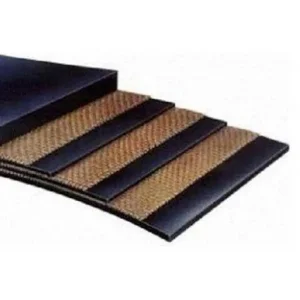
Lifetime depends on the material handled, belt speed, and structural wear. By using high-strength polyester (EP) or nylon (NN) fabric inserts, alongside optimized anti-abrasion cover compounds, our designs provide consistent durability even in continuous-load mining and metallurgy environments.
Yes. As a direct manufacturer, we produce belts customized to your requirements. We supply thicknesses from 5mm to 30mm, bandwidths from 400mm to 2200mm, and can adjust the ply count (typically 2 to 6 plies for fabric belts) or supply steel wire rope core designs for long-distance transport.
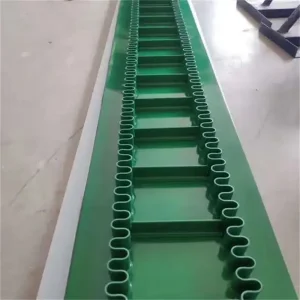
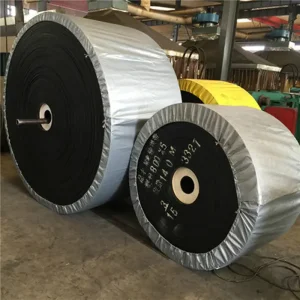
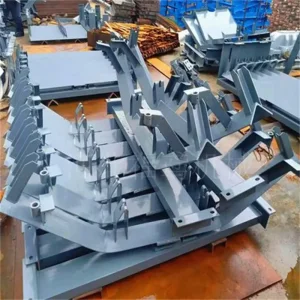
Browse our broader range of industrial conveyor products, including lightweight polymer bands, thermal-resistant lines, and idler brackets.
 Boao Rubber