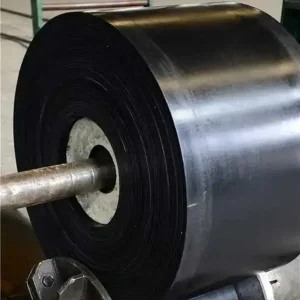
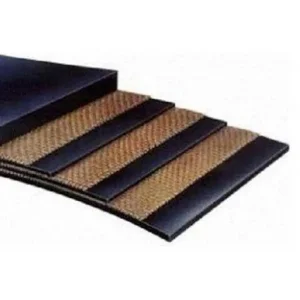
In heavy-duty bulk material transport systems worldwide, conveyor belt joints represent both the most critical link and the most vulnerable point of failure. Modern mining, metallurgy, power production, and maritime ports require high-capacity, high-tension conveyor systems that operate continuously. When a joint fails, it leads to severe downtime, significant revenue loss, and critical safety hazards. Consequently, selecting the optimal jointing technology and partnering with the right hot vulcanizing machine suppliers is essential for ensuring operational longevity.
Hot vulcanization remains the industry's gold standard for splicing heavy-duty fabric and steel-cord rubber conveyor belts. Unlike cold chemical bonding or mechanical fasteners, hot vulcanization utilizes high pressure, controlled high temperatures, and chemical cross-linking. This creates a joint that matches up to 90% of the parent belt's tensile strength, preserving the belt's flexibility, durability, and resistance to heat, abrasion, and moisture.
Thermal vulcanization is not merely a repair method; it is a molecular reconfiguration. Under temperatures ranging from 140°C to 150°C and hydraulic or pneumatic pressures reaching 2.0 MPa, sulfur cross-links form between elastomer chains. This process transforms raw splice compounds into a cohesive structure, eliminating the structural steps that lead to peeling and failure.
In deep coal and iron ore mining, belts face high tensions and high humidity. Intrinsically safe controls and flame-proof vulcanizers are required to splice steel wire rope conveyor belts safely under stringent ATEX/OSHA fire-safety standards.
Steel mills transport sintering minerals at extreme temperatures. Splicing heat-resistant conveyor belts requires precise control over heating cycles to preserve the elastomer's specialized chemical properties and prevent premature aging.
High-capacity ports require fast splicing turnarounds to minimize loading delays. Our lightweight, portable hot vulcanizing presses allow field operators to quickly assemble, cure, and dismount equipment on elevated conveyor gantries.
The following table outlines the standard operational parameters required for modern industrial-grade conveyor belt thermal splicing systems:
| Parameters | Fabric Reinforced Belts (EP/NN) | Steel Cord Conveyor Belts (ST) | Specialty Belts (Acid/Alkali/Heat) |
|---|---|---|---|
| Vulcanizing Temperature | 145°C ± 5°C | 145°C ± 3°C | 150°C ± 5°C |
| Operating Pressure | 1.0 MPa - 1.2 MPa | 1.5 MPa - 2.0 MPa | 1.2 MPa - 1.6 MPa |
| Heating Platen Type | Flexible Rubber / Silicone Heating Pad | Rigid Aluminum / Heating Element Strips | Reinforced Element Platens |
| Pressure Medium | Pneumatic / Water Pressure | Hydraulic Pressure Bag | Water-Hydraulic Pressure Bag |
| Cooling System | Natural / Forced Air Cooling | Integrated Water Cooling Channel | Water-Flush Rapid Cooling |
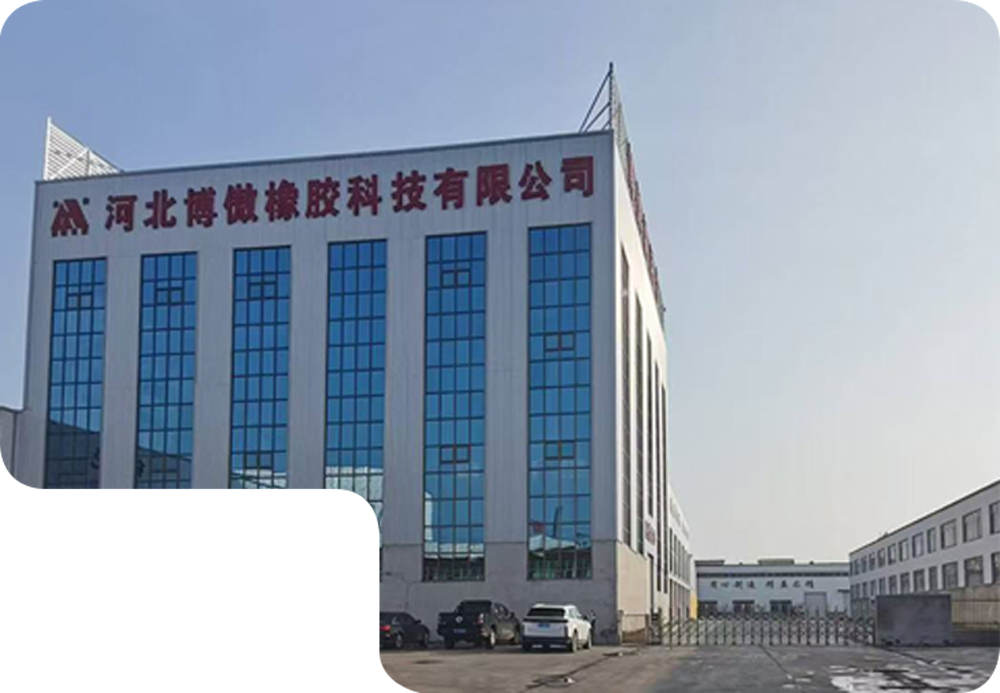
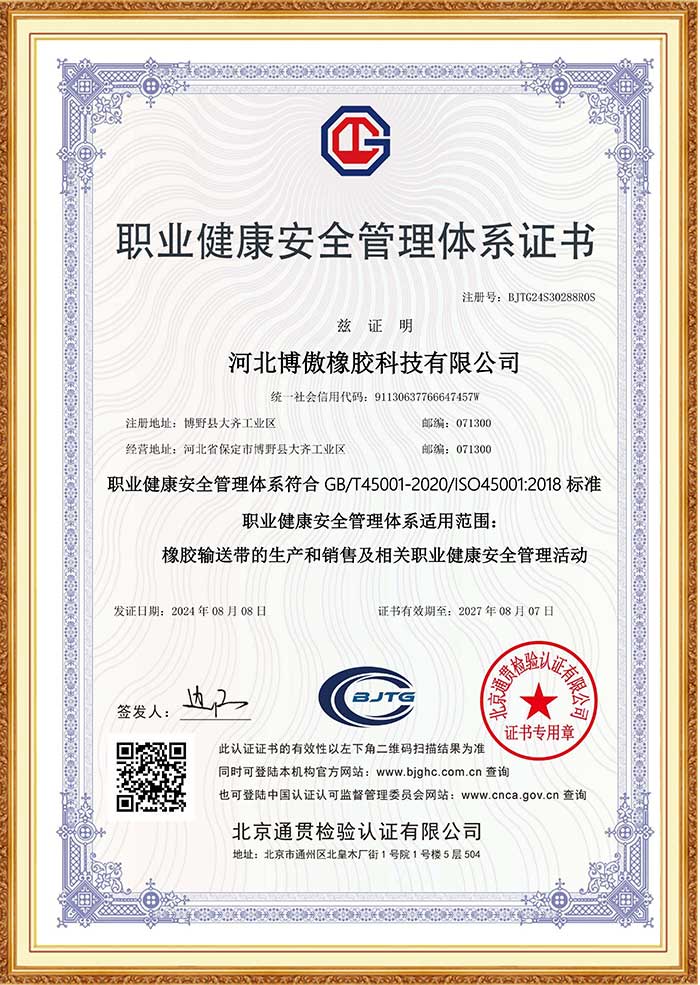
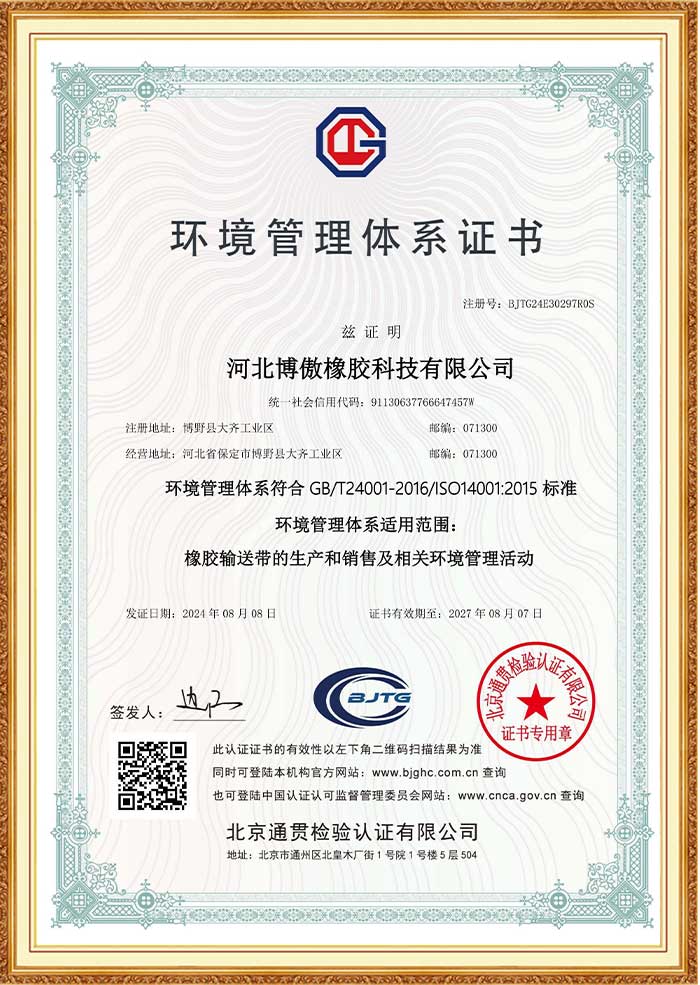
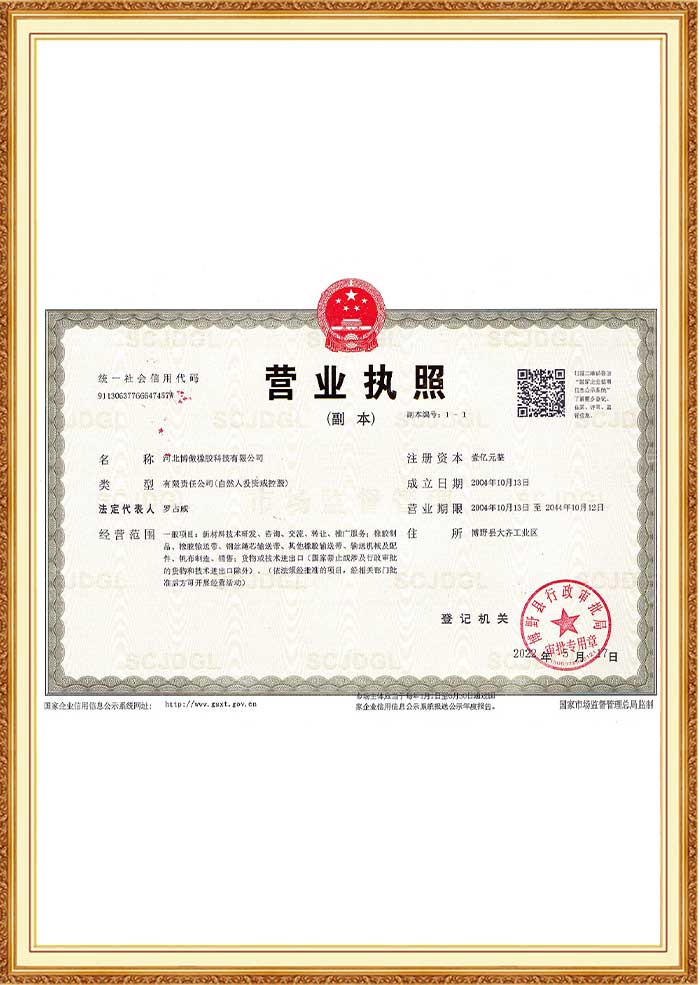
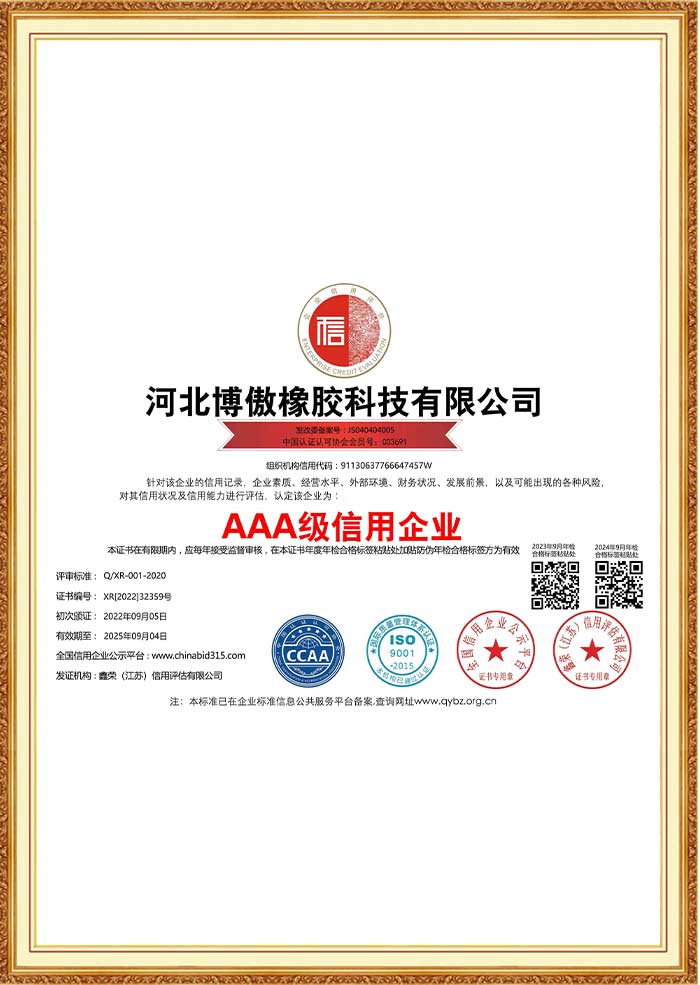
Located in the Rubber Industrial Park of Boye County, Baoding, Hebei Province, Hebei Boao Rubber Technology Co., Ltd. has grown into a leading developer and manufacturer of conveyor belts and matching vulcanization accessories since its founding in 2004. Spanning an expansive facility of over 30 acres, the company markets its products under the well-regarded "Jinao" brand.
We operate advanced production lines for rolling, forming, vulcanization, and rubber testing. Our facility manages the entire production cycle, from raw material inspection to final product testing. With our own chemical analysis room and physics laboratory, we ensure that no sub-standard materials enter production, and no finished products leave our facility without meeting international standards.
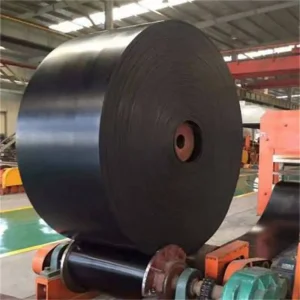
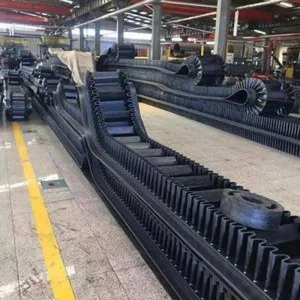
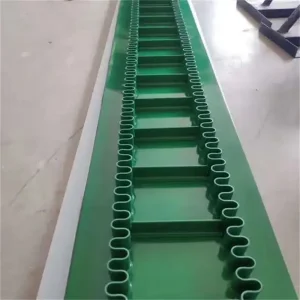
As a manufacturer that produces both conveyor belts and supports field splicing projects, Boao offers deep, practical expertise. We understand how different belt compounds—such as nylon rubber conveyor belts, high-angle wavy edge belts, and tear-resistant steel wire rope core belts—react to thermal vulcanizing parameters, enabling us to provide well-matched solutions.




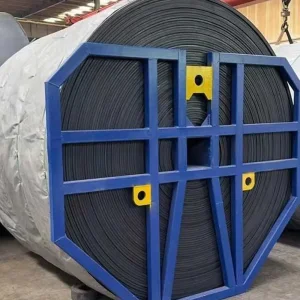
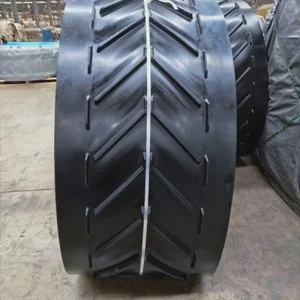
We manufacture ordinary conveyor belts (NN, EP, PP), heat-resistant, high-temperature, cold-resistant, oil/alkali-resistant, and acid/alkali-resistant conveyor belts, as well as rubber waterstops and specialized high-inclination wavy edge conveyor belts.
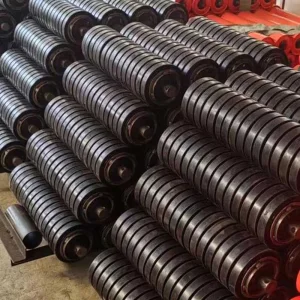
Our heavy-duty hardware includes roller series accessories, ceramic rollers, buffering rollers, roller groups, electric rollers, rubber-coated rollers, transmission rollers, strong magnetic rollers, groove brackets, centering brackets, and tensioning components.
Our service packages include planned belt replacements, splice repairs, routine maintenance inspections, emergency repair operations, and on-site hot vulcanized bonding to maximize conveyor runtime.
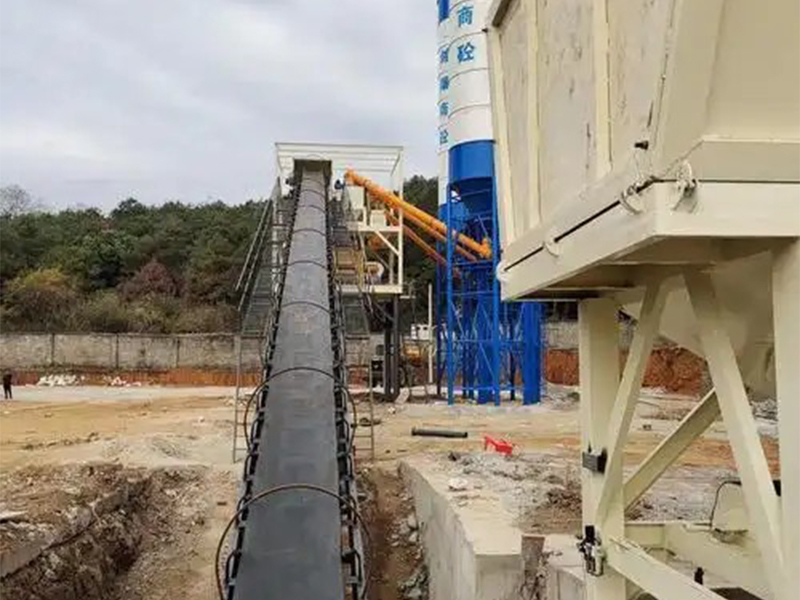 China Railway Group Mixing Plant
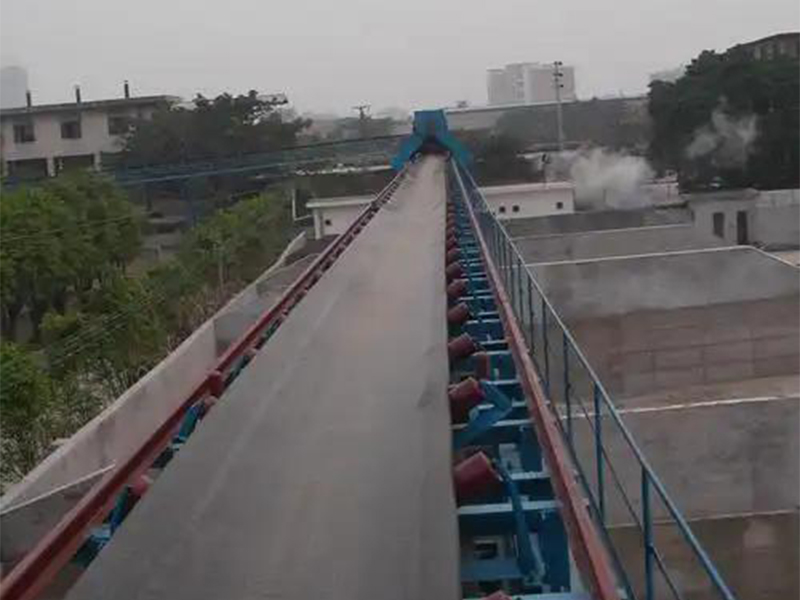 Conch Cement
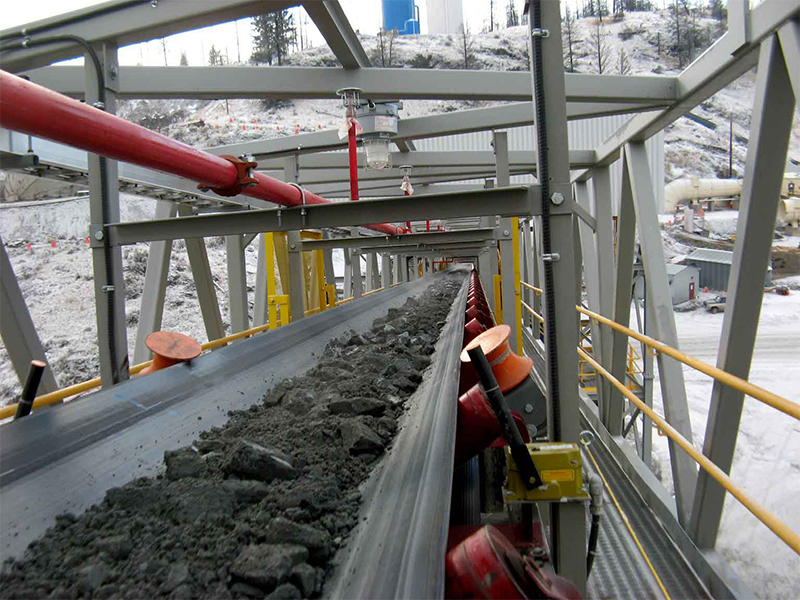 Datong Coal Group
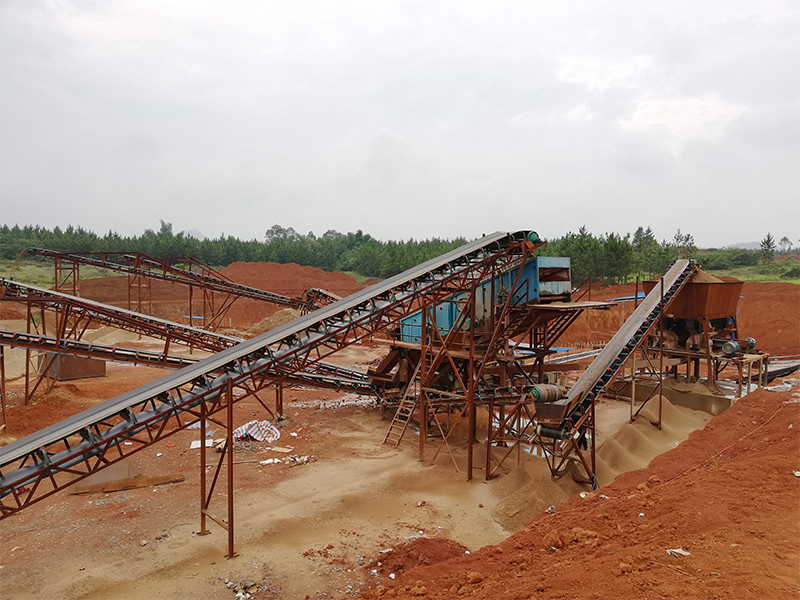 Tsingshan Group
A high-quality hot vulcanizing machine is only as effective as the process it follows. At Hebei Boao Rubber Technology, we offer a comprehensive technical service program that eliminates the need to source materials and equipment from multiple vendors. We supply premium vulcanizers alongside compatible uncured cover rubber, tie gum, and vulcanizing cement, ensuring optimal material compatibility.
Our service framework is designed to optimize belt performance, reduce wear, and extend the lifespan of your conveyor assets:
Conveyor belt vulcanizing technology has evolved beyond simple plate heaters. Modern field splicing relies on lightweight, high-tensile aluminum alloys that reduce equipment weight without sacrificing pressure capacity.
At the same time, microprocessor-controlled boxes have replaced analog thermostats. Operators can program precise multi-step curing recipes—monitoring heating rates, soak temperatures, and cooling limits—to ensure uniform splice quality, regardless of ambient weather conditions.
Next-generation vulcanizing machines will feature integrated wireless sensors that stream temperature, pressure, and time metrics to the cloud in real time. This allows engineering leads to monitor quality control remotely from any location.
We are developing element-embedded ceramic heating platens that reduce thermal ramp-up times by 30% while maintaining temperature variation across the platen surface to within ±1.5°C.
In line with global sustainability trends, we are formulating green rubber materials that cure at lower temperatures (around 120°C - 130°C). This reduces energy consumption during splicing while maintaining high peel strength.
Hot vulcanization uses heat and pressure to cross-link rubber molecules, creating a joint that can achieve up to 90% of the belt's original tensile strength. It is highly resistant to heat, dust, and moisture, making it the preferred method for high-tension applications like steel-cord and main conveyor belts. Cold bonding is generally limited to lower-tension utility belts and can degrade under wet or chemically aggressive conditions.
Steel-cord rubber conveyor belts (such as ST1000 to ST5400) typically require a vulcanization temperature of 145°C (±3°C) and a hydraulic pressure of 1.5 MPa to 2.0 MPa (approx. 220-290 PSI). This high pressure is essential to force the uncured intercore rubber into the gaps between the steel cables, ensuring complete mechanical lock and preventing internal corrosion.
Curing time depends on the thickness of the splice. A general rule of thumb is to apply a baseline curing time (typically 30 to 40 minutes at 145°C) and add 1 minute of dwell time for every millimeter of belt thickness. For thick belts, you must also factor in the heating rate of the vulcanizer platens, ensuring the core of the splice reaches the target vulcanization temperature.
Blistering is typically caused by trapped moisture, solvent vapor, or insufficient pressure during the curing cycle. To prevent this, ensure that the splice area is clean and dry. Let the vulcanizing solvents dry fully before joining the steps. Additionally, verify that the pressure bag maintains constant pressure throughout the entire heating cycle.
Yes. As a manufacturer with 22 years of experience, Hebei Boao designs and supplies custom vulcanizing systems tailored to specific belt widths, splice lengths (bias angles of 16° to 22°), and voltage requirements. This ensures the heating platens and pressure bags align correctly with your specific conveyor belt specs.
 Boao Rubber