Explore our core selection of heavy-duty natural rubber conveyor belts, engineered for high tensile strength, extreme resistance, and extended operational lifecycles.
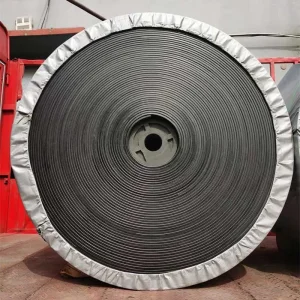
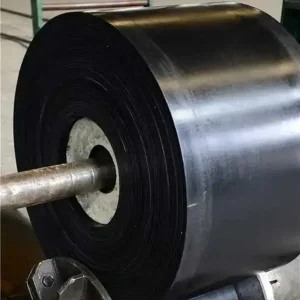
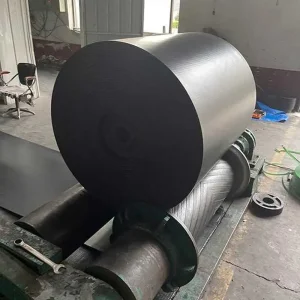
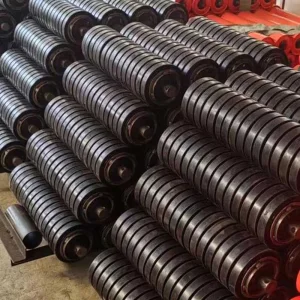
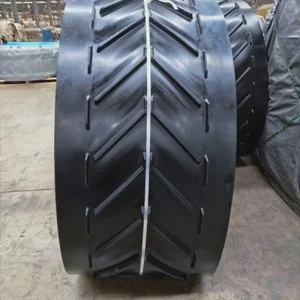
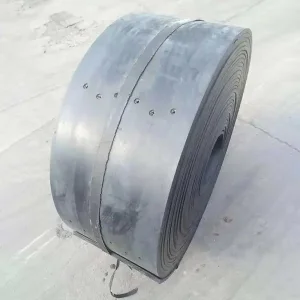
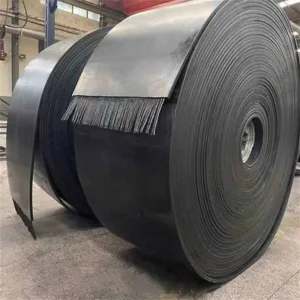
In the modern industrial landscape, natural rubber conveyor belts have become the undisputed backbone of bulk material transport systems across multiple sectors. From mining operations extracting raw materials deep underground to maritime port terminals handling millions of tons of aggregate annually, heavy-duty rubber belts facilitate the continuous, seamless movement of materials that power the global supply chain.
The evolution of natural rubber compounding reflects decades of intensive molecular engineering. Unlike synthetic polymers, premium natural rubber offers unmatched dynamic fatigue resistance, tear strength, and resilience. As bulk operations demand higher speeds and wider belt widths, understanding the chemistry behind rubber curing, rubber-to-fabric adhesion, and carcass integrity has become a prerequisite for engineers and procurement heads looking to minimize operational expenditures.
Navigating international regulatory frameworks and material classifications to optimize material handling efficiency and safety compliance.
Modern global logistics require strict conformity to international standards such as DIN 22102 (Germany), AS 1332 (Australia), SANS 1173 (South Africa), and ISO 10247. Standardizing cover compounds ensures predictability in harsh operational zones.
Procurement directors are shifting focus from initial capital costs to Total Cost of Ownership (TCO). High-performance rubber covers withstand continuous micro-impacts, flexing cycles, and chemical exposures, reducing downtime losses.
With tightening environmental regulations worldwide, natural rubber sourced from sustainably managed plantations has gained prominence. Our processing ensures low VOC emissions and complies with REACH and RoHS standards.
| Classification Grade (DIN 22102) | Tensile Strength (Min. MPa) | Elongation at Break (Min. %) | Abrasion Loss (Max. mm³) | Typical Applications |
|---|---|---|---|---|
| Grade X | 25 | 450 | 120 | Heavy-duty mining, large crushed aggregates, high impact loading. |
| Grade Y | 20 | 400 | 150 | General bulk materials, coal, sand, limestone, grains. |
| Grade W | 18 | 400 | 90 | Highly abrasive materials, quartz sand, sinter ore, slag. |
| Grade Z | 15 | 350 | 250 | Light abrasive duties, fine powders, agricultural bulk handling. |
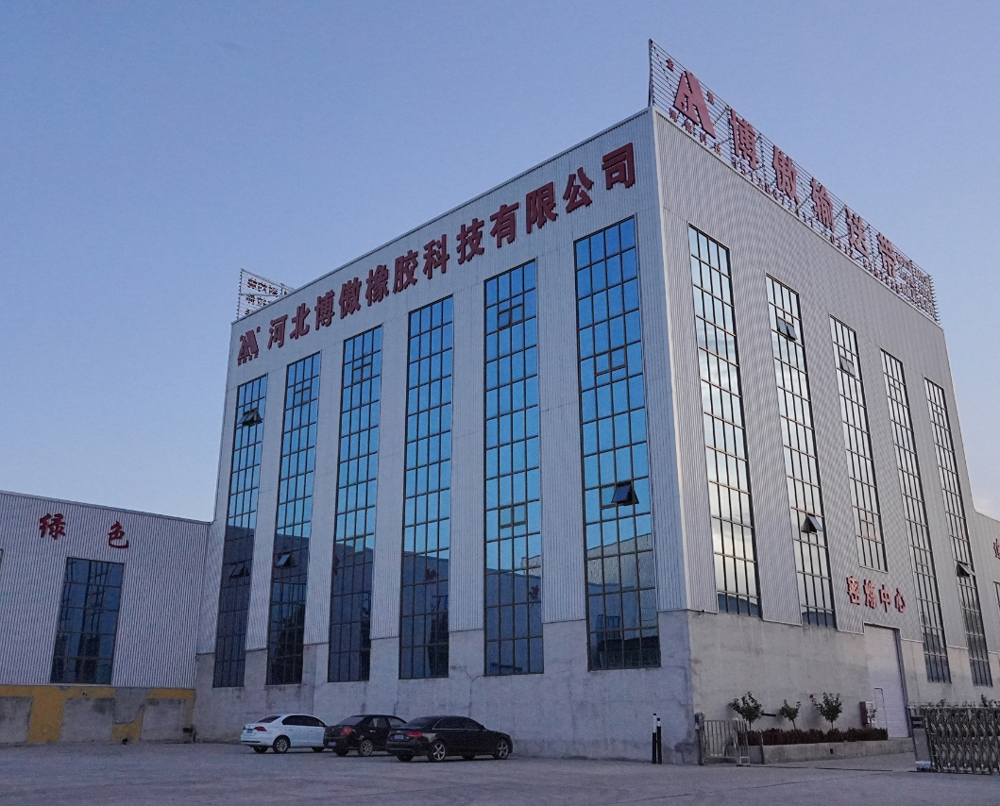
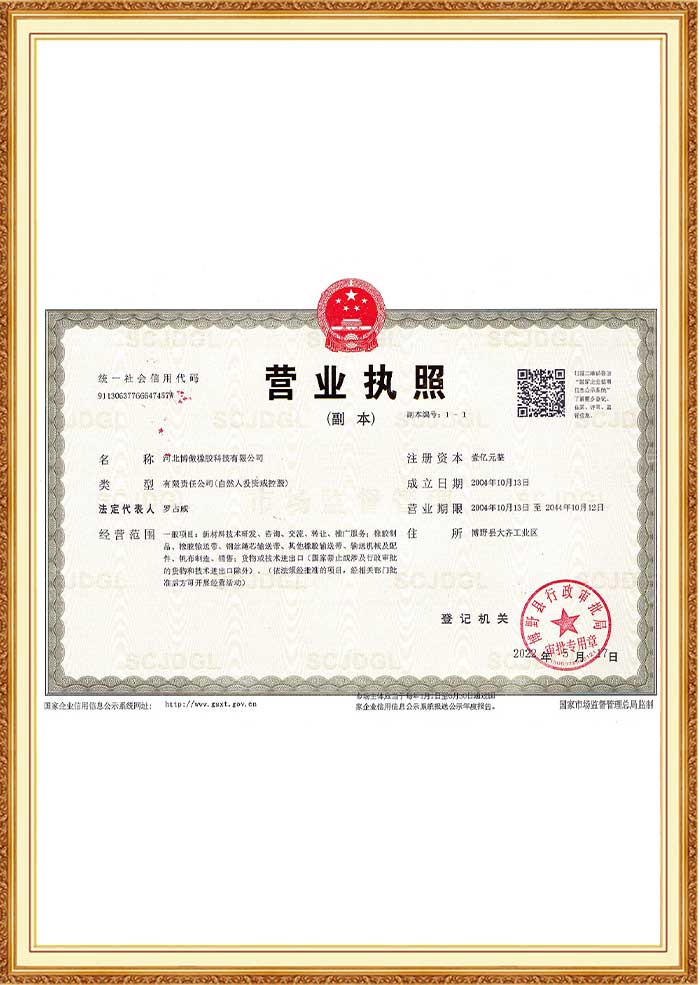
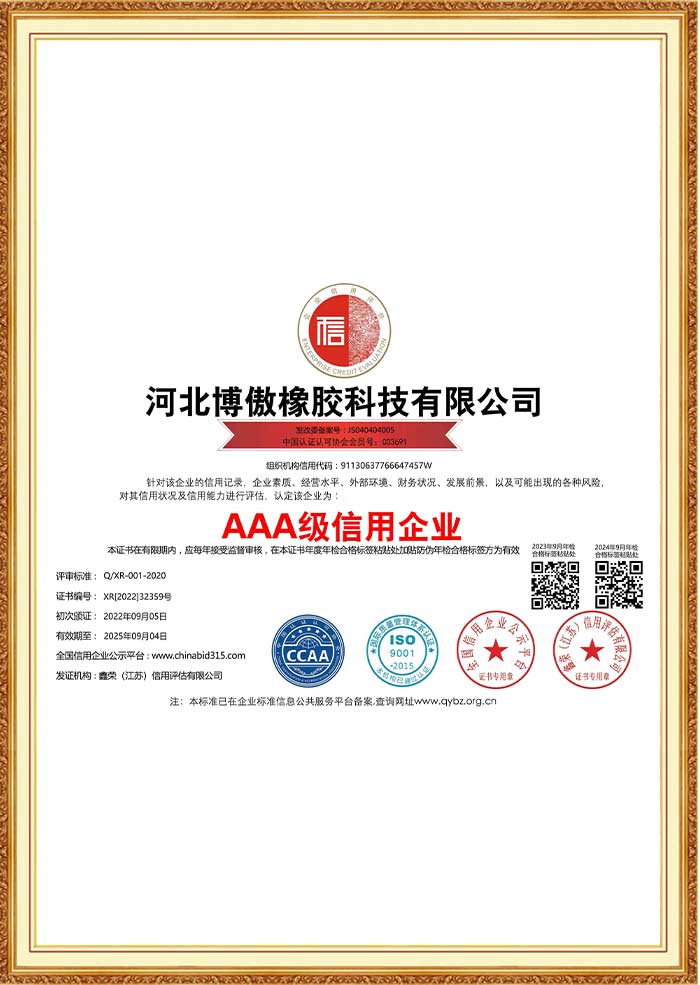
Hebei Boao Rubber Technology Co., Ltd. represents the cutting edge of industrial smart manufacturing in China. Located in the Boye County Rubber Industrial Park, our 30-acre state-of-the-art facility integrates automated raw material dosing, computerized calendering, and high-precision vulcanization systems under one cohesive quality management system.
By transitioning to automated production lines, we reduce compound deviations and ensure absolute cross-linking uniformity during vulcanization. This level of process control mitigates the risks of delamination, uneven wear, and splice vulnerabilities. In an era of unpredictable supply chain disruptions, our comprehensive vertical integration—from direct elastomer procurement to in-house physical-chemical testing—guarantees stable lead times and unparalleled product uniformity.
Owner of the Premium Industrial Brand "Jinao". Engineering Excellence Since 2004.
Founded in 2004, Hebei Boao Rubber Technology Co., Ltd. is located in the core of Boye County's Rubber Industrial Park, Baoding, Hebei Province. Over the course of 22 years of continuous technical iteration and market presence, the company has expanded to cover an area of over 30 acres. Under our signature brand, "Jinao", we have earned domestic and international acclaim as a premier integrated manufacturer of industrial conveyor belts, roller series, and specialized machinery accessories.
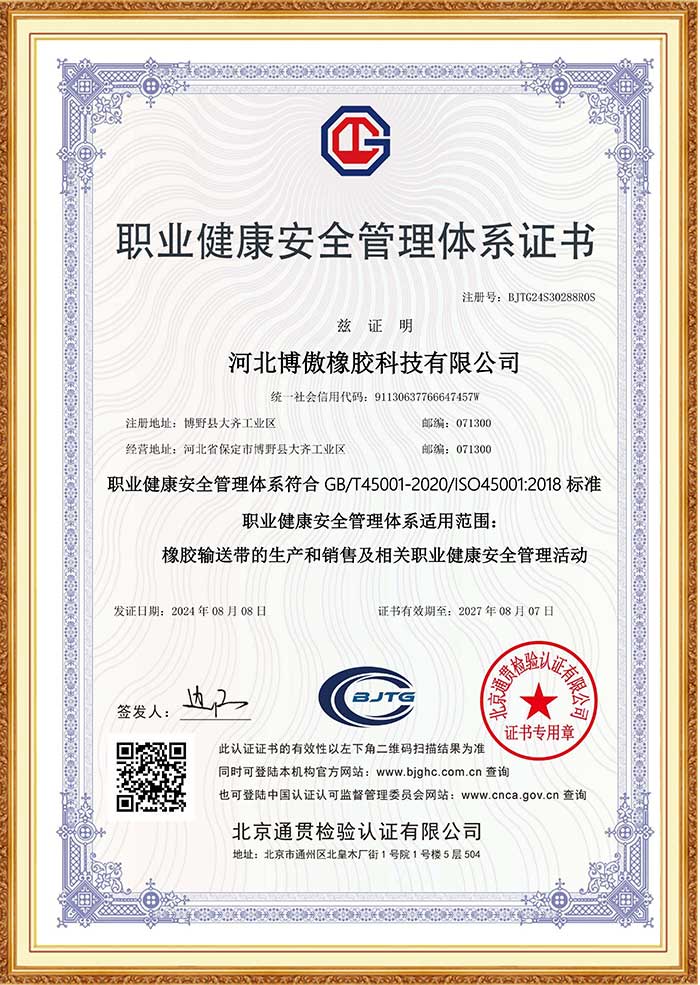
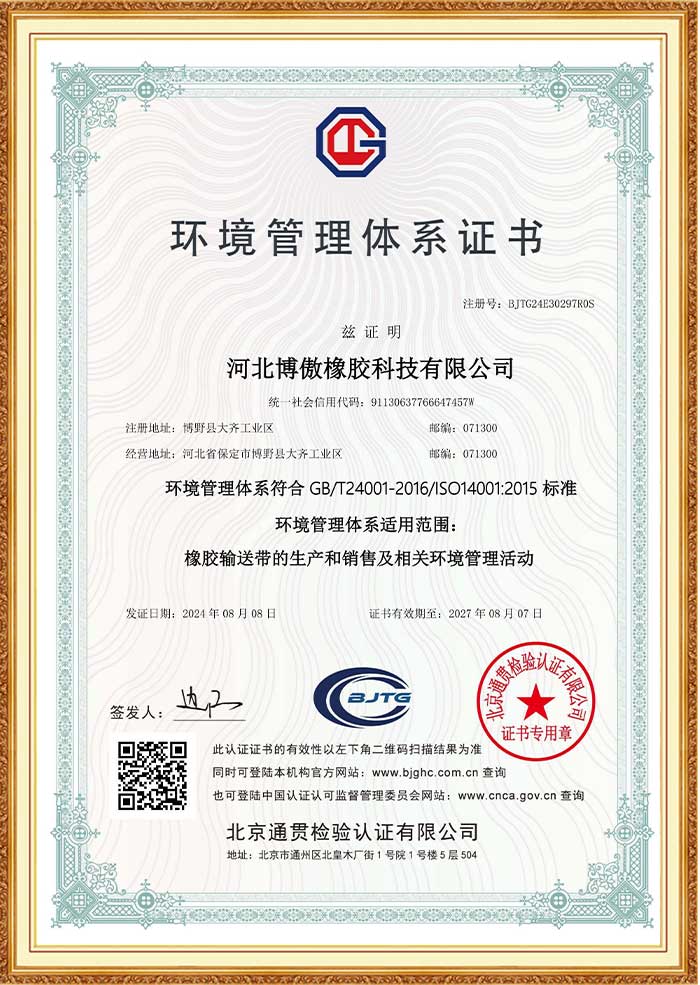
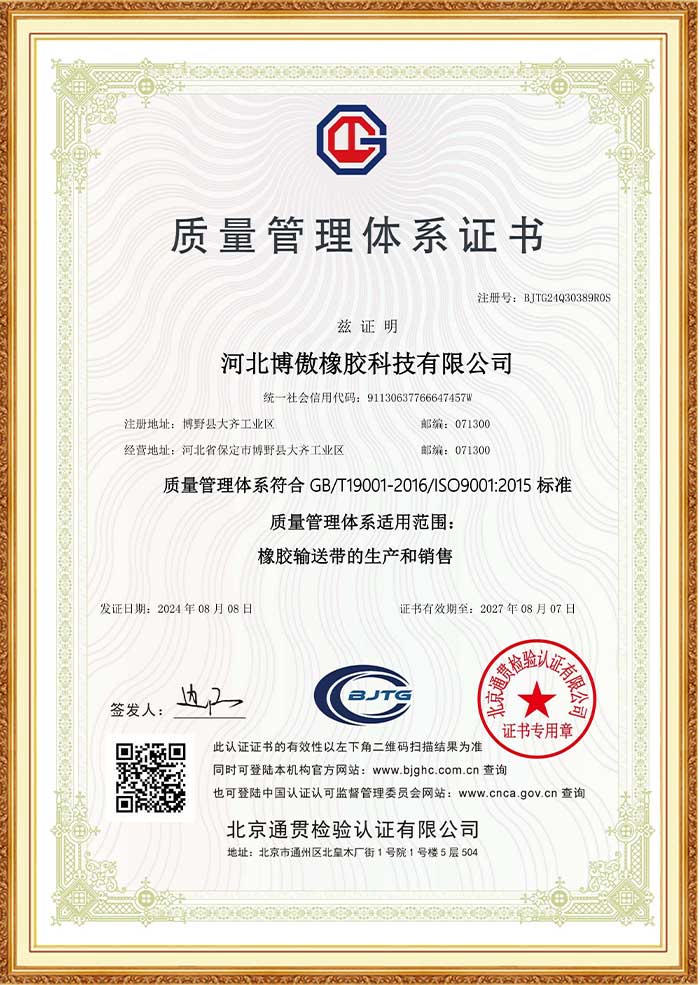
We operate multiple high-capacity production lines for rubber mixing, calendering, shaping, vulcanization, and material testing. This complete process loop allows us to maintain strict compliance with international quality systems, ensuring that no subpar raw materials enter our facility, and no non-standard products ever reach our global customers.
Providing heavy industries with a comprehensive suite of conveyor belts and auxiliary conveyor hardware.
High-tensile material transport belts customized for diverse thermal, chemical, and physical stresses:
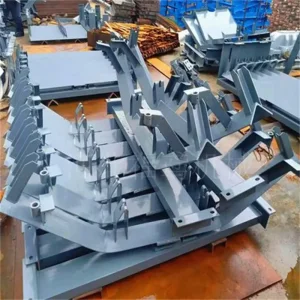
Precision components engineered to align, support, and safeguard your conveyor line infrastructure:
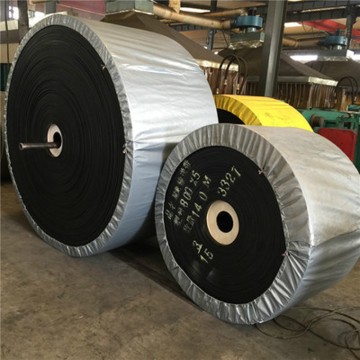
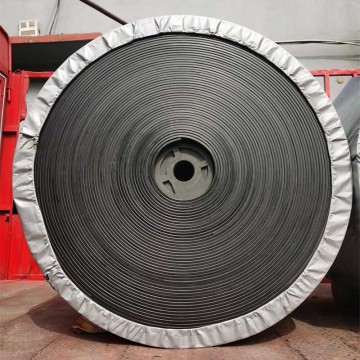
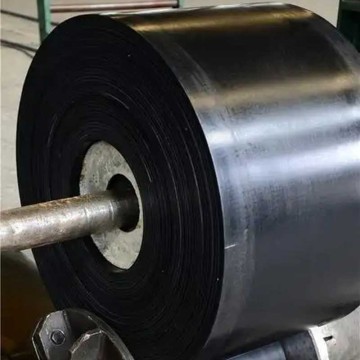
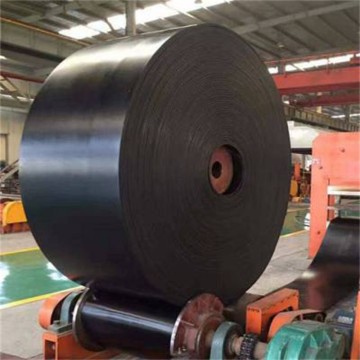
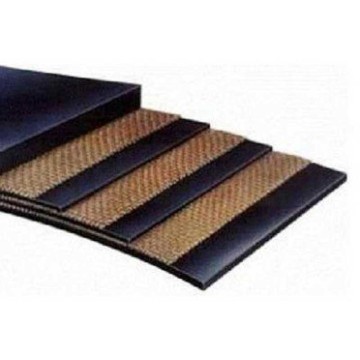
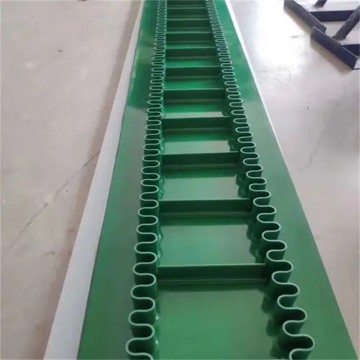
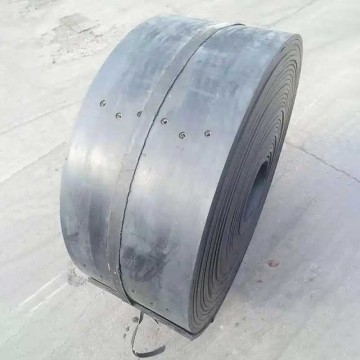
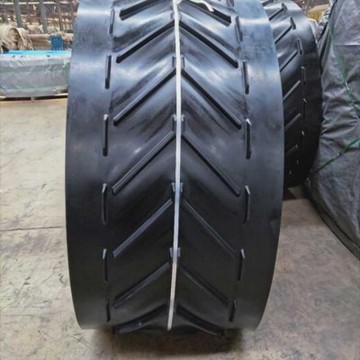
Customizing carcass specifications and polymer covers to withstand targeted dynamic hazards in heavy industries.
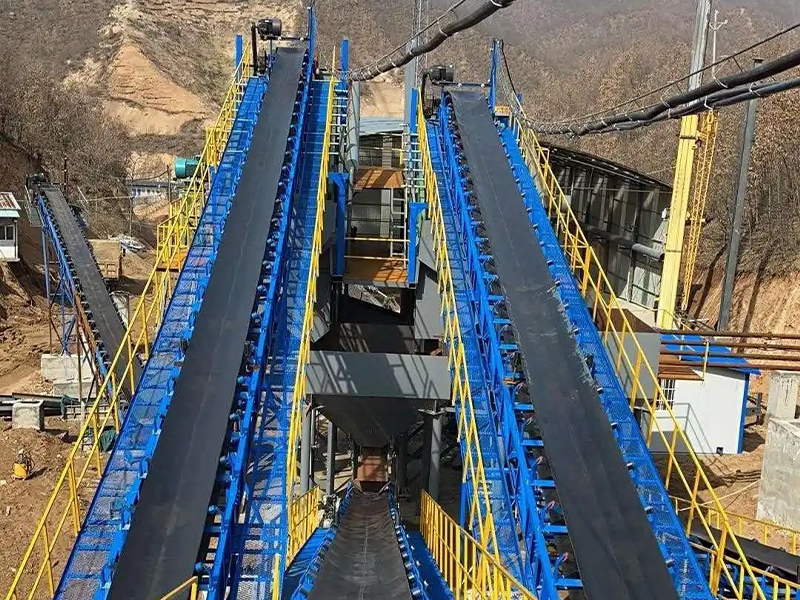
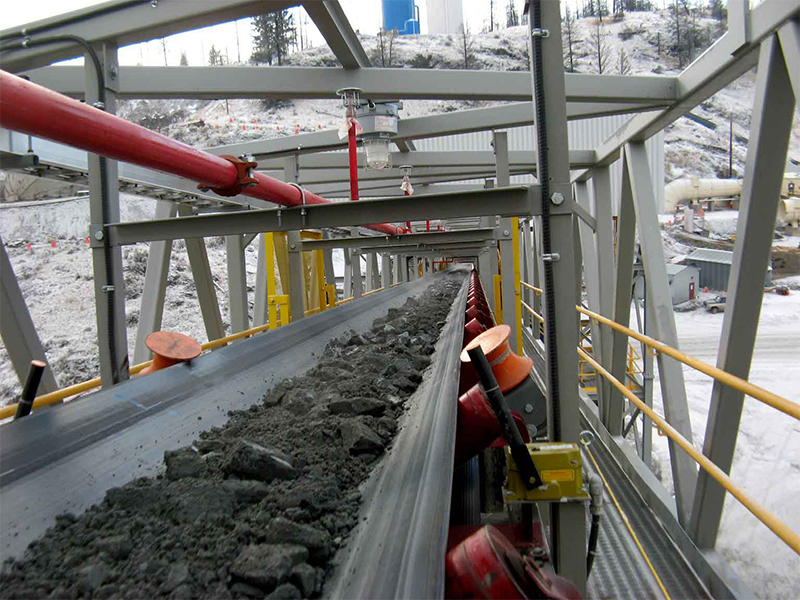
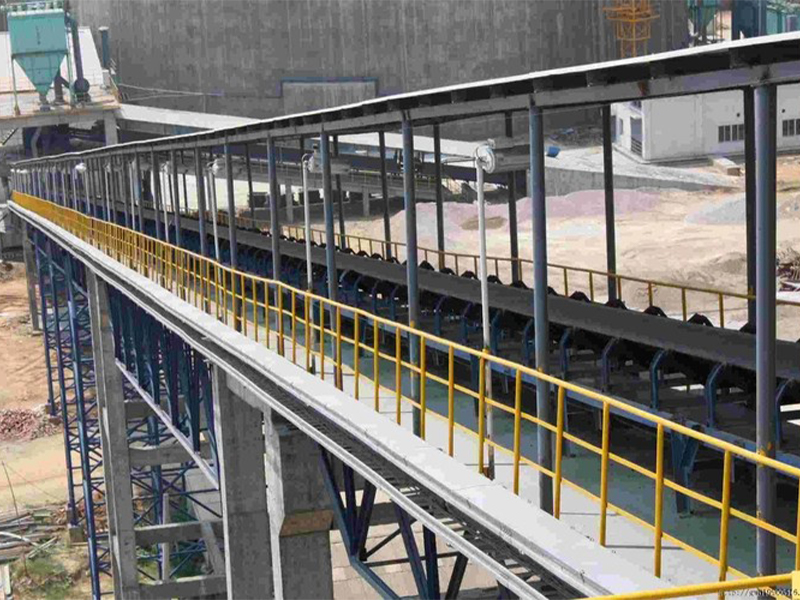
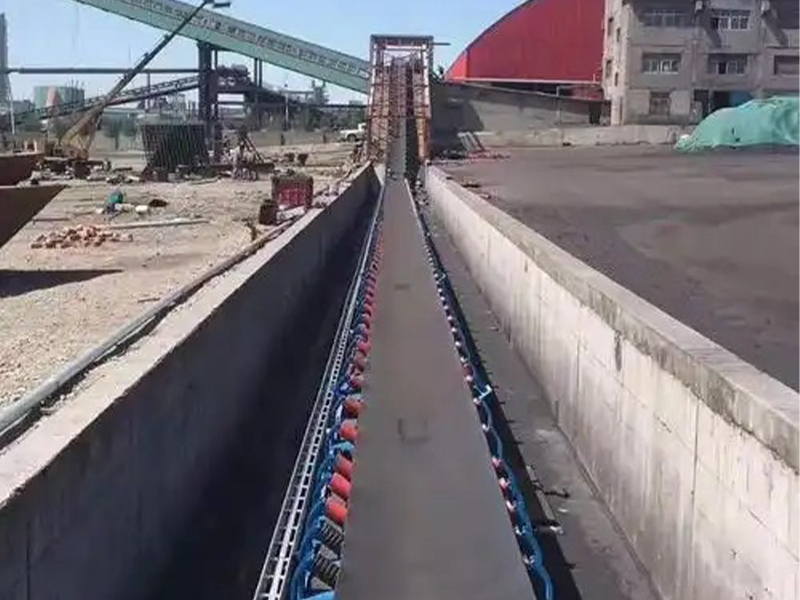
Underground and open-pit mining environments present severe abrasive forces and impact hazards. High-tensile steel wire rope conveyor belts coupled with anti-tear cross-reinforcements prevent catastrophic runout splices. High-grade natural rubber cover shields maintain pliability and integrity when exposed to hard quartz rock, copper ore, and heavy coal loads.
Moving sinter, coke, and slag involves constant thermal stress. Standard rubber degrades quickly under heat. Our high-temperature resistant formulations, using specialized EPDM/Natural Rubber co-polymers, handle materials up to 200°C (with peaks of 400°C), preventing surface cracks and ply separation.
High-speed port conveyors run under constant salt spray, humidity, and ozone exposure. Our belts feature ozone-resistant anti-oxidants, preventing micro-fissures along the belt edges. This protects the internal steel cord or synthetic carcass from corrosion and premature wear.
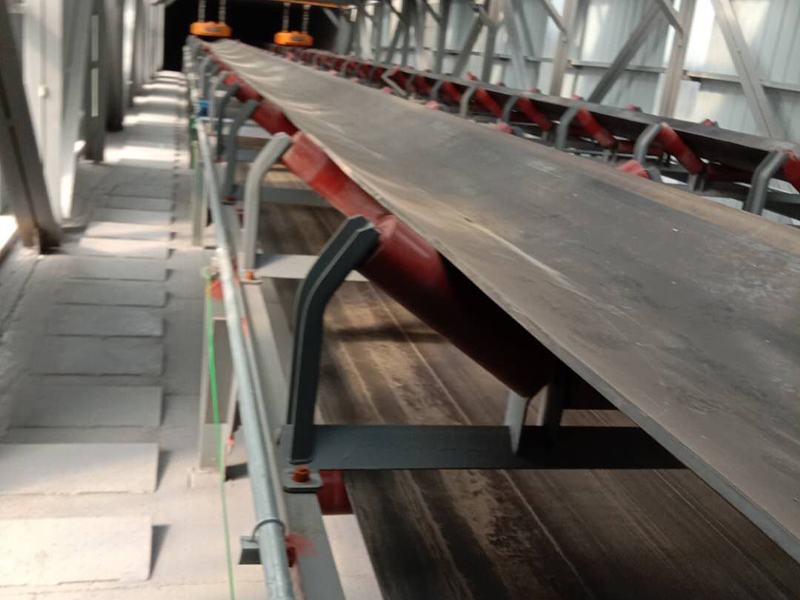
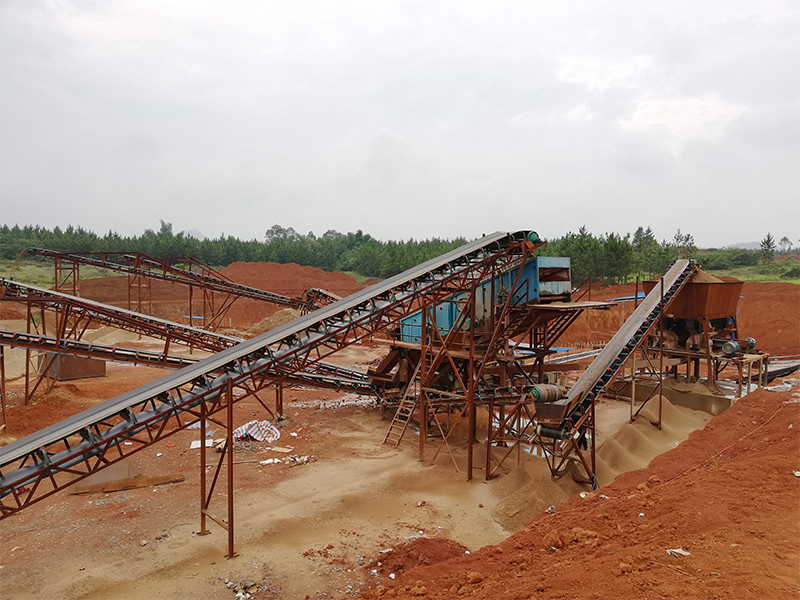
Our quality control protocols run from raw elastomer validation to finished product inspection. Hebei Boao Rubber Technology Co., Ltd. features an independent chemical analysis lab and a modern physics laboratory. We test tensile strength, elongation at break, abrasion loss, cover-to-ply adhesion, and heat aging characteristics for every batch.
• Dynamic vulcanization testing to check curing profiles.
• DIN abrasion testing for cover wear evaluation.
• Drum friction and flame propagation chambers for flame-retardant safety approvals.
Comprehensive technical support from system audits and wear analysis to emergency repairs, keeping your operations running smoothly.
Regular belt profiling, wear measurements, tracking analysis, and splice health scans identify potential wear issues before they cause unexpected downtime.
We assist onsite engineers in managing safety stocks of critical belting sizes, preparing vulcanization splicing kits, and implementing standard cold/hot bonding techniques.
By analyzing pulley lagging, idler drag, and load transitions, we help reduce belt friction and energy consumption, extending the overall lifecycle of your equipment.
Expert answers to critical chemical, mechanical, and logistical questions in industrial conveyor belt procurement.
Natural rubber (NR) offers excellent physical resilience, tear propagation resistance, and dynamic fatigue life, making it highly effective for impact zones and large aggregates. Synthetic rubbers like SBR, NBR, and EPDM are selected for specific environmental conditions: SBR improves abrasion resistance when blended with NR, NBR provides resistance to oil and grease, and EPDM offers thermal stability in hot applications.
We use high-precision calendering machines to apply dynamic vulcanizing adhesive formulations directly onto clean synthetic fabrics (EP/NN). Our process controls moisture, tension, and heat profiles, achieving interface chemical bonds that exceed international standards. This drastically reduces the risks of belt delamination under high mechanical loads.
Belt edge wear is typically caused by tracking errors, misaligned pulleys, or uneven loading. To mitigate this, keep conveyor frames aligned, use centering/self-aligning idlers, and implement regular inspections. We also reinforce our belt edges with specialized compounds to improve mechanical resistance against side wear.
Underground safety is regulated by standards like ISO 340, EN 12882, MSHA (USA), and national coal safety requirements. These specify test methods for flame propagation and electrical resistance. Our flame-retardant conveyor belts are formulated with self-extinguishing compounds to meet these safety requirements.
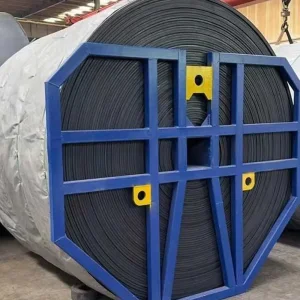
Extended exposure to UV rays, ozone, moisture, and extreme temperatures can degrade natural rubber through oxidation. Store belts in a cool, dry, dark indoor warehouse, away from electric motors and high ozone sources. Keep rolls on their packing frames off the floor to prevent localized pressure deformation.
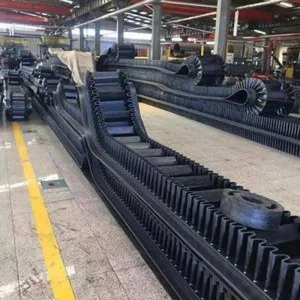
Explore our specialized range of high-angle belting and supporting roller hardware designed to optimize material throughput and stability.
 Boao Rubber