Engineered for high load-bearing capacity, extreme temperature tolerances, and optimal belt tracking performance.
A Technical Guide to Choosing and Implementing Self-Aligning Carrying Idler Frames in High-Load Systems
In heavy industrial conveyor systems, belt mistracking is one of the leading causes of structural damage, material spillage, premature wear, and unexpected system downtime. When high-capacity belts deviate from their designed center line, the dynamic forces can result in severe edge fraying, loss of material, and potential catastrophic structural collision. The primary engineering countermeasure against this phenomenon is the implementation of highly responsive, durable Self-Aligning Carrying Idler Frames.
Self-aligning carrying idler frames operate on a dynamic, mechanical feedback principle. When the conveyor belt shifts away from the geometric center line, it exerts an unequal distribution of friction and force across the idler rolls. This differential force induces a torque relative to the frame's central pivot point. By pivoting on a precision-engineered thrust bearing, the frame skews slightly. The resulting angled contact between the rollers and the moving belt generates a lateral corrective force, actively steering the belt back to its center path. This self-regulating kinematics system ensures immediate response without requiring external sensors or power supplies.
Modern industrial sites present severe environmental challenges—ranging from corrosive chemical vapors to sub-zero arctic temperatures. To ensure reliable operations, frames are typically manufactured using structural carbon steel, treated with protective coatings such as hot-dip galvanization or powder-coated polymers. Heavy-duty applications require structural configurations capable of handling high dynamic impact at transfer points, where bulk materials drop from significant heights. High-grade bearings with multi-stage labyrinth seals protect the pivoting shaft against dust, mud, and water ingress, eliminating the risk of locking or premature wear.
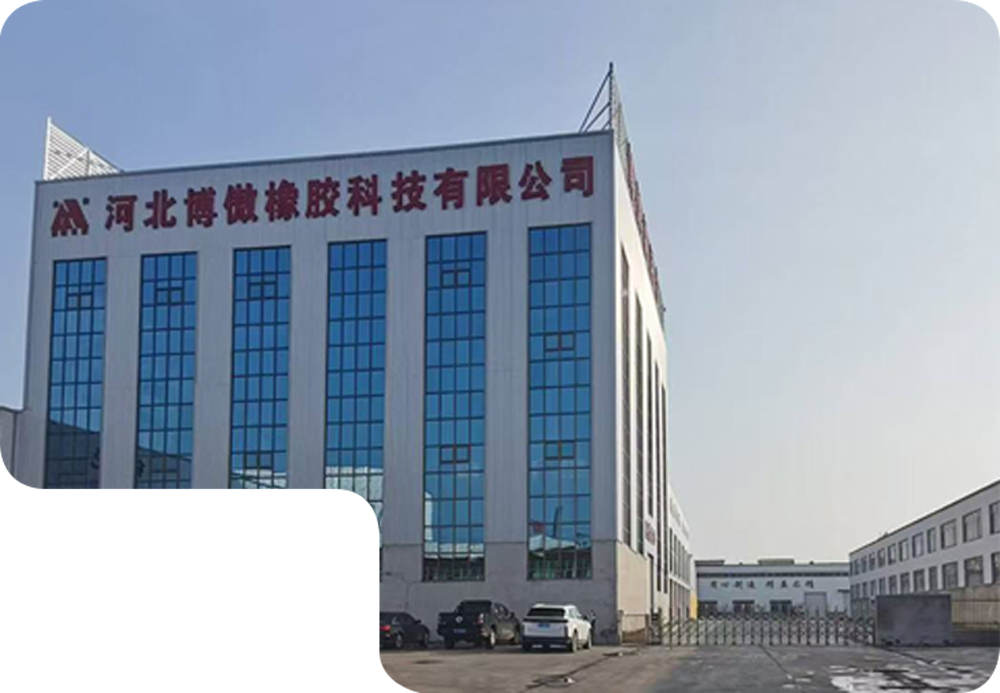
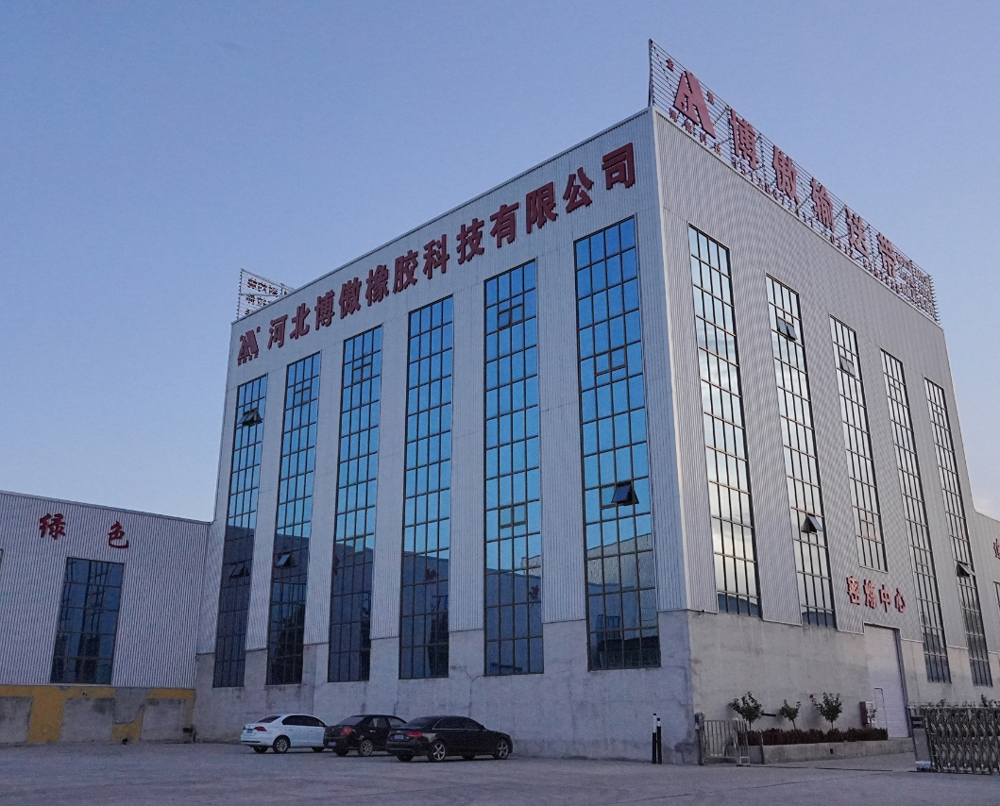
Established in 2004, Hebei Boao Rubber Technology Co., Ltd. is a leading manufacturer situated in the prestigious Rubber Industrial Park of Boye County, Baoding, Hebei Province, China. Over the past two decades, we have developed our flagship brand, "Jinao", into a hallmark of reliability and structural engineering precision, covering an expansive manufacturing footprint of over 30 acres.
Boao specializes in the deep design, metallurgical fabrication, and testing of heavy-duty conveyor belts and supporting mechanical components. By integrating custom engineering designs with advanced rolling, vulcanization, and material-testing laboratories, we guarantee that all Jinao products operate seamlessly in harsh industrial environments across the globe.
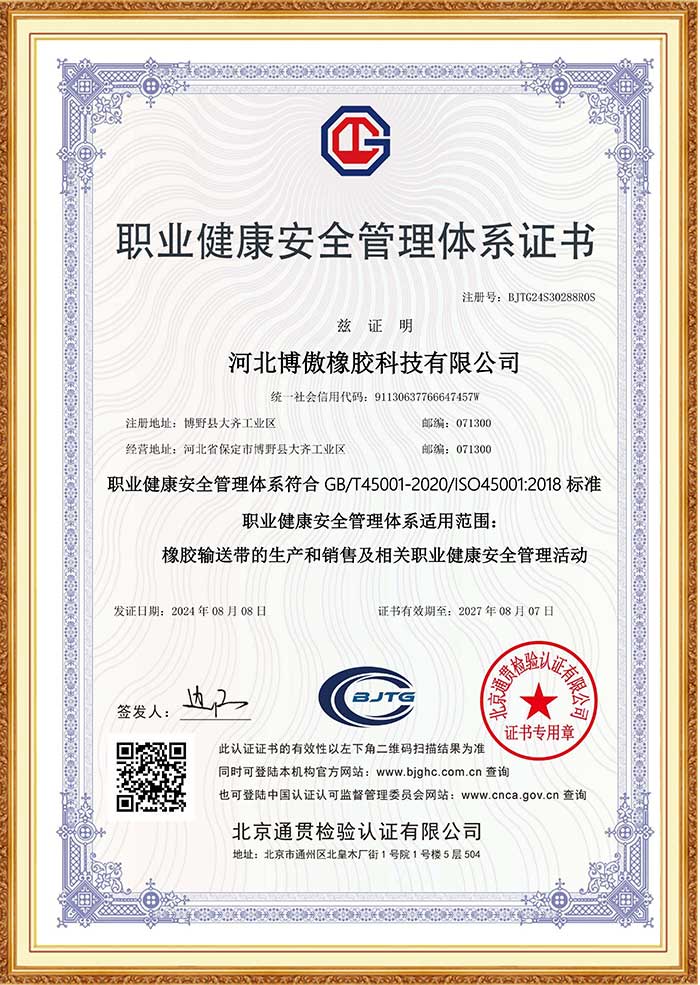
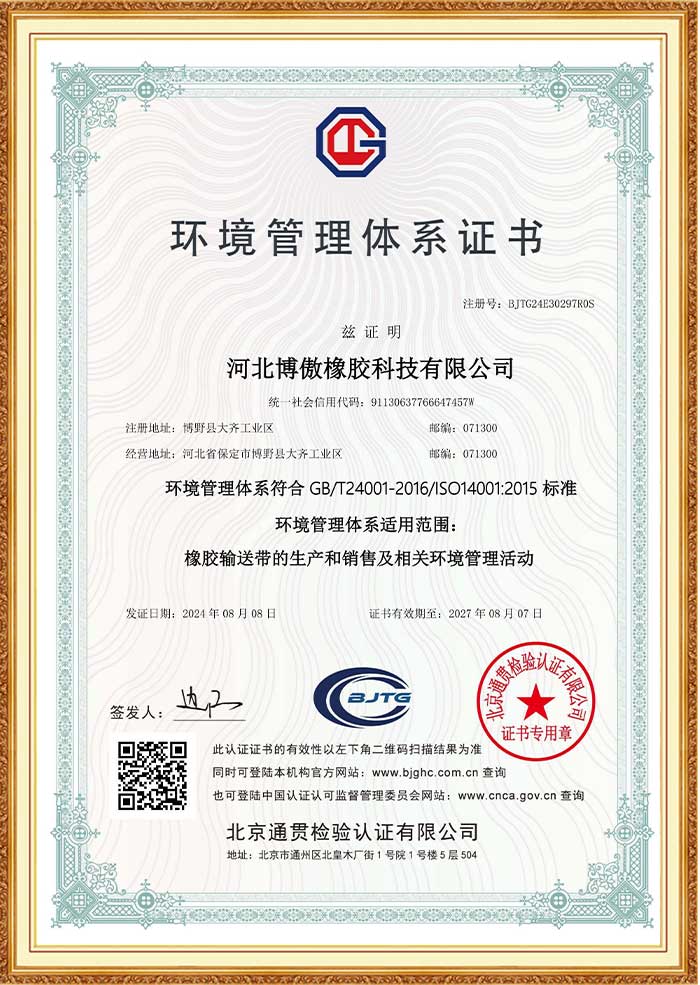
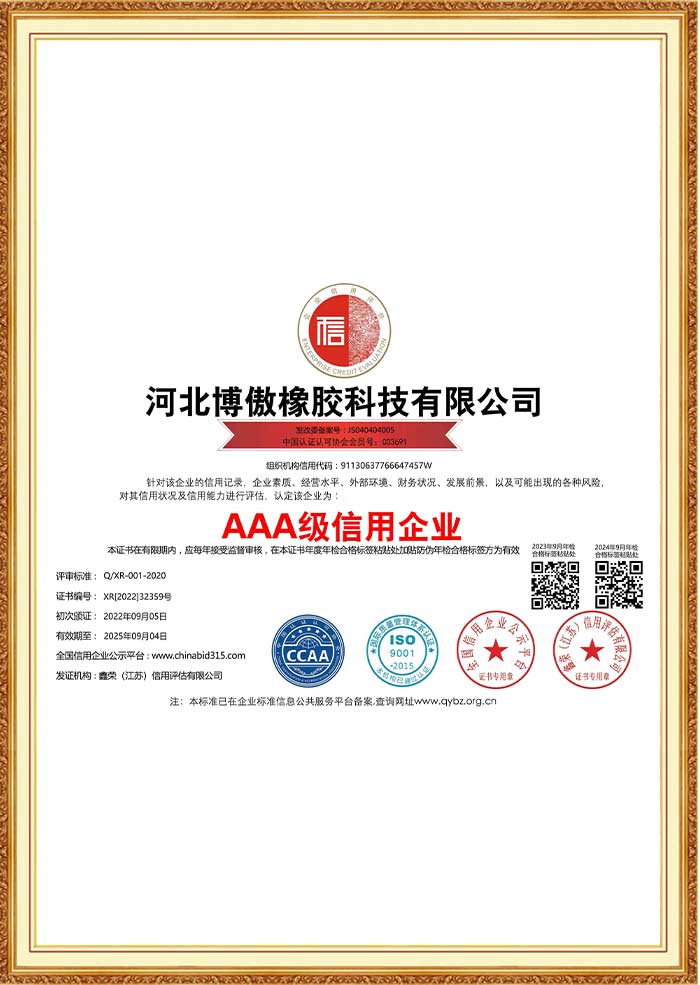
We are a certified ISO-compliant facility with dedicated research facilities designed to execute both chemical and physical testing of structural materials and rubber compounds. This ensures a zero-defect production workflow from raw material intake to the final shipment of heavy conveyor components.
Uncompromising quality control and end-to-end industrial engineering capabilities
Our facility houses an independent chemical analysis lab and physical testing room, verifying the mechanical properties of every batch of raw steel, vulcanized rubber, and sealing components. Unqualified products are systematically barred from leaving our production floors.
Utilizing high-frequency ultrasonic welds testing, dynamic balance checks, and non-destructive load tests, our engineers verify all dimensional tolerances and structural weldments. Rest assured knowing your idlers are engineered to last.
Jinao products are deployed in thousands of domestic and global systems, servicing high-capacity operations in steel mills, coal mines, cement plants, thermal power stations, grain terminals, and deep-water ports.
How Hebei Boao leverages regional industrial ecosystems to deliver superior global value
Boye County in Baoding, Hebei, is widely recognized as one of the world's most dense clusters for conveyor belt and mechanical accessories manufacturing. This localized concentration offers unparalleled benefits. Raw material access—including steel alloys, natural and synthetic rubbers, and custom-designed bearings—is tightly integrated within a 20-kilometer radius. For global enterprise clients, this logistics efficiency directly translates into faster production cycles, lower lead times, and superior pricing structures without sacrificing mechanical quality.
Our facility's multi-line manufacturing configuration allows us to easily scale production to meet the needs of large-scale infrastructure projects. Because we control the process from raw steel fabrication to dynamic welding and testing, we implement highly competitive economies of scale. We utilize robotic welding arms to assure uniform weld penetration across our self-aligning idler frames, minimizing stress concentration points and eliminating structural failures under extreme load surges.
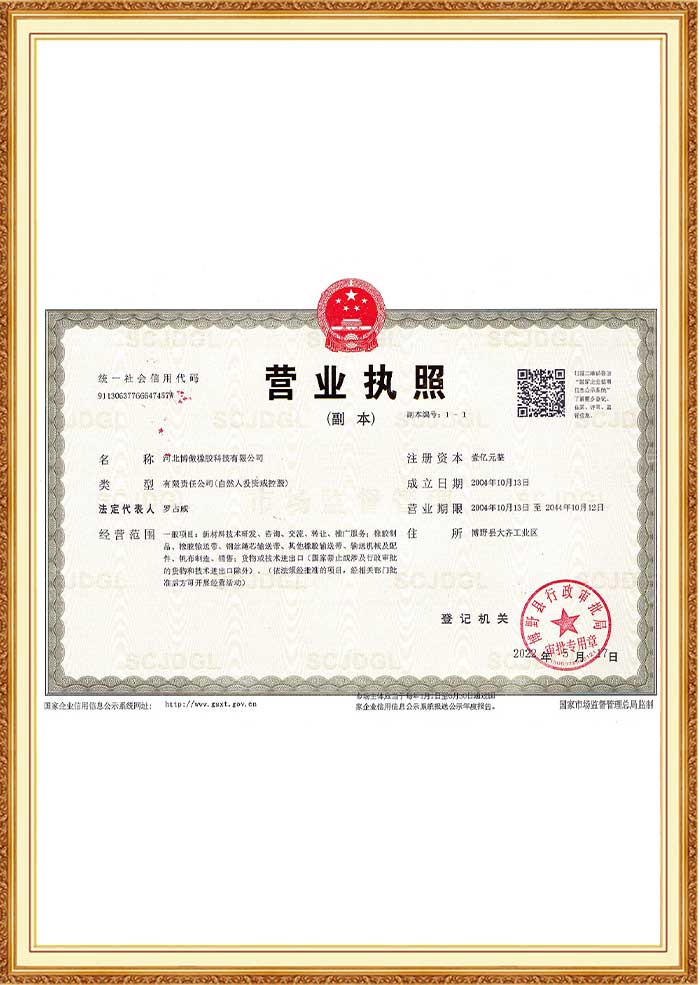
We work alongside global engineering, procurement, and construction (EPC) companies to design frames that comply with localized international standards. Whether your project requires adherence to CEMA (Conveyor Equipment Manufacturers Association) sizing, DIN (German Industrial Standard) load-bearing specifications, or Australian AS1332 standards, Hebei Boao possesses the metallurgical capability and engineering personnel to model and manufacture to these precise specifications. Furthermore, our products are certified to conform to international environmental and safety directives, including ISO 9001:2015 Quality Management protocols.
Located in Hebei, Boao boasts excellent logistical proximity to major deep-water ports, such as the Port of Tianjin and Port of Qingdao. This strategic geographic position enables rapid container shipping, minimizing internal transport delays and securing cost-effective shipping lanes to destinations across North America, Europe, Australia, and Southeast Asia.
Discover our comprehensive range of high-performance belts and supporting structural accessories
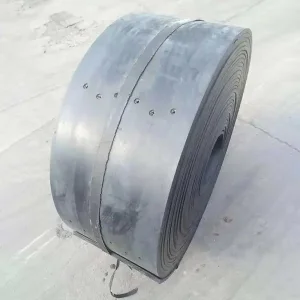
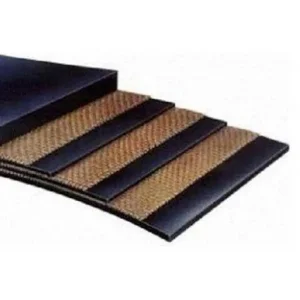
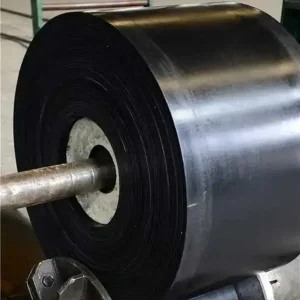
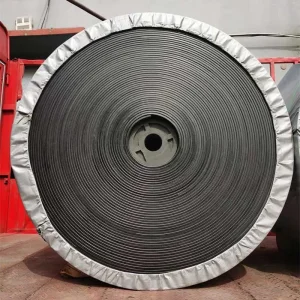
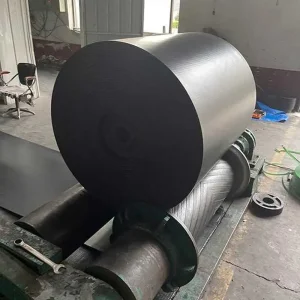
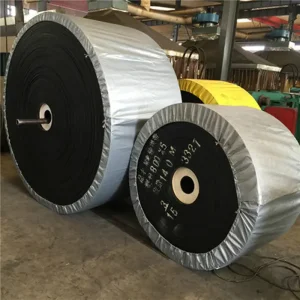
High-tensile conveyor belts including Nylon (NN), Polyester (EP), and PP reinforced plies. Engineered for durability, high wear resistance, and minimal elongation under load.
Heat-resistant and high-temperature conveyor belts optimized for hot clinker, slag, and metallurgy materials up to 250°C.
Cold-resistant rubber belts operating down to -50°C, chemical-resistant (acid and alkali), flame-retardant, and oil-resistant formulas.
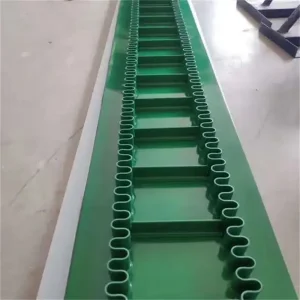
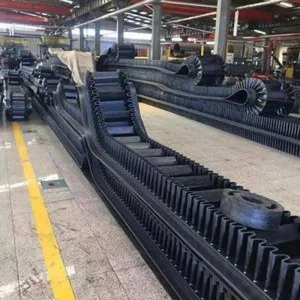
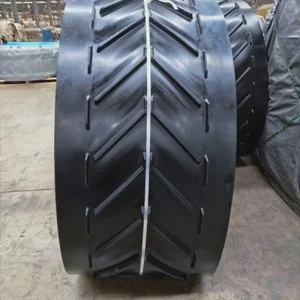
Patterned rubber conveyor belts (chevron, herringbone, and custom pocket patterns) alongside corrugated wavy edge sidewall belts for vertical material lifting.
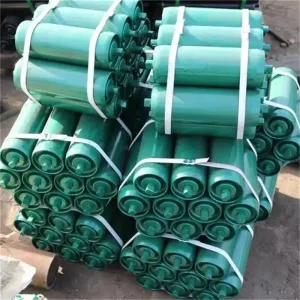
Precision-made structural brackets, self-aligning carrying idler frames, return tracking frames, impact dynamic beds, and custom tensioning brackets.
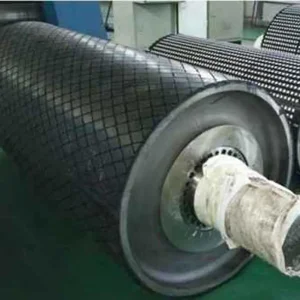
Suspended conveyor rollers, impact-absorbing rubber ring rollers, ceramic lagged idlers, and heavy-duty electric pulleys with integrated drive motors.
Eliminate procurement complexities with our full-lifecycle engineering support and operational SLAs
At Hebei Boao, our commitment to our clients extends beyond the factory gate. We provide complete technical service plans designed to maximize the lifespan of your belts and idler systems. We work directly with site managers to conduct audits, assess structural load points, and design customized maintenance plans.
Discover how Hebei Boao systems deliver reliability under the most punishing industrial conditions
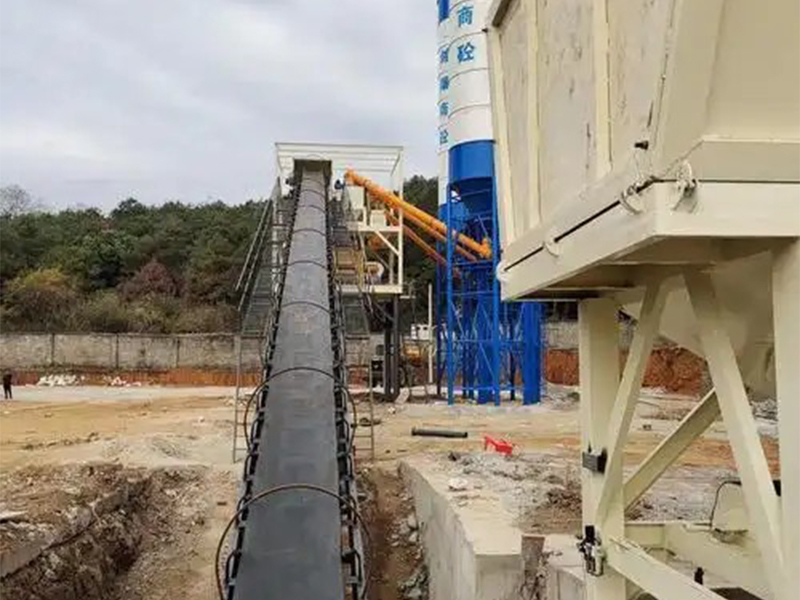
High-load aggregate feeding belts operating with structural Jinao components, ensuring continuous mixing cycles.
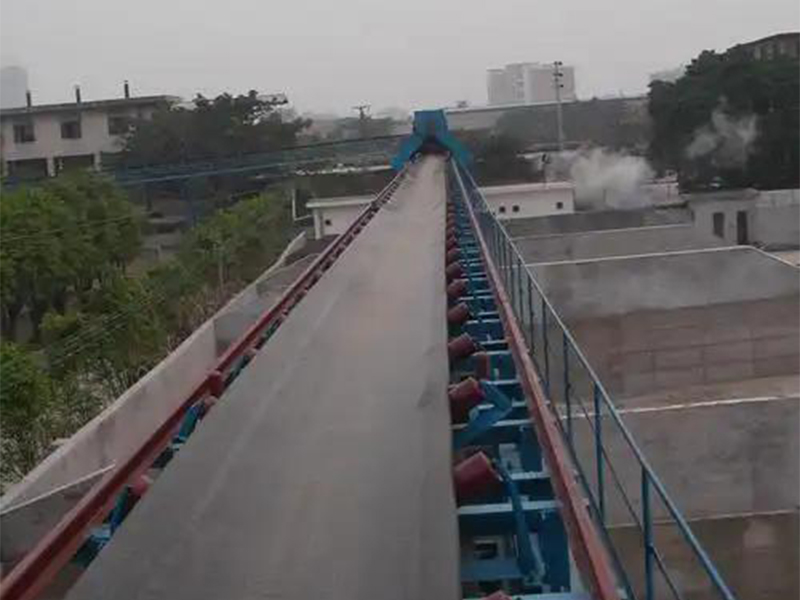
Thermal-resistant EP belts transport hot clinker from kiln lines without structural failures or unexpected downtime.
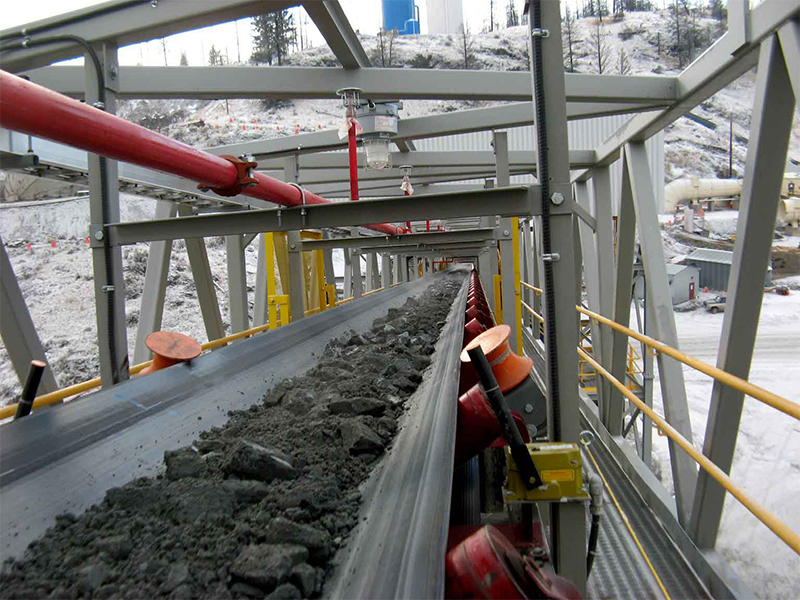
Underground coal transport lines fitted with flame-retardant, high-impact self-aligning carrying idler frames.
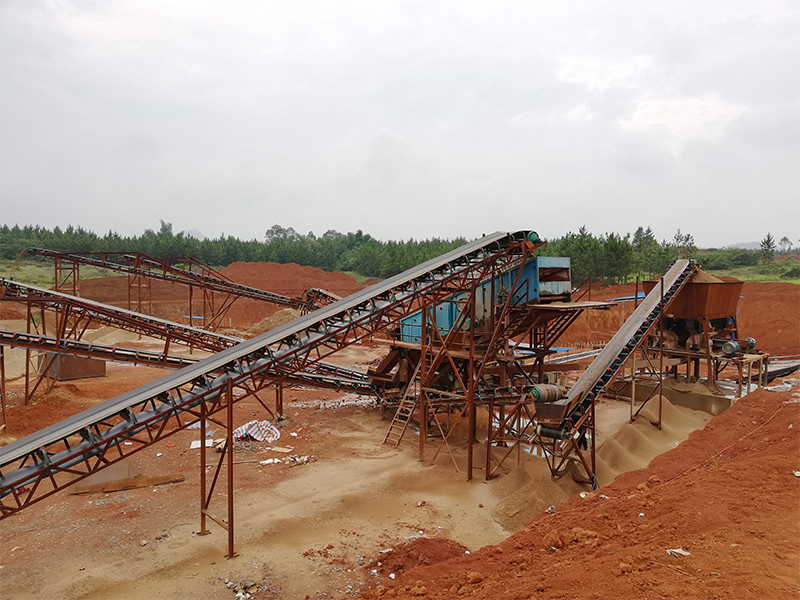
Nickel smelting material handling, relying on corrosion-resistant polymer coatings and robust idler components.
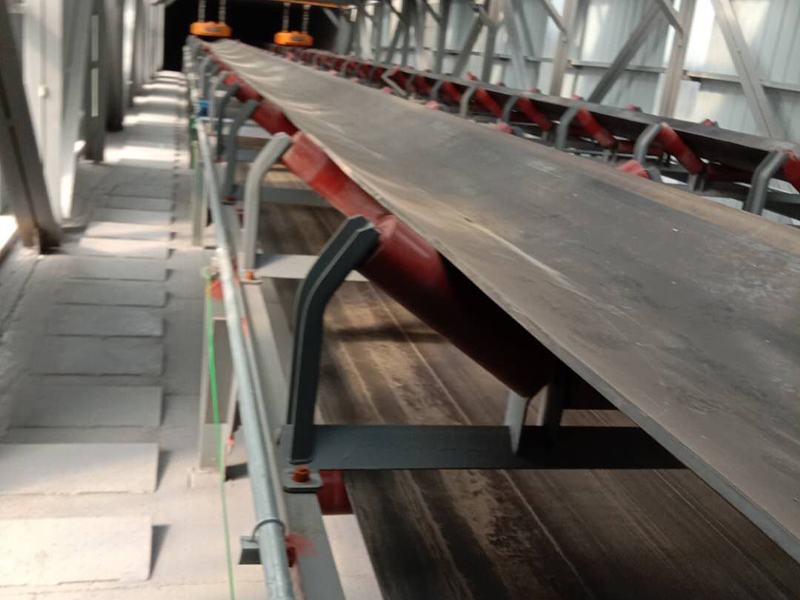
Iron ore transport belts operating with self-aligning frames designed to withstand continuous abrasive dust conditions.
Verifying Hebei Boao's compliance to international manufacturing and safety protocols
Expert engineering insights into conveyor belt tracking and maintenance
A: The self-aligning carrying idler frame rotates on a central vertical pivot. When a conveyor belt wanders to one side, it contacts a guide roller or increases frictional drag on that side. The resulting unequal force generates a dynamic torque, pivoting the frame slightly. This pivot creates an offset angle relative to the belt travel vector, prompting the rollers to naturally steer the belt back to its center path.
A: Look out for frozen guide rollers, slow or non-responsive pivoting action, excessive dust build-up around the pivot assembly, and uneven roller wear. If the pivot point is seized, it cannot steer the belt, potentially exacerbating mistracking issues. Regular inspection of the central thrust bearings and labyrinth seals is crucial.
A: Yes, but you must select a reversible self-aligning idler design. Standard self-aligning frames are directional; running them in reverse will cause the frame to pivot in the wrong direction, increasing mistracking. Reversible units utilize specialized mechanisms to adjust their pivot angle depending on the belt travel direction.
A: As a rule of thumb, self-aligning carrying idler frames should be positioned every 30 to 50 meters along the carrying run. For critical areas such as tail pulleys, head pulleys, and gravity take-up loops, it is recommended to install a unit 9 to 15 meters prior to the pulley to prevent off-center entry.
A: We utilize deep groove ball bearings engineered with C3 or C4 clearances to accommodate thermal expansion. These bearings are protected by a multi-stage labyrinth seal system, preventing fine coal, cement dust, or humidity from entering the lubrication chamber.
A: We offer specialized surface treatments, including hot-dip galvanization and advanced epoxy coatings. For chemical transport or wet processing sites, we provide rollers lagged with high-grade rubber or polyurethane to protect the steel shell from direct chemical attack.
A: Depending on the design complexity and batch size, our average production lead time ranges from 15 to 30 days. Thanks to our proximity to the Port of Tianjin, we coordinate ocean shipping logistics immediately after final quality inspections are completed.
A: Yes, our flame-retardant rubber conveyor belts meet MT820, AS1332, and international safety standards. They are designed for underground mines, preventing fire propagation while maintaining high mechanical strength and flexibility.
Browse our selection of wear-resistant components designed for heavy-duty industrial handling
 Boao Rubber