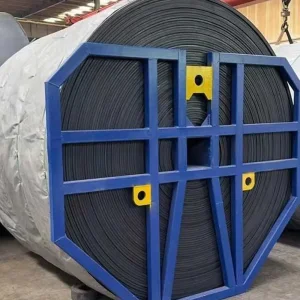
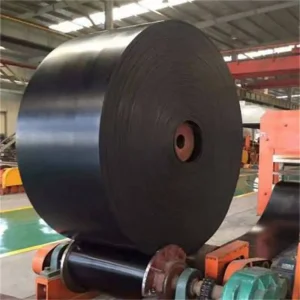
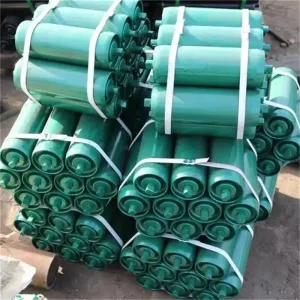
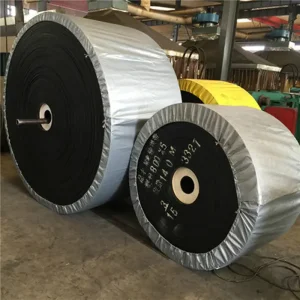
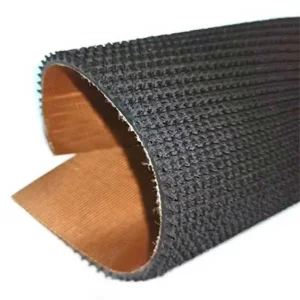
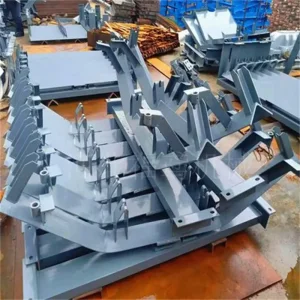
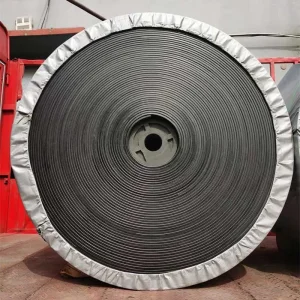
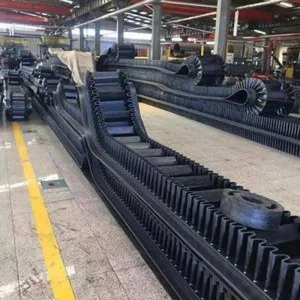
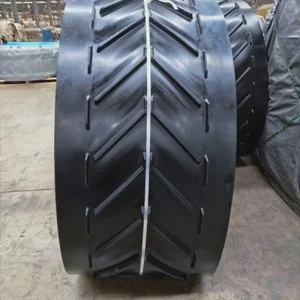
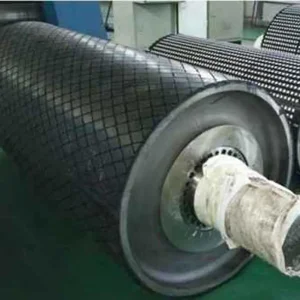
Browse our top-tier catalog of extreme durability rubber solutions, standard-compliant steel cord systems, and supporting troughing machinery engineered for high-impact and continuous load settings.
In large-scale dry bulk handling, conveyor systems are the arteries of production. Operations in mining, port logistics, metallurgy, and power generation process tens of thousands of metric tons per hour. The transportation of abrasive, sharp-edged materials like run-of-mine (ROM) coal, gold/copper ores, quartz, iron ore, and heavy slag poses constant threats to conventional belt designs. The primary source of catastrophic belt failure is longitudinal ripping.
A single piece of tramp iron, roof bolt, or scrap steel trapped at a transfer point can pierce a standard belt, slicing it lengthwise like a razor. If the belt lacks internal rip-stops, thousands of meters of belt are ruined before the system stops. The cost of replacing the belt itself is only a fraction of the total loss. The primary loss comes from unplanned production stops, clearing thousands of tons of spilled material, and labor safety hazards. It easily aggregates to thousands of dollars per minute.
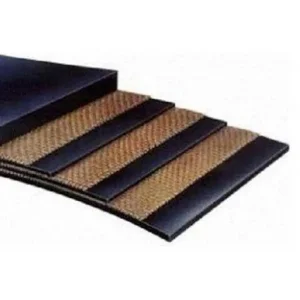
Tear-resistant steel cord belts are constructed with specialized transverse reinforcement layers. These high-tensile steel wire meshes or synthetic textile breakers act as physical barriers that block penetrating foreign objects, preventing minor punctures from propagating into massive, system-wide tears.
By embedding zinc-coated steel cords with high mechanical adhesion properties, these belts sustain massive tension loads with negligible elongation. This allows for longer conveyor center-to-center distances, reduced horizontal/vertical curves, and simpler take-up tension systems.
Engineered with premium synthetic elastomers matching DIN, RMA, and AS specifications, our cover rubber resists cutting, gouging, and ozone degradation. This preserves the internal steel core from moisture and corrosive elements, preventing internal cord rusting and splice pull-outs.
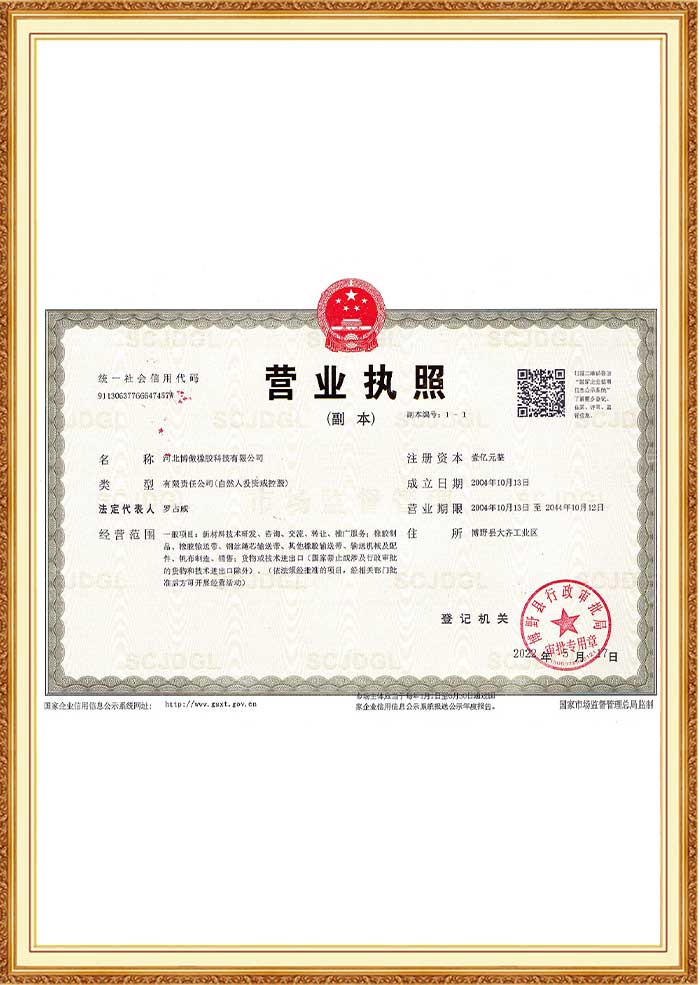
Established in 2004, Hebei Boao Rubber Technology Co., Ltd. is located in the Rubber Industrial Park of Boye County, Baoding, Hebei Province, China. Spanning an expansive area of over 30 acres, we have grown into a leading modern enterprise integrating R&D, structural design, customized manufacturing, and technical maintenance. Our products, marketed globally under the renowned "Jinao" trademark, represent safety, reliability, and cost-efficiency.
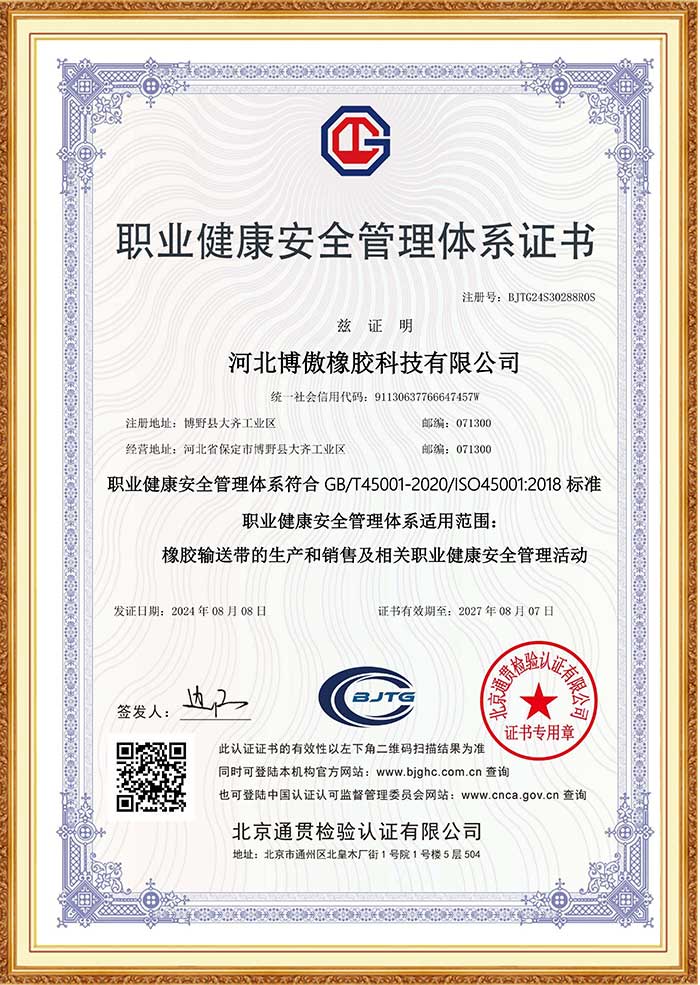
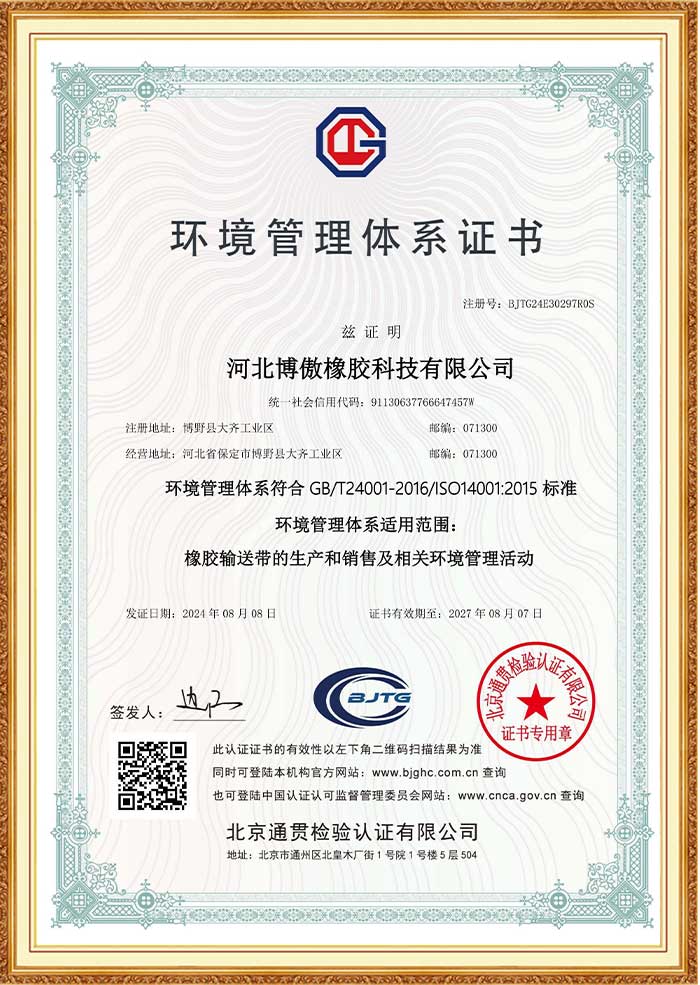
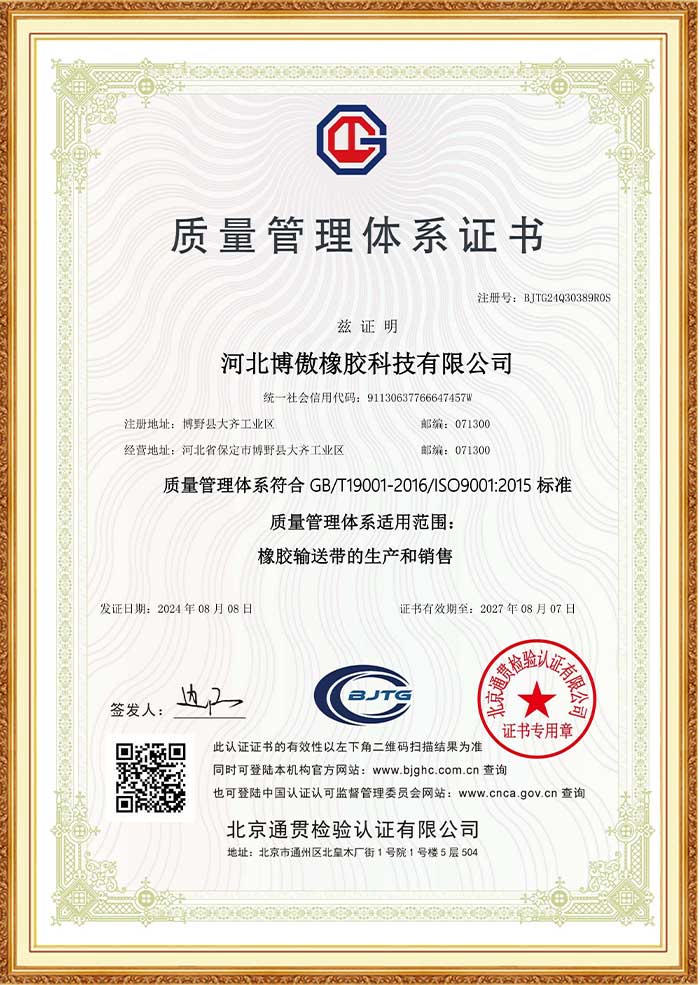
With state-of-the-art heavy-duty vulcanization lines, high-precision mixing rooms, and automated calendar systems, we deliver complete material handling solutions. Our quality management system has passed the international ISO certification on the first attempt, testifying to our rigid manufacturing standards and quality control protocols. From raw material input to the vulcanization and packing stages, we ensure each conveyor belt is built to withstand toughest operating environments.
Our manufacturing facility supports various heavy-duty bulk handling applications, producing:
China’s manufacturing landscape has transitioned from raw output scale to high-precision, smart manufacturing. As an Industry 4.0 manufacturer, Boao Rubber has integrated computerized material dosing systems, laser-guided cord alignment systems, and modern curing presses that apply uniform pressure and thermal energy across the belt width. This ensures zero tension disparity across the individual wire cables, keeping the belt running straight over thousands of meters.
Our in-house physics and chemistry testing lab conducts dynamic adhesion tests, rubber rheometer tests, multi-axis tensile testing, and ozone aging checks. Unqualified raw material is rejected instantly, ensuring high quality.
Each finished steel cord belt undergoes ultrasonic weld inspection, steel cord integrity scans, cover thickness validation, and strict dimension verification to meet ISO 15236, DIN 22131, or AS 1332 specifications.
Being located in Boye County’s industrial core gives us stable access to chemical suppliers, premium steel manufacturers, and local ports, which shields us from global supply fluctuations.
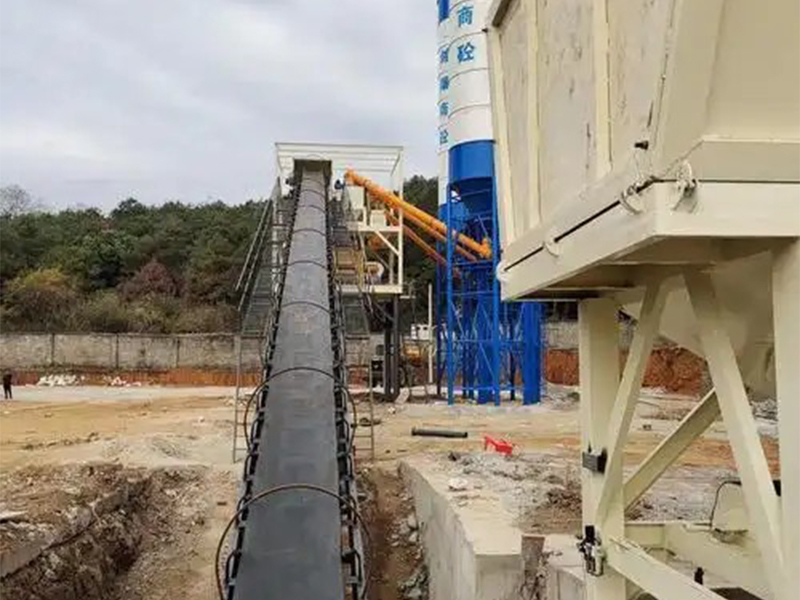
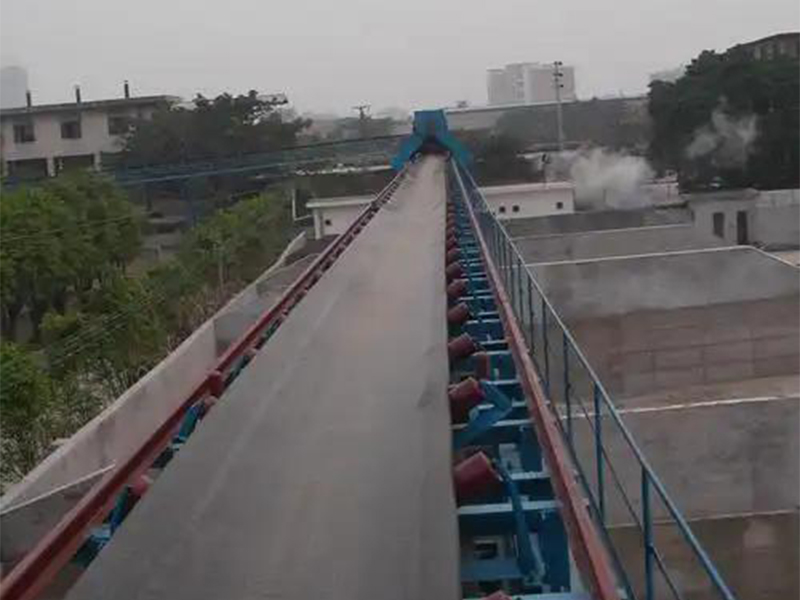
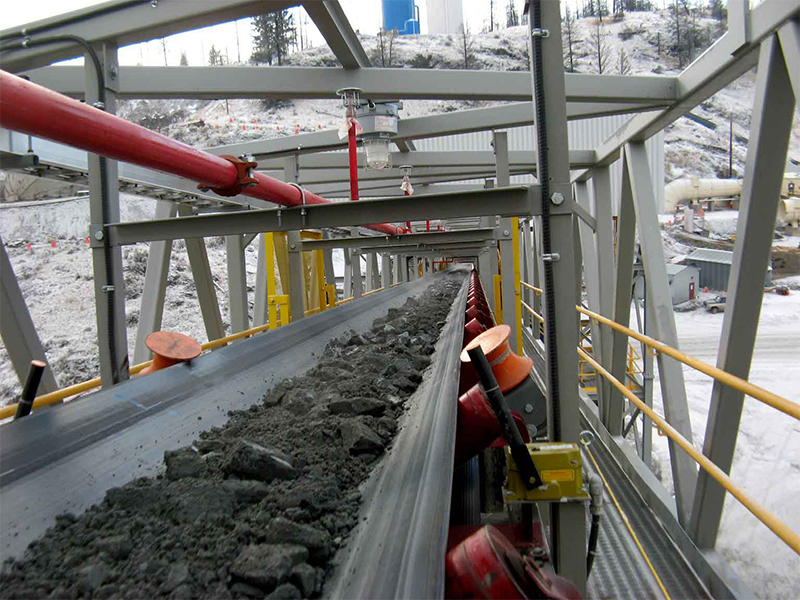
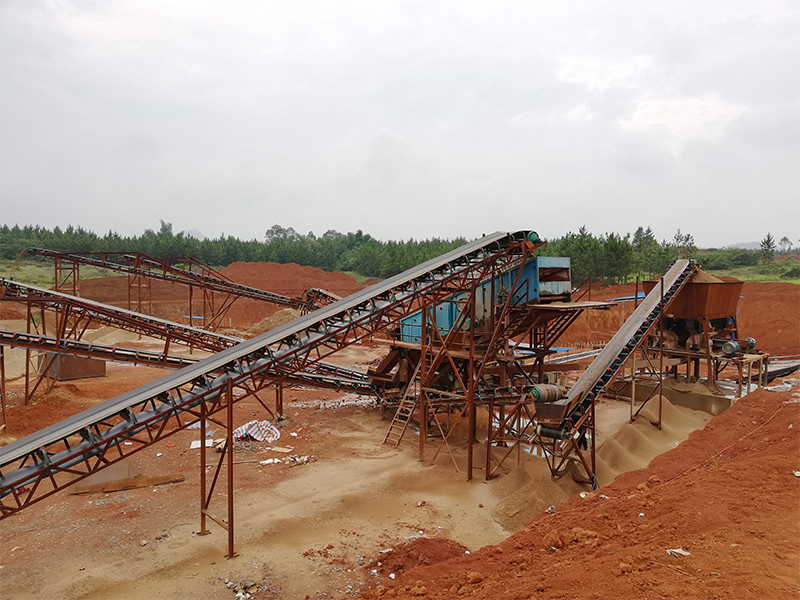
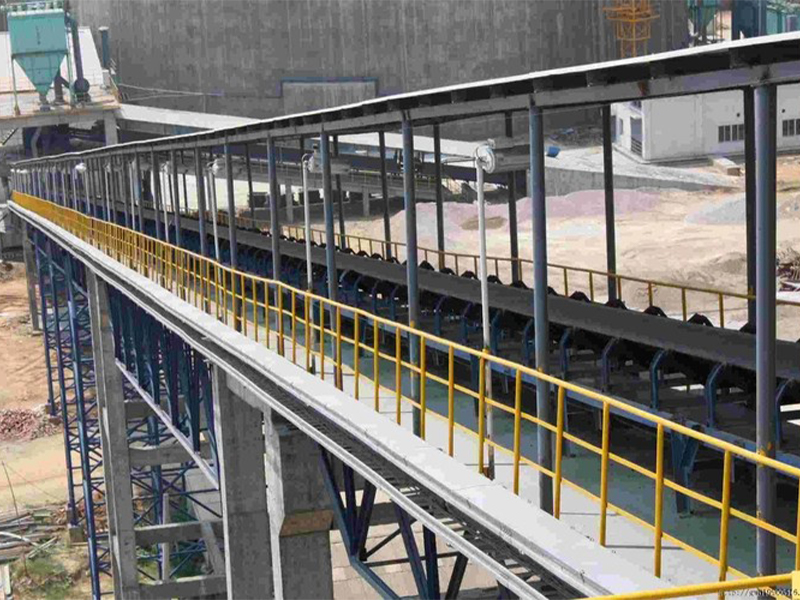
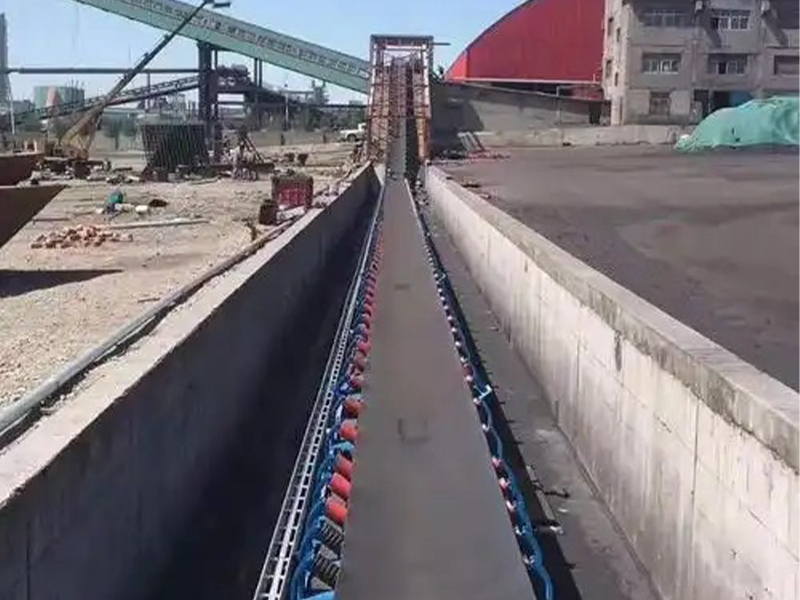
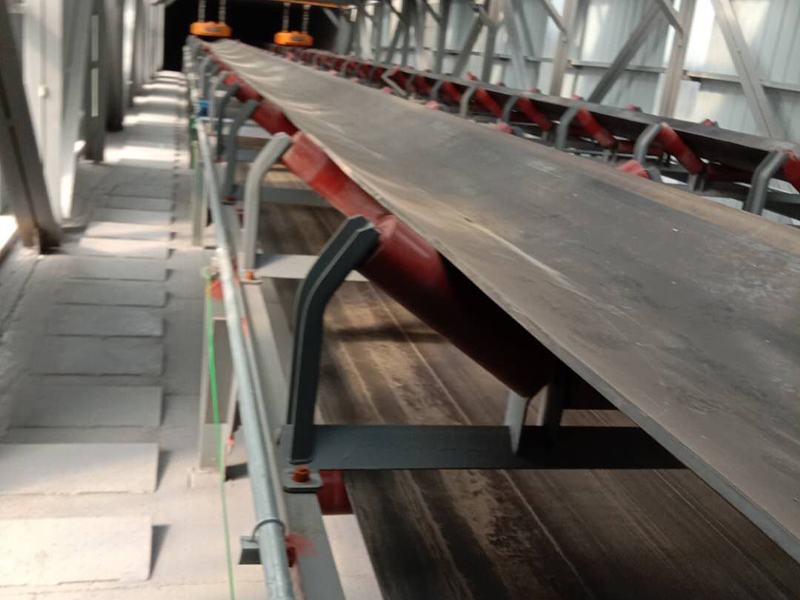
Our engineered tear-resistant steel wire core conveyor belts are deployed globally across diverse heavy-material processing lines, ensuring minimal downtime in challenging conditions.
High-drop ROM drop chutes, where falling coal or sharp slate impacts the belt surface. Our transversal breaker layers dissipate impact energy, stopping deep penetrations.
Designed for blast-furnace charging zones and limestone crushing yards. Excellent gouging resistance and high surface recovery preserve the steel wire core structure.
High-speed stackers, reclaimers, and ship loaders. The zinc-plated cords prevent rusting from salt water, while the tough covers withstand strong sunlight and marine weather.
Top infrastructure firms, state-owned mining complexes, and global heavy industries rely on "Jinao" conveyor solutions to sustain continuous transport operations.
High-performing belts require structured installation, precise splicing, and regular maintenance. We support our customers through an integrated technical service framework.
Continuous support: planned hot-vulcanized splicing, structural splice inspection, damage mapping, emergency hot/cold rubber repairs, and conveyor roller tracking diagnostics.
We offer site safety audits, customized splice kit supply, localized training for mine engineers, emergency stock management, and predictive failure analysis.
Maximizing belt life, preventing mistracking, ensuring low running resistance, and cutting material spillage to keep your operations efficient and safe.
Industrial conveyor belts are dynamic structures subject to fatigue and load cycles. We collaborate with bulk handlers to customize the cover rubber compound (e.g., compounding polybutadiene with natural rubber for high ozone resistance) to fit localized climate extremes and material chemical structures. We also offer advice on impact bed placements and optimum idler spacing. This comprehensive support extends service life, reducing costly downtime.
Answers to key questions asked by engineering leads, procurement professionals, and plant managers during equipment selection.
Are you planning to upgrade your mine's material handling line, replace high-impact feeder belts, or source standard bulk handling rollers? Contact our engineering team for data sheets, custom thickness calculations, and technical advice.
Plant Address: Rubber Industrial Park, Boye County, Baoding, Hebei, China
Trademark: Jinao Brand
Standards Offered: DIN 22131, ISO 15236, AS 1332, JIS K6322, SANS 1366
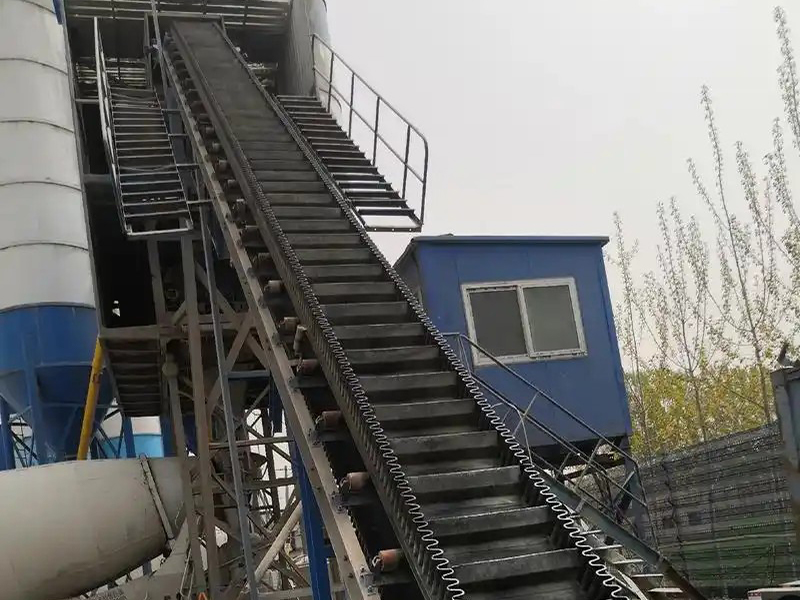
Explore additional bulk handling products, patterned profiles, wavy sidewall variants, and steel core belts designed for challenging industrial applications.
 Boao Rubber