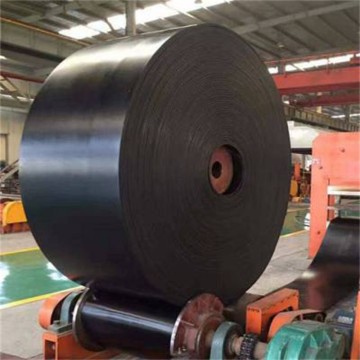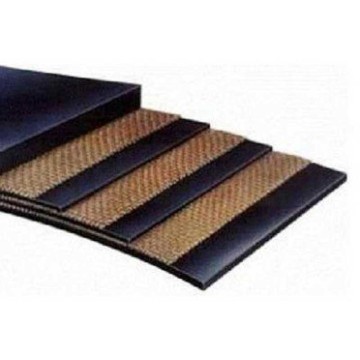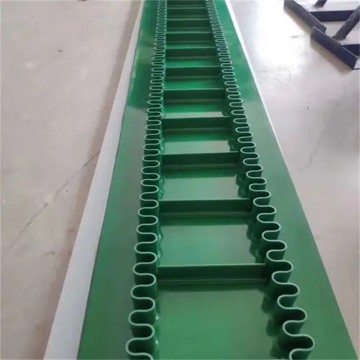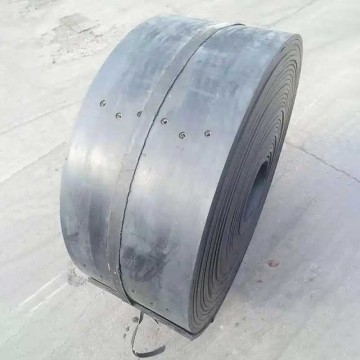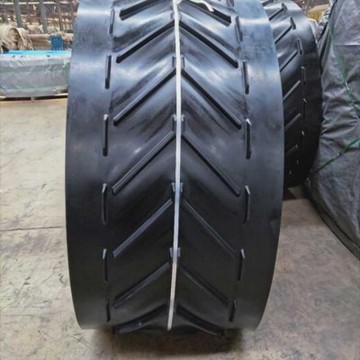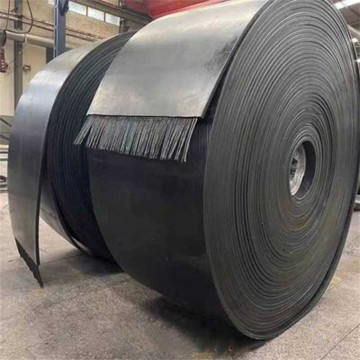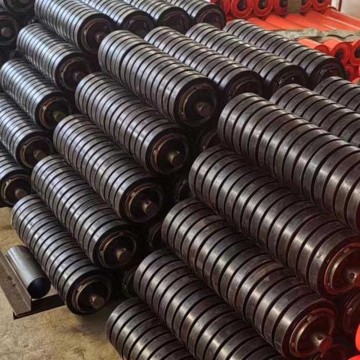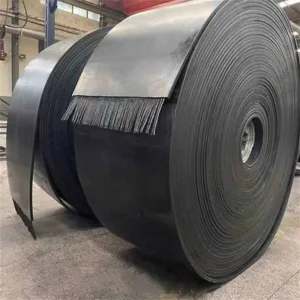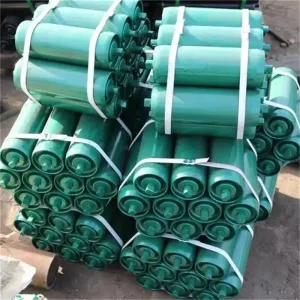
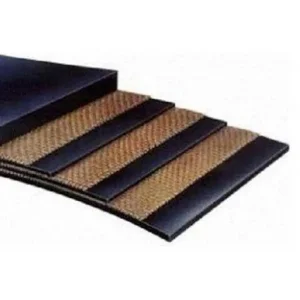
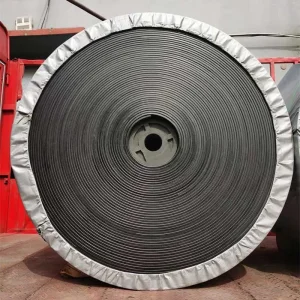
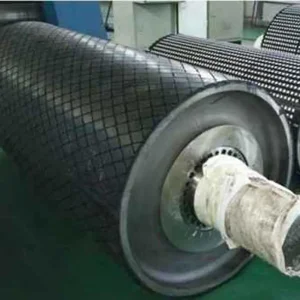
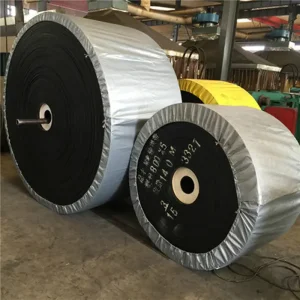
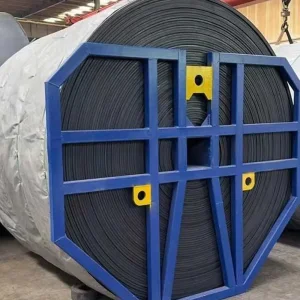
In modern industrial bulk material handling, abrasion-resistant conveyor belts serve as the primary arterial pathways. From massive open-cast mines to deep sea bulk terminals, the mechanical durability and structural integrity of the rubber cover compounds determine the operational lifespan of the entire conveying line. A premature failure caused by surface laceration, abrasive wear, or heat breakdown translates directly into millions of dollars in operational downtime, unrecovered throughput, and high replacement overheads.
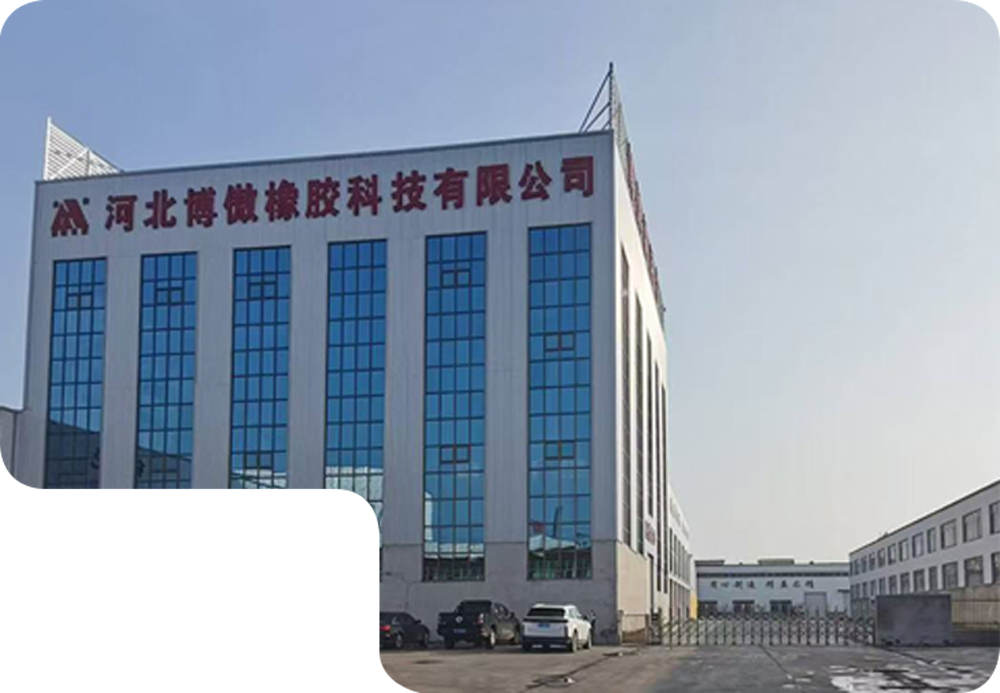
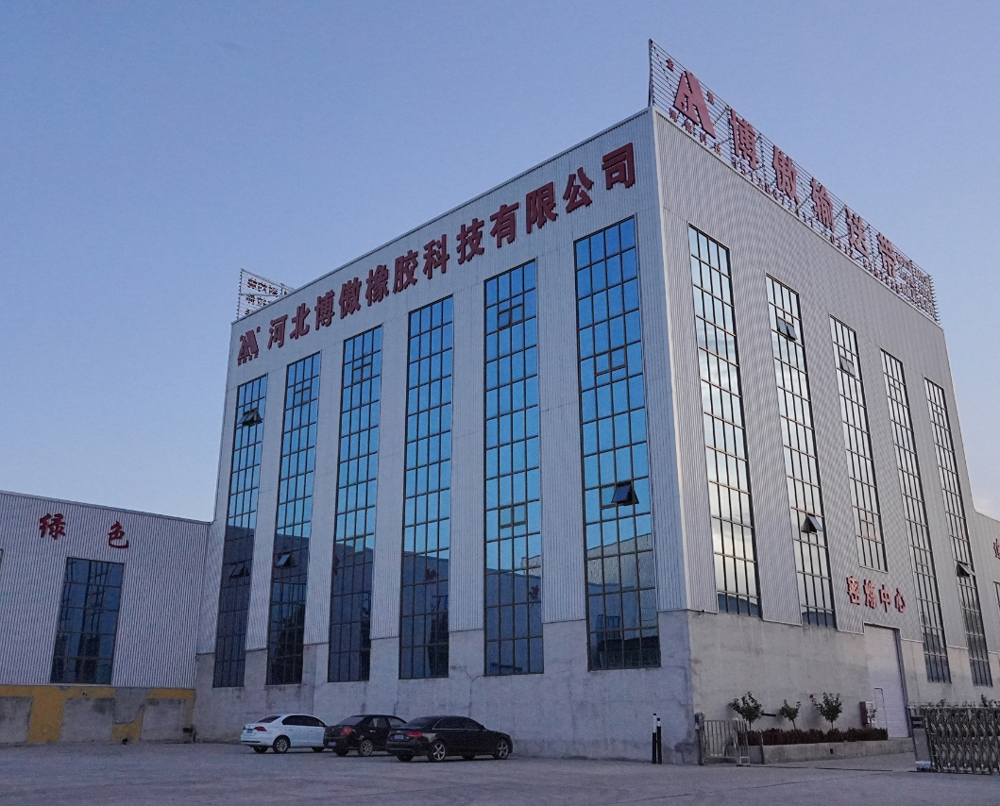
For more than two decades, Hebei Boao Rubber Technology Co., Ltd. has established itself at the forefront of rubber compounding science. Located in the specialized Rubber Industrial Park of Boye County, Baoding, Hebei Province, the company occupies over 30 acres of advanced manufacturing space. Under our signature "Jinao" brand, we provide comprehensive industrial solutions, integrating raw elastomer sourcing, molecular compounding, vulcanization processing, and rigorous laboratory validation.
Abrasion resistance in conveyor belts is not merely a measure of hardness. It is a highly engineered balance between tensile strength, tear resistance, and viscoelastic elasticity. When sharp minerals, sintered ores, or heavy granite blocks impact the belt at transfer points, they apply intense localized shear stress. If the rubber compound lacks sufficient molecular cross-linking, the micro-fractures propagate into larger cracks, leading to rapid material loss.
Our engineering laboratory utilizes international testing methodologies (such as the DIN 53516 / ISO 4649 rotating drum abrader method) to optimize the polymer formulations. Under these standards, rubber cover compounds are graded based on volumetric loss:
DIN X (120 mm³ loss maximum): Engineered for high-speed impact and highly abrasive materials like ores and gravel.
DIN Y (150 mm³ loss maximum): The industry-standard workhorse, balancing cost and durability for coal, cement, and general bulk materials.
DIN W (90 mm³ loss maximum): Reserved for extreme wear environments, incorporating highly reinforced synthetic polymers to resist cut-and-gouging.
Hebei Boao maintains complete control over the chemical synthesis, blending Natural Rubber (NR) for structural flexibility with Styrene-Butadiene Rubber (SBR) and Polybutadiene Rubber (BR) for thermal stability and high-impact resistance.
Every batch of raw elastomer undergoes rigorous testing, including Mooney viscosity, rheometry analysis, and post-vulcanization tensile testing. We guarantee zero defect shipments from raw compound inputs to final finished products.
Utilizing high-pressure multi-cylinder vulcanizing presses, we achieve uniform thermal distribution across the belt's length. This prevents weak zones, delamination, and ensures carcass-to-cover adhesion strength exceeding 6.0 N/mm.
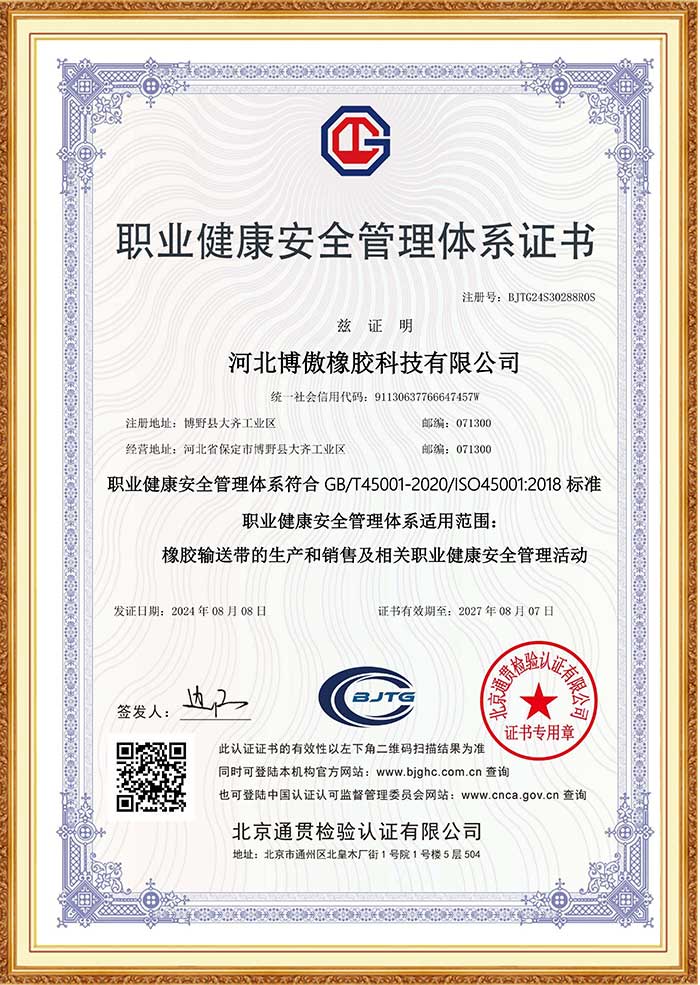
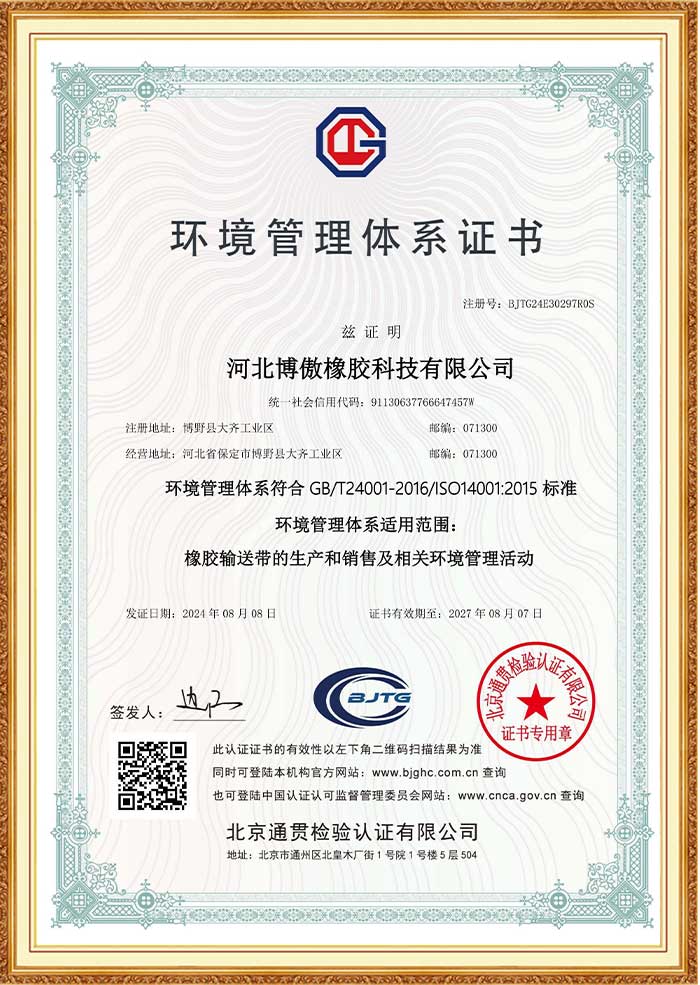
Our manufacturing and processing lines strictly comply with international ISO 9001 quality management systems, CE directives, and specific localized standards including MSHA (US mining safety) and DIN/EN standards.
Purchasing heavy conveyor systems globally requires more than finding low unit prices. It demands supply chain security, regulatory conformity, and robust engineering support. The Boye County Rubber Industrial cluster provides Hebei Boao with unmatched resource scale. By centering our operations inside China's primary rubber industrial hub, we achieve unparalleled cost efficiencies and direct logistics pathways to major shipping terminals like the Port of Tianjin.
For international buyers (including engineering procurement contractors and bulk material handlers), we offer localized support structures:
• Compliance Documentation: We provide full chemical material reports (REACH, RoHS) and mechanical performance guarantees (test logs for tensile strength, elongation, and abrasive wear).
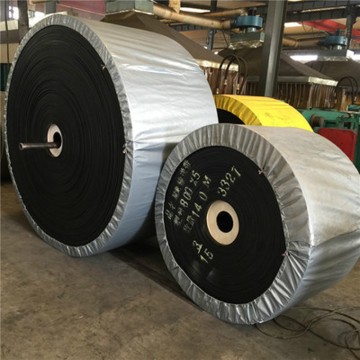
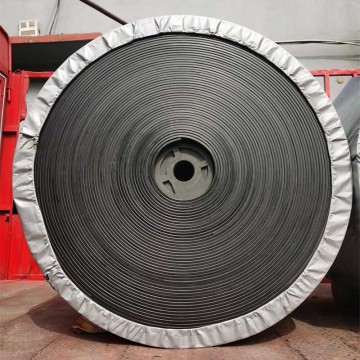
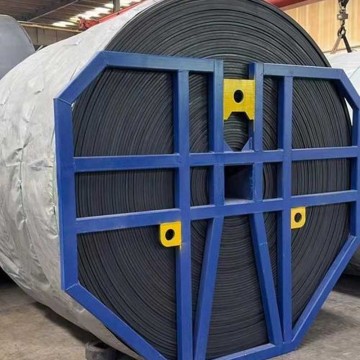
• Custom Packing & Preservation: Steel wire rope core belts and textile carcasses are packed in heavy-duty UV-resistant and waterproof HDPE packaging with internal steel cores to prevent roll deformation during ocean shipping.
• Splicing & Maintenance Partnerships: We offer comprehensive technical assistance plans, detailing correct cold vulcanized splicing and hot vulcanizing parameters for seamless installation.
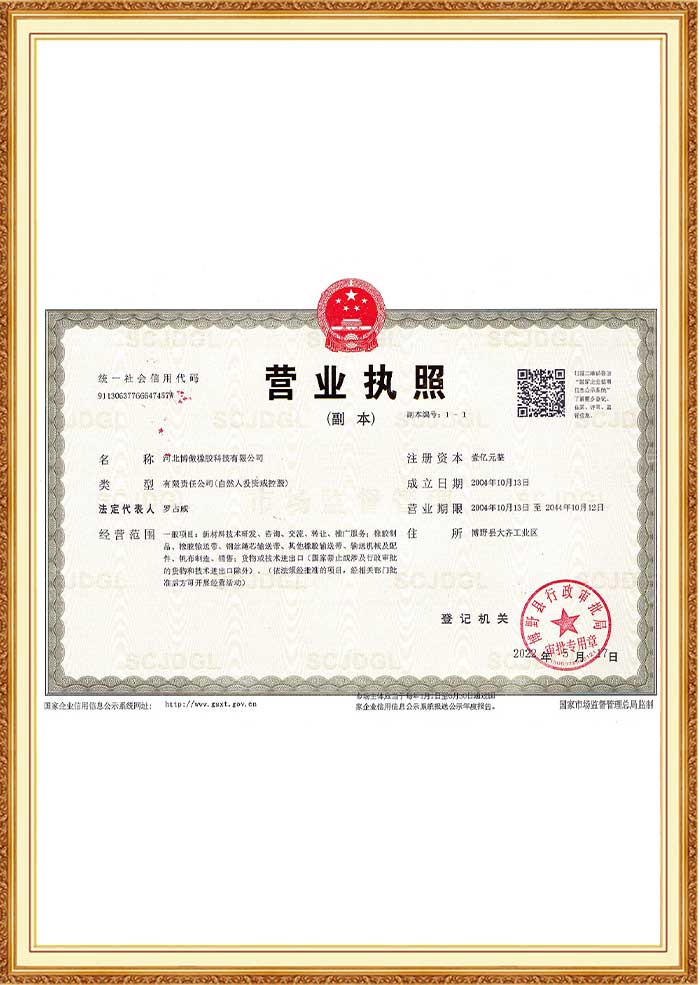
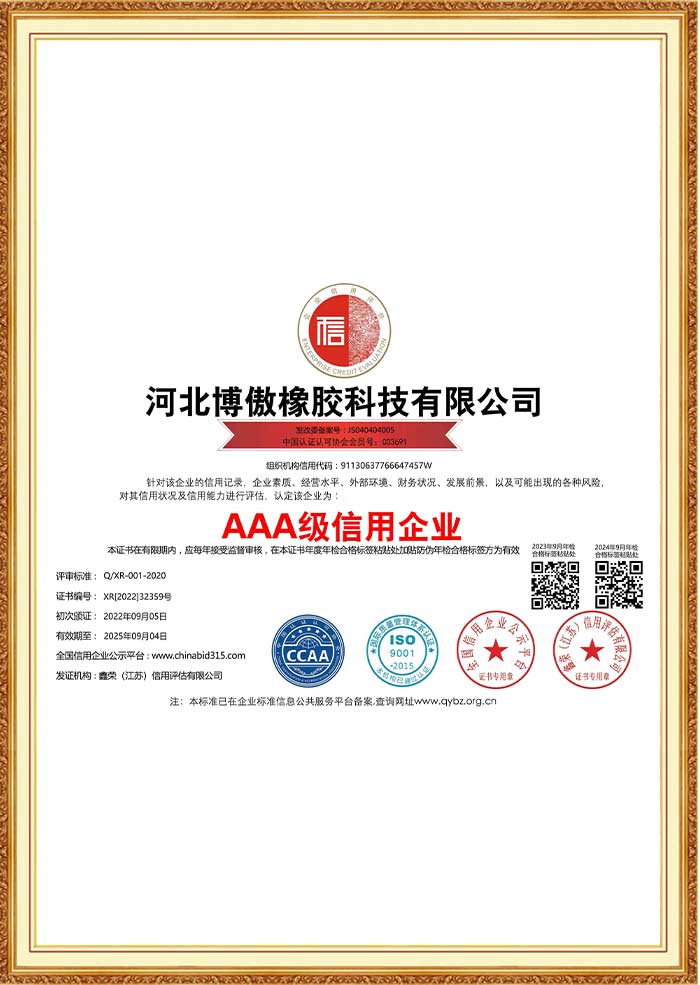
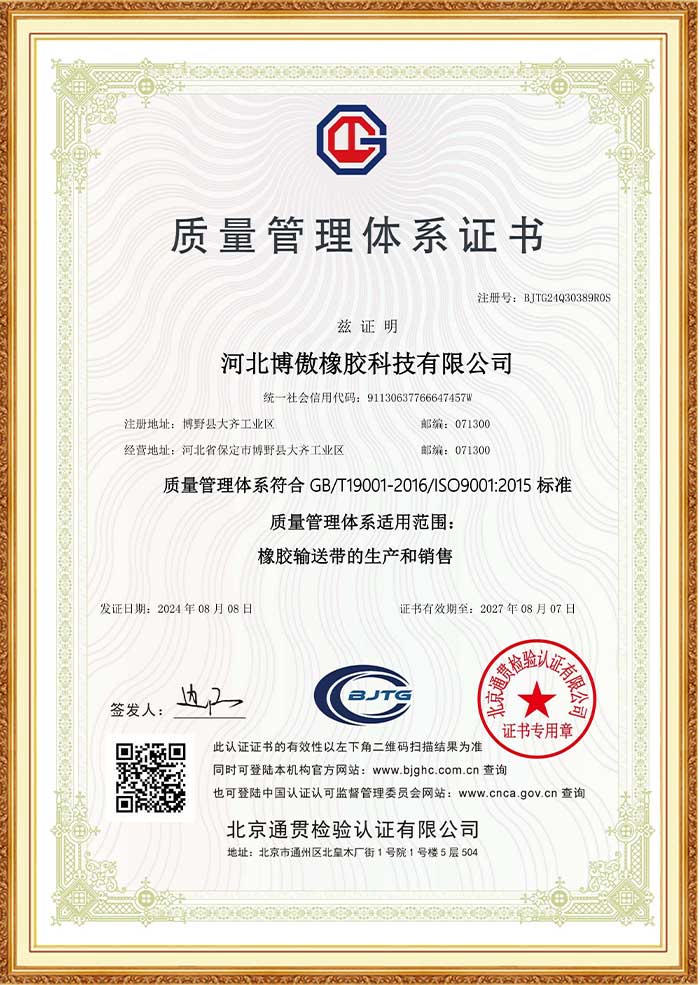
Our engineered solutions are tested and trusted by global heavyweights in metallurgy, mining, power generation, and bulk material handling logistics.
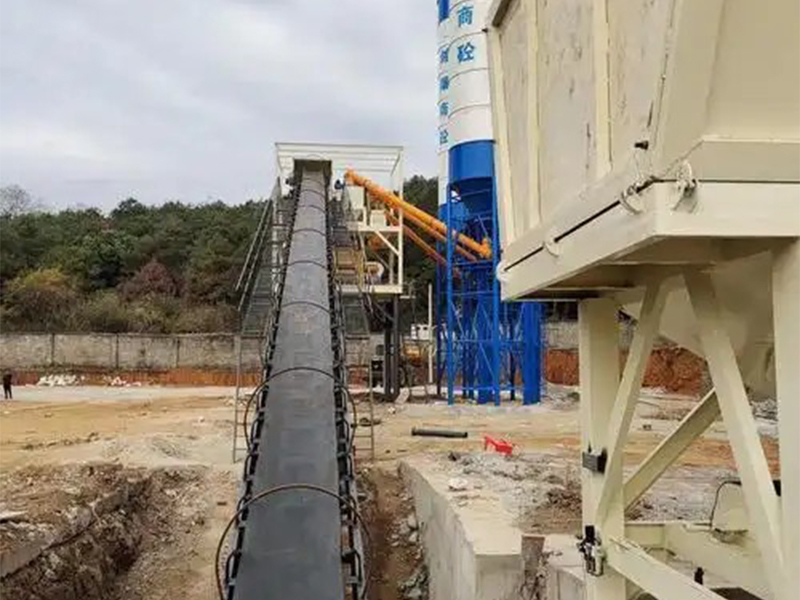
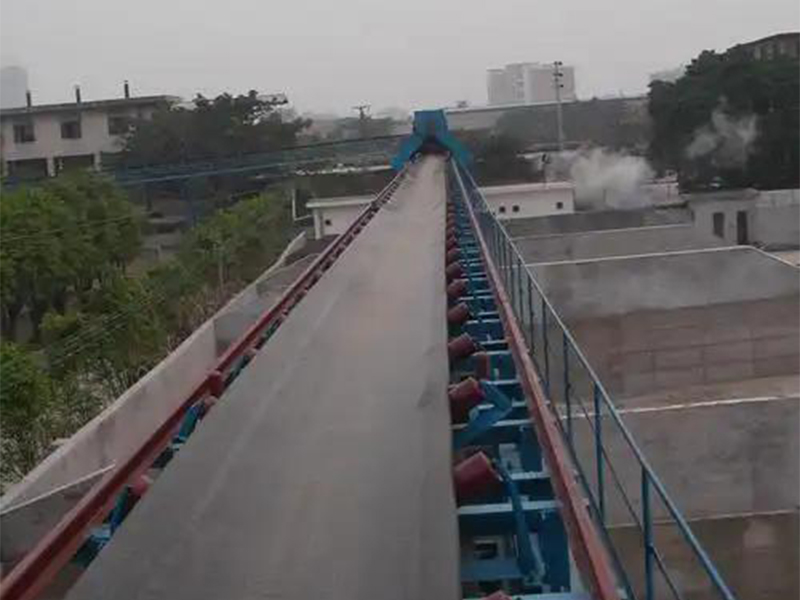
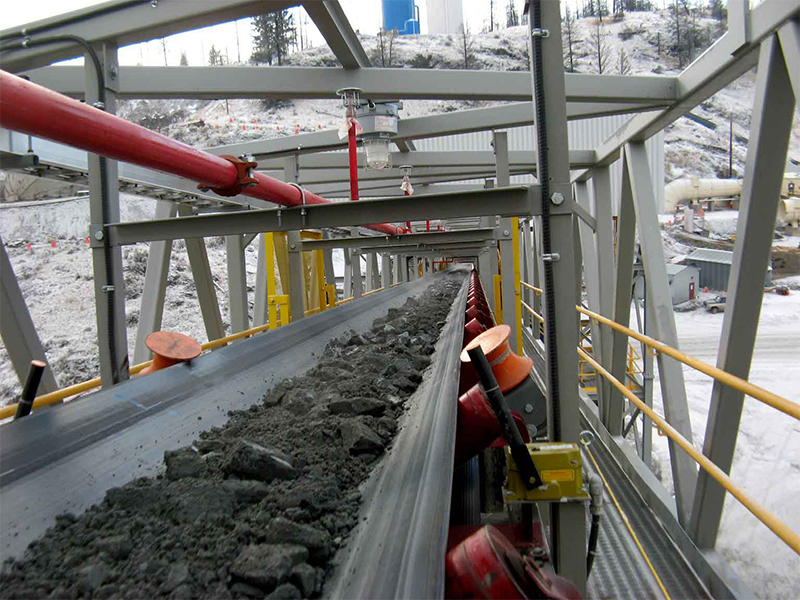
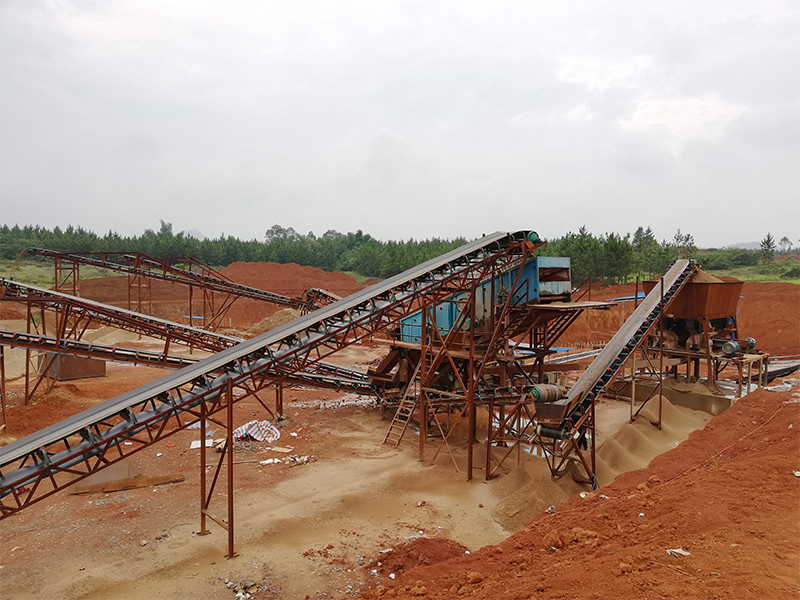
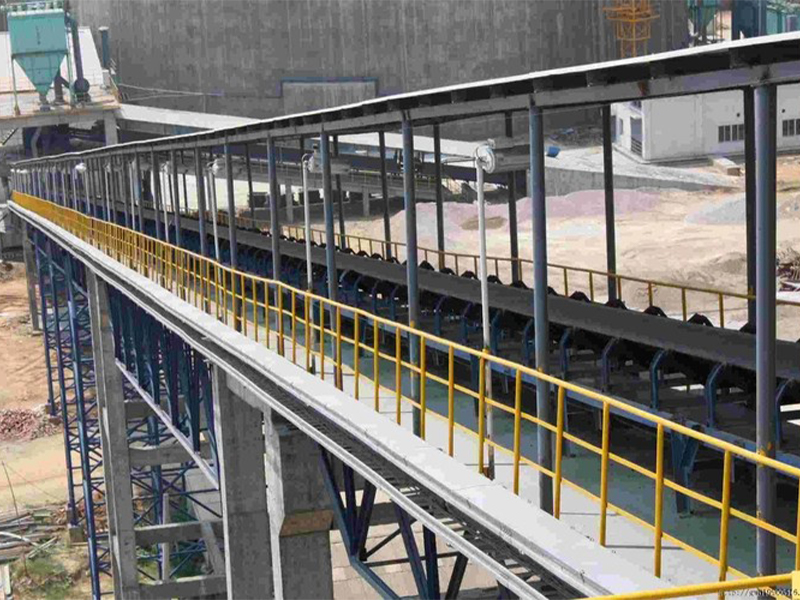
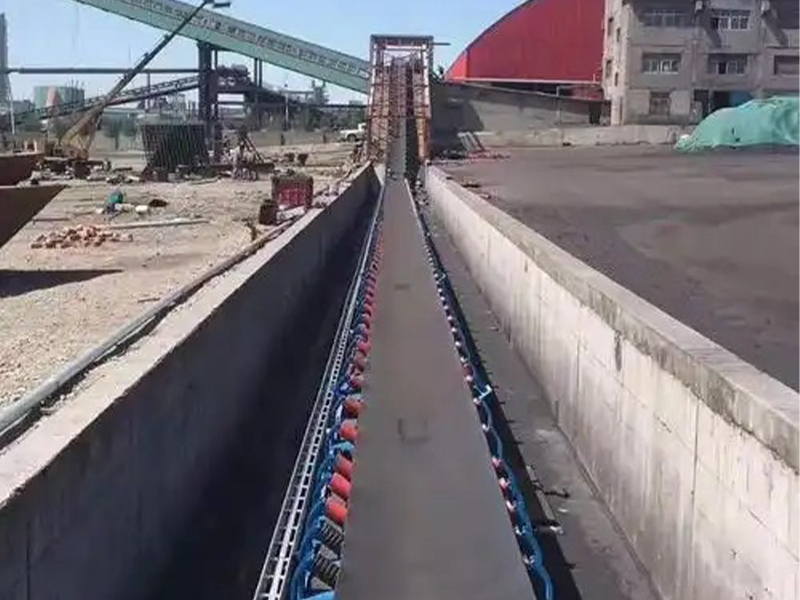
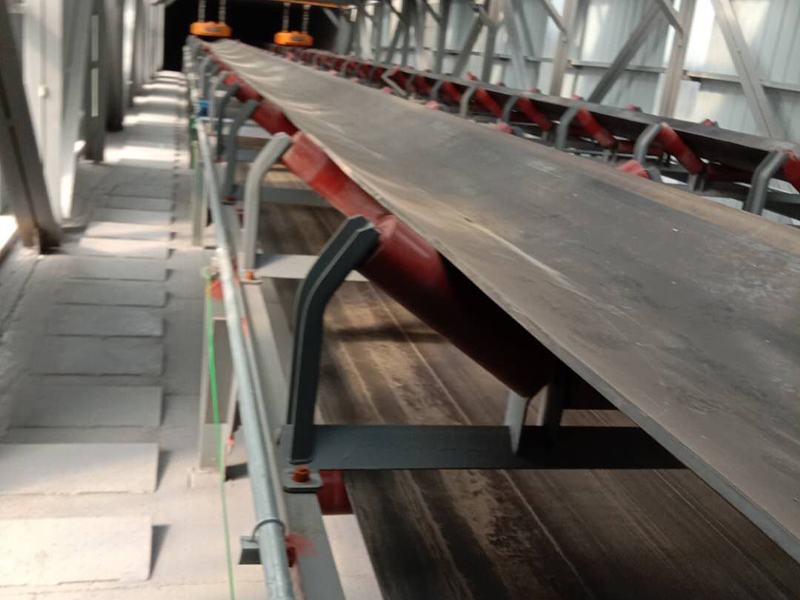
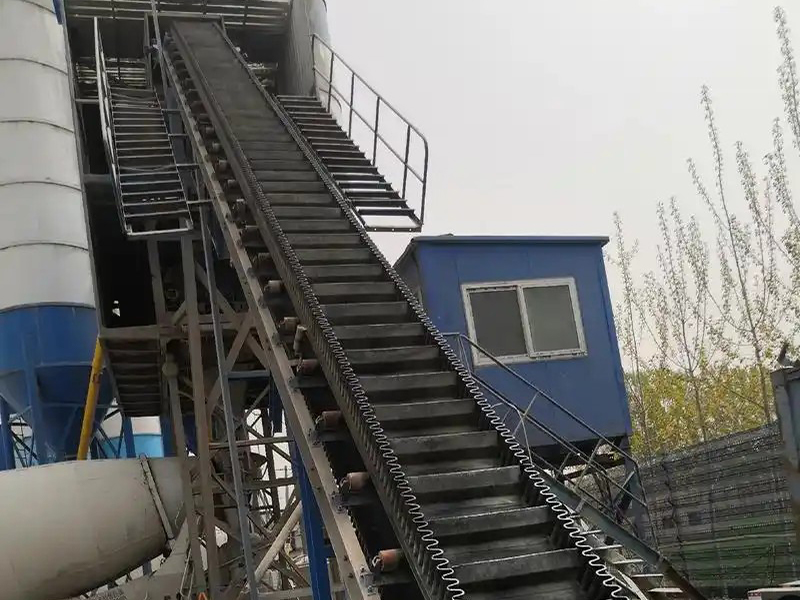
At Hebei Boao Rubber Technology, we do not limit our engagement to shipping cargo boxes. We provide full lifecycle optimization protocols to extend belting life cycles, lower structural tension requirements, and reduce operational energy costs.
Planned replacement schedules, emergency diagnostic inspections, vulcanized joint splicing design, and predictive failure analysis for high-volume transport networks.
Safe buffer inventory control parameters, customized on-site vulcanized bonding formulas, carcass wear profile mapping, and systematic temperature calibration recommendations.
Targeted operational efficiency optimizations to achieve a 15-25% reduction in total cover wear rates, minimizing replacement interruptions for metallurgical and terminal operators.
The Evolution of Rubber Belts in Heavy-Duty Bulk Material Transport: The transition from basic natural rubber compounds to specialized synthetic elastomers has revolutionized mass conveyor networks. Contemporary industrial requirements demand that belts perform under extreme environmental stresses. For example, cold-resistant rubber formulations must maintain flexibility and resist cracking in arctic operations down to -50°C, while heat-resistant belts must resist accelerated oxidation and molecular deterioration at continuous operating temperatures up to 220°C (with peak surges reaching 400°C in cement sintering and steel smelting plants).
Additionally, modern systems prioritize energy-saving rubber compounds. Under long-distance transport configurations, indentation rolling resistance—the energy lost as the belt passes over support idler rollers—can consume up to 60% of conveyor motor power. By utilizing low rolling resistance (LRR) polymer compounds, Hebei Boao supports global mining enterprises in lowering active power consumption, contributing to long-term carbon footprint reductions.
Q1: How do I select the optimal abrasion rating (DIN X, Y, or W) for my application?
A: The choice depends on material density, drop height, and lump size. For coarse, sharp materials with high drop heights (e.g., primary copper ore or granite blocks), DIN X or DIN W is recommended to resist cut-and-gouging. For fine, abrasive materials (e.g., sand, limestone, or dry coal), DIN Y provides an optimal balance of wear life and cost-efficiency.
Q2: What compound modifications are required for cold-resistant applications?
A: Standard SBR rubber hardens and cracks at freezing temperatures. For cold-resistant belts, we incorporate high ratios of Polybutadiene Rubber (BR) and specialized plasticizers to maintain rubber elasticity, preventing structural cracking down to -50°C (tested under ISO 812 low-temperature brittleness standards).
Q3: How does Hebei Boao ensure high carcass-to-cover adhesion?
A: We utilize advanced calendering processes that apply high pressure to bond the cover rubber to the textile fabric (EP/NN) or steel cord core. Additionally, a specialized tie-gum adhesive layer is placed between the carcass and the cover, resulting in peel strength test results well above international standards (typically exceeding 6-8 N/mm).
Q4: What parameters are critical for storing heavy rubber conveyor belts?
A: Conveyor belts should be stored vertically on their cores in a cool, dry, dark warehouse. Exposure to direct sunlight (UV radiation) accelerates rubber oxidation and causes surface micro-cracking. Additionally, storing rolls flat on their sides can result in deformation and edge damage, compromising straight-line tracking after installation.
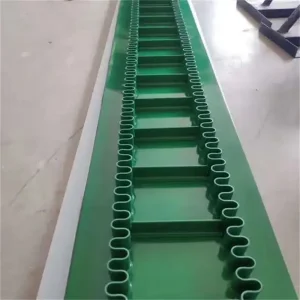
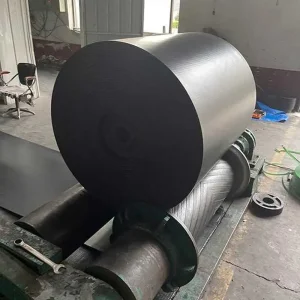
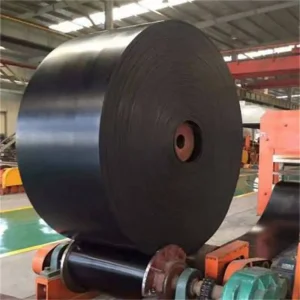
We are committed to providing you with the highest quality products and excellent services. If you have any questions or need assistance with our products, please feel free to contact us and we will be happy to assist you with custom engineering sheets, pricing, and structural logistics planning.
Inquiry Now Boao Rubber