Explore our leading collection of certified material handling systems engineered for high durability, extreme temperature resistance, and continuous operations.
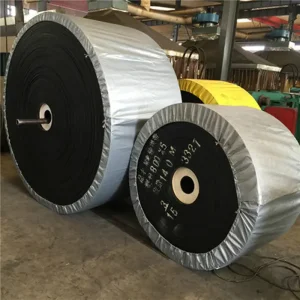
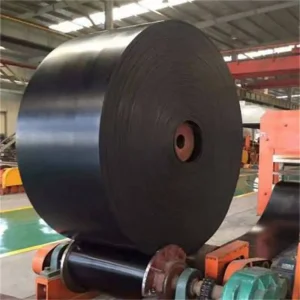
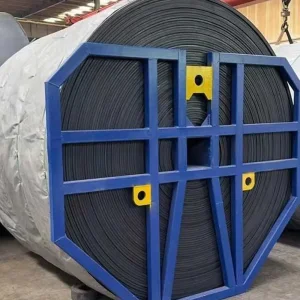
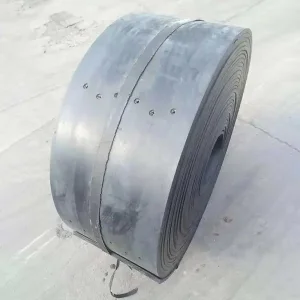
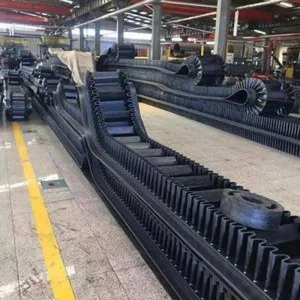
In modern bulk material transport systems, industrial belting is the crucial link determining systemic capacity, runtime reliability, and operational cost efficiency. Industrial flat machine belts and heavy-duty conveyor systems must withstand complex friction, extreme tension dynamics, mechanical fatigue, and harsh ambient parameters across mining, metallurgical processing, cement plants, and international ports.
Historically, flat drive belts depended on basic leather or unreinforced canvas, restricted by speed degradation and high elasticity slippage. Today, advanced chemical synthesis and compounding technology enable materials like high-modulus Polyamide (NN), Polyester-Nylon (EP), Aramid fibers, and high-tensile steel wire cords to handle extreme mechanical stresses. Modern Chinese manufacturing integrates sophisticated polymer science to prevent delamination and material wear under demanding conditions.
A Professional China Manufacturer Integrating Development, Design, Testing, and Engineering Support Services.
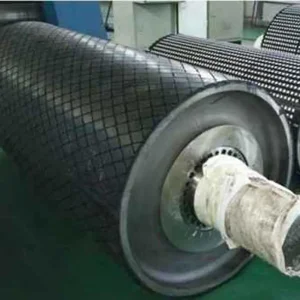
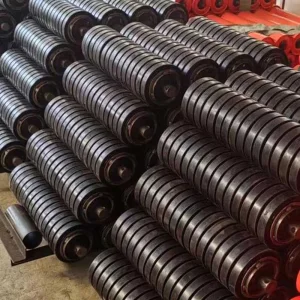
Located within the specialized Rubber Industrial Park of Boye County, Baoding City, Hebei Province, Hebei Boao Rubber Technology Co., Ltd. was established in 2004. Over the past two decades, the company has grown into a leading industrial base spanning more than 30 acres. Our registered trademark, "Jinao", represents heavy-duty durability and advanced material science. We specialize in designing and manufacturing conveyor belts, impact idlers, ceramic rollers, and customized mechanical accessories.
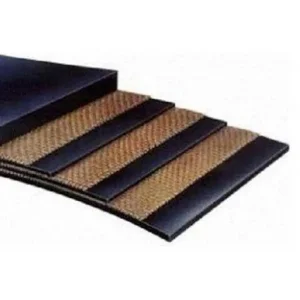
Equipped with advanced multi-roller rolling mills, heavy-duty vulcanization lines, and specialized laboratory testing equipment, Boao processes raw polymers into high-performance industrial conveyor belts. Our complete quality assurance workflow covers raw material assessment, formula development, mixing, calendering, ply compounding, high-pressure vulcanization, and finished product load testing.
Our facility houses an independent chemical analysis lab and a physical property testing room. We verify polymer properties, rubber elongation, tensile strength, and adhesive bonds to ensure raw materials and finished products meet strict quality standards.
Every roll of Jinao conveyor belting undergoes multi-stage inspections. From carcass tension tests to heat aging evaluation and edge dimensional checks, we ensure no non-compliant products leave our facility.
We design and manufacture our products to comply with international industrial standards, including DIN 22102, AS 1332, RMA, and ISO. This ensures reliable performance in diverse environments, from tropical ports to cold northern mines.
Strategic geographic positioning, vertical integration, and optimized manufacturing processes in Boye County, China.
Located in Hebei's primary rubber cluster, Hebei Boao Rubber Technology Co., Ltd. benefits from a robust regional supply network. This proximity guarantees direct access to high-grade natural rubber, specialized synthetic polymers, high-tenile carbon steel wires, and advanced textile reinforcements. This localized integration enables efficient raw material sourcing, stable lead times, and competitive manufacturing costs.
Our vertically integrated production lines feature modern Banbury mixers, precise calendars, multi-ply assembly systems, and heavy-duty plate vulcanizing presses. By managing every stage in-house, we reduce potential quality variances and production delays. Jinao belts deliver reliable performance and high cost-efficiency, ensuring maximum return on investment for large-scale operations.
Understanding the mechanical properties and applications of EP, NN, and Steel Cord reinforcements.
| Reinforcement Type | Composition | Tensile Strength Range | Primary Application Fields | Key Performance Characteristics |
|---|---|---|---|---|
| Polyester-Nylon (EP) | Polyester warp + Polyamide weft | 100 - 600 N/mm per ply | Cement, chemical, mining bulk shipping | Low elongation, high dimensional stability, excellent humidity resistance. |
| Nylon-Nylon (NN) | Polyamide warp + Polyamide weft | 100 - 500 N/mm per ply | Quarries, heavy aggregate loading, mines | High elasticity, exceptional impact resistance, outstanding flexibility. |
| Steel Cord (ST) | High-tensile zinc galvanized steel wire | ST630 - ST5400 N/mm | Long-distance overland transport, deep coal mines | Minimal elongation, long operating life, high splice efficiency. |
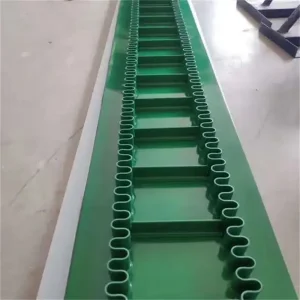
| Chevron & Wavy Edge | Patterned profile + corrugated sidewall | EP / NN carcass base | Steep angle conveyor lines (up to 90 degrees) | Prevents material spillage, increases transport capacity in confined spaces. |
Continuous investment in advanced formulation chemistry and manufacturing technologies.
Developing high-density synthetic rubbers and custom curing agents. Integrating advanced carbon black compounds to improve wear resistance and reduce rolling resistance.
Implementing non-contact laser measurement systems to control sheet thickness. Ensuring precise polymer distribution across synthetic and steel reinforcements.
Optimizing EPDM formulations for hot clinker and metallurgical sintering operations. Our belts withstand continuous temperatures of up to 200°C and spikes of 400°C.
Developing specialized backing compounds that lower the coefficient of indentation rolling resistance. This reduces system energy consumption on long-distance conveyor runs.
Proven durability in harsh operating conditions across diverse global industries.
Handling raw iron ore, coke, and superheated sinter requires high thermal stability. Jinao heat-resistant belts prevent surface cracking and premature vulcanization breakdown, ensuring reliable operation at plants like Taihang Steel and Puyang Steel Group.
Safety is paramount in underground coal mining. Our flame-retardant and anti-static conveyor belts meet strict safety standards. These systems handle high-impact loading and wet conditions at facilities like the Datong Coal Group and Jinmei Group.
Transporting sharp limestone, hot clinker, and abrasive gypsum requires excellent cut and tear resistance. Our multi-ply EP and steel rope belts support efficient operations for leading producers, including Conch Cement and Jidong Cement Group.
Jinao brand conveyor products support major heavy industries, concrete mixing plants, and mining groups. Selected industrial users include:
Comprehensive technical support, inventory planning, and maintenance solutions.
We supply high-durability conveyor belts, rubber waterstops, and system accessories. Our support services cover inventory tracking, splice bonding, rubber repair, and preventative inspections to ensure system safety.
Our solutions aim to increase conveyor system runtime, minimize unplanned belt wear, and reduce operating costs. We work closely with our partners to optimize performance and drive mutual growth.
We perform system tension calculations, recommend appropriate belt configurations, select suitable idler configurations, and assist with field splicing to maximize belt service life and extend operational intervals.
Ensuring compliance with international quality, safety, and testing requirements.
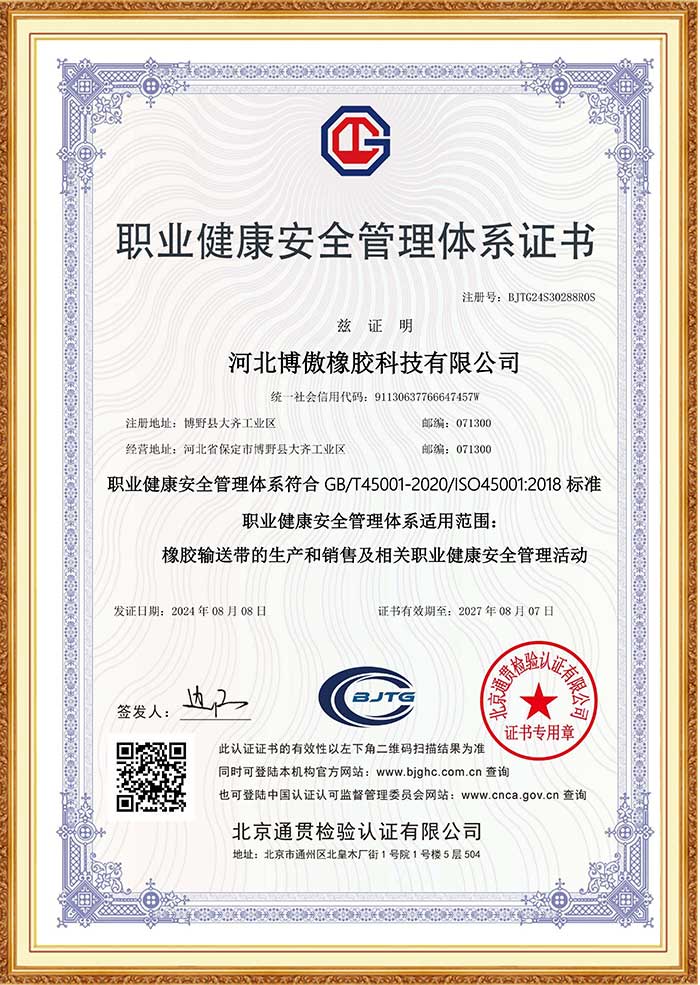
Quality System Certificate
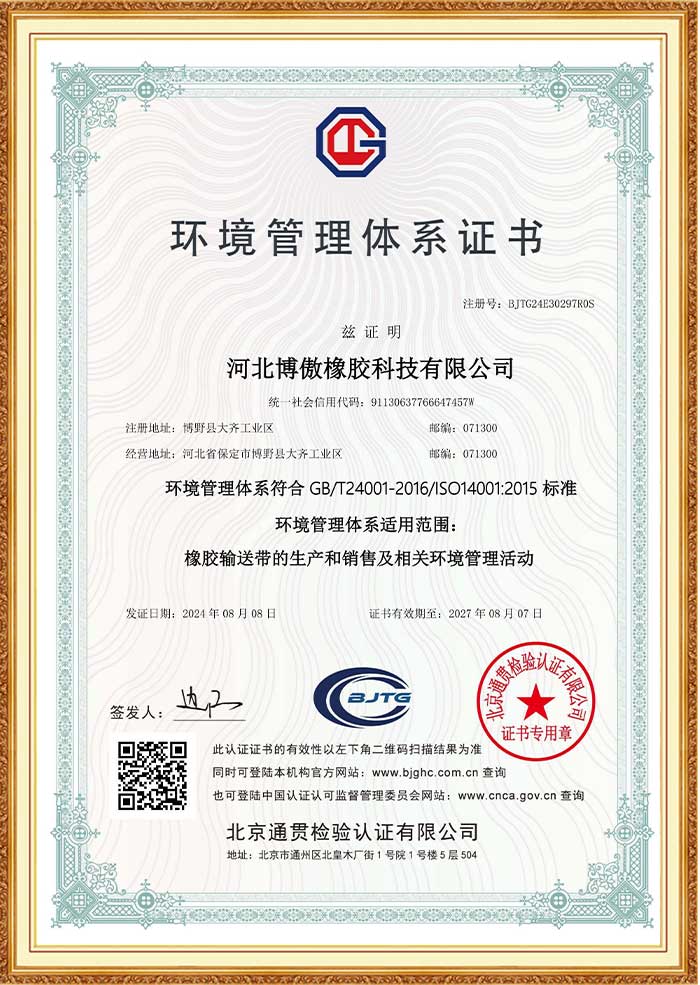
National Compliance Certificate
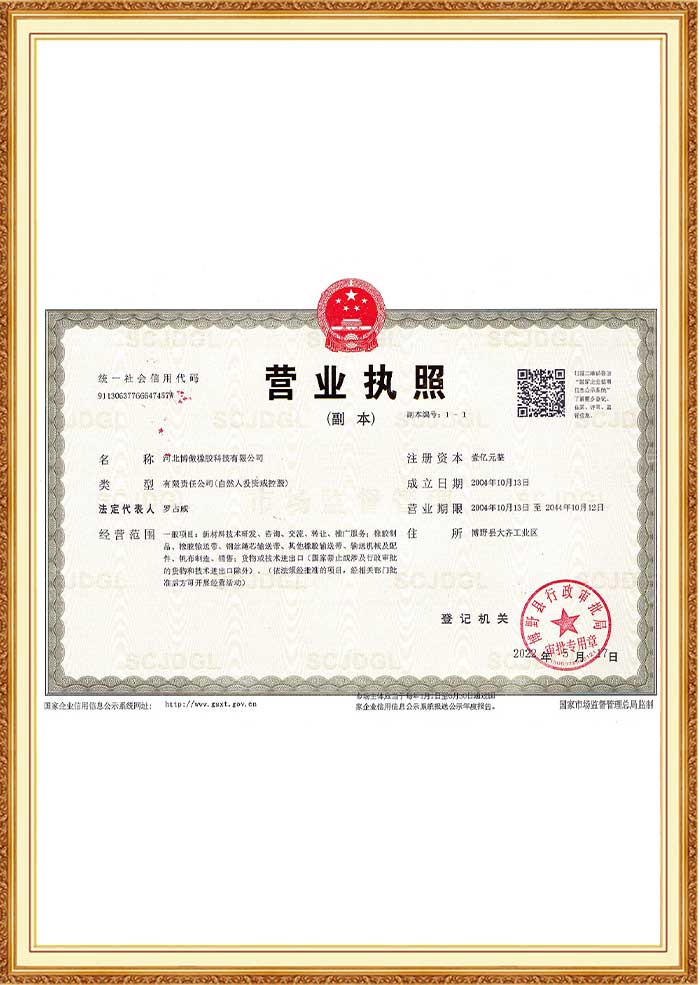
Environmental Certificate
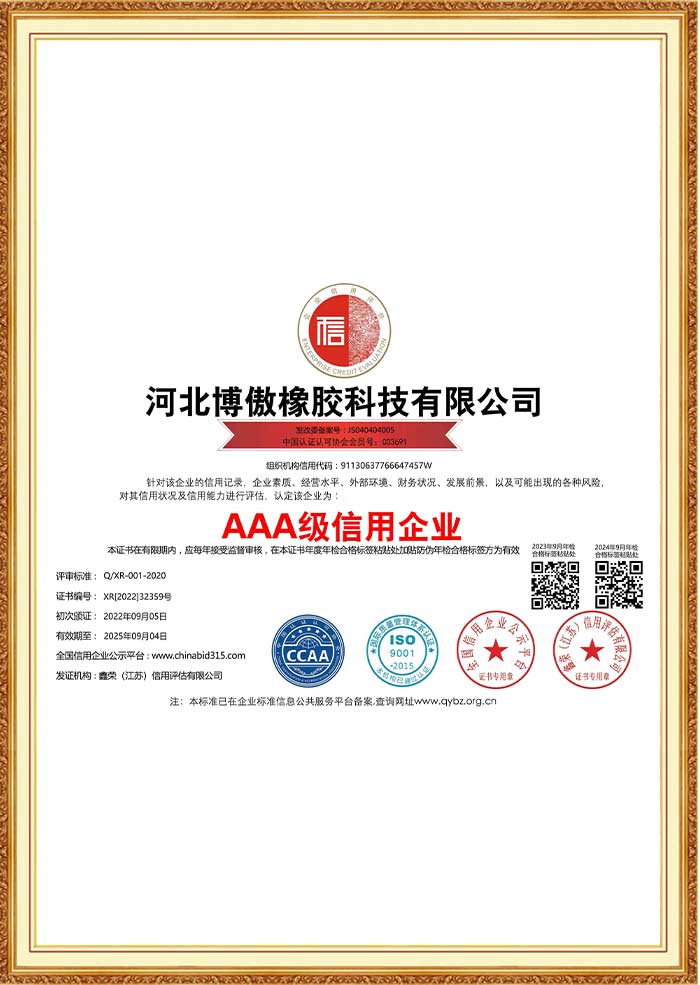
Health & Safety Certificate
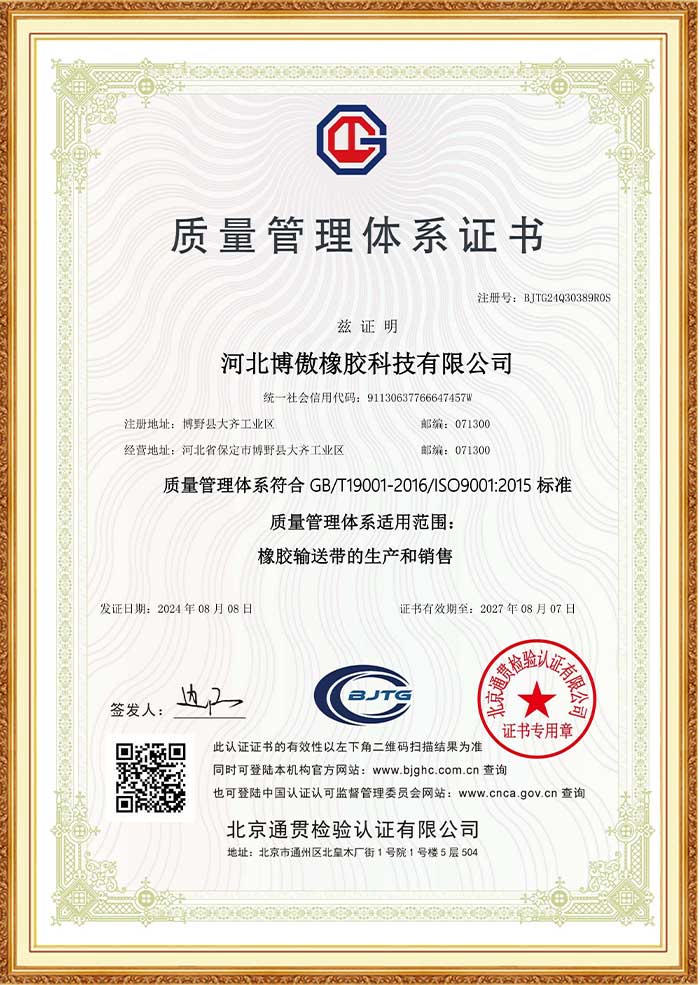
Safety Standard Certificate
Expert answers to key technical questions about industrial belting and sourcing.
Explore our specialized range of high-strength nylon belts, industrial rollers, and custom bucket elevator components.
 Boao Rubber