Engineered to resist wear, extreme temperatures, and high tension. Explore our core lineup of industrial conveyor belts manufactured to ISO and international standards.
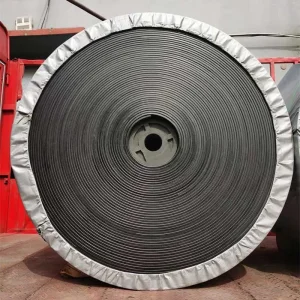
Formulated for sub-zero environments, maintaining extreme elasticity down to -50°C without compound cracking or joint embrittlement.
View Details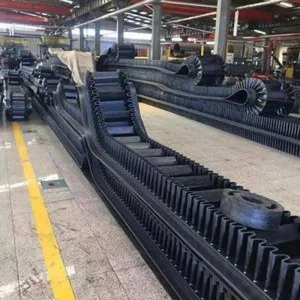
Equipped with specialized lateral reinforcements to completely prevent edge fraying under high-stress material containment.
View Details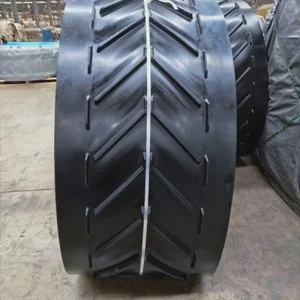
Engineered for high-inclination transport. Distinct pattern geometry prevents load rollback at angles up to 40 degrees.
View Details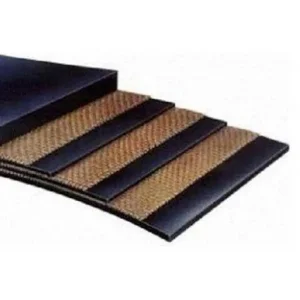
Our workhorse belting solution offering optimal cost-per-ton balance for sand, aggregates, and light mining installations.
View Details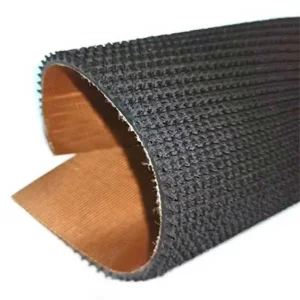
Unique profiles designed for highly cohesive wet materials, ensuring self-cleaning action and constant volumetric throughput.
View Details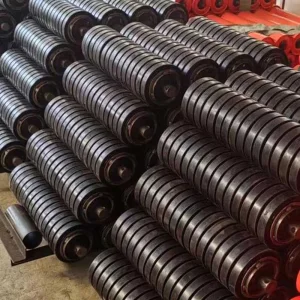
High-resilience impact protection designed specifically for conveyor transfer points in chemical processing facilities.
View Details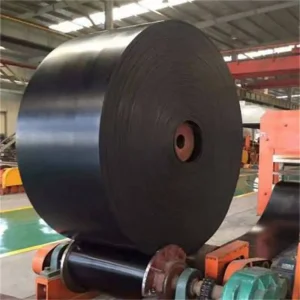
Utilizes premium polyamide fibers providing outstanding elasticity, superior impact resistance, and maximum flexing life.
View Details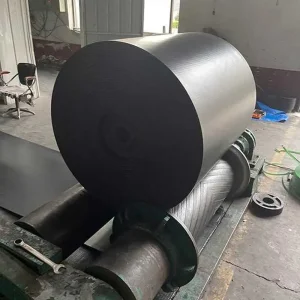
MSHA & DIN certified fire-safe compounding. Vital for preventing catastrophic flame propagation in underground coal systems.
View Details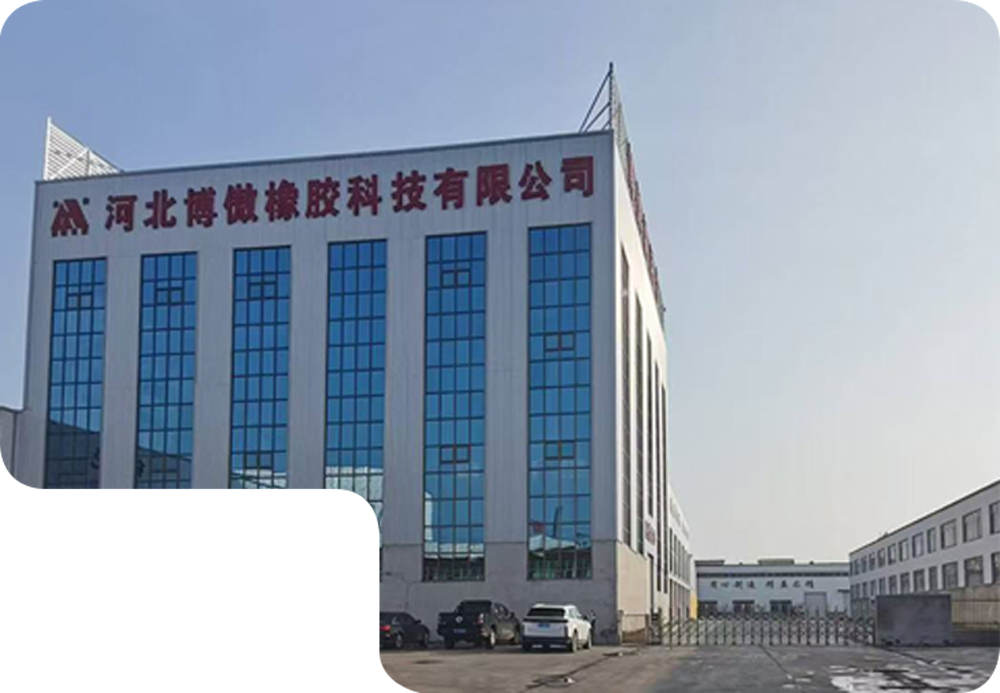
Since 2004
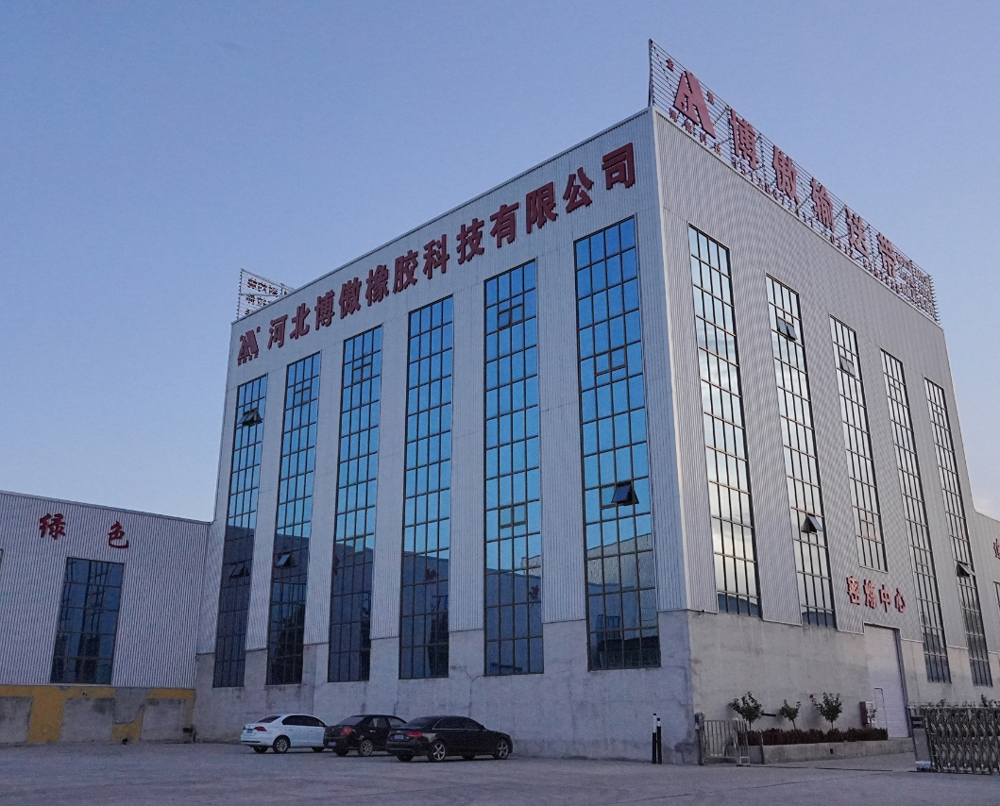
Hebei Boao Rubber Technology Co., Ltd. is strategically located in the modern Rubber Industrial Park of Boye County, Baoding, Hebei Province, China. Founded in 2004 and spanning a state-of-the-art facility of over 30 acres, we have emerged as a premier engineering hub for high-capacity material handling systems. Under our flagship brand "Jinao", we integrate product development, physics-based polymer research, customized system design, and complete aftermarket services.
Equipped with multiple heavy-duty calendering lines, advanced molding presses, and high-pressure vulcanizing systems, our manufacturing facility ensures absolute consistency. Our QA/QC framework covers the entire lifecycle—from the receipt of crude elastomers to the final physical tension testing of long-span multi-ply conveyor systems.
An Engineering & Material Science Deep-Dive into High-Capacity Conveying Systems
In modern industrial systems, bulk material transport is no longer just a support function. It is a critical component of plant reliability and cost control. As global mining, metal manufacturing, and ports transition to higher capacities, the demand for heavy-duty conveyor systems is increasing. Facilities must move dry solids, raw ores, clinker, and reactive chemicals across long distances and steep inclines.
The global logistics network relies on high-tensile rubber belts to maintain continuous, high-volume flow. However, standard rubber materials often struggle under extreme conditions. Operational environments subject belts to tension fatigue, cutting impacts, high temperatures, sub-zero cold, and chemical breakdown. To prevent costly downtime, plants require conveyor belts engineered with advanced polymers, heavy-duty fabric reinforcements (such as nylon and polyester), and steel cord reinforcements.
Unplanned downtime on high-capacity conveyor lines can cost heavy industrial plants between $10,000 and $50,000 per hour. Choosing belts based on material science and application-specific demands is essential to optimizing total cost of ownership (TCO).
Conveyor belts operate as complex composite structures. The choice of polymer compounds and reinforcement layers directly determines a belt's performance. By adjusting the vulcanization process and the chemical composition of the rubber, engineers can modify properties such as elasticity, wear resistance, and thermal tolerance.
| Carcass Type | Common Materials | Tensile Range (N/mm) | Primary Advantages | Target Industries |
|---|---|---|---|---|
| Multi-Ply Fabric | Polyester (EP), Nylon (NN) | 200 – 3,150 N/mm | High elasticity, impact resistance, and flexibility over pulleys. | Aggregates, Cement, Power Plants, Coal Mines |
| Steel Cord | High-Tensile Steel Wire Cables | 500 – 7,500 N/mm | Minimal elongation, long-distance carrying, and durability. | Heavy Mining, Port Loading, Long-Distance Overland |
| Solid Woven | PVC / PVG Compounds | 500 – 2,000 N/mm | Integrated weave protects against tearing and fires. | Underground Coal Mining, Grain Silos |
| Specialty Compounds | Modified EPDM / NBR / SBR | Customized per load | Resistant to high heat (220°C), cold (-50°C), and acids/bases. | Chemical Facilities, Fertilizer Plants, Metal Refining |
The cover compounds act as the primary defense against wear. Using SBR (Styrene-Butadiene Rubber) blends, our belts meet DIN 22102 and ISO 10247 standards, offering high abrasion resistance (down to 50 mm³ loss). This wear resistance prevents micro-cracking and keeps fine materials from penetrating the carcass, protecting the internal tension layers from moisture and chemical damage.
China remains a global hub for heavy industrial manufacturing, supported by robust raw material supply chains and integrated industrial zones. Boye County's Rubber Industrial Park in Hebei Province provides a strong ecosystem for Hebei Boao Rubber Technology Co., Ltd. Our facility benefits from direct access to raw materials, nearby polymer research centers, and specialized logistics networks.
This integration enables us to control costs without compromising on quality. In addition to high-speed vulcanizing and calendering lines, we maintain in-house chemical and physical testing laboratories. We inspect raw materials, evaluate intermediate compounds, and test finished belts for tensile strength and adhesion. This vertical integration allows us to deliver high-quality products with shorter lead times than international competitors.
Our independent chemical analysis and physical testing labs monitor every stage from raw materials to final delivery, ensuring all products meet strict performance standards.
Our quality control team uses advanced testing equipment and procedures to verify belt specifications and compound integrity before shipment.
With solid technical support and dedicated after-sales service, our conveyor systems are used in steel, coal, cement, power generation, and port facilities worldwide.
Industrial operations require conveyor belts engineered for their specific environmental challenges. We design and manufacture belts to handle extreme temperatures, corrosive chemicals, and steep gradients.
Operations in Northern Europe, Canada, and Northern China face freezing winters. Standard rubber belts stiffen and crack in these conditions, leading to belt failure. Our cold-resistant belts use specialized polymer formulations that remain flexible down to -50°C, maintaining optimal troughing and drive pulley grip.
Cement plants and steel mills transport hot materials like cement clinker, sinter, and slag, which can exceed 200°C. Standard covers rapidly harden and crack under this heat. Our heat-resistant belts are built with EPDM rubber and heavy-duty synthetic carcasses to withstand continuous heat up to 220°C and peak temperatures of 250°C.
Chemical plants and fertilizer operations handle raw minerals and acids that degrade standard elastomers. This leads to cover swelling and separation. We offer acid- and alkali-resistant belts that use inert synthetic elastomers to withstand chemical exposure, extending belt life in corrosive environments.
Comprehensive service plans, preventative maintenance, and proven industry performance.
We provide comprehensive support beyond product manufacturing. Our team offers technical service plans to help plants optimize the performance and lifespan of their conveyor systems.
China Railway Group
Conch Cement
Datong Coal Group
Tsingshan Group
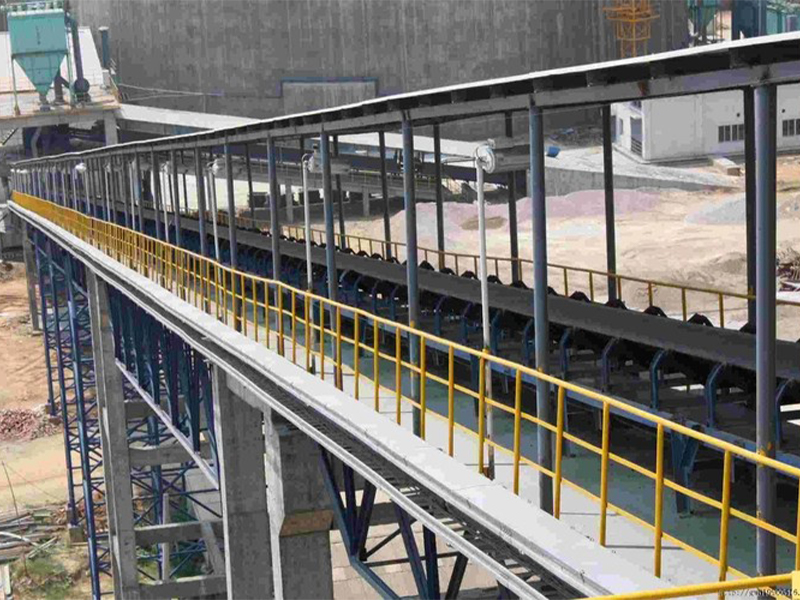
Jidong Cement
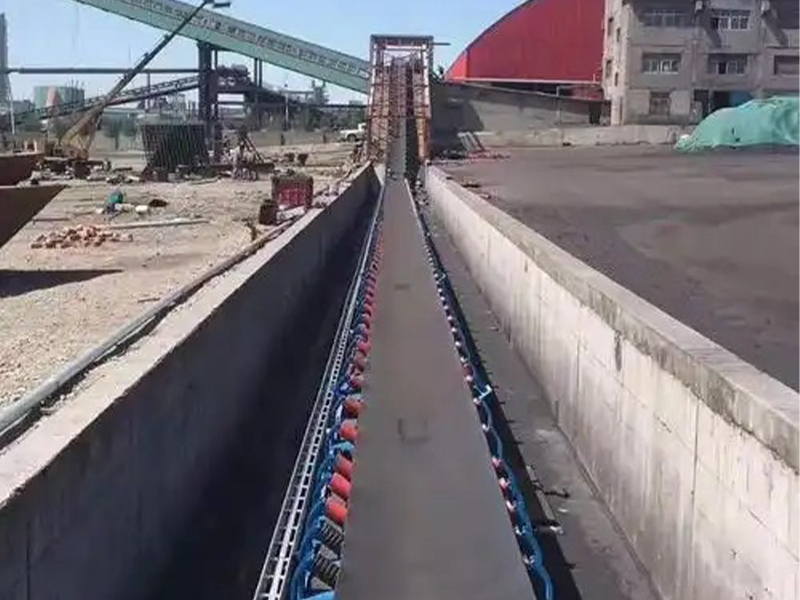
Jinmei Group
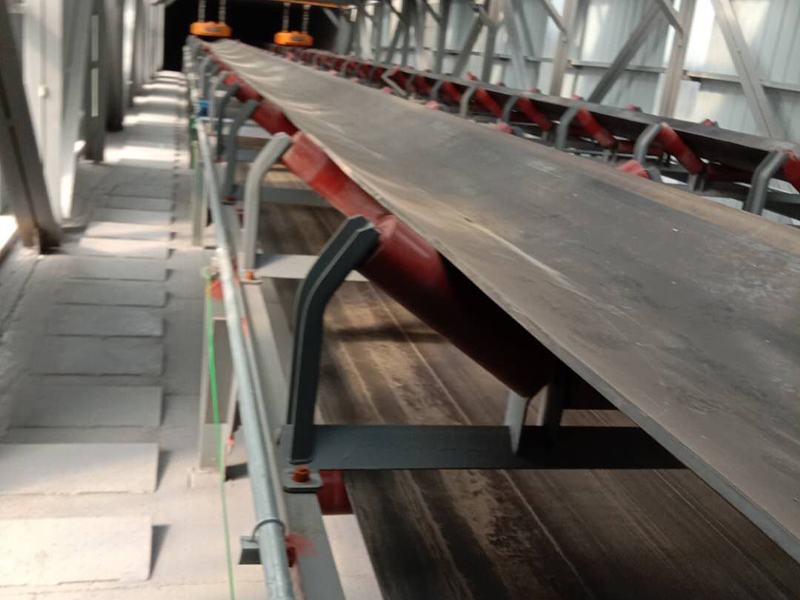
Taihang Steel
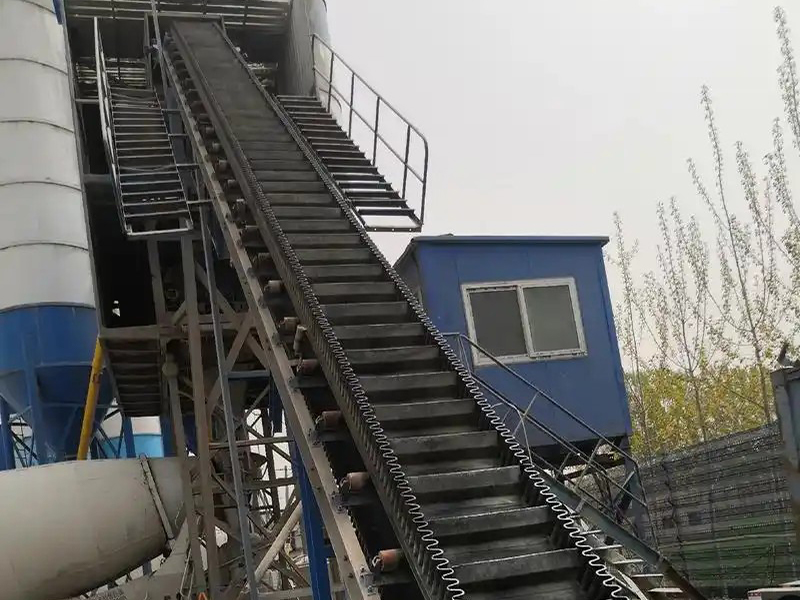
Puyang Steel
Zijin Mining
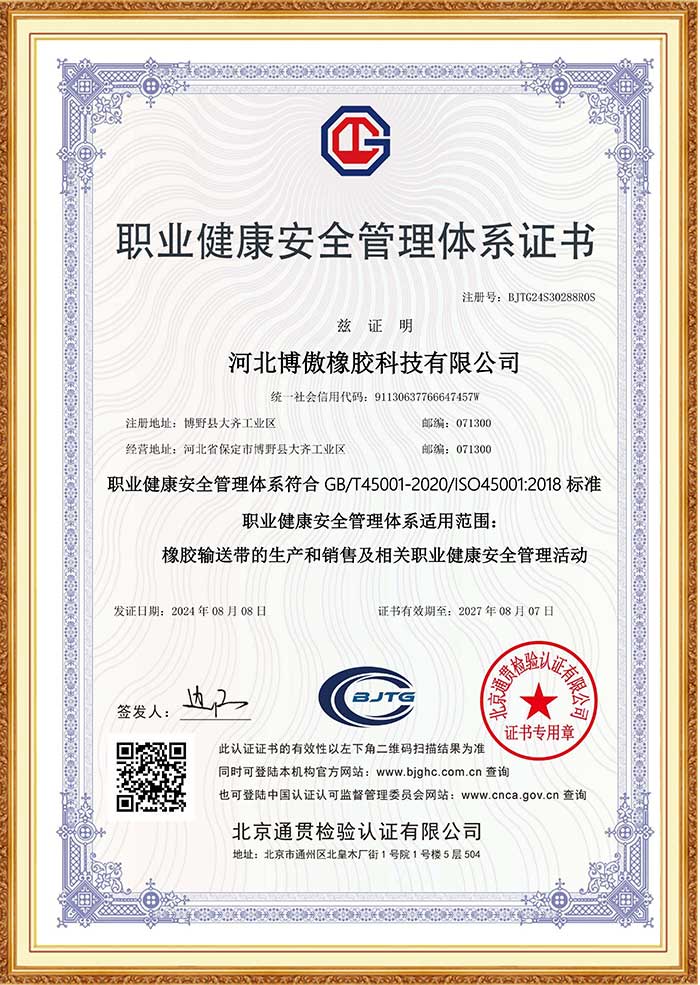
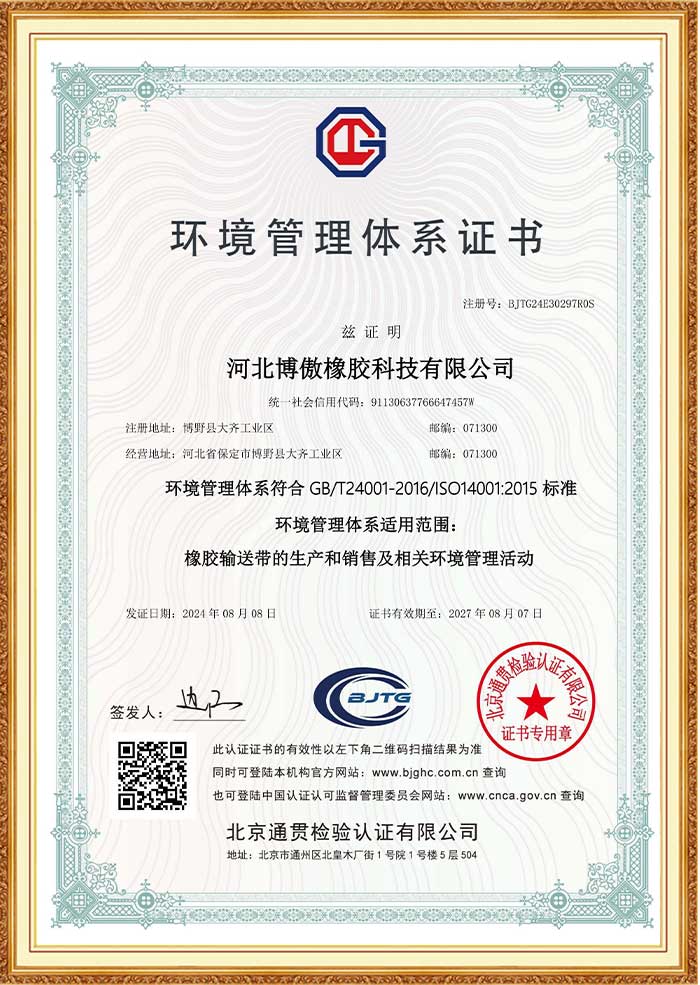
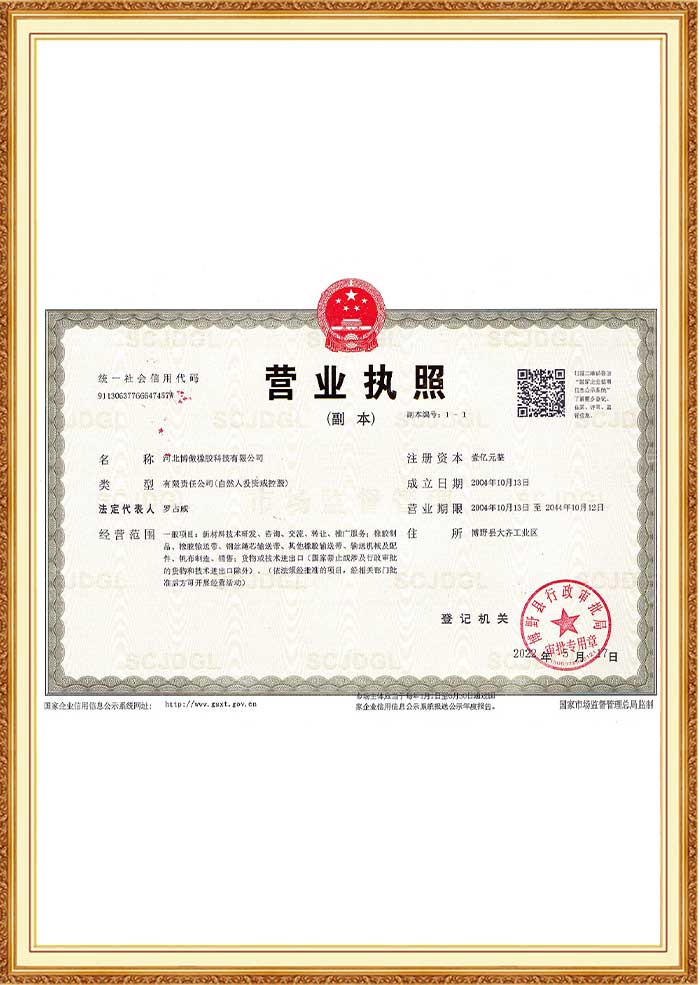
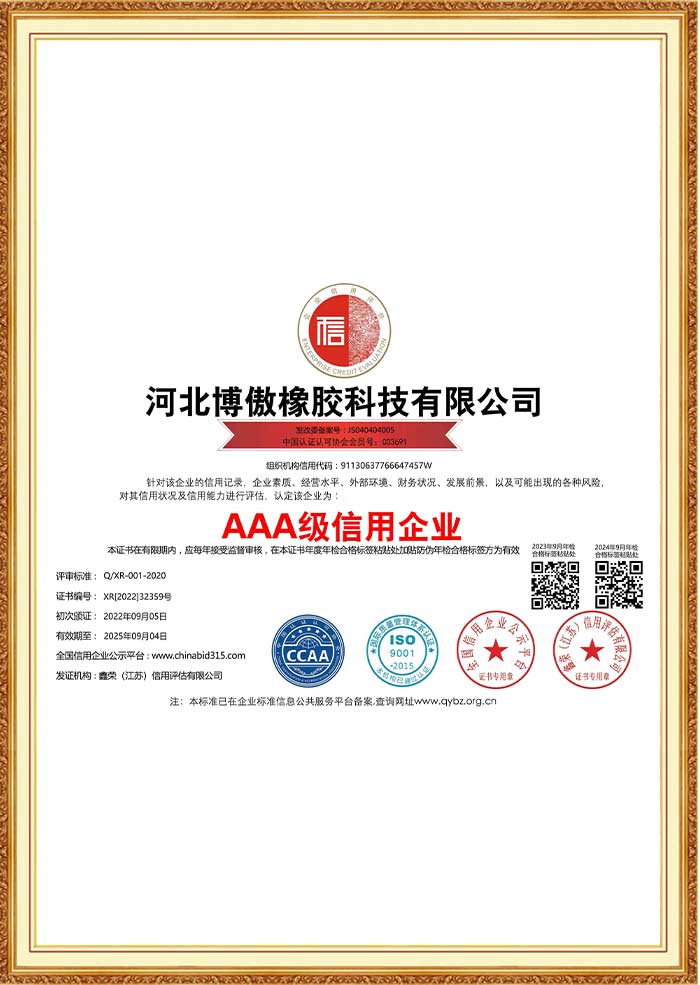
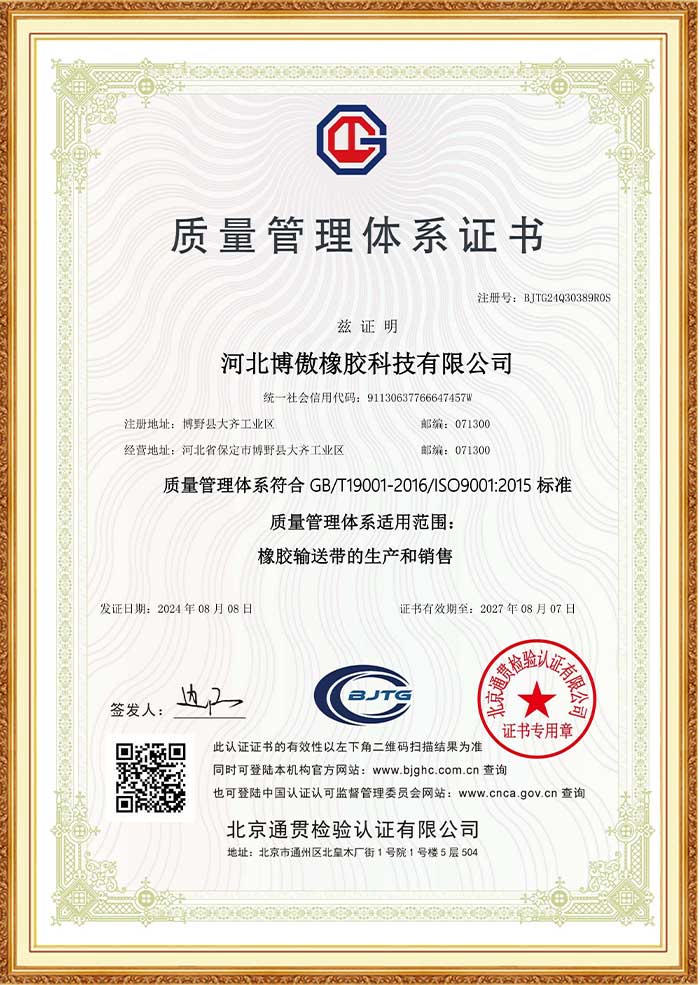
Our manufacturing and quality management systems are certified to meet international standards for reliability.
The conveyor belt industry is shifting toward more integrated, sustainable, and high-performance solutions. We are focusing our research and development on several key areas to meet these evolving demands:
Integrating RFID tags and copper sensor loops into the belt's construction to detect rip propagation and monitor belt wear in real time.
Adopting low-emission vulcanizing agents and increasing the use of sustainable, recycled materials in the base rubber formulation.
Developing low rolling-resistance (LRR) cover compounds that lower energy consumption on long-span overland conveyor systems.
To support global industrial installations, conveyor products must comply with regional standards and regulations. We manufacture our products in accordance with several major industry guidelines:
Our global support network assists engineering teams with custom specifications, local logistics, customs clearance, and technical consulting, ensuring smooth delivery and installation.
Expert answers to common engineering, sizing, and installation questions about industrial conveyor belts.
Explore our specialized range of high-inclination belts, idler rollers, and chemical-resistant conveying solutions.
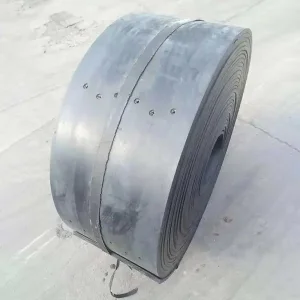
Designed for vertical bucket elevators, featuring high bolt-holding strength and minimal elongation under load.
View Details
Reliable cold-weather performance. Designed to maintain flexibility and resist cracking in arctic industrial settings.
View Details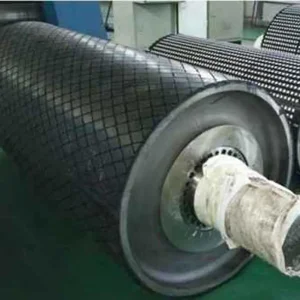
Manufactured with precision bearings and multi-labyrinth seals to ensure low rolling resistance and dust protection.
View Details
Features molded chevron and non-slip profiles to prevent material rollback on steep incline conveyors.
View Details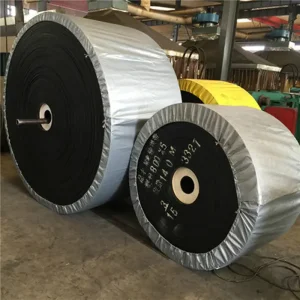
EPDM-based covers designed to withstand the high temperatures of cement clinker and hot metal slag handling.
View Details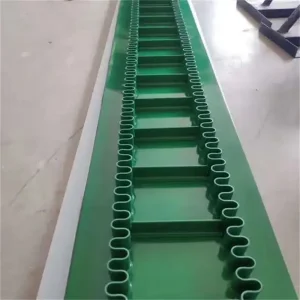
Specifically designed for food processing, packaging lines, and light industrial sorting applications.
View Details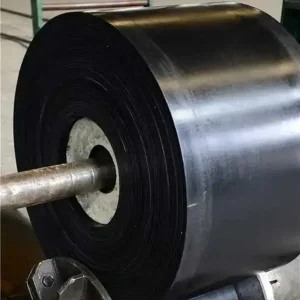
Compounded with chemically inert synthetic rubbers to resist corrosion in chemical and fertilizer plants.
View Details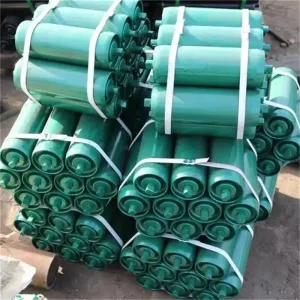
Flexible suspended idler sets designed to absorb impact energy and conform to high-volume conveyor troughs.
View Details Boao Rubber