Explore our high-performance product range, precisely manufactured to meet international standards for extreme bulk material handling.
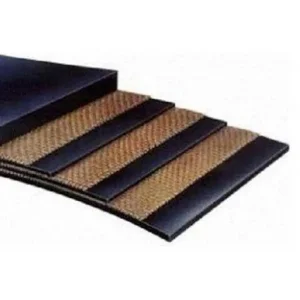
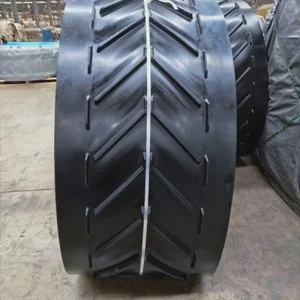
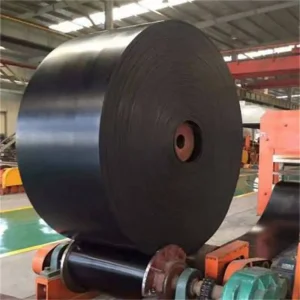
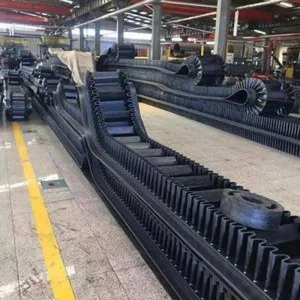
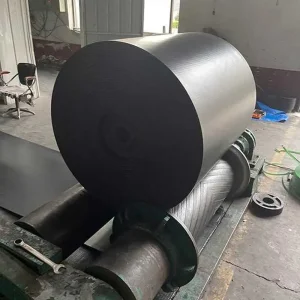
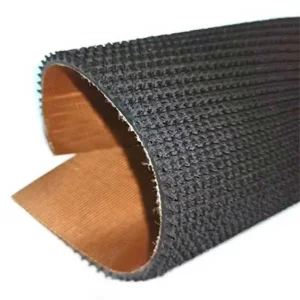
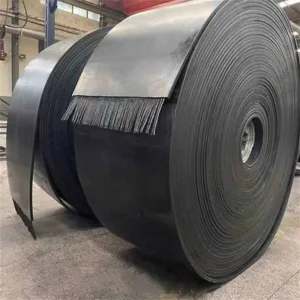
Within heavy-duty bulk handling, the choice of a conveyor belt's cover grade determines the system's operational lifecycle, total cost of ownership (TCO), and overall resilience against severe mechanical wear. The M24 classification represents the upper tier of rubber cover compounds defined by the German standard DIN 22102. Engineered specifically for harsh mechanical environments, M24 grade rubber features an exceptionally high tensile strength of 24 MPa and a maximum volumetric wear limits of 120 mm³. This structural composition makes it the global choice for transporting sharp, highly abrasive, and heavy bulk materials, including metallic ores, silica sands, sinter, granite rock, and high-velocity run-of-mine coal.
As raw material processing scales up globally, standard rubber belts often degrade prematurely, resulting in carcass exposure, belt tearing, and unplanned maintenance shutdowns. Hebei Boao Rubber Technology Co., Ltd. (manufacturing under the premium "Jinao" brand) has refined M24 polymer matrix technology. By blending selected solution-polymerized styrene-butadiene rubber (SBR) with high-grade natural rubber (NR) and reinforcing carbon blacks, our M24 conveyor belts provide a balanced mechanical profile that resists cut propagation, tear fatigue, and ozone degradation.
This technical document reviews the engineering design, commercial positioning, application framework, and QA protocols of high-spec M24 conveyor belts manufactured in Boye County, Hebei Province. We look at how advanced raw material controls, specialized vulcanization processes, and scientific application design help international buyers build stable and reliable bulk material handling networks.
A comparative look at the chemical engineering parameters and performance standards of the Jinao M24 conveyor belt cover.
A rubber compound's mechanical strength depends on its polymer composition and vulcanization density. M24 grade rubber relies on a natural rubber matrix for elasticity and tear resistance, combined with synthetic SBR to enhance thermal stability and resistance to dry abrasion. Additionally, ultra-active carbon black structures are mixed into the compound to block micro-crack propagation caused by sharp rock edges.
| Property Parameter | DIN 22102 Standard Requirement | Boao Jinao M24 Measured Value | Target Industrial Benefit |
|---|---|---|---|
| Tensile Strength (MPa) | ≥ 24 MPa | 25.4 - 26.8 MPa | Prevents cover gouging and surface peeling under high drop-height impacts. |
| Elongation at Break (%) | ≥ 450% | 480% - 520% | Allows elastic recovery and stress dissipation during impact events. |
| Volumetric Abrasion Loss | ≤ 120 mm³ | 90 - 105 mm³ | Reduces wear rate from sliding abrasive particles, extending replacement cycles. |
| Adhesion Strength (Carcass-Cover) | ≥ 4.5 N/mm (Fabric) | 6.0 - 7.5 N/mm | Eliminates cover delamination under high shear forces and vertical vertical bends. |
| Ozone & Weathering Resistance | No cracks (50 pphm, 20% strain) | Passes (96-hour evaluation) | Protects the belt during outdoor coastal operations and high-UV environments. |
By maintaining performance values above standard minimums, Boao's Jinao brand M24 belts provide an operational margin of safety. This extra margin helps prevent belt failure during surge loading, severe misalignment, or temporary structural overloads.
How the Jinao M24 conveyor belt is customized to solve operational challenges in key heavy industries worldwide.
M24 belts transport run-of-mine ores, quartz, copper concentrates, and heavy gold ore. The cover is designed to resist cutting and gouging from large fall heights, preventing carcass exposure and structural failure.
In cement manufacturing, M24 belts carry limestone feed, clinker, gypsum, and silica sand. The vulcanized rubber compound resists continuous friction and heat from fine-particle loads.
Designed for sinter, coke breeze, iron ore pellets, and fluxing agents. In high-temperature zones, we offer an M24 composite belt that pairs heavy abrasion resistance with heat-shield polymers.
For high-capacity shiploaders operating at over 5 m/s, Jinao M24 belts provide low rolling resistance (LRR) to decrease drive energy consumption while handling fast-moving coal, grains, and fertilizer.
Our custom M24 formulations can be treated to handle mild acids, alkaline materials, and industrial salts, preventing premature cover hardening or chemical swelling.
Combines dust containment properties with high-tension fabric plies (EP or NN) to carry fine coal dust across long distances, keeping belt stretch minimal under load.
How international procurement groups optimize sourcing protocols for high-grade M24 conveyor belts.
Purchasing managers in global mining groups, port operations, and civil engineering companies balance initial capital expenditure (CAPEX) with long-term operational costs (OPEX). Selecting M24 conveyor belts involves looking at several factors beyond price per meter:
By establishing clear technical specifications and procurement guidelines, buyers can compare supplier bids on a standard basis, reducing the risk of premature belt failures.
Beyond supply, Boao delivers a complete service system to maximize belt utility, secure uptime, and minimize system losses.
We provide planned replacement, precision hot/cold splicing, mechanical repairs, diagnostic structural scanning, and emergency field services for critical belt lines.
Supply of premium belts, backup inventory management, planned on-site vulcanized splicing, damage repair, and regular belt wear monitoring.
We aim to reduce energy losses, improve belt tracking, and extend the service life of both belts and structural components like idlers and pulleys.
The trajectory of high-end conveyor belts toward digitalization, advanced materials, and environmental efficiency.
Developing specialized compounds for the pulley-side cover to minimize indentation losses, reducing the electric power needed for long overland conveyors by up to 15%.
Embedding RFID chips and copper sensor loops directly into the carcass during vulcanization. This enables automatic, real-time detection of belt rips and premature failures.
Replacing traditional petroleum-based plasticizers with bio-sourced alternatives. This lowers carbon emissions during manufacturing without reducing the belt's physical properties.
Testing new synthetic EPDM and fluoro-elastomer blends to extend cover lifecycles in environments ranging from -50°C up to +250°C.
Our belts are trusted in demanding operational environments, helping industrial leaders maintain high uptime and production rates.
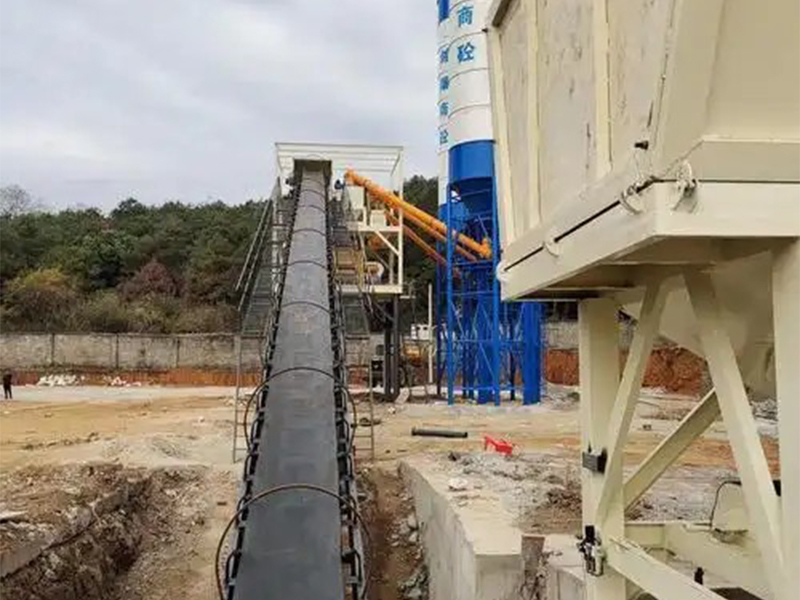
Infrastructure & Concrete Mixing
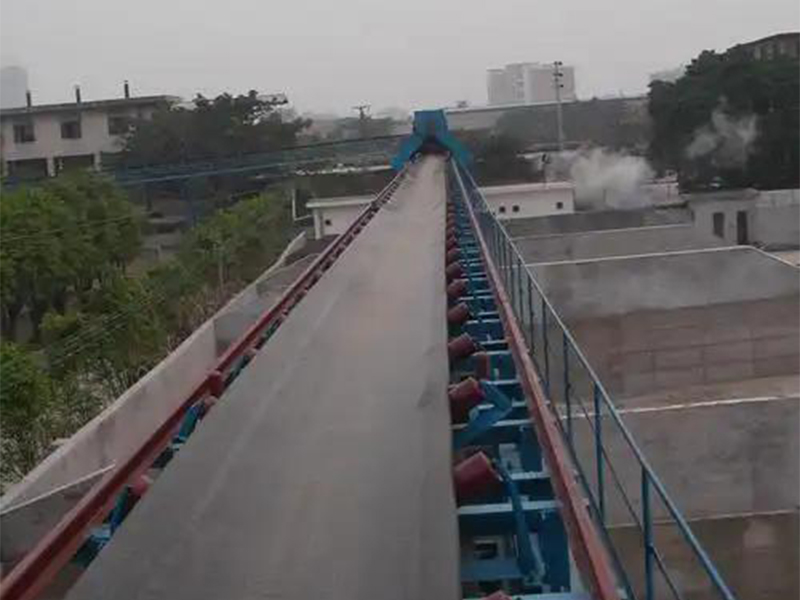
Limestone & Clinker Production
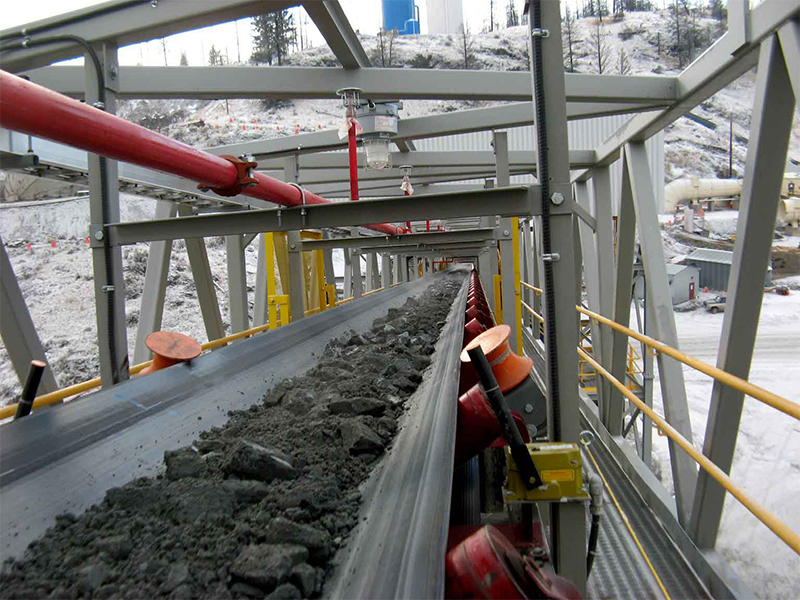
High-Volume Coal Extraction
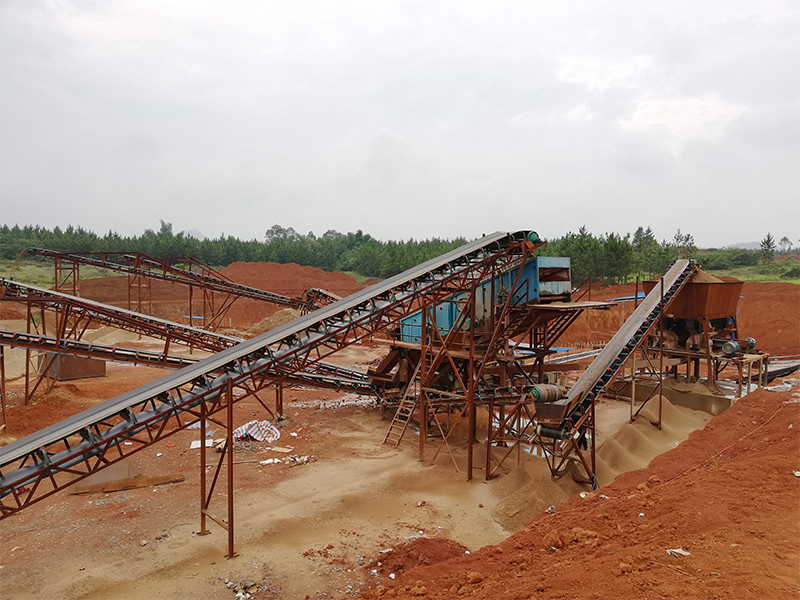
Nickel & Stainless Steel Metallurgy
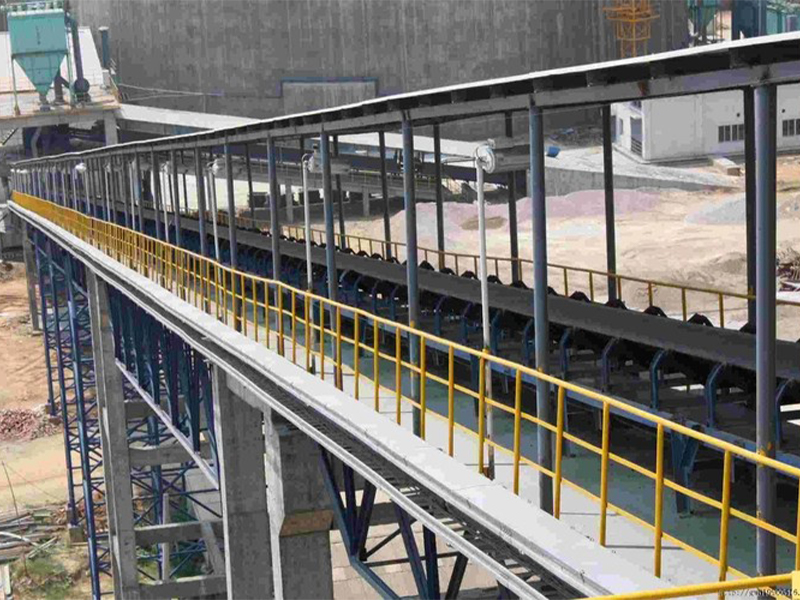
Dry-Process Cement Conveyors
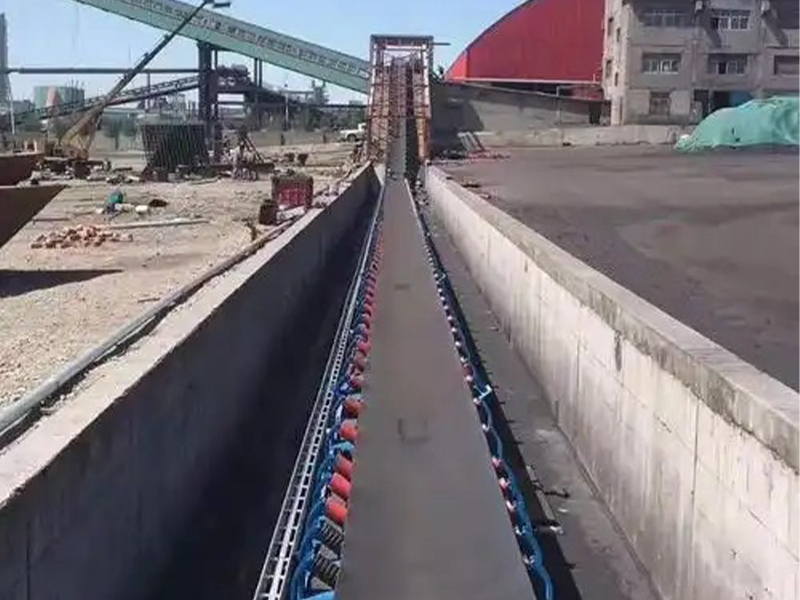
Heavy Coal Transportation Line
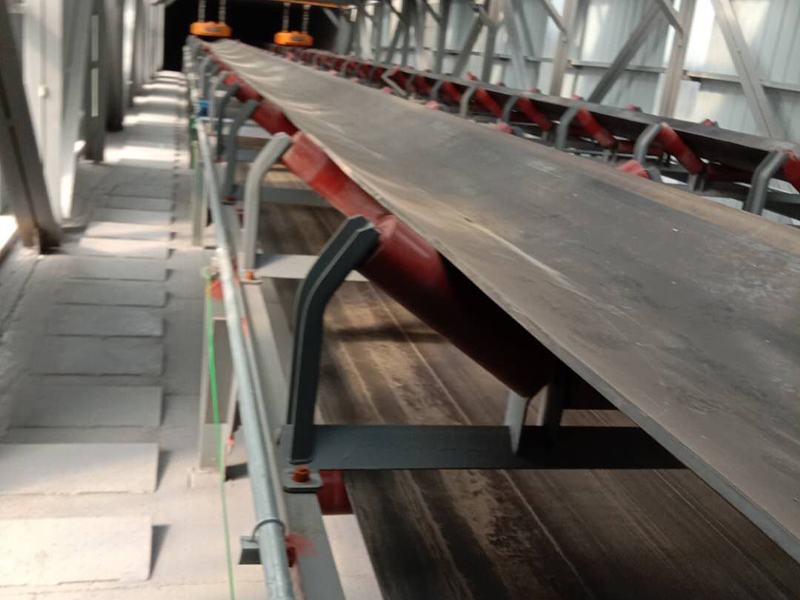
Sinter & Ore Feed Conveyors
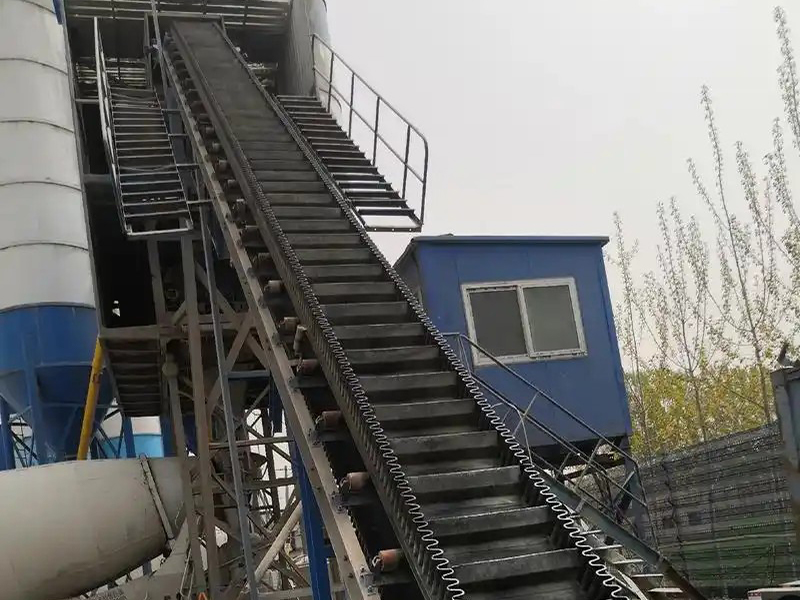
Metallurgical Raw Material Handling
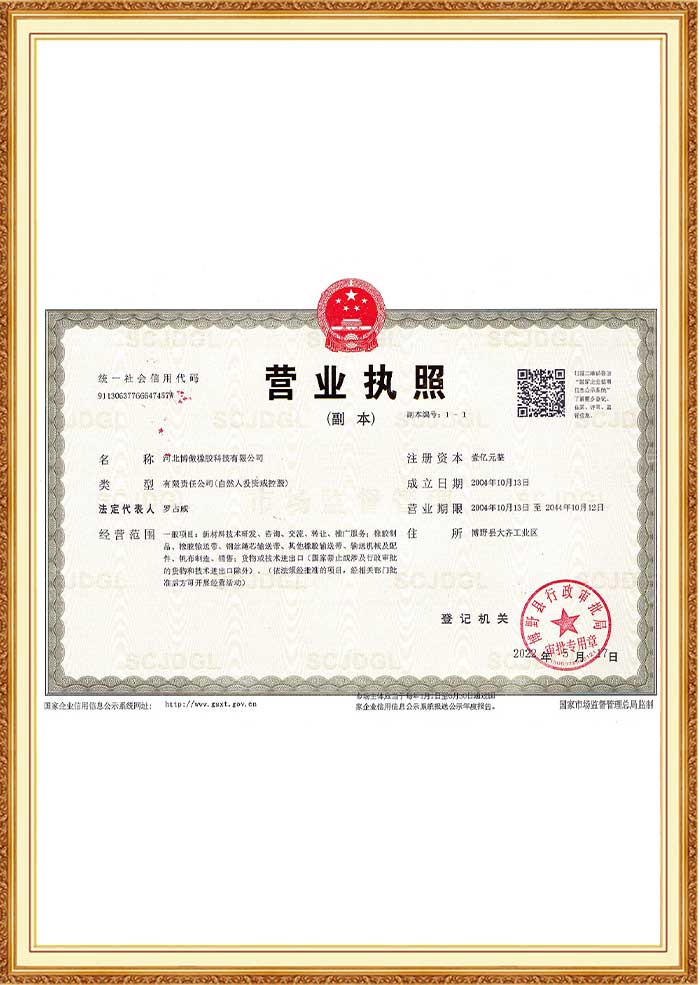
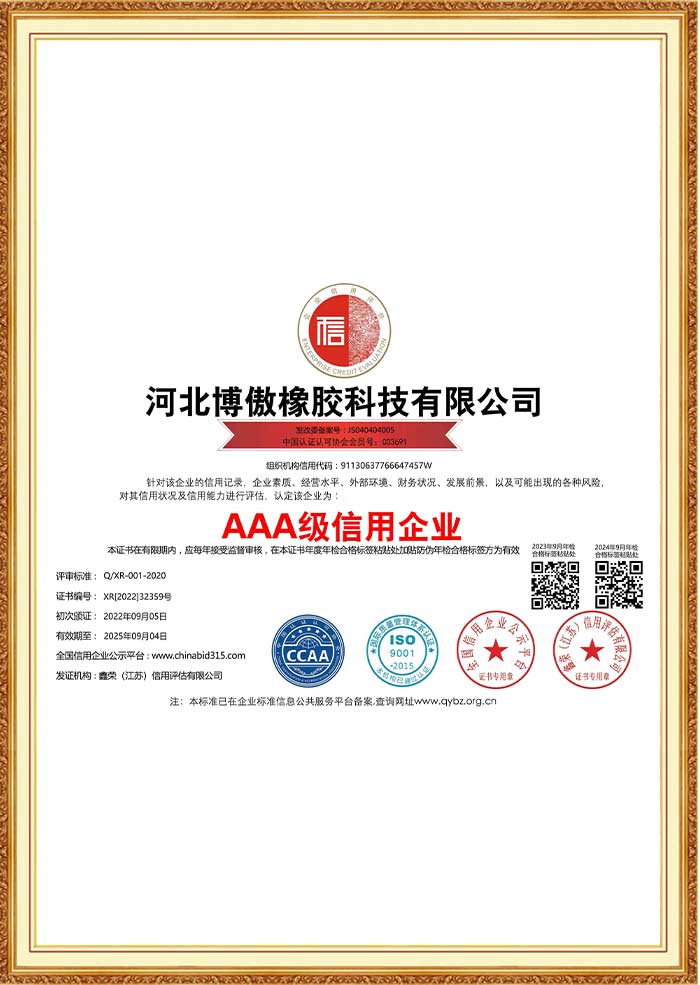
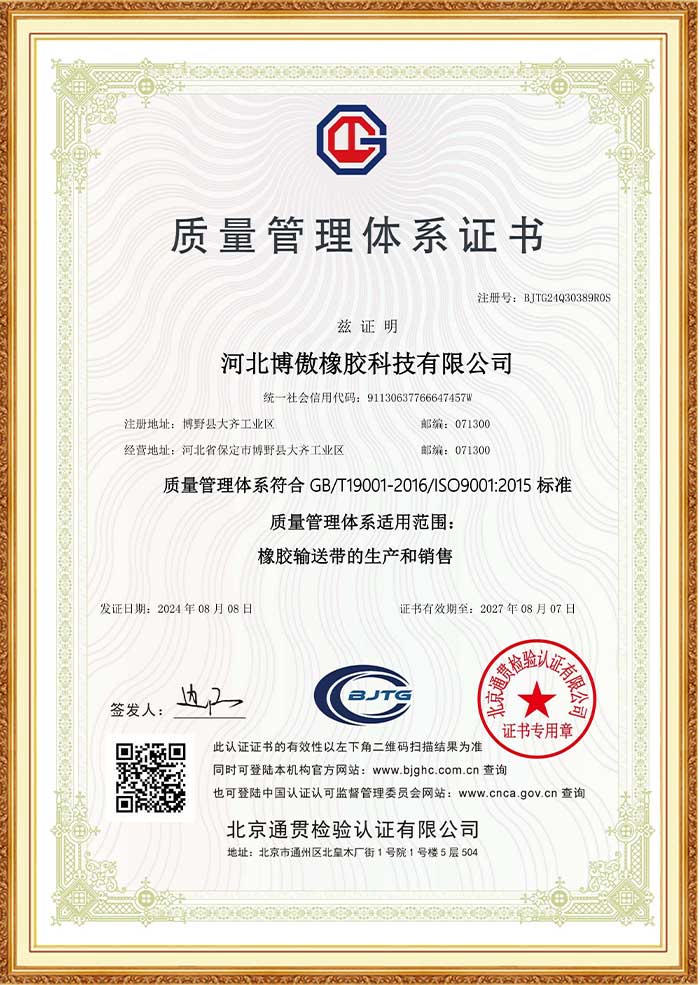
Hebei Boao is committed to high product quality. Our laboratory monitors the production process from raw materials to finished products, and we maintain certification under international quality management systems.
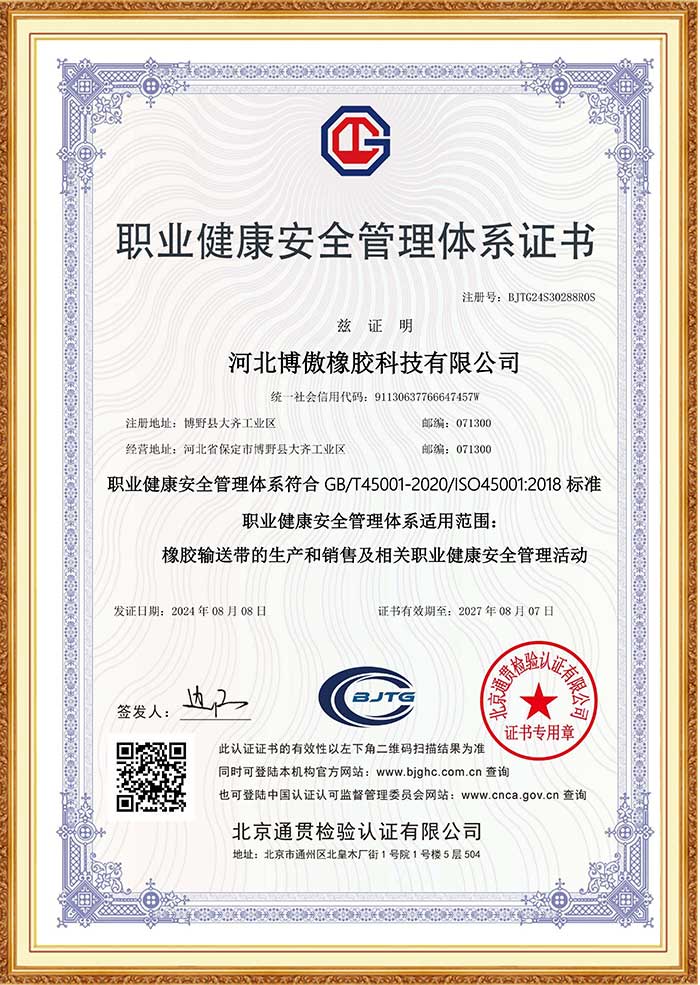
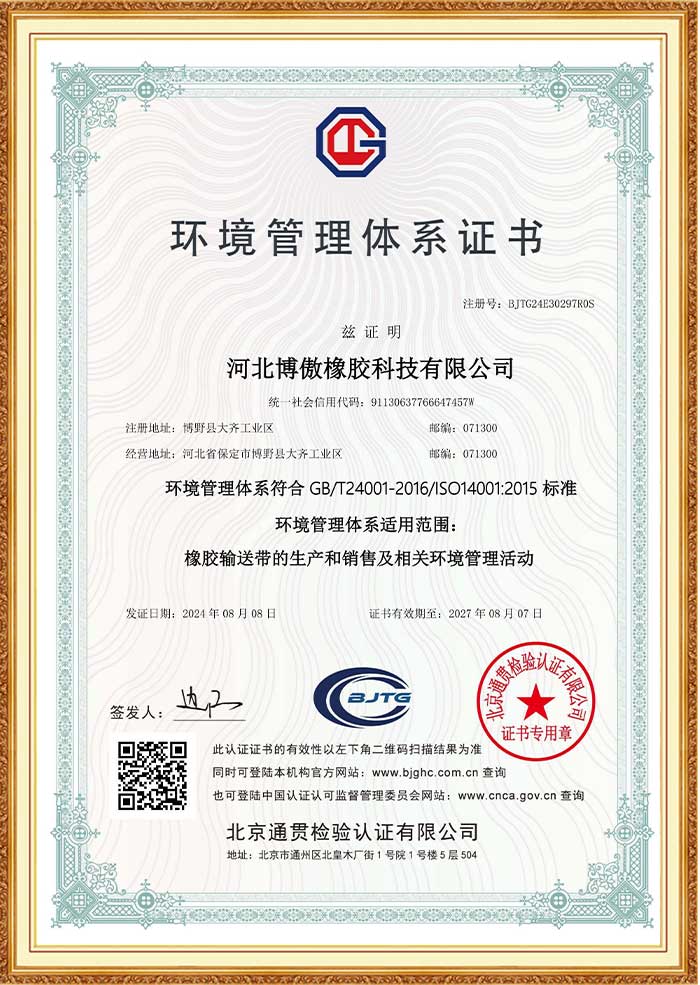
An inside look at our advanced manufacturing lines, featuring specialized equipment for rubber mixing, calendering, and vulcanization.
Find authoritative answers to common questions about DIN 22102 M24 grade conveyor belts.
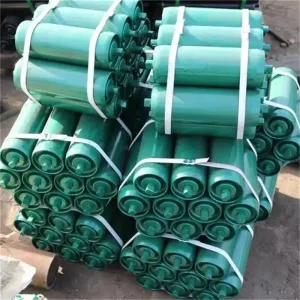
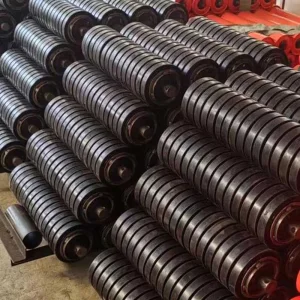
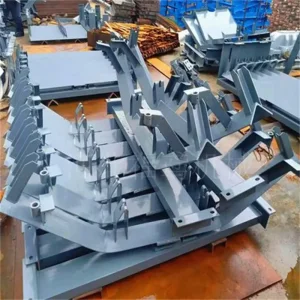
We manufacture a complete line of supporting components to ensure reliable operation of your conveyor system.
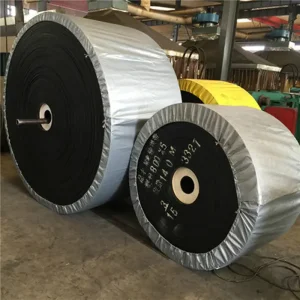
 Boao Rubber