Factory-direct wear-resistant belt systems and precision-machined heavy rollers designed for challenging conditions.
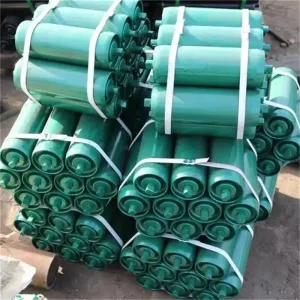
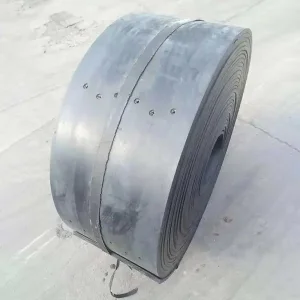
Optimize bulk material flow, reduce unplanned downtime, and master dynamic system wear in heavy mining, metallurgy, and port facilities.
In large-scale dry bulk logistics, the structural harmony between the conveyor belt and its supporting rollers and idlers determines the efficiency, safety, and operational lifecycle of the system. Inadequate component interactions account for up to 45% of belt mistracking issues and premature cover wear. Understanding the mechanical stress profile is crucial for plant managers looking to optimize their total cost of ownership (TCO).
Our analytical evaluations show that indentation rolling resistance (IRR)—the energy lost as the roller constantly deforms the elastomeric belt cover—constitutes a major part of the overall power consumption in long-distance conveyors. Selecting correct-diameter idlers with dynamic runout control (T.I.R ≤ 0.5 mm) directly reduces this drag coefficient.
In addition, sealing technology within the idler bearing assemblies dictates the service lifespan under dusty or wet conditions. Incorporating specialized triple labyrinth seal designs prevents abrasive particulate ingress, mitigating bearing failures that cause high friction, belt scoring, and fire hazards.
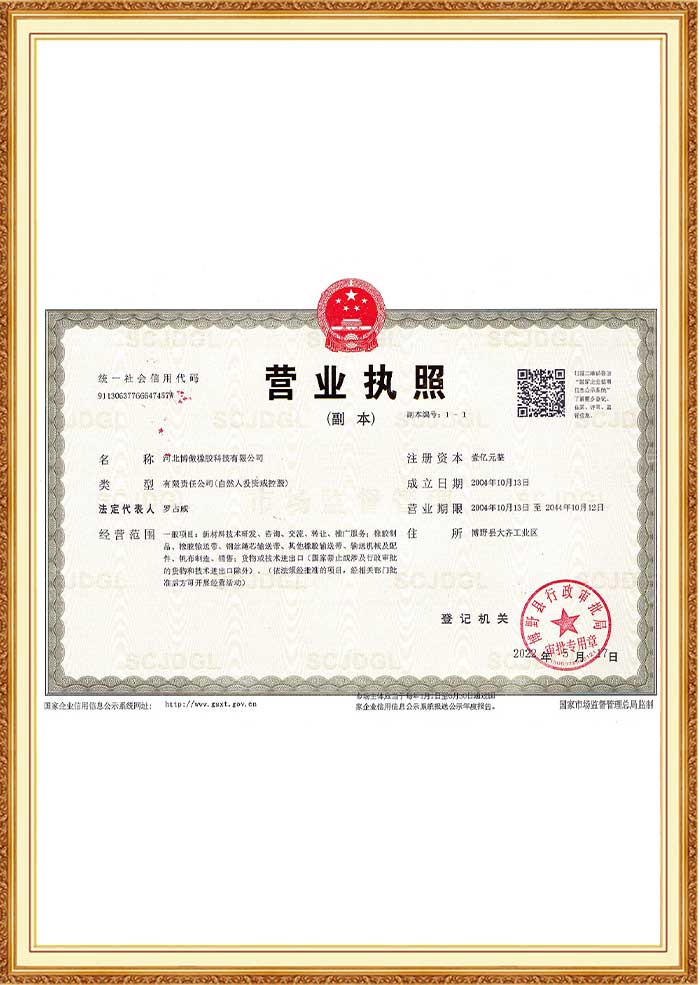
Established in 2004, Hebei Boao Rubber Technology Co., Ltd. is located in the prominent Rubber Industrial Park of Boye County, Baoding, Hebei Province. For over two decades, we have evolved into a professional manufacturer integrating design, material research, precision manufacturing, and comprehensive technical services for conveyor belts, industrial idlers, and structural supporting accessories.
Operating under our brand "Jinao", we prioritize structural integrity and chemical performance. Our facility features advanced production lines for compound rolling, forming, vulcanization, and material testing—covering the manufacturing process from raw polymer to the finished belt and supporting steel rollers.
We manage product design and system compatibility under a certified quality management system, delivering cohesive material handling components engineered to operate reliably together.
Ensuring reliable bulk material handling through advanced testing protocols and comprehensive manufacturing capabilities.
We operate an independent chemical analysis room and physics laboratory, enabling full monitoring of components from raw material receipt through to final shipment. We enforce clear quality guidelines to keep non-conforming materials off the production floor.
Our dedicated inspection teams utilize diagnostic testing equipment and established inspection protocols to ensure products meet design requirements and performance standards before leaving the factory.
Backed by technical engineering and responsive product support, our equipment is utilized globally. We serve heavy industries including steel production, metallurgy, coal mining, cement plants, power generation, and bulk terminals.
Our quality control protocols extend beyond basic dimensional checks. We conduct aging chamber tests, abrasion evaluations, ozone resistance testing, and dynamic balance analysis on all rollers. For belts, we perform adhesion testing between plies and tensile strength trials to verify performance under demanding load-out applications.
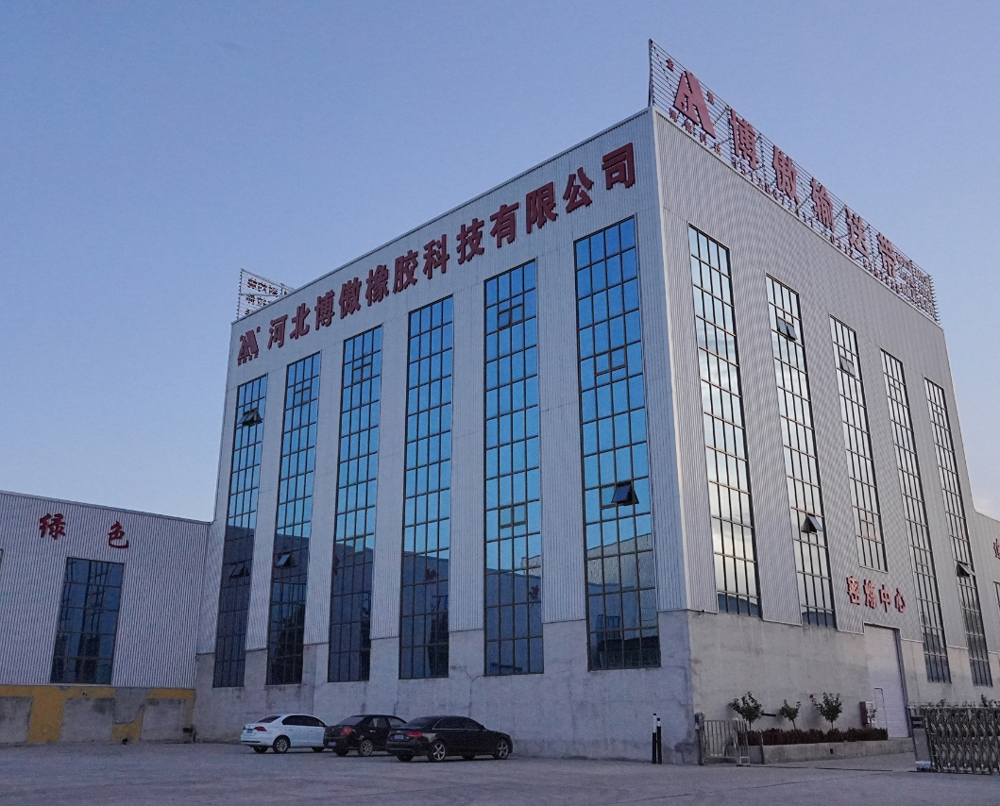
Unified system designs from Hebei Boao Rubber Technology Co., Ltd.
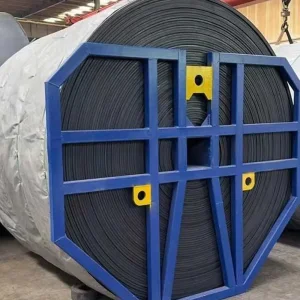
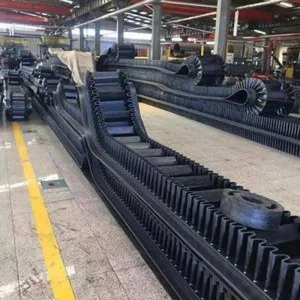
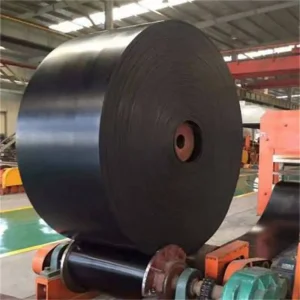
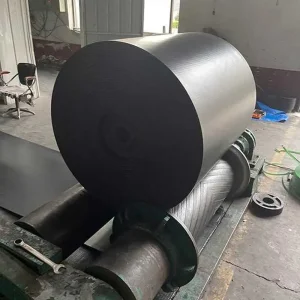
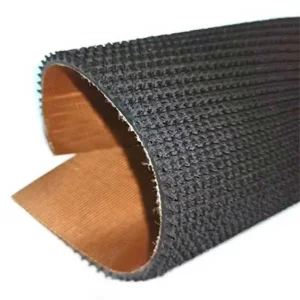
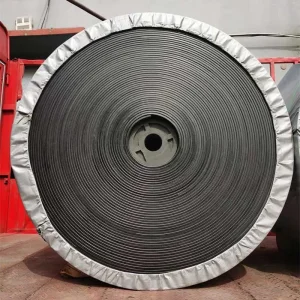
We manufacture conveyor belts designed to withstand high temperatures, abrasive wear, and harsh environmental conditions.
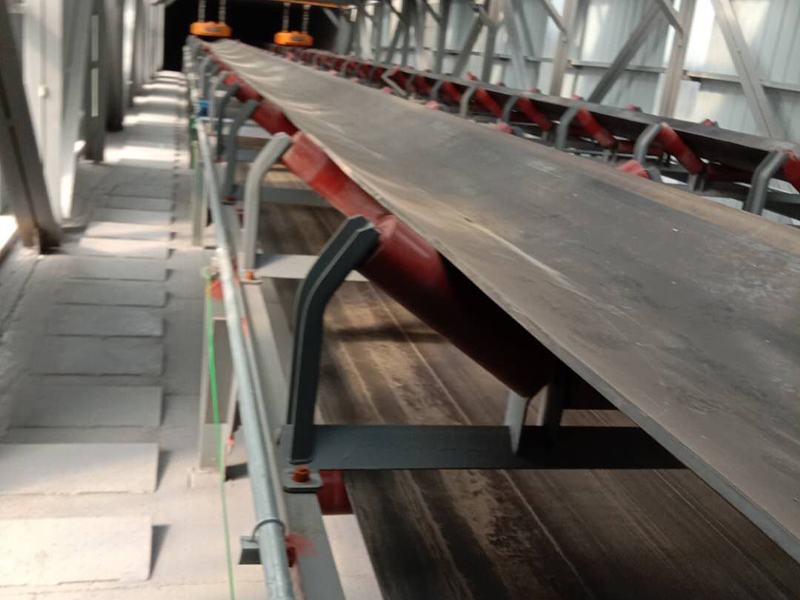
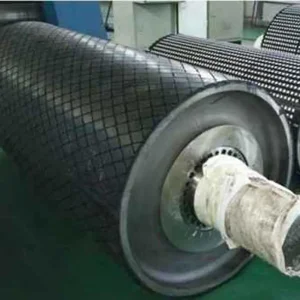
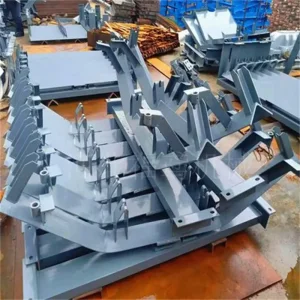
Our heavy-duty idlers, rollers, and brackets are designed to support and protect the belt system, ensuring smooth alignment under high loads.
Analyzing the cost-efficiency, materials integration, and manufacturing scale that define China's leading conveyor component hubs.
Sourcing industrial components from Hebei's rubber manufacturing cluster offers several operational benefits. The region's integrated supply chain links raw steel processing directly with precision rubber formulation, reducing material sourcing lead times.
Leading factories utilize automated pipe cutting, dual-ended bore machining, and robotic welding stations to produce high-tolerance conveyor rollers. This level of automation keeps production costs down while maintaining consistent axial play and radial runout.
Unified production facilities, like Hebei Boao, can manufacture both the conveyor belt and its supporting rollers in the same location. This single-source approach ensures correct structural fits, simplifies quality control tracking, and streamlines international logistics.
Ensuring compliance with international quality and manufacturing standards.
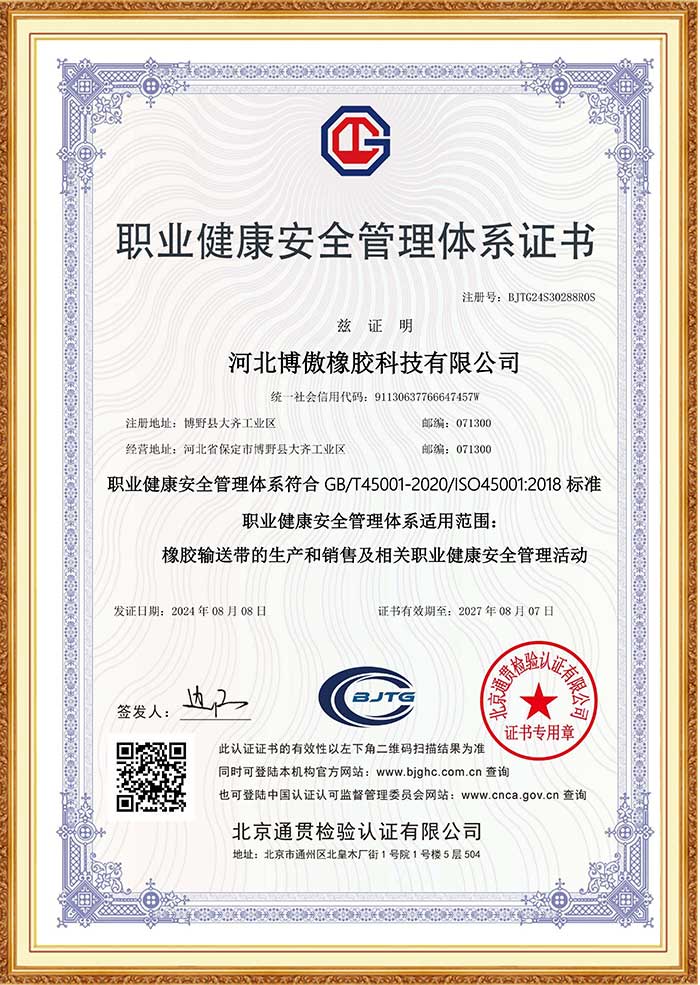
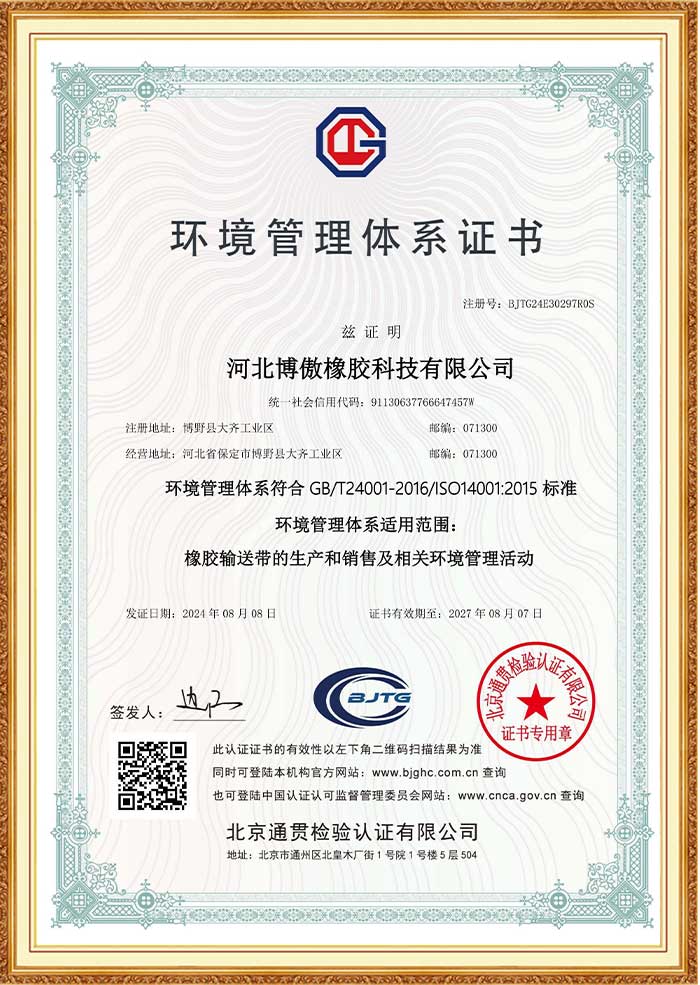
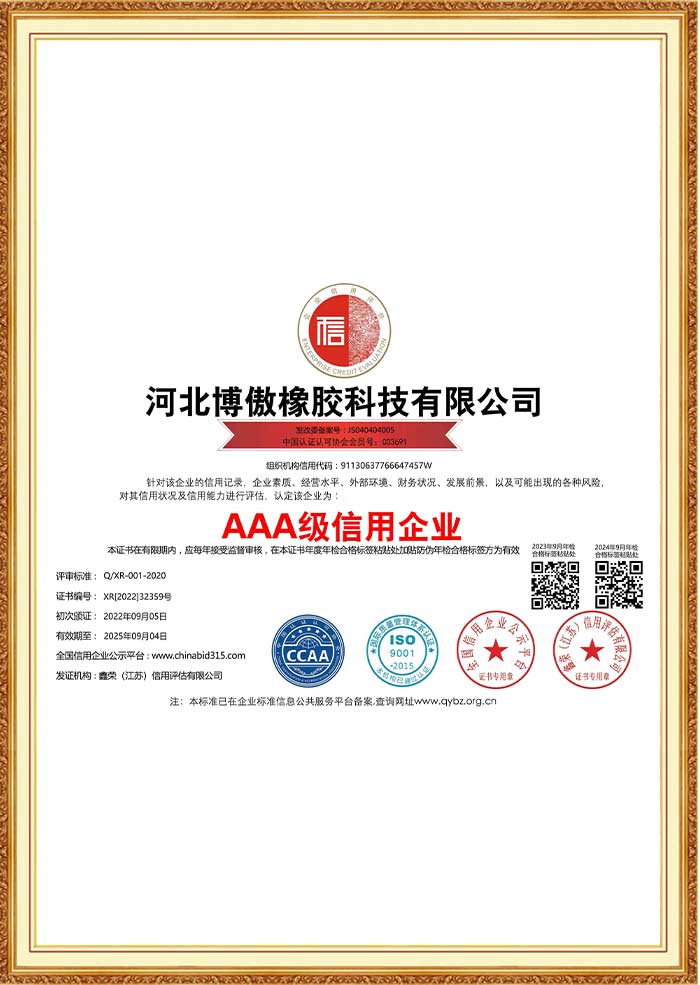
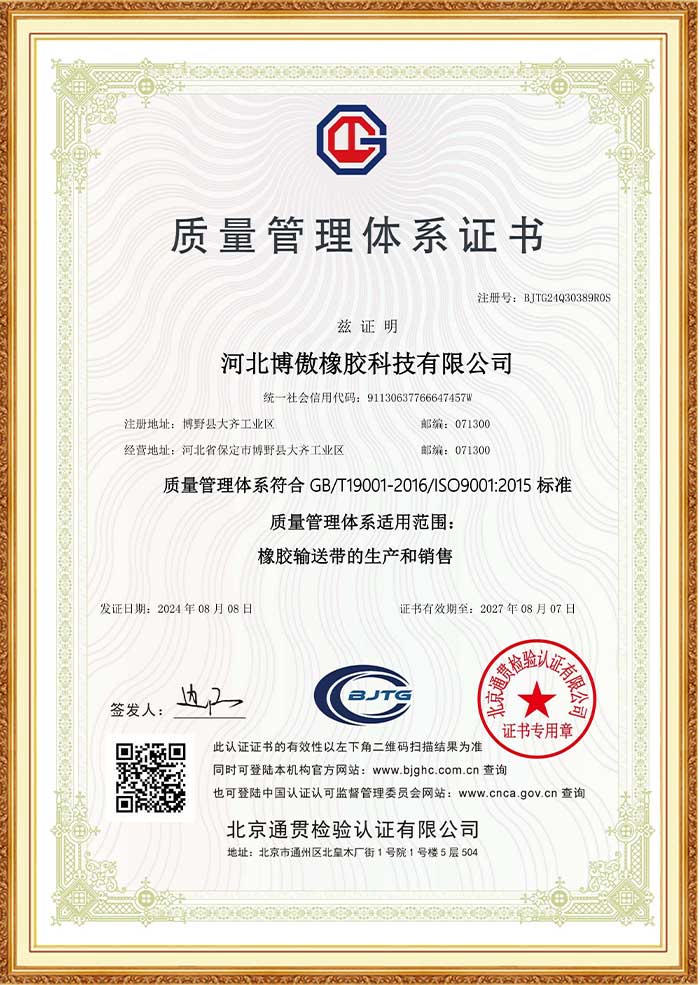
Adapting to modern safety standards, environmental demands, and automation in dry bulk handling systems.
Modern conveyor systems increasingly feature sensor-equipped idlers that monitor bearing temperatures and vibration levels, helping operators schedule maintenance to prevent unplanned outages.
Developing rubber compounds with lower indentation resistance reduces overall energy consumption, which is especially beneficial for long-distance, overland conveyor systems.
Using composite rollers made from reinforced polymers can reduce rotational mass, lower energy requirements, and resist corrosion in high-salt and acidic environments.
Our products support bulk material handling operations across several key heavy industries.
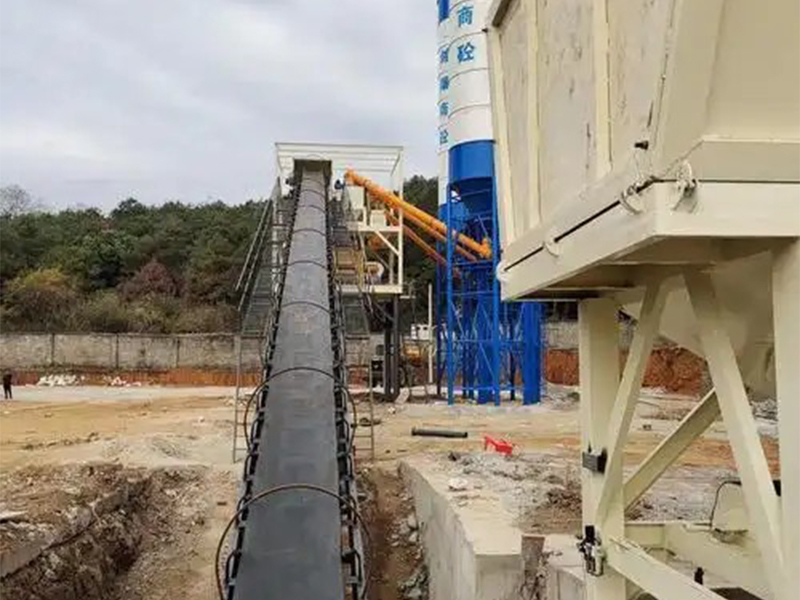
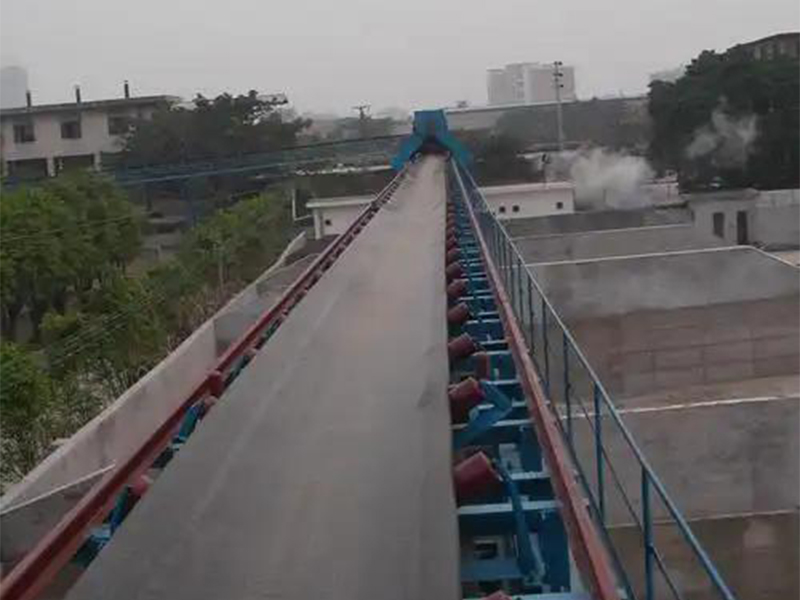
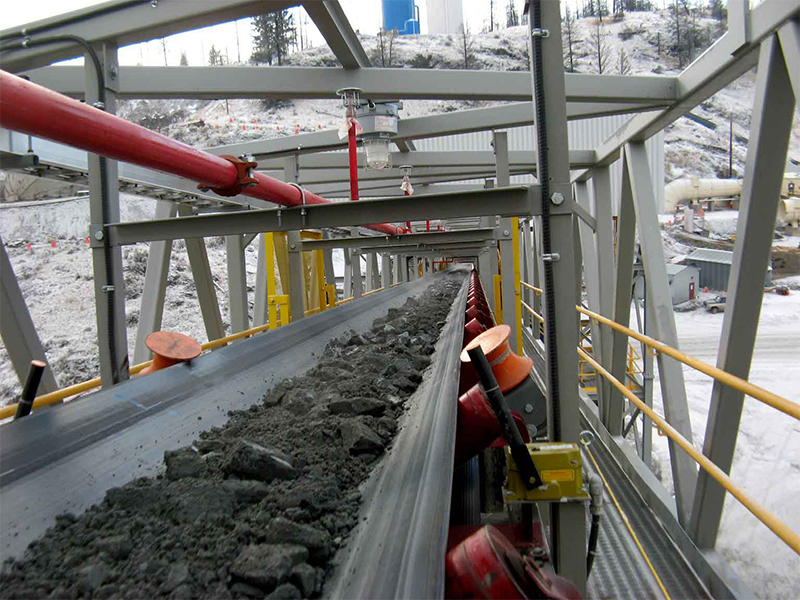
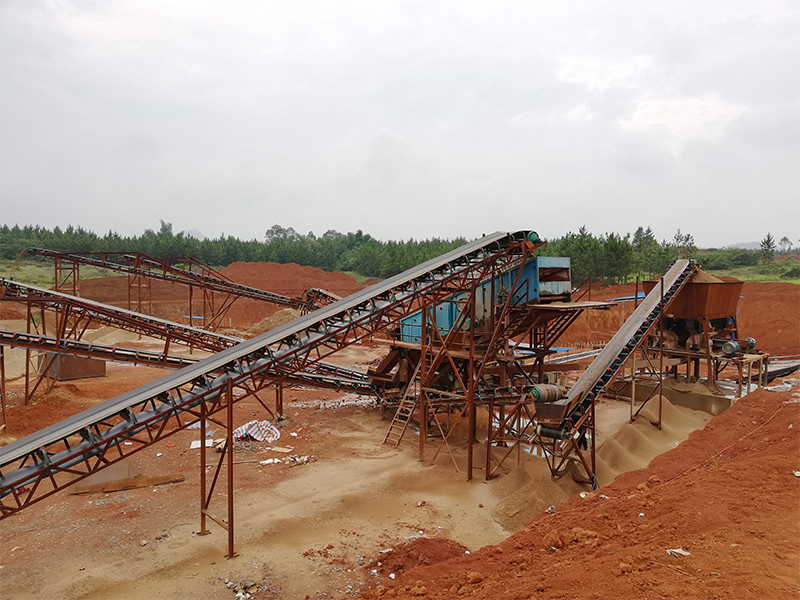
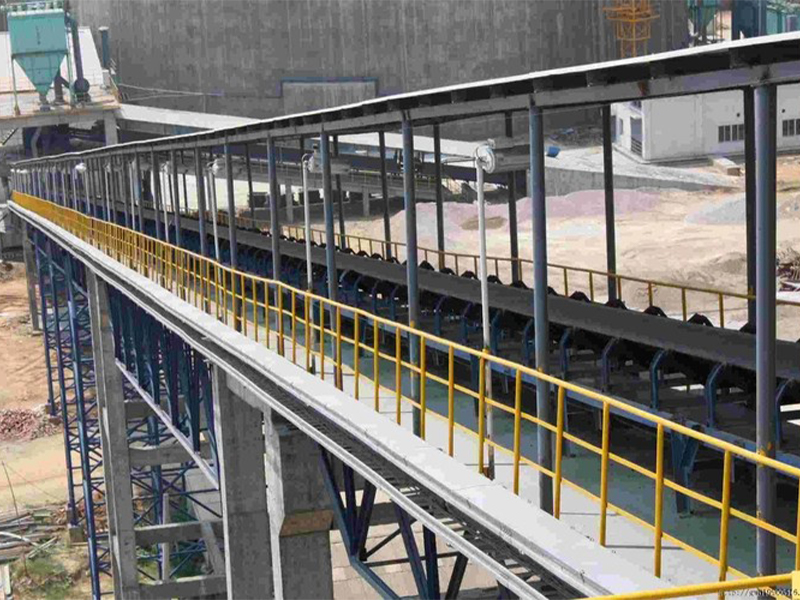
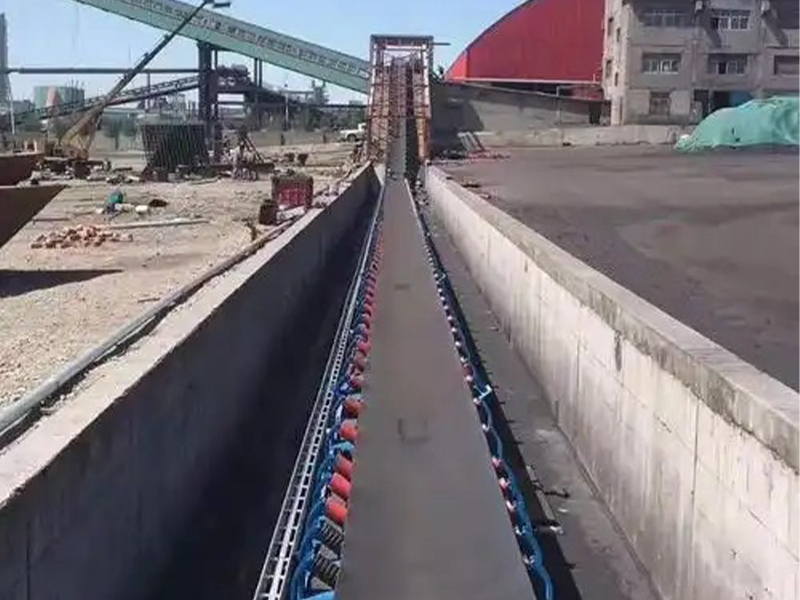
Integrated service planning to extend the lifetime of your conveyor belt and roller systems.
We provide planned replacement, structural repair, regular inspection, preventive maintenance, and emergency repair of conveyor belts and auxiliary equipment, helping limit unplanned production shutdowns.
Includes supply of custom-dimension conveyor belts and vulcanization materials, management of safety stock to meet operation needs, and scheduled inventory tracking. We also handle planned vulcanized bonding, rubber cover repairs, and routine line inspections.
Designed to help improve operational efficiency, minimize premature wear, and extend the functional lifespan of the conveyor belt, ensuring consistent plant operation.
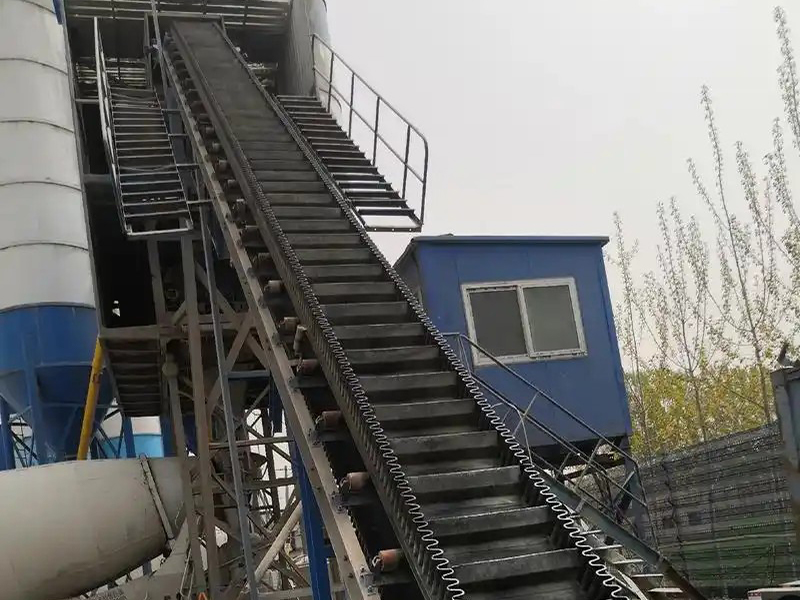
In modern industrial operations, rubber conveyor belts serve as primary paths for moving dry bulk materials. Across mines, metallurgy facilities, and chemical ports, heavy-duty rubber belts transport large volumes of raw materials every day. Maintaining these systems requires regular inspection, balanced roll alignment, and timely service to manage wear and maintain productivity.
Answers to common engineering questions regarding roller specifications and belt integration.
Select from our full line of industrial-grade conveyor belts, structural rollers, and bracket systems.
 Boao Rubber