Engineered high-performance conveyor system parts matching strict CEMA and DIN quality certifications.
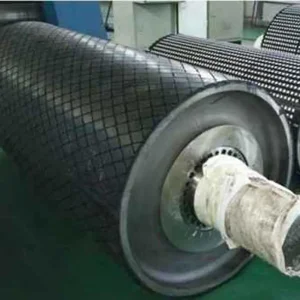
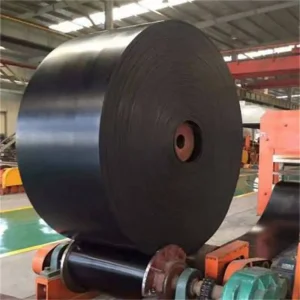
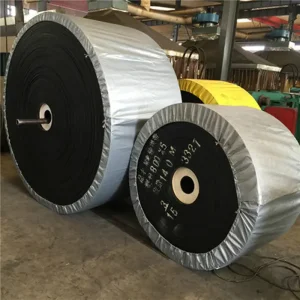
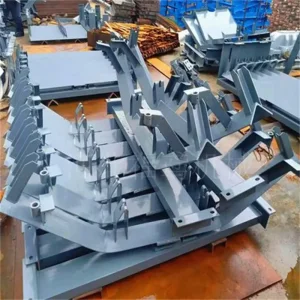
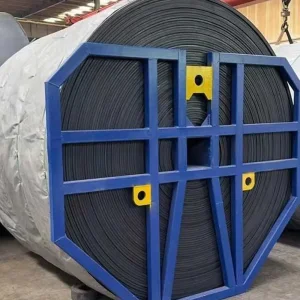
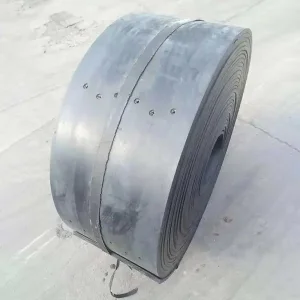
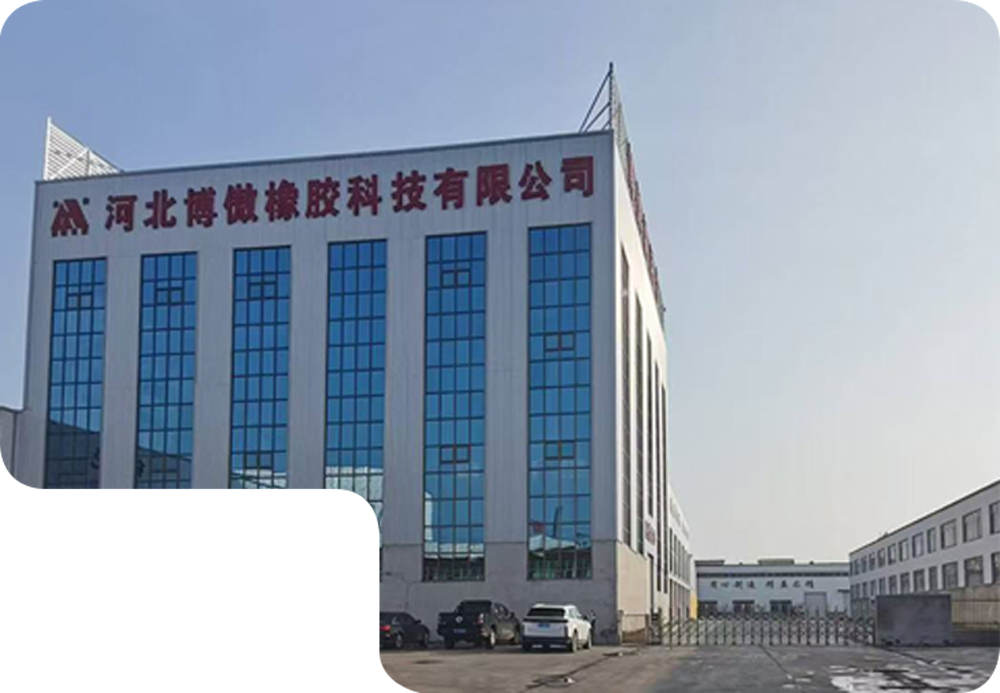
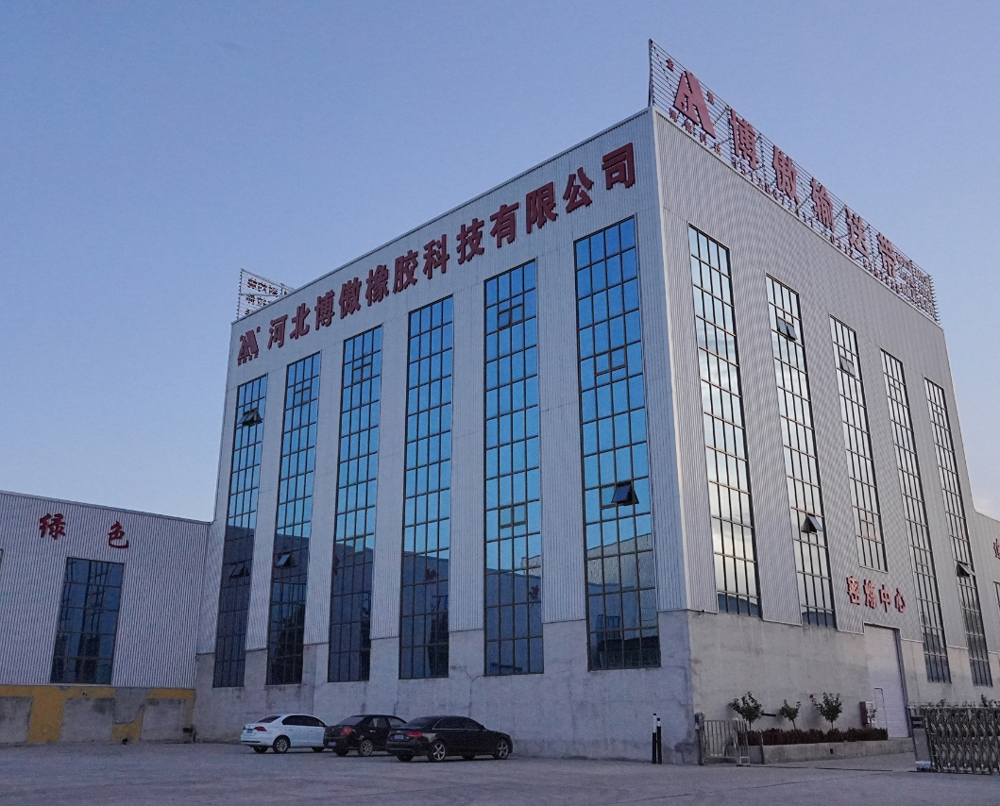
Hebei Boao Rubber Technology Co., Ltd. is located in the Rubber Industrial Park of Boye County, Baoding, Hebei Province. Founded in 2004, the company covers a specialized area of over 30 acres. Our products are recognized and widely distributed under our premium corporate trademark brand, "Jinao".
As a leading Chinese design engineer and high-capacity manufacturer, we provide dynamic research, material formulation development, structure design, advanced vulcanization manufacturing, and full-process client services for industrial conveyor belts and premium conveyor machinery accessories. We hold international standard certification for our quality control frameworks, ensuring high product durability across all system shipments.

Providing industrial grade quality assurance through multi-layer verification systems and testing procedures.
We host an independent internal chemical analysis suite and physics lab. We carry out dynamic analysis of each phase, from raw elastomer import to structural vulcanization. We prevent substandard items from exiting our dock.
Highly calibrated testing gear checks dynamic balance, shell runout, labyrinth seal water-resistance, and rubber disc hardness. Standardized protocols maintain consistency across bulk manufacturing runs.
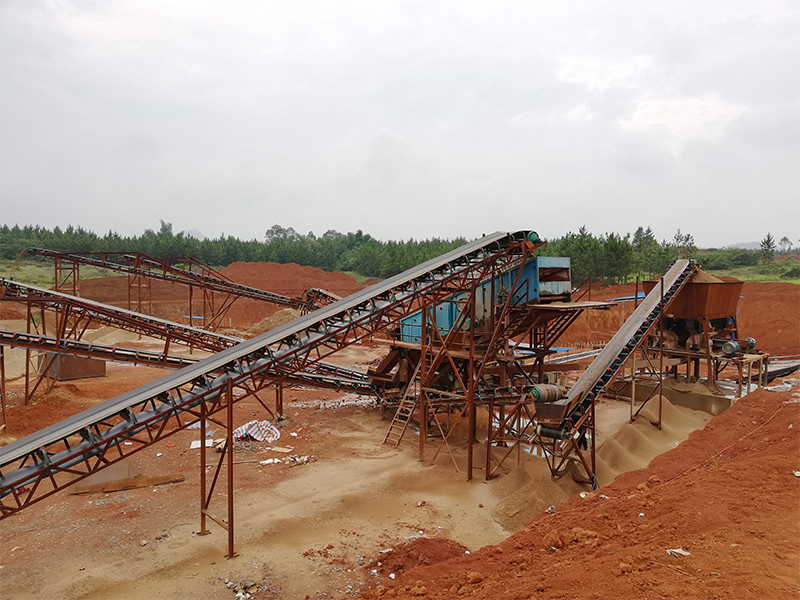
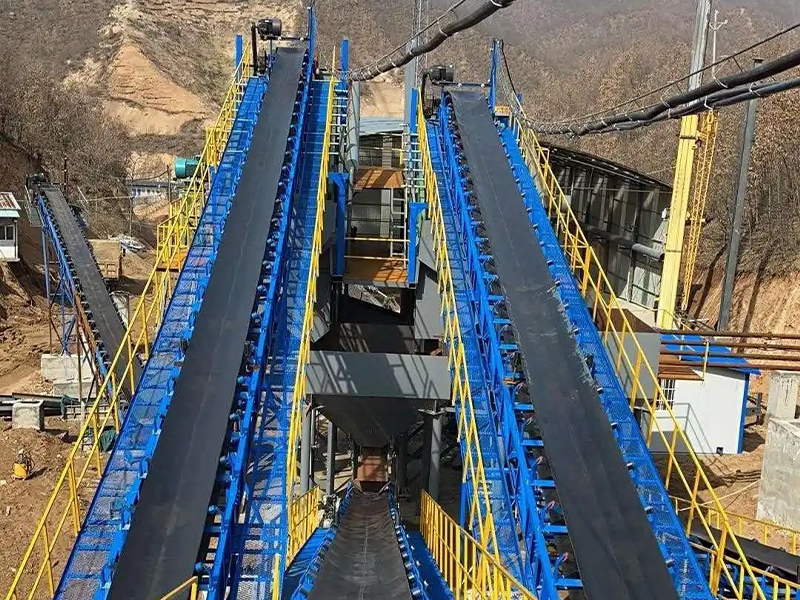
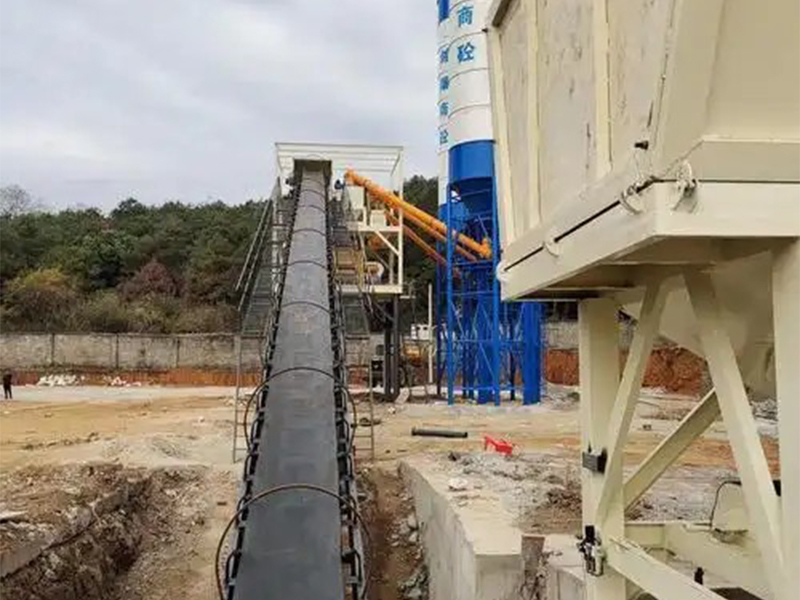
Our heavy-duty rollers and belts are exported to steel mills, ports, coal mines, cement factories, and chemical processing facilities worldwide, backed by proactive project engineering and replacement planning.
Engineering Analysis of Self-Cleaning Dynamics, Material Carryback Management, and Structural Longevity in Harsh Material Environments.
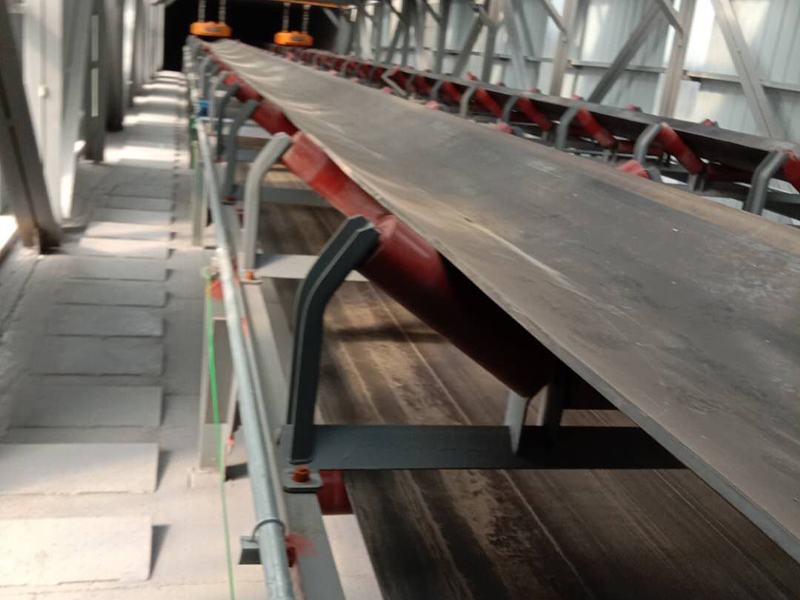
In heavy-duty bulk material transport, the return run of a conveyor belt presents distinct engineering challenges. While load-bearing trough idlers handle bulk volumes, the return-side idlers must support the belt under dirty conditions. As the empty belt returns to the tail assembly, it carries fine particles, moisture, and sticky residues—collectively termed "carryback."
Standard flat steel return rollers struggle with carryback. Wet dust, coal fines, iron ore slurry, and damp limestone adhere to the smooth steel shell. The continuous rotation of the return roller compresses these particulates, creating an uneven skin of packed material. This buildup changes the effective diameter of the roller shell irregularly, which leads to belt tracking errors, edge wear, and damage to the belt carcass.
Rubber Disc Return Idlers solve this issue by changing the contact interface. Instead of a continuous steel shell, the return belt runs on a series of spaced rubber discs. This minimizes surface contact and uses mechanical deflection to prevent material accumulation, keeping the return run stable.
| Component Specification | Standard Parameter Range | Engineering Benefit |
|---|---|---|
| Shaft Raw Material | C45 Cold Drawn Carbon Steel / ASTM 1045 | High torque resistance, minimal structural deflection |
| Tube / Shell Thickness | 4.0mm - 6.0mm ERW Steel / Seamless Tube | High structural rigidity under heavy dynamic loads |
| Elastomer Disc Compounds | Natural Rubber (NR) / Polyurethane (PU) / Neoprene | Abrasion resistant, oil resistant, anti-static, flame retardant |
| Bearing Type & Fits | Deep Groove Ball Bearings (C3 Clearances) | High speed capability, handles thermal expansion |
| Sealing System | Multi-stage Labyrinth Seals (Nylon/ABS) | Dustproof, waterproof (IP65 / IP67 rated protection) |
The performance of rubber disc return idlers relies on three main mechanical properties: localized elastic deformation, mechanical shear forces, and high-frequency vibration.
Each rubber disc behaves as a flexible support point. As the belt passes over these discs under tension, the localized load compresses the rubber. The disc deforms slightly at the contact point and expands back to its original shape as it rotates away. This continuous flexing cracks dry crusts and shears wet residues, shedding material before it can build up.
Furthermore, the spacing between the discs leaves a significant portion of the belt surface untouched. Any carryback that does release drops through the gaps, avoiding the roller shell. This keeps the effective diameter of the idler consistent, ensuring the belt tracks straight over long distances.
An industrial-grade rubber disc return idler is built to survive harsh operating environments. Key design considerations include:
Conveyor layouts must adapt to their specific operating environments. Standard components often fail when exposed to extreme dust, moisture, or chemical agents:
Modern production at Hebei Boao Rubber Technology Co., Ltd. integrates advanced fabrication methods to ensure product quality and supply chain resilience:
We use automated dual-ended welding machines to join the bearing housings to the steel tubes with deep, uniform welds. This minimizes structural eccentricity, reducing Radial Run-Out (T.I.R) to less than 0.5mm for quiet, efficient operation.
Our raw material sourcing is highly integrated. We maintain deep reserves of high-tensile steel, premium bearings, and raw elastomers, allowing us to absorb market volatility and keep production lines moving. Every batch of rubber undergoes physical tests for tensile strength, elongation, and abrasion resistance before entering the production line.
The industry is moving toward smart, low-maintenance components. Hebei Boao Rubber Technology is currently researching and developing:
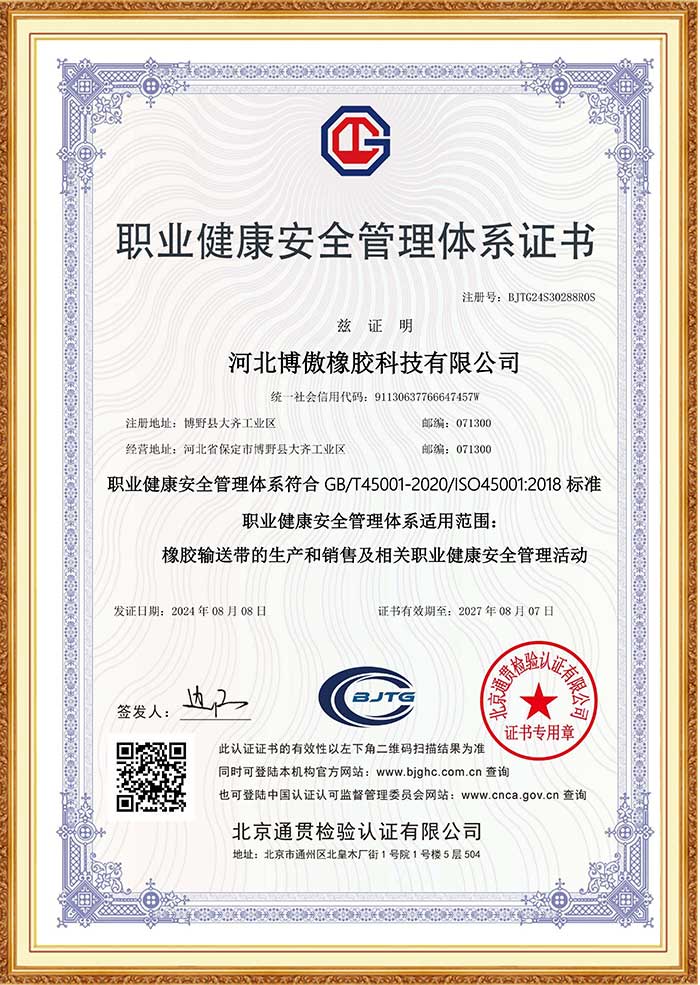
We maintain a rigorous quality management system certified to international industrial standards.
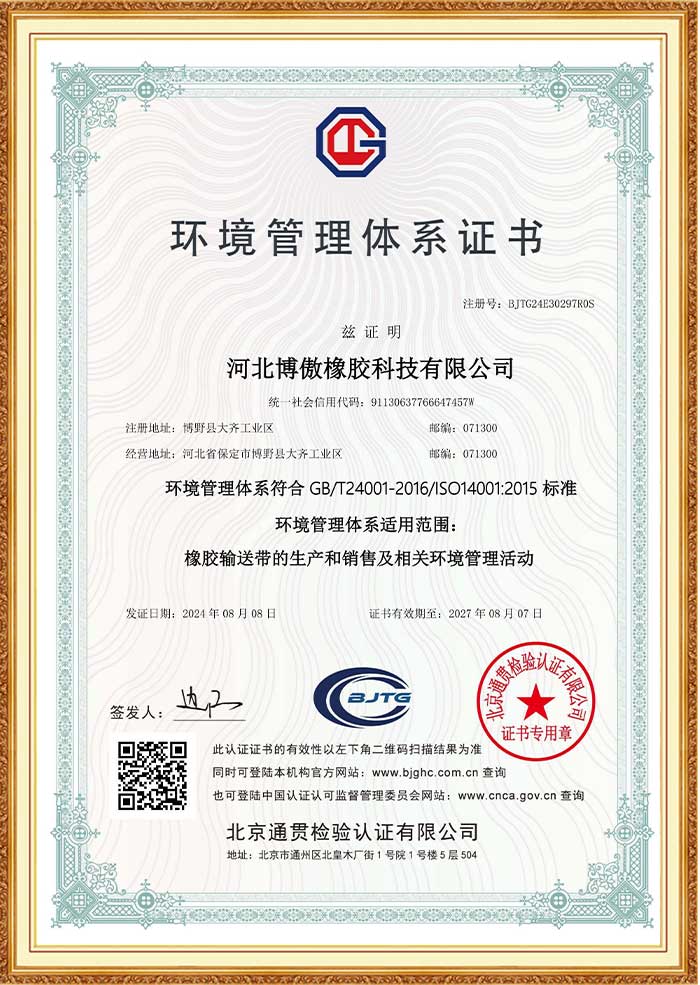
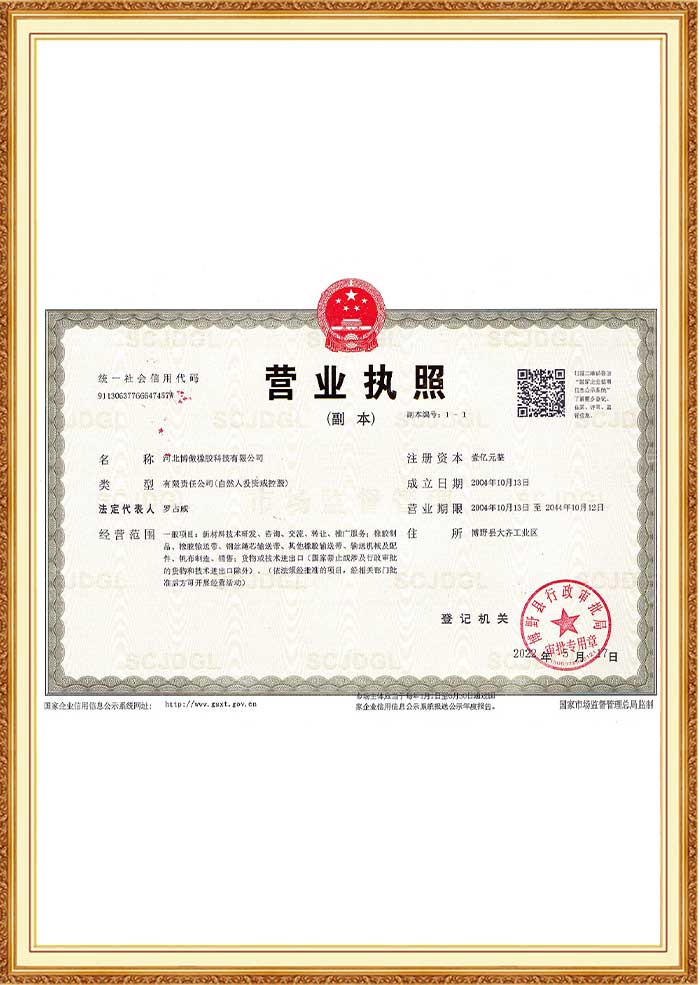
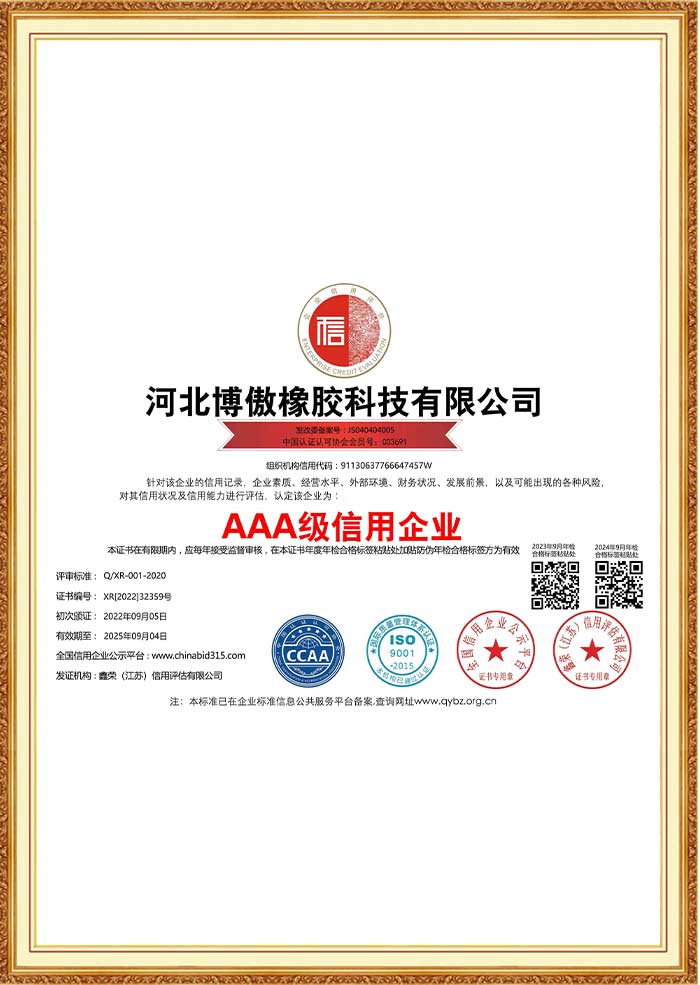
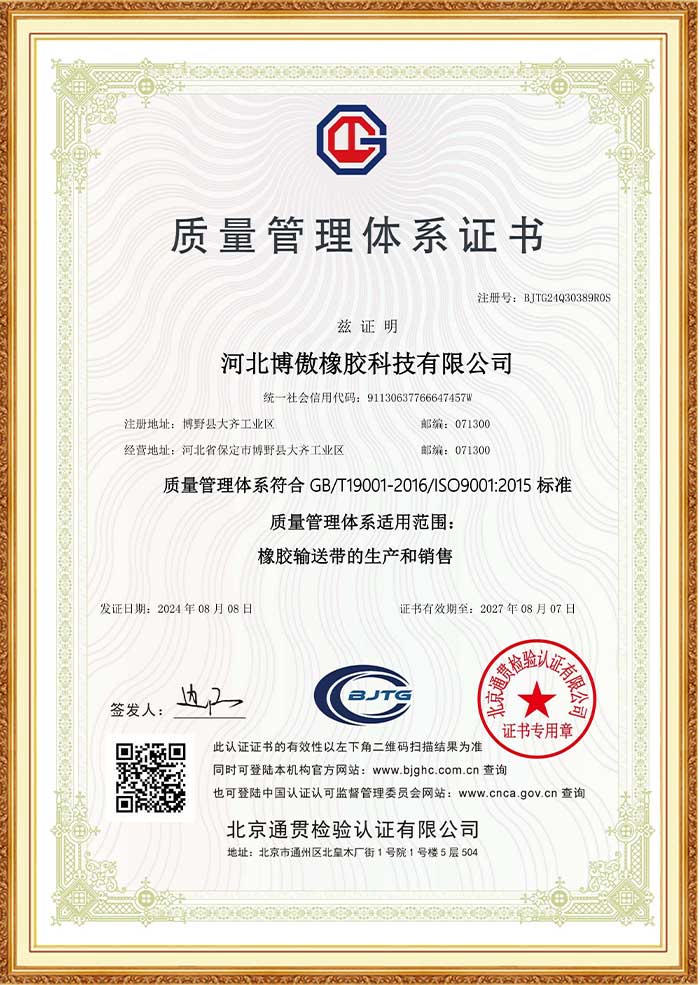
Trusted by major mining operations, steel mills, and infrastructure builders worldwide.
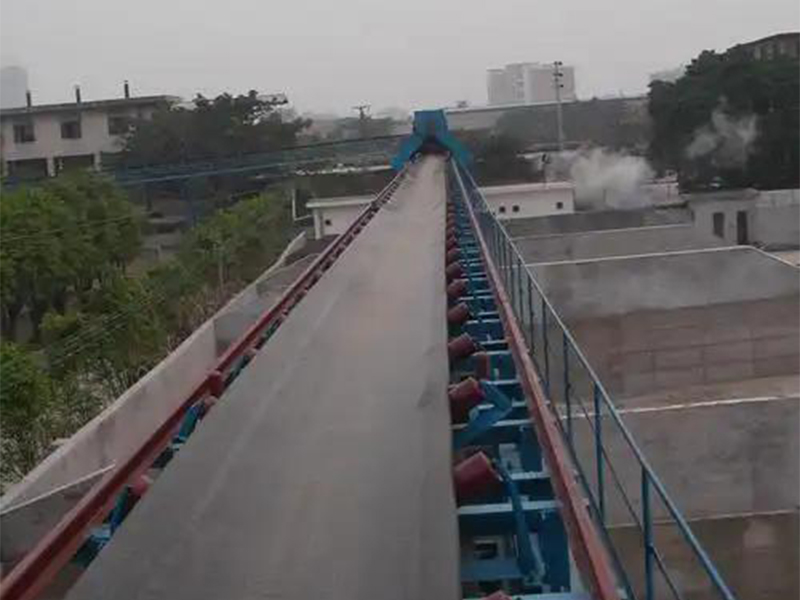
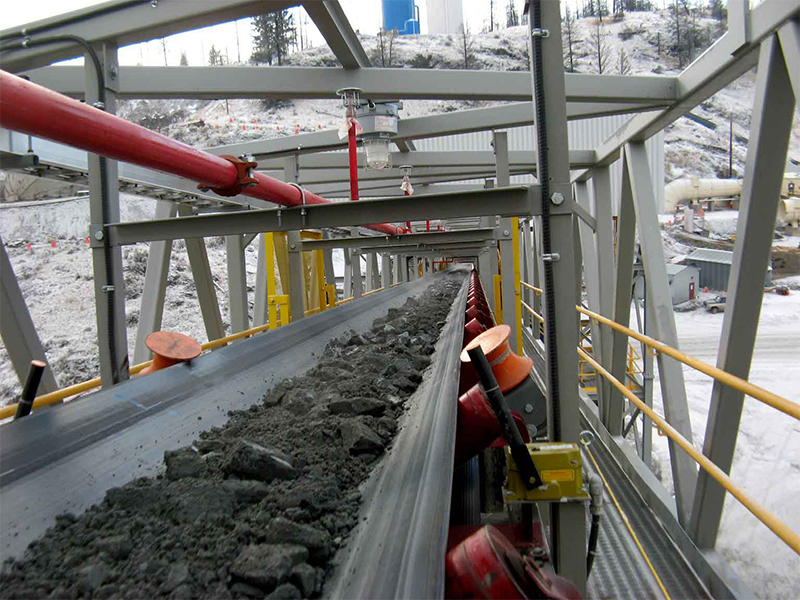
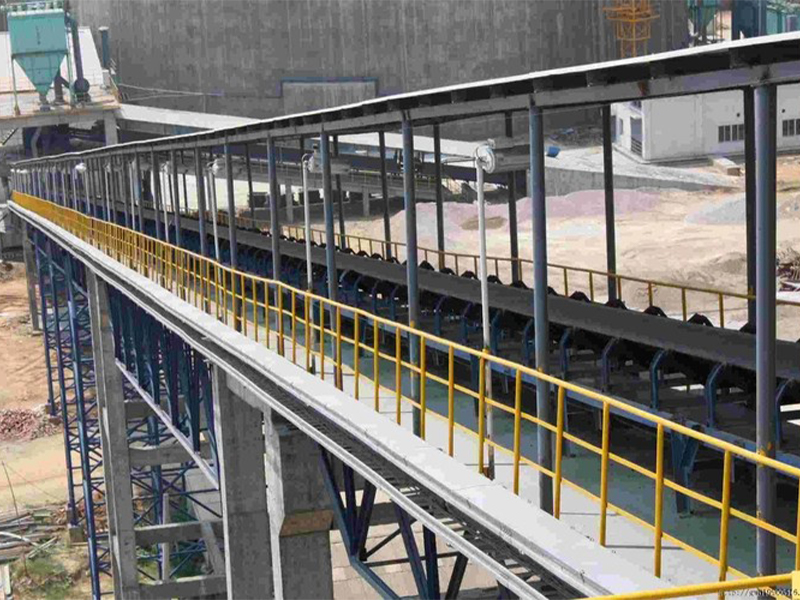
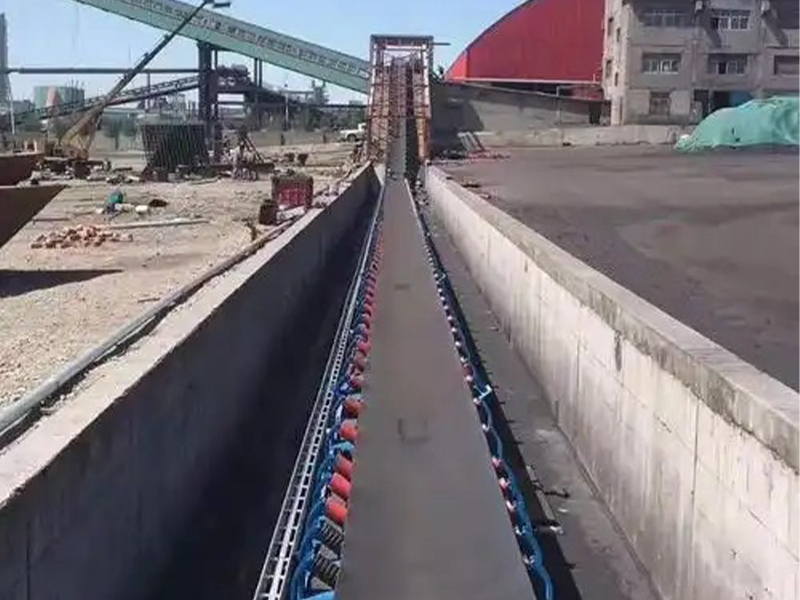
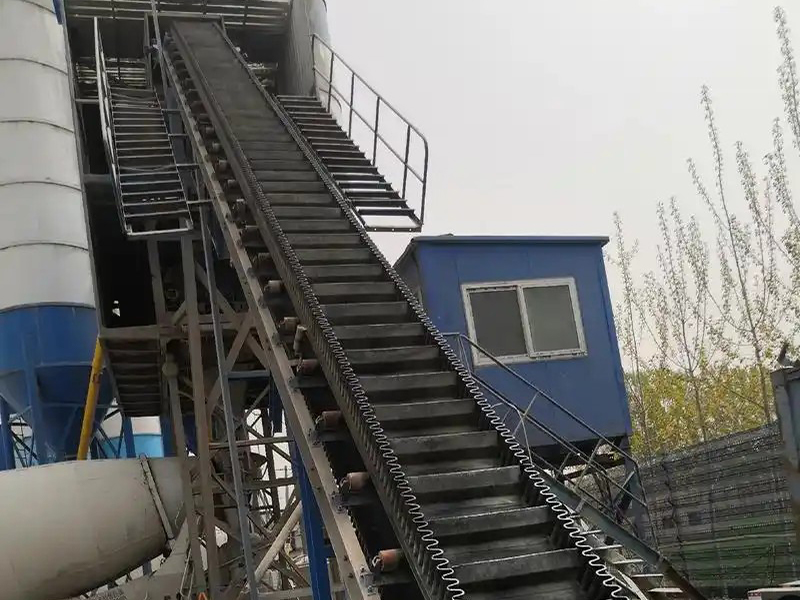
We provide end-to-end engineering support, helping operators optimize system performance and extend component lifespans.
We supply, install, and service heavy-duty conveyor belts and support assemblies, including scheduled inspections, preventative adjustments, and emergency repair options.
We work with clients to maintain safety stock and manage local warehousing. Our technicians assist with belt vulcanization splicing, surface repairs, tracking adjustments, and structural analysis.
We focus on maximizing system uptime. By reducing belt wear and idler failure rates, we help operators lower overall energy use and improve material throughput.
Our long-term maintenance plans help stabilize operations, extend component life cycles, and reduce total cost of ownership (TCO) across complex bulk handling lines.
Answers to common engineering and sourcing questions about rubber disc return idlers.
Explore our complete range of conveyor systems and accessories, manufactured to rigorous engineering standards.
 Boao Rubber