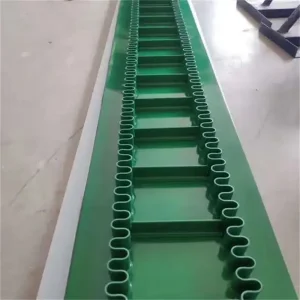
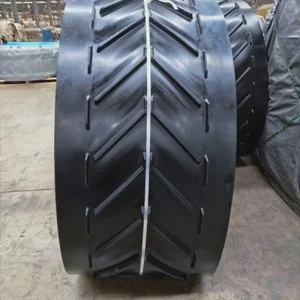
Engineered rubber belts and structural components built for extreme operational conditions and peak throughput.
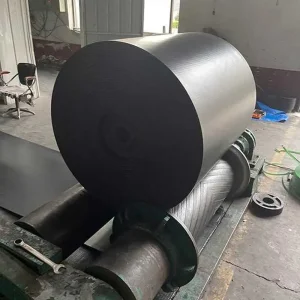
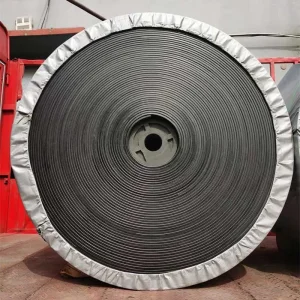
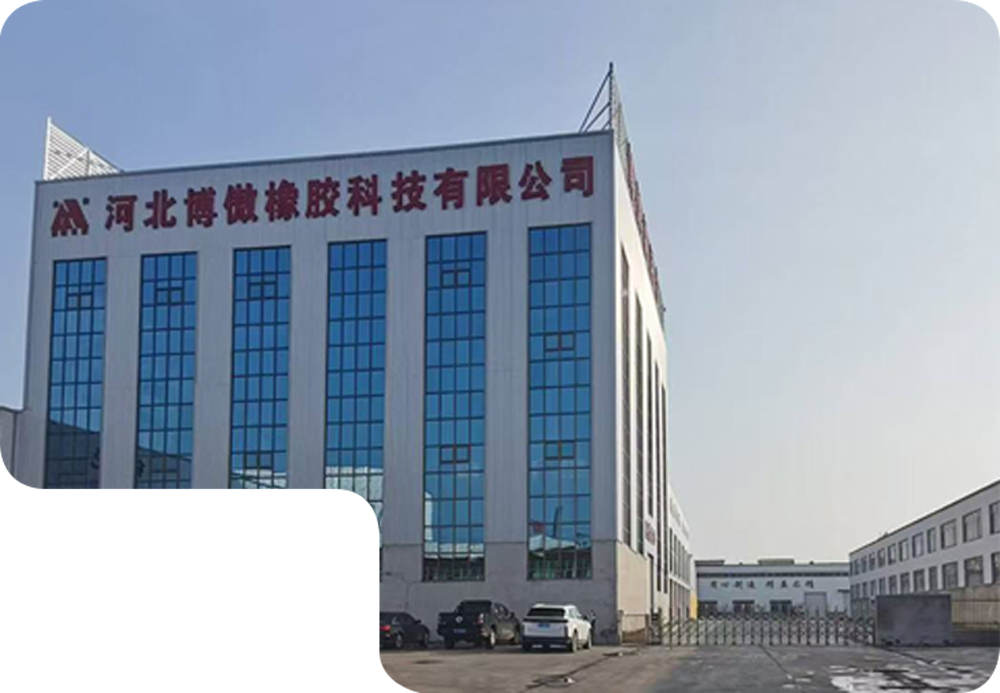
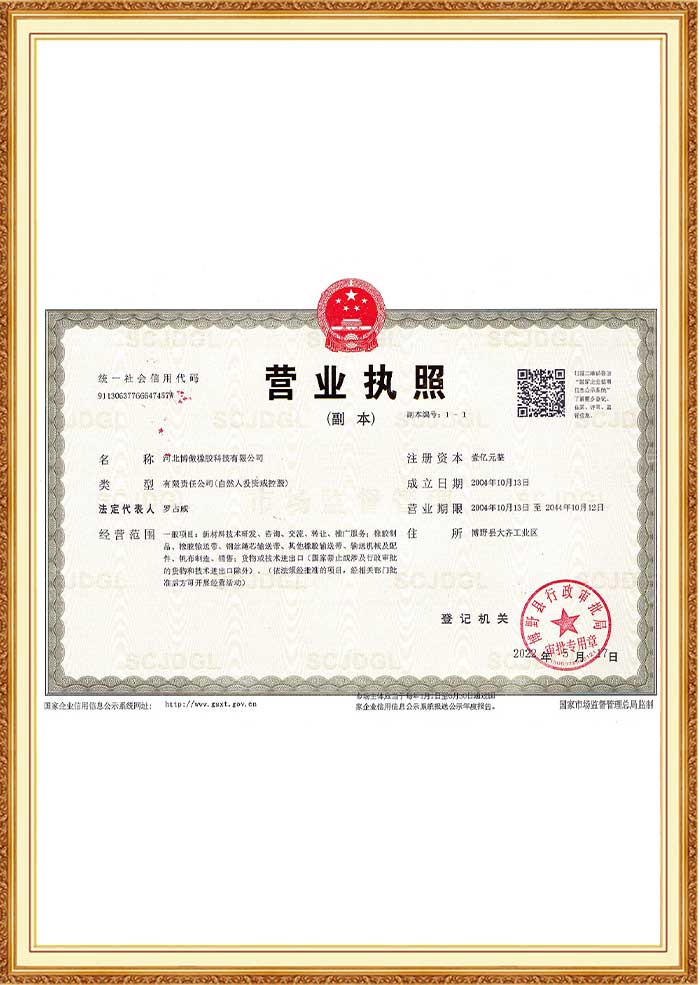
Founded in 2004, Hebei Boao Rubber Technology Co., Ltd. is situated in the prestigious Rubber Industrial Park of Boye County, Baoding, Hebei Province. Over the last two decades, we have established ourselves as a premier production-oriented enterprise integrating product research, system engineering, custom manufacturing, and global industrial support services.
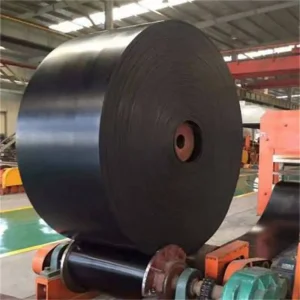
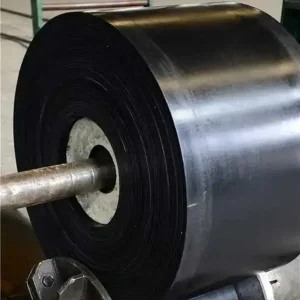
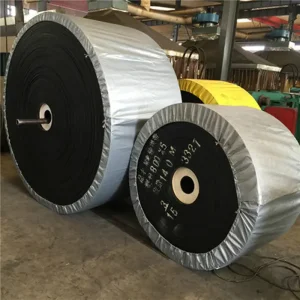
Under our flagship brand, "Jinao", we design and produce a vast array of high-grade rubber conveyor belts and related material-handling accessories. Operating from a modern industrial footprint exceeding 30 acres, we utilize advanced production infrastructure including state-of-the-art compounding mixers, multi-roll calenders, vulcanizing presses, and a fully featured physical/chemical laboratory setup.
Boao Rubber is dedicated to optimizing material flow, eliminating material loss, and extending system longevity for industrial operators worldwide. Through continuous refinement in polymer science and mechanical engineering, we supply systems that strictly align with both national Chinese specifications and international standards.
An in-depth whitepaper on containment materials, polymer evolution, and double-seal mechanics in modern conveyor transfer zones.
Conveyor skirting systems represent the critical containment boundary at bulk material loading and transfer points. In heavy-duty bulk handling industries, material spillage and dust generation are primary causes of conveyor downtime, component wear, and occupational health and safety hazards. Standard rubber skirting has historically suffered from accelerated abrasive wear, low ozone resistance, and stiff physical behaviors that score the main conveyor belt.
Today's macro industrial systems demand specialized skirting rubber profiles capable of maintaining continuous seal-to-belt contact without generating high frictional drag. Modern formulation engineering combines high-purity natural rubbers (NR) with synthetic compounds such as styrene-butadiene (SBR) and polyurethanes (PU). Double-lip seal configurations have become the global standard: the primary seal retains heavy bulk materials inside the chute, while the outer flexible sealing lip prevents fugitive dust and fine particulates from escaping.
Features a primary sealing lip to withstand heavy material impact and an secondary edge that adapts dynamically to belt sag and vibration, capturing up to 99.5% of fugitive dust.
By blending polyurethane components, our skirting displays excellent wear life while reducing friction against the moving belt cover, preventing localized heat build-up and scoring.
Allows rapid, tool-free installation and height adjustments to accommodate wear profiles, reducing maintenance labor by up to 70% in highly demanding mineral circuits.
Evaluating procurement priorities for multinational EPC firms, mineral processing companies, and heavy material terminals.
B2B buyers and mechanical engineers face compounding issues when specifying conveyor skirting and heavy-duty belts. Key considerations include:
Using high-performance Jinao skirting rubber coupled with precise belt alignment tools and impact-buffering systems reduces long-term conveyor operating costs:
State-of-the-art testing, reliable industrial certifications, and comprehensive customer service programs.
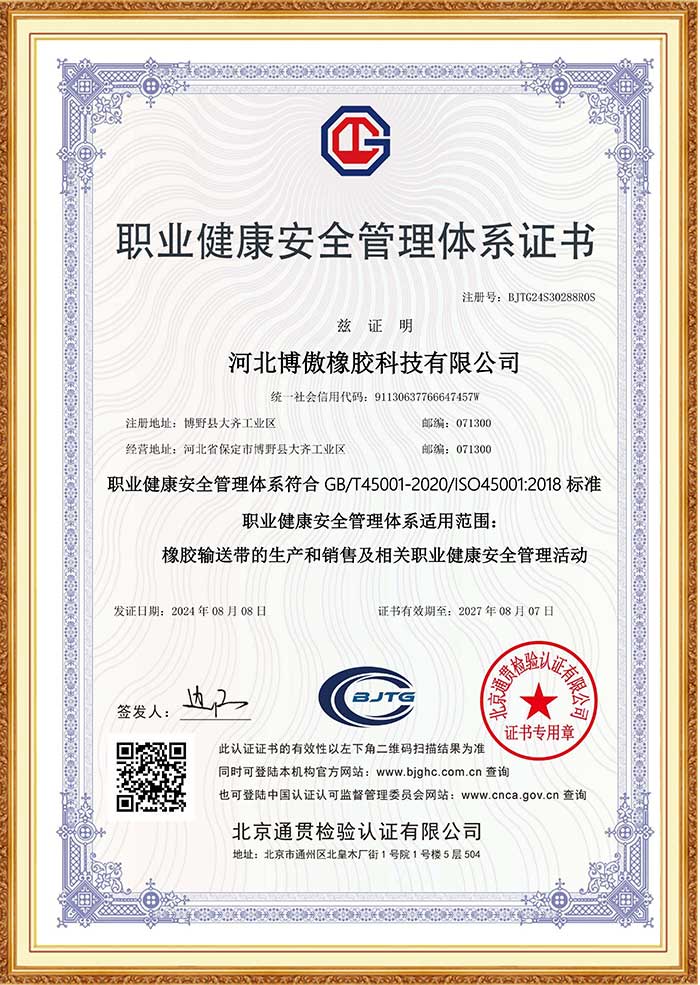
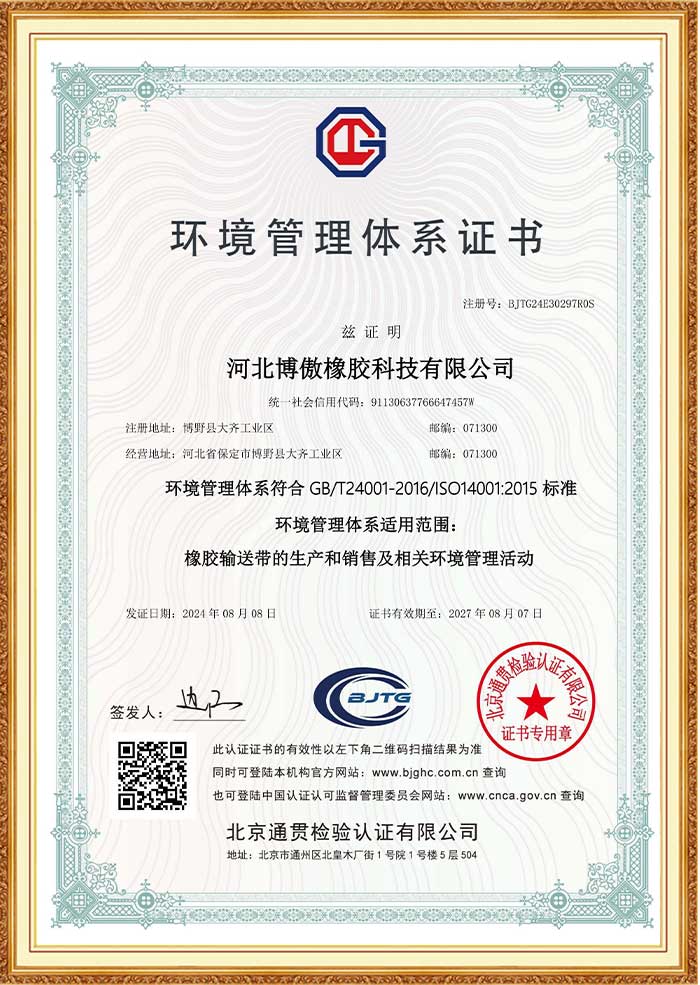
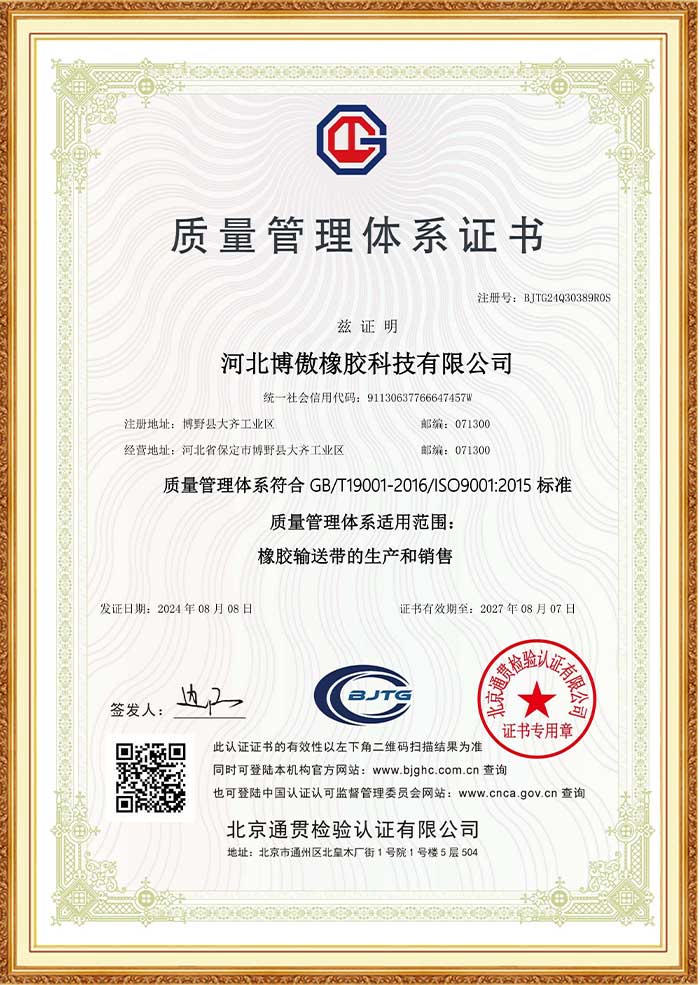
Our plant operates an independent chemical analysis lab and a modern physics testing facility. We monitor every stage of production—from raw polymer grading and mastication to calender forming and post-vulcanization testing—to ensure every shipment meets our rigorous standards.
We deploy advanced instruments to analyze elongation, tensile strengths, ozone resistance, and compound density. Unqualified raw material is barred from processing, and finished products undergo comprehensive quality verification before shipment.
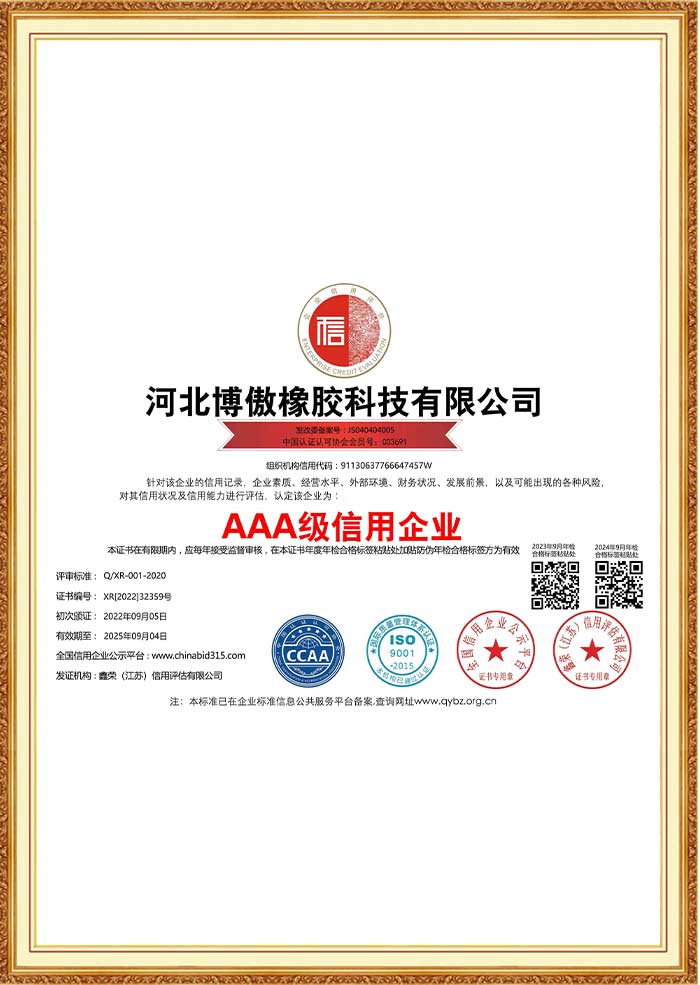
Backed by experienced engineering support and a dedicated after-sales system, Jinao brand components are exported to major industrial centers worldwide. We supply sectors including mining, metallurgy, cement processing, ports, power generation, and bulk shipping terminals.
Proving performance across challenging environments in cement, steel, metallurgy, and mining sectors.
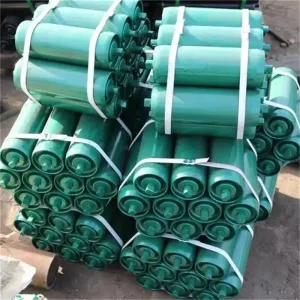
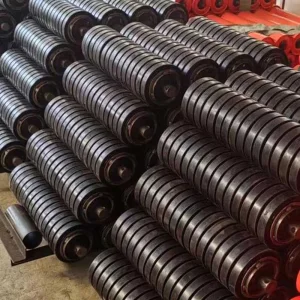
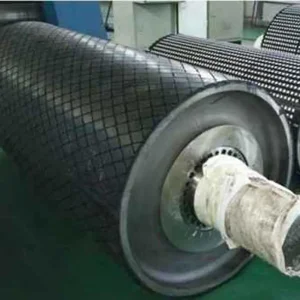
Hebei Boao Rubber Technology Co., Ltd. delivers engineered systems tailored to diverse bulk material transfer settings. From coal preparation plants requiring static dissipative, flame-retardant polymers to high-elevation cement lines exposed to intense UV rays, we design and produce comprehensive systems. Our project teams supply not only the primary conveyor belt, but also the critical ancillary elements—including impact cradles, tracking idlers, secondary scrapers, and dynamic dual-lip skirting rubber—to ensure seamless system performance.
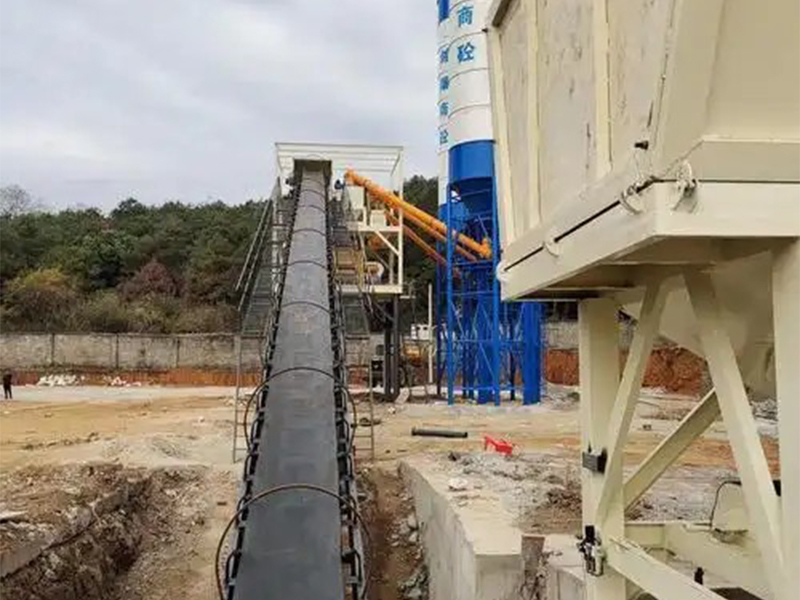
Equipped concrete batching and mixing lines with specialized aggregate conveyor belts and low-wear skirting systems.
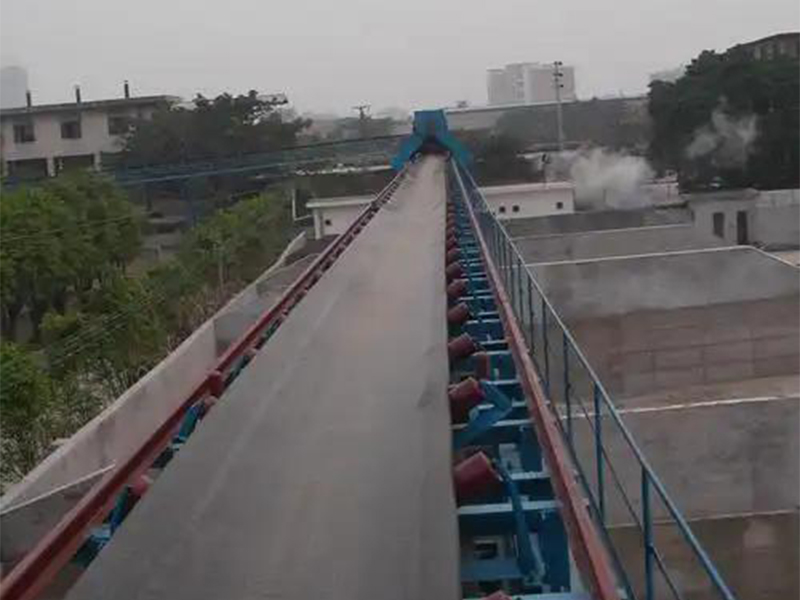
Supplied high-temperature resistant clinker conveyor belts and dust-suppression skirting to prevent fine material leakage.
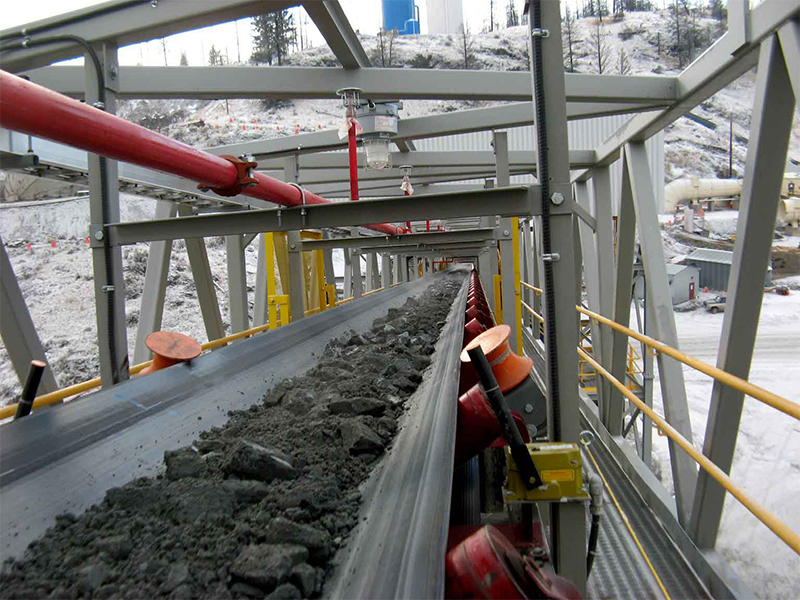
Fitted major underground runs with fire-resistant, anti-static (FRAS) belts and self-adjusting containment skirting.
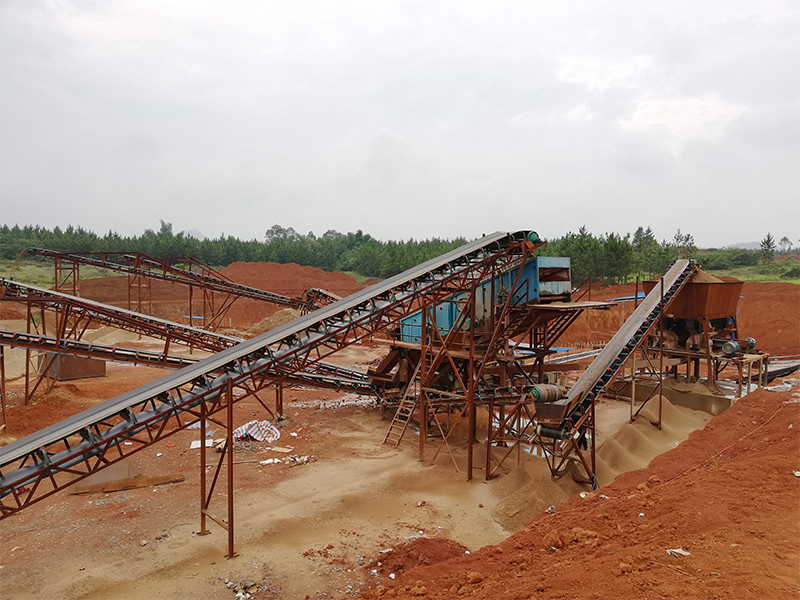
Supported heavy nickel ore and slag transport setups with high-impact resistance belts and reinforced containment skirting.
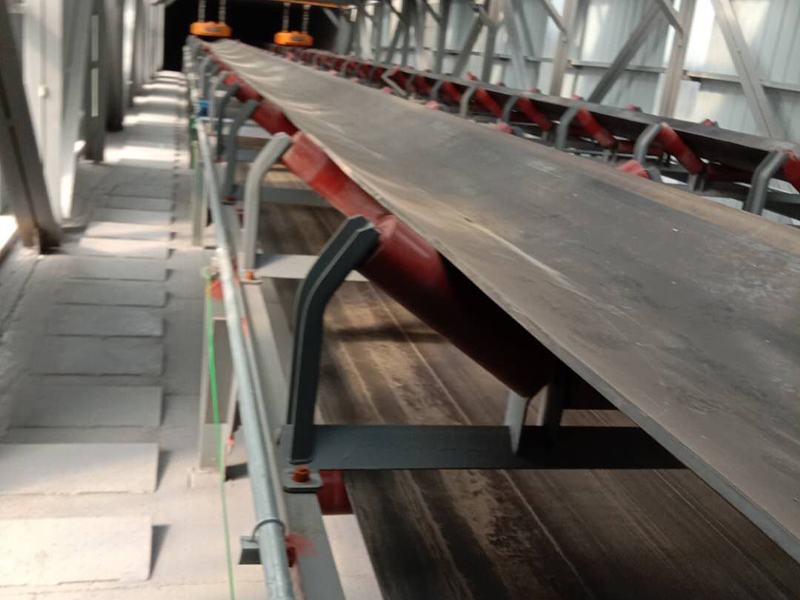
Supplied heavy-duty sintering and coke handling belts featuring robust thermal shielding and high-abrasion resistance.
Full-lifecycle support—from site analysis to vulcanized splicing and preventative maintenance planning.
In addition to custom manufacturing, Hebei Boao Rubber Technology provides comprehensive technical support and maintenance plans. Our field services are structured to minimize unplanned downtime, maximize safety margins, and extend the operating life of your bulk handling equipment.
How modern research in polymer science and wear mechanics is shaping the future of bulk material logistics.
We are researching the integration of organophilic nano-clays into the rubber matrix. Early tests show a significant increase in tear strength and wear life compared to standard carbon-black filled elastomers.
Developing conveyor skirting rubber with co-extruded color wear layers. These visual indicators help maintenance teams quickly assess wear levels without taking the system offline.
Evaluating bio-based polyols to formulate eco-friendly, low-friction skirting profiles. This initiative aims to reduce carbon intensity while maintaining high mechanical properties.
Answers to common engineering and installation questions regarding conveyor dust containment systems.
Full catalog of Jinao brand wear components, steel cord belts, and custom idlers.
 Boao Rubber