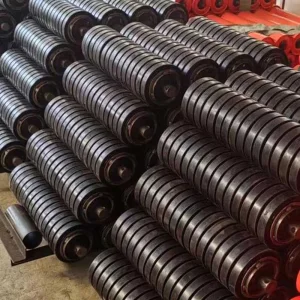
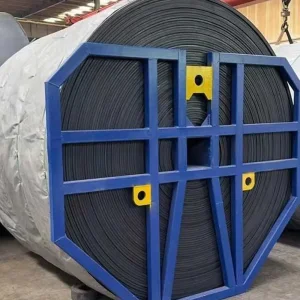
China Spiral Return Idler Manufacturer & Factories

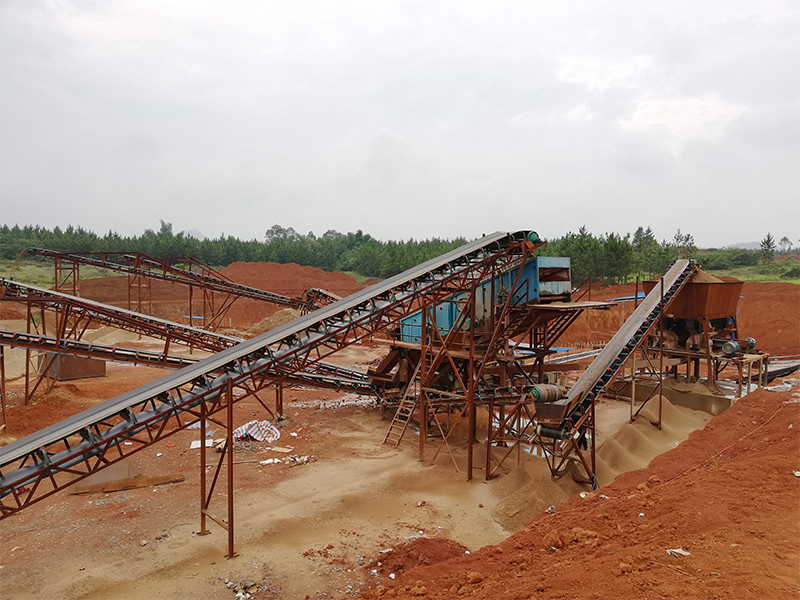
High-Performance Belt Cleaning & Tracking Solutions For Heavy-Duty Industrial Conveyors

Company Profile

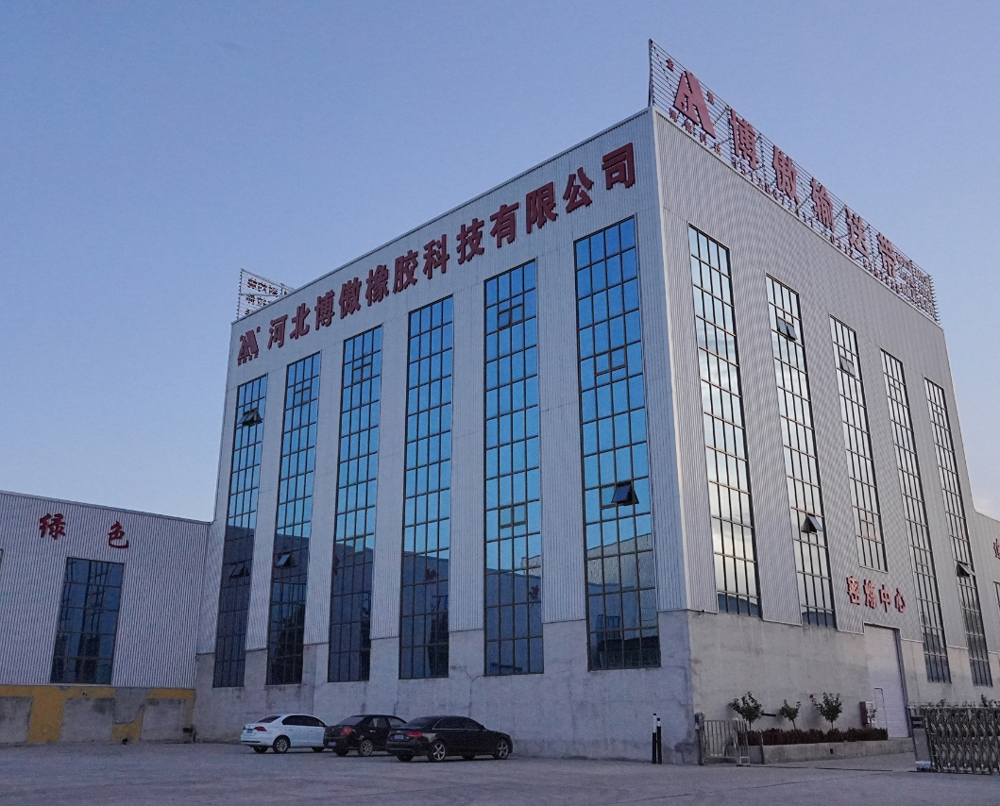
Hebei Boao Rubber Technology Co., Ltd. is located in the Rubber Industrial Park of Boye County, Baoding, Hebei Province. Founded in 2004, our facility covers an area of over 30 acres.

Operating under the renowned brand "Jinao", we are a leading Chinese manufacturer integrating advanced product research and development, custom mechanical designs, state-of-the-art manufacturing, and comprehensive global technical services for conveyor belts, industrial rollers, and system accessories. We hold full ISO international quality management system certifications.

Equipped with multiple automated production lines for raw material rolling, belt forming, vulcanization, and in-house laboratory testing, we ensure that every product leaving our Boye County facility complies with rigorous global engineering tolerances.

22
Years of Experience
30+
Acres Facility Area
100%
ISO Quality Checked
20+
Exporting Countries

The Engineering and Optimization of Spiral Return Idlers in Bulk Handling

Executive Summary: Modern heavy-duty bulk transport requires minimized downtime. Carryback—the residual material adhering to the conveyor belt surface after discharge—causes severe mistracking, premature component wear, and structural hazard. Spiral return idlers provide continuous cleaning action and passive training mechanism. This whitepaper analyzes operational dynamics, material designs, global sourcing criteria, and technical paths for high-performance conveyor system return runs.

1. Understanding the Physics of Material Carryback & Return Run Failure

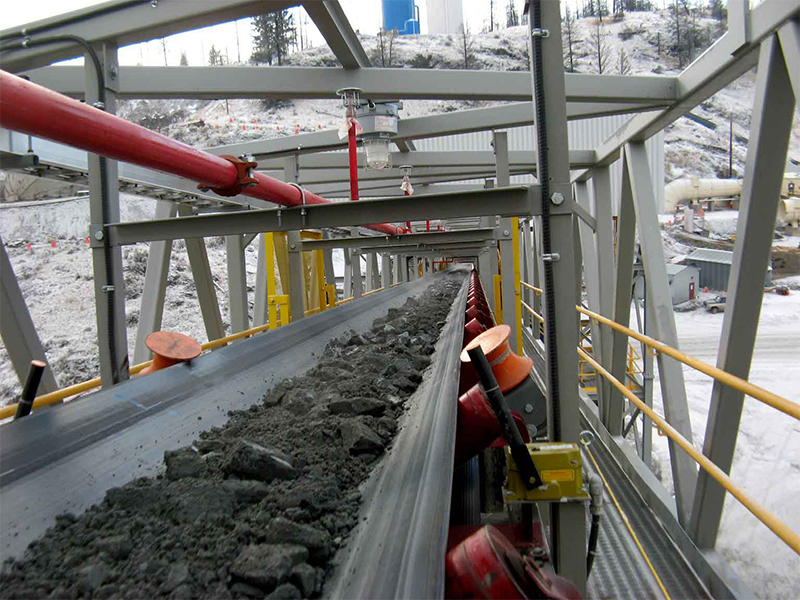
In conveyor operations handling cohesive minerals, wet coal, or clay-rich limestone, mechanical scrapers often fail to remove 100% of residual materials. This remaining material, known as carryback, is transported to the return side where it comes in contact with standard flat return rollers. Over time, the material compresses under belt tension, forming an uneven, hard crust. This layer leads to:

  • Belt Deviation (Mistracking): Uneven buildup alters the active diameter of the return roller, causing the conveyor belt to drift.
  • Premature Shell Wear: Highly abrasive particles trapped between the belt and standard steel rollers act as grinding agents, thinning the steel casing.
  • Structural Damage: Mistracking causes the belt edges to scrape against steel frames, risking carcass failure.

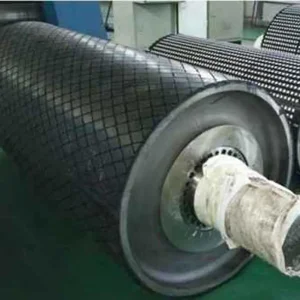
Spiral return idlers resolve these issues. Designed with two opposing helical spirals originating from the center and extending toward the outer edges, these rollers mechanically shear the carryback off the belt. As the roller rotates, the spirals make point contact across the belt width, causing dried material to crumble and drop off while generating a centering effect on the belt.

2. Comparative Technical Evolution: Standard vs. Spiral Return Designs

Traditional return rollers are flat steel cylinders. While economical, their performance is limited in humid, sticky, or corrosive conditions. The table below outlines how spiral designs improve conveyor performance over traditional models:

Engineering Attribute Traditional Steel Flat Rollers Rubber/Polyurethane Spiral Idlers Helical Steel Spiral Idlers
Cleaning Mechanism Passive contact (no cleaning) Active shearing & flexing scraper action Rigid mechanical displacement
Material Buildup Rate High (rapid crust formation) Extremely Low (self-cleaning elastomer) Low (minimal contact surface)
Belt Tracking Effect Neutral to Negative (buildup deviates belt) Active self-centering (opposing spirals) Moderately positive centering
Corrosion/Acid Resistance Poor (subject to rust/pitting) Excellent (elastomer coating) Moderate (requires specialized coatings)
Wear Coefficient (Belt Carcass) Medium (abrasive grit friction) Low (cushioned rubber/polyurethane) Moderate to High (metal on rubber contact)

3. Bearing Sealing Systems and Structural Integrity

A return roller's lifespan is primarily determined by its bearing assembly. Once fine dust (such as quartz or coal fines) or process water bypasses the seals, the bearing grease degrades, causing premature bearing failure and seized rollers.

At Hebei Boao Rubber Technology Co., Ltd., our "Jinao" brand spiral idlers feature a multi-stage labyrinth sealing system. This construction uses:

  • Primary Outer Deflector: A non-contact centrifugal flinger shield that repels large particles and water spray.
  • Multi-Lobe Labyrinth Path: A grease-filled path that traps microscopic dust particles before they reach the bearing chamber.
  • Deep Groove Ball Bearings (C3/C4 Clearance): Accommodates thermal expansion and minor shaft deflection under high loads.
  • Machined Cold-Drawn Steel Shaft: Reduces rotational eccentricity and minimizes vibration.
Technical Insight: By reducing rotational resistance (runout) to less than 0.5 mm, Boao idler assemblies minimize energy consumption on long-distance overland conveyors, contributing to lower operating costs and reduced power requirements.

4. Development Trends in Spiral Return Idler Engineering

The bulk material handling sector is shifting toward automation, lower carbon footprints, and reduced maintenance. We track three primary development paths:

Dual-Material Hybrid Structures

Combining heavy-gauge steel cores with polyurethane spiral profiles. The polyurethane provides high abrasion resistance and flexes to shed sticky mud, while the steel core handles heavy structural loads.

Smart Sensors Integration

Integrating temperature sensors and vibration accelerometers directly into the idler's shaft. These sensors send predictive maintenance alerts before a bearing fails, preventing unscheduled belt stops.

Eco-Friendly Recyclable Polymers

Using ultra-high-molecular-weight polyethylene (UHMWPE) shells with helical grooves. This setup reduces roller weight by up to 50% compared to traditional steel models, lowering startup torque and carbon emissions.

5. Global Procurement Requirements and Total Cost of Ownership (TCO)

Industrial buyers, EPC contractors, and maintenance teams frequently evaluate components on purchase price alone. However, high-quality spiral return idlers significantly lower the Total Cost of Ownership (TCO). When planning procurement, consider the following metrics:

  • L10 Bearing Life: Target an L10 life of >50,000 hours. High-quality steel rollers with professional heat-treated shafts achieve this benchmark under full design loads.
  • Interchangeability Standards: Ensure rollers comply with regional standards such as CEMA (Americas), DIN (Europe), AS (Australia), or ISO, allowing them to drop into existing conveyor frames without modification.
  • Carcass Wear Mechanics: Low-grade rubber or steel spirals can cause excessive wear on the conveyor belt's bottom cover. Our custom rubber formulations match the hardness of standard belt compounds, protecting your primary asset.

6. Macro Industry Solutions: Field Applications

Every industry presents different challenges to conveyor systems. Our tailored solutions address these specific needs:

Mining & Quarrying

In wet iron ore or copper mines, rollers face extreme abrasion and acid exposure. We supply heavy-duty steel spiral idlers with hot-vulcanized rubber coatings to resist corrosion and slurry wear.

Steel & Coke Production

Handling hot sinter, coke, and slag requires components that withstand elevated temperatures. We supply spiral idlers with specialized heat-resistant elastomers and C4-clearance high-temperature bearings.

Cement & Aggregates

Finely powdered clinker and limestone escape dust collectors and settle on return runs. Our tight labyrinth seals prevent dust ingress, extending roller life in dusty cement mills.

7. Localized Technical Support and Quality Control

Hebei Boao Rubber Technology Co., Ltd. operates an independent chemical analysis laboratory and physical testing facility in our Boye County plant. Raw materials must pass dynamic stress testing, hardness testing, and wear resistance validation before entering the vulcanization and assembly stages.

To support our global customers, we maintain:

  • Safety Stock Management: We stock standardized dimensions for rapid shipment, helping major mines and ports minimize inventory carrying costs.
  • On-Site Technical Audits: Our engineers provide remote and on-site support to analyze belt alignment and recommend custom spiral angles for difficult materials.
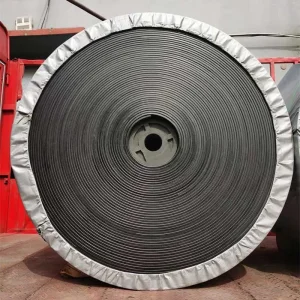
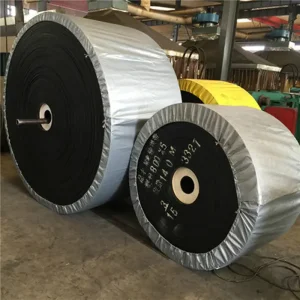
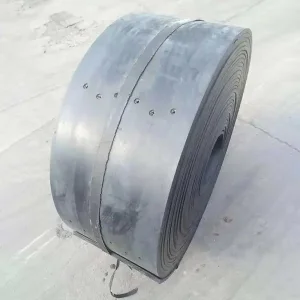
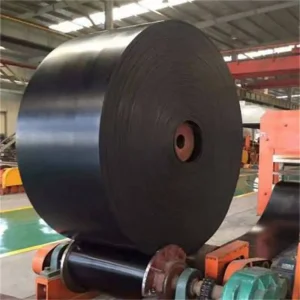
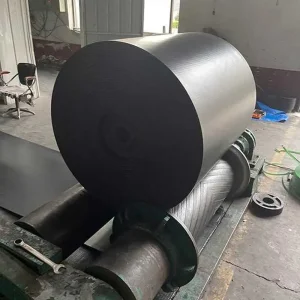
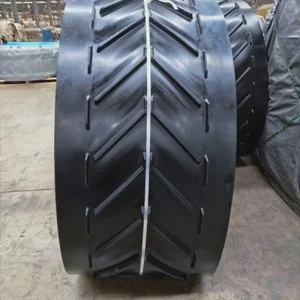
  • Integrated System Approach: In addition to return rollers, we manufacture high-performance fabric conveyor belts (NN, EP, Steel Cord) and impact systems, ensuring compatibility across all conveyor components.

Frequently Asked Questions & Technical Insights

Expert answers to common engineering questions regarding spiral return idlers and belt tracking optimization.

What is the primary function of a spiral return idler? +
The primary function is to clean the return run of the conveyor belt by scraping away carryback (leftover material). The opposing helical spirals mechanically displace buildup, causing dry or wet material to flake off, which also helps center the belt and prevent tracking issues.
How do rubber spiral idlers compare to polyurethane options? +
Rubber spirals provide excellent shock absorption, lower cost, and match the wear properties of standard rubber conveyor belts. Polyurethane spirals offer higher cut-and-tear resistance, longer life in highly abrasive or chemically aggressive environments, and lower friction, though they carry a higher upfront cost.
Can spiral return rollers cause wear on the conveyor belt carcass? +
If properly engineered, no. However, if the spiral has sharp steel edges or uses an elastomer that is too hard, it can wear the bottom cover of the belt. At Hebei Boao Rubber Technology, we design our spiral profiles with rounded contact areas and match their durometer to standard belt covers to minimize wear.
How do you protect the bearings from fine dust and water ingress? +
We use a multi-stage labyrinth sealing system. A dynamic outer flinger shield deflects water and coarse dust, while an internal multi-lobe grease-filled labyrinth path traps fine particles before they reach the C3-clearance deep groove ball bearings.
Are Boao return rollers manufactured to international standard dimensions? +
Yes, our Jinao brand components conform to CEMA, DIN, ISO, and AS standards, ensuring direct compatibility with major conveyor systems worldwide.
What parameters are needed to request a custom spiral roller quote? +
Please provide your conveyor belt width, roll diameter, shaft diameter and length, slot sizes on the frame, the type of material being handled (abrasive, sticky, acidic), and your operating environment temperature.
How do spiral return idlers assist with belt tracking? +
The left and right-hand spirals push out from the center of the belt as it rotates. If the belt drifts to one side, it contacts more of the spiral on that side, creating a mechanical centering force that guides the belt back to the middle.
What after-sales service and quality guarantees does Boao offer? +
Every shipment includes material test certifications. We offer a full quality warranty and maintain safety stock for long-term contract clients. Our engineering team can also assist with troubleshooting via video or onsite visits.

Collaboration Cases & Industrial Footprint

Boao Rubber Technology supports bulk handling operations for leading names in mining, steel production, and power generation.
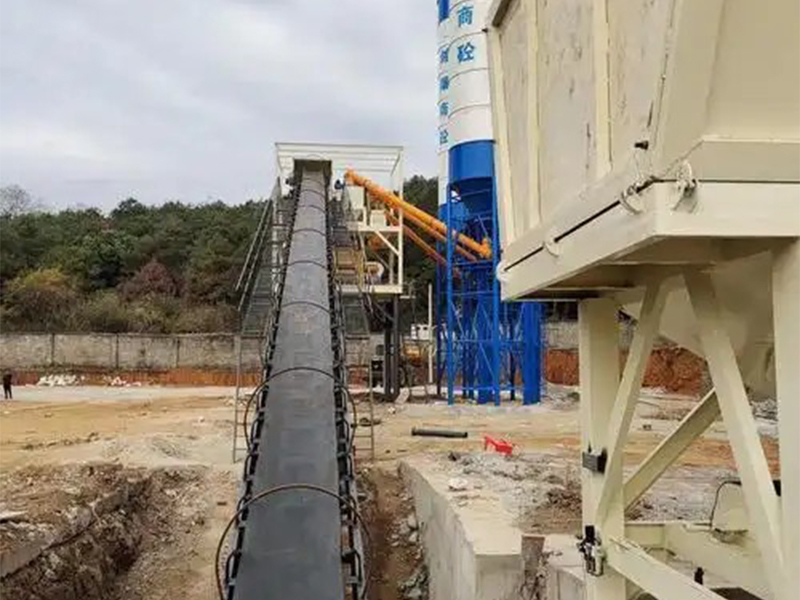
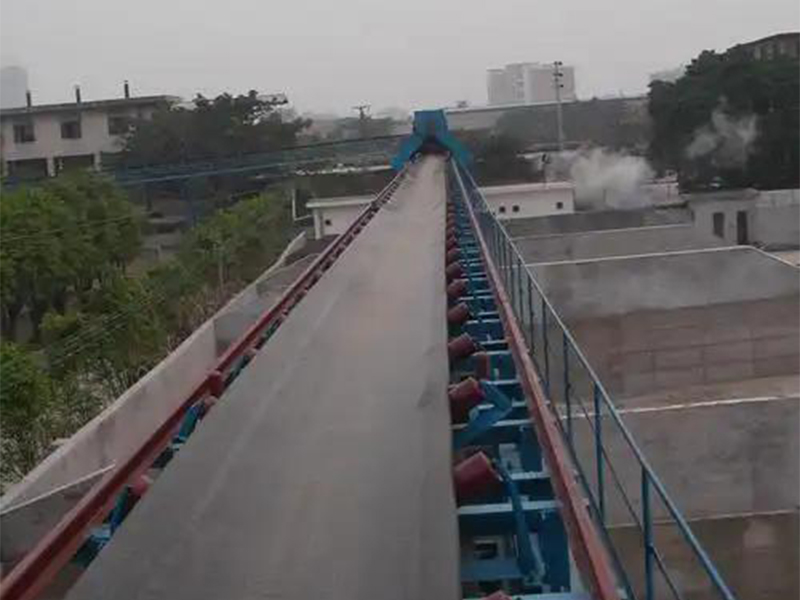
China Railway Group Mixing Plant
Conch Cement
Conch Cement
Datong Coal Group
Datong Coal Group
Tsingshan Group
Tsingshan Group

Technical Service Plan & Lifecycle Support

We provide comprehensive lifecycle support for bulk conveyor operations, from initial design matching to routine inspection and emergency repairs.

Custom Engineering Solutions

Skip the hassle of sourcing from multiple suppliers – our factory provides your ideal material handling and wear solutions all in one place, matching belts and idlers for optimal compatibility.
  • Service Overview: Planned replacement, maintenance audits, and emergency support for conveyor belt and idler assemblies.
  • Stock Allocation: We coordinate safety stock levels with clients to reduce lead times during scheduled shutdowns.
  • Maintenance Standards: Designed to extend the operational life of the belt, lower power consumption, and minimize unplanned shutdowns.
Conveyor Engineering Support

Contact Our Engineering Team

Discuss your conveyor alignment or carryback issues with our technical team. We provide custom specifications, volume pricing, and shipping coordination.
Request Technical Quote Contact Us