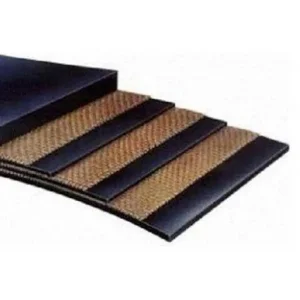
High-capacity bulk material components calibrated for Slovakia's rugged industrial infrastructure, local metallurgical demands, and extreme weather resilience.
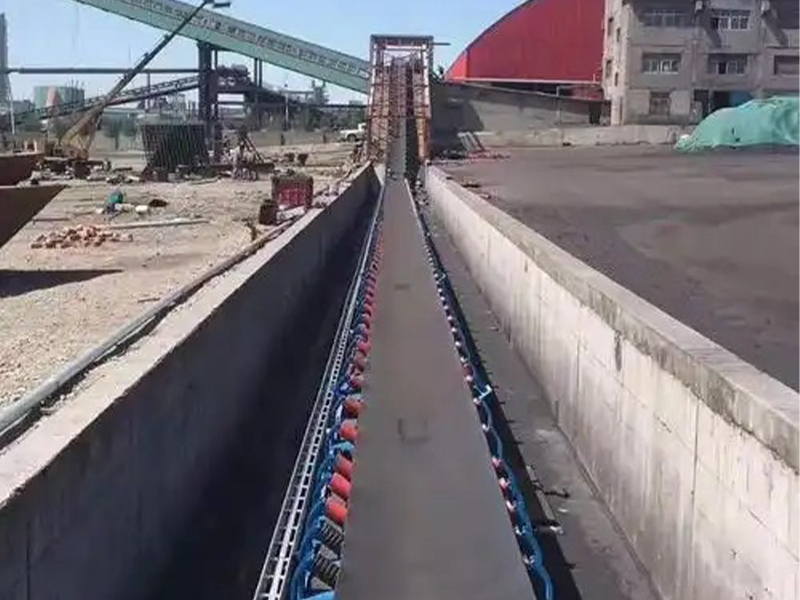
Slovakia has positioned itself as an essential manufacturing corridor within the European Union. Strategically bordered by Poland, Ukraine, Hungary, Austria, and the Czech Republic, its industrial sectors demand reliable infrastructure. The Slovak metallurgy sector (anchored by major installations like U.S. Steel Košice), heavy chemical processing complexes (such as Duslo Šaľa), and expansive cement production facilities (e.g., Danucem) require heavy-duty bulk handling systems capable of continuous operation in harsh industrial environments.
From the cold, mountainous regions of the Tatras to the industrial lowlands, Slovakia experiences broad seasonal temperature variations. Conveyor belts and idler systems must perform reliably under severe conditions, including freezing winters reaching below -20°C and hot summers. Standard rubber components degrade rapidly under these thermal stresses. Slovak procurement directors require components designed for cold resistance, flame retardance, and optimal mechanical performance under load.
Furthermore, Slovakia's automotive industry—the highest per capita producer globally, with plants owned by Volkswagen, Stellantis, Kia, and Jaguar Land Rover—drives demand for advanced logistics. Material handling components must meet strict noise reduction standards and precise mechanical tolerances to maintain high sorting speeds and prevent unplanned downtime.
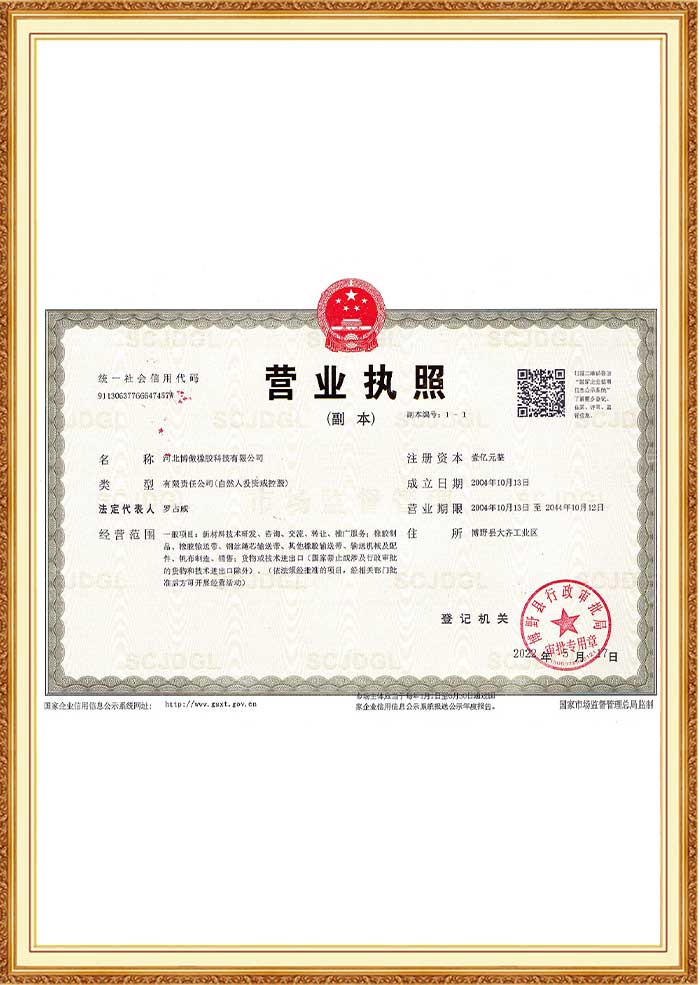
Established in 2004, Hebei Boao Rubber Technology Co., Ltd. is located in the Rubber Industrial Park of Boye County, Baoding, Hebei Province. Over the past two decades, we have grown into a leading manufacturer integrating design, material research, product development, manufacturing, and technical support services for conveyor belts and precision accessories.
Our state-of-the-art facility spans over 30 acres and is equipped with advanced automated production lines for compounding, calender processing, vulcanization, and thorough quality testing. Our "Jinao" brand products have become a benchmark for reliability in demanding industrial sectors worldwide, including steel mills, mining operations, ports, fertilizer plants, and power generation facilities.
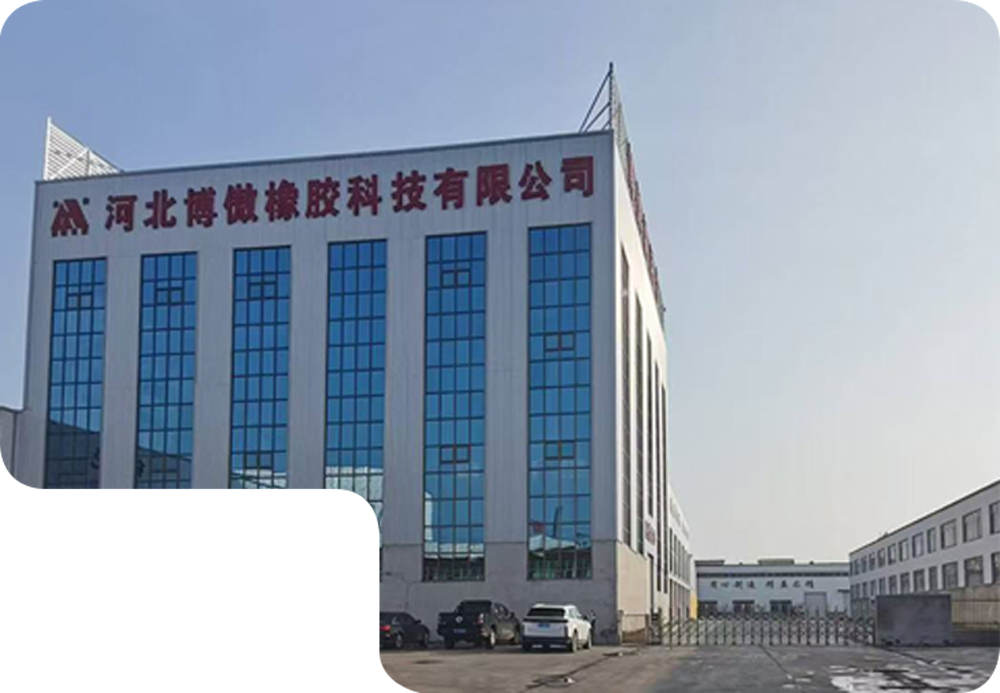
From engineering design to dynamic performance testing, we provide a complete suite of conveyor products that comply with European quality and safety standards.
We maintain an independent physical and chemical analysis testing laboratory. Every batch of raw materials (including natural rubber polymers, synthetic compounds, high-tensile steel cables, and steel tubes) undergoes rigorous testing before entering production. Our QA protocols verify tensile strength, abrasion resistance, and vulcanization status to ensure consistent quality.
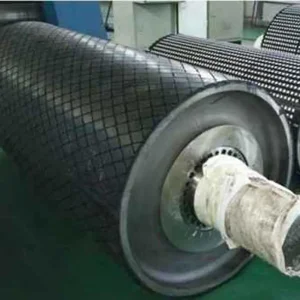
Our production facility features automated calenders, large-scale flat vulcanization presses, and advanced assembly lines for rollers and brackets. This automation allows us to manufacture components that meet strict tolerances for runout, dynamic balance, and mechanical sealing, ensuring long service life under high-load conditions.
Leveraging our location close to key shipping hubs and rail routes (such as the China-Europe Railway Express), we ship bulk materials directly to Slovak logistics centers like Bratislava, Košice, and Žilina. We handle all export documentation, custom certificates, and transit logistics, ensuring delivery on schedule.
Technical overview of Jinao's rubber compounding and roller design, engineered to comply with EN ISO, DIN, and ISO standards for European markets.
| Conveyor Accessory Type | Technical Standards & Materials | Operational Limits | Ideal Slovak Application |
|---|---|---|---|
| EP/Nylon Layered Belts | EP 100 - EP 600, Polyester-Nylon Warp/Weft | Tensile: 10 - 25 MPa; Abrasion: < 120 mm³ | Quarries, Aggregate Processing, Sand & Gravel plants |
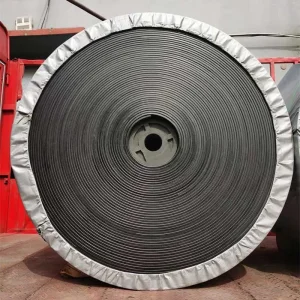
| Steel Cord Reinforced Belts | ST 630 - ST 5400, EN ISO 15236 Compliant | High strength, low elongation (< 0.2%) | Long-distance mining, heavy metallurgy feed lines |
| Cold-Resistant Rubber Belting | Modified SBR/BR Compound | Operates down to -45°C | Outdoor mountain transport, winter aggregate handling |
| Heat-Resistant Rubber Belts | EPDM/EPM Compound Matrix | Resists peak temperatures up to 250°C | Slovak Steel mills, hot clinker in cement factories |
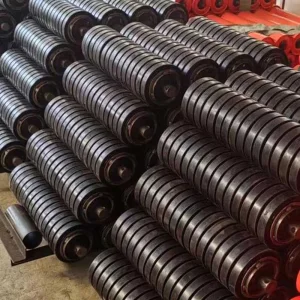
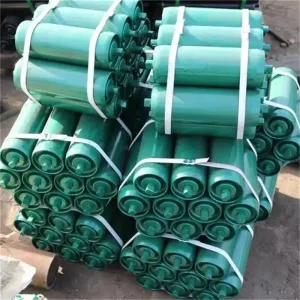
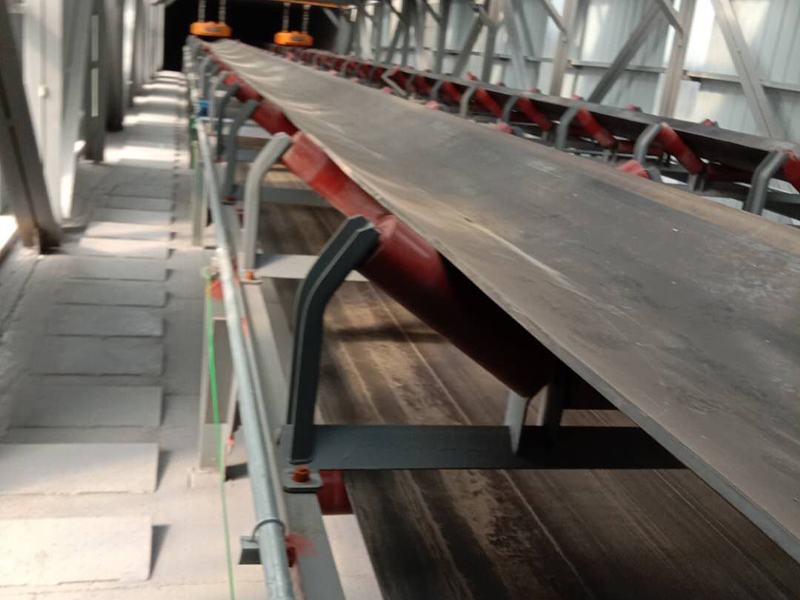
| Heavy-Duty Idler Rollers | Carbon Steel, Triple Labyrinth Seal, SKF/FAG Bearings | Waterproof, dustproof, dynamic balance < 0.015 kg·m | Crushing systems, coal power stations |
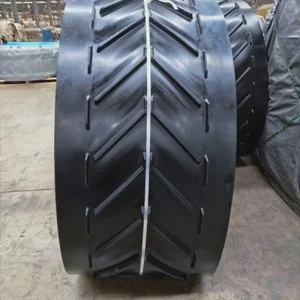
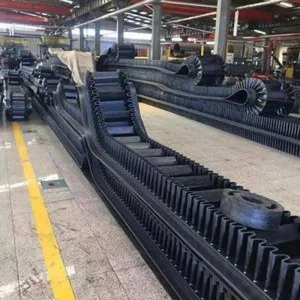
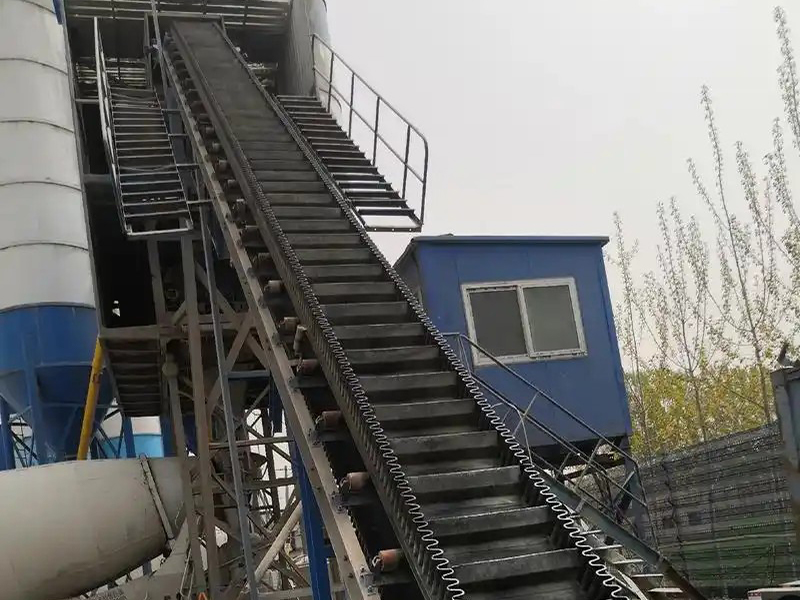
For space-constrained sites, we manufacture high-inclination corrugated sidewall belts. These belts allow material transport at angles up to 90 degrees, reducing the footprint of the conveying system. We custom fabricate these belts with transverse cleats and corrugated sidewalls to prevent material fallback in steep conveying operations.
Safety is critical in underground coal mines and enclosed power plant bunkers. Our fire-resistant conveyor belts are designed to self-extinguish when the heat source is removed. The anti-static properties prevent spark generation, reducing fire risk in high-dust environments.
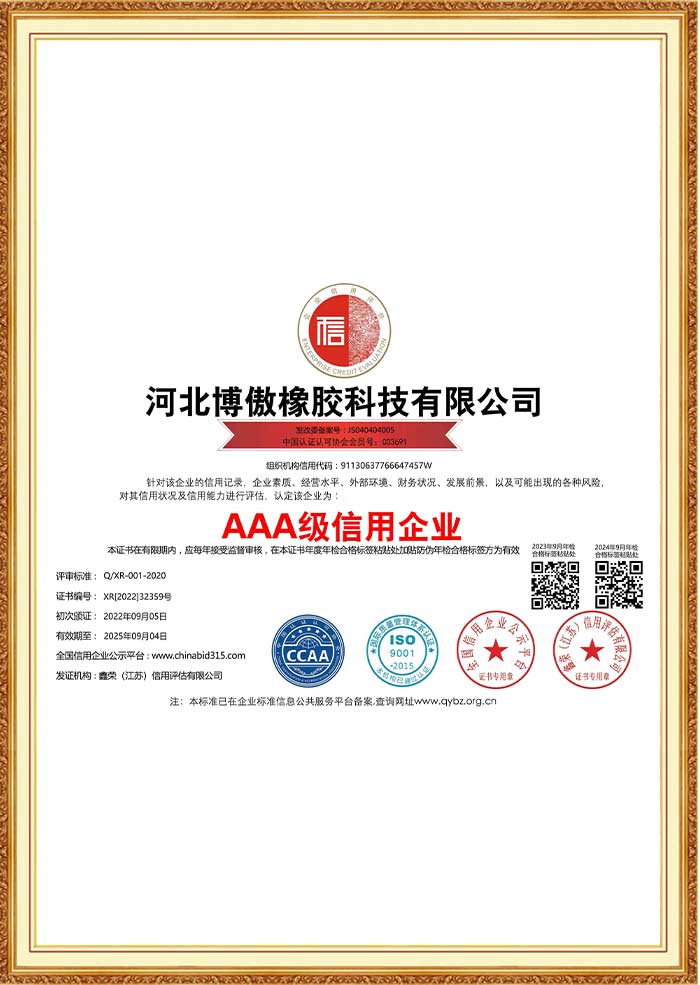
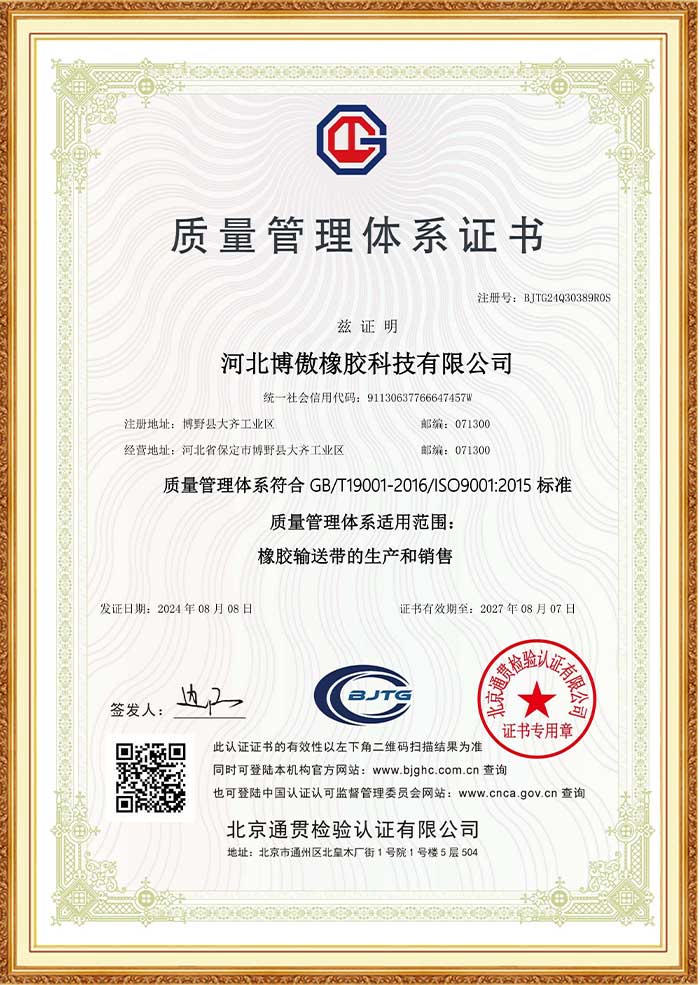
Our production lines are ISO 9001 certified, and our products undergo independent lab testing to meet European standards.
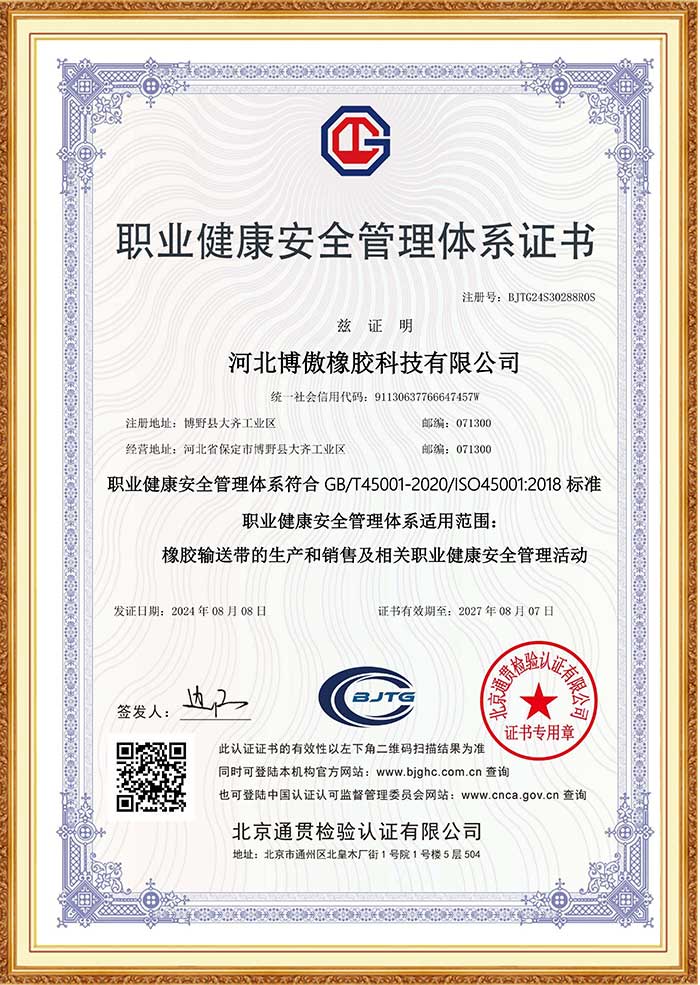
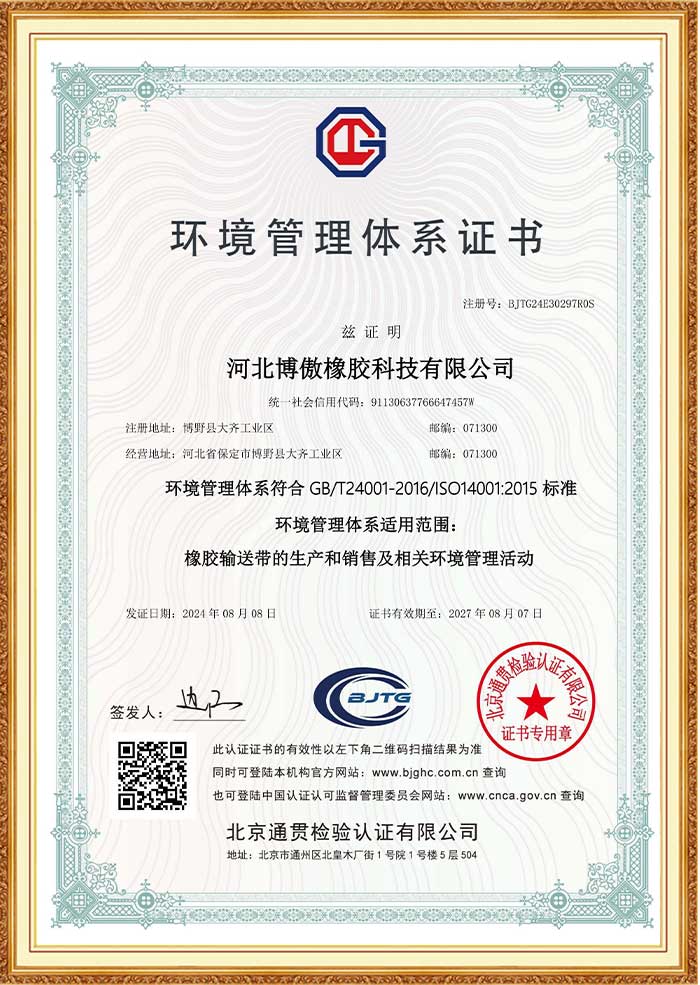
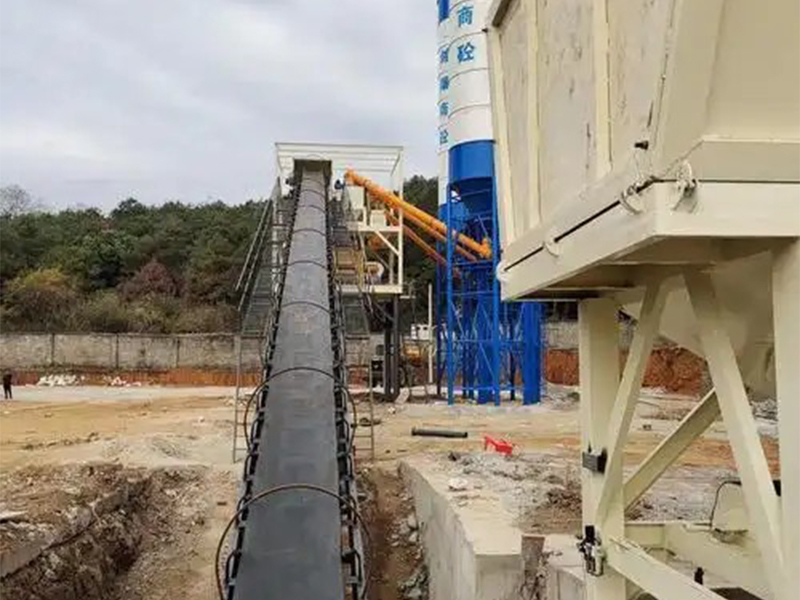
We supply components to key industrial operations globally, providing reliable material handling solutions for major infrastructure and manufacturing facilities.
Detailed answers for engineers and procurement managers sourcing conveyor accessories for Slovak heavy industries.
Our products are engineered to comply with DIN 22102 standards, which define classifications for wear-resistant rubber conveyor belts. We manufacture compounds in DIN-X (heavy abrasive, sharp materials like granite and basalt), DIN-Y (general purpose bulk handling, sand, limestone, coal), and DIN-W (extremely wear-resistant for highly abrasive materials). We also supply DIN-T and DIN-G classes for thermal environments.
Our cold-resistant belts utilize a modified butadiene rubber (BR) polymer compound. This formulation prevents the rubber from hardening and cracking under stress at low temperatures. While standard belts degrade at temperatures below -15°C, our cold-resistant conveyor belts are rated to maintain elasticity and drive adhesion down to -45°C. This makes them suitable for winter aggregate transport in Slovak quarries and mines.
To protect the bearings, our idler rollers use a multi-stage labyrinth seal system consisting of an inner seal, a triple-lipped outer labyrinth, and a dust cap. This configuration prevents fine dust (such as cement and fly ash) and moisture from reaching the bearing chamber. The bearings are factory-greased for life to minimize rotational resistance and protect the assembly against moisture.
For handling hot clinker (which typically ranges from 150°C to 200°C), we recommend our Class T3 (EPDM/EPM) heat-resistant rubber conveyor belt. EPDM polymer backbones provide resistance to thermal oxidation and ozone degradation, preventing the rubber from cracking and losing tensile strength. For applications involving peak temperatures up to 250°C, we provide reinforced compounds that protect the internal fabric carcass from thermal damage.
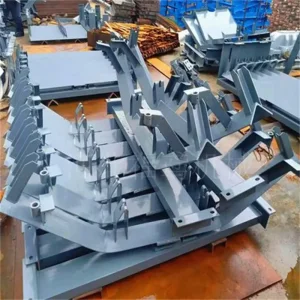
Yes. We manufacture standard-dimension brackets (ranging from 500mm to 2200mm belt widths) and custom configurations. Our engineering department can design centering brackets, self-aligning trough frames, and impact cradles based on customer-provided drawings. Steel surfaces are hot-dip galvanized or coated with anti-corrosion paint to withstand harsh outdoor environments.
Standard shipping via sea freight (from Tianjin Port to European ports like Koper or Hamburg, then by rail/road to Slovakia) typically takes 35 to 45 days. For urgent projects, we utilize the China-Europe Railway Express (New Silk Road) via regional hubs in Budapest or Warsaw, which reduces transit time to approximately 18 to 22 days. We coordinate with local logistics partners in Slovakia to manage custom clearance and direct-to-site delivery.
We source natural rubber from verified global producers and synthetic polymers from reliable chemical suppliers. Each batch of raw material undergoes initial testing in our laboratory for viscosity, curing characteristics, and impurities. Only materials that meet our quality control thresholds are released to the automated compounding and mixing systems.
Under standard operating conditions and with proper maintenance, our steel cord reinforced conveyor belts have an expected service life of 5 to 8 years. We use high-tensile galvanized steel cords and robust bonding agents to prevent belt delamination and carcass exposure, ensuring durability under continuous load.
Yes. We formulate our acid and alkali-resistant belts using chloroprene (CR) or nitrile (NBR) polymers depending on the specific chemicals present. These compounds resist chemical degradation and swelling when handling fertilizers, chemical salts, and acidic ores. We customize the formulation based on the concentration and temperature of the chemicals in your process.
You can contact us via our website at /contact/. Please provide your system drawings, belt width requirements, material types, and target operating conditions. Our technical team will review your specifications and provide a detailed quotation and engineering drawing evaluation within 24 to 48 hours.
We offer technical support throughout the product lifecycle to help maintain conveying efficiency and reduce operational downtime.
We provide technical guides, installation procedures, and repair instructions to assist your maintenance team with splicing, alignment, and roller replacement. We also offer advice on safety stock levels to ensure critical spare parts are available on site.
For demanding applications, our engineering team can analyze your system parameters—including capacity, velocity, inclination, and material properties—to recommend suitable belt structures and roller configurations that help optimize service life.
Explore our complete catalog of industrial rubber conveyor belts, heavy-duty rollers, and structural components.
 Boao Rubber