The rapid industrialization of India has positioned it as one of the fastest-growing economies in the world. Key initiatives like PM Gati Shakti, the expansion of the National Infrastructure Pipeline (NIP), and the domestic steel capacity expansion targets under the National Steel Policy are driving massive infrastructure developments. From the iron ore fields of Odisha, Jharkhand, and Chhattisgarh to the coal-fired thermal power stations of Madhya Pradesh and Gujarat, raw material handling systems are the unsung lifelines of India's heavy machinery infrastructure.
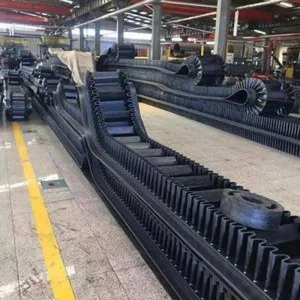
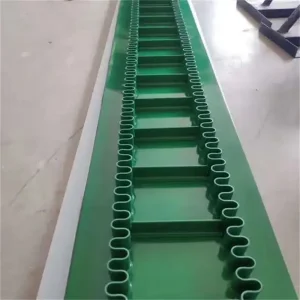
In this context, the Edge Conveyor Belt (commonly designed as a wavy edge or corrugated sidewall belt) has emerged as a crucial component. India's unique industrial environment demands conveying solutions that can operate continuously in high temperatures, humid conditions, and under extremely high loads. Traditional horizontal conveyor systems require immense land footprints, which is increasingly problematic in highly congested industrial zones like Visakhapatnam, Kalinganagar, and Jamnagar. Edge conveyor belts enable steep-angle conveying (up to 90 degrees), drastically reducing installation footprint while preventing material spillage.
Unlike cooler climates, Indian industrial operations subject material handling systems to ambient temperatures that can reach 48°C in summer, combined with high humidity during monsoon seasons. This accelerates the degradation of low-quality rubber compounds, leading to premature aging, cracking, and belt failure. Furthermore:
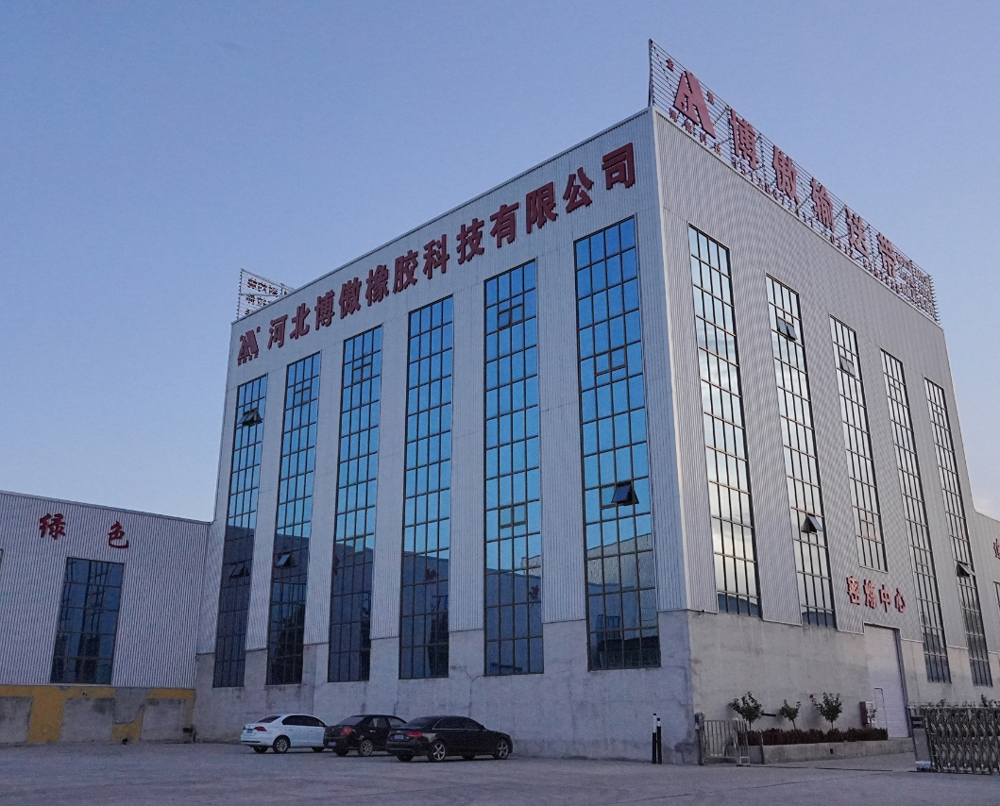
Hebei Boao Rubber Technology Co., Ltd. (producing under the internationally respected "Jinao" brand) has been at the forefront of rubber belt manufacturing since 2004. Operating from a state-of-the-art facility spanning over 30 acres, we integrate research, engineering design, raw material testing, vulcanization, and global logistics.
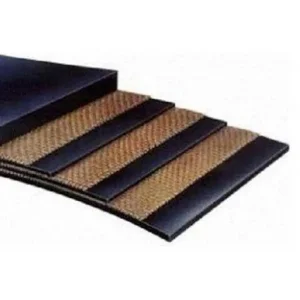
Our commitment to quality assurance is backed by our fully independent chemical analysis and physical testing laboratories. We control every stage of production—from the raw elastomer selection and synthetic fabric weaving (NN/EP/PP cords) to high-precision steel wire rope core insertion. We operate under the philosophy: *No unqualified raw materials enter our factory, and no sub-standard conveyor belts leave our facility.*
For the Indian market, this means compliance with both international DIN standards (DIN 22102) and Indian Standards (IS 1891 parts 1-5). Our quality control inspectors use computerized tensile testers, DIN abrasion resistance testers, and flame-retardancy testing cabins to verify that every run achieves the absolute peak performance needed in high-demand environments.
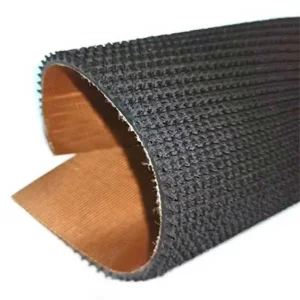
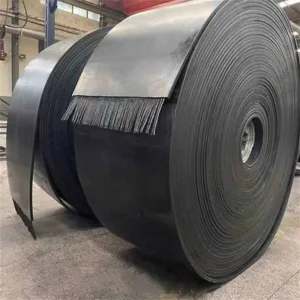
Edge conveyor belts consist of three main components: the base belt, the corrugated sidewalls (wavy edges), and the transverse cleats. Our technical roadmap utilizes cross-stabilized base belts to prevent bowing under high tension, while the vulcanized-on corrugated edges are reinforced with high-elasticity compounds that can flex around pulleys millions of times without fracturing.
Engineered with high-rigidity transverse monofilament layers to prevent transverse deflection and ensure longitudinal flexibility over small pulley diameters.
Our wavy edges (sidewalls) are composite-vulcanized with specialized diagonal fabric inserts to protect against tearing under mechanical stress.
Components are chemically bonded using high-pressure hot vulcanization, ensuring the sidewall and cleats become one with the base belt.
Modern global procurement teams at EPC firms, steel plants, and port authorities do not just purchase a commodity product; they demand a reliable supply chain, engineering consultancy, and reliable post-sales support. Procurement heads in Mumbai, Delhi, Kolkata, and Bangalore require full transparency on shipping lead times, customs clearance paperwork, and physical material specifications.
Hebei Boao Rubber has developed a comprehensive logistics pathway targeting key Indian ports (such as Nhava Sheva/JNPT, Mundra, Chennai, and Haldia/Kolkata). We provide fully documented certification including Mill Test Certificates (MTC), third-party inspection options (SGS, Bureau Veritas), and complete compliance packaging (seaworthy steel reels, moisture-proof wrapping, and reinforced edge protectors).
Conveyor uptime is critical to industrial profitability. A major challenge for Indian industrial operations is belt jointing and on-site vulcanization. To assist our customers in India, we provide structured Technical Service Plans:
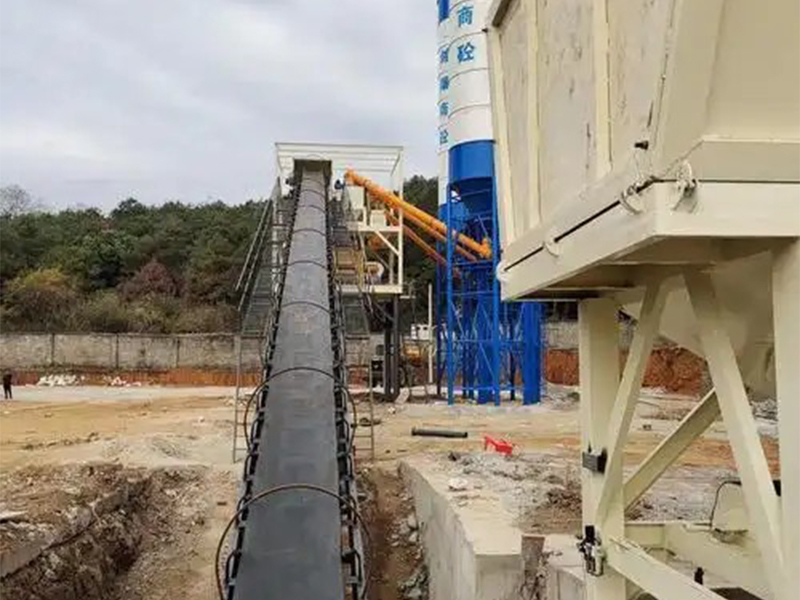
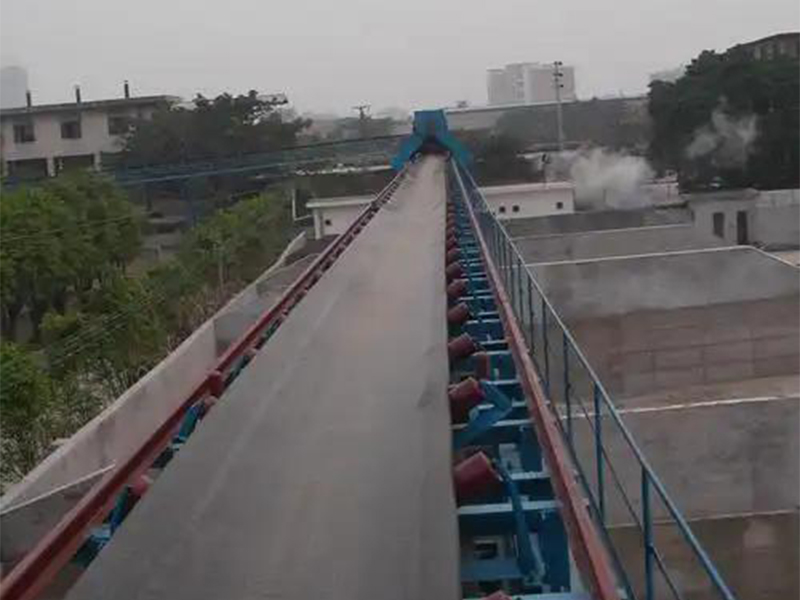
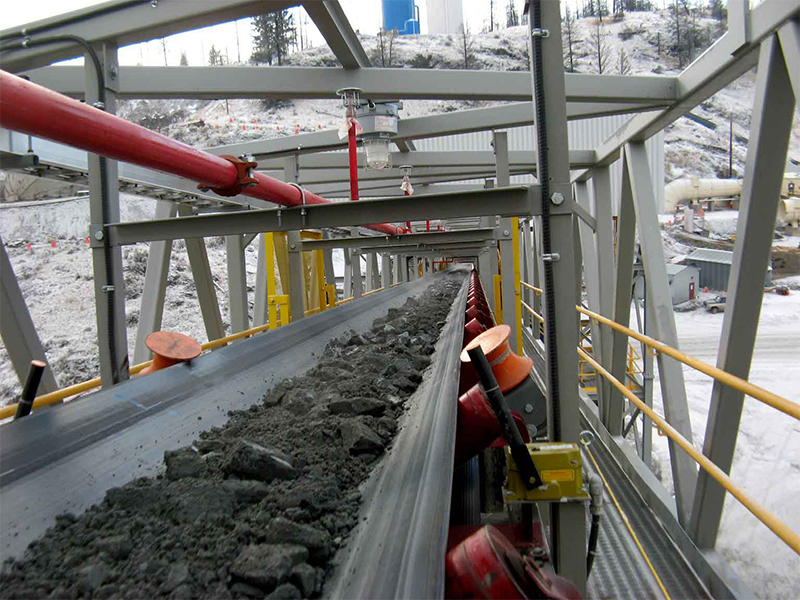
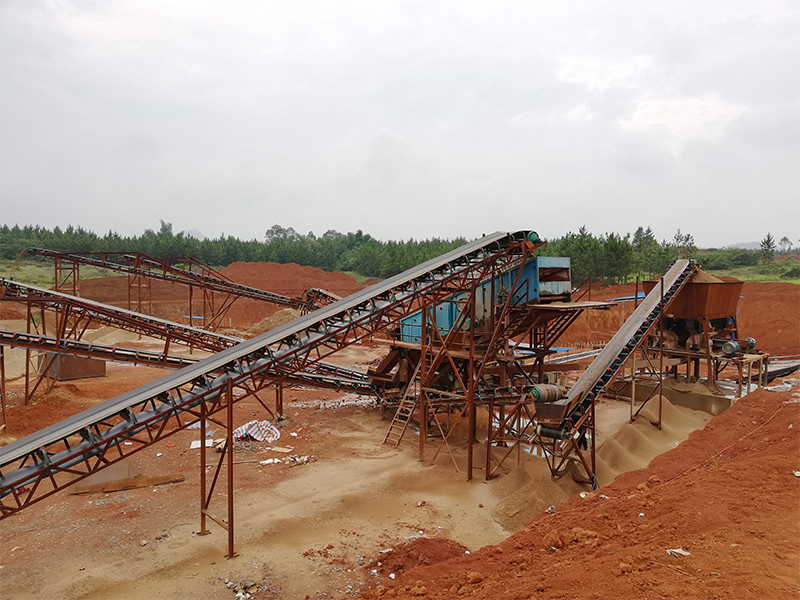
Our conveyor belts have been successfully deployed in large-scale infrastructure projects, mining networks, and heavy manufacturing complexes across Asia and globally. Below are some of our key partner integrations:
 Boao Rubber