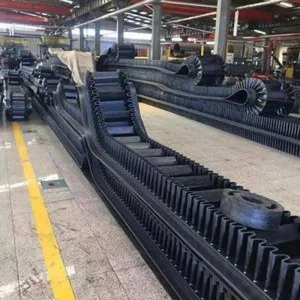
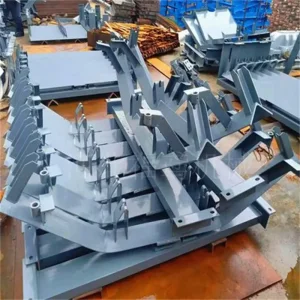
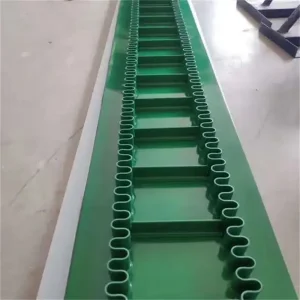
High-durability heavy industrial belts optimized for ports, mining, steel production, and logistics across Dubai, Abu Dhabi, and Sharjah.
An in-depth analysis of high-tension material transport under extreme thermal loading, sand abrasion, and deep-sea port logistics requirements in the Middle East.
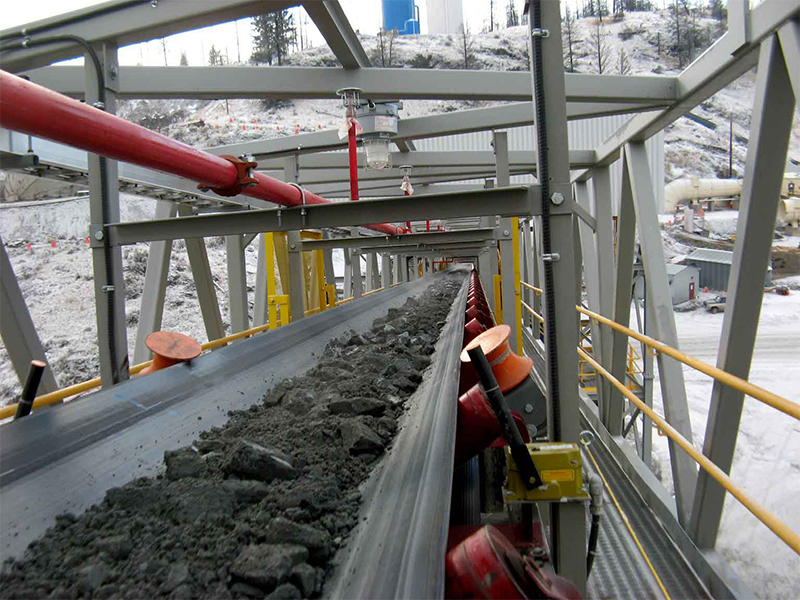
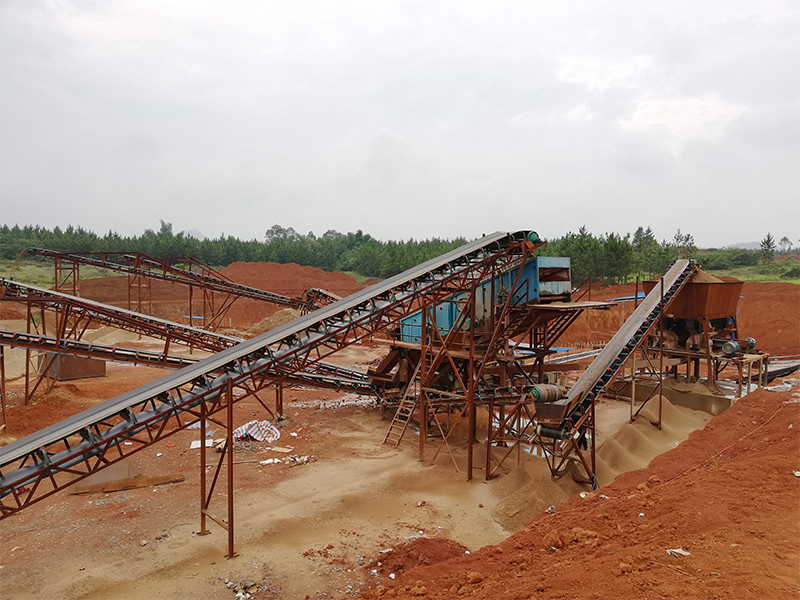
The United Arab Emirates is executing one of the most ambitious industrial transformations in modern history. Guided by "Operation 300bn"—a national strategy to increase the industrial sector's contribution to the GDP to AED 300 billion—the nation is rapidly scaling up its manufacturing, logistics, and processing capabilities. Key logistics hubs like Khalifa Port in Abu Dhabi and Jebel Ali Port in Dubai handle millions of tons of dry bulk materials yearly. Concurrently, the quarrying and mining clusters in Fujairah and Ras Al Khaimah feed massive volumes of limestone and aggregates into the regional construction supply chain.
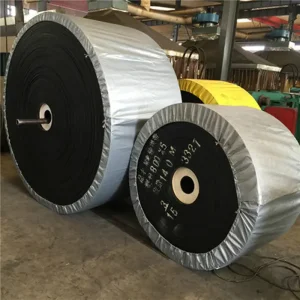
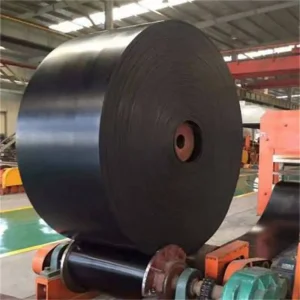
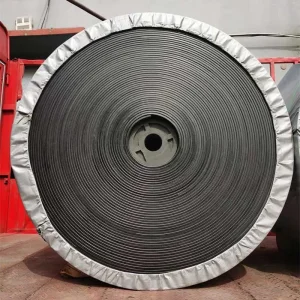
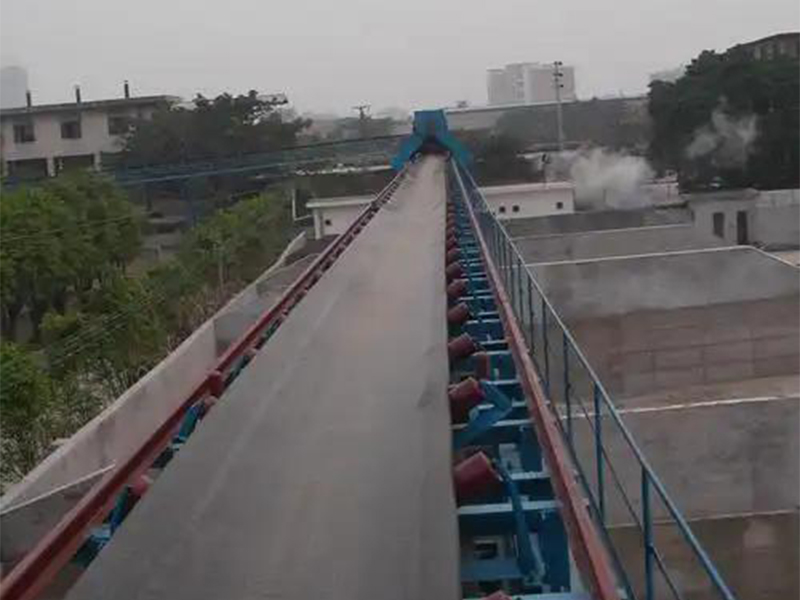
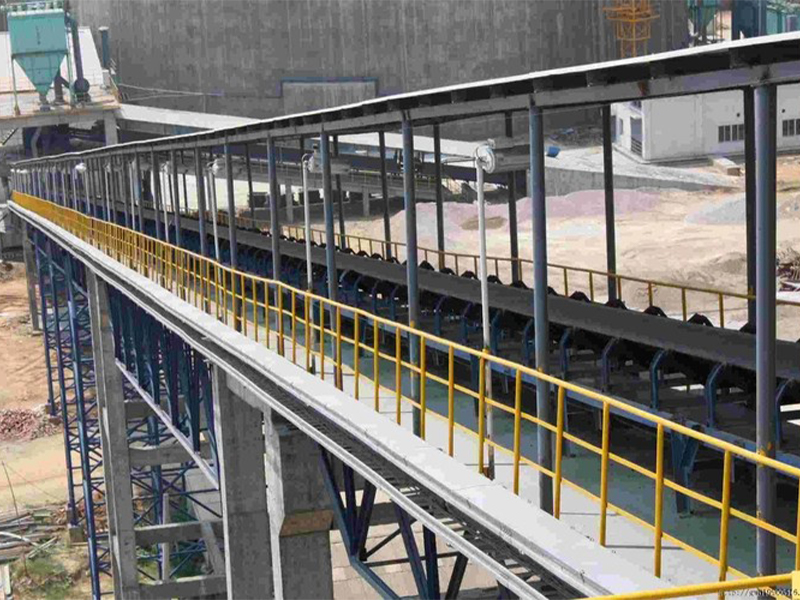
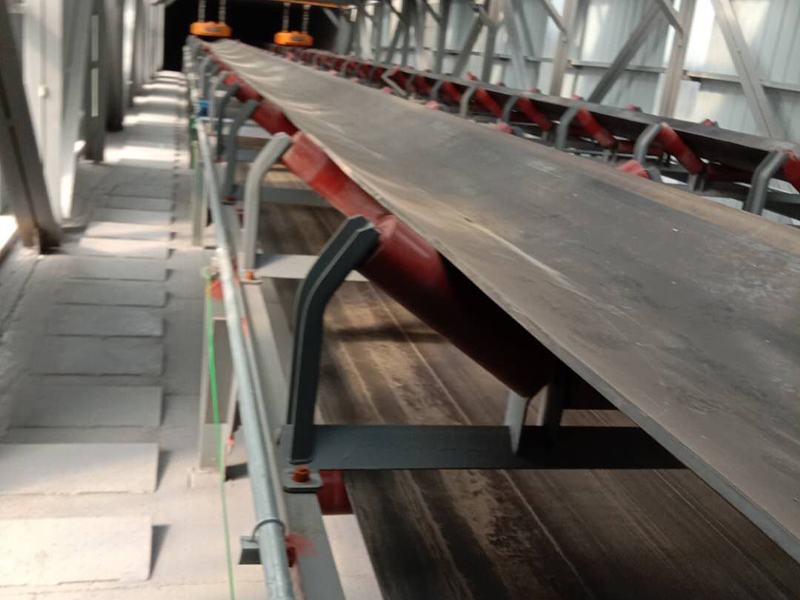
Moving these millions of tons of abrasive materials efficiently requires state-of-the-art material handling infrastructure. Layered conveyor belts (specifically Multi-Ply Polyester/Nylon or EP belts) serve as the vital arteries of these operations. Under the intense UV radiation and soaring ambient temperatures of the Arabian Peninsula (often exceeding 50°C in peak summer), conventional conveyor systems suffer from rapid thermal aging, carcass delamination, and elastomeric hardening. Our customized conveyor belts are engineered with premium EPDM rubber formulations that mitigate cover cracking and maintain physical integrity in extreme climates.
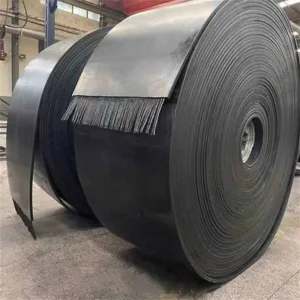
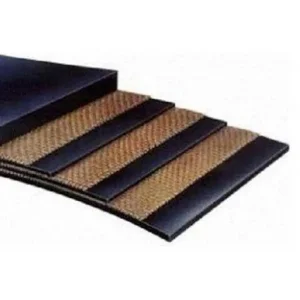
Globally, the bulk material handling market is shifting toward automated, high-speed, and energy-efficient systems. Layered conveyor belts are structural composites consisting of a top cover, carcass reinforcement plies, skim rubber layers, and a bottom cover. Polyester (EP) fabric remains the global standard for long-haul bulk operations due to its low longitudinal elongation and superior flexibility. Polyamide (NN) fabric, conversely, offers excellent elasticity and resistance to impact damage, making it the preferred choice for primary crushers and heavy drop chutes.
Modern conveyor manufacturing technologies have achieved significant breakthroughs in rubber vulcanization controls, high-accuracy calendering, and chemical compound synthesis. These advancements allow manufacturers to develop conveyor belts with low rolling resistance (LRR), which can cut the energy requirements of long-distance overland conveyors by up to 15%. This technology is critical for heavy industries looking to reduce their carbon footprint while maintaining high throughput.
Deciphering the molecular and structural engineering behind Hebei Boao Rubber Technology's premium conveyor belt products.
Conveyor belts operating in the Middle East face distinct environmental challenges. Below is a detailed breakdown of the structural components and performance criteria utilized in our "Jinao" brand conveyor belts to ensure longevity and efficiency under high heat and intense UV exposure.
| Property / Specification | EP (Polyester-Nylon) Carcass | NN (Nylon-Nylon) Carcass | Steel Cord Reinforcement |
|---|---|---|---|
| Warp Fiber (Longitudinal) | Polyester (Low Elongation) | Nylon/Polyamide (High Elasticity) | Zinc-Coated Steel Wire Rope |
| Weft Fiber (Transverse) | Nylon/Polyamide (Good Troughing) | Nylon/Polyamide (High Flex Life) | Cross-laid steel cables/textile break |
| Elongation at 10% Load | ≤ 1.5% | ≤ 2.5% | ≤ 0.2% |
| Impact Resistance | High | Exceptional (Excellent shock absorb) | Extremely High (Tear-resistant) |
| Best Applied In: | Medium-long distance overland conveying | Short distance, high shock loading drops | Ultra-long distance, high capacity mines |
The outer rubber cover of a conveyor belt serves as the primary barrier against abrasive wear and chemical exposure. We manufacture cover grades in strict compliance with DIN 22102, AS 1332, and ISO 10247 standards. For the highly abrasive limestone and gabbro rocks extracted in Fujairah, we recommend DIN X or DIN W grade covers. These formulations feature high tensile strength (minimum 25 MPa and 18 MPa respectively) and excellent abrasion resistance (volumetric loss of less than 120 mm³ and 90 mm³).
To combat the extreme heat in the Middle East, our chemistry department has developed high-temperature resistant compounds. Standard SBR/NR formulations degrade and harden rapidly when conveying hot clinker in cement plants at temperatures exceeding 100°C. By integrating high-molecular EPDM elastomers with optimized sulfur cure systems, our heat-resistant belts can withstand continuous material temperatures of up to 200°C and peak temperatures of 250°C. This compound modification significantly extends service life and reduces unplanned downtime in regional operations.
How our custom-tailored conveyor belts are integrated into critical UAE infrastructure and industrial operations.
Fujairah’s quarries supply aggregate to major construction projects across the GCC. Conveyor belts here must withstand sharp, heavy, high-velocity material drops. Our high-impact NN (Nylon) conveyor belts feature double-weave transverse reinforcement breaker plies to absorb and distribute shock loads, preventing longitudinal carcass tearing.
Ras Al Khaimah and Sharjah house some of the largest cement kilns in the region. Conveying hot clinker requires specialized thermal management. Our high-temperature EPDM layered belts utilize advanced thermal barriers that prevent core carcass delamination, ensuring steady material flow to storage silos.
Import and export terminals require clean, chemical-resistant bulk handling. Our custom PVC/PU and acid-alkali resistant rubber belts prevent material contamination. They are dust-tight, static-conductive, and flame-retardant (meeting ISO 340 / EN 12882 standards) to ensure safe port operations.
Serving global bulk handling operations with advanced compounding and quality control facilities since 2004.
Founded in 2004 and headquartered in the Rubber Industrial Park of Boye County, Baoding, Hebei Province, China, Hebei Boao Rubber Technology Co., Ltd. (brand name "Jinao") covers an area of over 30 acres. Over more than 22 years of production experience, we have grown into a modern manufacturer integrating product research and development, custom design, precise calendering, vulcanization, and global service support.
Our manufacturing facility operates several advanced production lines for calendering, multi-ply assembly, vulcanizing presses, and specialized rubber testing. To maintain high quality standards, our independent chemical analysis and physics laboratories test all materials from raw polymers to finished goods. This setup ensures that no sub-standard materials enter production, and no sub-standard belts leave our factory. Our quality management systems are fully certified to international standards.
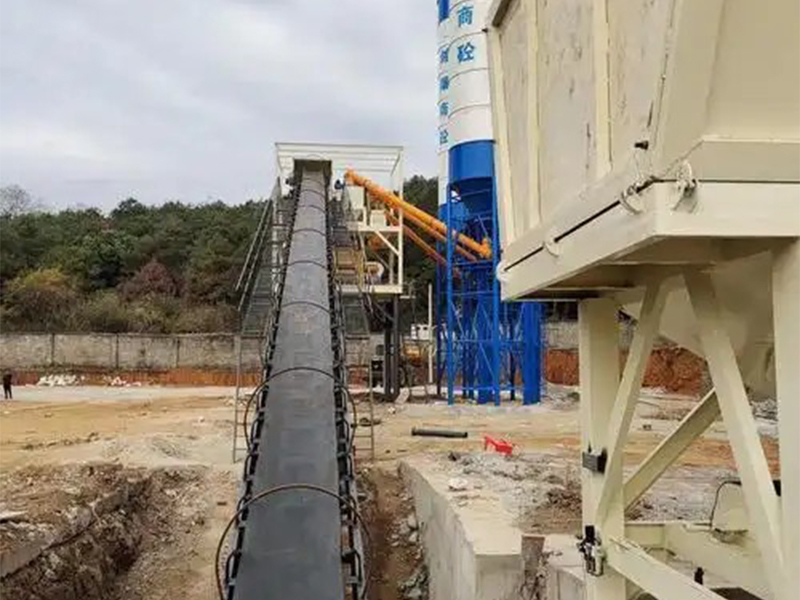
China Railway Group
Conch Cement
Datong Coal Group
Tsingshan Group
Jidong Cement Group
Taihang Steel
Comprehensive conveyor support from initial product selection through splicing, hot vulcanization, and preventive maintenance.
A high-quality conveyor belt is only as reliable as its installation and joint splicing. Hebei Boao Rubber Technology offers technical planning and on-site support to help operators maximize system runtime and minimize lifecycle costs.
For high-capacity, multi-ply EP and NN conveyor belts, hot vulcanized splicing is the most reliable joining method. The process requires stepping the carcass plies to match the belt's tensile rating, followed by the application of unvulcanized tie gum and cover compound. Splicing operations must monitor three critical parameters: temperature, pressure, and dwell time.
In hot, humid Middle Eastern coastal environments, maintaining proper control of these parameters is crucial. High relative humidity can introduce moisture into the fabric plies during stepping, which may lead to micro-bubbling and separation under tension. We provide dry-air shelters and heating plates to manage humidity, ensuring that splice joints achieve up to 90% of the belt's original tensile rating.
Browse our wide range of technical products designed for high inclination, deep elevators, and extreme material transport.
Expert answers to common material handling and design questions for Middle Eastern industrial projects.
Contact our engineering sales department today for customized design assistance, belt sizing calculations, and detailed commercial quotations.
Send Inquiry Now Boao Rubber