Layered Conveyor Belt Manufacturer & Supplier in the Canada Market

High-Performance Multi-Ply Industrial Belting Solutions Configured for Canada's Sub-Zero Mining, Heavy Aggregate, and Resource Processing Systems

The Architecture of Layered Conveyor Belts in Canada's Primary Industries

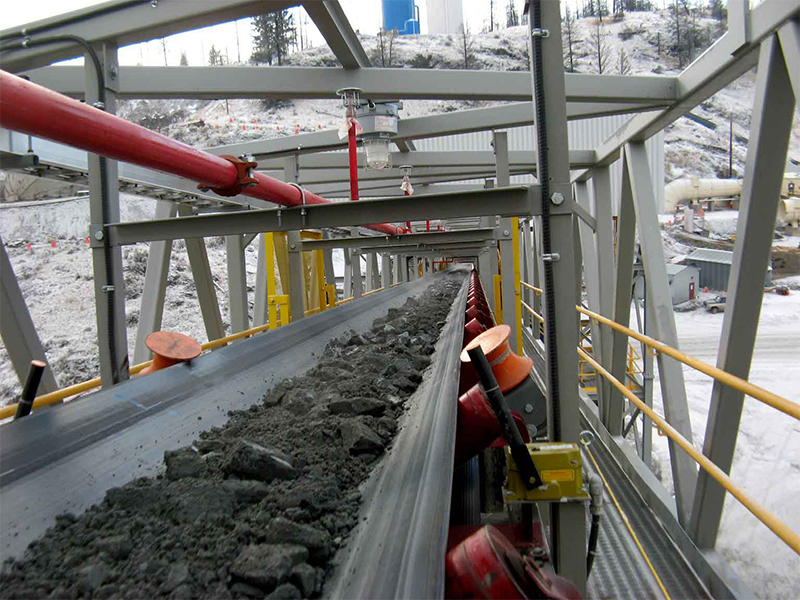
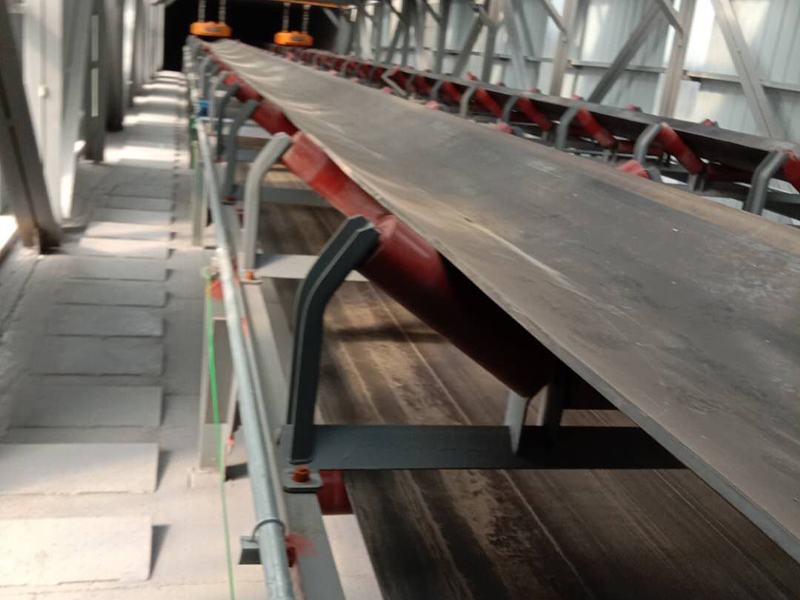
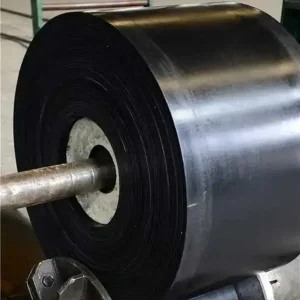
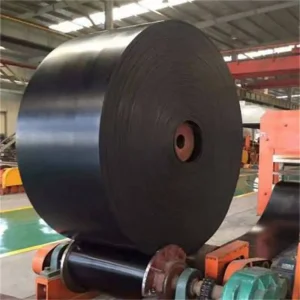
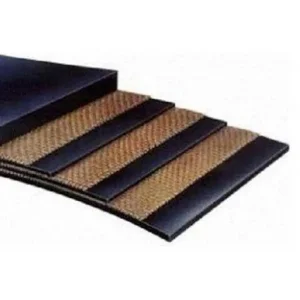
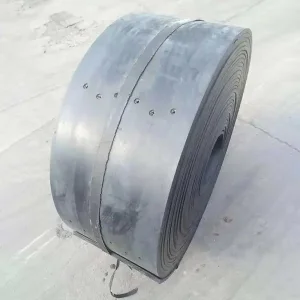
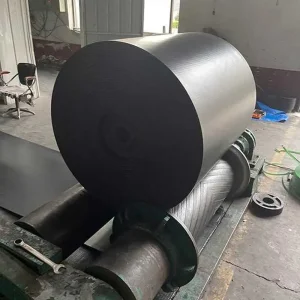
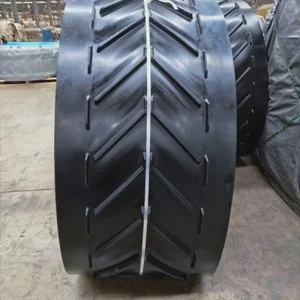
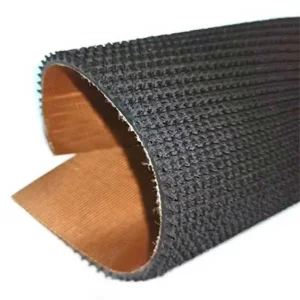
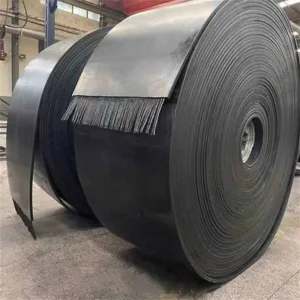
In the vast and resource-rich Canadian industrial landscape, heavy-duty material transport relies on raw mechanical components designed to perform under extreme tension and harsh environmental conditions. The layered conveyor belt—commonly referred to as a multi-ply conveyor belt—stands as the primary asset in the transport chain for open-pit mining operations, deep-earth mineral recovery, timber mills, and fertilizer production. Unlike single-ply or steel cord variations, multi-ply fabric conveyor belts feature a layered reinforcement skeleton composed of synthetic polymer fibers. This architecture offers a balanced matrix of high fatigue resistance, exceptional flexibility for deep-angle troughing, and the necessary elongation metrics to absorb sudden physical shocks without structural rupture.

Canadian Operational Landscape: The Sub-Zero Challenge

Operating in northern regions like the Athabasca Oil Sands in Fort McMurray, or the resource basins of Northern Ontario and Quebec, requires equipment that conforms to strict performance parameters. Low temperatures reaching -45°C cause standard rubber compounds to reach their glass transition state, resulting in micro-cracks, elasticity loss, and rapid ply delamination. A properly formulated cold-resistant multi-ply belt integrates custom polymers with flexible synthetic interlayers, ensuring continuous operational uptime and preventing catastrophic structural failures during startup stages.

Technical Composition: Polyester (EP) vs. Nylon (NN) Fabric Cores

The performance of a layered conveyor belt is determined by its inner core formulation. The industry standard utilizes two distinct weave compositions:

  • Polyester-Nylon (EP) Belts: Composed of a polyester warp (longitudinal direction) and nylon weft (transverse direction). Polyester provides low elongation characteristics, limiting the necessary take-up stroke length in long-distance conveyor profiles. This makes EP belts highly reliable for systems with limited physical spacing.
  • Nylon-Nylon (NN) Belts: Composed of polyamide fiber for both warp and weft directions. NN fabrics offer high elasticity and flex life. They are suitable for short-to-medium systems with high impact loading and tight drum wrapping where elastic energy recovery is required.
  • Cotton-Cotton (CC) & Cotton-Polyester (CP) Belts: Traditionally utilized in lighter settings, these are frequently replaced by synthetic cores in modern Canadian mining profiles to prevent rot and mildew resulting from persistent rain or thawing cycles.

Macro Industry Solutions: High-Capacity Material Logistics

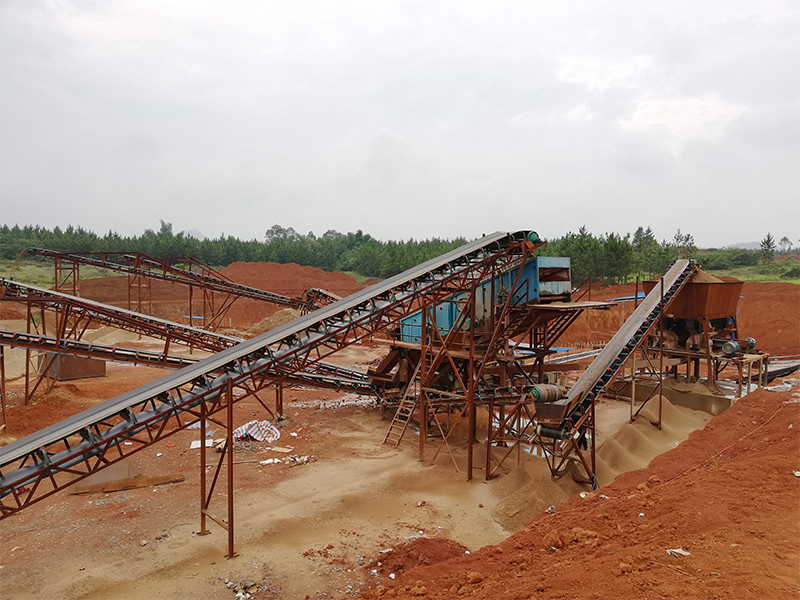
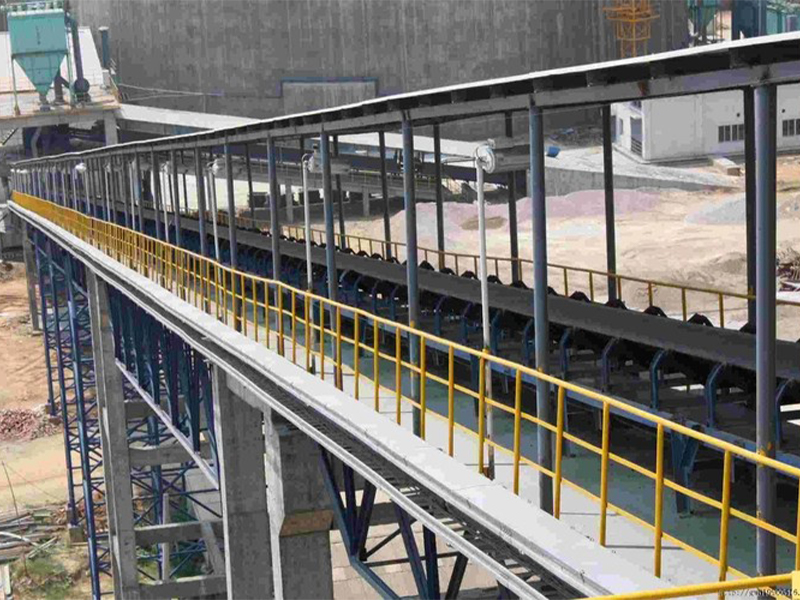
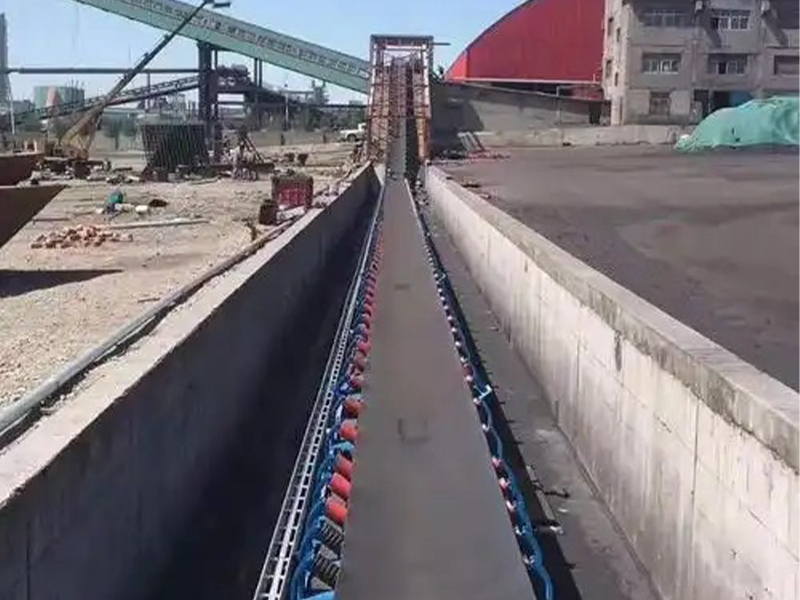
Modern aggregate and ore processing operations across Canada require systems that can scale up output while reducing operational overhead. High-capacity operations in sectors like SaskPotash or BC coal processing require specialized multi-ply belts. By adjusting the quantity of plies (ranging from 2 to 6 plies) and customizing the top and bottom cover rubber thicknesses, operators can design a conveyor system that matches the material weight, lump sizes, and drop heights of their specific setup.

Furthermore, our engineering teams construct custom protective cover compounds designed to meet specialized requirements:
  • DIN X/Y/W Standards: High abrasion resistance for handling heavy rocks and granite.
  • CSA M422 Fire Resistance: Standard compliance for underground coal and potash mining in Canada.
  • Oil-Resistant Grade (OR/MOR): Critical for wood processing and recycling systems where terpenes and wood resins degrade standard rubbers.
22 Years of Experience Badge 22 Years of Proven Experience

Hebei Boao Rubber Technology Co., Ltd.

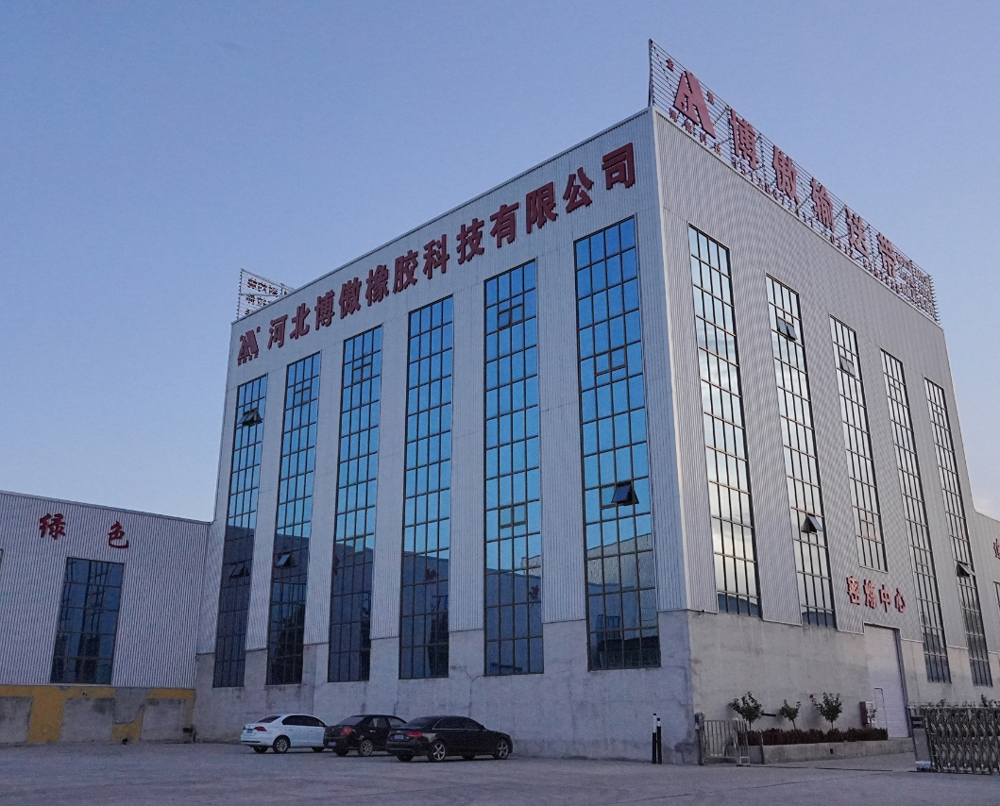
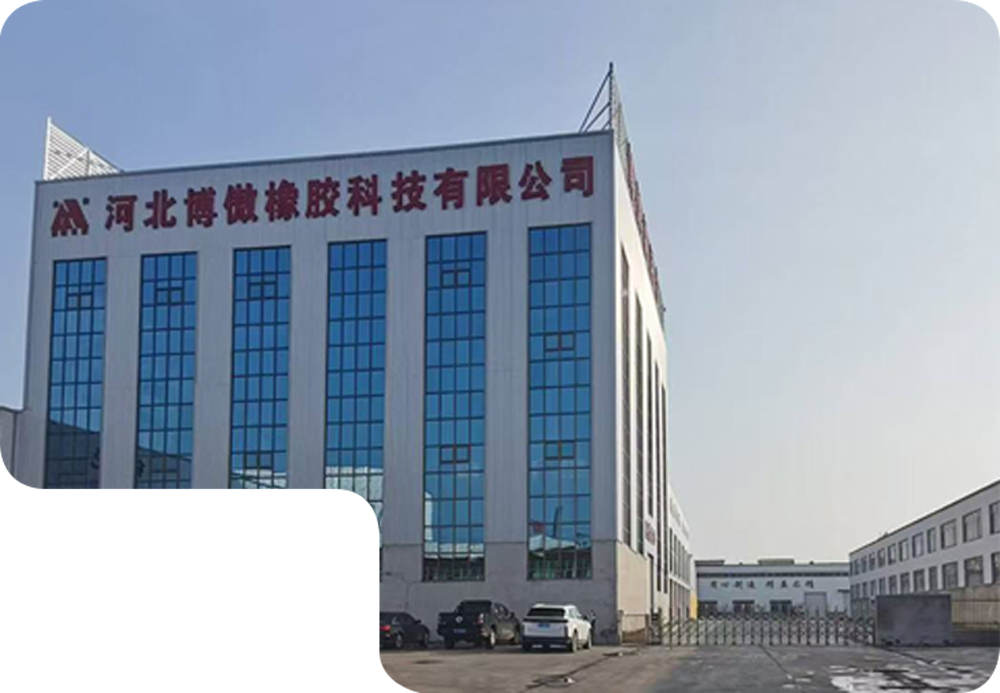
Located in the Boye Rubber Industrial Park, Baoding, Hebei Province, our state-of-the-art facility occupies over 30 acres of advanced manufacturing space. Under our flagship brand "Jinao", we have established a fully integrated infrastructure encompassing design, materials science research, precision vulcanization, and finished product logistics.

We operate fully equipped chemical and physics testing laboratories to monitor every stage of production—from raw polymer evaluation to final ply adhesion verification. This testing infrastructure ensures that all conveyor components exported to the Canadian and international markets comply with international ISO9001 and regional CSA quality parameters.

22+
Years in Operation
30+
Acres Facility
100%
Strict Quality Check
Global
Compliance Standards
Hebei Boao Rubber Technology Co. Manufacturing Plant

Engineering Advantages & Strategic Value

Why Tier-1 industrial buyers source multi-ply layered belts from our Hebei Boao manufacturing hub.

Chinese Supply Chain Efficiency

Located in the heart of Boye County’s rubber cluster, we coordinate our supply chain with top-tier raw material suppliers. This optimization enables us to source premium materials and streamline production, helping our global partners reduce initial procurement costs by 20% to 35% without compromising technical standards.

Custom Compound Formulation

Our in-house R&D laboratory designs custom rubber compounds for specific challenges. We customize formulations to deliver heat resistance up to 200°C for foundry setups, chemical resistance for chemical processing, and low-temperature durability down to -50°C for northern exploration projects.

Certified Testing & Verification

We perform systematic verification testing on every production batch. Our QA program tests cover rubber tensile properties, DIN abrasion metrics, adhesion values between fabric plies, and fire-retardant compliance prior to container loading and shipping.
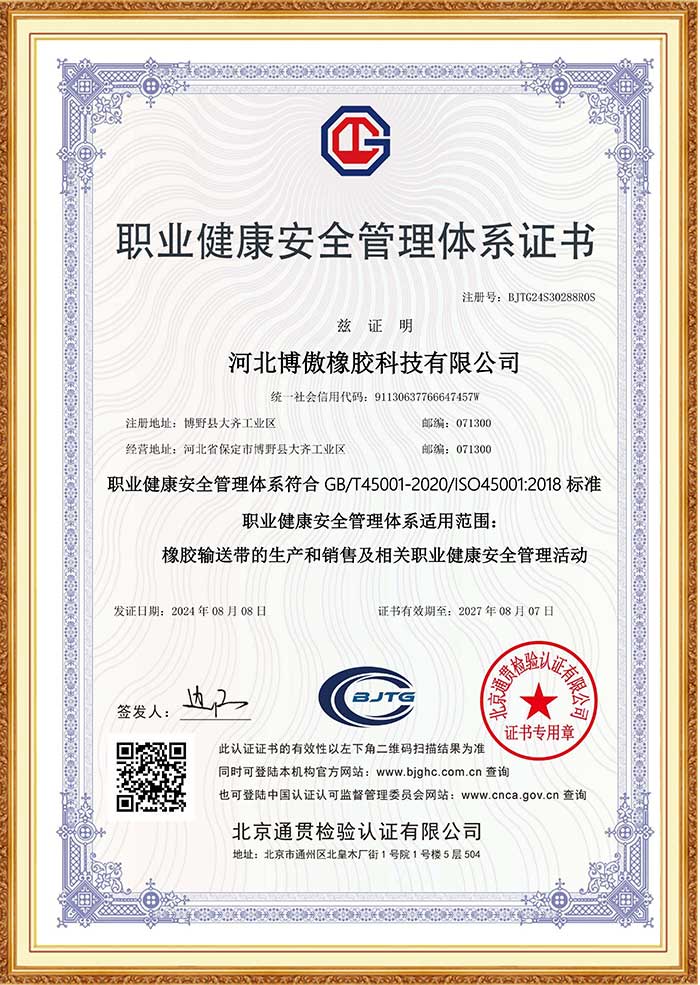
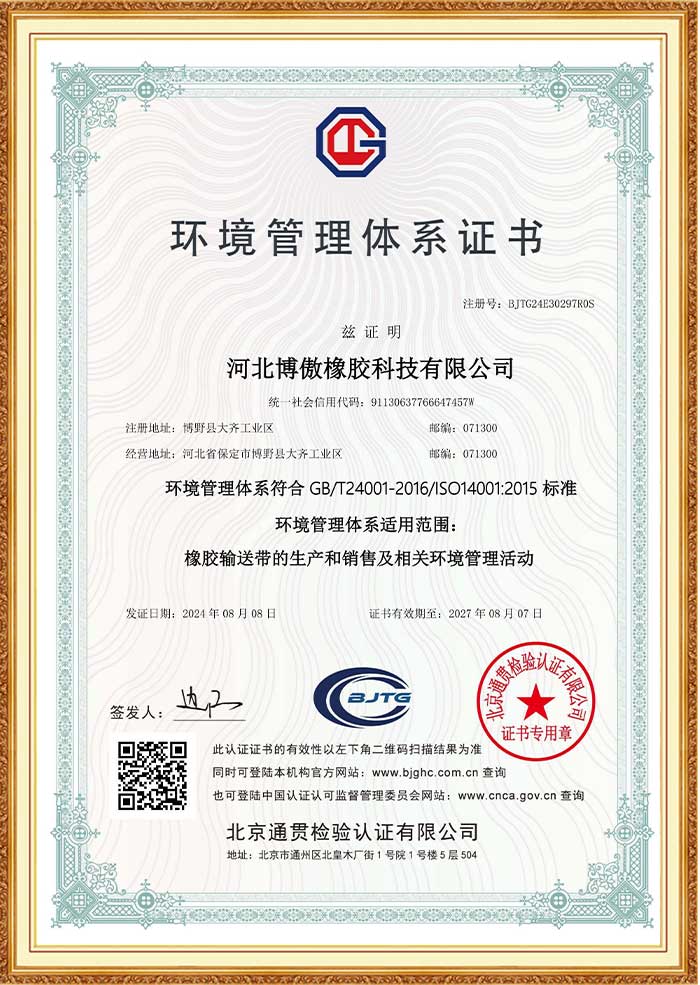
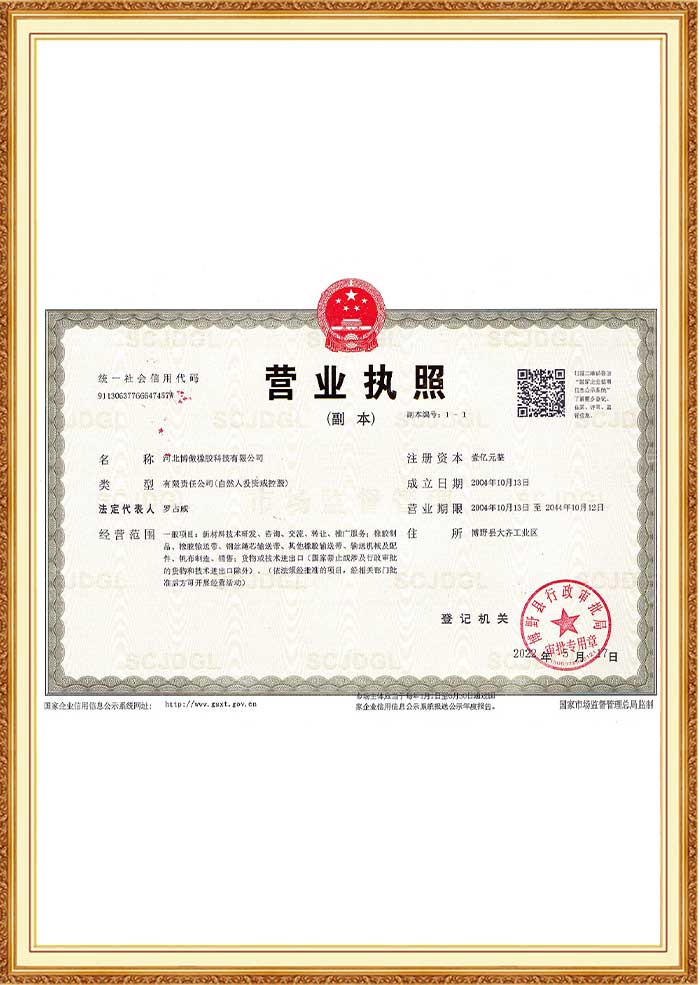
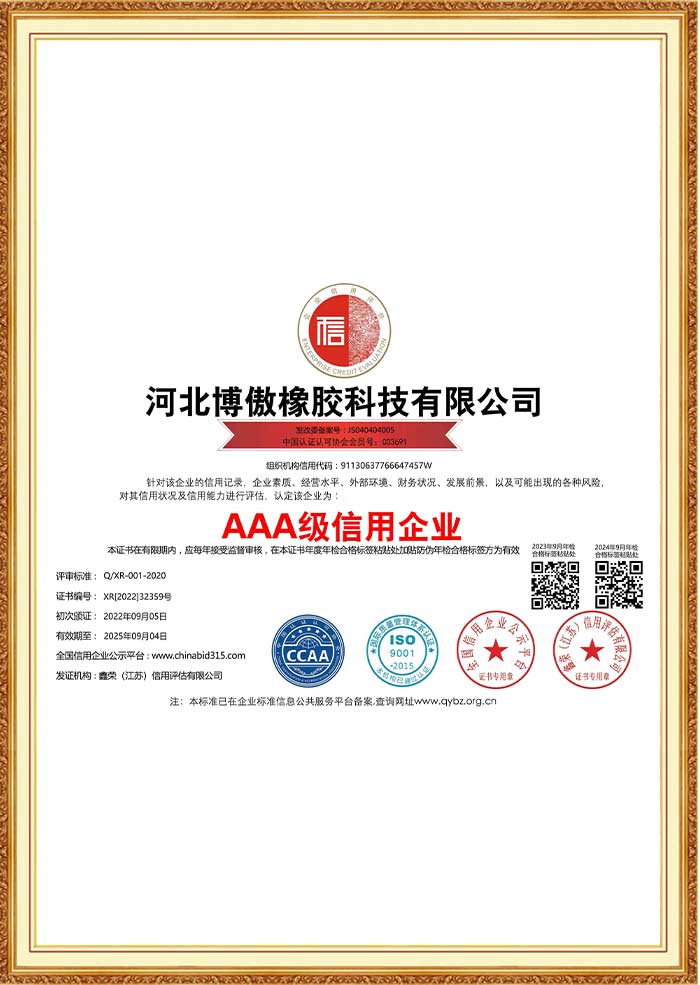
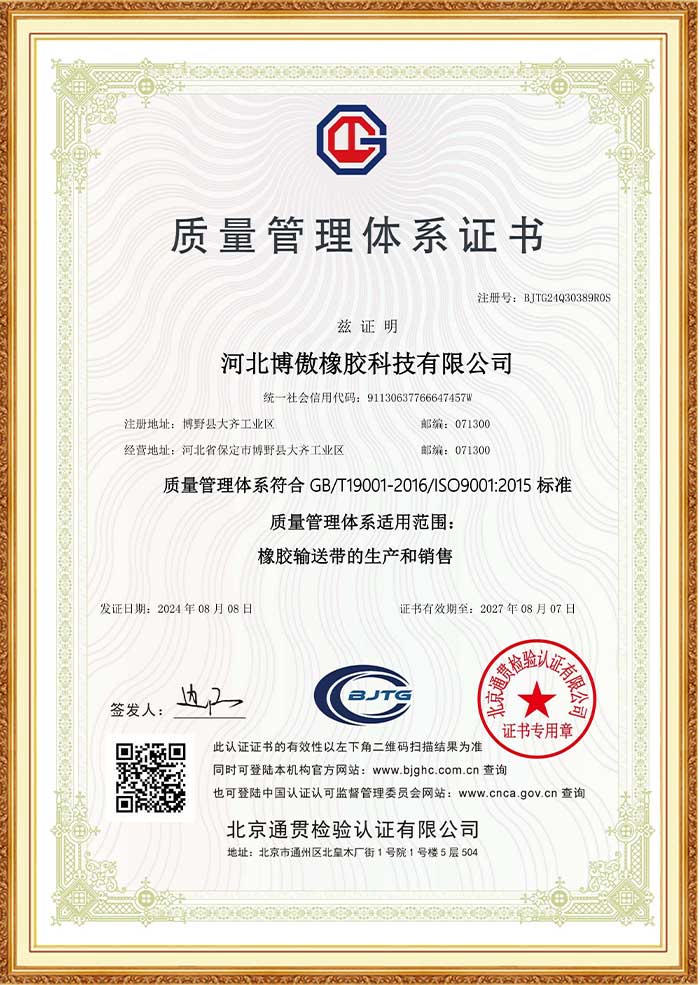
Our Industry Certifications

ISO Quality Certificate
Quality Compliance Certificate
ISO Environmental Certificate
Occupational Health Certificate
Safety Standard Certificate

Global Project Deployments & Industrial Cases

Our conveyor belts have been deployed in heavy-industry facilities, port operations, and mineral processing complexes globally.
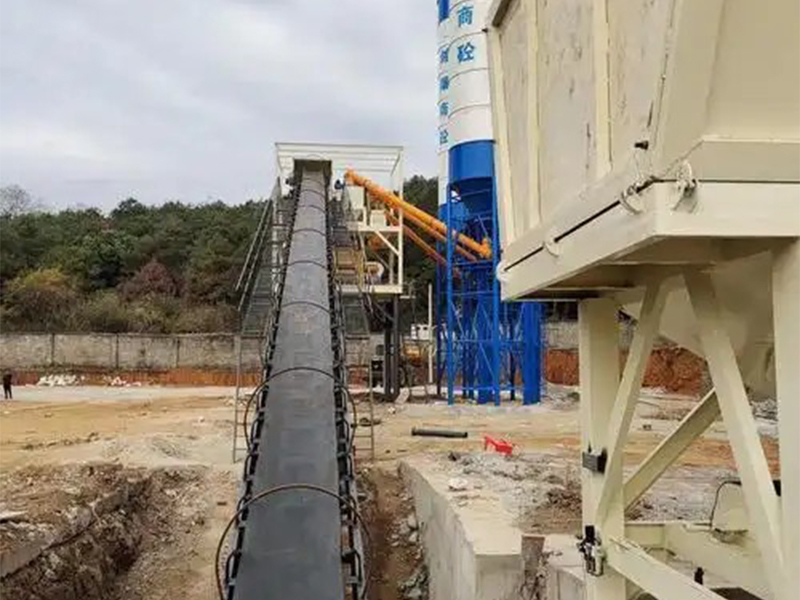
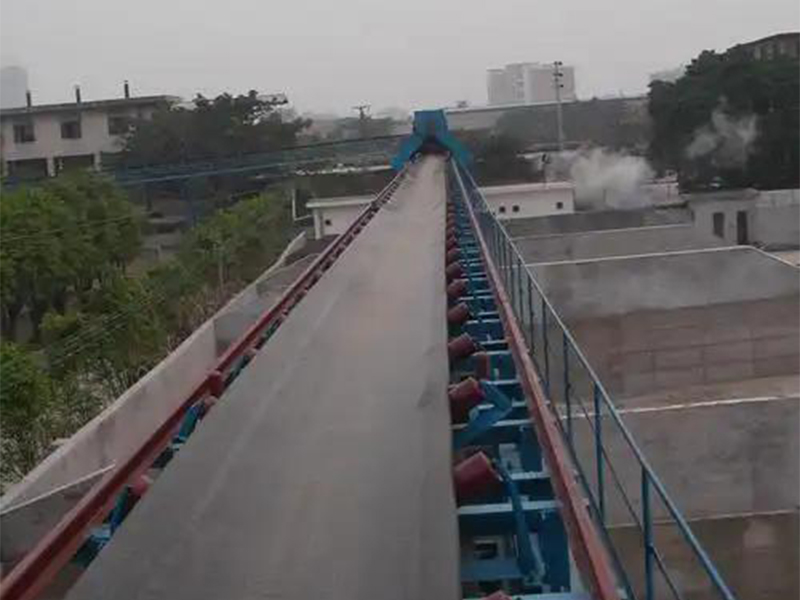
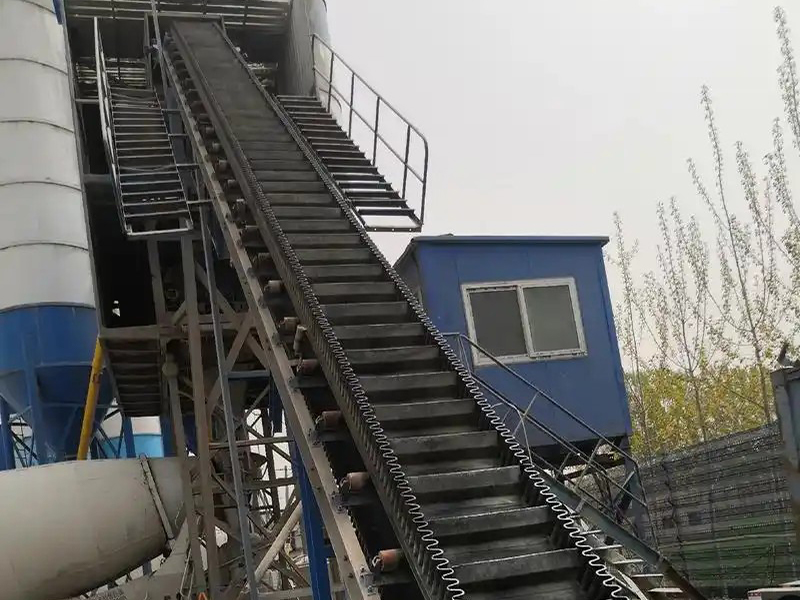
Canada Infrastructure Aggregate Concrete Mixing Systems
Canada Transit Infrastructure Concrete Systems
Quebec Smelter Heavy Conveyor Integration
Quebec Cement Silo Multi-Ply Logistics
Alberta Heavy Duty Mining Excavation Handling
Alberta Mining Excavation System
Global Base Metal Processing Plant
Sudbury Nickel-Copper Smelter Systems
British Columbia Wood Chip Handling Terminals
British Columbia Wood Chip Terminals
Saskatchewan Potash Mine Heavy Duty Extraction
Saskatchewan Potash Mine Extraction
Ontario Steel Mill Hot Sinter Logistics
Ontario Steel Hot Sinter Conveyor Line
Nova Scotia Bulk Material Port Loading terminal
Nova Scotia Bulk Terminal Port Loaders

Industrial Technical Services & Lifecycle Management

Minimize system downtime with our engineering support and maintenance planning.

Splicing & Installation

Detailed technical manuals for hot vulcanized splicing, cold bonding chemical choices, and mechanical fasteners optimized for our EP and NN fabric styles.

Tension Analysis

Calculation and design support to determine the ideal number of fabric plies, required take-up strokes, and safety factor allocations for specific system lengths.

Wear Diagnostics

Testing guidelines for monitoring top-cover rubber loss and early detection of core degradation to prevent in-service failures.

System Optimization

Custom structural design for matching conveyor configurations, impact idler configurations, and pulley diameters to prolong overall belt service life.

Expert Q&A: Layered Conveyor Belting Operations

Common technical challenges and selection criteria answered by our engineering department.

Q1: What are the key differences between EP and NN fabric conveyor belts? +
EP (Polyester-Nylon) belts feature polyester fiber in the longitudinal warp, which provides low elongation under tension. NN (Nylon-Nylon) belts use nylon fibers for both warp and weft, offering high elastic recovery and structural flexibility. NN belts are suitable for shorter systems with high impact forces, while EP belts are standard for longer conveying distances due to their stability.
Q2: How do you configure rubber covers to perform at -50°C in Northern Canada? +
Standard natural or synthetic rubbers harden and crack at sub-zero temperatures. We formulate cold-resistant cover compounds by blending specialized polymers and plasticizers. This modification lowers the glass transition point, allowing the belt to maintain elasticity and preventing shell cracks and ply delamination under extreme cold conditions.
Q3: Which cover compounds match the requirements of the timber and paper industries? +
Wood chips, sawdust, and agricultural grains contain natural terpenes, oils, and fats that can cause standard rubber compounds to swell, soften, and lose tensile strength. For these applications, we utilize nitrile-based rubber formulations (OR/MOR grades) to prevent structural swelling and extend service life.
Q4: What parameters determine the necessary number of plies in a layered belt? +
The ply configuration depends on several variables, including maximum system tension (rated in N/mm or PIW), pulley diameters, aggregate weight, size of material lumps, and transition distances. Using too few plies can cause excessive stretching, while too many plies can make the belt rigid, leading to mistracking and poor troughing.
Q5: Can multi-ply fabric belts be spliced using cold vulcanizing techniques? +
Yes, multi-ply fabric belts support cold adhesive bonding, hot vulcanized splicing, and mechanical fasteners. For high-tension setups, hot vulcanization under controlled pressure and temperature is recommended to achieve optimal joint strength.
Q6: How does Hebei Boao control raw material quality for Jinao brand products? +
Our raw materials go through physical and chemical laboratory inspection before production. We test properties like tensile strength and elongation on polymer inputs and vulcanized samples to ensure quality consistency and compliance with global standards.