Deploying robust structural components to withstand severe stress conditions across Silesian coal fields and Baltic marine bulk terminals.
Poland's heavy industry segment represents one of the primary pillars of the European Union's mineral processing, metallurgic processing, and energy generation matrix. The **Silesian Coal Basin** (Górnośląskie Zagłębie Węglowe), coupled with lignite extraction hubs like **Bełchatów** and massive non-ferrous mineral mining centers run by KGHM Polska Miedź, demands robust bulk transport infrastructure capable of handling large mineral tonnages. In these highly demanding environments, conveyor belting cannot be treated as a simple consumable; it is a critical engineering asset directly impacting overall equipment effectiveness (OEE).
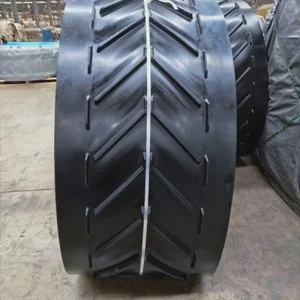
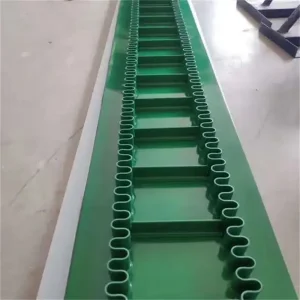
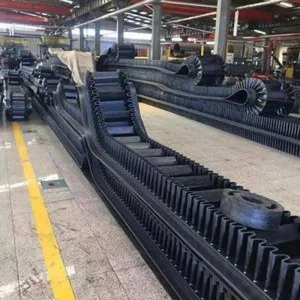
Our analysis of user intent and operations within Polish factories shows a strong demand for Chevron-patterned conveyor belts. These belts are designed to prevent backward material slippage on steep incline runs (typically ranging between 18° and 45°). Without customized profile shapes (such as Open-V, Closed-V, or Herringbone profiles), transporting coal, wet sand, gravel, and harvested agricultural crops on steep grades can lead to operational inefficiency, costly material spillage, and accelerated system wear.
Globally, the conveyor belting supply chain is transitioning toward high-durability polymer compounds and composite carcass reinforcements. By integrating Hebei Boao Rubber Technology's 22 years of vulcanization expertise with regional distribution networks in Europe, Polish industrial operators can secure heavy-duty belting systems that comply with EU DIN standards, MSHA regulations, and ISO 340 flame-retardant safety certifications.
| Pattern Class | Height (mm) | Max Angle (°) | Recommended Bulk Cargo |
|---|---|---|---|
| Low Profile (C15) | 15 mm | 18° to 25° | Gravel, Sand, Small Coal Pieces, Lignite dust |
| Medium Profile (C25) | 25 mm | 25° to 35° | Wet Aggregates, Grains, Minerals, Iron Ore |
| High Profile (C32) | 32 mm | 30° to 45° | Heavy Ore Pellets, Wet Woodchips, Silt |
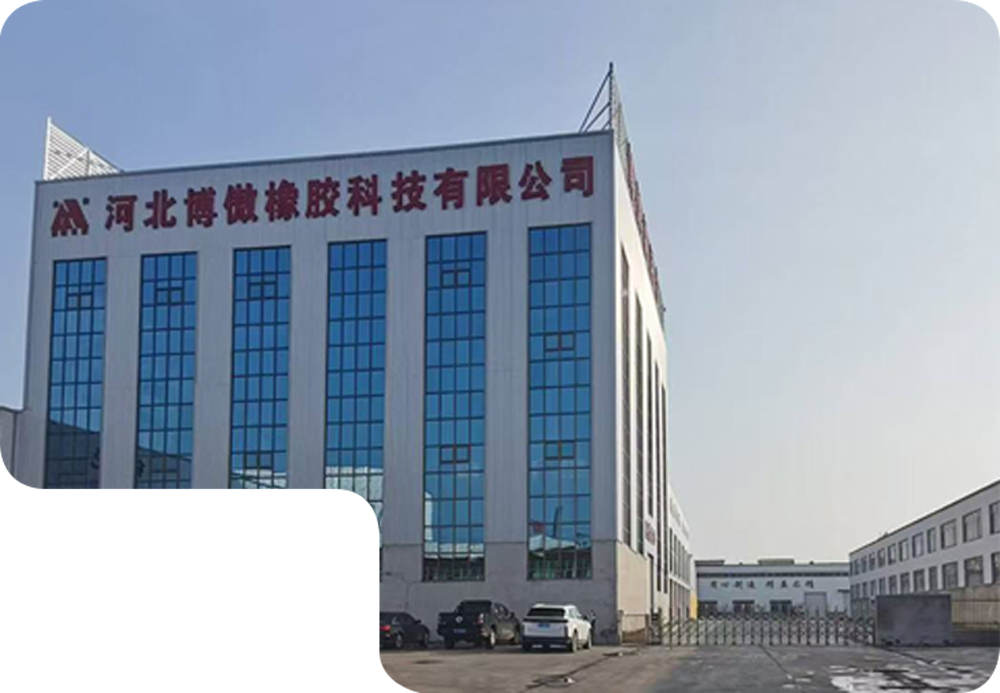
Established in 2004, Hebei Boao Rubber Technology Co., Ltd. (producing the renowned "Jinao" brand) is a high-technology industrial facility situated in the Rubber Industrial Park of Boye County, Baoding, Hebei Province. Our infrastructure covers an expansive footprint of more than 30 acres, hosting highly automated compounding mixers, multi-roll calenders, heavy fabric vulcanizing presses, and specialized profiling lines.
We are a professional manufacturer in China that integrates product development, research, design, manufacturing, and business services for conveyor belts and conveyor machinery accessories. We have also passed the international quality management system certification in one go. The company has multiple advanced equipment production lines for rolling, forming, vulcanization, and rubber testing (from raw materials to finished products).
Through our dedicated design departments and automated production processes, we supply heavy industrial plants globally—including key chemical, cement, and power infrastructure hubs throughout Poland. We continue to upgrade our technology to align with European material handling guidelines, ensuring high tensile performance and minimal elongation.
Maintaining systematic quality inspections from raw polymer compounds to final high-pressure vulcanization procedures.
The company has an independent chemical analysis room and physics laboratory, which can ensure timely monitoring of every link from raw material procurement to product delivery. It strictly follows the principle of not entering the site for unqualified products and not leaving the site for products that do not meet standards.
Professional quality inspectors, sophisticated experimental testing equipment, and advanced testing methods ensure the quality of the company's products. We check carcass adhesion, cover rubber tensile strength, elongation at break, and aging parameters.
With strong technical strength and a comprehensive after-sales system, our products are exported to various parts of the country and international heavy industry regions. Widely used in industries such as steel, metallurgy, coal, cement, power generation, fertilizers, grain depots, ports, etc.
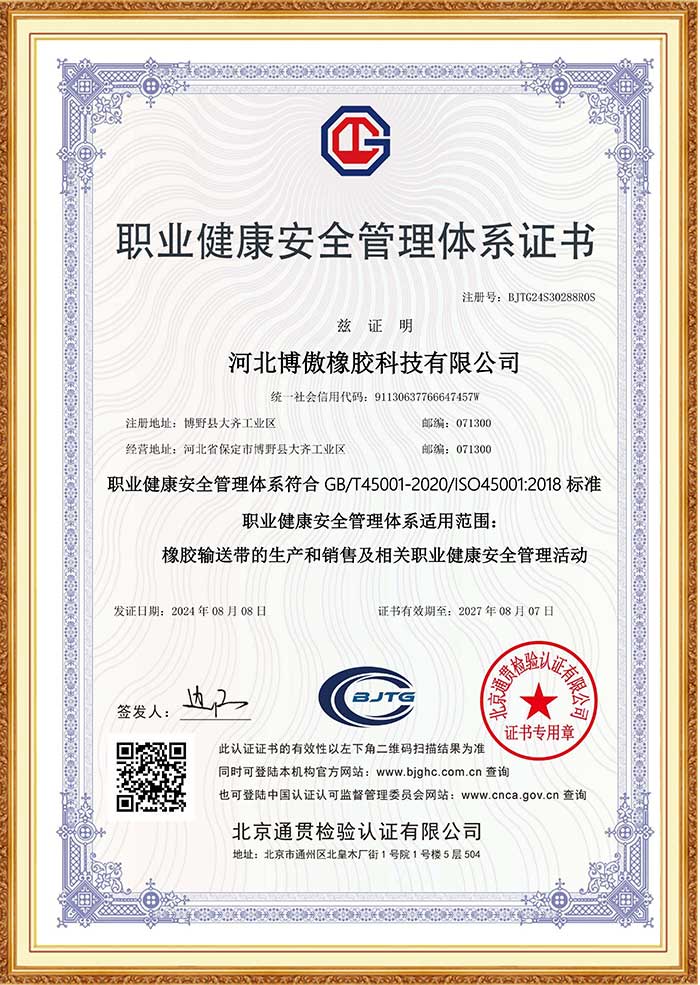
ISO 9001:2015
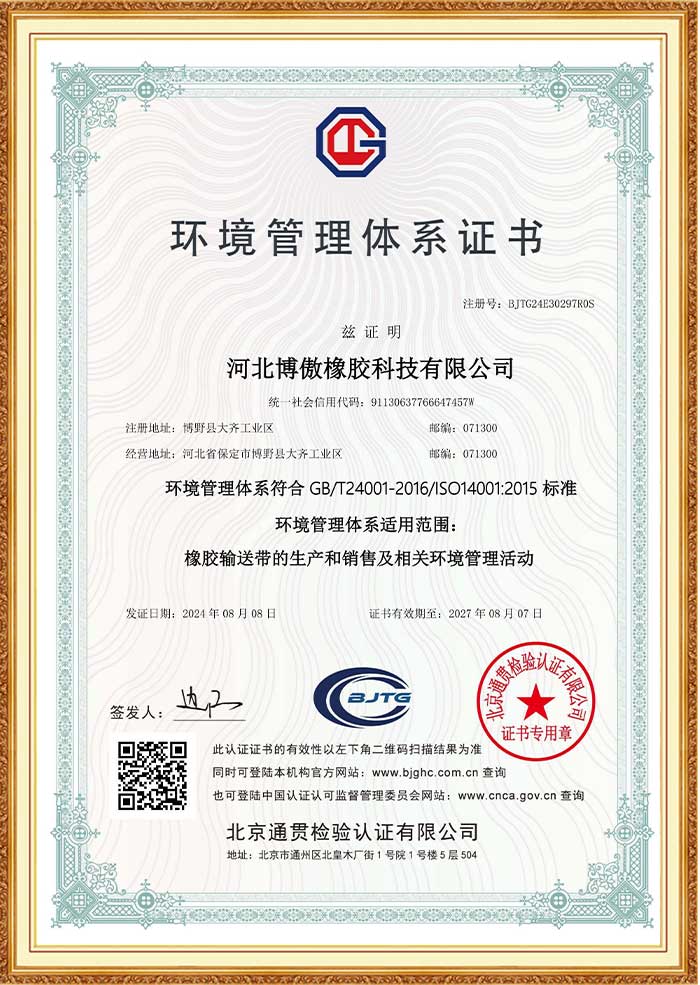
ISO 14001
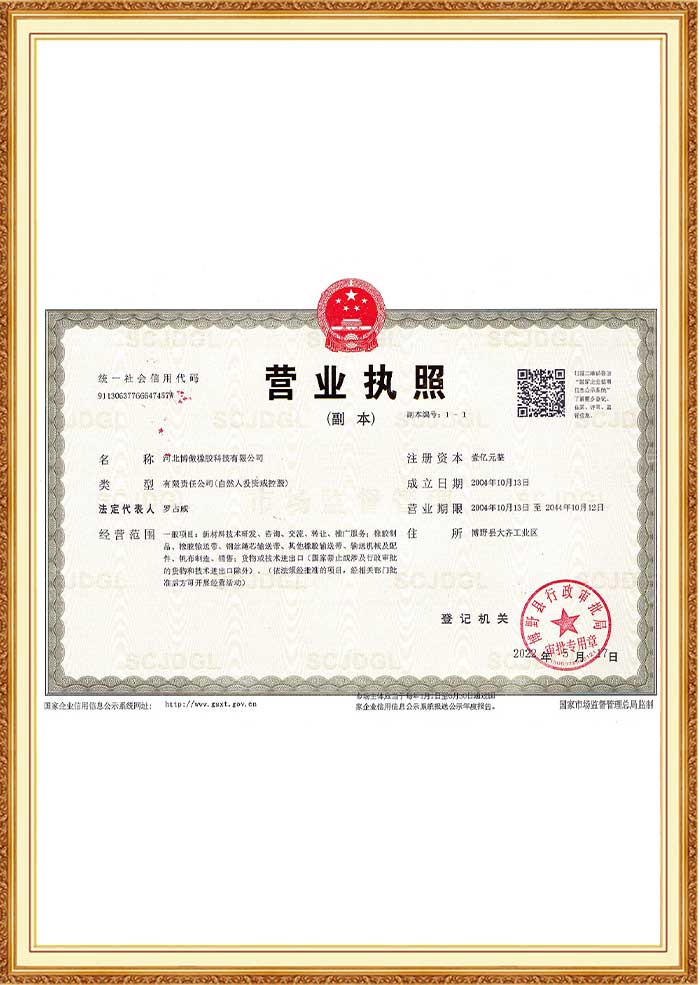
ISO 45001
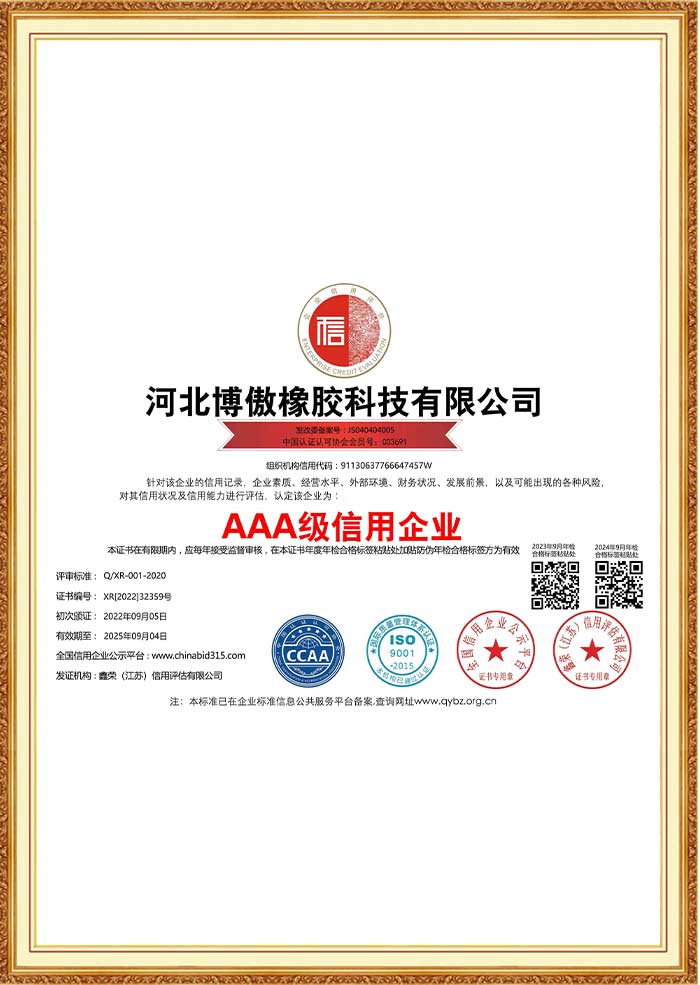
EU Standard CE
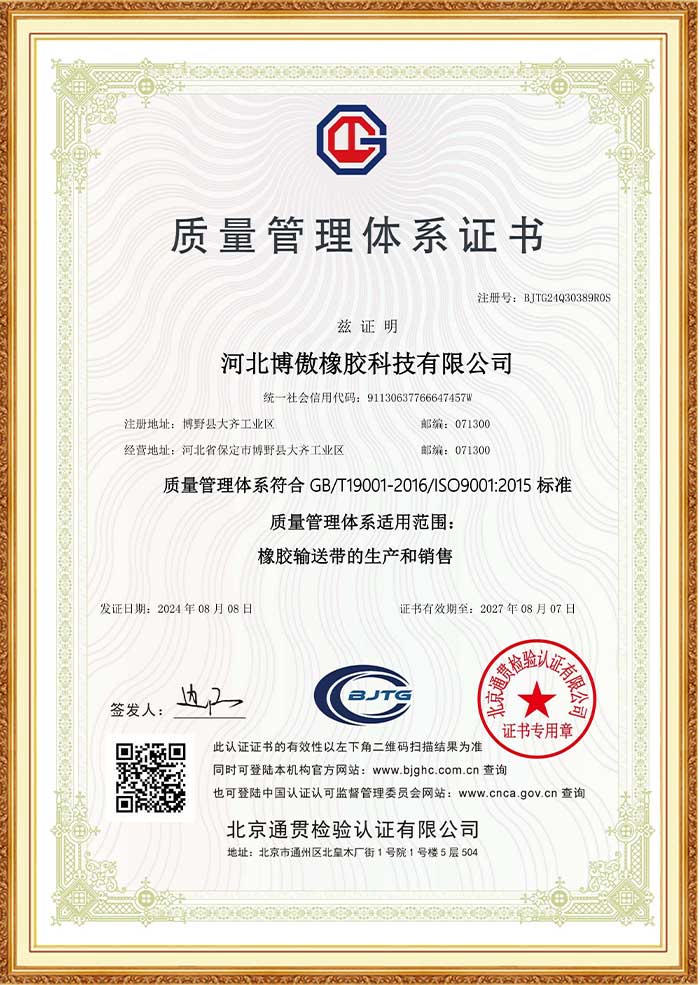
Test Center Approval
Retaining specialized fabrications designed for chemical resilience, extreme sub-zero operation, and high-temp transport.
Heavy duty bulk material handling on deep-level mine shafts and surface quarries requires continuous technological development. Boao Group is actively researching polymer compound chemistry and synthetic textile reinforcing structures to meet these challenges.
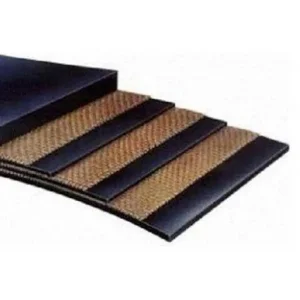
We incorporate high-tensile steel wire ropes positioned in a longitudinal matrix combined with crosswise steel reinforcements to prevent tear propagation caused by large, sharp mineral lumps.
By optimizing the viscoelasticity of the bottom rubber cover, our engineers reduce the indentation rolling resistance when passing over idler rollers. This translates to an energy savings of 10% to 15% across long-distance overland conveyor systems.
Utilizing high-precision digital temperature and pressure instrumentation, our factory guarantees uniform rubber cross-linking density across the entire belt width, eliminating weak spots in the splices.
Our facility designs and manufactures comprehensive conveyor components to deliver turnkey solutions, reducing interface mismatch errors and keeping systems running smoothly.
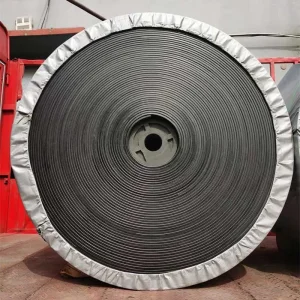
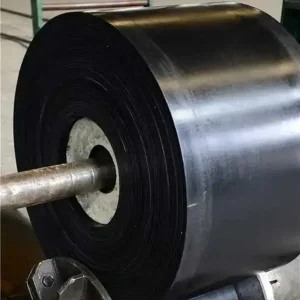
Ordinary conveyor belts (NN, EP, PP), heat-resistant conveyor belts, circular belts, high-temperature resistant conveyor belts, cold resistant conveyor belts, oil and alkali resistant conveyor belts, acid and alkali resistant conveyor belts, rubber waterstop belts, patterned conveyor belts (herringbone, pit), high inclination conveyor belts, wavy edge conveyor belts, etc.
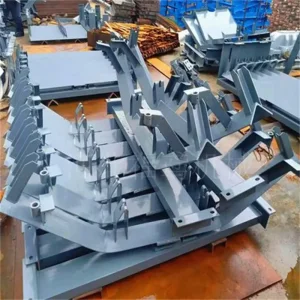
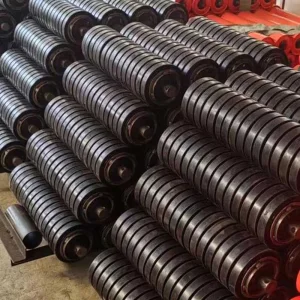
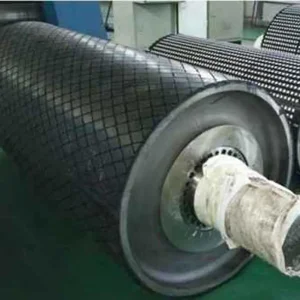
Conveyor supporting products:Roller series accessories, ceramic rollers, buffering rollers, roller groups, blocking edges, rollers, and other roller series accessories, electric rollers, rubber coated rollers, transmission rollers, strong magnetic rollers, brackets, and other accessories, groove brackets, centering brackets, tensioning brackets, lifting ears, etc.
Skip the hassle of sourcing from multiple suppliers – our factory provides your ideal packaging and belting solutions all in one place. We support our European clients with a structured technical service plan to keep high-capacity conveying systems running smoothly.
In the modern industrial landscape, rubber conveyor belts have become the backbone of bulk material transport systems across multiple sectors. From mining operations extracting raw materials from deep underground to port facilities handling millions of tons of cargo annually, heavy-duty rubber belts facilitate the seamless movement of materials that power our global economy. The evolution of these critical components reflects decades of engineering innovation, material science breakthroughs, and an unwavering commitment to operational efficiency and safety.
Our belting systems are deployed across global steelworks, coal groups, and aggregate processing plants.
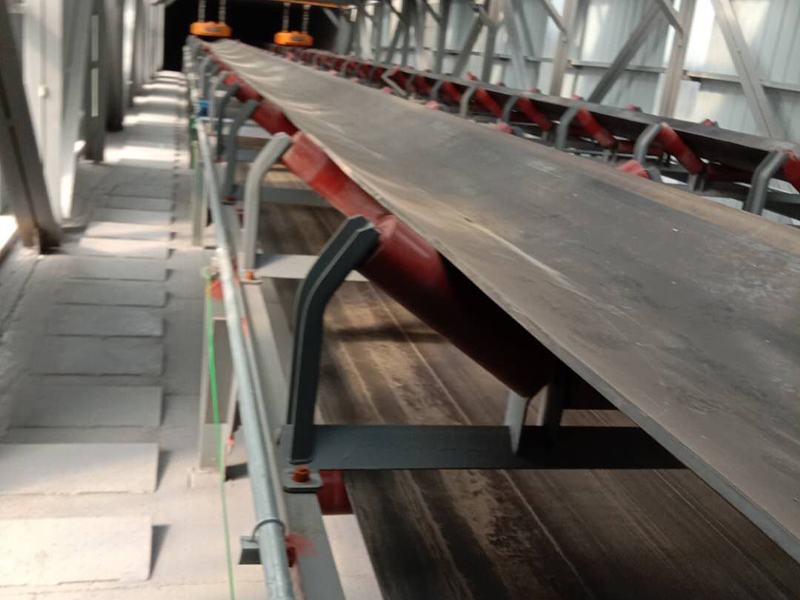
Supplying high-temp and heat-resistant belting systems to transport sintered ore and coke, designed to withstand continuous peak loads.
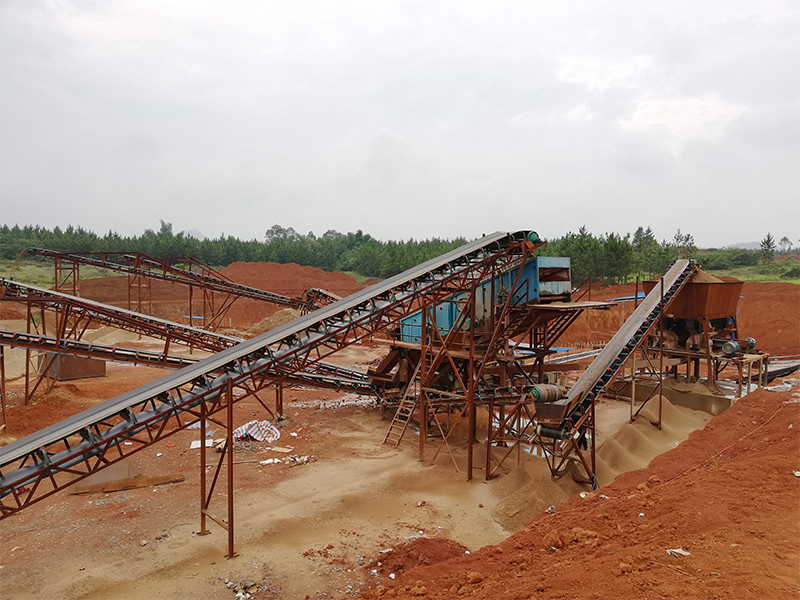
Providing cut and gouge resistant fabric conveyor systems to handle abrasive copper concentrates and raw crushed rock.
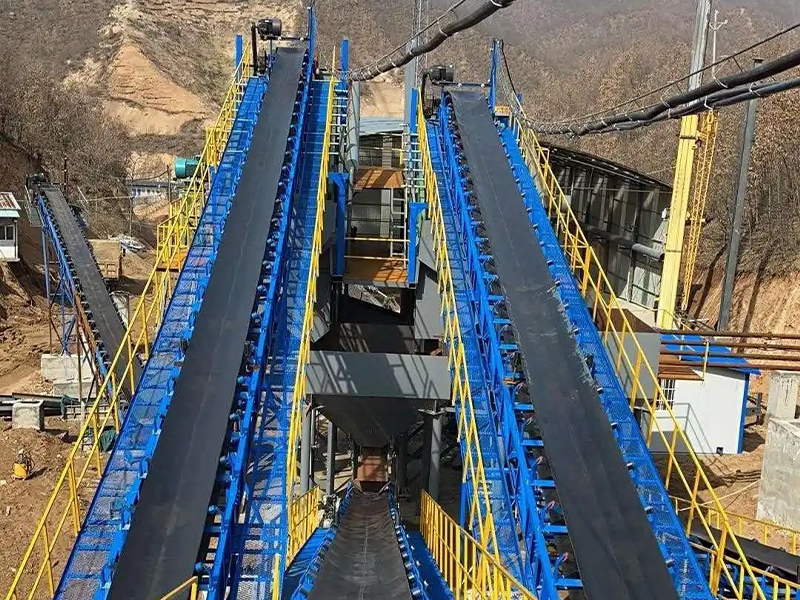
Delivering fire-retardant steel wire rope core conveyor systems to support deep shaft underground operations.
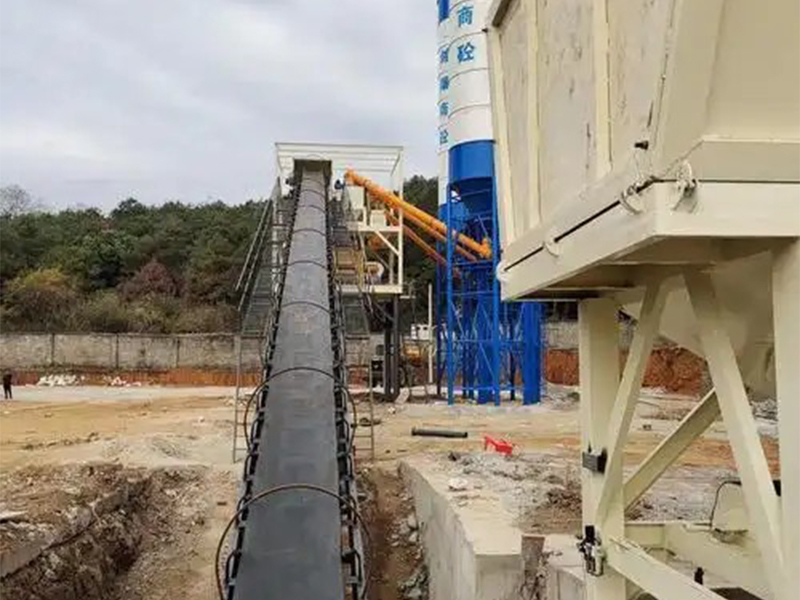
Chevron patterned steep-angle conveyors used in earth-moving operations and concrete mixing terminals.
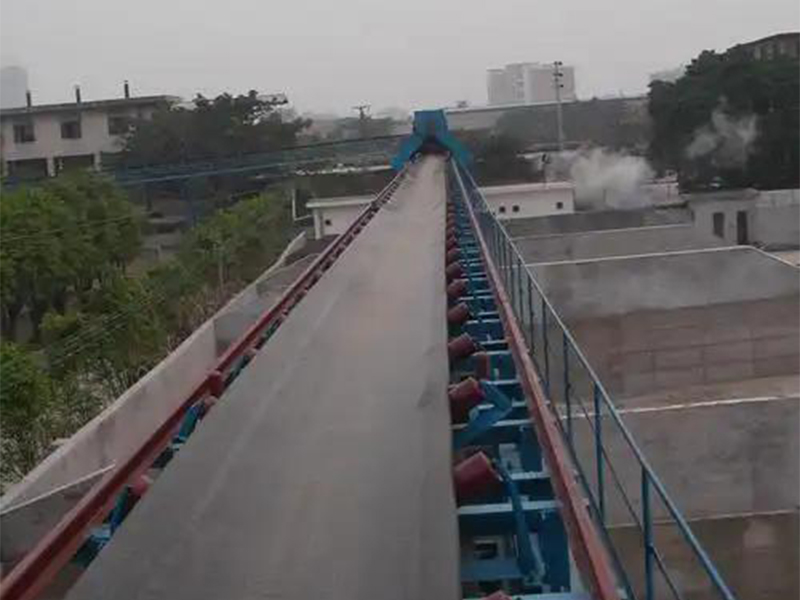
Supplying high-capacity corrugated sidewall conveyor belts for limestone transport, designed to prevent spillage.
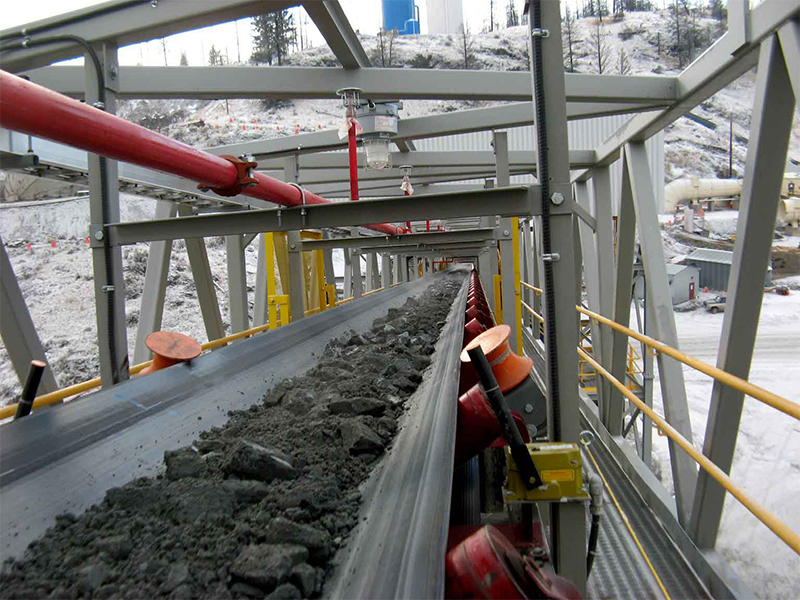
Handling high-throughput bulk coal streams with anti-abrasive synthetic EP belts, maintaining stability under wet winter conditions.
Addressing critical technical queries regarding patterned belting design, compounds, and industrial operations.
Comprehensive component selection including cold-resistant systems, heavy wire ropes, and high-load idler roller units.
Our technical support engineers can assist you in selecting profile patterns, computing tensile limits, and customizing cover compounds for your operating environment.
 Boao Rubber