Explore our flagship products manufactured under strict ISO 9001 and international industrial specifications for mining, steel, logistics, and cement plants.
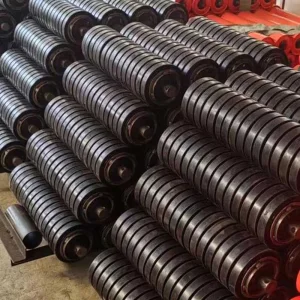
In heavy-duty material transport networks, conveyor idler systems represent the foundational support mechanism, responsible for maintaining belt profile structural integrity, absorbing kinetic energy at transfer points, and reducing total system power consumption. As global industries demand higher throughput and larger conveying distances, selecting the proper conveyor idler types is no longer just a basic procurement decision; it is a critical engineering imperative. Advanced research in bulk solids handling demonstrates that up to 60% of the energy consumed by horizontal conveyor lines is dedicated to overcoming indentation rolling resistance (IRR) caused by the interaction of the conveyor belt and the supporting idler sets.
A poorly manufactured idler increases rotational resistance, accelerates belt shell wear, causes material spillage, and increases carbon emissions. By utilizing state-of-the-art labyrinth sealing systems and high-precision steel tubing, professional manufacturers can significantly lower the runout tolerance (TIR) to less than 0.5mm, extending bearing life past L10 50,000 hours.
Under the Google Search Quality Rater Guidelines, providing professional, detailed insights into raw material compositions, manufacturing standards (such as CEMA, DIN, ISO, and AS), and bearing seal mechanics establishes true industry expertise. Standardized design requirements ensure that idler roll tubes are constructed using carbon steel pipes manufactured to exact tolerances, guaranteeing uniform wall thickness and seamless roundness.
Choosing the correct idler type requires understanding the unique loads, friction variables, and environments of each conveyor section. The table below represents standard idler categories and their critical engineering specifications:
| Conveyor Idler Type | Primary Technical Function | Ideal Application Environment | Key Manufacturing Standard |
|---|---|---|---|
| Troughing Idlers (3-Roll / 5-Roll) | Supports loaded belts, shaping them into a trough to optimize transport capacity. | General mining, coal processing, dry bulk terminals. | CEMA B/C/D/E/F, DIN 22112 |
| Impact / Buffer Idlers | Fitted with high-elasticity rubber rings to absorb raw material drop impact. | Transfer points, hopper feeding zones, heavy rock drops. | ISO 1537, AS 1332 |
| Return Flat / V-Return Idlers | Supports the returning empty belt segment, keeping it flat and aligned. | Under-carriage belt support on standard long-distance conveyors. | DIN 22107, CEMA Standard |
| Self-Aligning / Trainer Idlers | Automatically corrects belt drift to prevent structural frame contact. | Curved paths, variable load systems, long-run conveyors. | Standard mechanical centering configurations |
| Ceramic Wear-Resistant Idlers | Features high-hardness alumina ceramic cladding to prevent abrasive wear. | Coke plants, metal ores, highly corrosive tailing networks. | Custom metallurgical & mechanical standards |
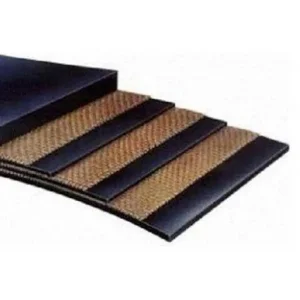
Troughing Idlers: These are positioned on the carrying side of the belt. The angle typically ranges from 20°, 35° to 45°, depending on the surcharge angle of the bulk material. A steeper angle increases carrying capacity but requires highly flexible conveyor belts (such as multi-ply nylon/EP or steel cord belts) to prevent ply separation at the transition zones.
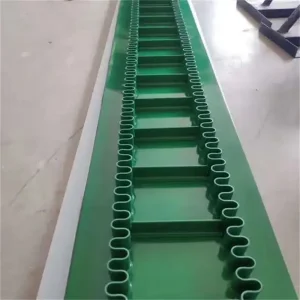
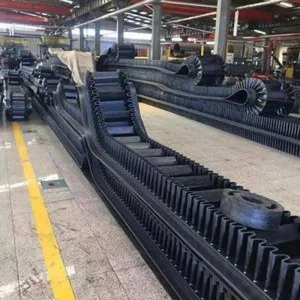
Impact & Buffer Rollers: At feeding points, materials dropping from heights create immense stress on the belt's fabric plies. Our rubber buffer idler rollers are engineered with optimized rubber hardness (typically Shore A 60-65) to distribute impact force, preventing carcass punctures and cord damage. This design operates synergistically with high-inclination wavy edge conveyor belts where load retention is critical.
Garland / Suspended Idlers: In high-capacity mining, garland idlers linked together via flexible joints adapt dynamically to shifting loads, lowering stress concentrations on the conveyor frame and extending structural steel lifetimes.
Environmental conditions profoundly impact the lifecycle of conveyor system components. Localized configurations must account for temperature fluctuations, chemical exposure, and humidity:
In regions such as Northern Canada, Siberia, and Northeast China, standard lubricants solidify and rubber compounds lose elasticity. Our cold-resistant idler packages feature synthetic low-temperature lithium greases designed for -40°C operations, paired with specialized low-temperature seals that prevent dust ingress without increasing drag torque.
Salt spray combined with abrasive iron ore or potash cargo creates a highly corrosive environment. To address this, we supply composite polymer idlers or hot-dip galvanized steel idlers with multiple labyrinth seal rings that block seawater and fine particulates, preventing internal bearing oxidation.
Sintering plants and blast furnace discharge zones subject conveyor rollers to temperatures exceeding 120°C. We design custom high-temperature idler rollers utilizing C3 and C4 clearance bearings, high-temperature fluorine-rubber seals, and heat-resistant grease to prevent thermal seizing.
The convergence of material science, IoT, and AI is transforming bulk material handling. Below is our R&D roadmap for next-generation conveyor idlers.
Developing molecularly engineered rubber compounds for belt covers, paired with low-drag idler seal chambers. This combined system aims to reduce conveyor motor energy consumption by up to 15% on long-distance overland runs.
Integrating wireless vibration, temperature, and speed-sensing chips directly inside the roller axle. When a bearing begins to fail, the node alerts the central control room via LoRaWAN, enabling proactive maintenance before belt fires or failures occur.
Researching lightweight, high-strength composite polymers using recycled materials to replace heavy steel tubes. This reduces rotational inertia, lowers system weight, and assists corporations in meeting Scope 3 carbon emission reduction goals.
A trusted global manufacturer combining advanced production technologies, strict chemical controls, and comprehensive supply chain reliability.
Hebei Boao Rubber Technology Co., Ltd. is located in the Rubber Industrial Park of Boye County, Baoding, Hebei Province. Under our brand "Jinao", we are a professional manufacturer in China that integrates product development, research, design, manufacturing, and business services for conveyor belts and conveyor machinery accessories. Our facility operates multiple advanced production lines for calendering, forming, vulcanization, and rubber testing (from raw materials to finished products).
Our commitment to quality control is supported by an independent chemical analysis room and physics laboratory. This setup ensures real-time monitoring of every stage from raw material procurement to product delivery. We strictly follow a policy where unqualified raw materials do not enter the production line, and products that do not meet standards do not leave the factory.
The Boye Industrial cluster in Hebei Province represents one of the world's most concentrated centers for conveyor belt and component manufacturing. This geographic concentration offers significant advantages to global buyers:
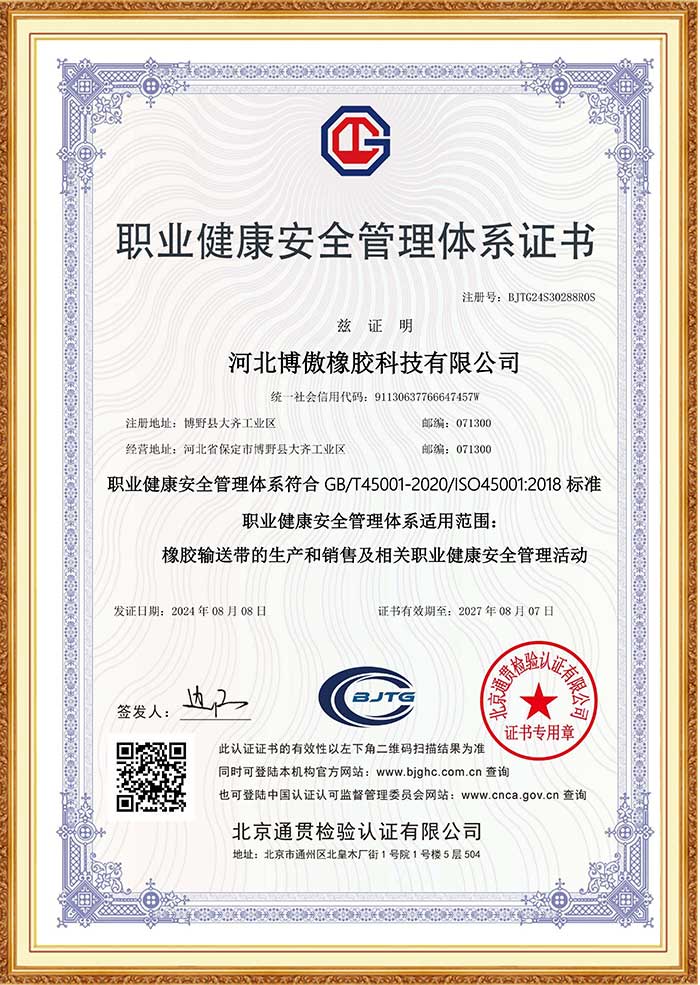
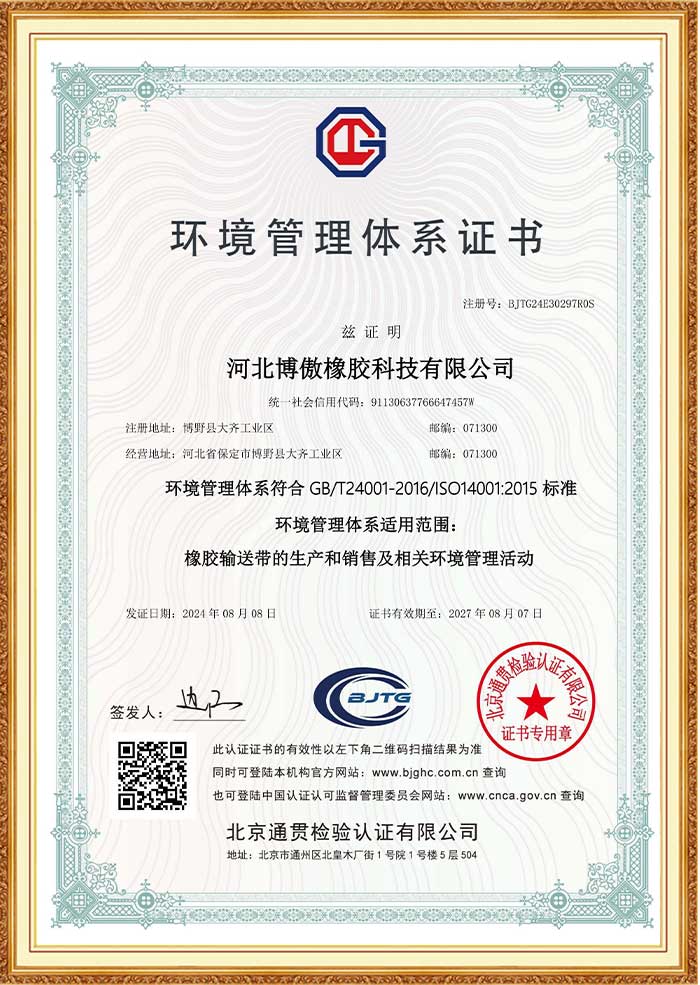
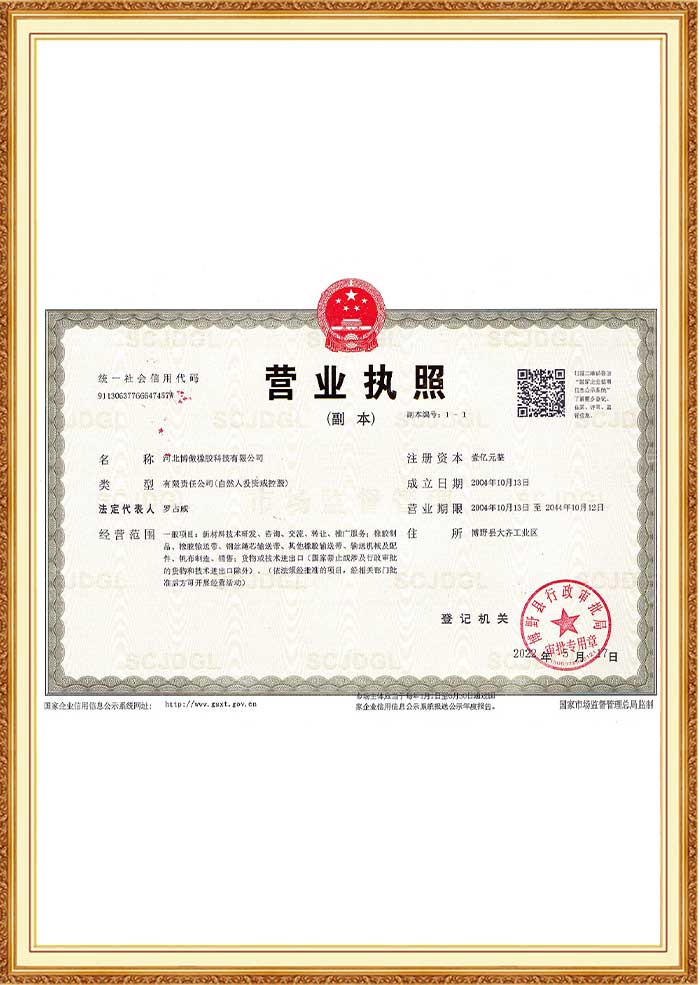
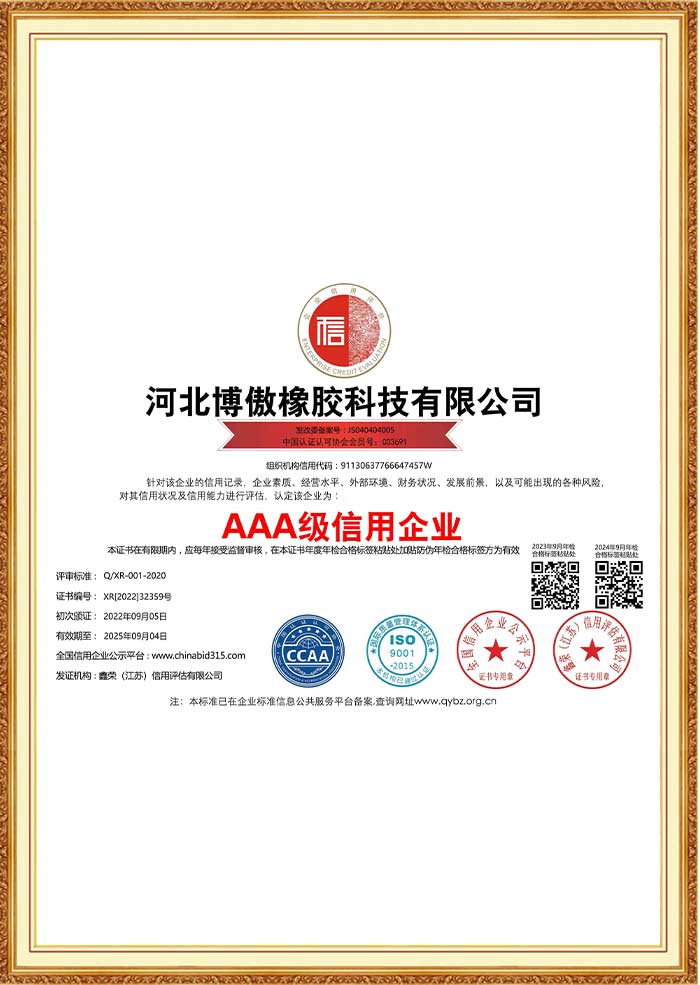
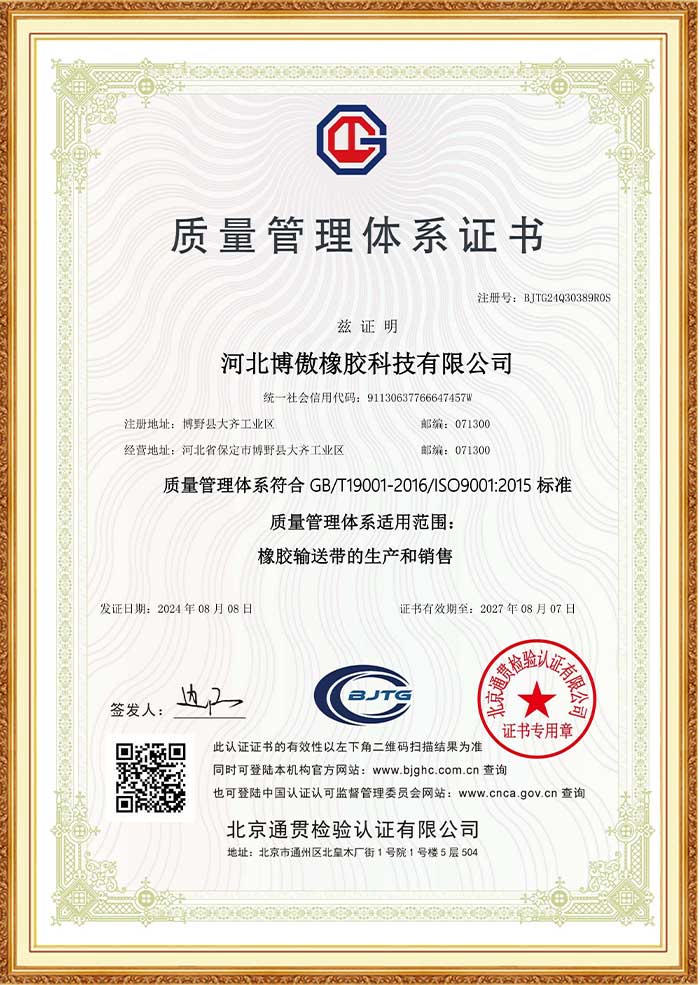
Our quality management systems are certified to meet major international standards, ensuring reliable product performance in critical applications.
In addition to our idler line, we manufacture a wide range of conveyor products designed to work together as complete systems.
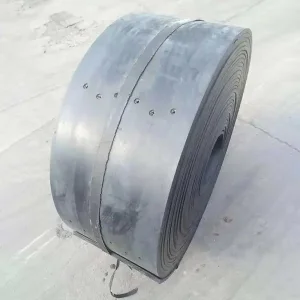
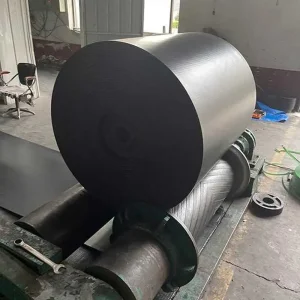
Includes high-strength nylon (NN), polyester (EP), and polypropylene (PP) conveyor belts designed for general industrial and agricultural bulk handling.
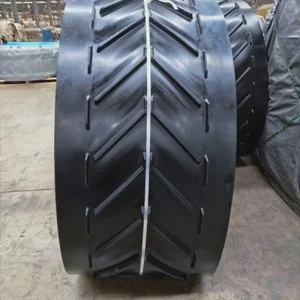
Herringbone, chevron, and custom-molded patterns designed to prevent material rollback on steep inclines up to 40°.
Designed with high tensile strength steel cords to handle high-tonnage transport over long-distance overland runs.
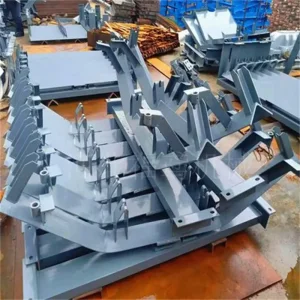
Includes conveyor brackets, pulley lagging, troughing frames, dynamic training systems, and self-cleaning spiral returns.
Our products are used in demanding operational environments, including mining, heavy metallurgy, and power generation.
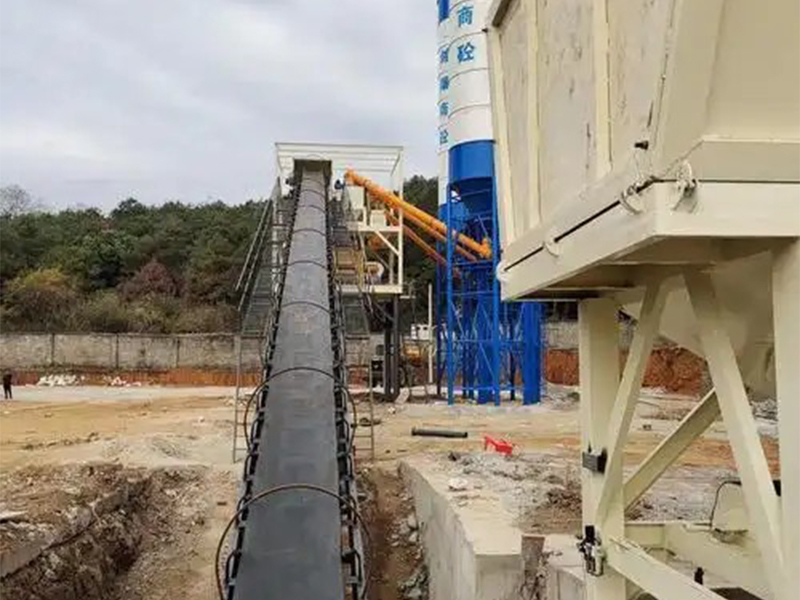
Supplied high-durability Chevron patterned belts and impact roller groups to support continuous aggregate conveying.
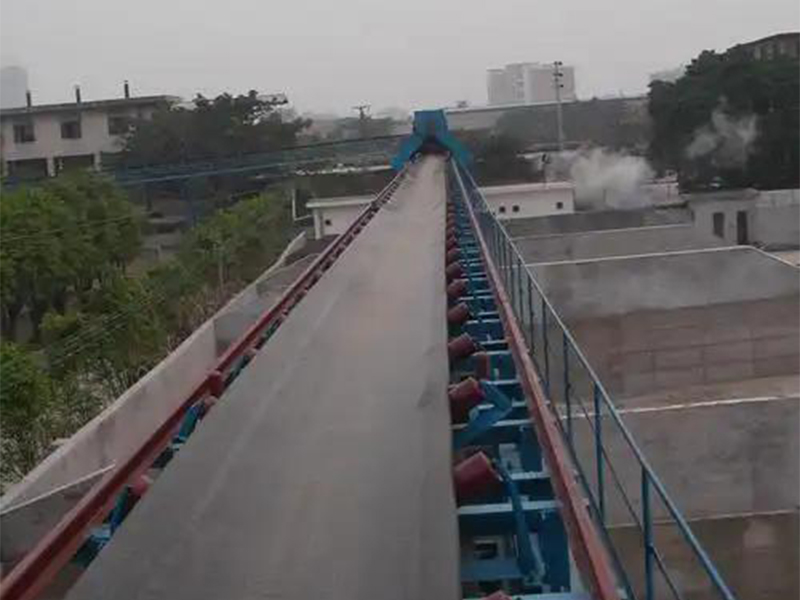
Provided heat-resistant conveyor belts and heavy-duty steel rollers to withstand highly abrasive clinker handling.
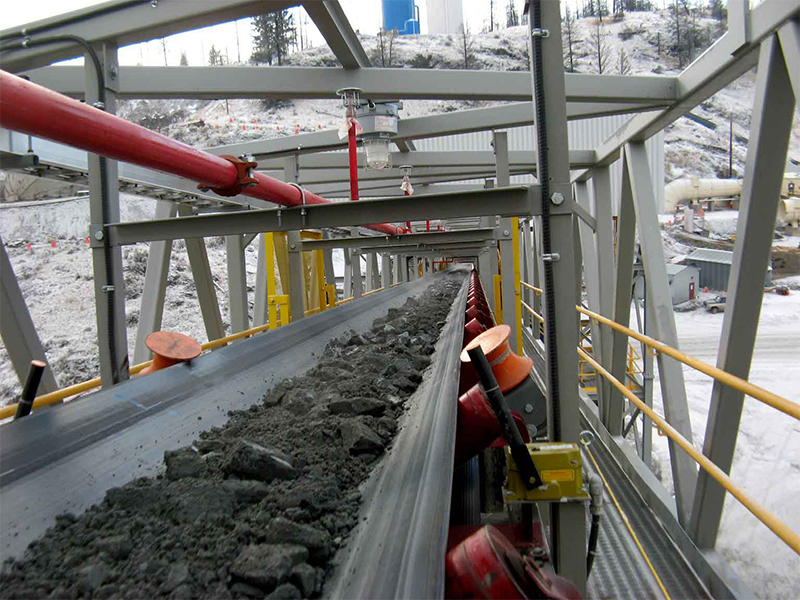
Delivered flame-retardant underground mining belts and explosion-proof idler assemblies to meet strict safety regulations.
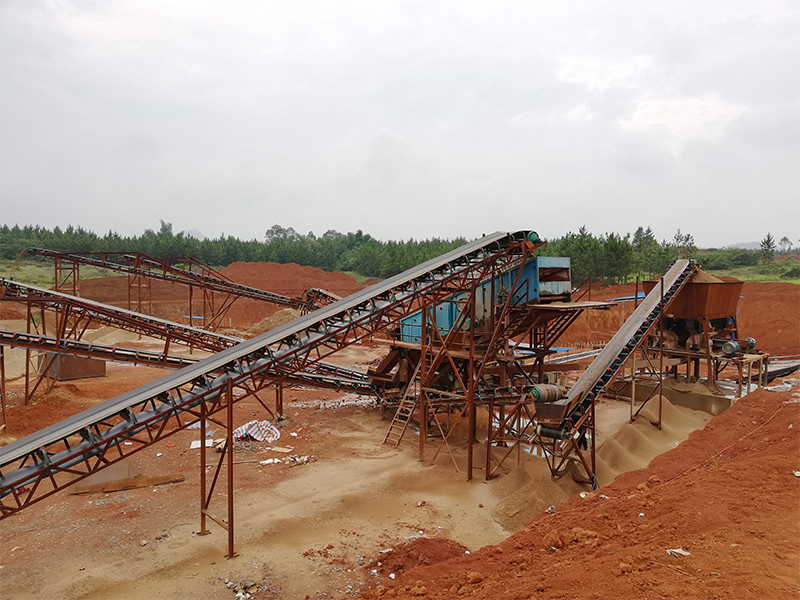
Supported high-volume raw metal ore handling at coastal port smelting operations using corrosion-resistant components.
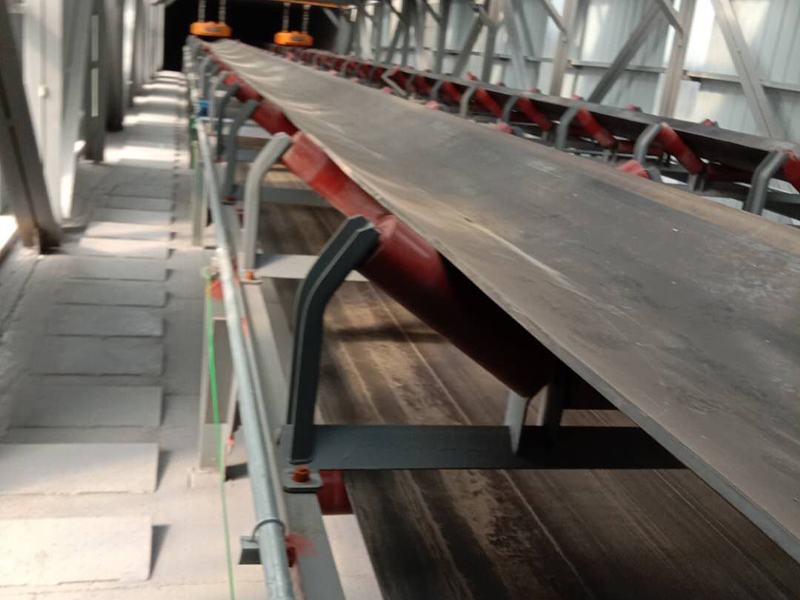
Supplied heat-resistant conveyor lines and matching high-temp roller systems for iron-making facilities.
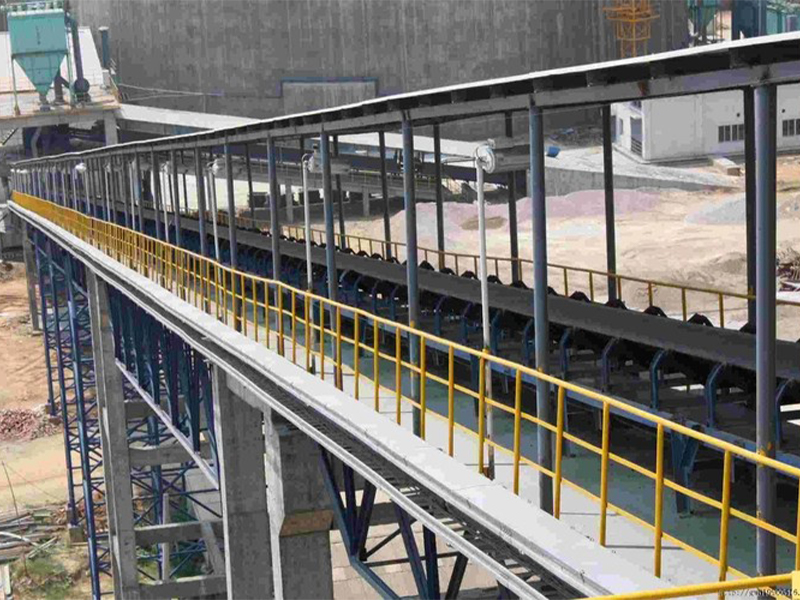
Engineered dynamic self-aligning idler arrays to resolve long-term belt tracking issues on overland conveying lines.
We provide full-lifecycle technical support, from initial design consultation to installation supervision, system optimization, and maintenance:
We analyze materials, drop heights, loading speeds, and structural frames to recommend optimal idler spacings, roll diameters, and bearing models.
Our service teams provide field splicing training, vulcanizing raw materials, and specialized tools to ensure high-strength, reliable belt joins.
We supply replacement conveyor sections and specialized diagnostic tools to minimize unplanned downtime in high-throughput operations.
Common technical questions answered by our engineering and manufacturing teams.
Idler seizing is typically caused by bearing contamination from dust, water, or chemical ingress, which degrades the lubricant. We address this using a multi-stage labyrinth seal filled with lithium grease, which creates a physical barrier against particulates. For high-humidity or coastal environments, we offer stainless steel or non-metallic polymer rollers to prevent internal corrosion.
Larger roll diameters rotate at lower RPMs for the same conveyor speed, which reduces bearing wear and lowers indentation rolling resistance. However, larger rollers increase structural weight and initial cost. We analyze your material weight, conveyor speed, and capacity requirements to recommend the optimal balance between roll diameter and structural requirements.
Under normal operating conditions with regular maintenance, our standard steel idlers are designed to achieve an L10 bearing life of 30,000 to 50,000 hours. For highly abrasive applications, using ceramic-coated shells or specialized polymer rollers can further extend component service life.
Yes. We manufacture components to match major global standards, including CEMA (North America), DIN (Europe), ISO, and AS (Australia). This ensures our replacement idlers can be installed directly into existing conveyor frames without modification.
Complete your material handling system with our certified range of steel wire core, flame retardant, and acid-resistant conveyor solutions.
 Boao Rubber