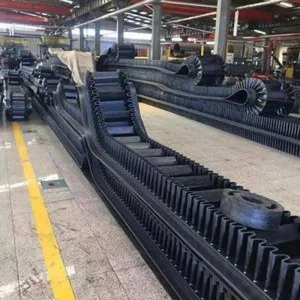
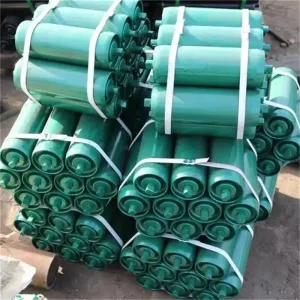
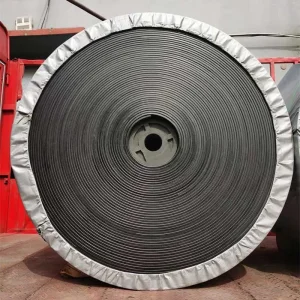
Explore our flagship high-performance industrial conveyor belts and technical parts engineered directly at our modern manufacturing plant. Designed to deliver unparalleled mechanical properties and certified safety records across demanding logistics, mining, and agricultural frameworks.
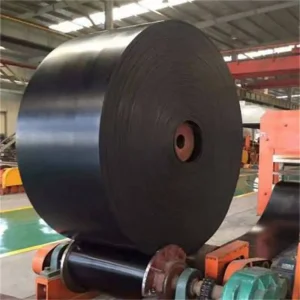
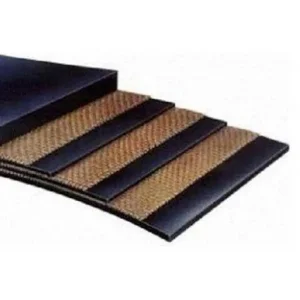
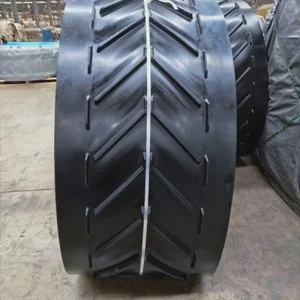
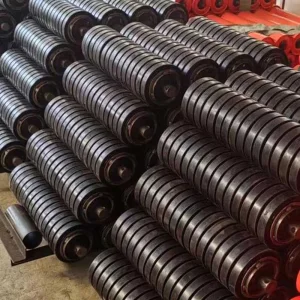
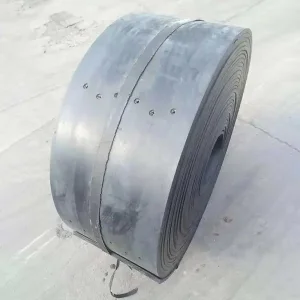
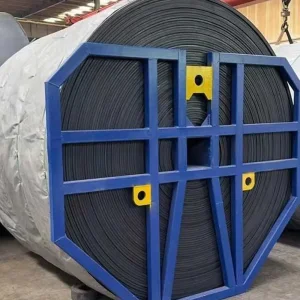
In modern high-capacity material handling, particularly in environments rich in dust, sparks, and flammable vapors, fire hazard mitigation is not just a regulatory check-off; it is a critical component of risk control. Fire Retardant Belts (FR Belts) play a defensive role by minimizing the risks of surface flame propagation and underground smoke toxicity. These belts are specialized tools engineered to self-extinguish when isolated from an ignition source, ensuring that minor friction slips or localized fires do not turn into major structural fires.
The engineering of contemporary rubber belts for heavy-duty bulk material transport has advanced rapidly. From utilizing simple chloroprene compositions, modern manufacturers now leverage multi-layered matrices incorporating ethylene-propylene diene monomer (EPDM), styrene-butadiene rubber (SBR), and highly formulated natural rubber matrices blended with inorganic flame-retardant additives. This guide covers global standards, compound science, manufacturing excellence, and strategic sourcing strategies for key industrial buyers.
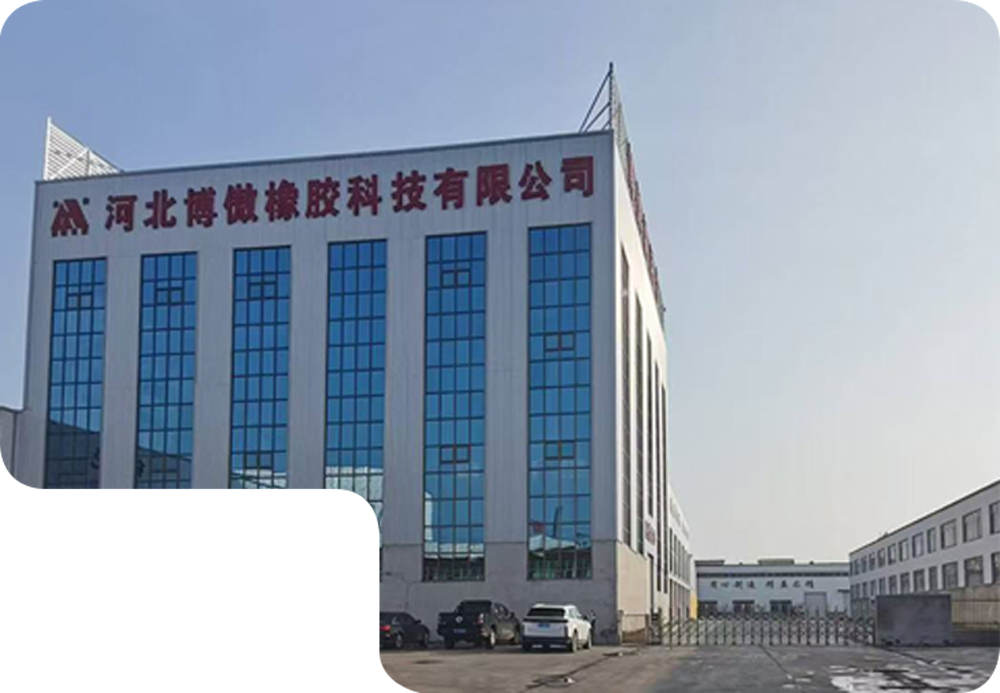
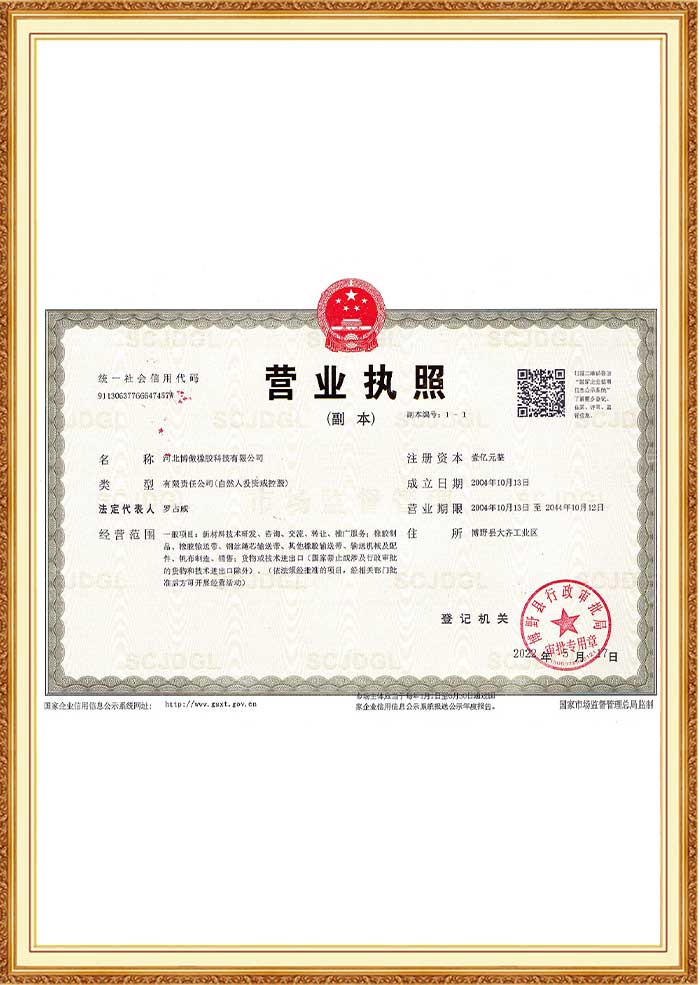
Established in 2004, Hebei Boao Rubber Technology Co., Ltd. has spent over two decades developing high-performance bulk handling solutions. Centered in the Boye County Rubber Industrial Park in Baoding, Hebei, our facility spans more than 30 acres of modern production and testing space. Under our brand name "Jinao", we focus on engineering conveyor belts and supporting accessories like idler rollers, brackets, and pulleys for demanding settings.
Our operation features fully integrated production lines for rolling, vulcanization, and advanced testing. This allows us to maintain strict quality control from raw chemical compound selection to the final spool of steel-reinforced belts. We also operate certified physical laboratories and chemical analysis units to test compound elasticity, heat degradation, and tensile limits under simulated heavy loads.

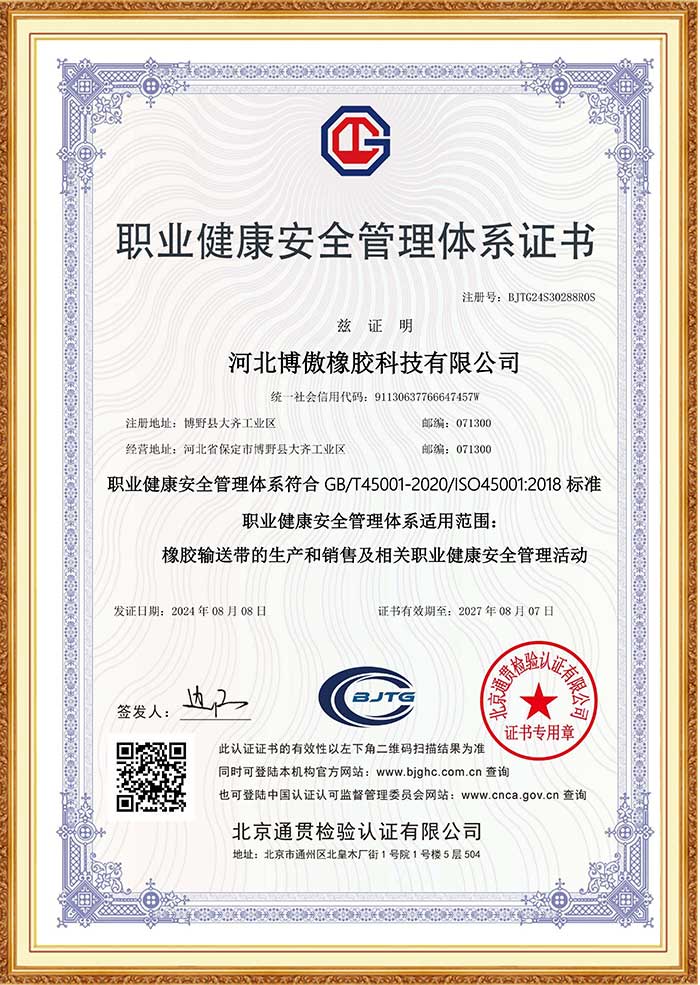
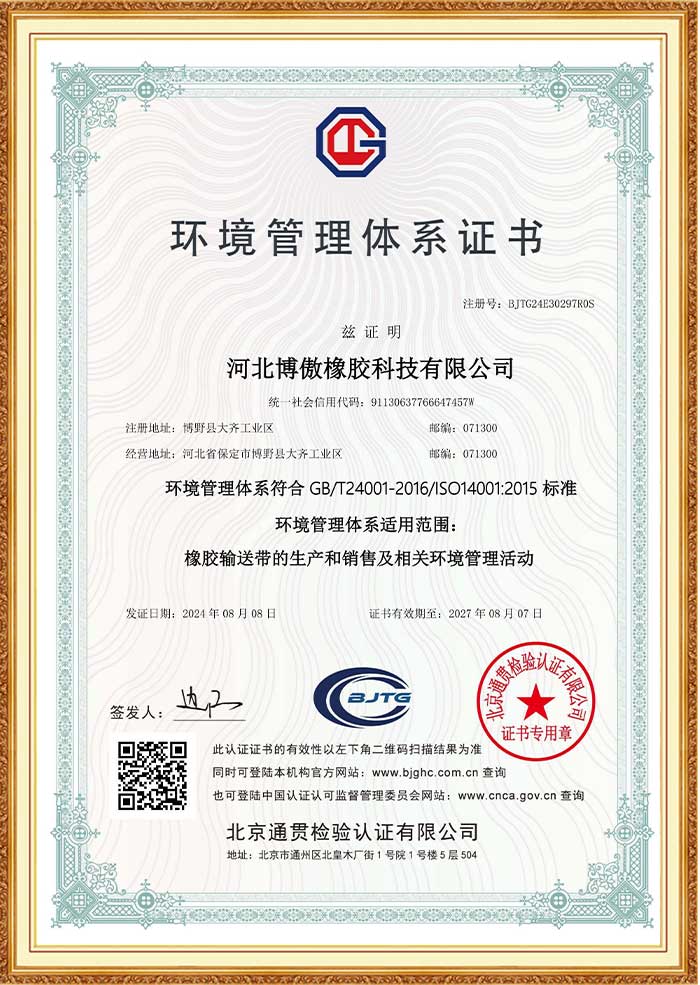
Boao Rubber operates under a simple guideline: unqualified materials do not enter our facilities, and substandard products do not leave them. To back this up, we have established a testing process managed by skilled inspectors and supported by specialized test rigs.
Our dedicated laboratory inspects all incoming materials and carries out physical testing. We assess properties like compound elongation, tensile strength, wear resistance, and self-extinguishing behavior before vulcanization.
We use automated systems and laser metrics during rolling and vulcanization to maintain consistent thickness and cord tension. This step helps prevent structural defects that can lead to belt drift.
Our Jinao brand products are exported worldwide. We supply material handling systems to ports, mining operations, steel manufacturing complexes, and thermal power plants across various regions.
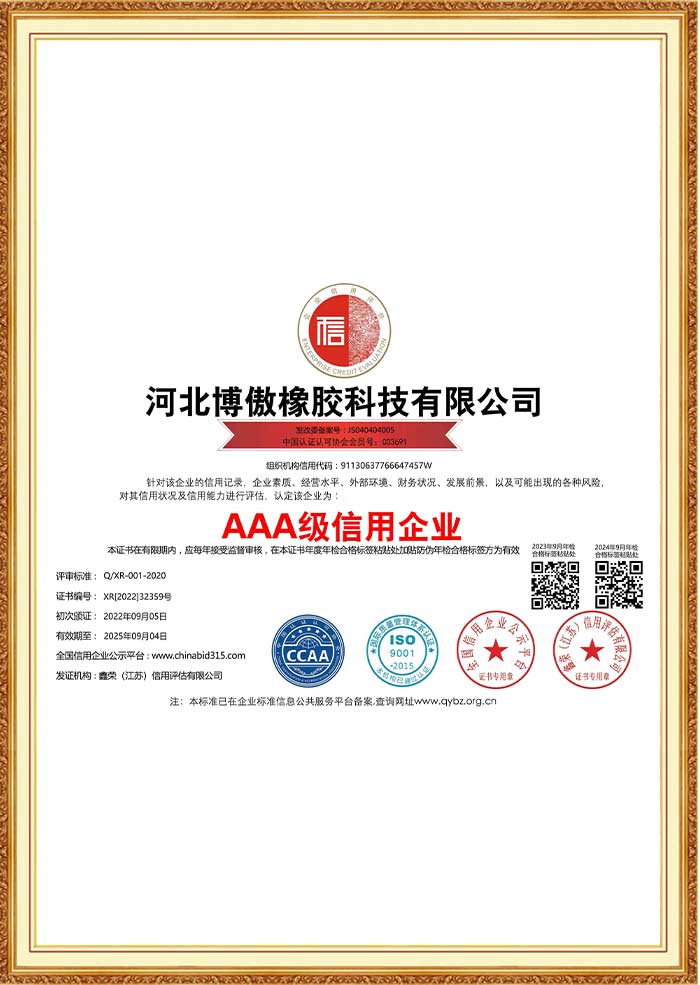
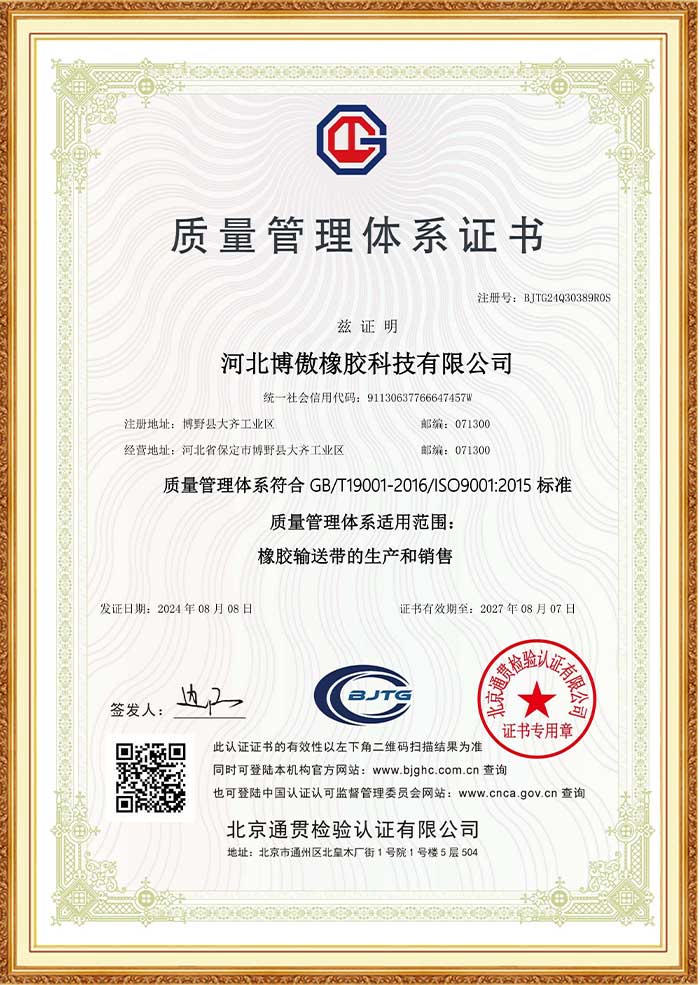
Different heavy industries face unique challenges when it comes to material transport. Our flame-resistant conveyor belts are formulated and built to meet the specific requirements of various sectors:
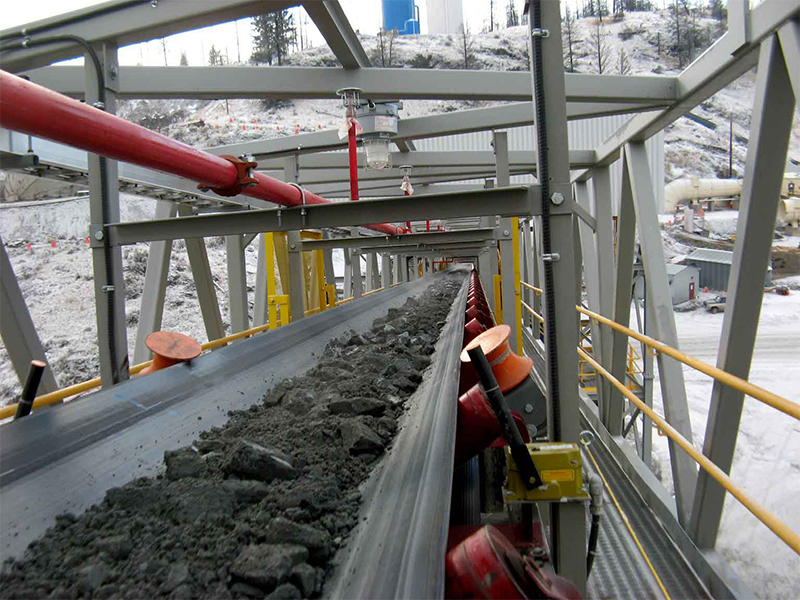
Requires strict compliance with flame-retardant standards (such as ISO 340, MSHA, or national equivalent limits) due to coal dust hazards. These belts are designed to self-extinguish quickly and emit low smoke levels to protect personnel in enclosed tunnels.
Handles materials with temperatures up to 200°C–300°C. Standard rubber can degrade quickly or ignite under these conditions. We use specialized EPDM formulations to combine heat resistance with flame retardancy.
Exposes belts to chemicals that can degrade rubber binders and corrode interior cord reinforcements. Our chemical-resistant and fire-retardant lines use synthetic polymers that resist chemical attack while maintaining their flame-retardant properties.
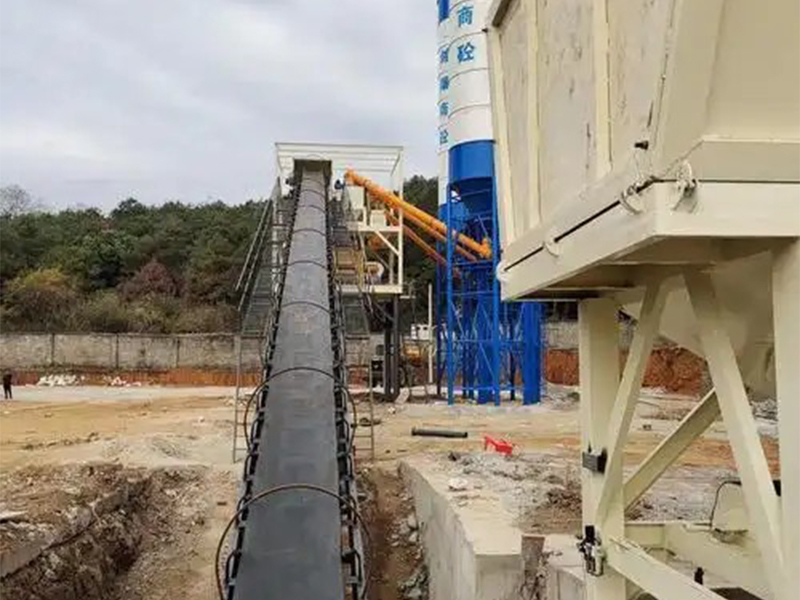
China Railway Group Mixing Plant
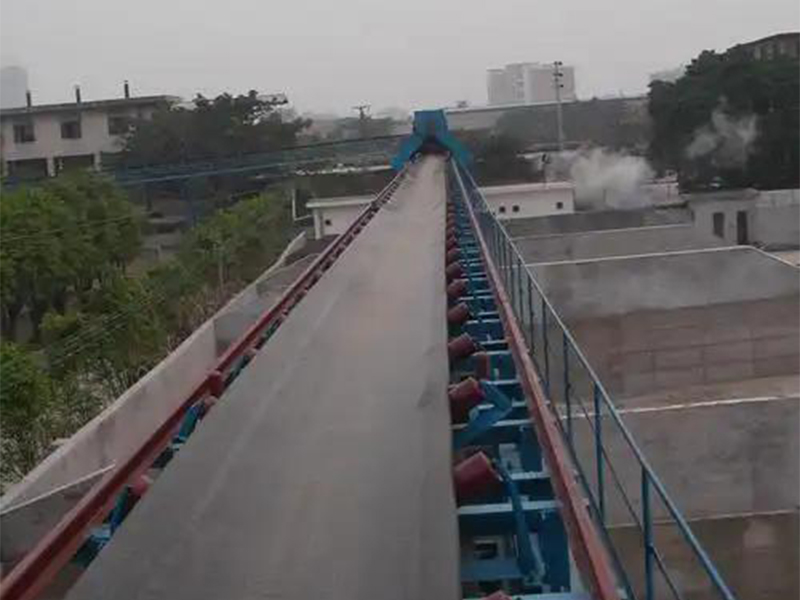
Conch Cement
Datong Coal Group
Tsingshan Group
Sourcing engineers face a complex challenge navigating various national and international standards. A belt designed for surface quarrying in North America might not comply with underground mining rules in Western Europe or Australia. We construct our belts to meet the specific requirements of each target installation:
| Standard | Common Code | Core Application | Test Parameters & Requirements |
|---|---|---|---|
| ISO Standard | ISO 340 | International Standard (Global Mining) | Burn tests on 6 samples with flame source removed. Flame must self-extinguish in < 15 seconds. Total time for 18 tests must not exceed 45 seconds. |
| EN Standard | EN 12882 | European Union (Surface & Underground) | Categories Class 1 through Class 5. Class 5 includes electrical resistance limits and drum friction testing. |
| MSHA Standard | US 30 CFR Part 18 | United States (Underground Mines) | Tests resistance to flame spread under high velocity airflow. Extremely strict requirements for gas emissions. |
| DIN Standard | DIN 22109-2 | German Heavy Industry | Sets standards for flame-retardant properties in textile-ply belts used in underground coal mining. |
A conveyor belt's durability depends on the quality of its rubber covers. Standard formulations often degrade when exposed to heat and friction, which can accelerate wear and expose the inner fabric or steel cords. Our "Jinao" belts feature cover compounds enriched with customized flame retardants like Alumina Trihydrate (ATH) and Chlorinated Paraffins. In the event of a fire, these additives release water vapor and form a protective char layer, cutting off oxygen access to the core. This design helps prevent localized overheating from spreading along the conveyor line.
Industrial conveyor belts are a significant capital investment. Evaluating the total cost of ownership (TCO) requires looking beyond the initial purchase price to consider long-term performance, wear resistance, and maintenance costs.
We analyze transport volume, angle of inclination, material temperatures, chemical exposure, and local fire safety codes to recommend the right belt configuration.
We match the inner ply (Polyamide NN, Polyester-Nylon EP, or Steel Cord) with the appropriate outer rubber cover (such as chemical-resistant, heat-resistant, or flame-retardant compounds).
We provide detailed splicing guides for hot and cold vulcanization to ensure the joint areas maintain the same strength and flame resistance as the rest of the belt.
We help establish maintenance and monitoring schedules to detect and address localized wear before it leads to structural failure or fire risks.
The industrial transport industry is shifting toward automated, smart monitoring systems. Modern operations increasingly rely on real-time data to prevent accidents, minimize downtime, and improve safety.
Future conveyor belts will integrate thin sensor matrices that monitor surface temperatures and alert operators to friction-related hot spots before smoke or ignition occurs.
Adding high-tensile steel sensor loops directly into the rubber cover lets monitoring systems detect rips from sharp debris early, helping prevent long, catastrophic belt tears.
We are researching halogen-free flame retardants (HFFR) that release water vapor and carbon dioxide rather than toxic gases, helping improve environmental safety during a fire.
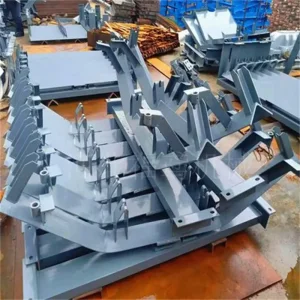
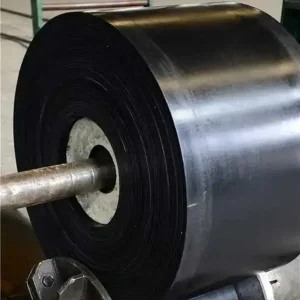
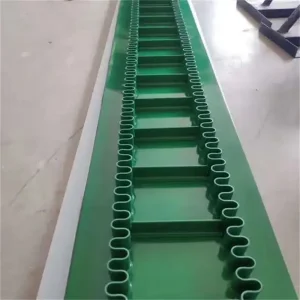
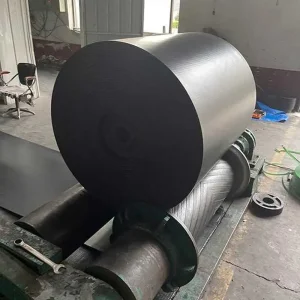
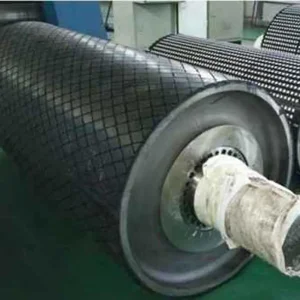
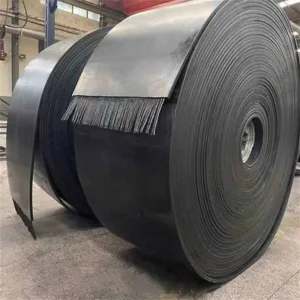
Explore our specialized range of high-performance conveyor belts and custom idler brackets, built to handle heavy material loads in demanding, corrosive, or high-temperature industrial environments.
 Boao Rubber