Advanced bulk material and unit handling products direct from our ISO 9001 certified manufacturing plant.
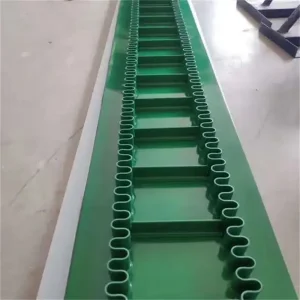
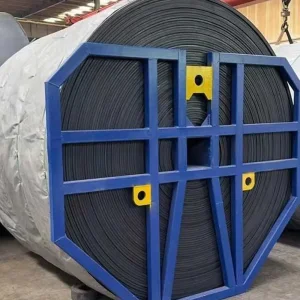
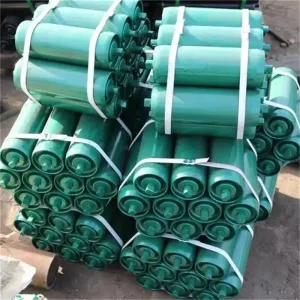
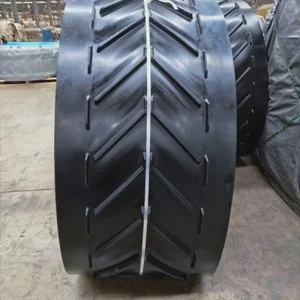
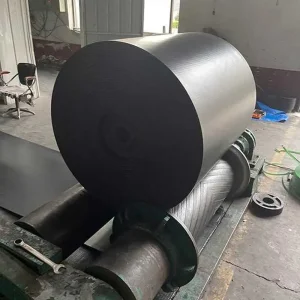
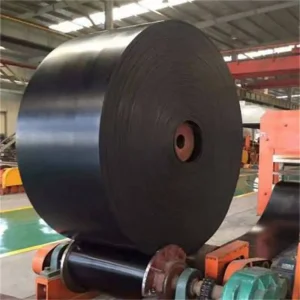
Founded in 2004, Hebei Boao Rubber Technology Co., Ltd. (producing the acclaimed "Jinao" brand) is a premier manufacturing force situated in the heart of the Boye Rubber Industrial Park, Baoding, Hebei Province. Over the last two decades, our factory footprint has expanded beyond 30 acres of advanced industrial property, integrating leading vulcanization tech, rolling, formatting, and high-precision testing apparatus.
We maintain absolute vertical control over our supply chain. Our facilities host multi-stage dynamic calibration lines, advanced chemical laboratories, and specialized physical testing facilities. This enables Boao to guarantee that every endless belt leaving our warehouse adheres to international benchmarks, delivering superior runtime security, optimized load transitions, and low friction indexes.
Ensuring complete quality governance from raw material polymer to field installation and emergency splicing assistance.
Our independent chemical analysis rooms monitor polymer consistency, curing agents, and carcass fabrics from arrival to post-vulcanization cooling, prohibiting unqualified compounds.
Qualified testing professionals utilize modern experimental apparatus, analyzing abrasion parameters, tensile elasticity, and heat aging characteristics before dispatch.
Our extensive distribution networks service ports, steel plants, chemical processing facilities, and bulk logistics terminals across Mainland China and international jurisdictions.
Engineered for high tension levels, extreme heat profiles, vertical angles, and harsh material dynamics.
Integrated loop solutions configured with premium carcasses:
High-performance structural parts ensuring track reliability:
Preventative and corrective site actions to optimize run-time:
In heavy industrial conveyor setups, the splice is historically the primary point of failure. When standard open-ended belting is linked mechanically using metal fasteners or chemically joined on-site via cold adhesives, the splice tensile strength drops to between 50% and 75% of the original belt.
A factory-manufactured endless rubber belt (alternatively known as a jointless conveyor belt) bypasses this operational vulnerability. Built as a continuous, unified carcass loop with no physical termination points, these belts maintain up to 95% of their core tensile strength. This is accomplished by overlapping and vulcanizing the internal reinforcement plies (whether Polyester EP, Nylon NN, or specialized steel cord layouts) within a temperature-controlled vulcanization press during the primary manufacturing phase.
"By eliminating the mechanical discontinuity of a field splice, endless rubber belts minimize cover strip tearing, prevent material leakage at joint seams, and prevent localized thickness variations that trigger belt tracking issues and pulley wear."
For heavy mining lines, cement manufacturing plants, and seaport terminals, installing endless belts guarantees balanced tension across the entire belt width. This uniform tension prevents tracking drift and structural fatigue.
| Parameter Details | Mechanical Splicing | Field Cold Joint Splicing | True Endless Vulcanization |
|---|---|---|---|
| Tensile Strength Retention | 45% - 60% of base carcass | 65% - 75% of base carcass | 90% - 95% of base carcass |
| Thickness Uniformity | Irregular (+3mm to +6mm step) | Slight variations at lap zones | Perfect uniformity (nominal thickness) |
| Operating Temperature Limits | -20°C to +80°C | -30°C to +100°C | -40°C to +200°C (EPDM core up to 400°C) |
| Expected Joint Lifespan | 6 to 12 months | 12 to 24 months | Matches carcass wear limits (3-5+ Years) |
| Pulley Wear Index | High (sparks and abrasive wear) | Moderate (edge peeling) | Negligible (smooth cover transitions) |
The durability of a conveyor belt depends directly on the cover rubber compound and the internal carcass reinforcement. At Hebei Boao Rubber Technology Co., Ltd., our engineering staff formulates distinct polymers depending on the operational environment:
We process raw rubber to optimize performance against heat, cold, ozone, and physical abrasion.
The core structural layer governs stretch characteristics, impact resistance, and fastener-holding strength:
Sourcing industrial-grade conveyor belts from qualified Chinese manufacturers like Hebei Boao Rubber Technology Co., Ltd. offers a balanced blend of material performance, manufacturing speed, and cost efficiency. Boye County's industrial cluster houses advanced supply chains for raw polymers, reinforcing fabrics, and process chemicals, keeping production costs competitive without compromising quality.
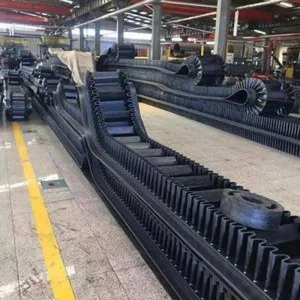
Boao maintains control over chemical compounding and vulcanization. This allows us to customize physical parameters—such as matching custom width profiles from 300mm to 3000mm, adapting specific carcass thicknesses, and integrating custom profile cleats (such as herringbone patterns) directly into the endless loop structure.
To avoid logistics delays and ensure operational compatibility, international procurement managers should verify the following parameters with their Chinese supplier:
Boao’s "Jinao" brand conveyor belts support material handling in heavy mining, cement, and power generation projects.
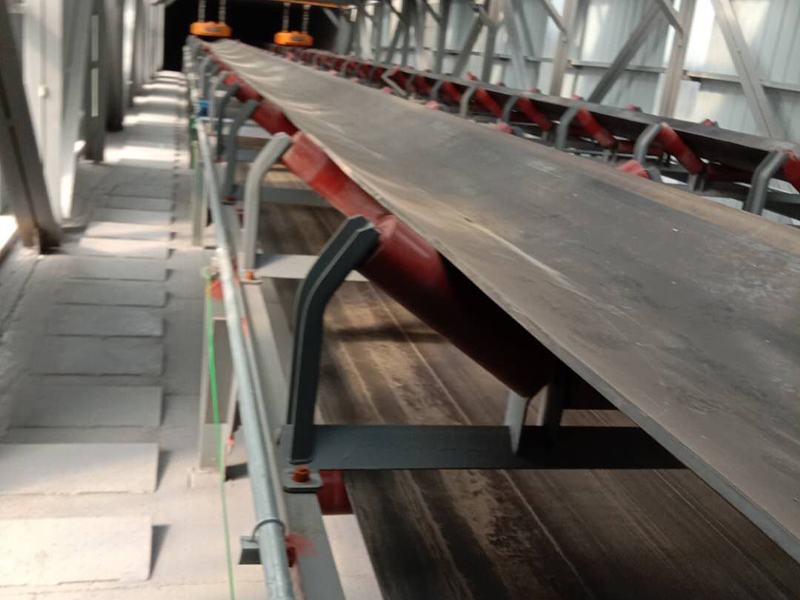
Taihang Steel
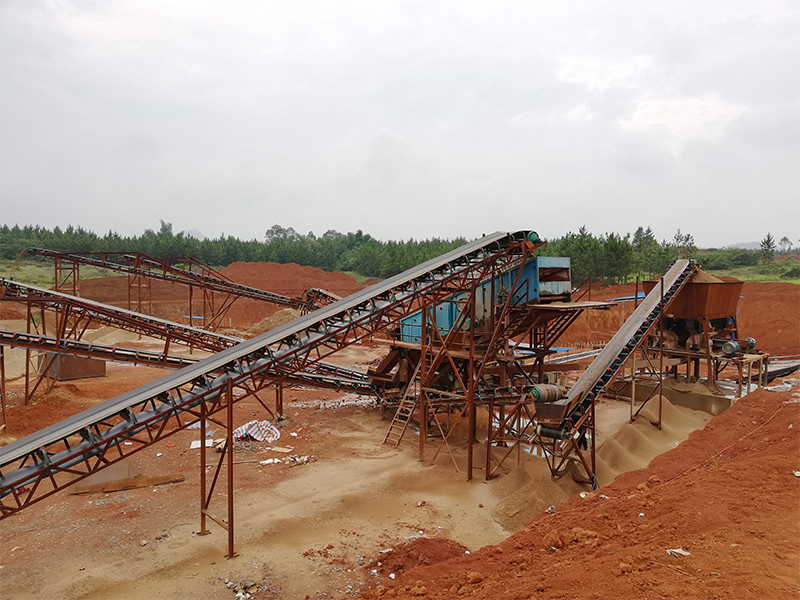
Tsingshan Group
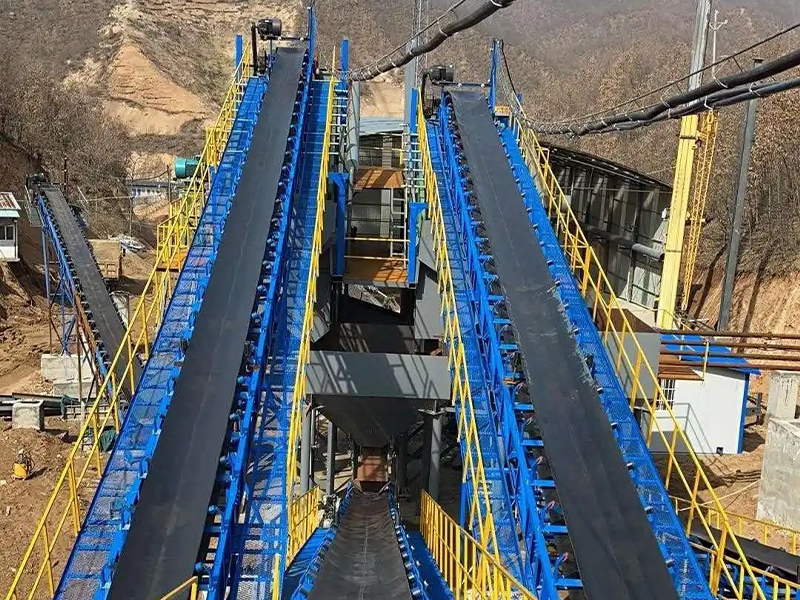
Zijin Mining
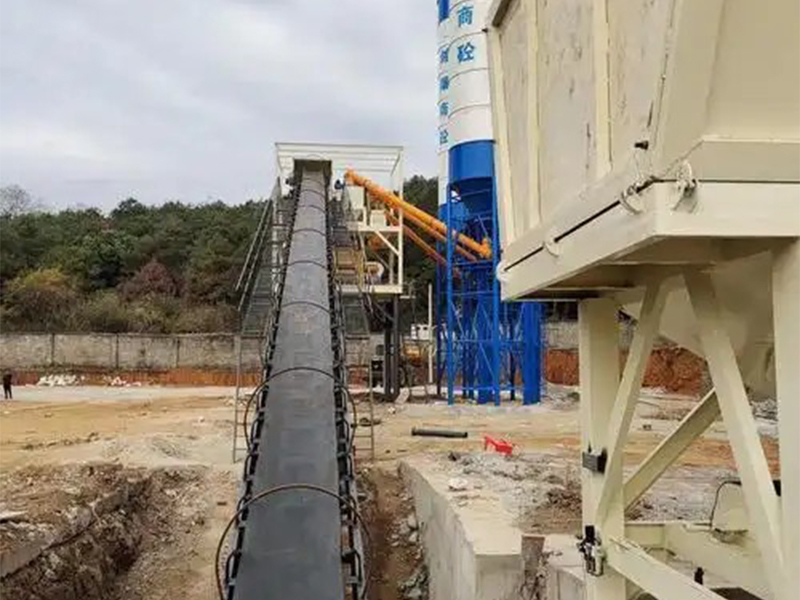
China Railway Group Mixing Plant
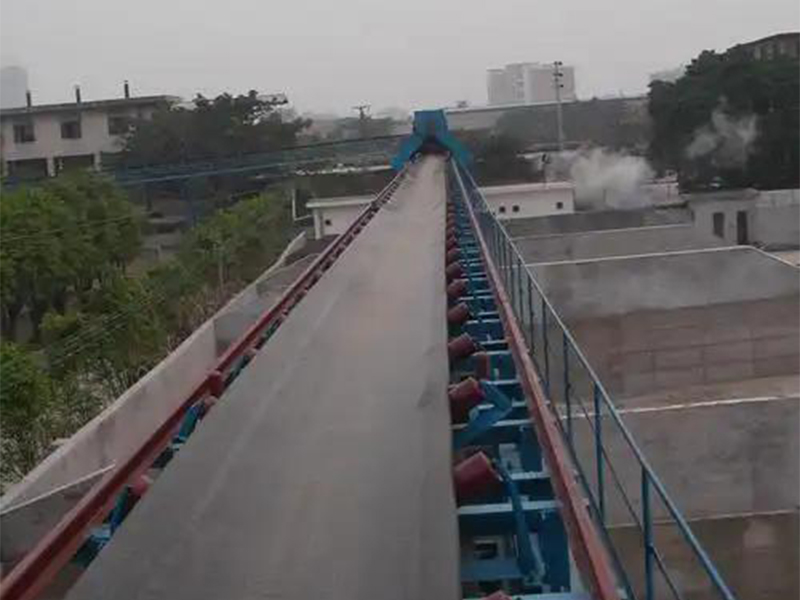
Conch Cement
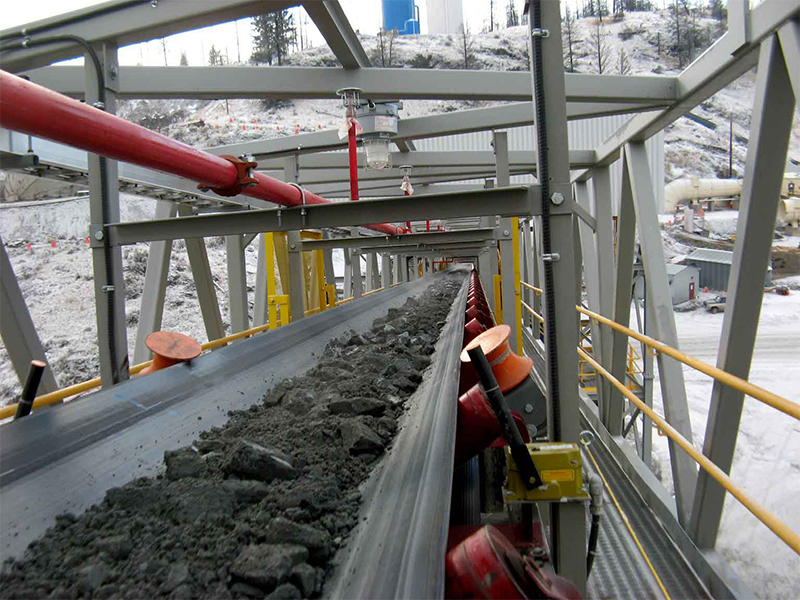
Datong Coal Group
For example, at the Datong Coal Group extraction facility, standard mechanical belt joints suffered premature wear every 4 months due to high-impact shale and underground water acidity. After transitioning to Boao’s custom Nylon (NN) Flame Retardant Endless Belts, joint-related failures were eliminated, extending service lifespans to 18 months and reducing operating maintenance costs.
Similarly, in the high-heat operations of Conch Cement, our EPDM-formulated endless conveyor belts handle clinker transport at temperatures consistently exceeding 180°C. Standard spliced joints quickly dried out and split, whereas our molded jointless covers maintained elastic cohesion and tracking alignment, avoiding unscheduled outages.
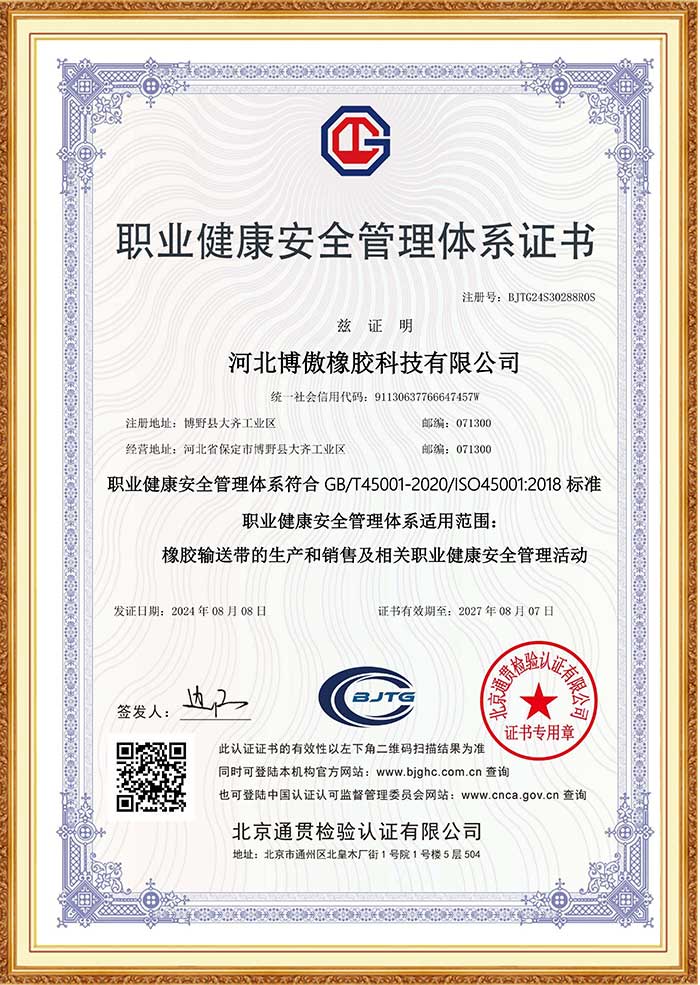
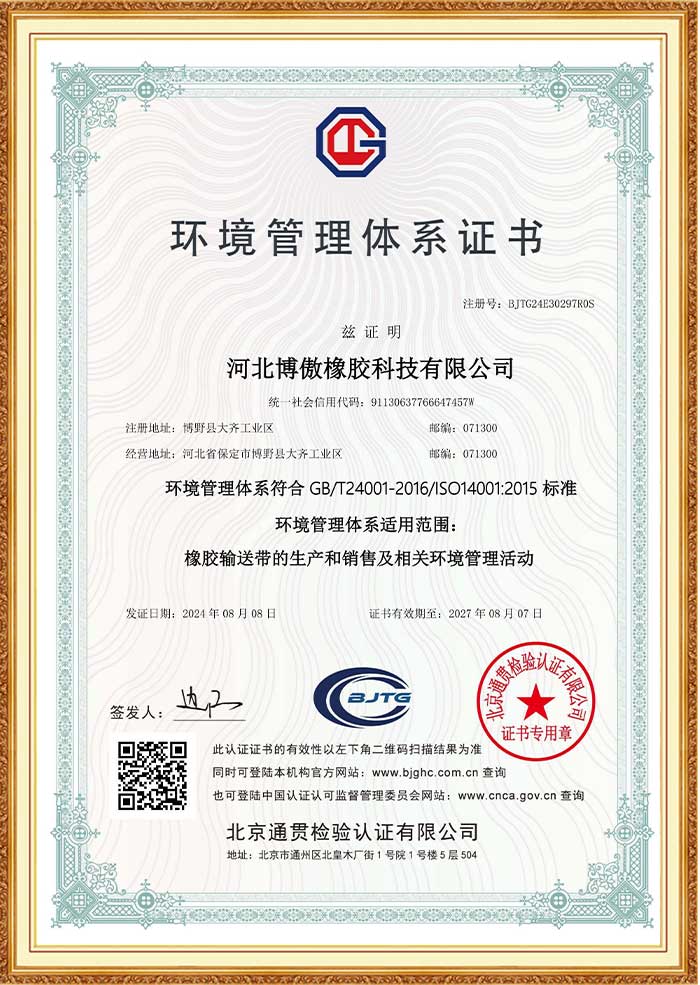
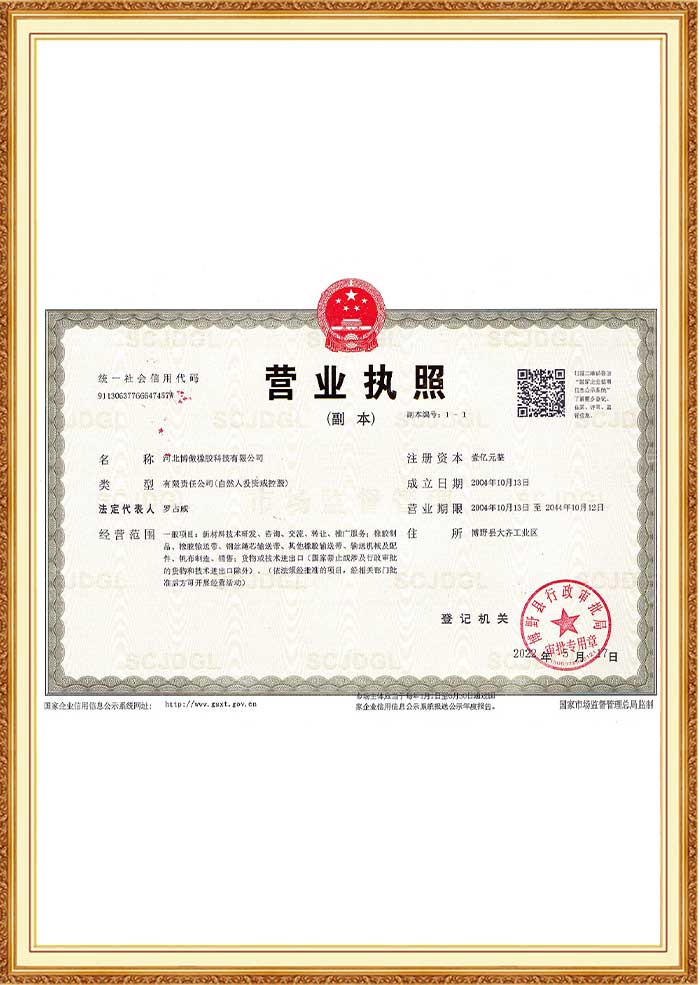
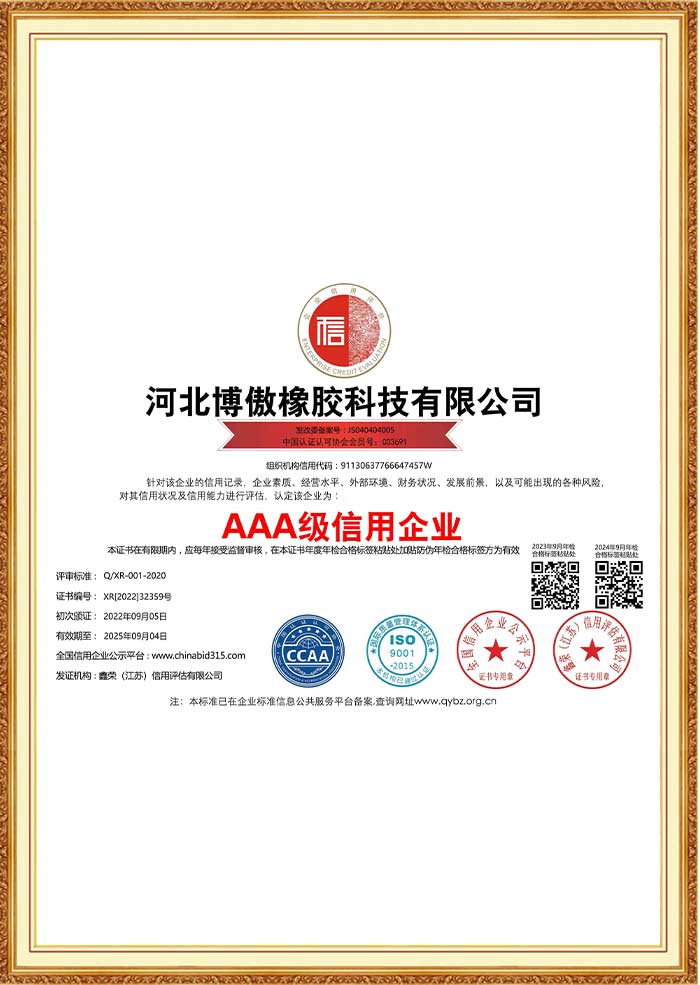
Demonstrating compliance with global quality and regulatory standards through testing and evaluation.
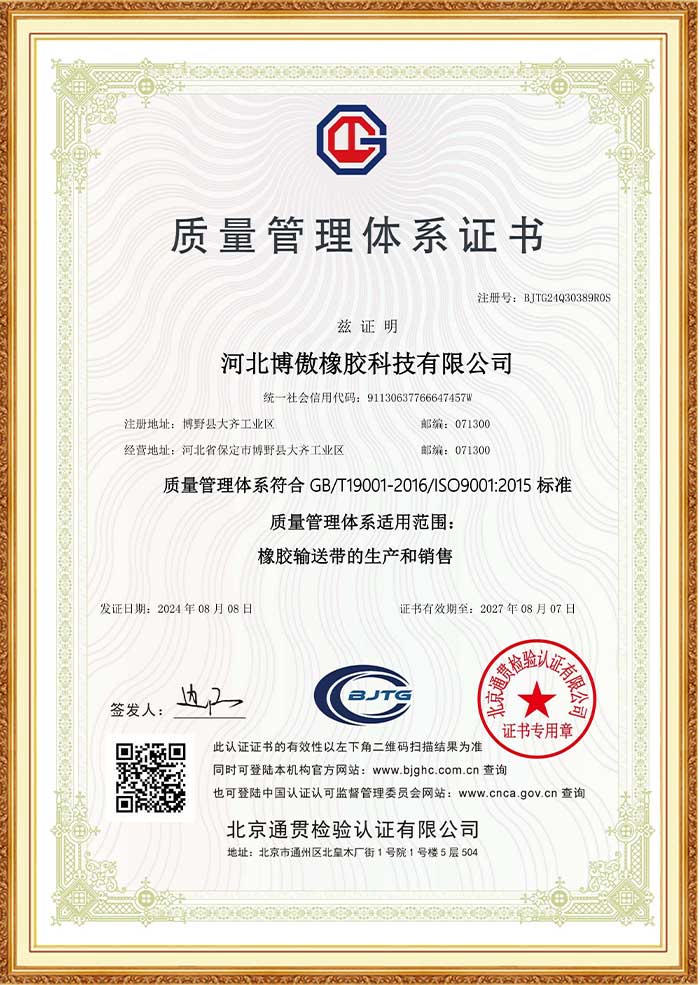
Purchasing a high-performance endless rubber belt is only the initial step. Maximizing the service life of your conveyor system requires structured field support. We coordinate with plant operators to implement a comprehensive lifecycle service program:
We calculate system travel dimensions, verify take-up distances, and monitor the initial tensioning sequence during commissioning to prevent fabric over-stretching.
Through ultrasound inspections and optical cover measurements, our technical staff tracks cover wear over time, preventing deep carcass damage.
If foreign objects tear the belt carcass, our field teams provide hot vulcanizing equipment and patching materials to restore operations.
Our technical service plan aims to reduce conveyor belt wear, minimize energy draw by improving pulley wrap efficiency, and assist plant operators in lowering their overall operating costs.
Answers to common technical and sourcing questions regarding endless rubber belting systems.
Factory-molded endless rubber belts are manufactured in a continuous loop under uniform pressure and temperature in a vulcanizing press. This eliminates the weak point associated with cold-spliced joints, which use chemical adhesives that degrade under tension, moisture, and temperature fluctuations. Factory-molded joints retain up to 95% of the base belt strength.
The length must be measured as the internal perimeter of the belt loop when the take-up pulley is set to its minimum position, plus approximately 30-50% of the take-up travel range. Because endless belts cannot be shortened or re-spliced on site without losing their seamless properties, these dimensions must be verified prior to fabrication.
For high-impact zones, Nylon (NN) carcass belts are generally preferred due to their superior elastic properties, stretch recovery, and impact resistance. For long-distance systems with minimal take-up allowance, Polyester (EP) is preferred because of its lower permanent elongation under high operating loads.
We test EPDM compounds in air-circulated ovens at temperatures up to 200°C for extended periods. We measure retention of tensile strength and elongation at break, as well as change in hardness, to ensure the rubber cover remains flexible and resistant to cracking under high-temperature operating conditions.
Yes, we can mold chevrons, ribs, and other textured profiles directly onto the cover rubber during the vulcanization process. This ensures the profile remains an integral part of the belt cover, avoiding the separation issues common with cold-bonded profiles.
Our conveyor belts are manufactured in compliance with international standards, including DIN 22102 (Germany), ISO (International), AS 1332 (Australia), BS 490 (UK), and GB/T (China) national standards, ensuring compatibility with globally sourced conveying equipment.
Review our specialized range of high-strength transport components and supporting roller configurations.
 Boao Rubber