Explore our engineering-grade heavy duty conveyor belts, roller series and custom components direct from our certified manufacturing facility.
Established in 2004 — Setting the Standard for Industrial Conveying Excellence
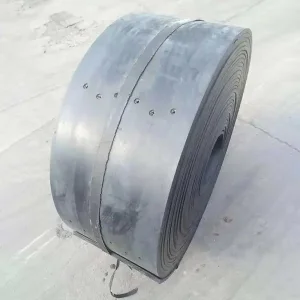
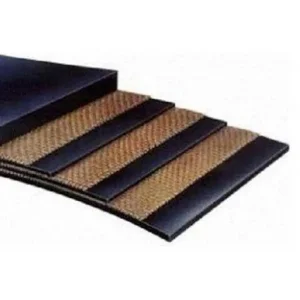
EP conveyor belts utilize polyester (E) as the warp thread to deliver high tensile strength along the longitudinal axis with minimal permanent stretch. The weft consists of polyamide/nylon (P), providing excellent crosswise elasticity, flexibility, and high impact resistance, creating a belt layout with superb troughability and robust tracking characteristics.
Formulated with advanced polymers, the cover rubber acts as the primary defense line. Following DIN 22102 and ISO 10247 standards, our cover compounds are optimized to resist abrasive wear, high heat levels, ozone aging, and severe physical impacts from sharp ores or heavy aggregates.
EP fabric maintains its physical dimensions even under severe moisture variations and temperature spikes. In comparison to conventional NN (Nylon-Nylon) fabrics, EP belts present a dramatically reduced elastic elongation profile (under 1.5% at rated operating tension), reducing take-up system stroke requirements and enhancing overall system efficiency.
In modern industrial applications, rubber conveyor belts serve as the foundational backbone for high-volume bulk material transport. From deep-level underground mining installations processing raw mineral deposits to transshipment ports managing millions of metric tons of dry cargo annually, heavy-duty rubber belts facilitate a continuous flow that drives modern economic activity. The evolution of these engineered composite systems reflects years of progress in polymer chemistry, fabric reinforcement science, and automated manufacturing processes.
Technical reference data for our high-performance EP fabric belt configurations, illustrating tensile ratings, ply designs, and structural metrics.
| Belt Specification Code | Tensile Strength (N/mm) | Carcass Ply Structure | Cover Thickness (Top/Bottom, mm) | Adhesion Strength (N/mm) | Primary Industrial Applications |
|---|---|---|---|---|---|
| EP 300/3 | 300 N/mm | 3 Plies of Polyester/Nylon | 3.0 / 1.5 to 5.0 / 1.5 | ≥ 4.5 N/mm (Ply to Ply) | Sand, Gravel, Wood Chips, Light Aggregates |
| EP 400/3 | 400 N/mm | 3 Plies of Polyester/Nylon | 4.0 / 2.0 to 6.0 / 2.0 | ≥ 4.5 N/mm (Ply to Ply) | Coal Handling, Cement Production, Limestone |
| EP 500/4 | 500 N/mm | 4 Plies of Polyester/Nylon | 5.0 / 2.0 to 8.0 / 2.5 | ≥ 5.0 N/mm (Ply to Ply) | Iron Ore, Hard Rock Mining, Foundries |
| EP 600/4 | 600 N/mm | 4 Plies of Polyester/Nylon | 6.0 / 2.0 to 8.0 / 3.0 | ≥ 5.0 N/mm (Ply to Ply) | Deep Mine Shafts, Port Terminals, High-Load Runs |
| EP 800/5 | 800 N/mm | 5 Plies of Polyester/Nylon | 8.0 / 3.0 to 10.0 / 4.0 | ≥ 5.5 N/mm (Ply to Ply) | Overburden Removal, Heavy Metal Processing, Quarrying |
Manufacturing elite industrial-grade conveyor systems and supporting accessories under the "Jinao" brand.
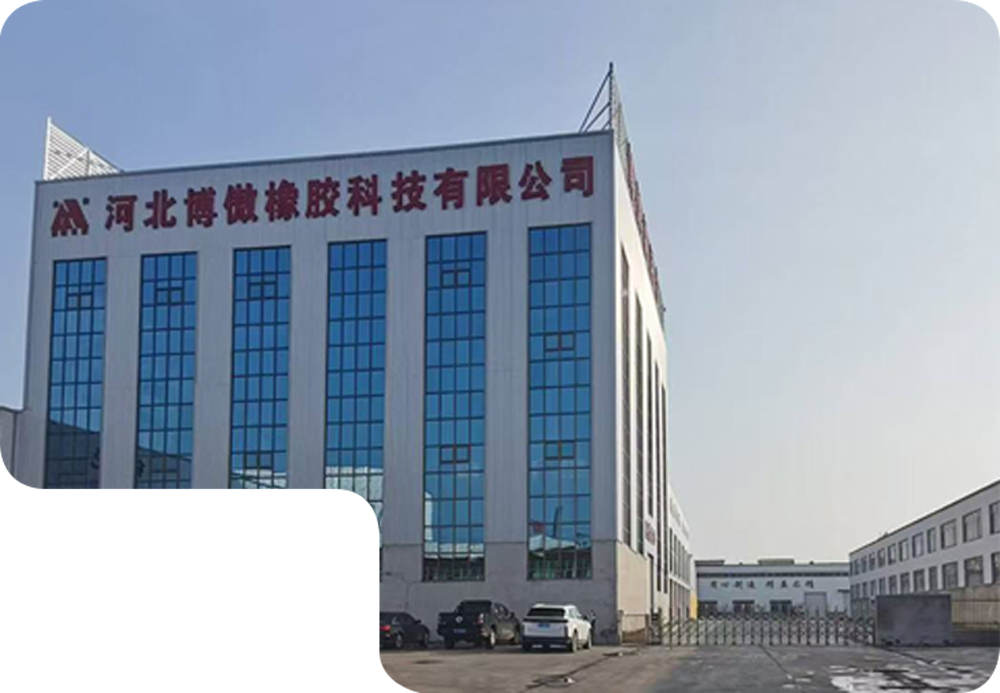
Located in the Rubber Industrial Park of Boye County, Baoding, Hebei Province, Hebei Boao Rubber Technology Co., Ltd. is positioned at the center of China's rubber manufacturing region. Founded in 2004, the enterprise covers an area of over 30 acres, hosting multiple advanced production lines for rubber rolling, forming, vulcanization, and continuous quality inspection.
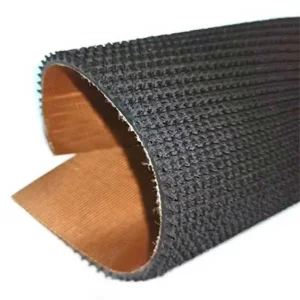
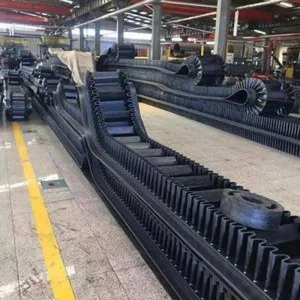
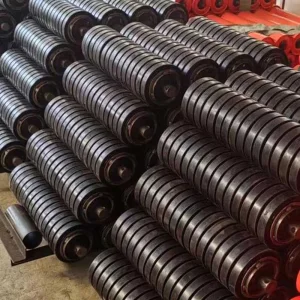
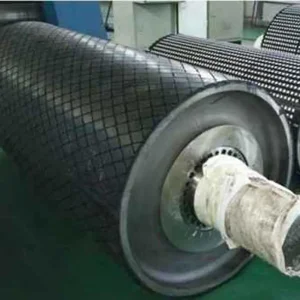
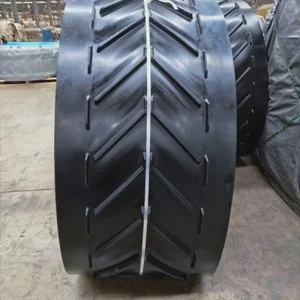
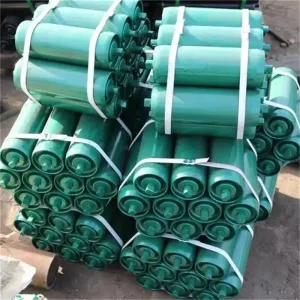
Our flagship "Jinao" brand stands for excellence in dry bulk transport. As an ISO-certified business, we specialize in high-strength multi-ply conveyor belts (NN, EP, PP), heat-resistant systems, oil/acid/alkali resistant models, patterned belts, high-inclination wavy edge conveyor belts, and supporting conveyor components (trough idlers, impact rollers, brackets, and pulleys).
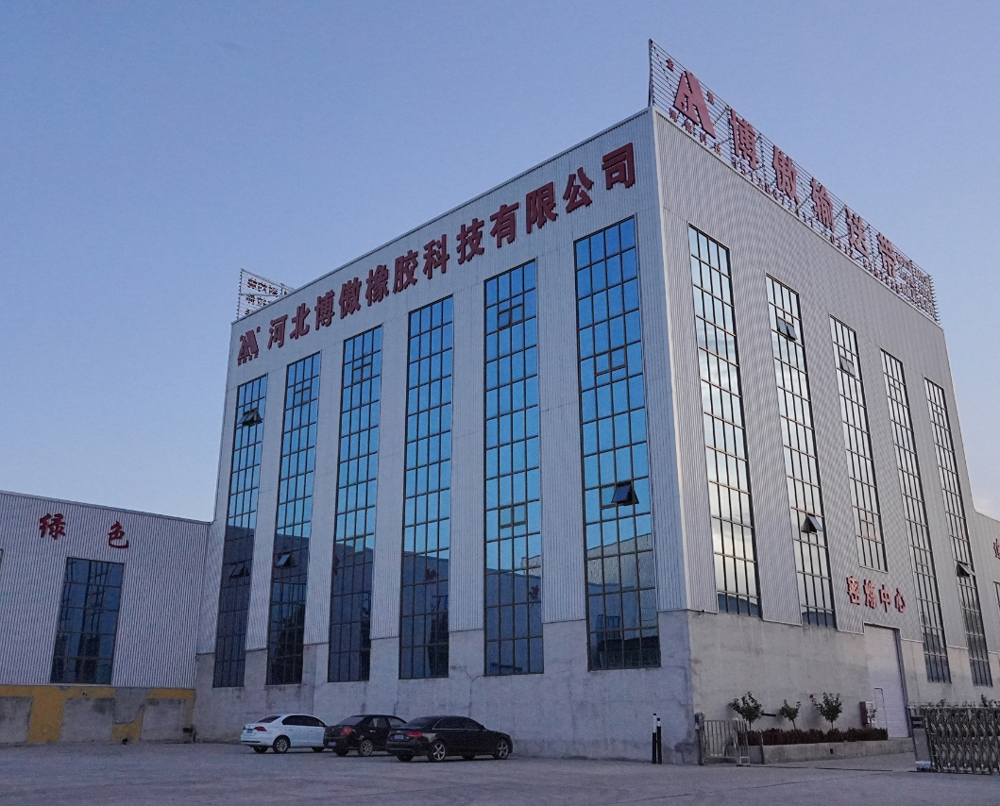
Our on-site physical and chemical testing laboratory ensures raw materials meet strict international metrics.





A comprehensive study of material mechanics, regional application profiles, supply chain resilience, and the next-generation technological roadmap.
Polyester-Polyamide (EP) fabric belts are utilized across diverse industrial applications because of their resilience to mechanical stress and atmospheric factors:
China's industrial clusters, particularly in the Baoding Boye rubber manufacturing zone, provide distinct supply chain advantages. Our integration of critical stages yields high efficiency and quality control:
The concentration of raw material processors, RFL-dip fabric weavers, and specialized equipment builders within one region minimizes logistical delays. This setup enables swift adaptation of compound formulas for custom requirements, such as anti-static, flame-retardant, or cold-resistant belts. Utilizing heavy-duty multi-plate vulcanizing presses up to 3200mm wide allows for continuous processing, ensuring uniform tension across the entire belt length.
Our product lineup is divided into two primary categories to meet diverse bulk material handling needs:
The bulk material handling sector is evolving toward increased automation, energy conservation, and smart monitoring. Our technical roadmap focuses on three main developments:
Developed with specialized bottom cover compounds to minimize indent deformation over idler sets, reducing conveyor motor energy usage by 10% to 15% on long-distance systems.
Integrating RFID chips and high-frequency sensor elements directly into the EP ply matrix. This setup allows for continuous tracking of belt wear, temperature spikes, and alignment errors, helping to prevent costly unscheduled downtime.
Researching bio-based polymers and recycled polyester reinforcement cords. This initiative aims to lower the carbon footprint of rubber belting without compromising raw tensile strength or wear life.
Maximizing the service life of an EP belt requires proper installation, precise splicing, and regular preventive maintenance:
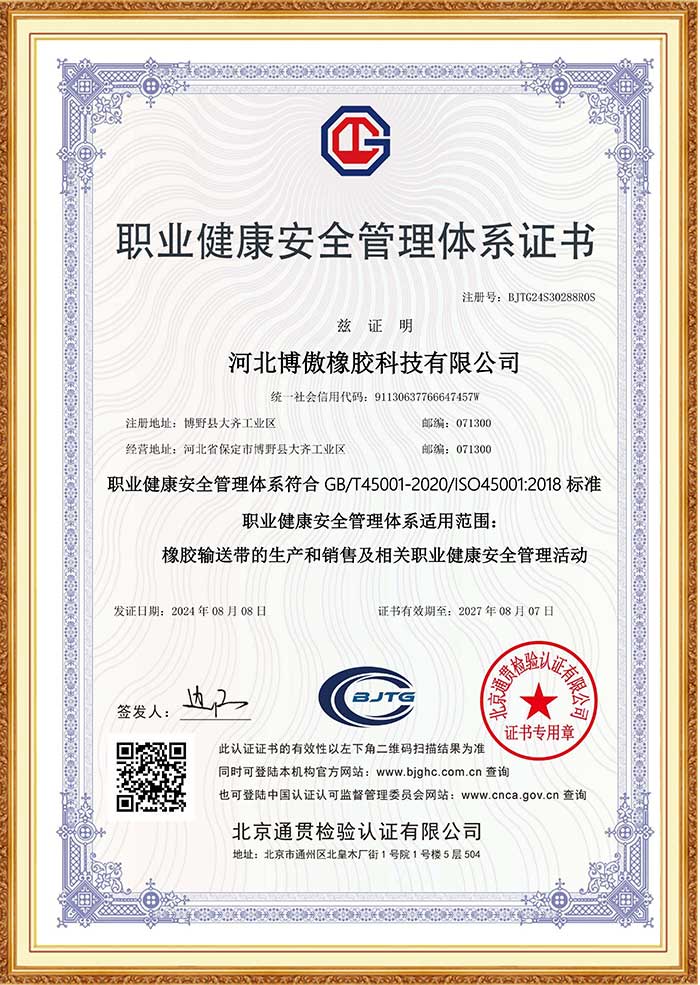
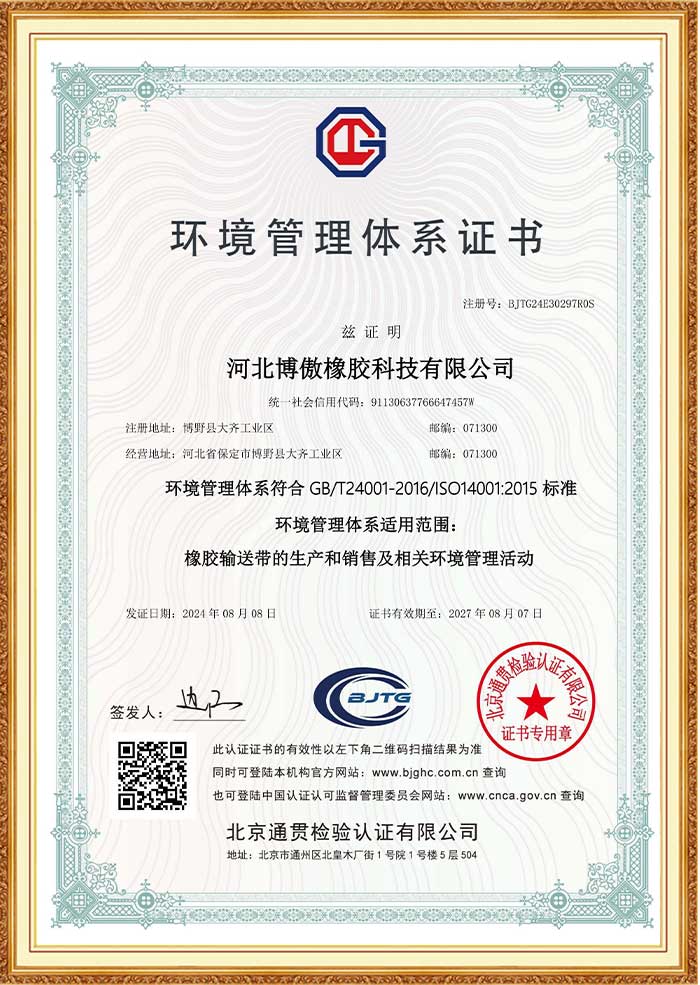
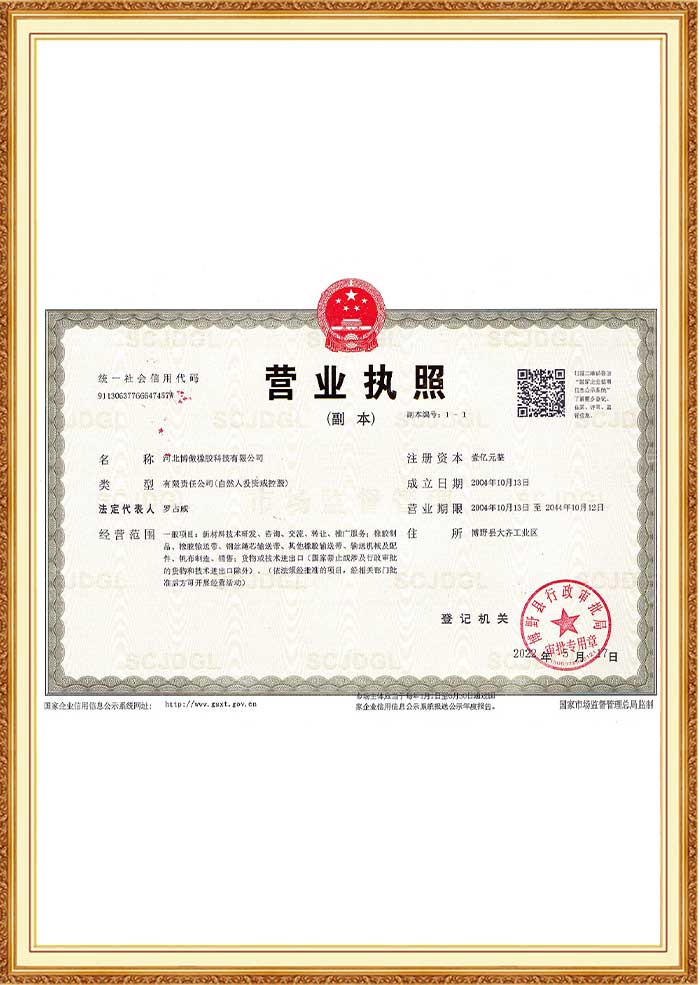
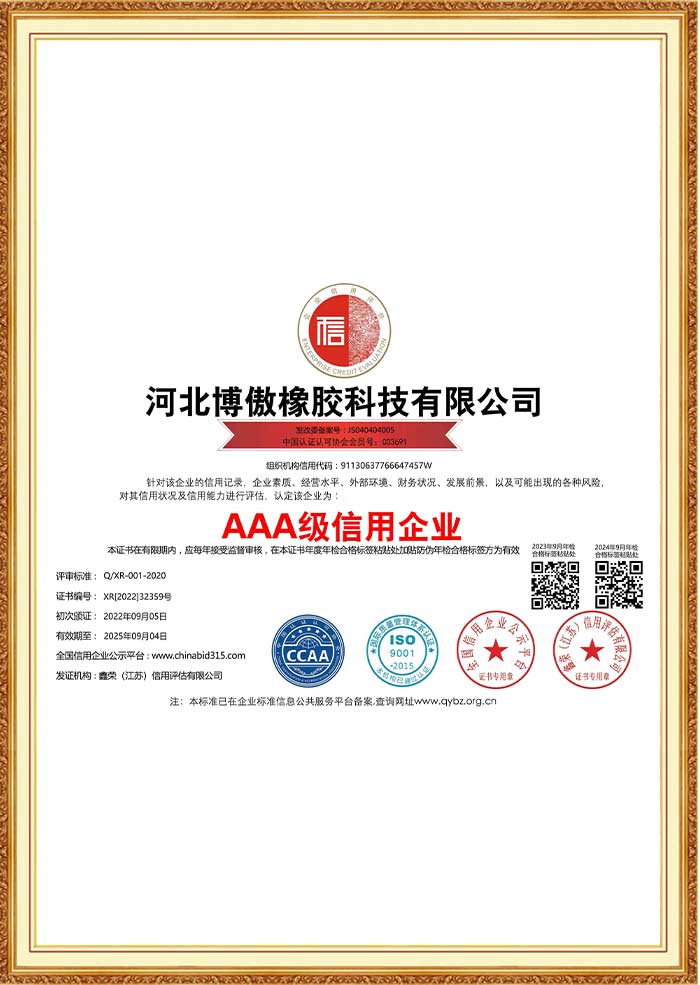
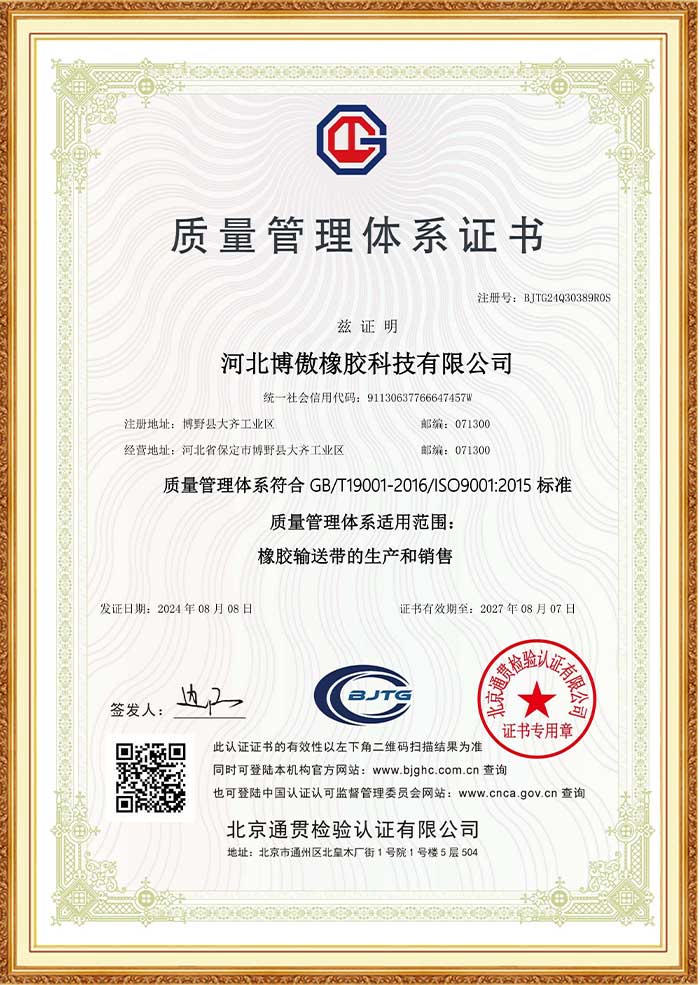
Our operations comply with international quality protocols, ensuring that every shipped product meets global performance requirements.
From initial design mapping to on-site splicing and emergency support, we provide full life-cycle services for your conveyor systems.
We provide full-scope support including planned replacement, repair, diagnostic inspection, preventative maintenance, and emergency splicing for high-capacity bulk handling systems.
Our services include the supply of high-grade rubber materials, on-site storage management, planned hot vulcanized jointing, surface wear repairs, and round-the-clock emergency support.
We aim to optimize operational efficiency, minimize premature wear, and reduce energy usage, helping partners lower their total cost of ownership (TCO).
Through scheduled audits and ultrasonic belt thickness mapping, we identify potential wear issues early, helping extend system life and prevent unexpected shutdowns.
Our heavy-duty conveyor systems support operations for mining groups, steel manufacturers, and infrastructure providers worldwide.
Addressing core mechanical, installation, and compound selection questions for material handling engineers.
EP conveyor belts utilize polyester warp threads and nylon weft threads, delivering low operational elongation (less than 1.5% at rated load) and high dimensional stability. Nylon-Nylon (NN) belts have higher elasticity and stretch, requiring longer take-up travel. EP belts are generally preferred for mid-to-long distance installations because of this low-stretch profile, while NN belts are suited for shorter runs with high impact requirements.
Standards like DIN 22102 classify rubber covers based on mechanical performance. Grade W is designed for highly abrasive applications (volume loss ≤ 90 mm³), Grade X is suited for heavy impact and cutting (volume loss ≤ 120 mm³), and Grade Y is the standard for general-purpose applications (volume loss ≤ 150 mm³). Matching the cover grade to your material characteristics helps prevent premature abrasive wear and extends service life.
Key parameters include the peak temperature of the materials, the continuous ambient temperature, and the particle sizing. We offer standard ratings for heat resistance: T1 (up to 120°C), T2 (up to 150°C), and T3 (up to 200°C). Choosing the appropriate cover thickness is also critical, as it acts as a thermal barrier to protect the underlying EP plies from heat degradation.
We maintain an independent chemical analysis laboratory and physical testing facility. Quality checks are conducted on incoming raw rubber and reinforcement fabrics, during compound mixing, and on finished vulcanized rolls. This process ensures all products meet or exceed the requirements of our ISO quality management certification before shipment.
Explore our specialized range of heavy-duty nylon belts, textured designs, acid/alkali-resistant options, and suspension idlers.
 Boao Rubber