Engineered for maximum tensile strength, excellent flexibility, and long-lasting durability in demanding working environments.
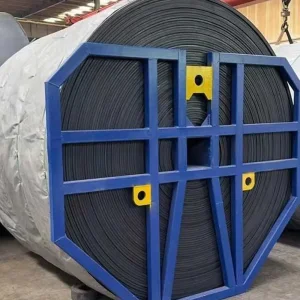
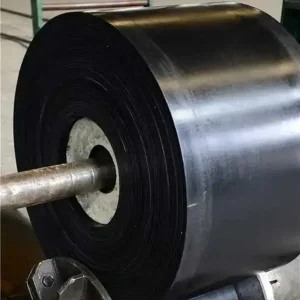
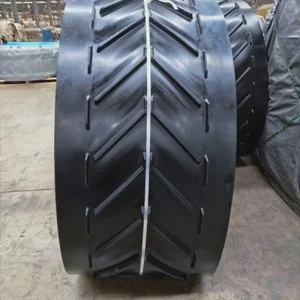
An in-depth structural review of polyamide fabrications, market demand, and raw material engineering.
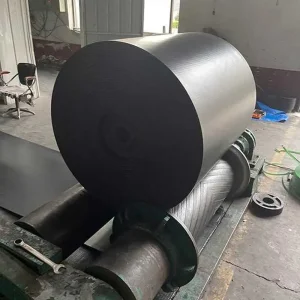
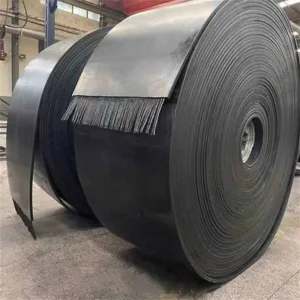
In modern bulk logistics and industrial material transport systems, the Nylon Conveyor Belt (commonly classified as NN conveyor belt) acts as a critical artery. Utilizing high-grade polyamide synthetic fiber as its carcass weave, Nylon conveyor belts present structural advantages over traditional cotton or polyester canvas belts, especially in terms of high tensile strength, exceptional elastic recovery, impact resistance, and superior troughability. Global statistics indicate that nylon-reinforced rubber belts account for over 35% of all heavy-duty multi-ply fabric installations worldwide, supporting key primary sectors such as mining, power plants, aggregate processing, steel mills, and maritime ports.
As massive scale urbanization and mining projects continue across North America, South America, Australia, and Africa, standard expectations for conveyor systems have risen. Demands are no longer restricted to mere transportation capability. Modern buyers seek optimized cost-per-ton throughput, reduced system downtime, high resistance to localized friction heat, and high compound structural integrity. China nylon conveyor belts factories have consequently adapted. By implementing modern multi-stage curing presses and rigorous testing laboratories, domestic factories have evolved from low-cost manufacturers into global leaders supplying customized heavy-duty conveyor systems.
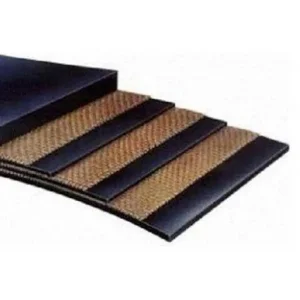
The carcass of the conveyor belt is the load-carrying element that sustains the dynamic tension of the conveyor drive system. Nylon (polyamide) fibers offer specific molecular configurations that are highly suited for industrial rubber compounding:
Nylon's inherent elasticity acts as a shock absorber at drop points, dispersing kinetic energy and preventing catastrophic carcass punctures.
Enables deep trough angles for maximum volumetric transport capacities without increasing actual belt width footprint.
Engineered resistant polymers resist rotting, mildew, and microbial degradation caused by high humidity and water exposure.
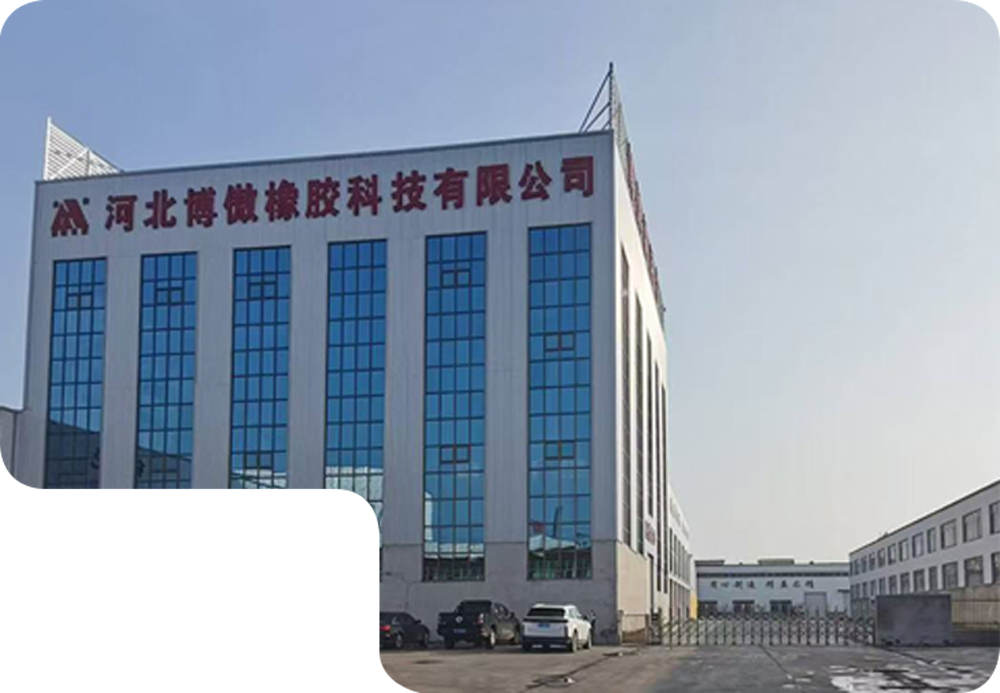
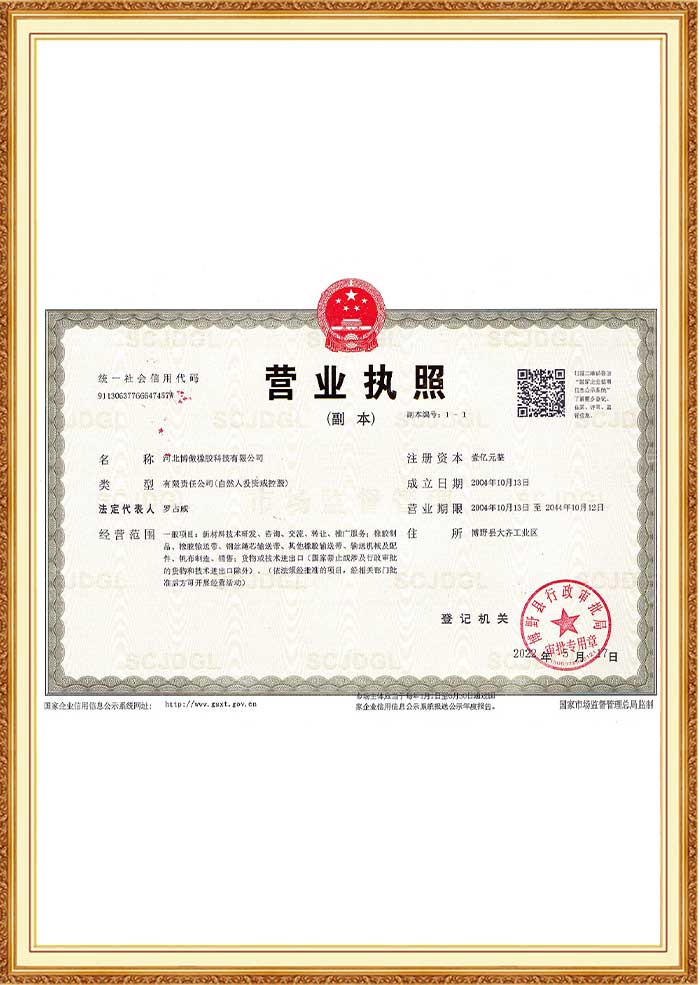
Established in 2004 and spanning over 30 acres of high-capacity production space, Hebei Boao Rubber Technology Co., Ltd. (featuring the premium proprietary brand "Jinao") stands as a major manufacturing entity in China. Located in the specialized Rubber Industrial Park of Boye County, Baoding, Hebei Province, our facilities integrate state-of-the-art research, custom product design, vulcanization testing, and global supply chain services.
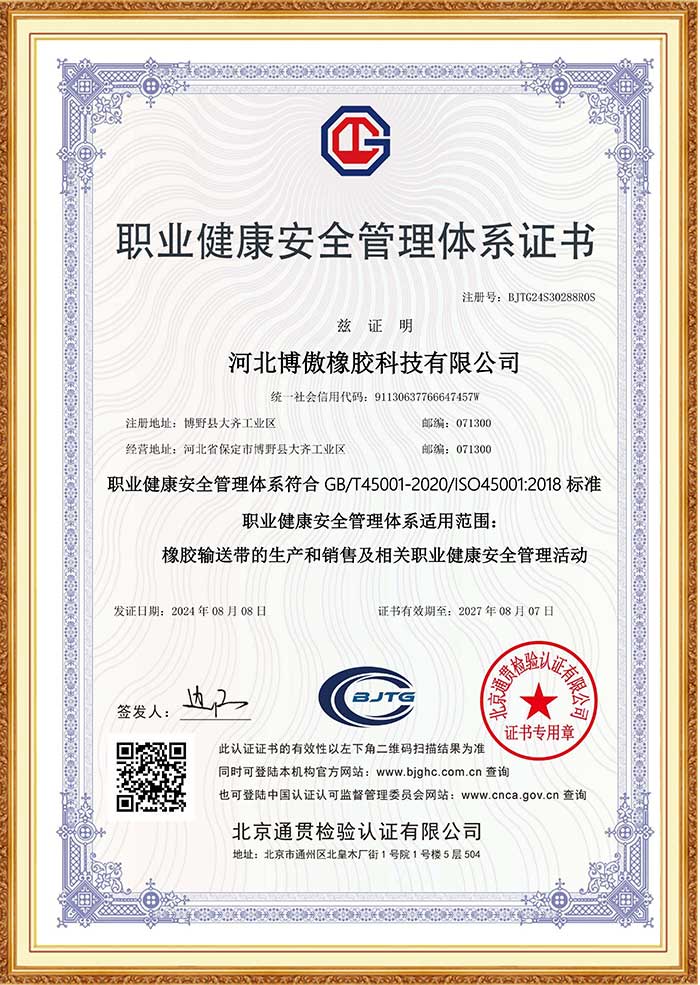
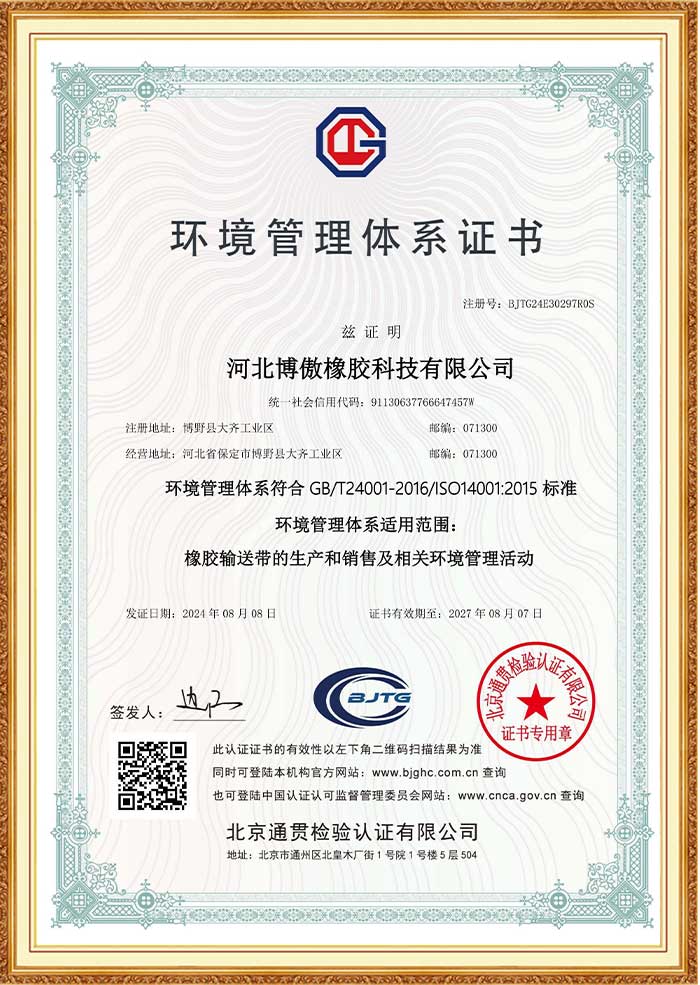
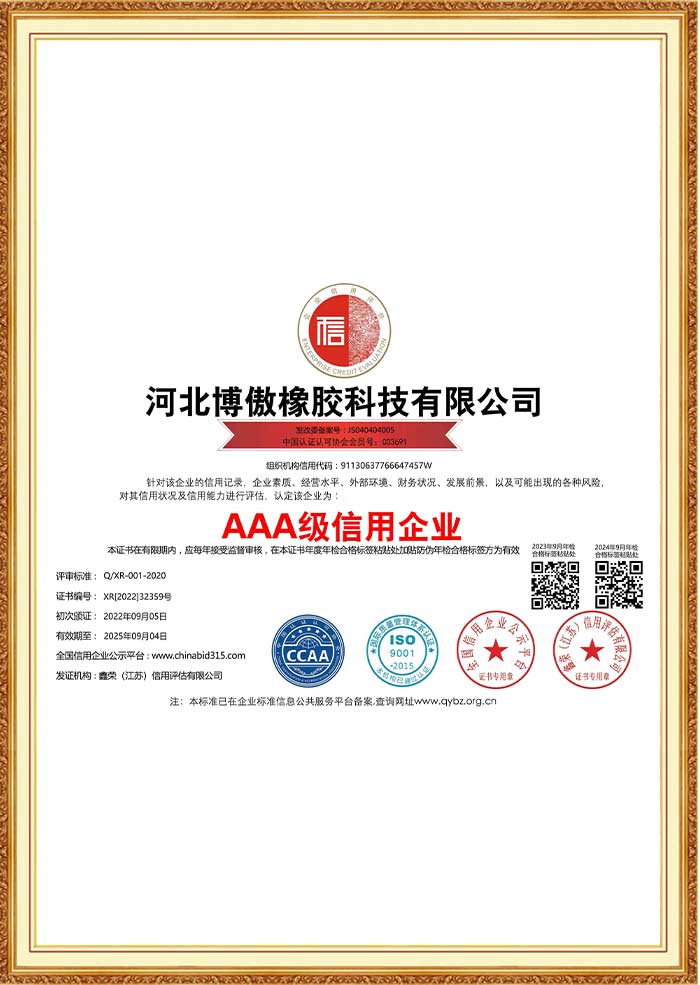
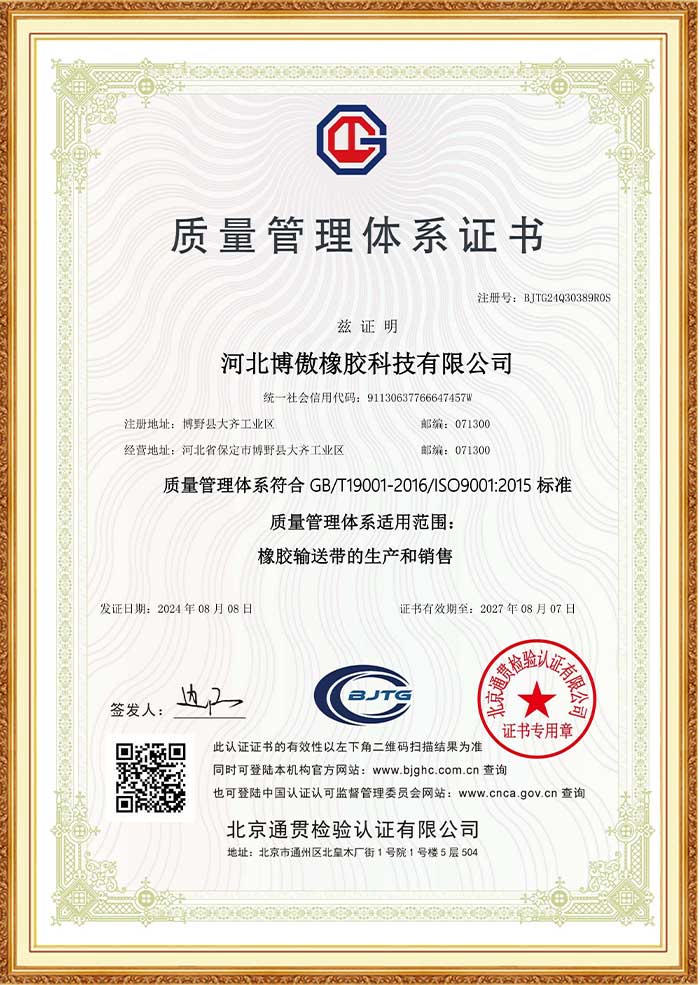
We operate fully certified testing laboratories where incoming raw chemical components and finished rubber rolls undergo rigorous physical tests. Our dedication to quality is backed by certified international quality management systems, allowing us to supply major industrial clients with reliable conveyor belt systems that lower overall operational costs.
Why domestic and international heavy industries trust Hebei Boao for bulk material handling reliability.
Our independent laboratories carry out testing on all incoming polymers, carbon blacks, and reinforcing fabrics. By maintaining strict control metrics, we ensure that zero non-compliant materials advance onto the calendar lines.
Equipped with electronic tensile testers, DIN abrasion test units, aging ovens, and ozone chambers, our QA technicians verify compound characteristics such as adhesion strength, elongation, and cover wear rates.
Backed by a comprehensive domestic and global supply network, Jinao conveyor products are regularly utilized in steel fabrication, thermal power generation, deep mining, and international aggregate ports.
Transitioning toward sustainable, high-efficiency, and smart conveyor belt technologies.
The modern logistics and material transport sector is shifting toward energy-efficient, carbon-neutral, and smart solutions. In terms of conveyor belt manufacturing, this necessitates the development of specialized rubber compounds with low rolling resistance. Energy-saving backing covers reduce power draw over long-distance conveyances by decreasing indentation loss against idlers. This technology can reduce global power consumption of long-distance overland conveyor systems by up to 15%.
Simultaneously, the integration of embedded RFID tracking tags, copper sensing loops, and fiber-optic heat monitoring inside the vulcanized structure represents the future of conveyor diagnostics. These sensors permit automated warning triggers in the event of belt drift, excessive local temperatures, or carcass punctures, shifting operations from reactive repairs to predictive maintenance schedules.
Recognizing that conveyor system reliability depends on continuous operational support, Hebei Boao provides tailored industrial service plans that cover system layout analysis, custom compounding, and on-site splicing support:
Integrated maintenance solutions including scheduled belt replacements, splice repairs, periodic wear audits, and emergency hot vulcanization support.
Strategic supply of industrial belts, on-site storage management, daily belt status inspection, custom compound development, and mechanical fastener installations.
Optimizing belt tracking, minimizing energy consumption, preventing spillage, and increasing the service life of conveyor systems to achieve higher operational efficiency.
Partnering with engineering design firms to supply custom layouts for complex, high-inclination bulk handling systems in demanding environments.
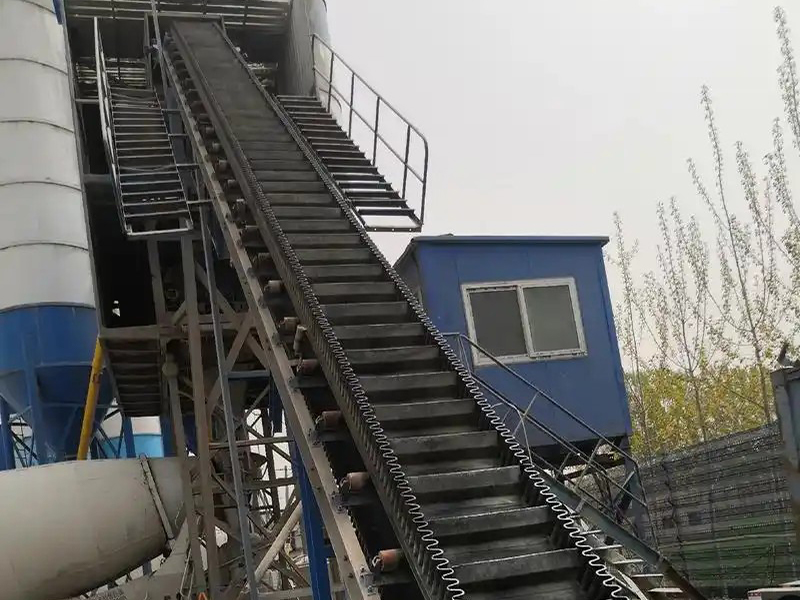
Providing high-durability conveyor solutions to major enterprise projects across diverse sectors.
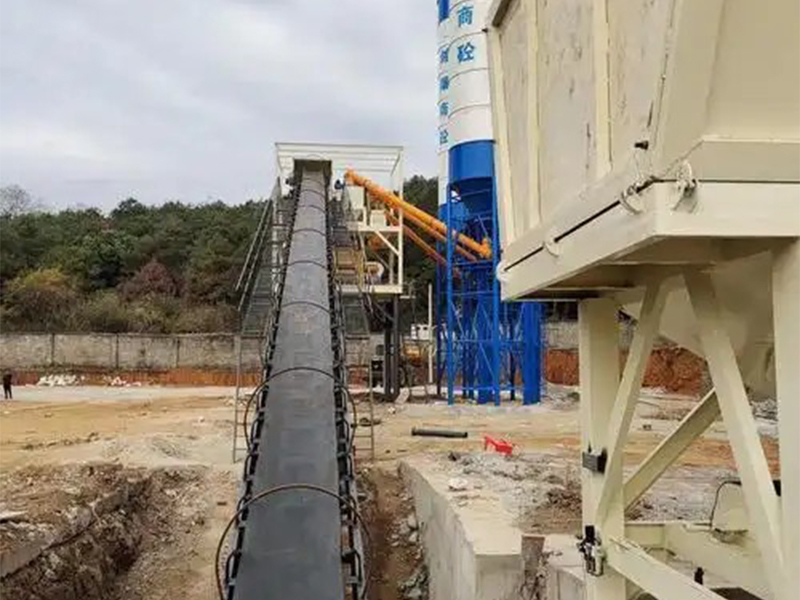
China Railway Group
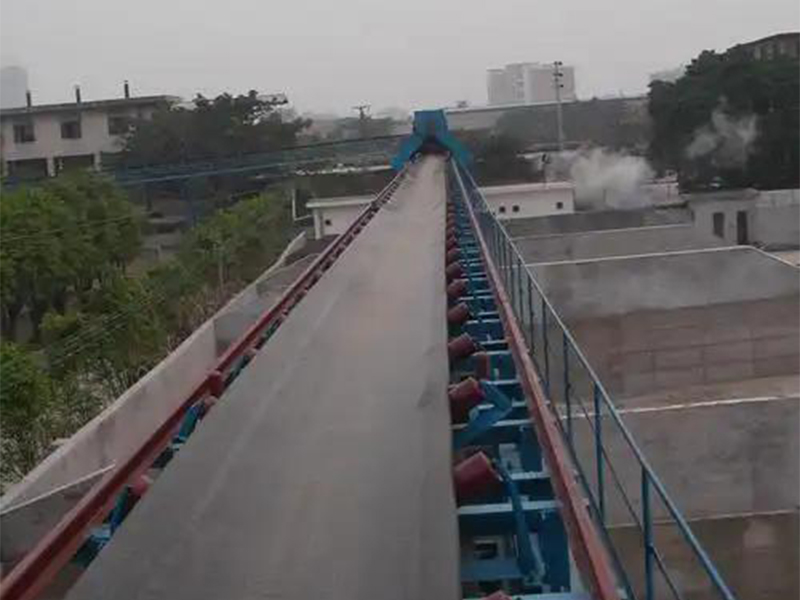
Conch Cement
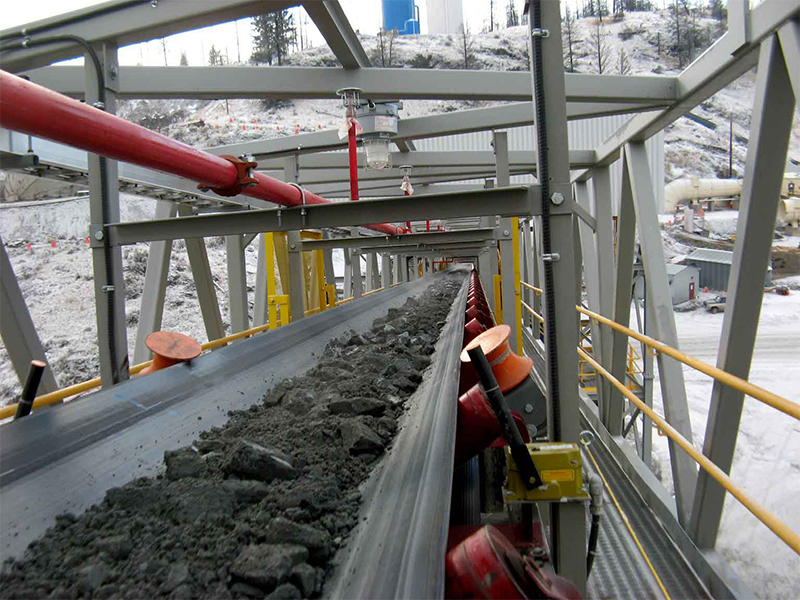
Datong Coal Group
Tsingshan Group
Jidong Cement Group
Jinmei Group
Taihang Steel
Puyang Steel Group
In-depth responses to common technical questions regarding specification selection, maintenance, and durability.
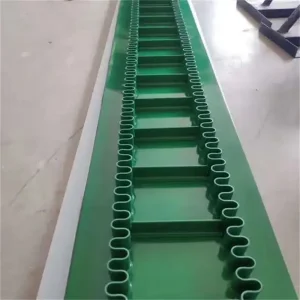
Explore our complete range of specialized steel-core, lightweight, and custom-profile industrial solutions.
 Boao Rubber