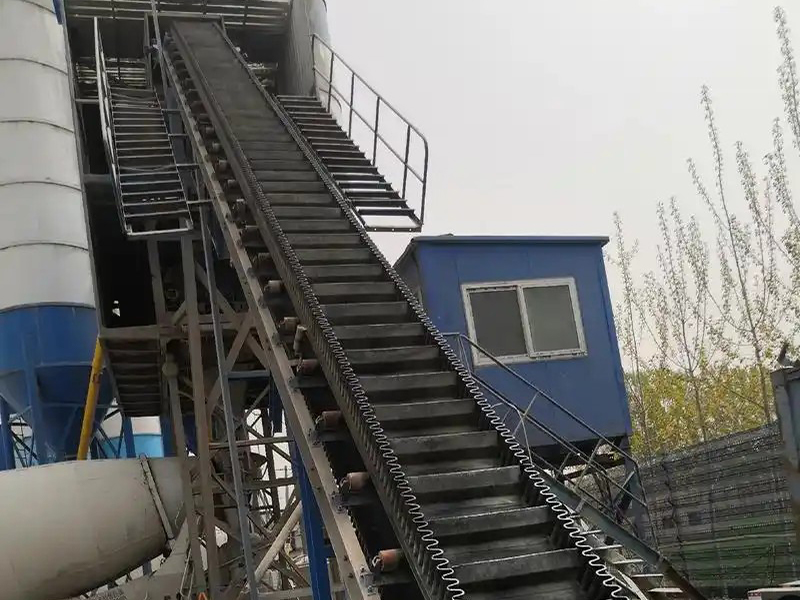
High-durability engineered conveyor components designed for heavy-duty bulk handling, excavation, and structural material management.
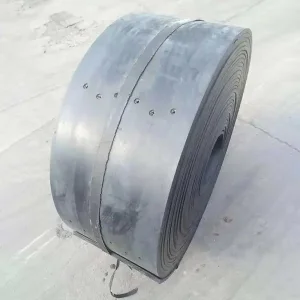
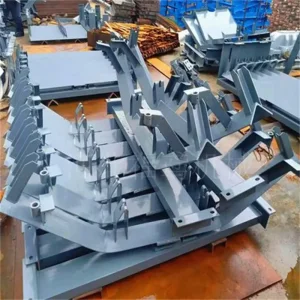
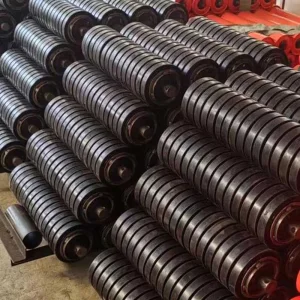
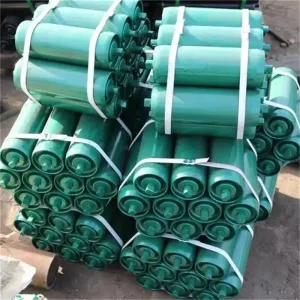
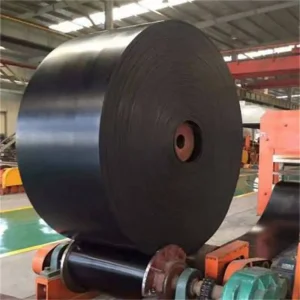
As global mining, recycling, steel production, and bulk material logistics scale up to meet worldwide infrastructure demands, bulk conveying efficiency has emerged as a top operational priority.
Conventional smooth-surfaced rubber belts are physically restricted to inclination pathways under 18 degrees. Attempting to convey loose bulk materials—such as raw coal, iron ore, crushed gravel, hot cement clinker, or wet agricultural grains—beyond these angles results in severe material slippage, system blockages, and excessive power losses.
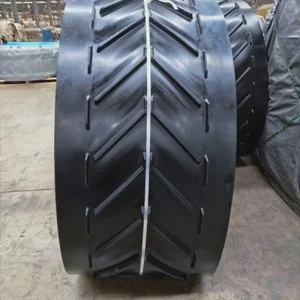
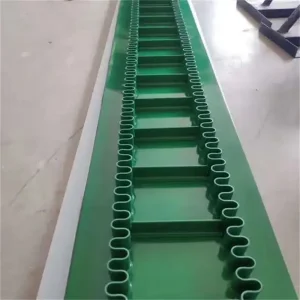
To address these limitations, patterned conveyor belts (specifically configured with herringbone, chevron, high/medium/low profile configurations, and custom cleat designs) have become essential. Modern materials science enables these profiles to carry massive loads at steep inclines ranging from 20 to 45 degrees, significantly decreasing the horizontal footprint of conveyor layouts, reducing plant footprint sizes, and cutting down infrastructure structural costs globally.
Hebei Boao Rubber Technology Co., Ltd. sits at the center of Boye County’s Industrial Park in Baoding, Hebei Province—China’s premier cluster for heavy-duty rubber fabrication.
Covering over 30 acres of state-of-the-art production facilities, our premium brand "Jinao" stands for international-level performance. Combining local supply chain strength with massive industrial capacity, China's factory ecosystem provides a dual advantage: cost containment and rapid technical scalability.
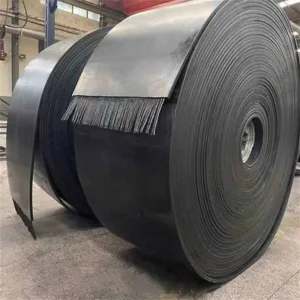
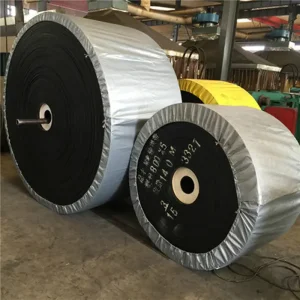
Equipped with sophisticated rolling mills, high-precision hydraulic vulcanizing presses, automated rubber compounding, and physical-chemical test labs, we control every step of production. Raw polymers are tested prior to compound formulation, and finished goods must pass rigorous quality inspections before export. This setup guarantees that our patterned, multi-ply, and high-temp conveyor belts maintain high dimensional stability, heat dissipation performance, and low stretch characteristics during years of operation.
• Advanced Curing Systems: Multi-platen vulcanization yields consistent profile integrity.
• Raw Material Integration: Direct access to premium natural rubber and high-grade polyamides (NN) / polyester (EP).
• Rigorous Inspection Labs: Chemical analysis and physical properties testing in-house.
Under our registered trademark "Jinao", our production floor utilizes automated calendar lines and high-temperature curing systems.
Choosing the correct patterned belt involves matching the profile depth, profile pitch, and compounding properties to the material being transported, the belt speed, and the incline angle. Below is our engineered guide for matching material profiles with physical incline limits:
| Pattern Type | Common Profile Height (mm) | Incline Angle Limits (°) | Ideal Materials Conveyed | Primary Industrial Use-Case |
|---|---|---|---|---|
| Open V / Chevron (Herringbone) | 5 - 15 mm | 20° to 30° | Coal, sand, crushed stones, gravel, clinker | Power plants, cement works, aggregate quarries |
| Closed V / U-Shape | 15 - 25 mm | 25° to 35° | Wet sand, granular soils, metal chips, wood pulp | Waste recycling plants, paper mills, forestry processing |
| Human-Shaped / Block Patterns | 5 - 10 mm | 18° to 25° | Packed cartons, grain bags, heavy sacks, fertilizer bags | Port cargo hubs, parcel logistics, food packaging facilities |
| High Incline Cleat / Wavy Edge | 40 - 120 mm | 30° to 60° | Fine powders, cement mix, metal tailings, wet mash | Vertical elevator systems, dry mortar mixing installations |
| Crescent / Multi-V profile | 6 - 12 mm | 20° to 28° | Wet grain, loose maize, soy, urea, sulfur flakes | Agricultural storage terminals, chemical loading docks |
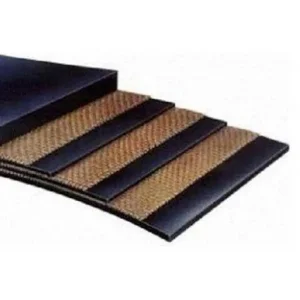
All "Jinao" branded belts utilize multi-ply textile matrices—reinforced with high-modulus Polyester (EP) or Nylon (NN) fabrics—to ensure minimal stretch under operational tension, maintaining clean tracking and lowering overall wear on idlers and pulleys.
From mineral extraction to infrastructure projects, Hebei Boao supports operations in mining, steel production, cement manufacturing, and agricultural transport.
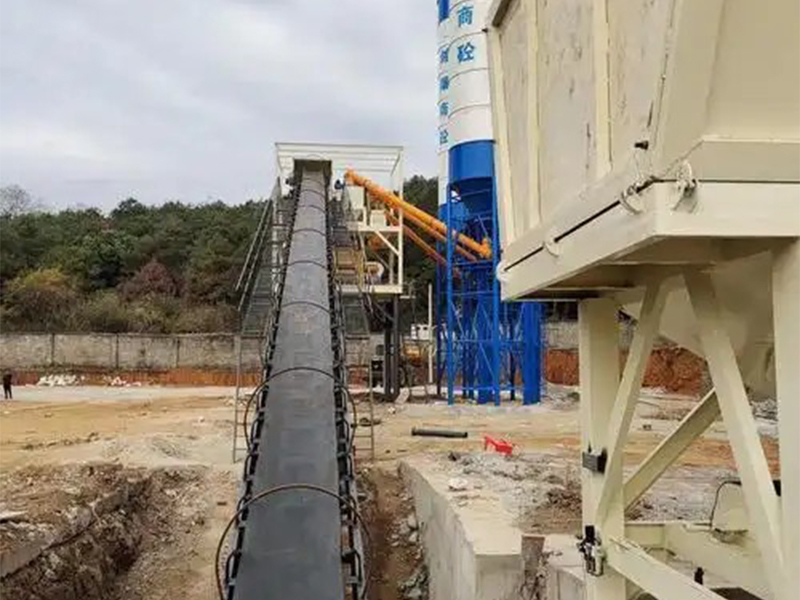
Supplying continuous incline aggregate delivery systems. Ensures steady sand and gravel supply to feed concrete batch mixers under tight schedules.
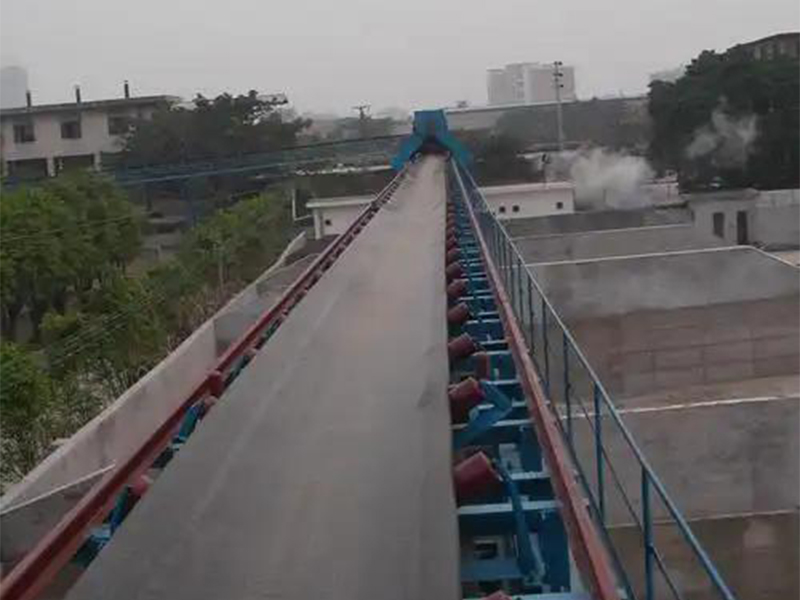
Specialized heat-resistant (HR) and high-incline patterned conveyor belts engineered to transport raw clinker from kiln to silos without material rollback.
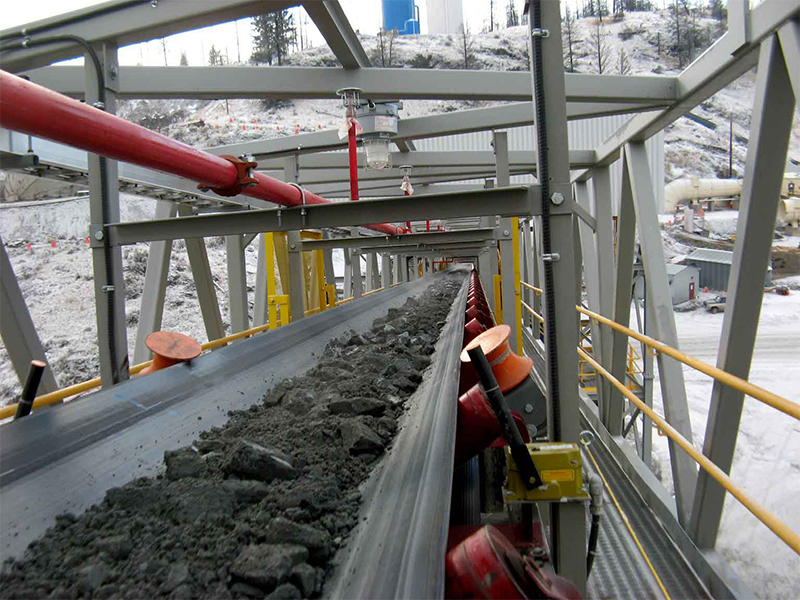
Flame-retardant (FR) rubber conveyor belts built for underground coal handling. Featuring high abrasion-resistance against large, jagged coal chunks.
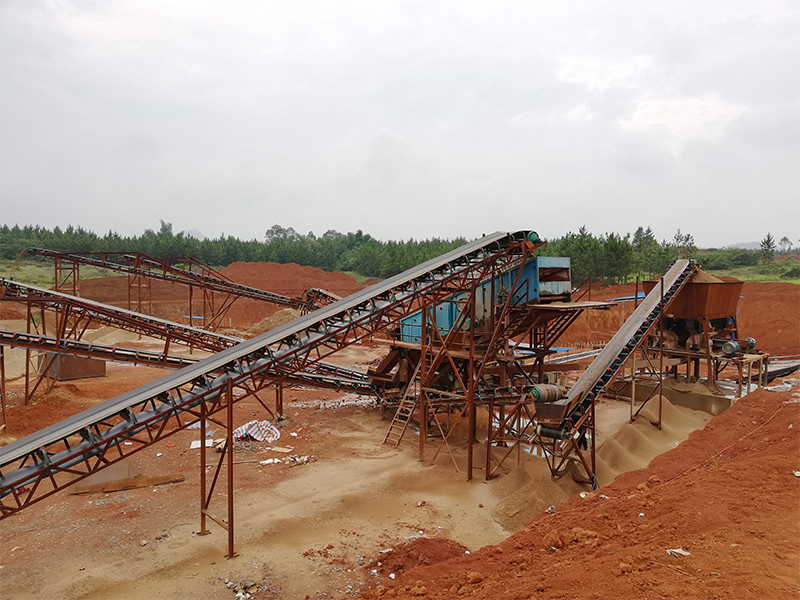
Heavy nickel-ore hauling lines across coastal logistics hubs, built for high moisture resistance and salt corrosion stability.
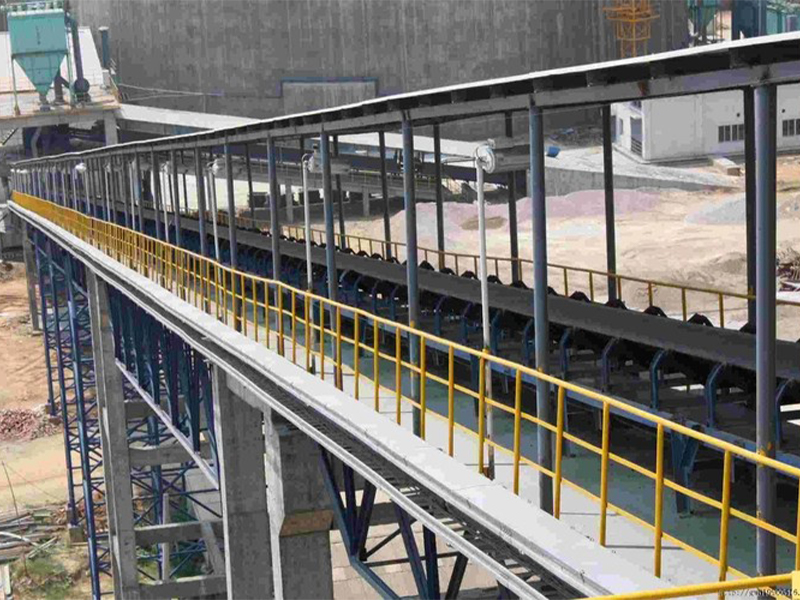
Large-scale limestone conveying lines. Custom chevron patterned profiles support constant material supply to vertical crushers.
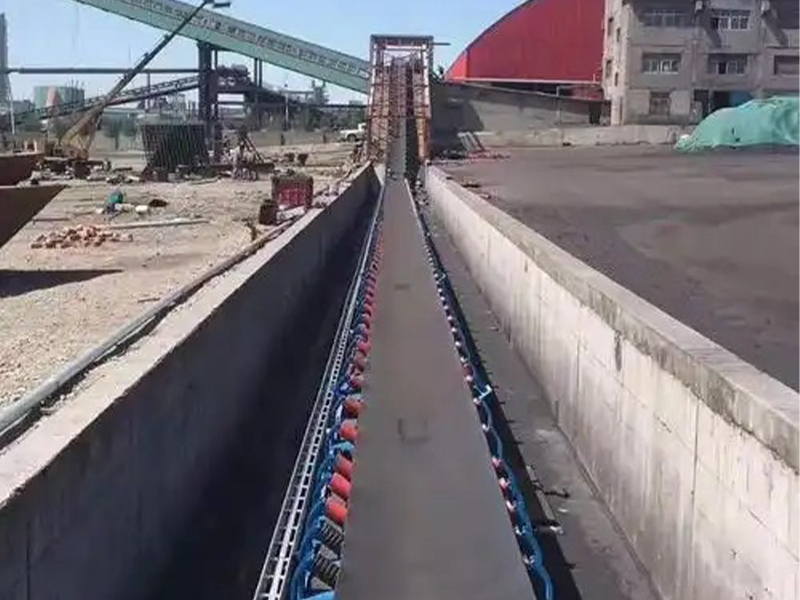
High-tensile steel cord and multi-ply fabric belts used in long-distance raw material sorting yards.
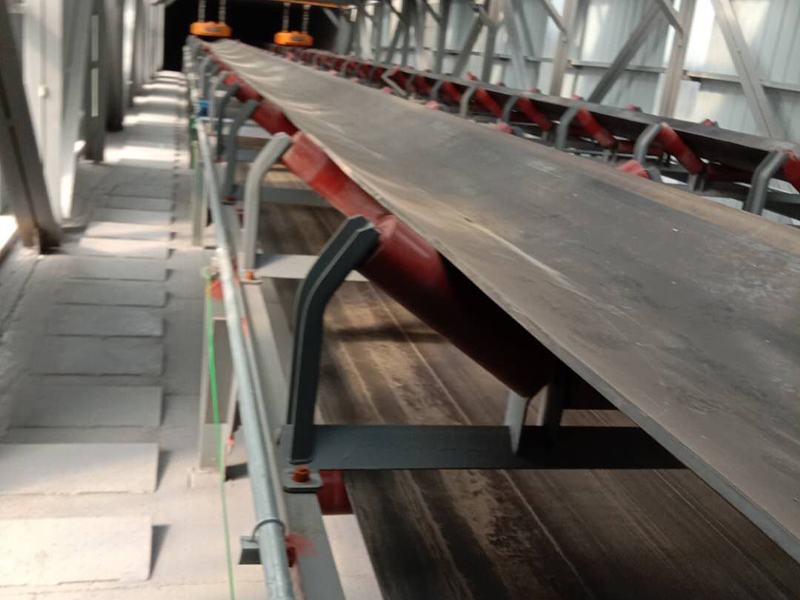
Sinter plant return fines delivery lines. Designed with high heat-resistant (EP200) compounds for stability under thermal exposure.
Heavy furnace charge logistics. Engineered with high-strength vulcanized seams to handle aggressive, continuous 24/7 scrap and coke feeding lines.
The global bulk material handling sector is experiencing transition driven by automation, environmental compliance, and life-cycle cost optimization.
Integrating RFID chips and fiber-optic thermal monitors directly within conveyor belt rubber plies allows smart systems to warn operators of heat spikes, alignment issues, or surface tears before catastrophic failure occurs, shifting operations from reactive to predictive maintenance.
Recent compound engineering focuses on reducing viscoelastic indentation rolling resistance (ERR). When a belt runs over idlers, energy is dissipated. Low-ERR rubber formulations can lower operational electricity usage by 12% to 18% on long runs.
With global environmental targets tightening, manufacturers are developing reclaimable elastomeric backings and reinforcing layers, helping reduce disposal taxes and minimizing environmental impact for key industrial operators.
Reliable performance under harsh conditions is achieved through systematic quality assurance protocols.
Our quality control program covers the entire lifecycle of our conveyor components—from chemical inspection of incoming polymers, carbon blacks, and plasticizers to mechanical testing of finished products. Our physical testing laboratory evaluates tensile strength, elongation at break, ozone resistance, and carcass-to-cover adhesion to ensure performance in challenging industrial settings.
✔ Incoming Material Control: Rejecting out-of-spec fabric or rubber stock before compounding.
✔ In-Line Vulcanization Auditing: Recording temperature, pressure, and time metrics for every belt roll.
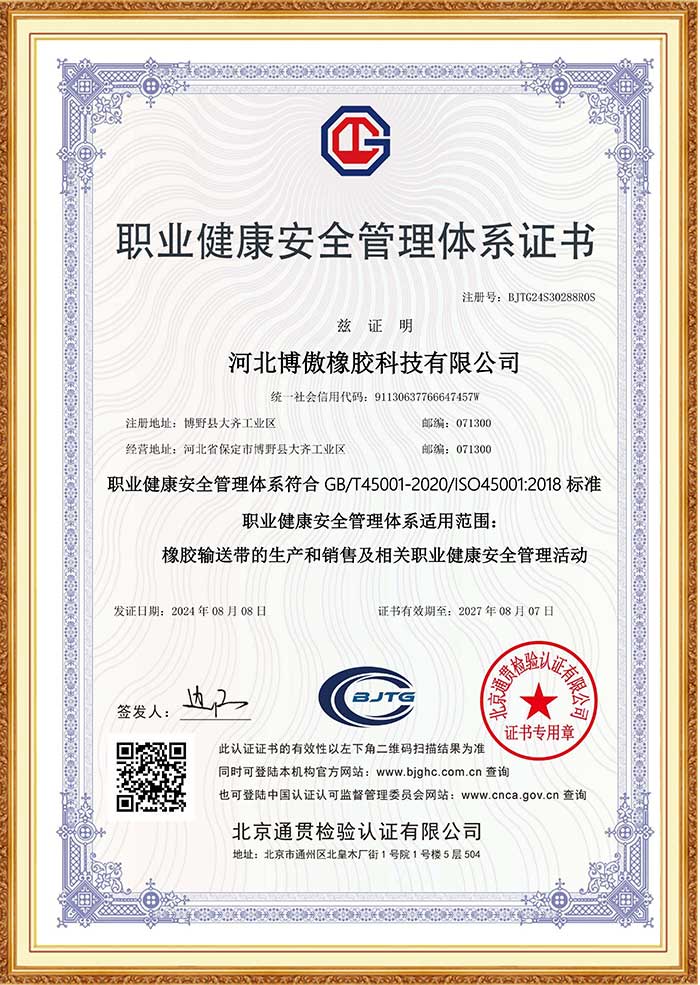
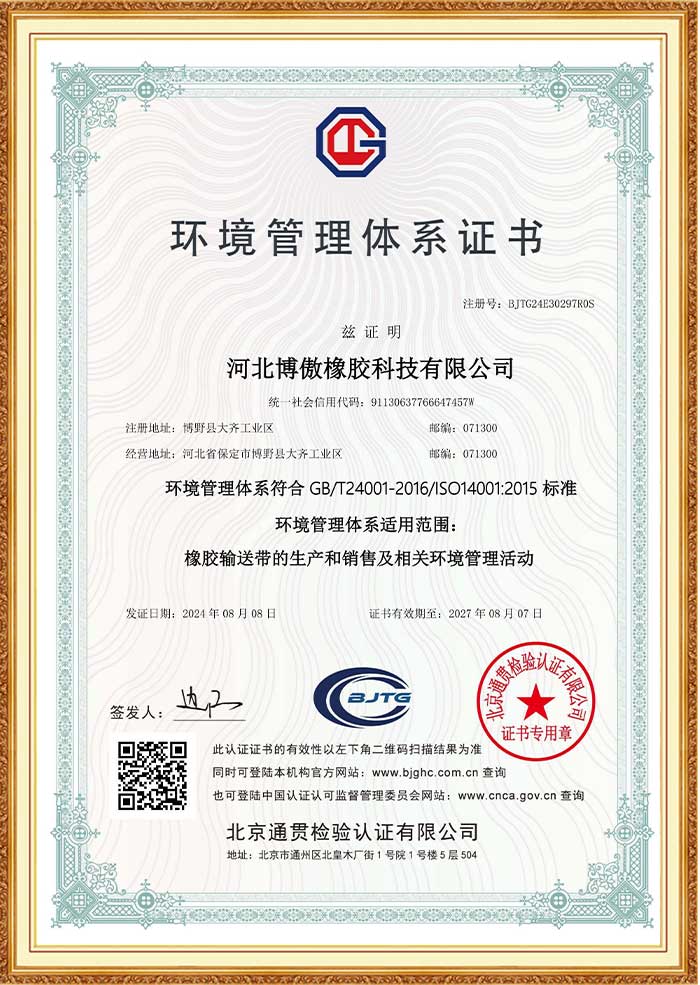
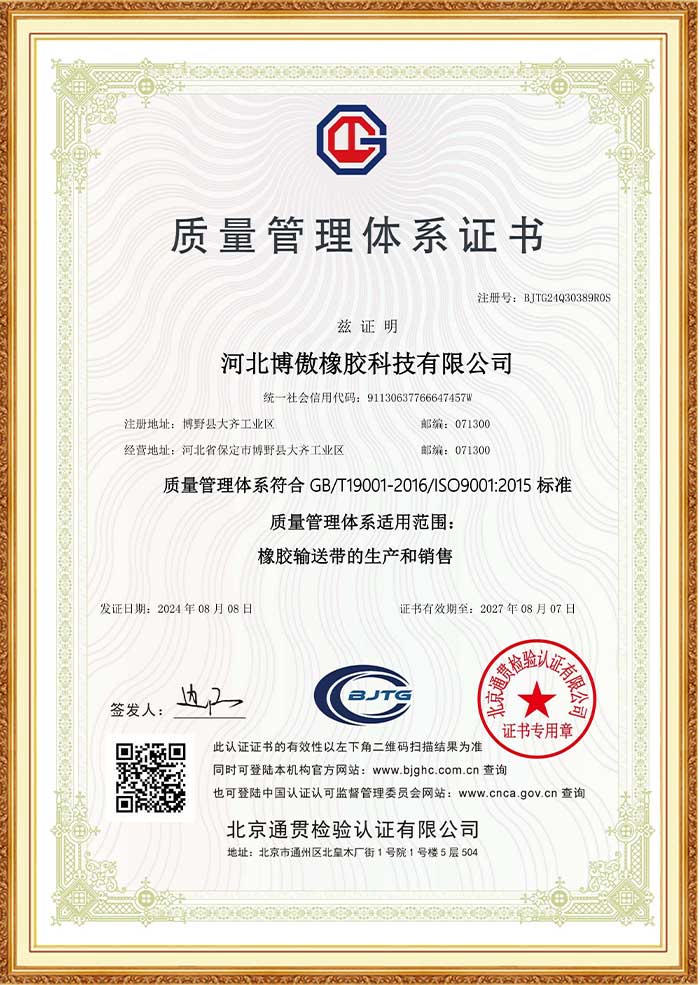
✔ Full Compliance Certification: Fully verified ISO 9001 quality management processes.
We partner with industrial buyers beyond initial hardware delivery, providing comprehensive technical service plans that reduce operational downtime and optimize conveyor lifespan.
Replacement planning, cold/hot splicing, routine wear inspections, belt tracking audits, and fast emergency repair solutions.
Safety stock planning for key belt lines, along with climate-controlled warehouse storage consulting to prevent ozone cracking and rubber degradation.
Improving equipment availability, minimizing carcass tension loss, tracking wear rates, and extending operational life cycles.
Practical technical insights for procurement officers and site engineers seeking high-efficiency bulk material handling solutions.
Our engineering team can assist you with system sizing, compound selection, and pattern configuration. Contact our Hebei factory directly to discuss your project requirements.
High-performance steel reinforced belts, specialized flame-retardant compound systems, and lightweight PU/PVC choices.
 Boao Rubber