A comprehensive analysis of rubber conveyor belt weight calculations per meter and their crucial role in optimization, mechanical efficiency, and cost-containment across heavy duty applications.
For heavy bulk material handling operations, understanding the exact rubber conveyor belt weight per meter is not merely a theoretical metric—it is the foundation of mechanical conveyor system engineering. The weight dictates structural framework strength requirements, the drive motor’s horsepower configuration, and the dynamic tension rating of the system. Selecting a conveyor belt without precise weight-per-meter variables risks severe system failures, high electricity consumption, and shortened lifespans of critical drive pulley bearings and idlers.
As a leading China rubber conveyor belt supplier with over 22 years of localized manufacturing expertise, Hebei Boao Rubber Technology Co., Ltd. produces structural belt solutions under the proprietary "Jinao" brand. We align physical compounding with theoretical mechanical formulas to guarantee that the specifications requested by structural engineers are identical to the physical rolls delivered to client worksites.
Explore our industrial grade conveyor belting, precision-engineered to meet target load specs and minimize operational drag.
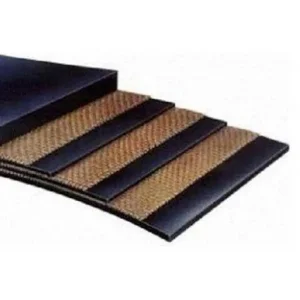
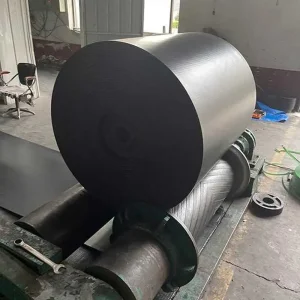
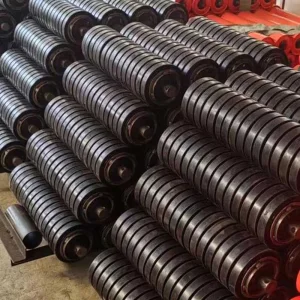
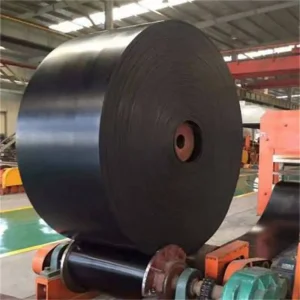
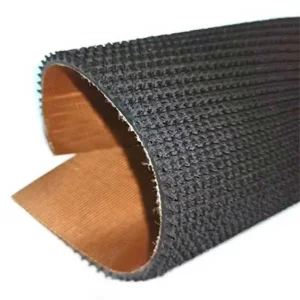
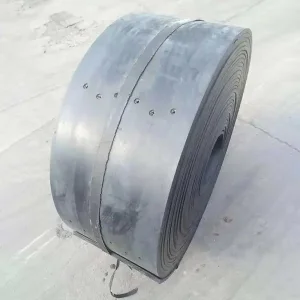
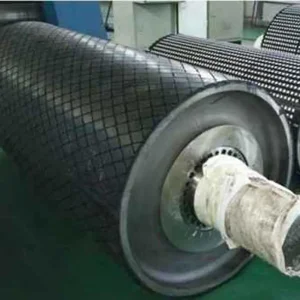
Established in 2004, Hebei Boao Rubber Technology Co., Ltd. is located in the Boye County Rubber Industrial Park of Baoding City, Hebei Province. Over a span of 30 acres, we have built a manufacturing ecosystem prioritizing high-performance raw materials, advanced rolling mills, multi-stage calendering processes, and continuous vulcanization presses.
Under our renowned brand "Jinao", we integrate advanced testing instrumentation to assess rubber density, abrasion indexes, tear propagation rates, and carcass composition. We are a ISO-certified partner that manages everything from polymer masterbatch formulation to the final vulcanization step of custom wide-width belts.




Our quality management division uses a dual-tiered verification structure consisting of a chemical analysis room and a physical laboratory. Every batch of synthetic and natural rubber undergoes tensile strength verification and density verification. This ensures our calculated belt weights correspond exactly to their true physical profiles.
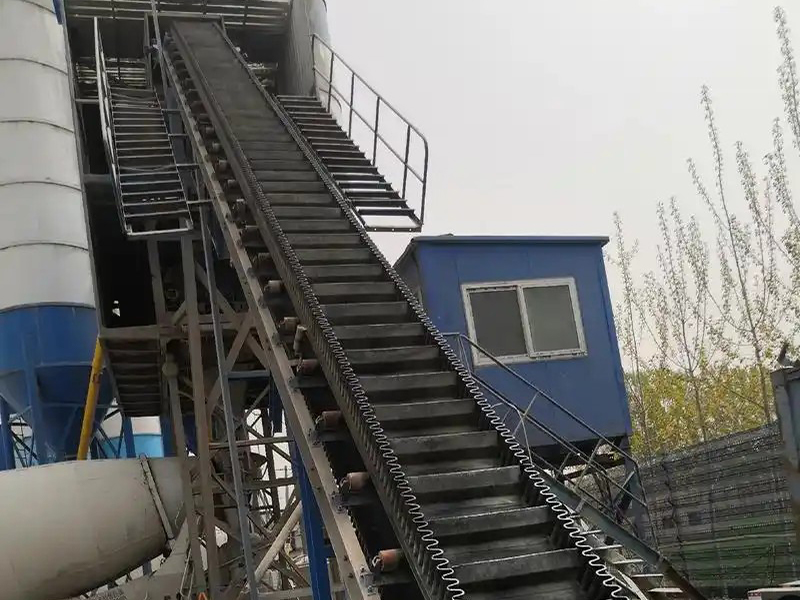
This scientific rigor enables our products to be widely used in heavy industries such as steel works, deep-pit mining, coal distribution hubs, power generation terminals, concrete batch plants, and deep-water ports worldwide.
A reference guide for engineering consultants to determine the exact weight-per-meter index ($W_{pm}$) of EP, NN, and steel wire carcass systems.
Calculating the weight of a multi-ply rubber conveyor belt relies on three core variables: carcass density, cover rubber compound density, and dimensions. The standard engineering formula for determining the weight per meter ($W_{pm}$) is:
Because the rubber cover compound is dense ($1.15 \text{ to } 1.45 \text{ g/cm}^3$ depending on flame retardancy or acid-resistance ratings), cover thickness is the most significant modifier of total weight per meter. For example, a heavy-duty mining belt with a 6mm top cover and a 2mm bottom cover will be significantly heavier than a light-duty warehouse belt with a 3mm x 1.5mm configuration, even if they share the same EP carcass.
Our technical team has compiled this data reference table tracking standard EP and NN configurations. These numbers represent raw manufacturing constants at the Hebei Boao plant:
| Carcass Type | Fabric Weight (kg/m² per ply) | Rubber Compound Density (g/cm³) | Ref. Weight (1000mm width, 4+2 plies) |
|---|---|---|---|
| EP 100 / NN 100 | ~ 0.90 kg | 1.18 - 1.25 | ~ 8.2 kg/m |
| EP 200 / NN 200 | ~ 1.15 kg | 1.20 - 1.30 | ~ 9.8 kg/m |
| EP 300 / NN 300 | ~ 1.40 kg | 1.25 - 1.35 | ~ 11.5 kg/m |
| Flame Retardant | ~ 1.50 kg | 1.35 - 1.45 (chloroprene base) | ~ 13.0 kg/m |
How next-generation materials and compound engineering are driving down system deadweight without sacrificing tensile integrity.
Traditional multi-ply fabric belts can add deadweight that increases energy use. We are testing aramid fabrics and high-tenacity monofilament structures that offer similar tensile ratings to 5-ply EP belts at up to 30% lower weights.
LRR bottom covers minimize indentation losses as the conveyor runs over idlers. This technology can reduce power draw by up to 15%, lowering overall operational costs for long-distance conveyors.
Future conveyor lines will run self-diagnostic networks. Embedding RFIDs and continuous thermal sensor wires inside the rubber layers allows for real-time monitoring of wear patterns and prospective splice failures.
Custom engineering for complex conveying environments worldwide.
Our heavy-duty steel cord and high-impact EP belts are designed for deep-pit mining operations. Precise weight-per-meter calculations help engineers design stable overhead gallery frameworks and tension take-up towers.
Designed for sinter, coke, and slag handling. Our proprietary heat-resistant elastomers are cross-linked to prevent hardening and cracking at continuous temperatures up to 200°C.
Featuring robust cover rubber compounds with high abrasion resistance (DIN 100/70mm³). Designed to withstand the constant wear of high-volume bulk ship-loaders handling coal, grain, and ores.
How Hebei Boao integrates advanced automation with stable raw material sourcing to ensure reliable delivery times and product consistency.
The Baoding Boye Industrial Zone is a leading hub for rubber compounding and technical textile weaving in China. Hebei Boao leverages this specialized cluster to source high-grade raw rubber polymers, premium synthetic fabrics, and customized steel cables at highly competitive rates.
Our Factory 4.0 strategy focuses on automating the calender feed systems. Computer-controlled processes maintain consistent rubber thickness across the entire width of the belt, reducing variance to less than 0.1mm. This uniform thickness is essential for ensuring predictable weight per meter and smooth operation on the conveyor line.
We work closely with procurement teams to align custom manufacturing with diverse international standards (DIN, AS, ISO, RMA).
Commonly requested across European and African markets. We supply standard-compliant conveyor belts in Grade Z (general-purpose), Grade Y (high-abrasion), and Grade X (severe-impact).
Crucial for Australian mining operations. Our formulations meet requirements for grade M (wear-resistant) and grade N (general-purpose) cover materials.
For underground coal mines and hazardous material handling. Our flame-retardant belting is engineered to meet self-extinguishing safety protocols.
Explore more specialized configurations, including heat-resistant, acid-resistant, and profile belts.
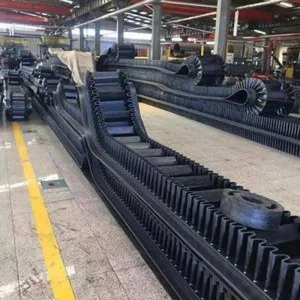
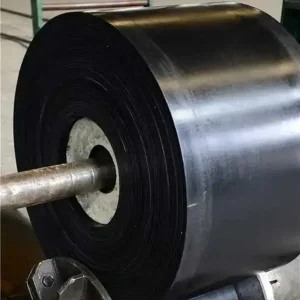
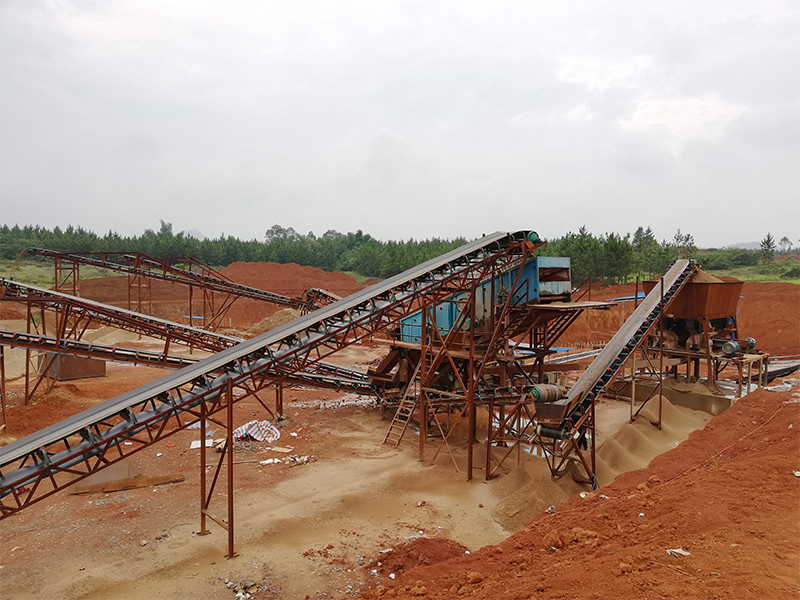
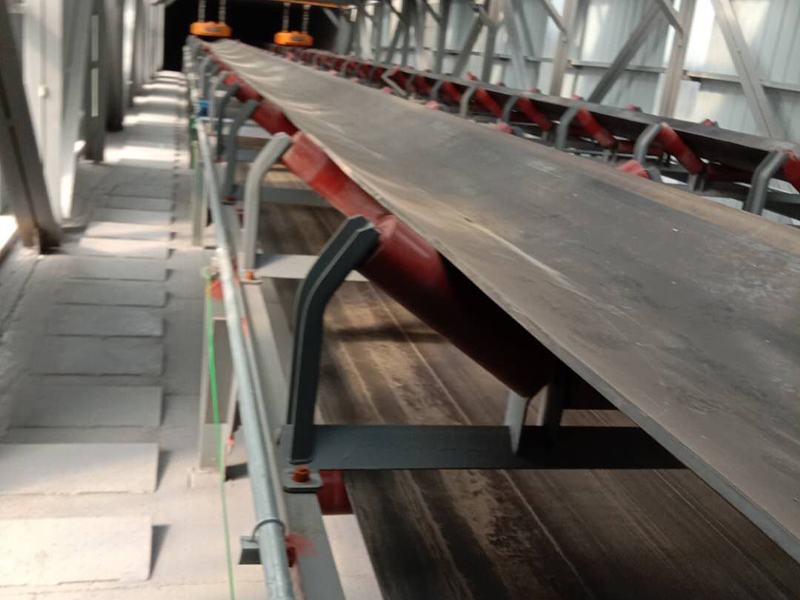
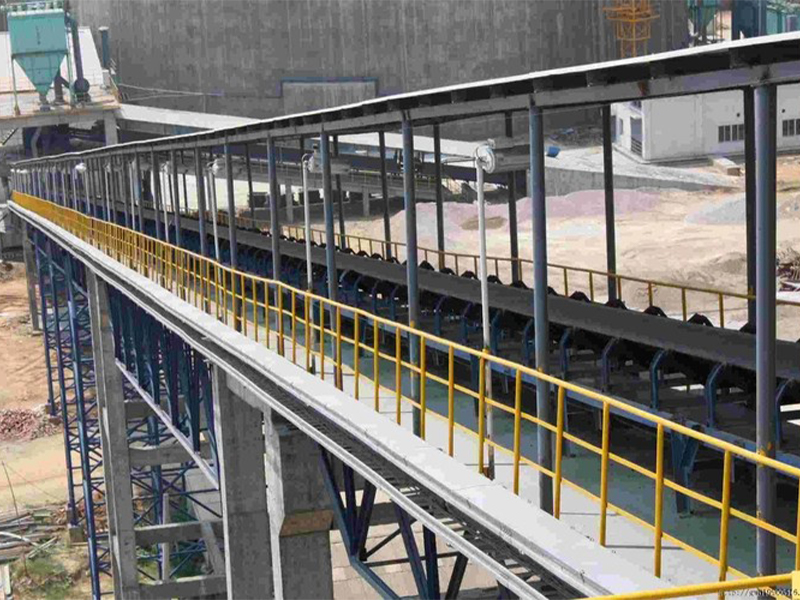
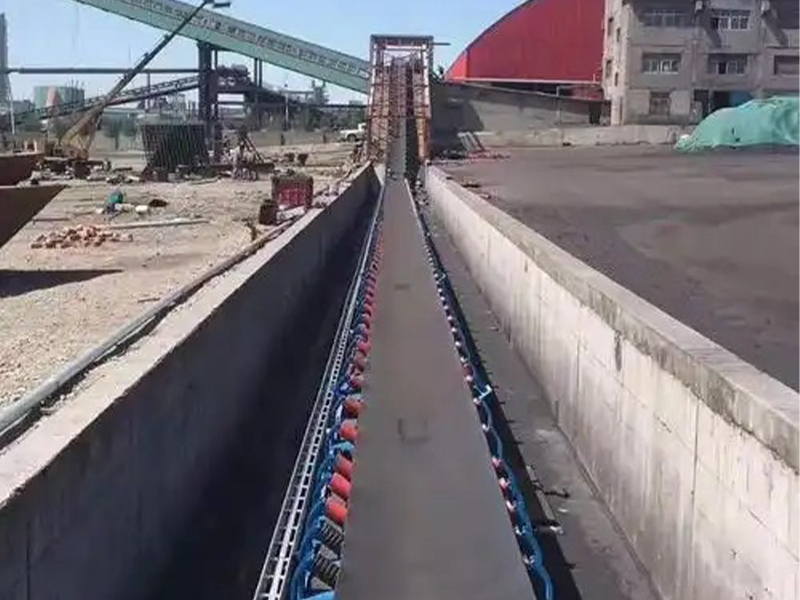
Proof of performance across large-scale industrial projects and multi-national operations.
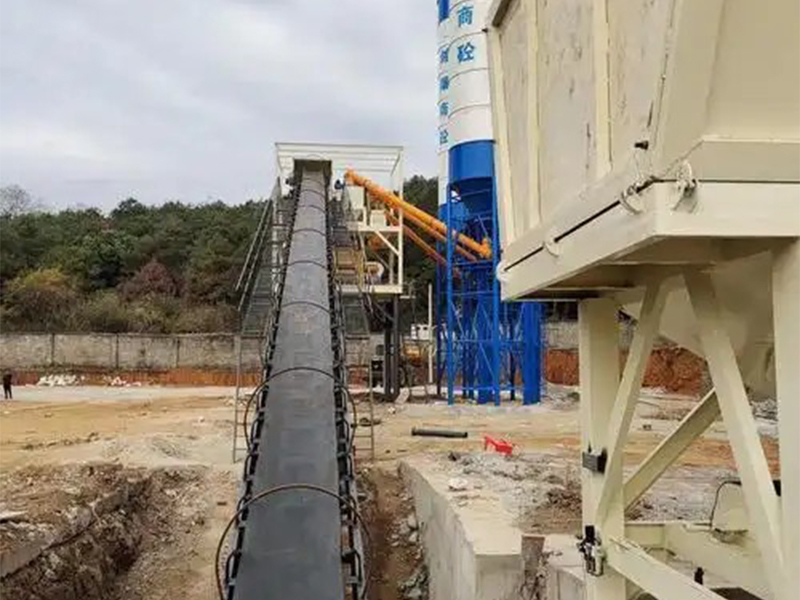
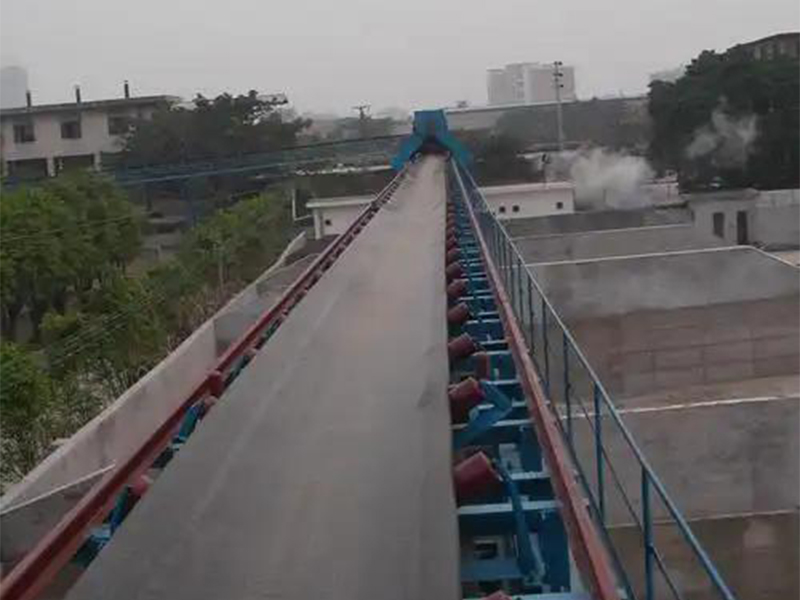
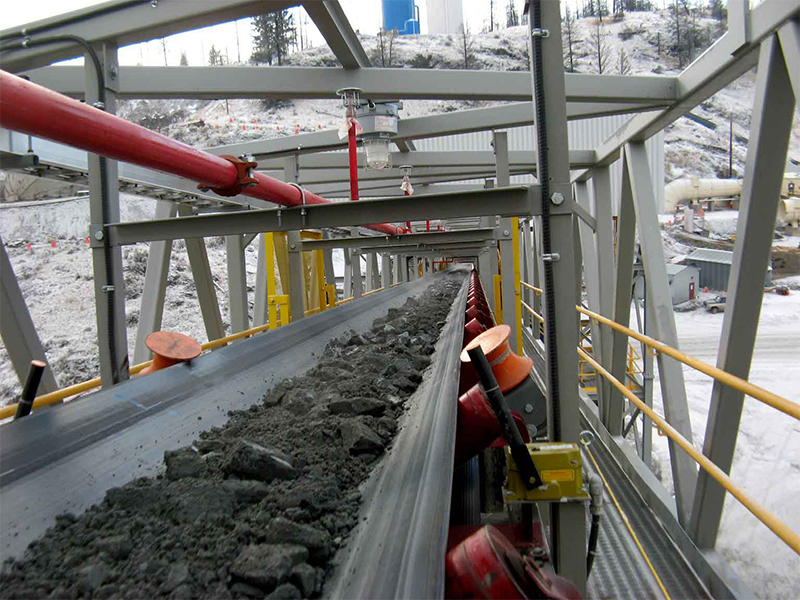
Helping you extend the life of your conveyor system and optimize total cost of ownership.
A conveyor belt's actual weight changes over time due to wear on the top cover. Our technicians help operators adjust counterweights and tensioning systems as the belt wears down to optimize motor efficiency and prevent slip.
Proper hot vulcanized splicing is critical to maintain tensile integrity at the joints. We provide matching raw rubber compounds and tie-gum materials to ensure splices have the same density and thickness as the rest of the belt.
Our service packages include regular physical inspections, belt thickness checks, and ultrasonic testing to identify internal carcass wear before it leads to failure.
We supply matching rollers, idlers, pulleys, and impact beds alongside our belts. Sourcing components from a single supplier ensures dimensional compatibility and simplifies procurement logistics.
Get answers to common technical questions about selecting, calculating, and maintaining rubber conveyor belts.
Rubber compound density varies depending on the performance additives used. Standard wear-resistant covers have a density of around 1.15 to 1.20 g/cm³, while flame-retardant or chemical-resistant compounds can exceed 1.35 g/cm³ due to heavy halogenated additives or nitrile agents. This difference can add significant deadweight to long-distance systems, requiring careful motor power calculations.
Polyester (EP) fabrics have a higher modulus and lower longitudinal stretch than nylon (NN). This allows design engineers to use fewer plies or thinner top/bottom covers while maintaining the required tensile strength. By reducing the overall carcass thickness, you can lower the belt's weight per meter, reducing energy consumption on long-distance conveyor runs.
Calculating the weight of a steel cord belt requires adding the weight of the steel cables to the weight of the rubber. The formula is: W_total = [Cords per meter x (Weight of single cord)] + [(Total belt thickness - Cord diameter) x Width x Rubber density]. Steel cord belts are significantly heavier than fabric carcass belts, necessitating larger take-up systems and heavier structural steel supports.
Hebei Boao Rubber Technology operates under a certified ISO 9001 quality management framework. Our belts conform to major global standards, including DIN 22102 (Germany/Europe), AS 1332 (Australia), RMA (USA), and SANS 1173 (South Africa). We provide complete mill test certificates (MTC) and lab test reports detailing density, abrasion loss, and tensile strength with every shipment.
Yes. Using a belt that exceeds the original design specifications increases the starting torque required, which can lead to motor overheating, premature gearbox wear, and belt slippage on the drive pulley. It also increases tension across the system, which can shorten the lifespan of idlers, pulleys, and structural frames. We recommend consulting with our engineering team to select a belt that matches your system's design parameters.
Need help determining the optimal belt specifications for your conveyor design? Contact our engineering team. We provide complete calculations, compound recommendations, and competitive pricing for projects worldwide.
Inquire Now Boao Rubber