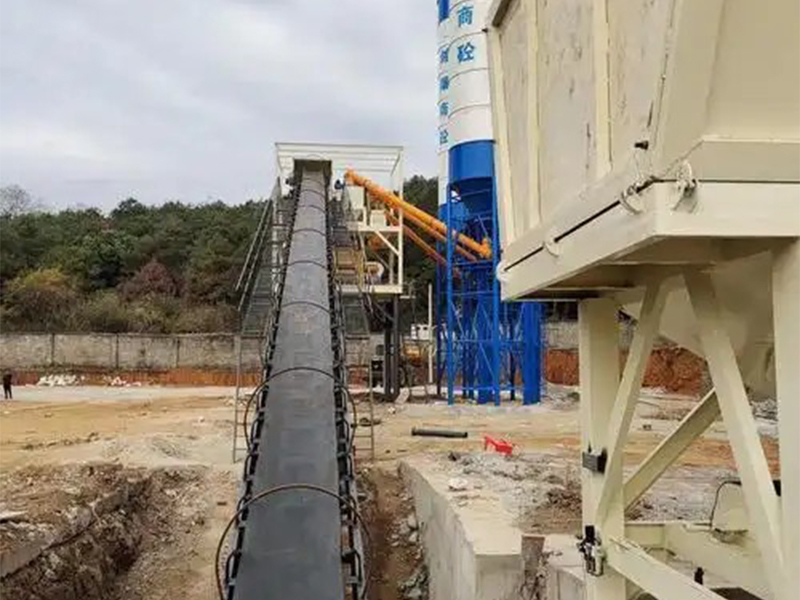
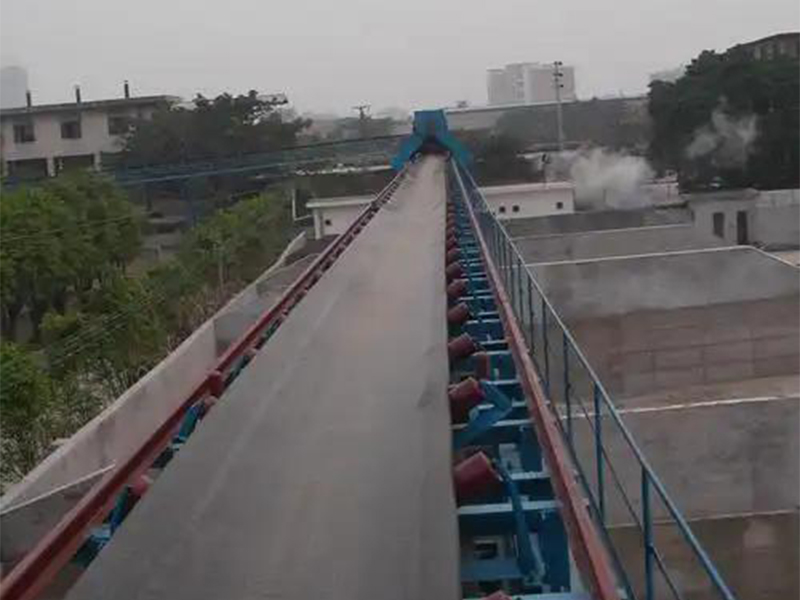
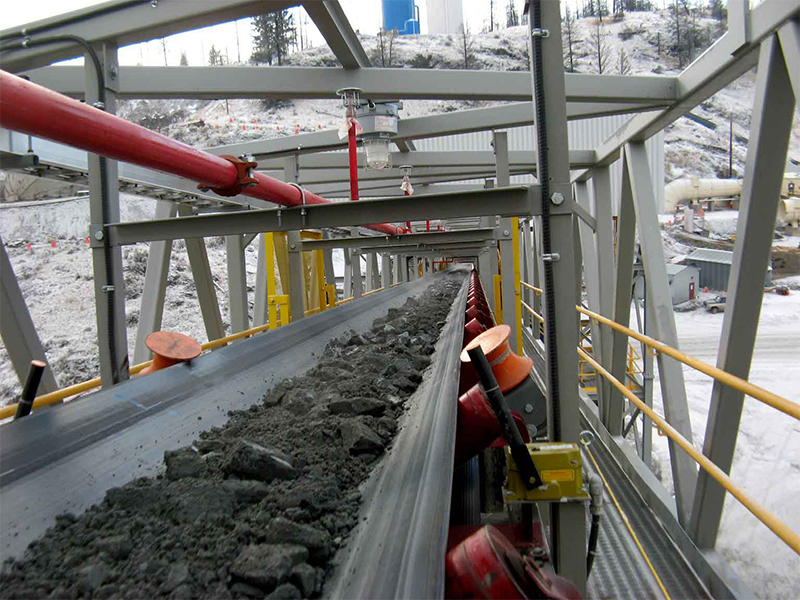
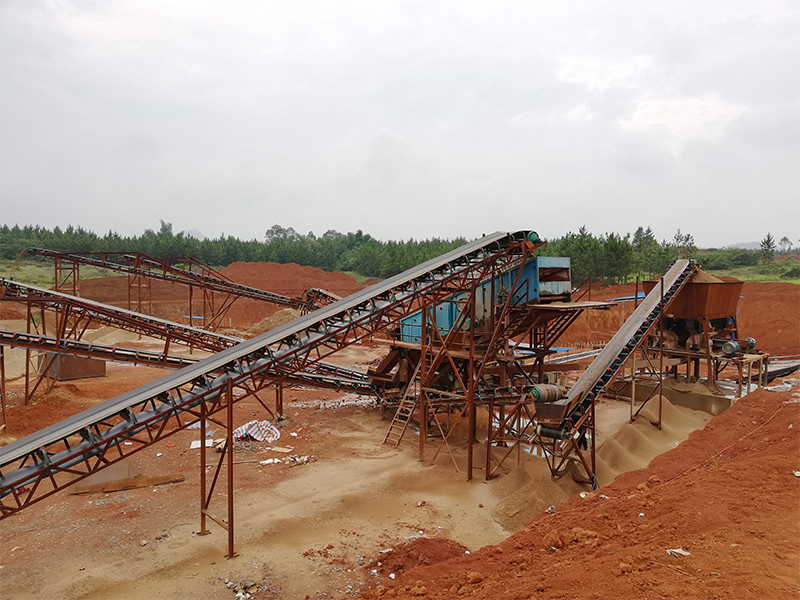
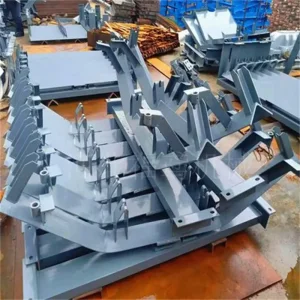
High-durability multi-ply configurations engineered to optimize bulk material handling across diverse topography.
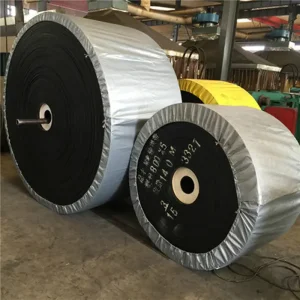
Engineered to handle clinker and hot sintering materials at temperatures up to 250°C in high-humidity regions.
Learn Specifications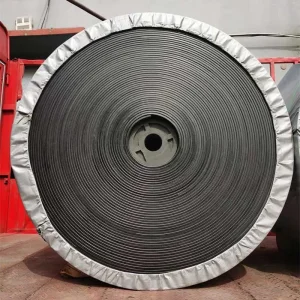
Maintains carcass flexibility and impact resistance under sudden thermal shocks and refrigerated terminal setups.
Learn Specifications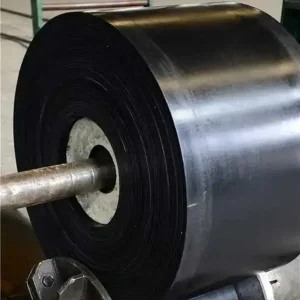
Excellent chemical resistance for fertilizer transport and chemical processing lines across Batangas & Mindanao.
Learn Specifications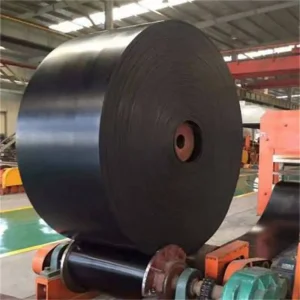
Premium multi-ply nylon core providing maximum elastic properties and superb impact resistance under heavy load dropping.
Learn SpecificationsAs an archipelagic nation accelerating towards dynamic industrialization, the Philippines depends heavily on efficient, robust bulk material handling systems to bridge geographical bottlenecks. From the gold and copper mines of Mindanao and the nickel-rich terrains of the Caraga region, to the major aggregate quarries in Rizal and cement grinding plants in Bulacan, operations run non-stop.
In these demanding environments, conveyor networks are not merely passive logistics components; they represent the structural arteries of production lines. Extreme tropical humidity, high ambient temperatures, and torrential monsoon rains subject conveyor belting systems to constant hydrolysis, mechanical fatigue, and high abrasion. Utilizing cheap, sub-standard belting directly leads to catastrophic line stoppages, which can cost enterprises thousands of USD per hour.
Handling highly abrasive raw metallic ores (nickel, chromite, gold, copper) requiring high impact absorption and cut-and-gouge resistance.
Withstanding continuous extreme temperatures from kilns to silos without thermal cracking or ply-delamination.
Handling bulk agricultural feeds, coal imports, and aggregate exports with minimal cover-to-pulley friction and low energy consumption.
Since 2004, Hebei Boao Rubber Technology Co., Ltd. has stood at the forefront of the conveyor belting industry. Operating from the Boye County Industrial District, Baoding, Hebei, China, we cover an expansive manufacturing footprint of over 30 acres. Producing under our flagship brand "Jinao", we provide end-to-end design, vulcanization, physical-chemical testing, and custom formulation for bulk handling systems globally.
Our dedication to quality has allowed us to pass international certifications, guaranteeing that each batch of multi-ply layered belts shipped to the Philippines complies fully with DIN, AS, ISO, and JIS standards.
We operate in-house testing labs validating tensile strength, elongation at break, multi-ply adhesion, and heat degradation before any roll leaves the warehouse.
Our continuous vulcanizing presses ensure highly consistent cover thickness, flat-profile tracking, and zero weak seam zones across the entire belt length.
Optimized export pathways from Tianjin/Qingdao ports straight to Manila, Cebu, and Cagayan de Oro, complete with comprehensive packing certificates.
Every conveyor belt system undergoes stringent checks, backed by international standards certifications.
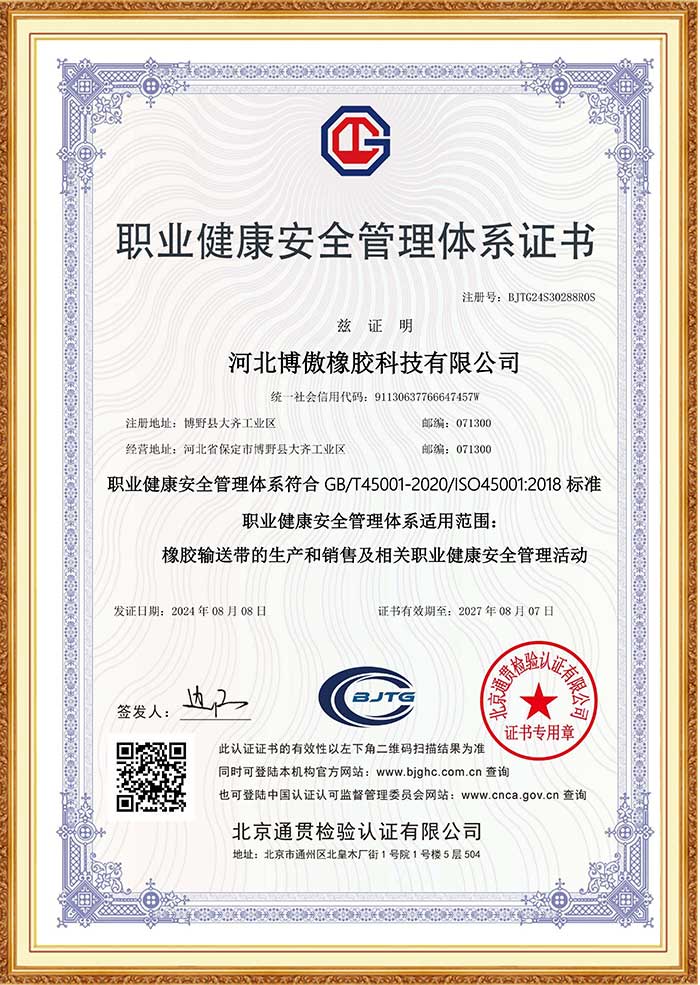
ISO 9001 System Certification
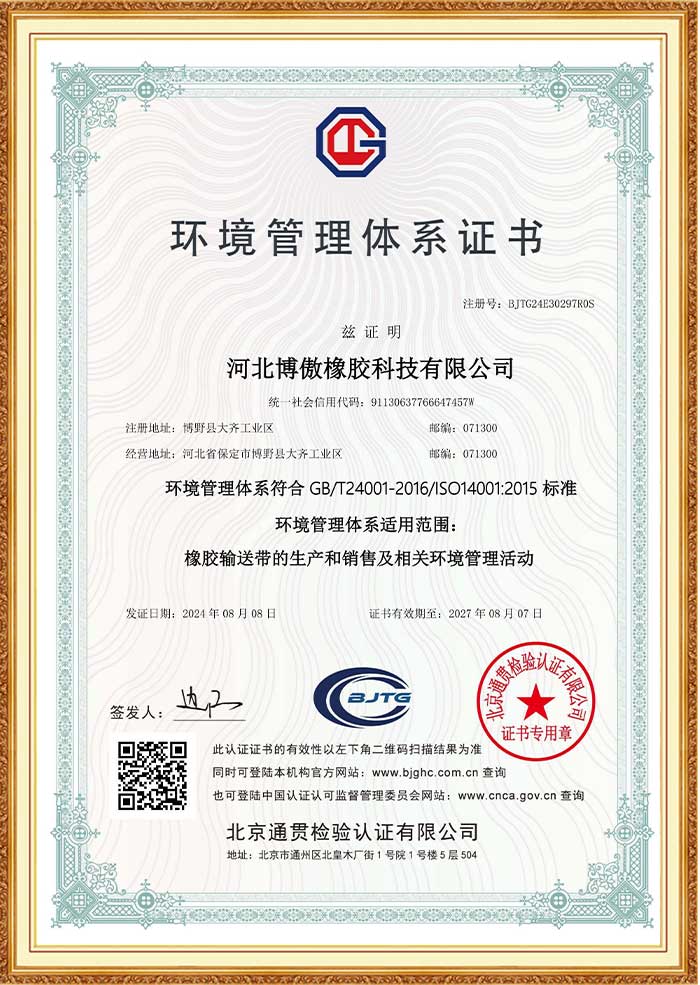
Production Standard Verification
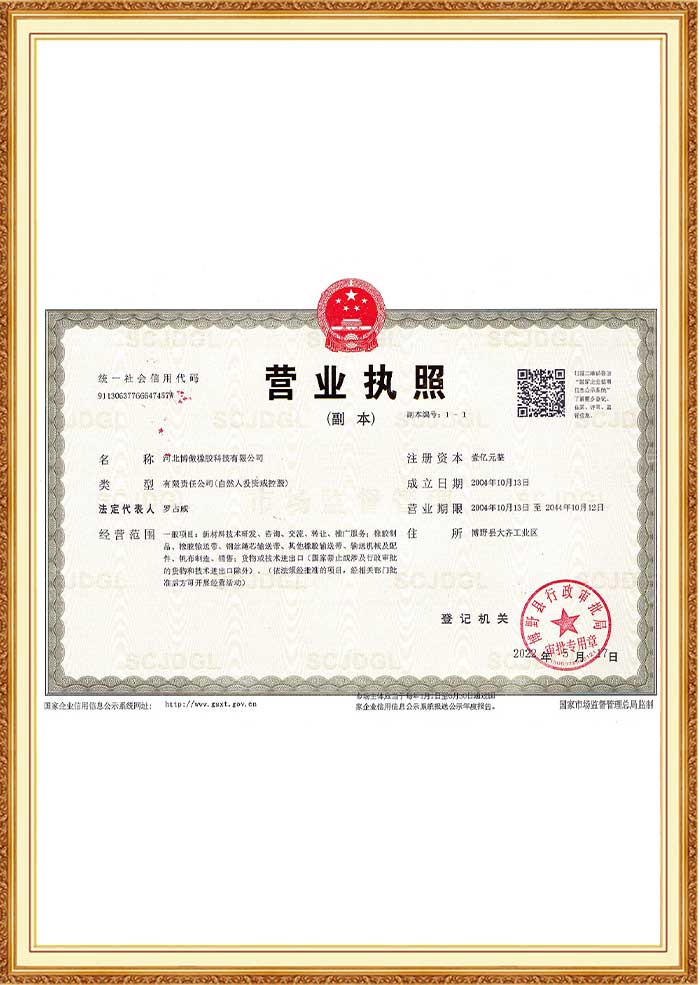
Physical Property Test Report
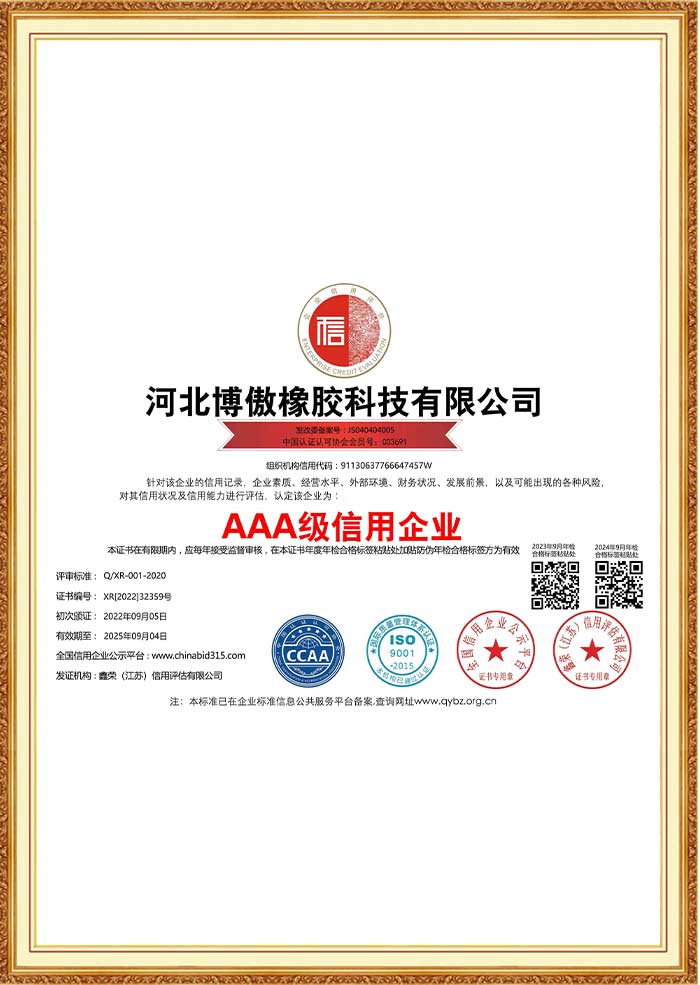
Quality Assurance Standard
How our automated compounding and advanced vulcanization deliver long-term TCO savings to Philippine bulk handlers.
The modern heavy-industry purchasing manager looks far beyond initial procurement costs. Total Cost of Ownership (TCO) rules operational decisions. In conveyor systems, the primary drivers of TCO are belt replacement frequency, splicing reliability, and energy draw.
Under the Factory 4.0 framework, Boao integration connects precise rubber formulation algorithms with high-tech continuous calendering. Standardized rubber blends ensure our covers remain free from thermal variance or structural weak zones. Consequently, Philippine plants receive belts that maintain accurate tracking, require minimal tensioning adjustments, and possess high resistance to ply separation.
Over two decades of structural reliability, supporting mega heavy-industry operators globally.
At Hebei Boao Rubber Technology, we offer a comprehensive technical lifecycle package to guarantee that our conveyor belts operate at peak design efficiency throughout their service life. This minimizes downtime and boosts ROI for Philippine bulk terminals and industrial facilities.
We address the critical stages of belt deployment, including site layout analysis, structural loading simulations, splice vulcanization training, and preventive maintenance routines. Our technical staff provides remote analysis and site support to optimize system configuration.
Regular belt wear profile tracing, thickness testing, and alignment diagnostics.
Step-by-step guidance on cold splicing or hot pressure vulcanization to match multi-ply rating.
Precise formulation adjusting top and bottom rubber cover based on material drop-height and size.
Scheduled production batches matching client maintenance intervals to reduce local warehousing costs.
Full inventory compatibility offering robust bulk handling under extreme operational loads.
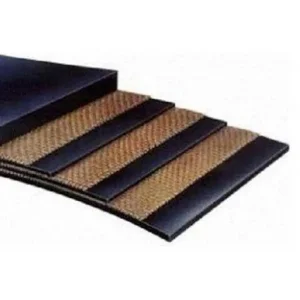
Designed for coal, grain, and aggregate handling with low energy pull carcass designs.
Learn Specifications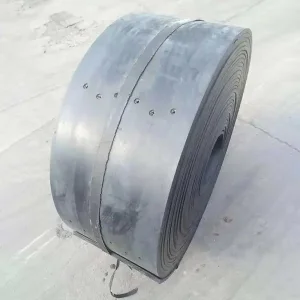
High vertical tear-resistant plies engineered specifically for heavy bucket attachment.
Learn Specifications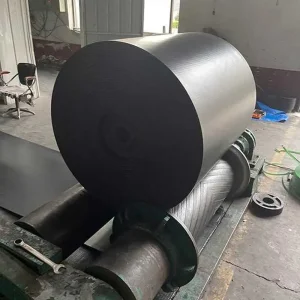
Self-extinguishing rubber compounds complying with MSHA and international fire safety codes.
Learn Specifications
Offers excellent flexibility and moisture protection for continuous bulk crop shipping.
Learn Specifications
Resistant to embrittlement down to -40°C, perfect for fish processing and meat packing plants.
Learn Specifications
Prevents static spark buildup and structural heat damage in enclosed terminal storage silos.
Learn Specifications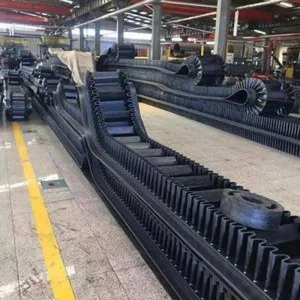
Enables high-angle vertical transport up to 90 degrees, optimizing floor space at quarry facilities.
Learn Specifications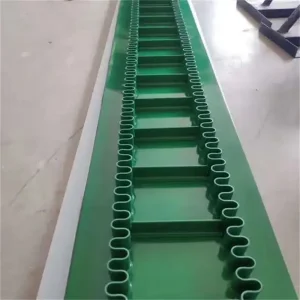
Anti-static and oil-resistant synthetic covers designed for high precision electronics assembly.
Learn SpecificationsTechnical guidelines to help mining engineers and quarry managers optimize material flow dynamics.
EP (Polyester Warp/Nylon Weft) fabric conveyor belts offer excellent dimensional stability with very low permanent elongation under heavy tension. This makes them ideal for long-distance transport systems where take-up travel is limited. NN (Nylon Warp/Nylon Weft) conveyor belts, on the other hand, provide higher elasticity, superior impact resistance, and excellent troughability. NN belts are ideal for short-to-medium distance systems with heavy impact loading zones, such as aggregate quarries and mine discharge terminals.
High tropical humidity can cause moisture to penetrate through micro-cracks in the cover rubber, leading to fabric hydrolysis and structural rot in lower-grade polyester carcass belts. Additionally, high moisture levels accelerate chemical breakdown in the adhesive bond between plies, causing delamination. Hebei Boao mitigates this risk by using specialized anti-hydrolysis rubber compounds and mold-resistant chemical coatings, ensuring our belts survive tropical monsoons.
DIN X and DIN Y define the abrasion limits under German standards. DIN X has a maximum volume loss of 120 mm³ and higher tensile strength, making it ideal for large, sharp, abrasive rocks (like granite and basalt quarrying) that cause severe gouging. DIN Y allows a volume loss up to 150 mm³ and is suitable for moderately abrasive bulk materials like coal, cement, and sand. Selecting the correct DIN specification prevents premature cover wear.
For temperatures exceeding 120°C up to 250°C (common in cement clinker lines), standard rubber covers will harden and crack. In these environments, EPDM (Ethylene Propylene Diene Monomer) rubber covers are recommended. EPDM maintains high cross-link density under sustained heat, preventing thermal embrittlement and maintaining flexibility to protect the inner EP plies from heat degradation.
Pulley diameters must scale with the overall belt stiffness and ply count to prevent delamination. For a 4-ply EP-800 belt (each ply contributing to stiffness), the minimum drive pulley diameter typically ranges from 500mm to 630mm, depending on actual operational tension. Operating on smaller pulleys causes extreme cyclic compression and tension forces, which degrades the inner fabric layers.
We provide comprehensive ocean freight shipping options (FCL and LCL) departing from major northern ports (Tianjin and Qingdao) directly to Manila (North/South Harbor), Cebu Port, and Davao (Sasa Wharf). Typical sea transit times range from 9 to 15 days. All shipments include detailed export packaging, ocean bill of lading, physical property test certs, and certificates of origin to expedite local customs clearance.
The following reference links connect directly to our design archives for verification of historical engineering dimensions:
 Boao Rubber