 Boao Rubber
Engineered for High-Tensile Demands and Severe Load Conditions in Swiss Industrial Corridors
Architecting robust, low-maintenance heavy transport networks in Europe's most challenging mountainous topography.
Switzerland’s industrial landscape relies heavily on efficient, robust infrastructure capable of handling bulk materials across extreme terrain elevations. From the excavation of Alpine tunnels like the Gotthard Base Tunnel to heavy quartz quarries in Valais, and municipal waste-to-energy recovery facilities in Zürich, high-tensile material handling systems are the unsung lifelines of Swiss engineering.
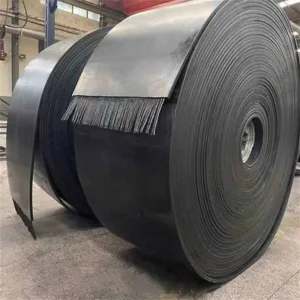
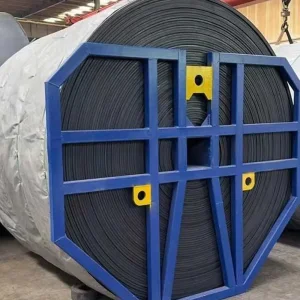
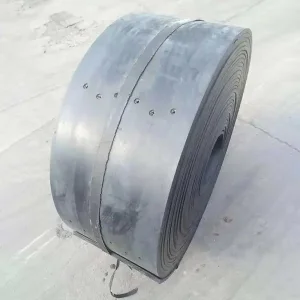
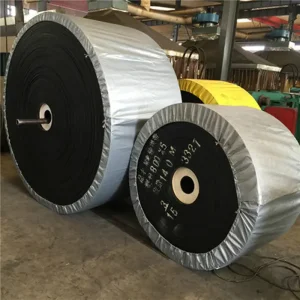
Standard textile-reinforced conveyor belts often fall short in Swiss alpine sites. Long-distance conveying paths, steep vertical curves, and extreme loads require the unmatched structural performance of Steel Wire Rope Core Conveyor Belts. These systems limit structural elongation to virtually zero (under 0.2% at working load), eliminating the need for massive, complex gravity take-up structures in space-constrained mountain valleys and underground galleries.
Additionally, Swiss environmental regulations (enforced by the Federal Office for the Environment - FOEN) and safety standards (monitored by SUVA) mandate low energy consumption and strict flame-retardant properties. Swiss procurement teams look for suppliers who provide verified compliance certificates along with low rolling resistance (LRR) rubber formulations to lower electricity costs and reduce CO2 taxes.
A steel cord belt's performance depends on the interaction between its high-tensile core, bonding matrix, and outer rubber cover. Below is a breakdown of the key components designed to withstand severe impacts and prevent catastrophic failure in alpine environments.
| Component Layer | Technical Feature & Material Grade | Operational Benefit for Swiss Industries |
|---|---|---|
| Internal Steel Cords | High-tensile zinc galvanized open type steel wire (7x7 / 7x19 structure) | Maximum resistance to corrosion in damp tunnels, high dynamic load cycles without wire fatigue. |
| Bonding Interlayer | High-adhesion, cross-linking natural & synthetic rubber blends | Guarantees rubber-to-steel pullout force exceeding standard international ISO 15236 limits. |
| Outer Covers | DIN 22131 / EN ISO 15236 Cover Grades (Grade X, Y, W, H, D) | Resists sharp granite gouging, heavy impacts, and abrasive wear from gravel processing. |
| Anti-Tear Reinforcements | Transverse elastic steel wefts or high-modulus textile break breakers | Instant tear arrest if a foreign metal object punctures the belt during processing. |
Underground humidity and temperature variations in mountainous transport runs can accelerate internal core corrosion if moisture reaches the steel wire. We resolve this by applying an open-type wire rope structure. During the vulcanization process, the highly elastic bonding rubber penetrates deeply into the center of the steel cord, completely sealing each individual wire from moisture ingress. Zinc galvanization acts as a second protective barrier, maintaining cord flexibility and preventing delamination over decades of operational life.
For Swiss procurement departments, the total cost of ownership (TCO) of conveyor installations is a primary metric. High energy costs and expensive downtime in Switzerland require a strategic balance of capital expenditure (CAPEX) with operating expenditure (OPEX).
By using Low Rolling Resistance (LRR) compounds on the bottom pulley cover, indentation losses from rollers are reduced by up to 20%. For Swiss aggregate plants operating kilometers of overland systems, this translates directly to megawatt-hour savings annually, supporting corporate carbon-neutrality initiatives.
Steel cord vulcanized finger-splicing demands high technical skill. We supply custom splicing kits including raw tie gum, cover rubber, and vulcanizing solutions matching the original chemical matrix. This ensures the splice area reaches up to 95% of the belt's overall tensile rating, preventing catastrophic splice breaks.
Your Trusted Global OEM Partner for Jinao Brand Industrial Conveying Solutions
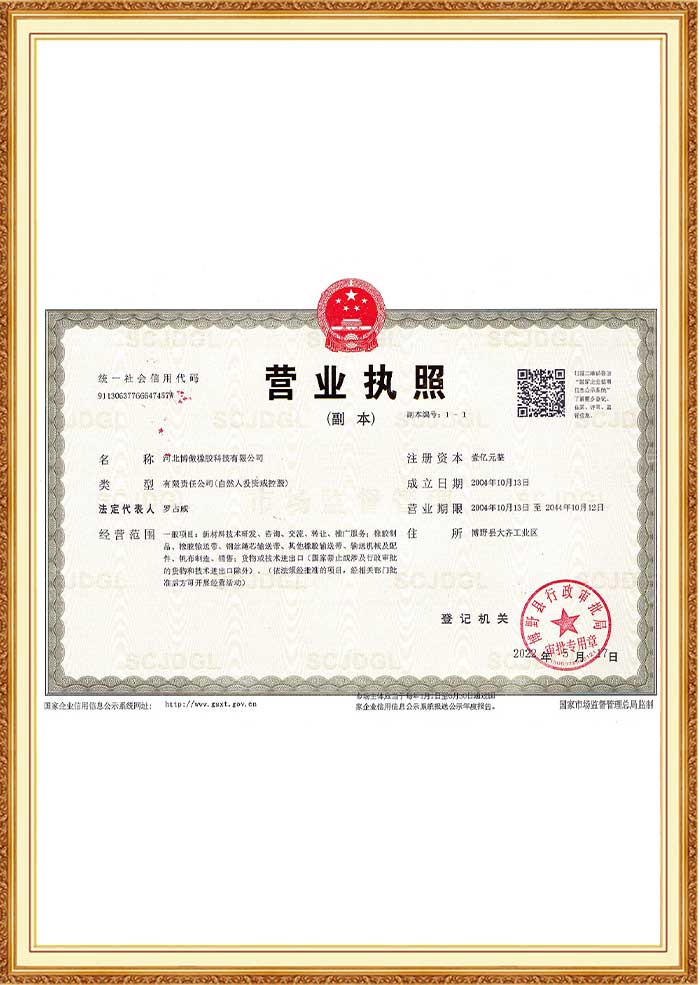
Established in 2004 and located in the boye County Rubber Industrial Park, Baoding, Hebei Province, Hebei Boao Rubber Technology Co., Ltd. covers an area of over 30 acres. Under our flagship brand "Jinao", we specialize in the development, manufacture, and installation support of conveyor belts and supporting accessories.
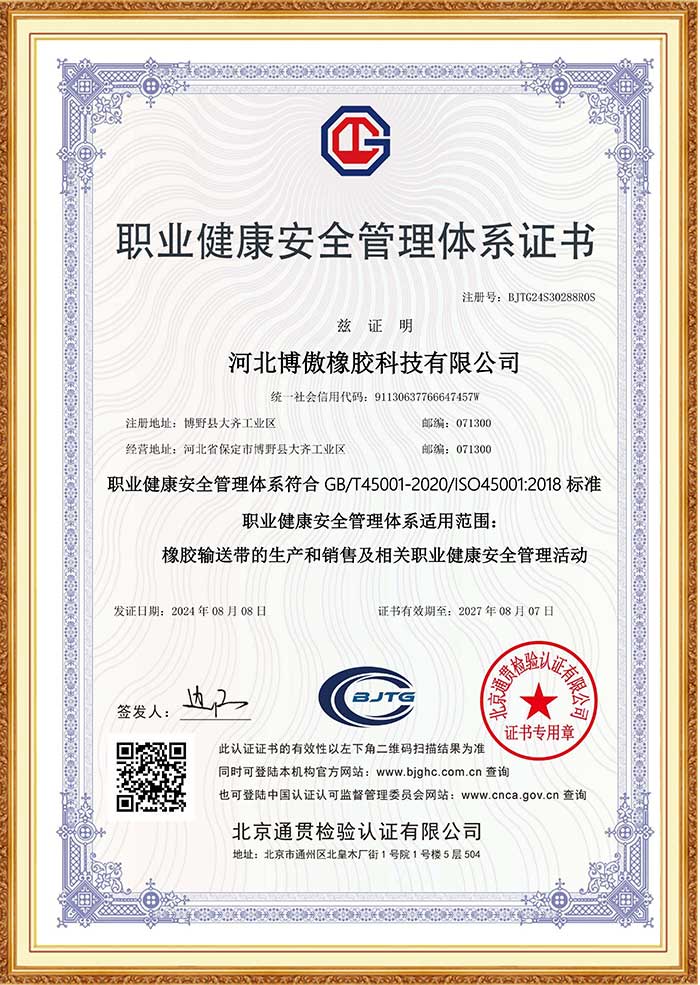
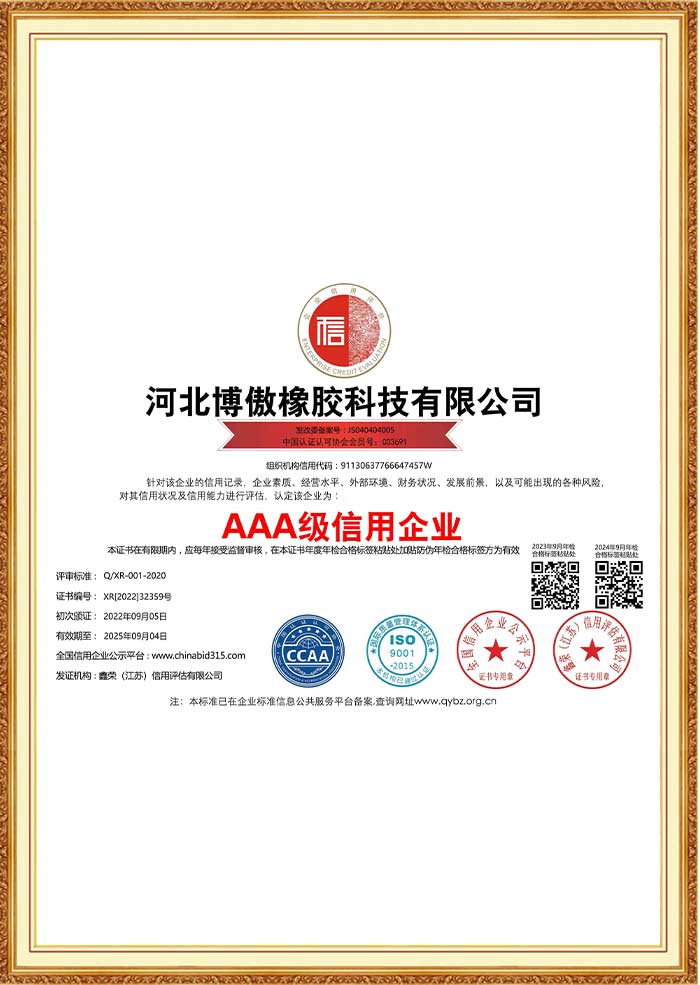
Equipped with state-of-the-art rolling, forming, vulcanization, and material testing machinery, we operate a fully integrated facility from raw rubber sourcing to final structural delivery. Our facilities are certified under the international quality management systems (ISO 9001).
Our independent chemical analysis and physics labs test every batch of raw rubber and steel cord to guarantee DIN and ISO compliance.
Dedicated inspectors monitor mixing, calendar coating, steel assembly, and vulcanization phases with ultrasonic and X-ray testing.
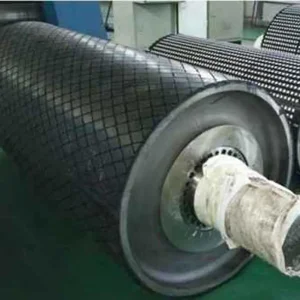
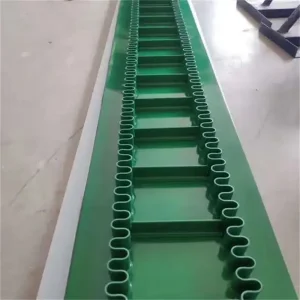
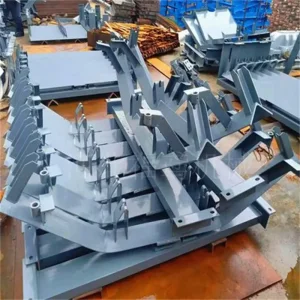
From heavy steel wire rope cores to multi-ply EP/NN fabrics, chevron patterns, high-inclination corrugated sidewalls, and customized roller sets.
We provide comprehensive lifecycle support for your bulk handling systems, helping you avoid coordination issues with third-party vendors.
Planned replacements, vulcanization splicing, cover damage repairs, and non-destructive core testing services.
We maintain emergency raw materials and backup belt reserves in our factory warehouse, enabling fast response times for unexpected failures.
All materials are tested under rigorous international testing standards, matching the technical directives of Swiss engineering firms.
Heavy-duty bulk material systems successfully deployed in challenging aggregate and metallurgy projects worldwide
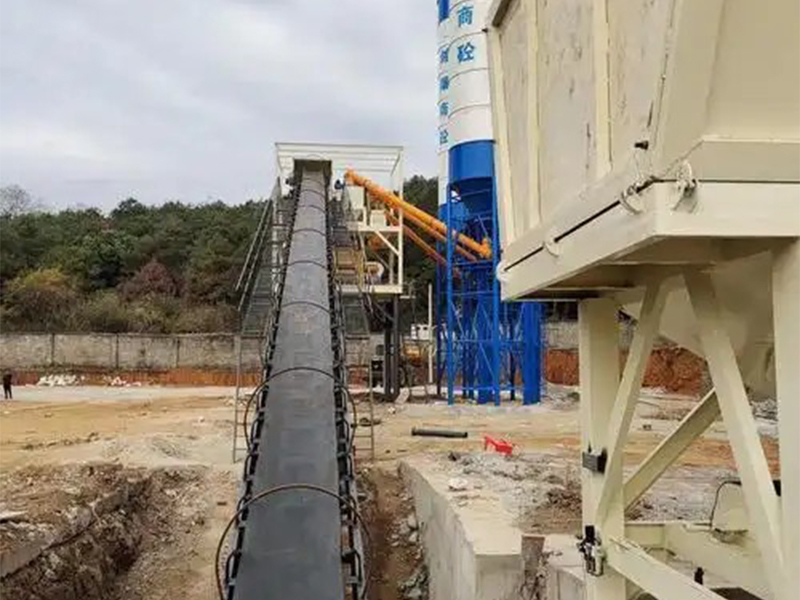
Supplying continuous wear-resistant steel cord systems for major railway cement and dry-mixing plants globally.

Equipped with high-temperature resistant steel wire belts to ensure stable transport of raw clinker at temperatures up to 200°C.

Deploying flame-retardant steel wire core belts with dynamic rip detection sensors for deep-well extraction safety.

Specifying tear-resistant steel weft belts for heavy nickel ore processing lines under high-frequency impact conditions.
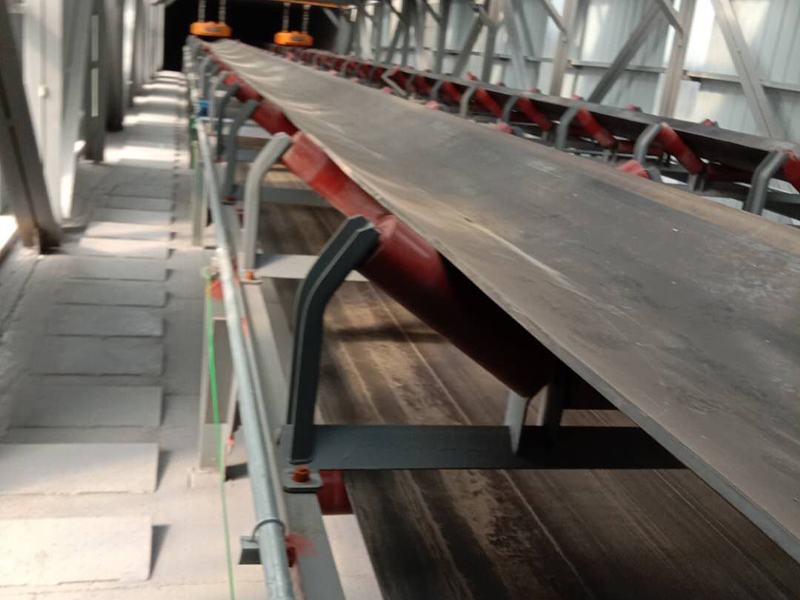
Supplying heat-resistant belts that minimize thermal fatigue in high-temperature steel mill material processing.
Conveyor systems are shifting away from manual maintenance routines. Modern industrial facilities rely on digital monitoring and green logistics, which shape the ongoing developments in steel cord technology.
Integrating continuous electromagnetic sensors directly above the pulley lines. Real-time scanning spots interior wire breaks, splice shifts, and core corrosion before damage triggers an unscheduled shutdown.
Reducing dependency on fossil feedstock. Next-generation rubber formulas incorporate bio-resins and recycled raw materials, helping Swiss heavy-industry companies align with environmental regulations.
Using computer-optimized finger-splice layouts that reduce peak shear stresses in dynamic splicing zones, prolonging overall system runtime and cutting maintenance cycles in half.
Premium Belting Solutions, Specialized Compounds, and Component Hardware Supporting Swiss Operations
Expert answers addressing the design, installation, and optimization of high-tensile material handling systems.
Steel cord conveyor belts have very low elongation (typically under 0.2% under full load), which is significantly lower than multi-ply textile options. This minimal stretch allows systems to operate without long take-up travel distances. This is particularly advantageous for space-constrained Swiss mountain runs and underground tunnels, where housing a large gravity tensioning tower is impractical.
We use fully galvanized, open-structured steel wire ropes (e.g. 7x7 or 7x19 config). This configuration allows the core compound rubber to flow inside the cord spaces during vulcanization. This fully seals every single wire, preventing oxygen and moisture from entering and stopping internal rust from spreading even if the outer rubber is cut.
We provide cover compounds that comply with European DIN 22131 and ISO 15236 standards. For sharp granite, quartzite, and alpine gravel, we recommend Grade X or Grade W. These compounds deliver high tensile strength (up to 25 MPa) and low volume loss (under 90 mm³), protecting the steel core against heavy impacts and wear.
Yes. Our belts can be vulcanized with embedded vulcanized inductive sensor loops at specified intervals. When combined with sensor heads at transfer points, any longitudinal tear triggers an automatic system shutdown, protecting the system from extensive damage.
We coordinate sea-to-rail container shipping to key Swiss dry ports and industrial zones (Zürich, Basel, Geneva). Each shipment is accompanied by detailed test certificates from our independent laboratories, ensuring the products meet European standards prior to customs clearance and installation.