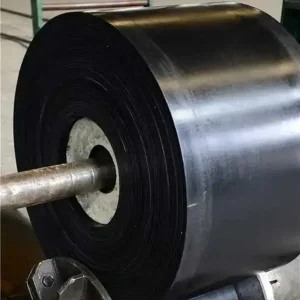
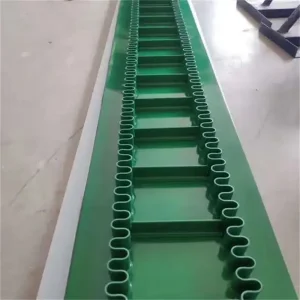
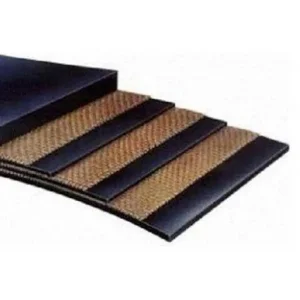
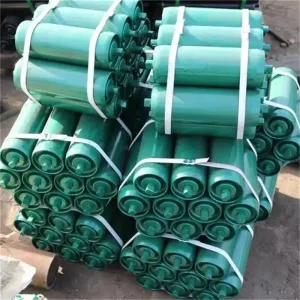
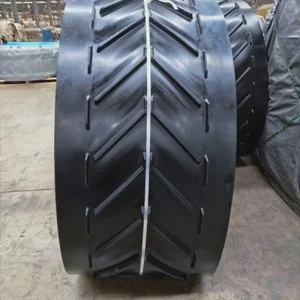
Explore our selection of heavy-duty steel wire, heat-resistant conveyor belts, and precision rollers designed to work seamlessly with our portable vulcanizing equipment.
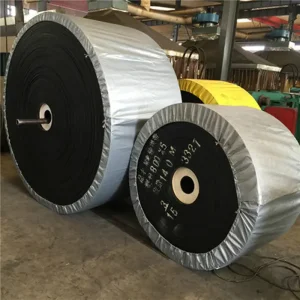
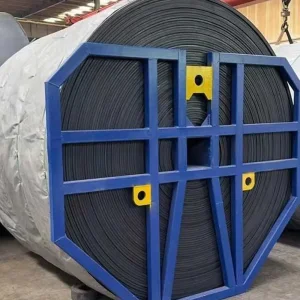
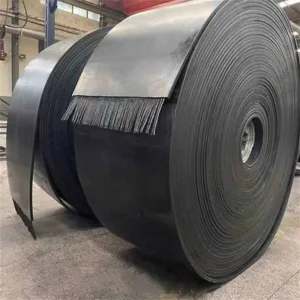
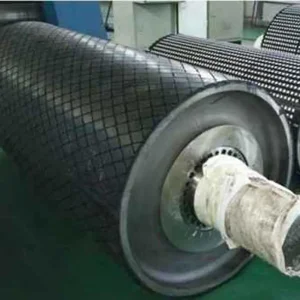
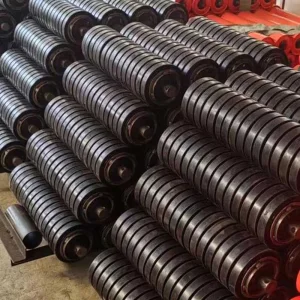
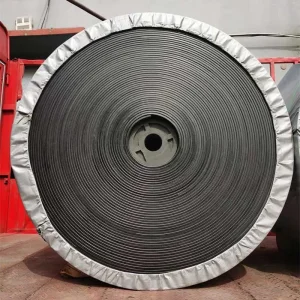
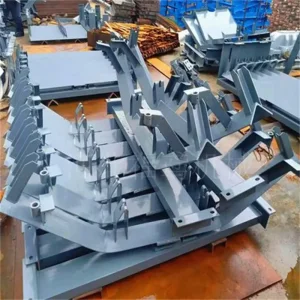
In heavy bulk material handling industries—such as deep-shaft mining, metallurgy, thermal power generation, and port logistics—the structural integrity of conveyor belts governs the operational efficiency of the entire supply chain. A single conveyor belt failure can trigger catastrophic plant downtime, translating to significant financial losses. To prevent such structural vulnerabilities, modern operations rely on high-fidelity hot vulcanization techniques. Central to this process is the portable vulcanizing machine—an indispensable engineering asset that achieves Molecular cross-linking of raw rubber under precise thermal and mechanical pressure conditions.
A top-tier portable vulcanizing machine is engineered for onsite deployment, requiring rapid assembly, robust weatherproofing, and laboratory-grade temperature and pressure consistency. The complete system consists of several crucial engineering modules:
Industrial operations often weigh hot vulcanization against cold chemical bonding or mechanical fasteners. Although cold bonding and mechanical belt fasteners offer shorter repair windows, they introduce structural failure risks. Mechanical joints suffer from rapid wear, pullout failures under high tension, and create catch points for scraper blades. Cold bonding processes are heavily dependent on atmospheric moisture and chemical adhesives, which degrade at high ambient operating temperatures.
In contrast, hot vulcanized joints achieve up to 90% of the original belt's tensile strength. The application of heat and pressure under controlled vulcanization curves restores the rubber's molecular elastomer matrix, creating a seamless, water-tight joint. This prevents moisture ingress into the internal steel wire rope core or nylon fabric plies, eliminating core corrosion and ply delamination.
Integrating state-of-the-art manufacturing processes with decades of field-proven design expertise in Boye County, China.
Hebei Boao Rubber Technology maintains an independent, state-certified chemical analysis and physics laboratory. By closely monitoring every step from raw synthetic rubber procurement to vulcanized belt curing, we enforce a strict policy where no unqualified products leave our facility.
Our facility houses high-precision testing machinery, including rheometers and tensile strength testers, ensuring that our conveyor belts and field jointing kits consistently withstand severe mechanical stresses under load.
Leveraging a comprehensive domestic and global supply network, we deliver complete material handling components, emergency splicing kits, and support frameworks to remote industrial sites worldwide.
Providing tailored engineering solutions designed for complex material handling challenges across diverse industrial environments.
In high-altitude mining applications, conveyors face extremely low ambient temperatures and intense UV exposure. Our cold-resistant rubber formulations and high-performance steel wire rope core belts operate reliably down to -40°C. Coupled with lightweight portable vulcanizers, maintenance teams can quickly perform reliable hot splices in challenging alpine conditions.
Metallurgical plants require conveyor belts that can handle sintering materials and red-hot slag at temperatures exceeding 200°C. Our specialized heat-resistant EP and steel cord belts, combined with high-pressure thermal vulcanizing systems, ensure that splice points maintain structural integrity without thermal degradation or adhesive failure.
Phosphate fertilizer plants and marine terminals require belts that resist acids, bases, and salt water. We manufacture acid/alkali-resistant belts using advanced polymer blends. For these environments, our vulcanizing machines are equipped with corrosion-resistant components to handle harsh onsite chemical exposure during maintenance cycles.
A reliable material handling system requires more than just premium hardware; it demands a structured technical maintenance plan. Hebei Boao Rubber Technology provides comprehensive service programs designed to extend belt life and optimize operational uptime.
We conduct onsite ultrasonic thickness testing, joint inspections, and roller alignment checks to catch potential issues before they cause unplanned downtime.
We provide hands-on operator training for portable vulcanizing machines, covering temperature configuration, pressure bag inflation safety, and rubber step preparation.
We supply fast-curing repair patches, cold-bonding compounds, and portable spot vulcanizers to resolve localized cover damage and edge wear quickly.
The vulcanization industry is shifting toward digitalization and remote connectivity. Future portable vulcanizing machines will integrate advanced sensors to capture real-time temperature profile logs, cooling rates, and pressure stability. These logs can be uploaded to a secure cloud platform, generating a digital quality certificate for each joint. At Hebei Boao, we are actively researching smart PLC modules that monitor heating element health and automate pressure compensation to support these modern maintenance standards.
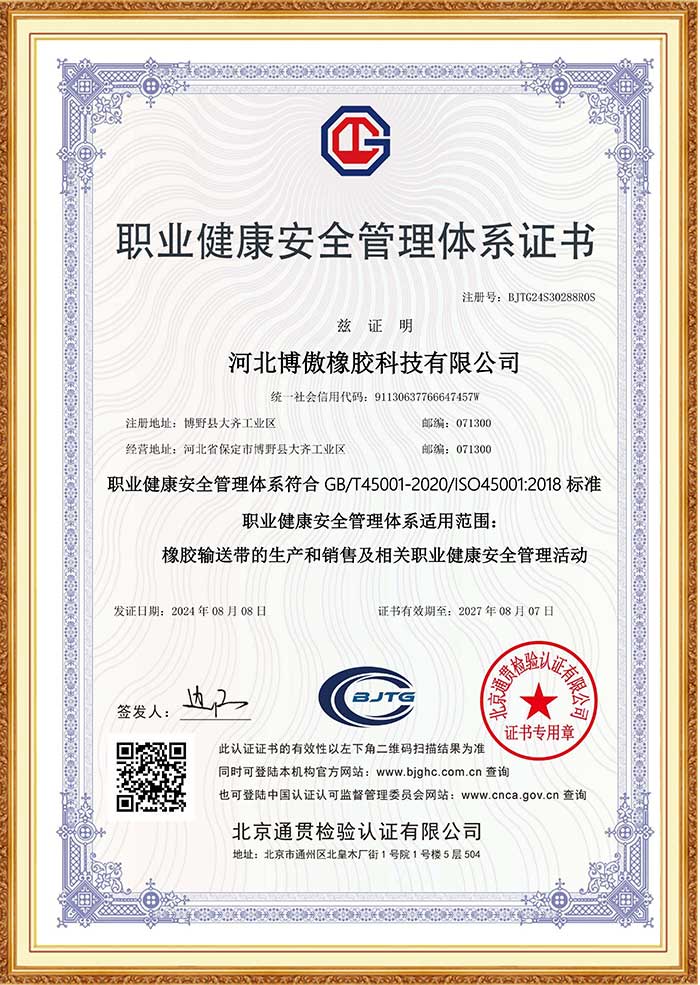
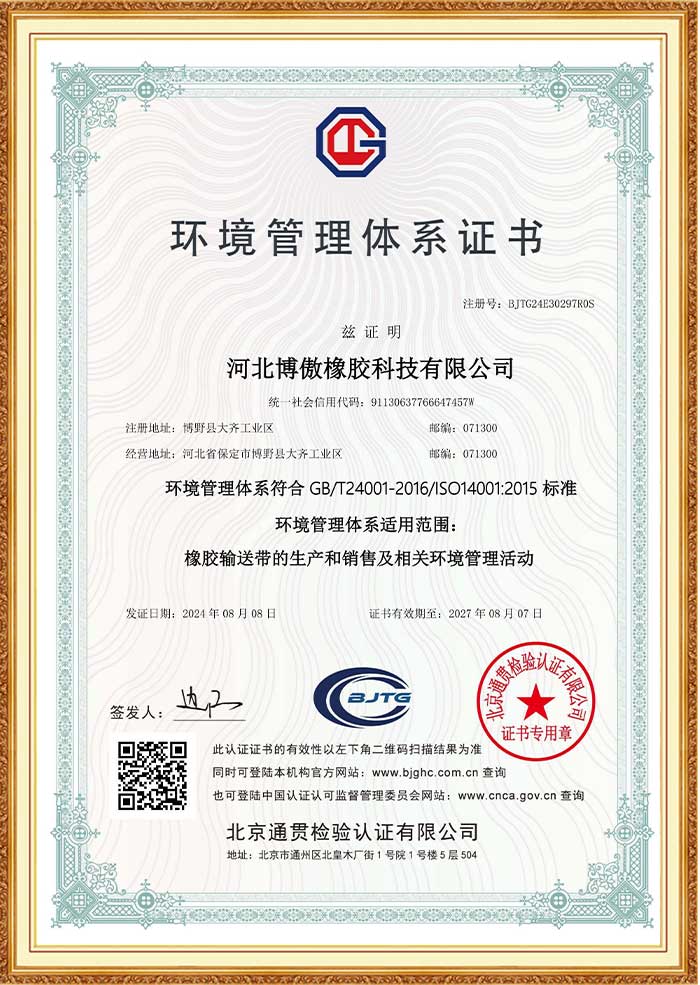
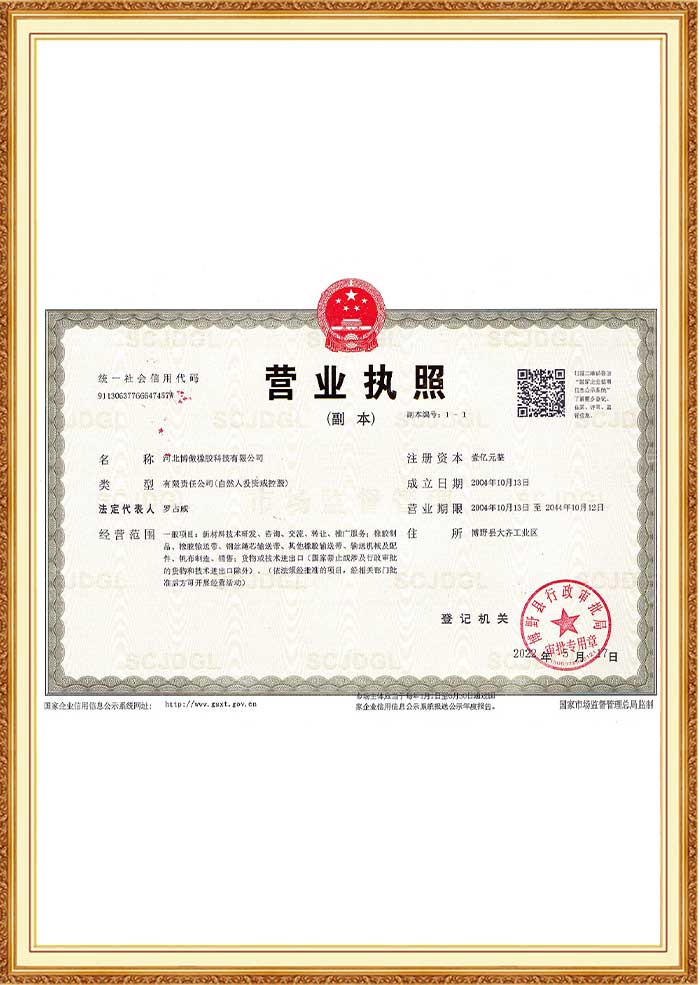
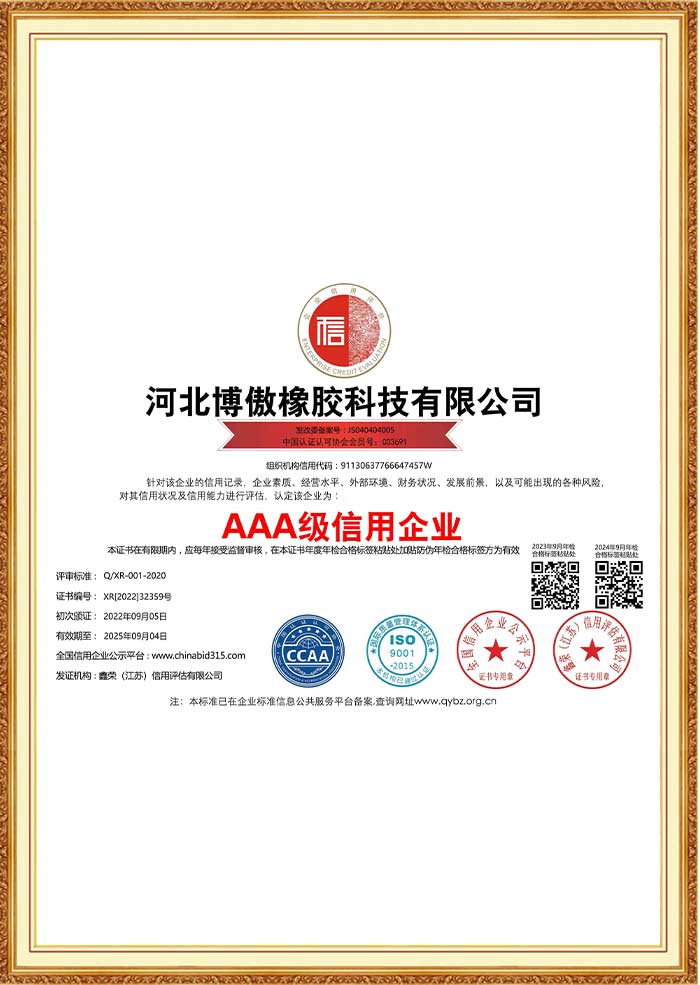
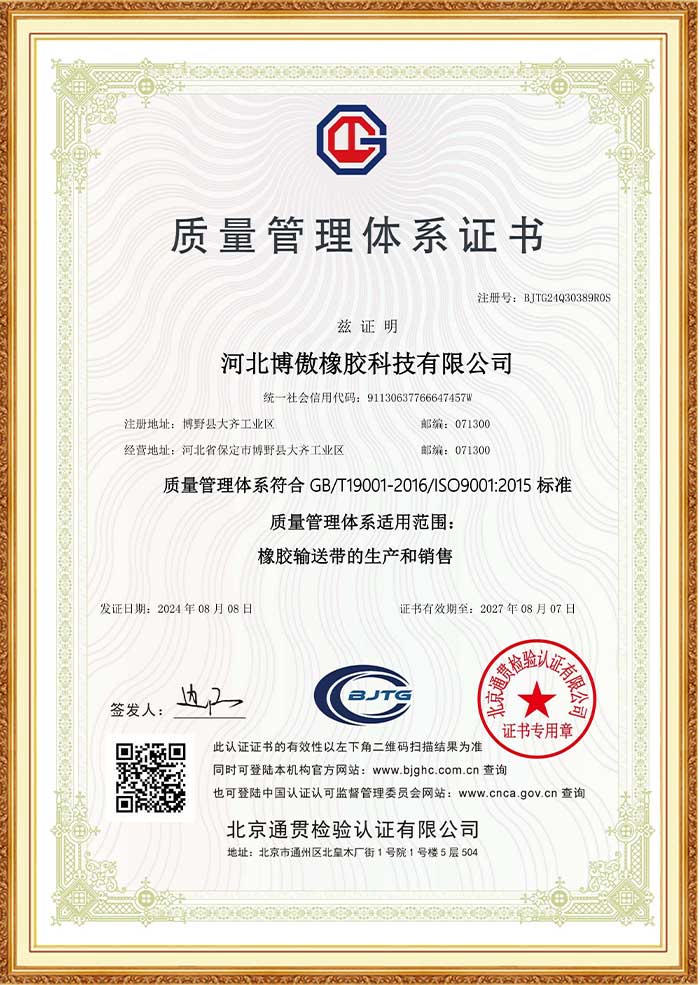
Our products are engineered, tested, and certified to meet high international standards, supporting major operations worldwide.
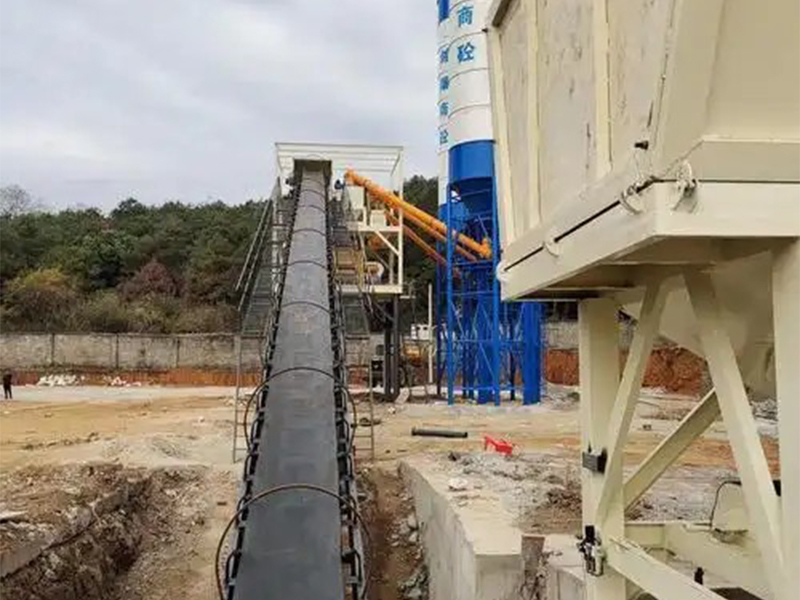
China Railway Group
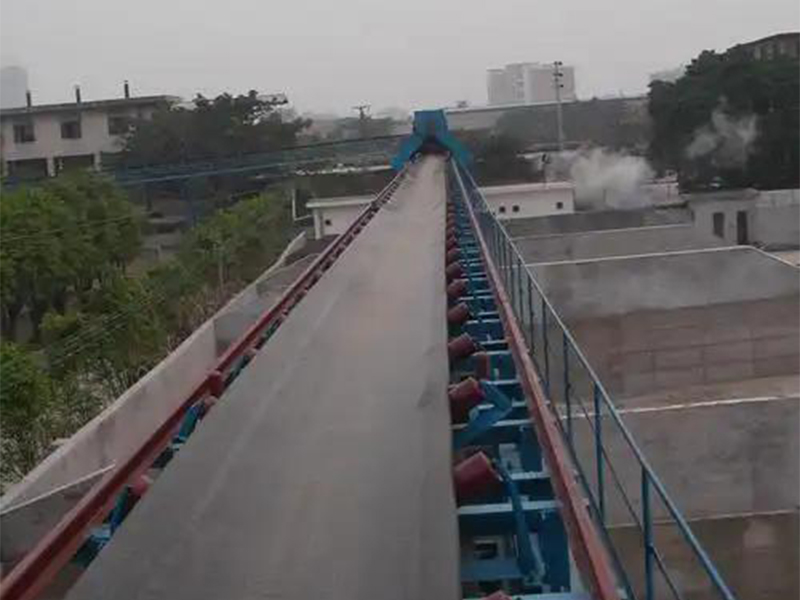
Conch Cement
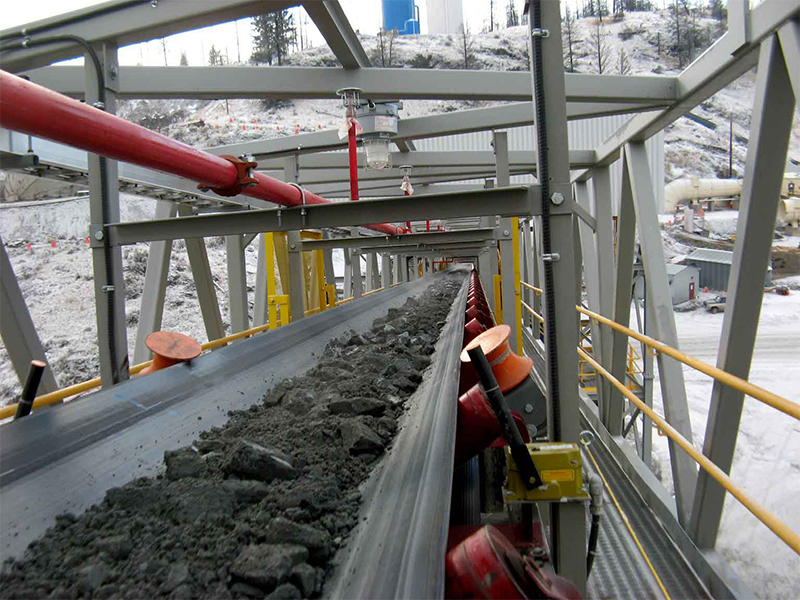
Datong Coal Group
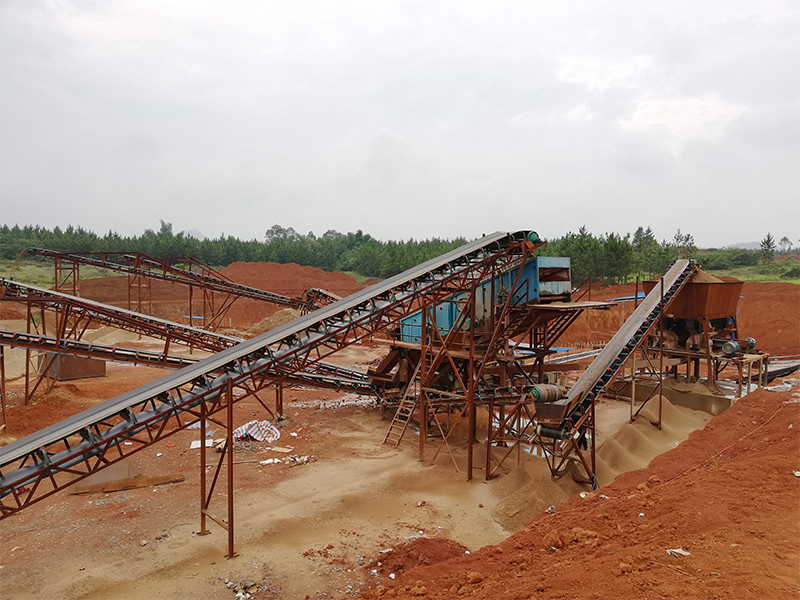
Tsingshan Group
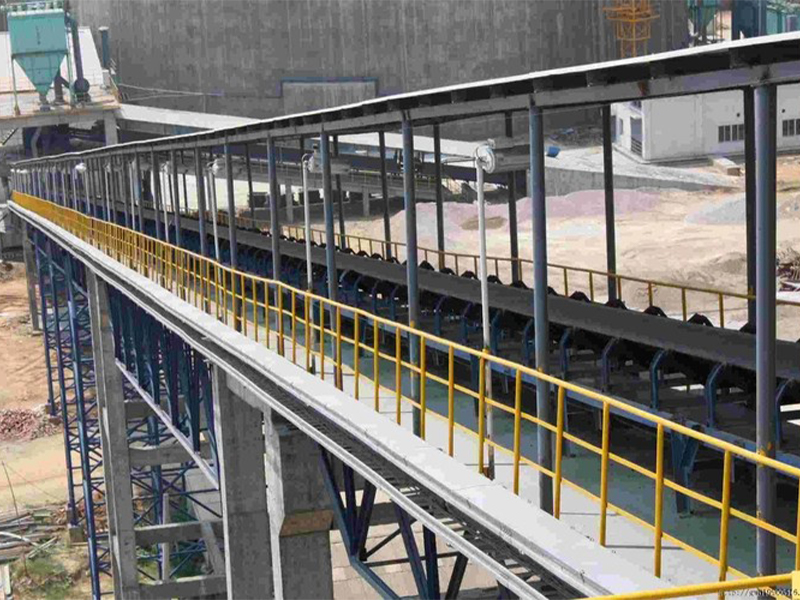
Jidong Cement Group
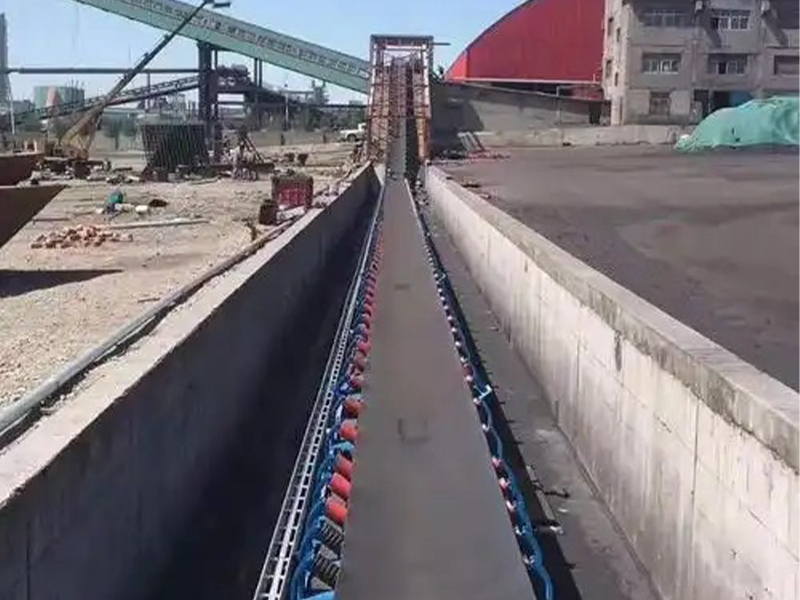
Jinmei Group
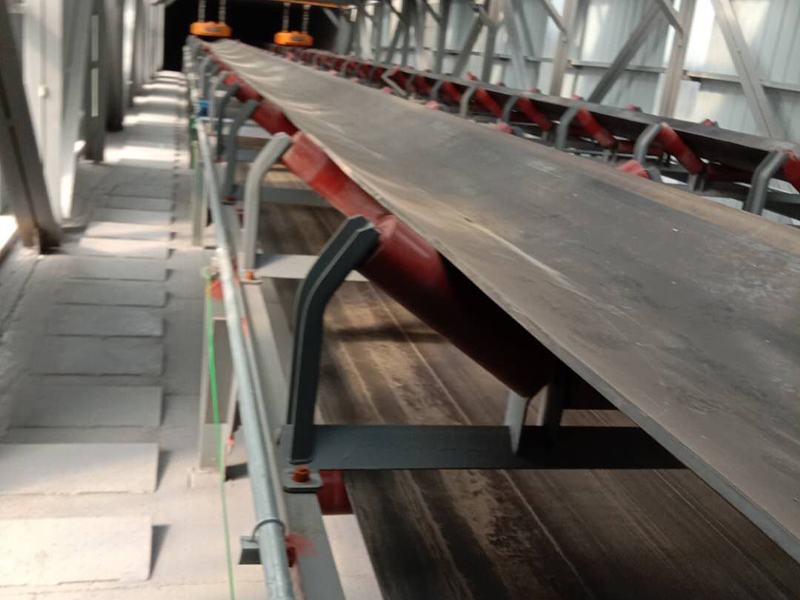
Taihang Steel
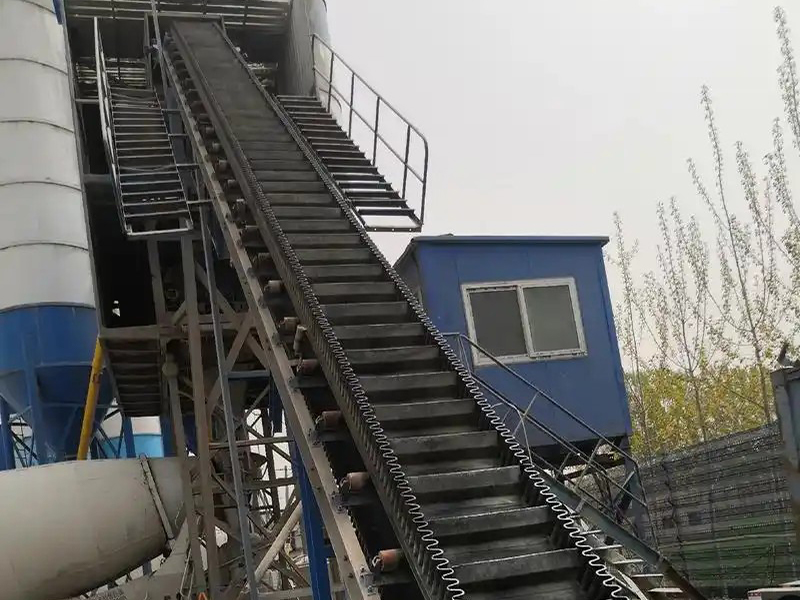
Puyang Steel Group
Get authoritative answers to common technical queries about portable vulcanizing machines and conveyor belt splicing.
Discover additional high-durability products to support your bulk material handling operations.
 Boao Rubber